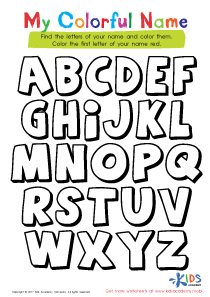
Phonics Skills Grade 2 Phonics Worksheets
17 filtered results
-
From - To
Enhance your child's reading abilities with our Grade 2 Phonics Worksheets! Perfectly designed for second graders, these worksheets cover essential phonics skills, such as consonant blends, long and short vowel sounds, digraphs, and more. Each printable worksheet aims to strengthen phonemic awareness with engaging exercises that make learning fun. Parents and educators can easily download and print these comprehensive resources to support classroom activities or at-home practice. Foster your child's phonics proficiency and help them achieve literacy success with our expertly crafted phonics worksheets. Visit our web page to discover more and start your phonics journey today!
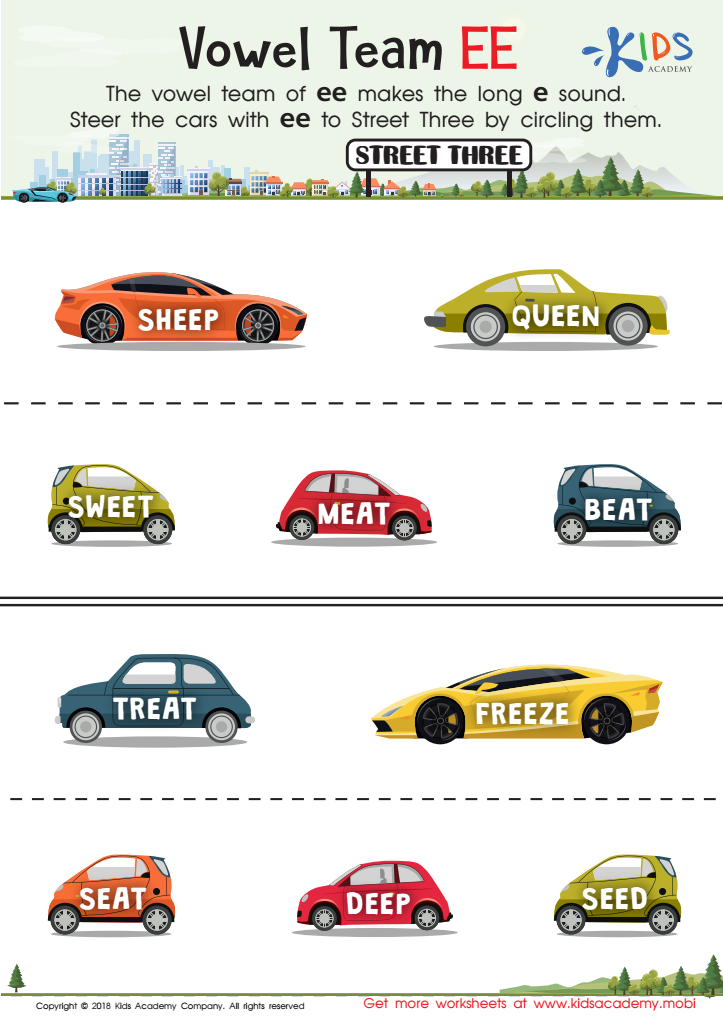
Vowel team ee Worksheet
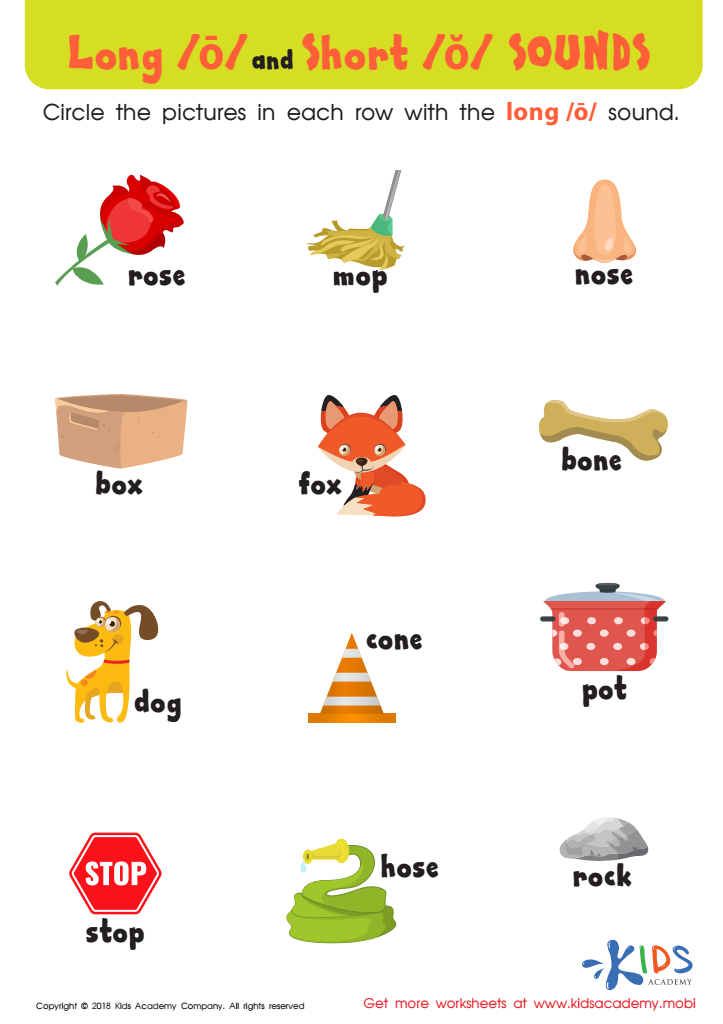
Reading: Long O and Short O Sounds Worksheet
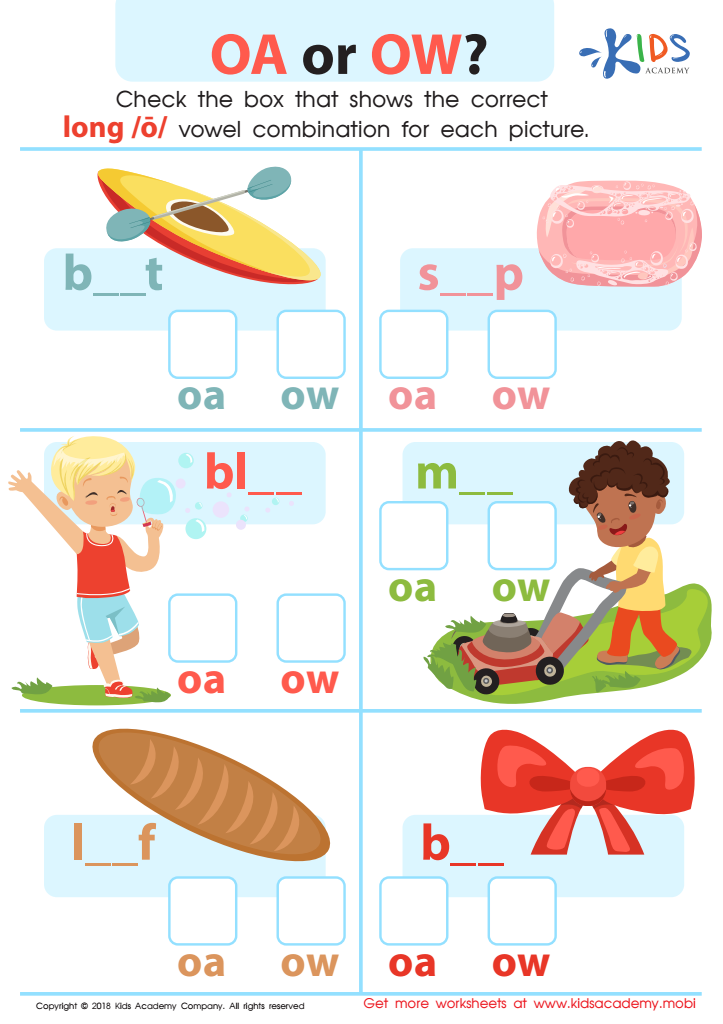
Reading: OA or OW Worksheet
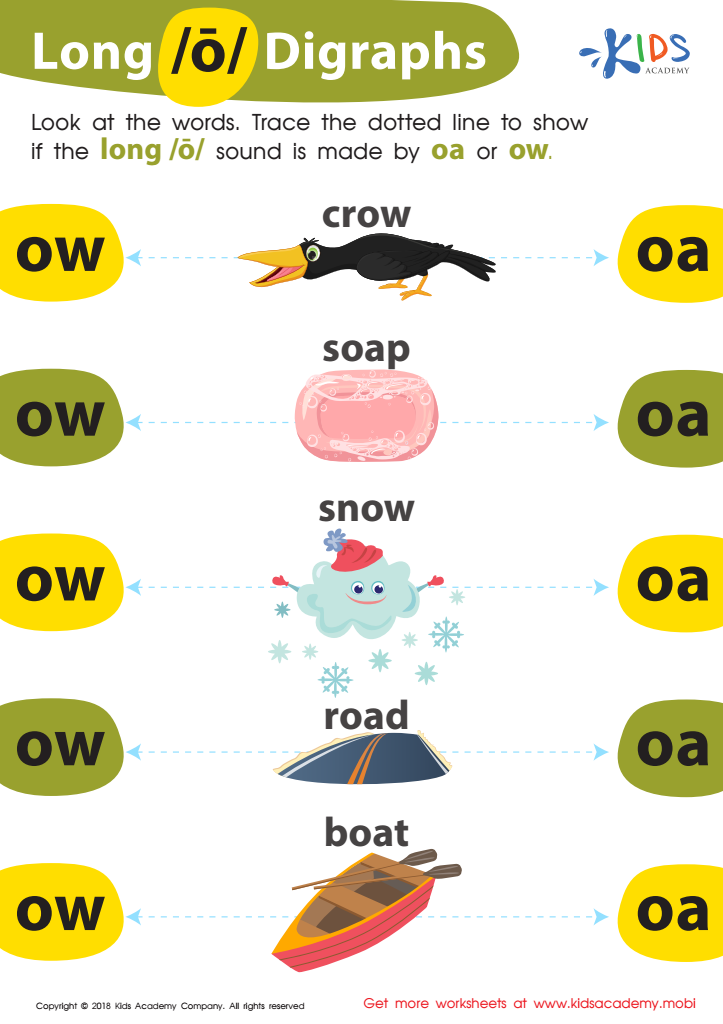
Reading: Long O Digraphs Worksheet
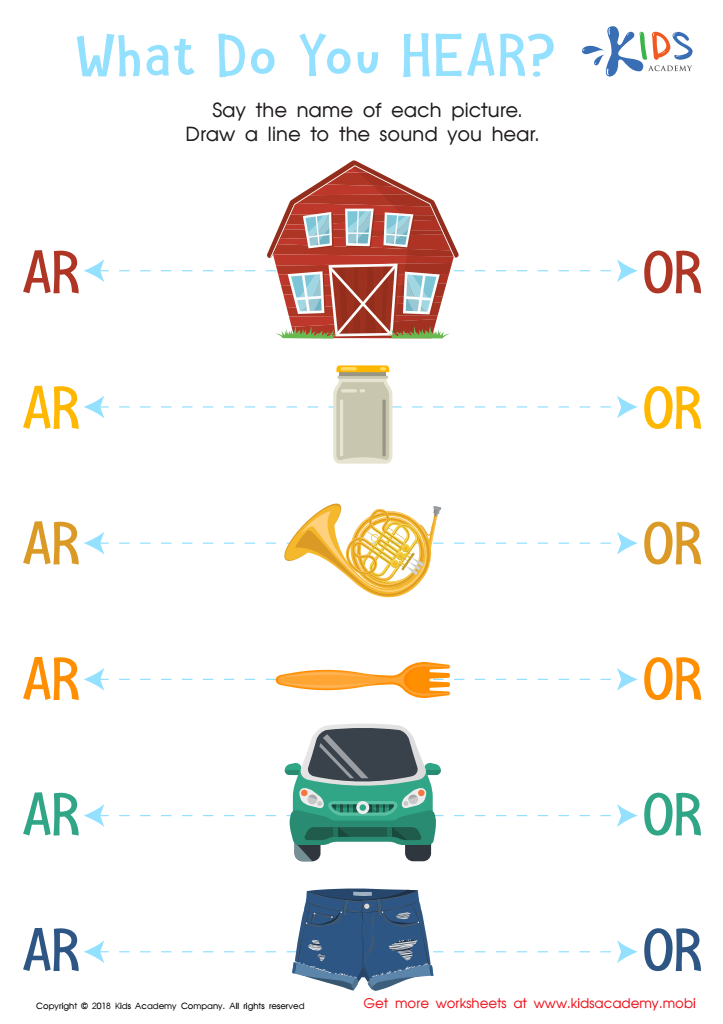
What do you hear Worksheet
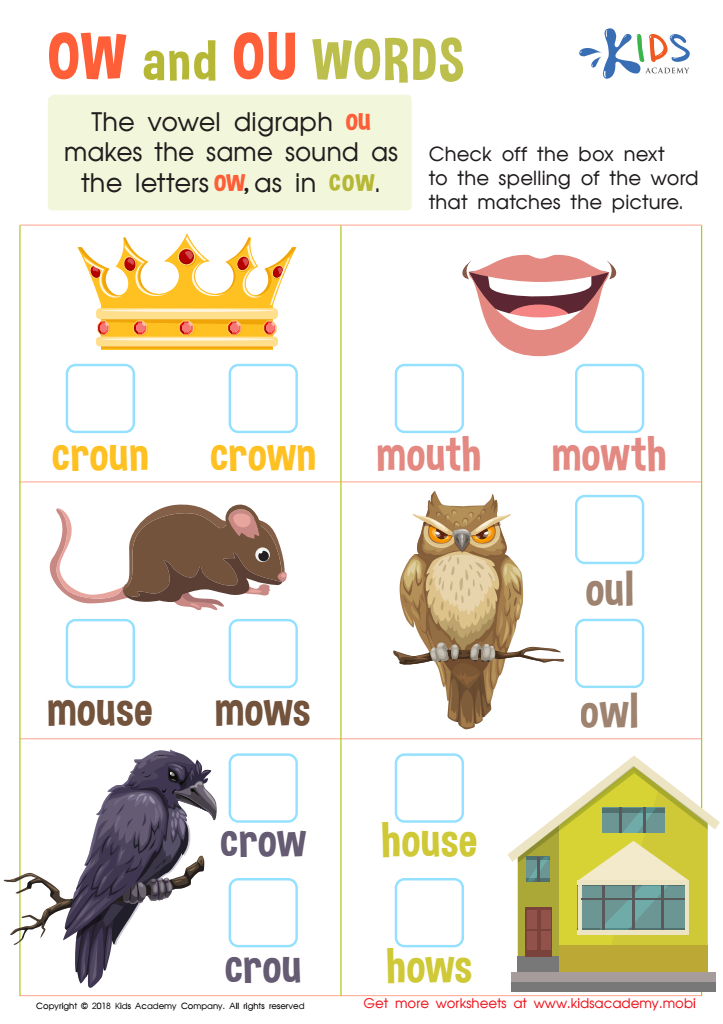
Reading: OW and OU Words Worksheet
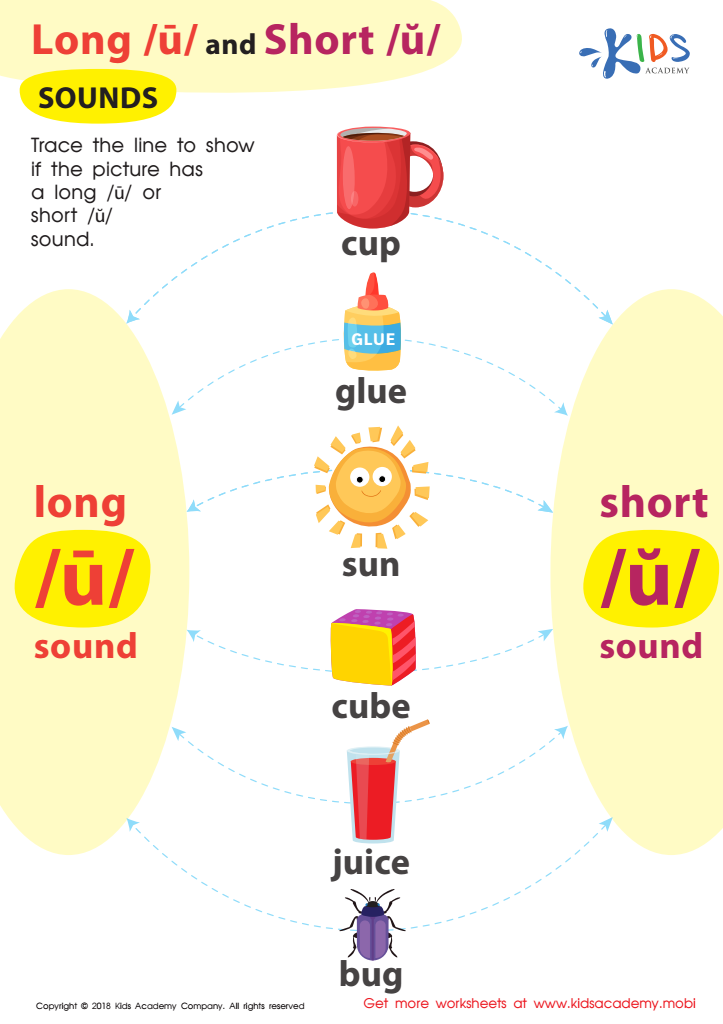
Reading: Long U and Short U Sounds Worksheet
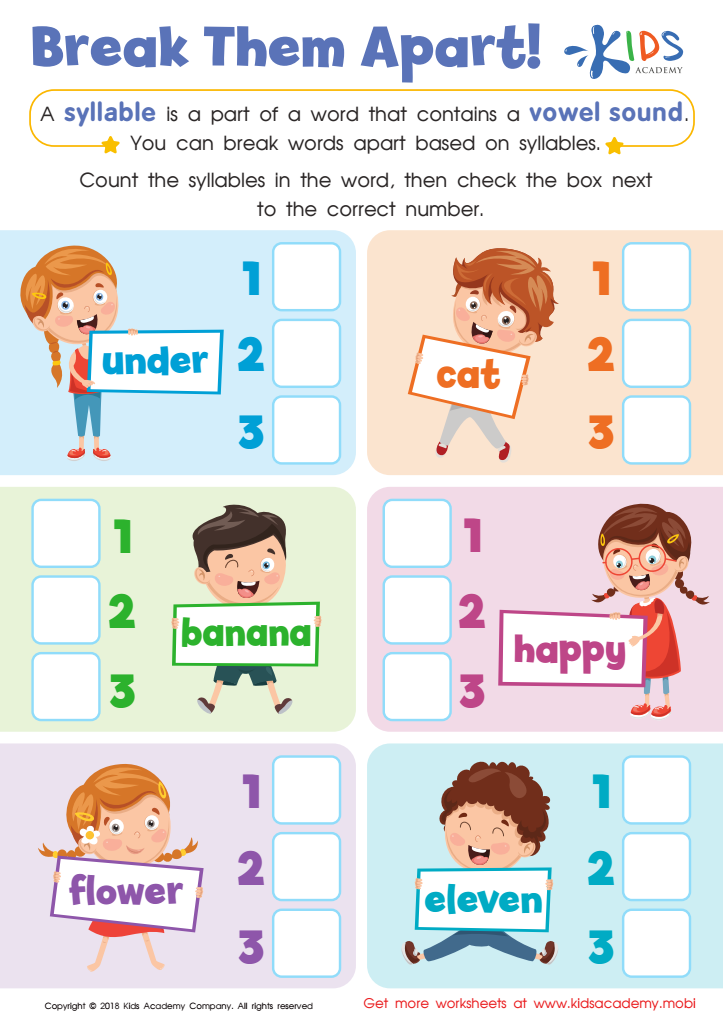
Reading: Break Them Apart Worksheet
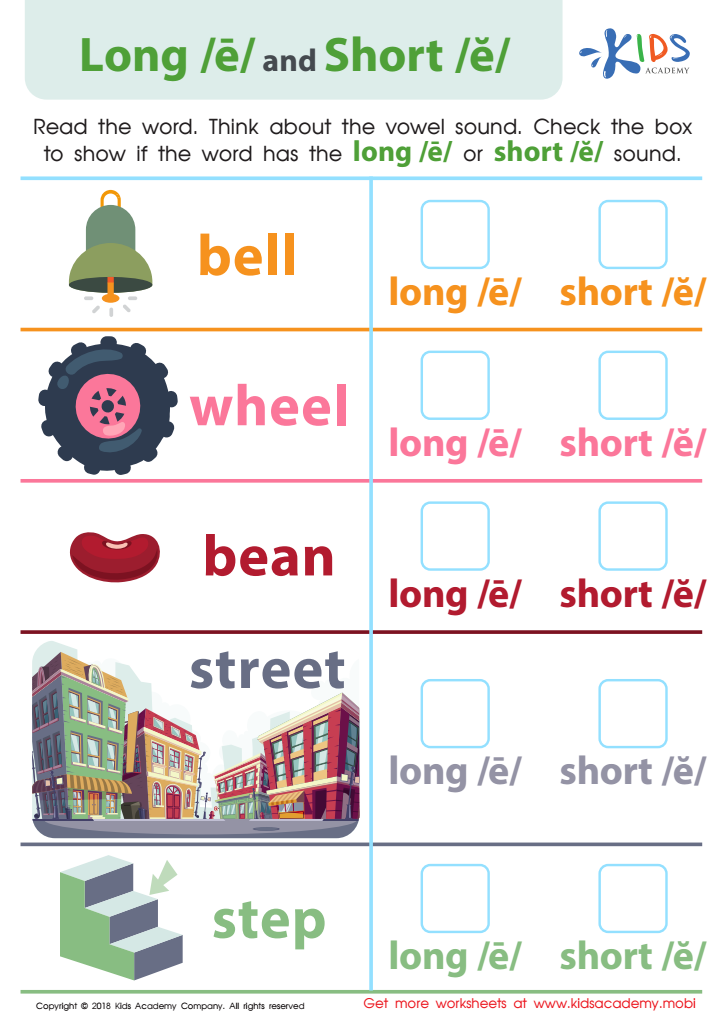
Reading: Long E and Short E Worksheet
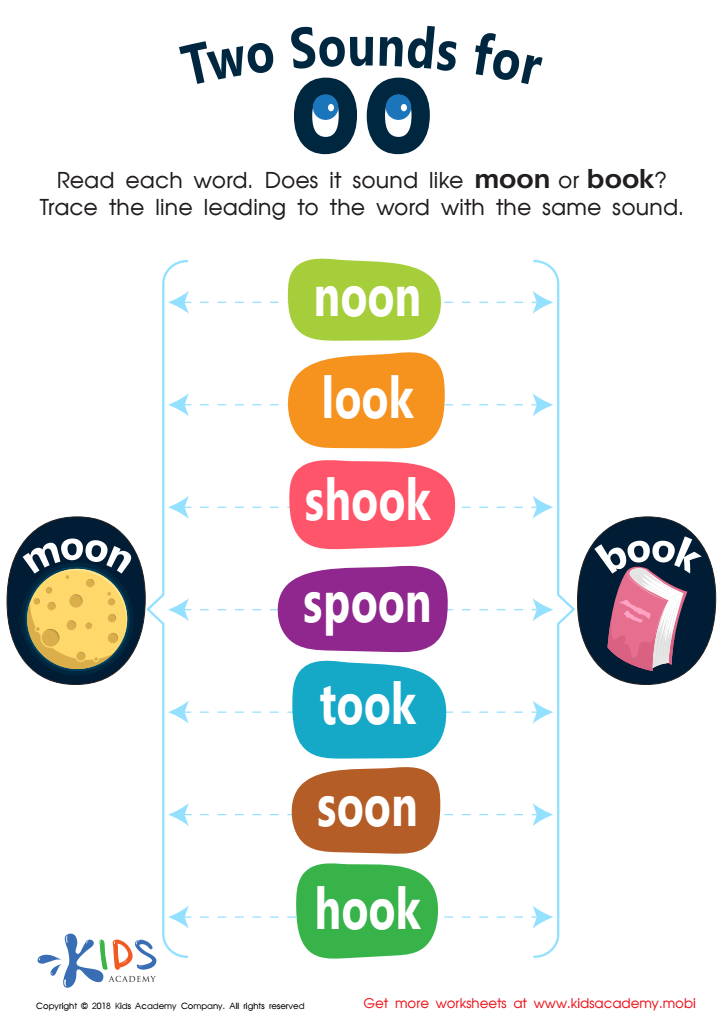
Two Sounds for OO Worksheet
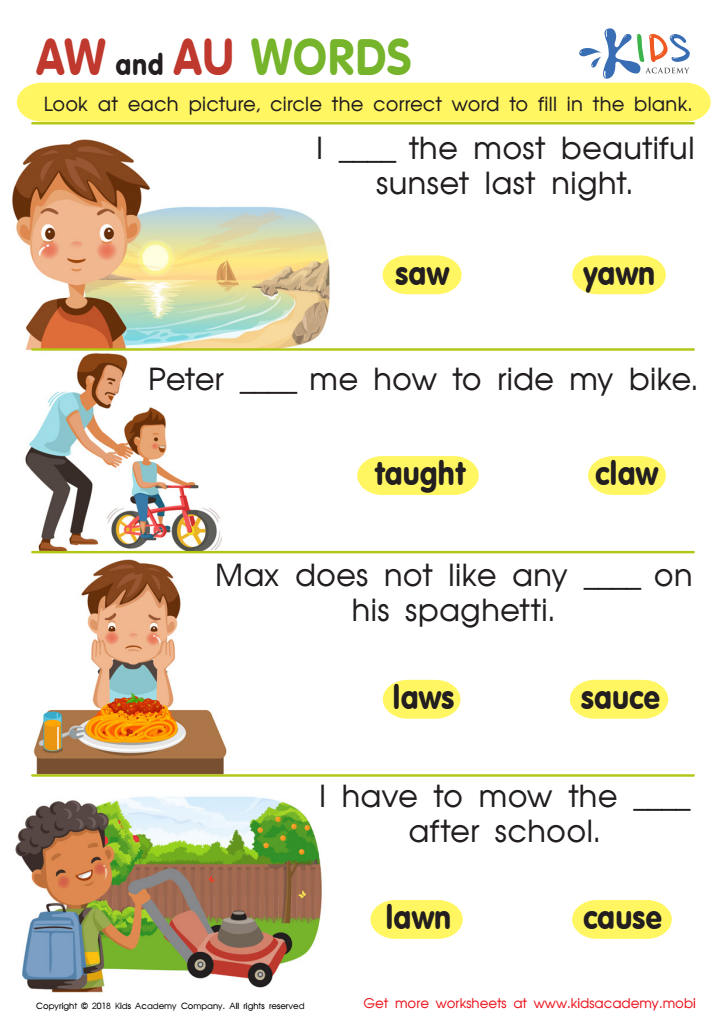
Reading: AW and AU Words Worksheet
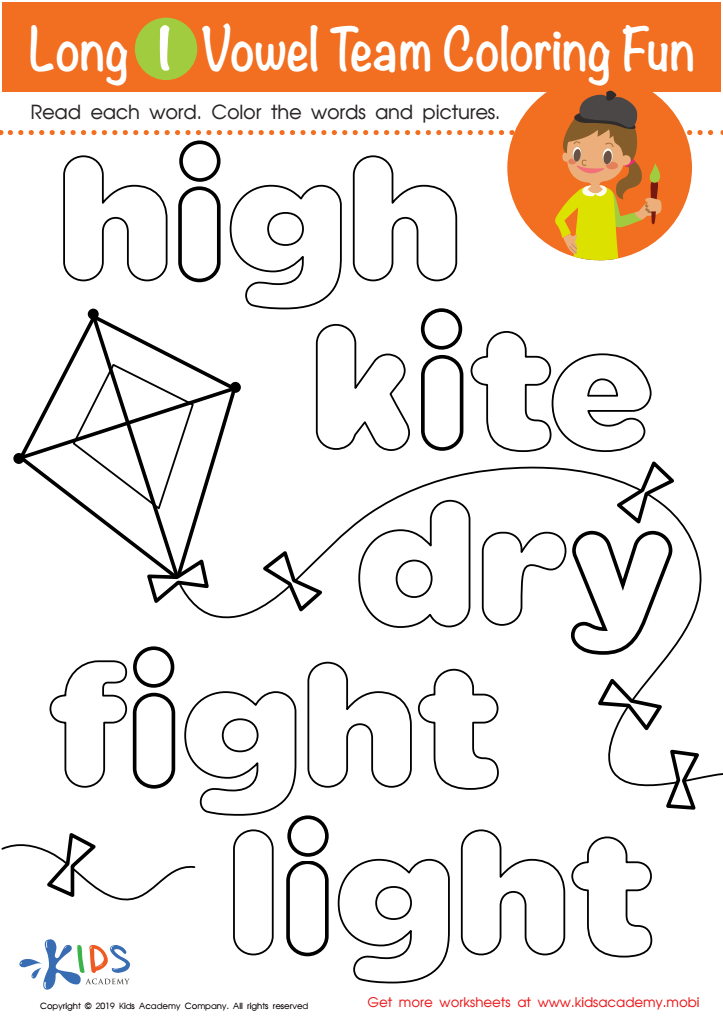
Long I Vowel Team Coloring Worksheet
 Assign to My Students
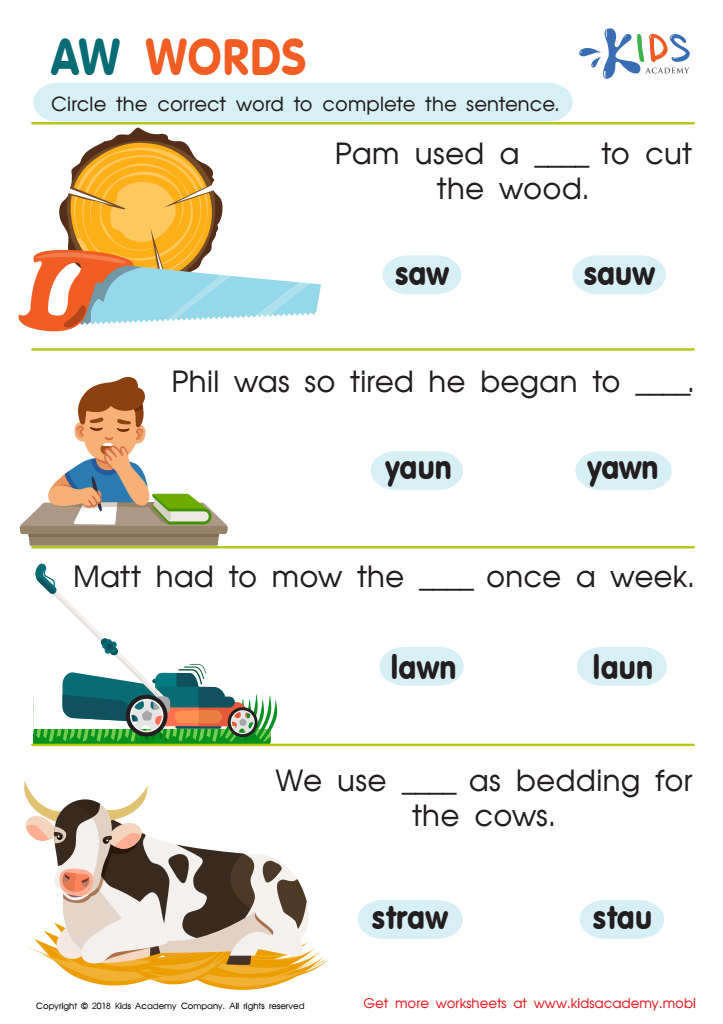
Reading: AW Words Worksheet
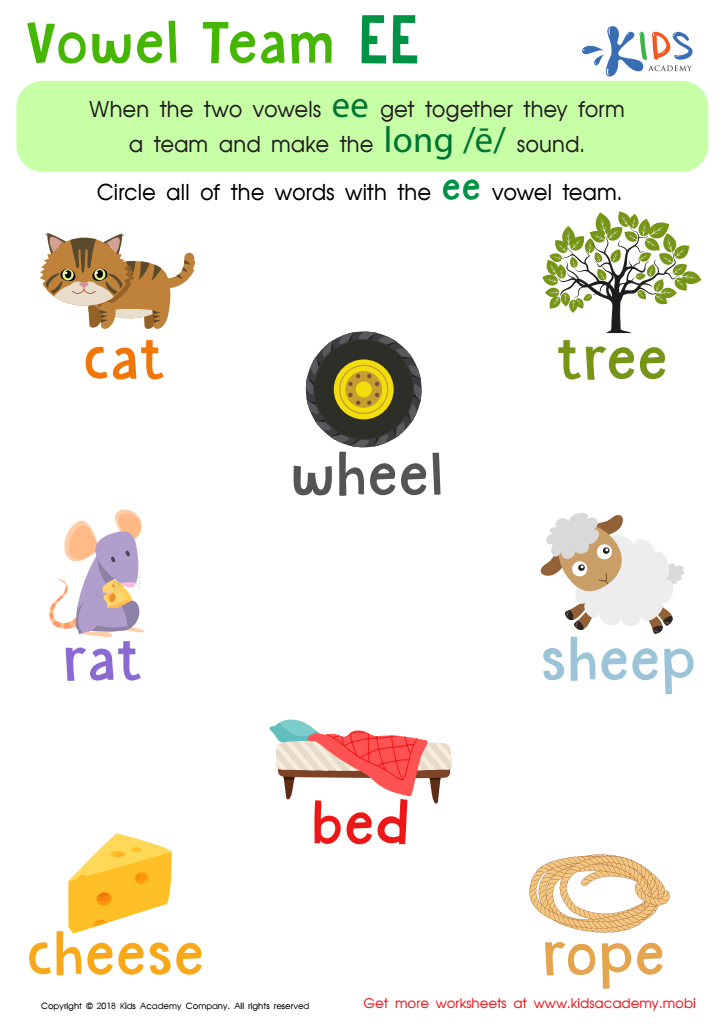
Reading: Vowel Team EE Worksheet
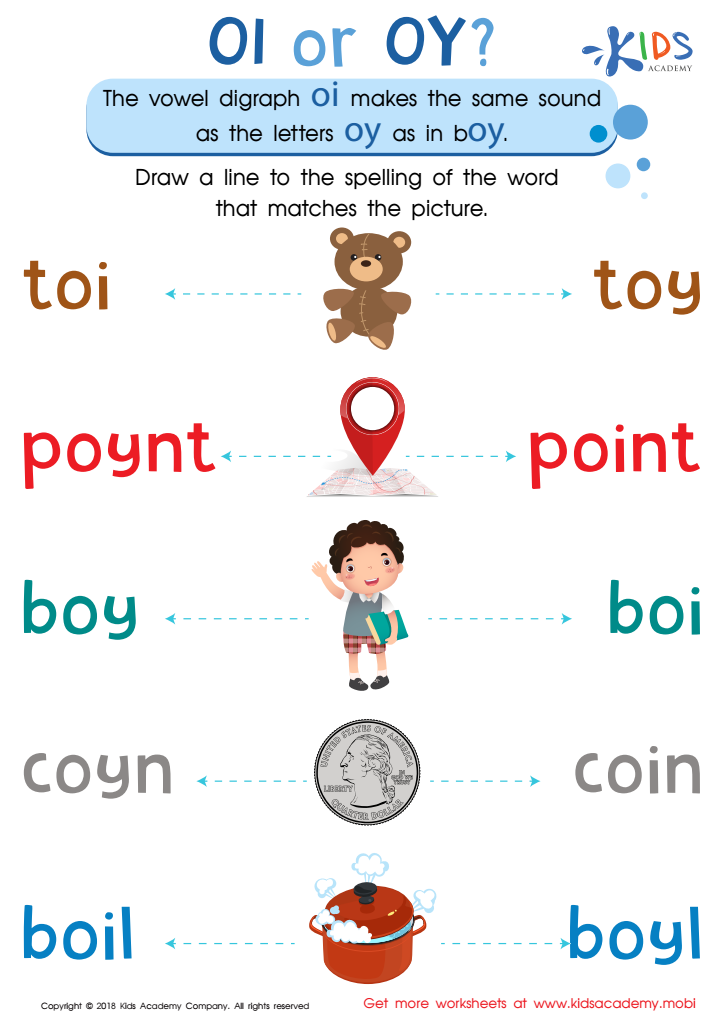
Reading: OI and OY Worksheet

Long and Short E Worksheet
Assign to My Students
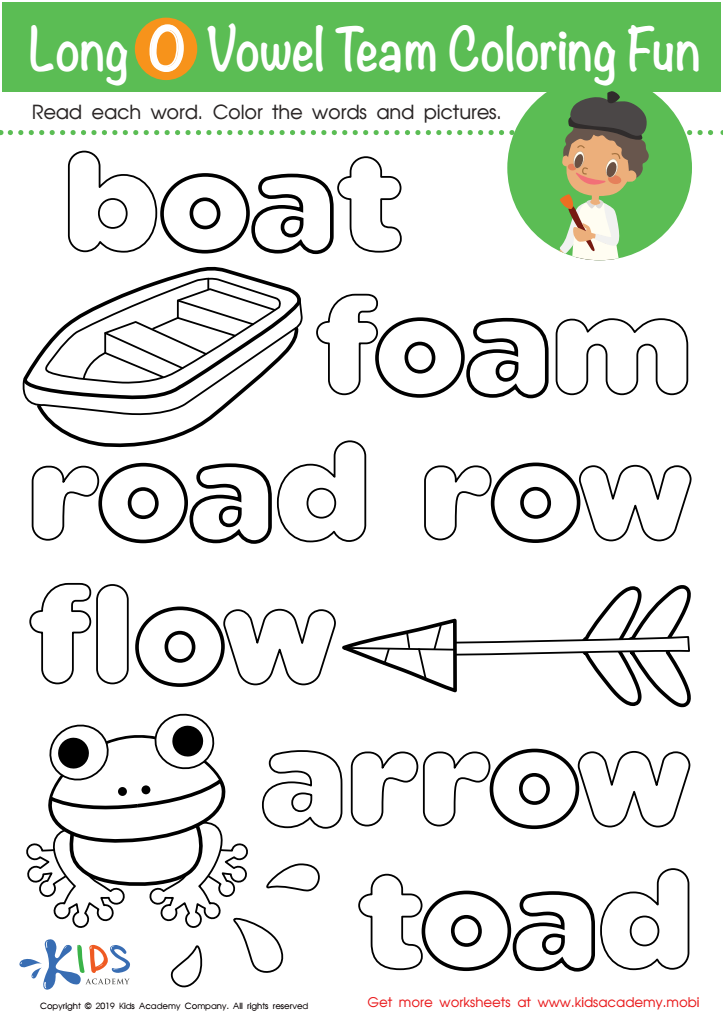
Long O Vowel Team Coloring Worksheet
Assign to My Students



Phonics skills are foundational for reading and writing, especially for Grade 2 students who expand their early literacy abilities. Focusing on phonics at this stage allows children to decode words more efficiently, bridging the gap between spoken and written language. By recognizing sound and letter patterns, students can tackle new and complex words, boosting their reading fluency and comprehension.
For teachers and parents, emphasizing phonics enhances children's confidence in reading, fostering a positive attitude toward learning. It reduces the frustration that often accompanies difficulty in reading, making it a more enjoyable and successful experience. Phonics instruction also supports spelling skills by helping students understand the relationship between sounds and their corresponding letters or groups of letters.
Moreover, strong phonics skills contribute to academic success across subjects. Reading proficiently enables students to grasp new concepts more easily and follow written instructions more accurately. In an evolving digital age where information is predominantly text-based, fostering robust phonics skills in Grade 2 sets the stage for lifelong literacy and learning. In conclusion, prioritizing phonics lays a crucial groundwork for future academic achievements and prevents long-term reading difficulties. Parents and teachers, therefore, play a vital role in nurturing these skills, ensuring that children become competent and enthusiastic readers.