Blog - Page 19



Being a Good Parent: Different Parenting Styles
May 2, 2022

Children are different in so many ways. Being a kindergarten teacher and a behavior therapist, I witness a whole spectrum of differences between kids and their parents. The parent-child relationship is reflected in the child’s demeanor. According to Laurence Steinberg, Ph.D., good parenting is necessary to help foster behavior and emotions in most children. Let us take a look at different parenting styles and check what parenting style you administer to your child.
Science. 3rd Grade. Exploring the World of Dinosaurs and Ancient Animals
April 28, 2022
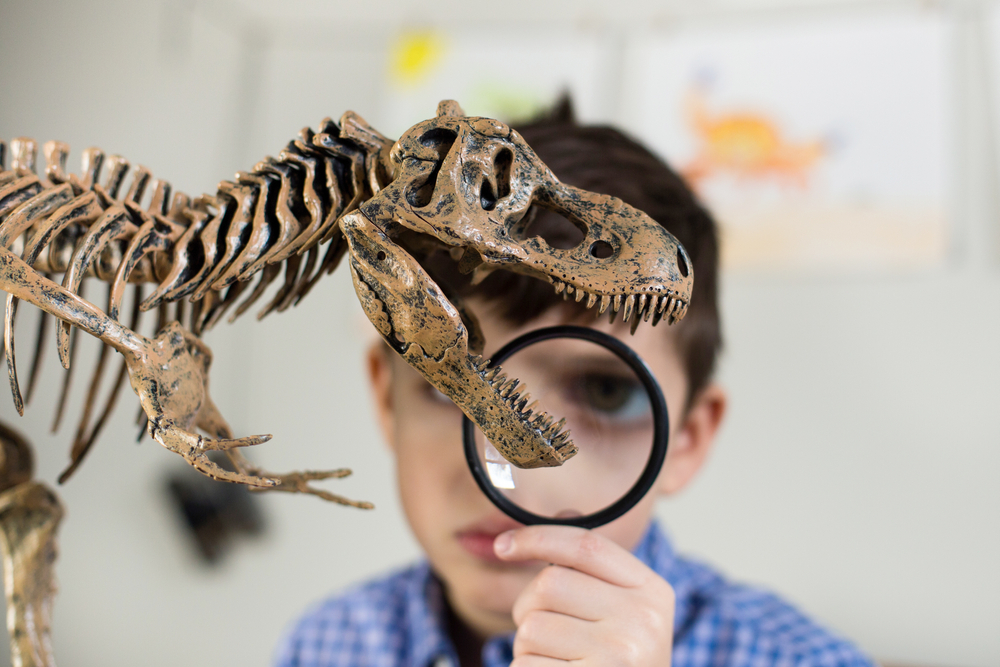
Dinosaurs are a very popular character often seen in big hit movies and cartoon animations for kids. They also come in a full spectrum of playthings from fluffy stuffed toys to battery operated robots that walk and growl.
Fun Facts About Dinosaurs
What are dinosaurs anyway?
Using Arrays and Skip Counting to Teach Multiplication
April 26, 2022

If your child is having some trouble mastering more advanced math problems like division or two-digit multiplication, it might be worth revisiting their basic multiplication facts. Practicing multiplication facts doesn’t have to involve tedious drills and boring flash cards though! In fact, it is most important that your child understands the concept of multiplication first. In this article, you’ll learn how visuals such as arrays and skip counting on a number line can help your child visualize how multiplication works.
What Is Gifted and Talented Education
April 23, 2022

Do you sometimes wonder whether your child might be gifted?
Maybe your child reads voraciously, talks endlessly and has a never ending stream of questions. Maybe your child has a quirky sense of humor and seems wise beyond their years. Maybe they are inconsolable when they fail at something.
Whether your child is designated gifted or not, it’s a worthy subject to explore. You might recognize traits of giftedness in your child and want to nurture these traits, or simply understand better how to parent your child.
Education Quizzes – Rapid Revision for School Subjects
April 20, 2022
The UK’s largest and most comprehensive range of National Curriculum based interactive quizzes.
Every quiz is designed for students and created by teachers. Over 3,000 quizzes (that’s more than 30,000 questions!) covering 90% of the National Curriculum.
Developed specifically for children from Key Stage 1 through to GCSE (including 11-Plus).
What’s the Weather?
April 19, 2022
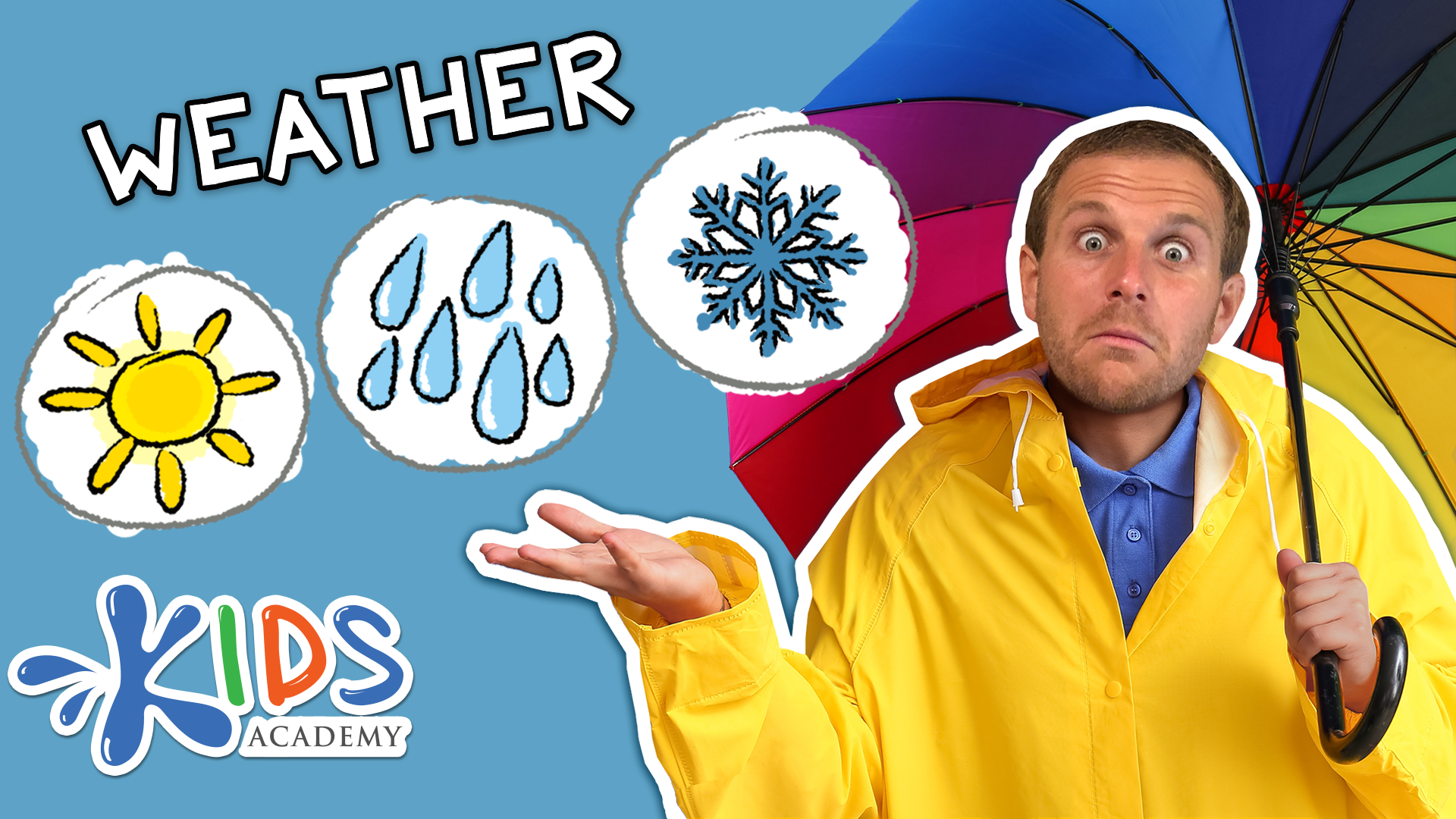
In today’s technology laden world we can start the day by simply asking our digital assistants “What’s the weather going to be today?” But weather goes far deeper and can be far more interesting than just whether or not you are going to put on a jacket today. We are going to explore the fascinating world of weather and show fun ways you can interact with the weather every day!

Cognitive Development in Children: Piaget's Theory
April 15, 2022

Jean Piaget (1896 - 1980), a famous Swiss developmental psychologist, was one of the most prominent developmental researchers during the twentieth century. Throughout his career, Piaget researched the development of logical reasoning in children.

Easter History and Facts for Children
April 12, 2022

Ensuring our children have religious understanding and tolerance is something parents, teachers and caregivers should work hard to instill. Blind acceptance, or ignorance of the strife caused by religion, however, is not the same thing. Raising curious, interested and open young people is very important, as it will allow them to learn about the people, cultures and faiths around the world whilst maintaining critical thinking skills.
Being a Good Parent: What Does it Mean?
April 11, 2022

Being a parent is one of the toughest and yet most fulfilling jobs – it can be tiring most of the time but seeing the little person you take care of happy is very satisfying. Parenting is complicated because there is not one recipe for it and there are a lot of factors that may affect how a parent raises their child – culture, country’s law, and their beliefs. You can read a lot about how to be a good parent, or how to raise kids – articles like this may help – but it will always depend on how consistent you are and the relationship you have with your child.
11 Tips To Help Your Kids Become Better Siblings
April 10, 2022

Your relationship with your sister or brother is one of the most lasting relationships you will ever have. It's often longer than your bonds with your husband or wife, parents or even best friends. Therefore, National Siblings Day was established to celebrate the important relationship between brothers and/or sisters. The great time to strengthen your relationship with your siblings is National Siblings Day held on April 10th, that offers a fantastic opportunity for parents to help their children grow closer.