Plants and Animals worksheets activities for Ages 3-7
3 filtered results
-
From - To
Explore our engaging "Plants and Animals Worksheets" designed for children ages 3-7! These activities foster essential learning by introducing kids to the fascinating world of nature. With colorful illustrations and interactive challenges, young learners will identify different plants and animals, understand their habitats, and develop observational skills. These worksheets support early childhood education, encouraging curiosity and attention to detail while making learning fun. Perfect for use at home or in the classroom, our resources are tailored to capture the interest of young minds. Download now and inspire a love for nature in your little ones today!
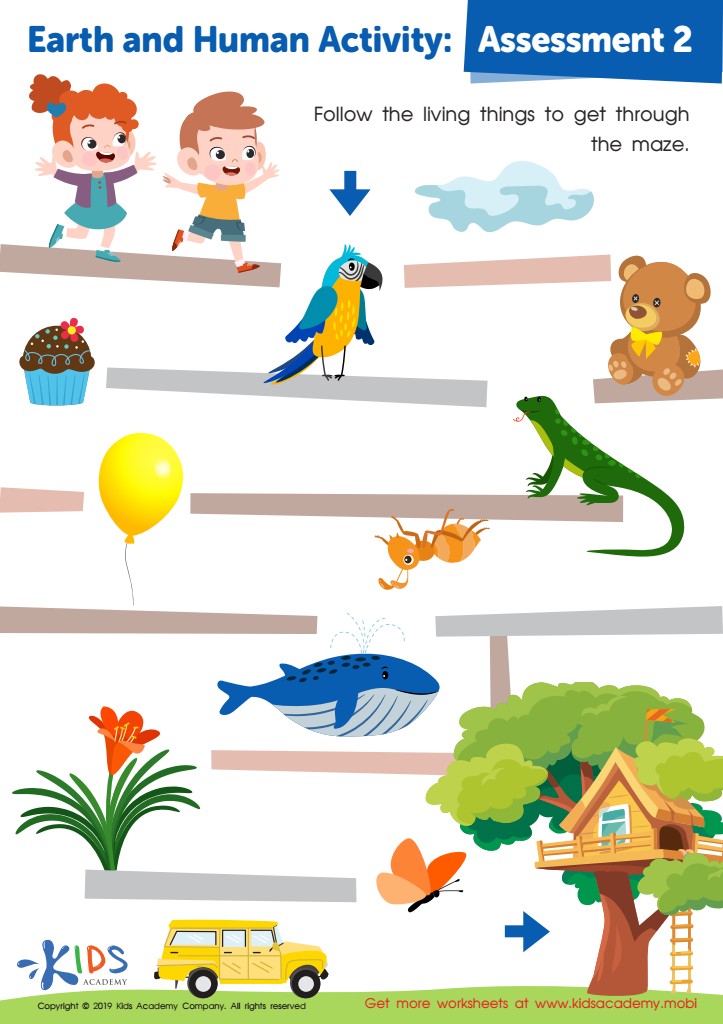
Earth and Human Activity: Assessment 2 Worksheet
 Assign to My Students
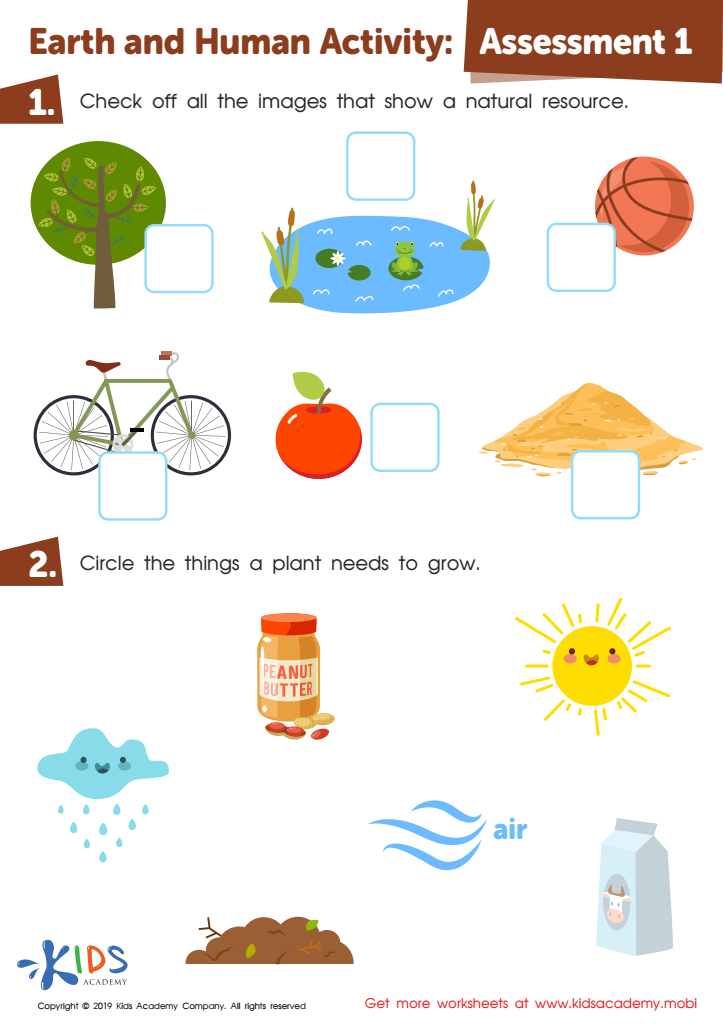
Earth and Human Activity: Assessment 1 Worksheet
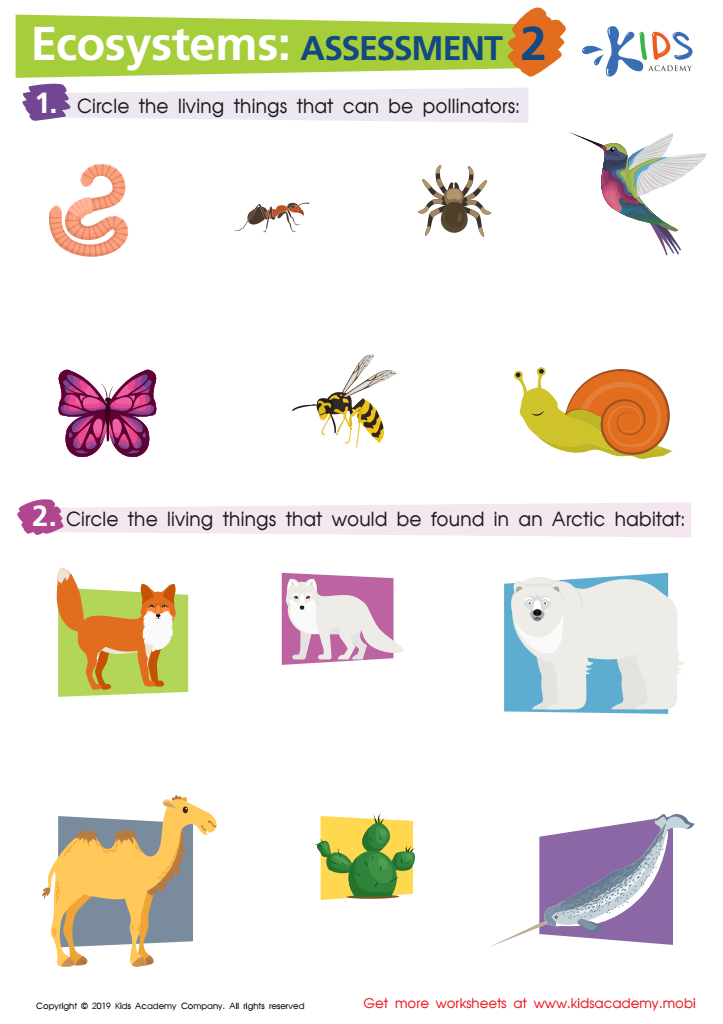
Ecosystems: Assessment 2 Worksheet








Parents and teachers should prioritize plant and animal activities for children aged 3-7 because these experiences foster essential developmental skills and promote environmental awareness from an early age. Engaging with nature teaches young children about living organisms, helping them to understand the basic concepts of biology and ecology. By observing plants and animals, children cultivate curiosity and critical thinking skills, as they inquire about life cycles, habitats, and interdependence.
Furthermore, these activities encourage sensory exploration and observation, enhancing fine and gross motor skills through gardening, nature walks, or simple crafts inspired by wildlife. Such hands-on experiences help develop language skills, enabling children to articulate their thoughts and discoveries.
Social skills are also strengthened through collaborative projects like planting a garden or caring for class pets, teaching teamwork, empathy, and responsibility. Importantly, early exposure to nature promotes overall well-being, reducing stress and encouraging healthy lifestyles.
Additionally, instilling a sense of responsibility toward plants and animals can foster a lifelong appreciation for the environment. Ultimately, these activities not only enrich child development but also contribute to a greater awareness of ecological issues, shaping informed and conscientious future stewards of the planet.








