Matching worksheets activities for Ages 3-9 - Page 4
82 filtered results
-
From - To
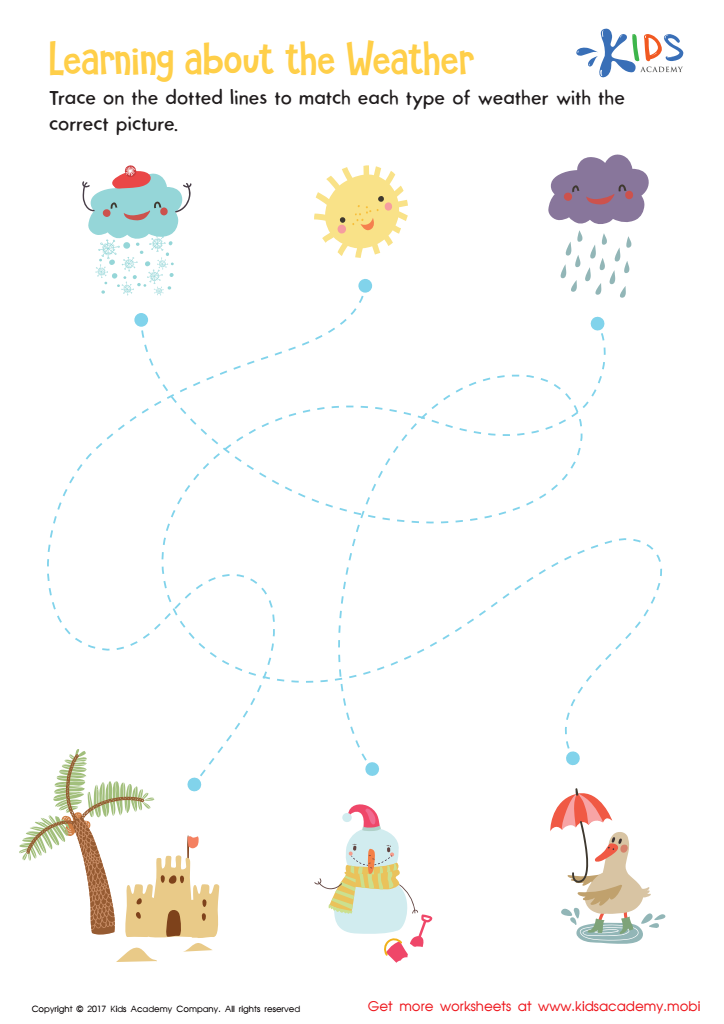
 Assign to My Students
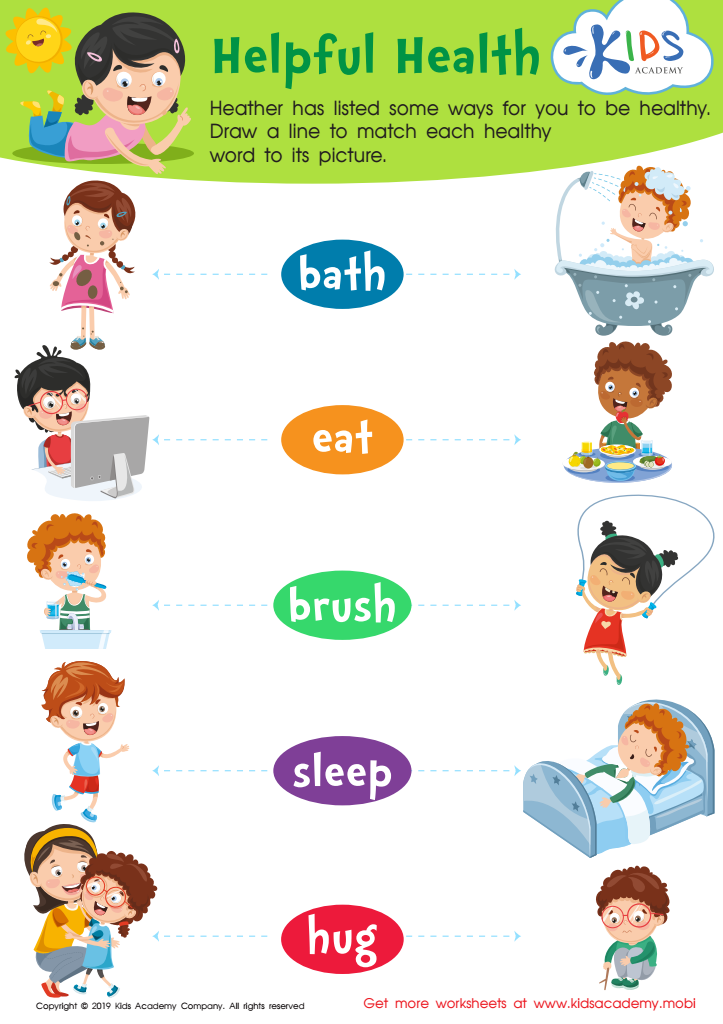
Helpful Health Worksheet
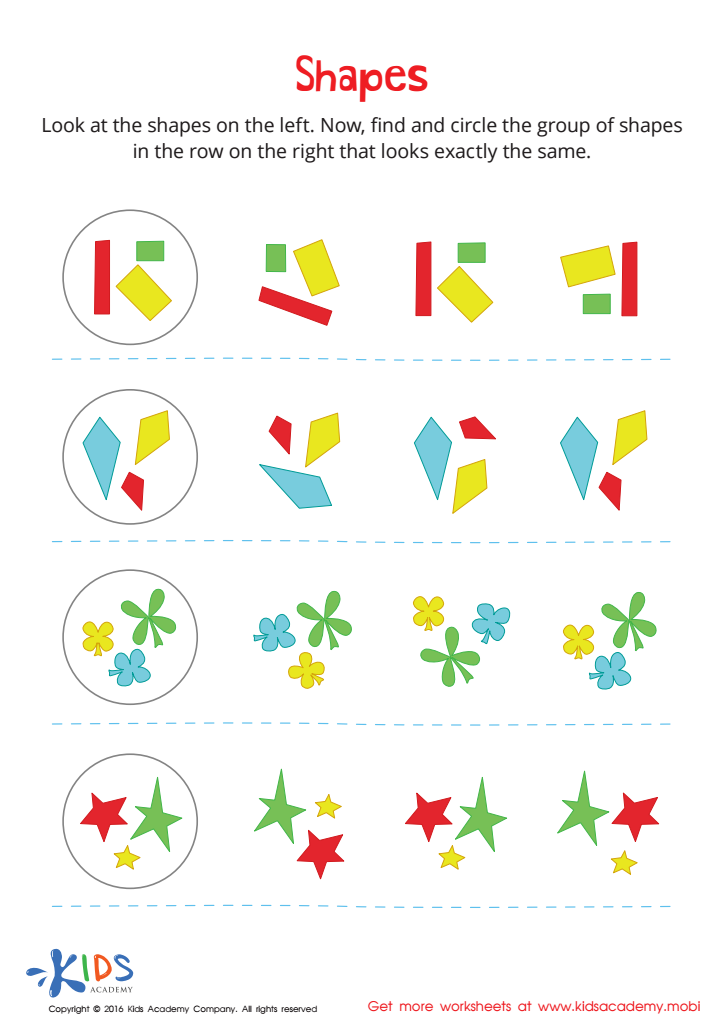
Shapes Worksheet
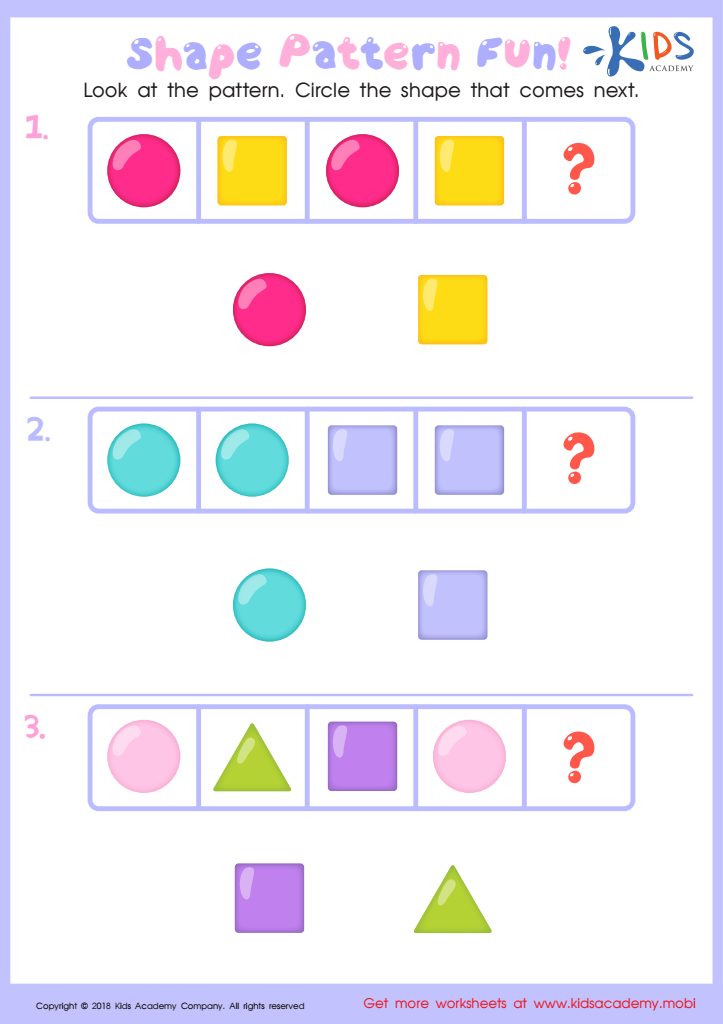
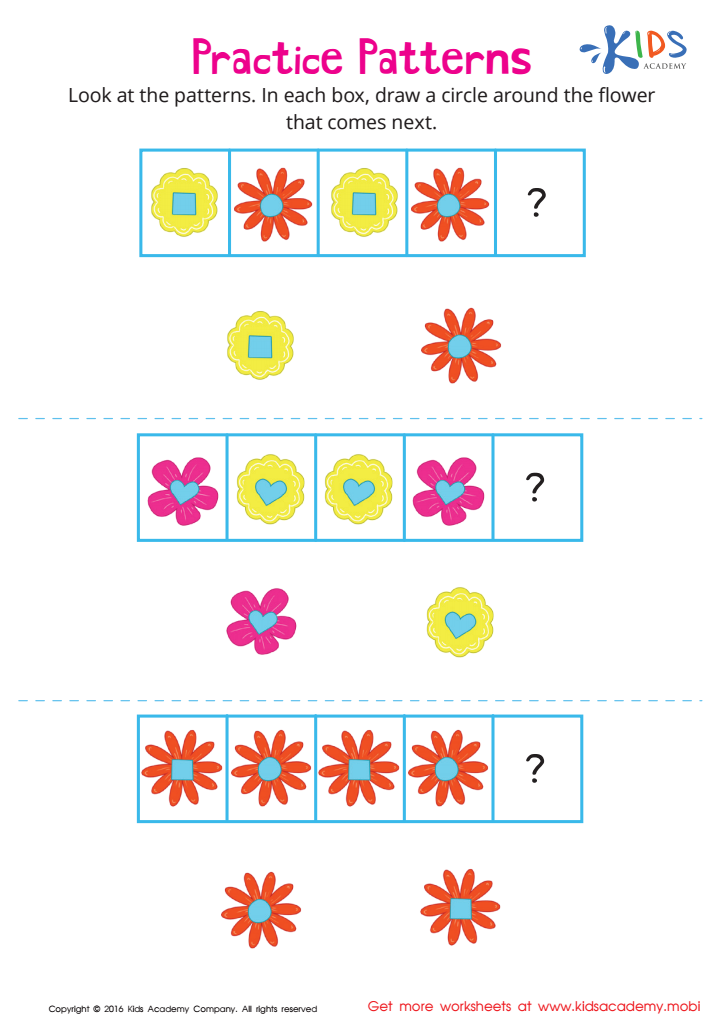
Shape Pattern Fun Worksheet
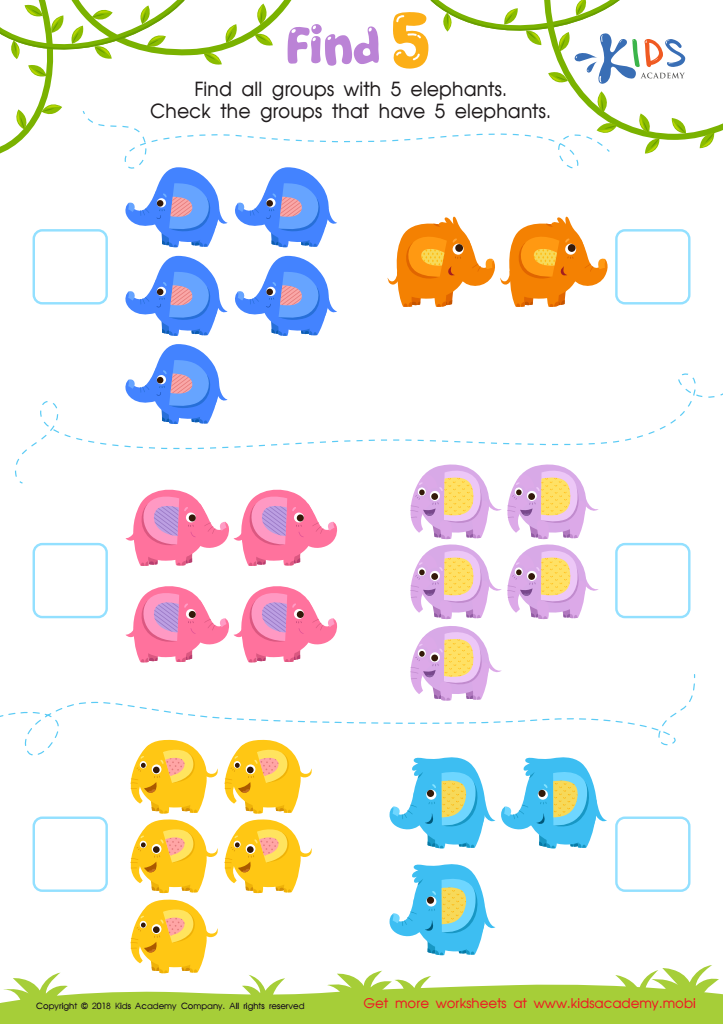
Find 5 Worksheet
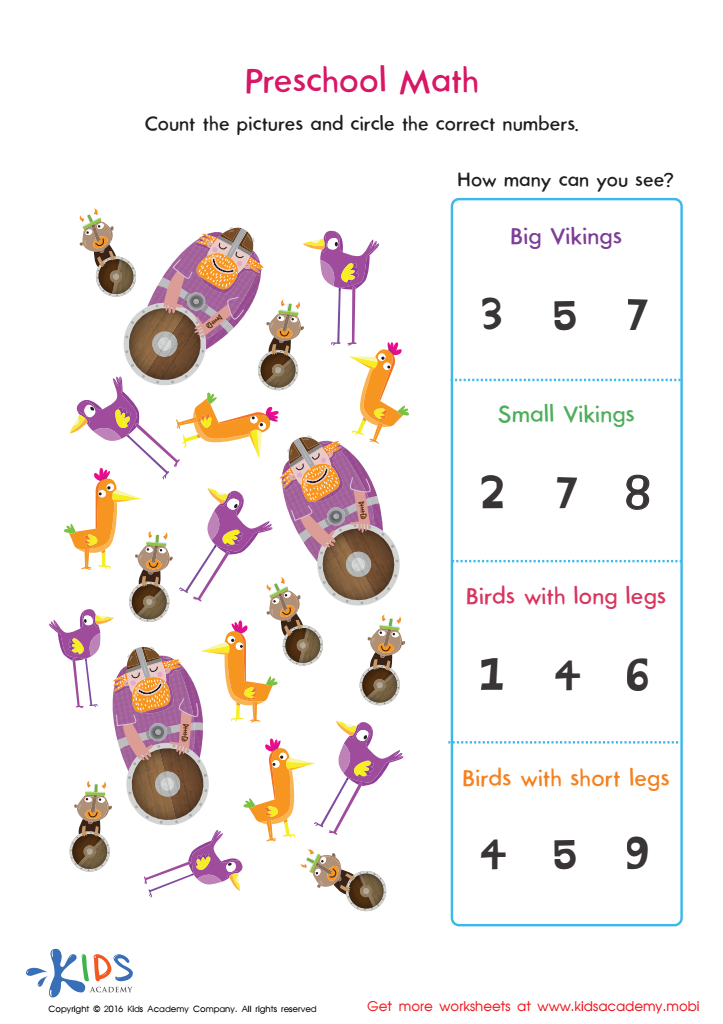
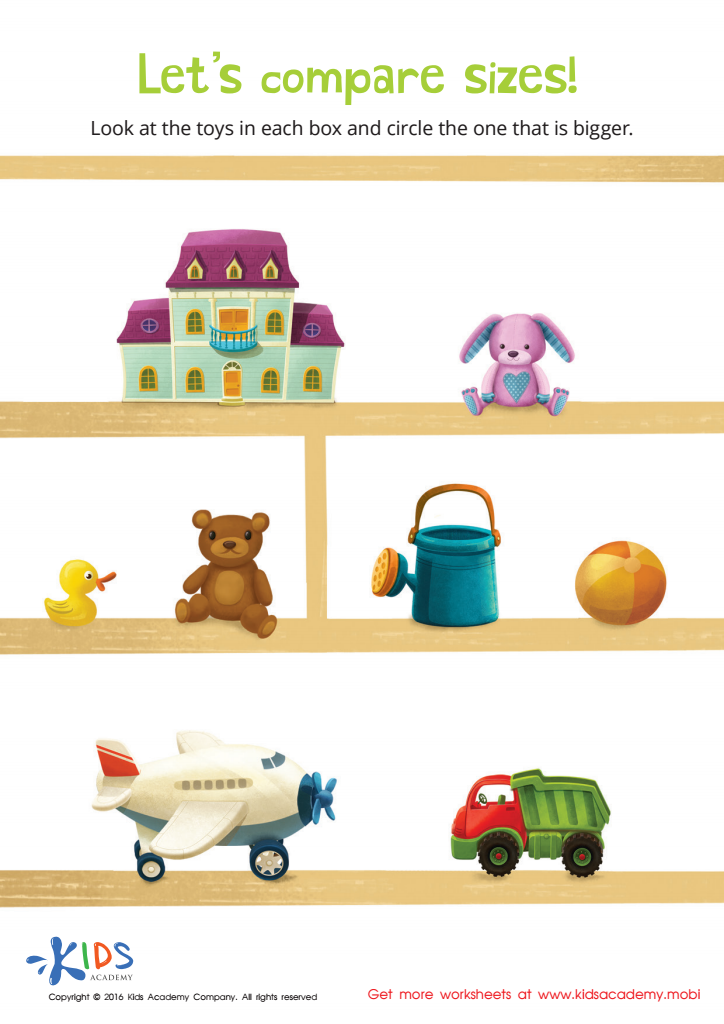
Classifying by Size Sorting Worksheet
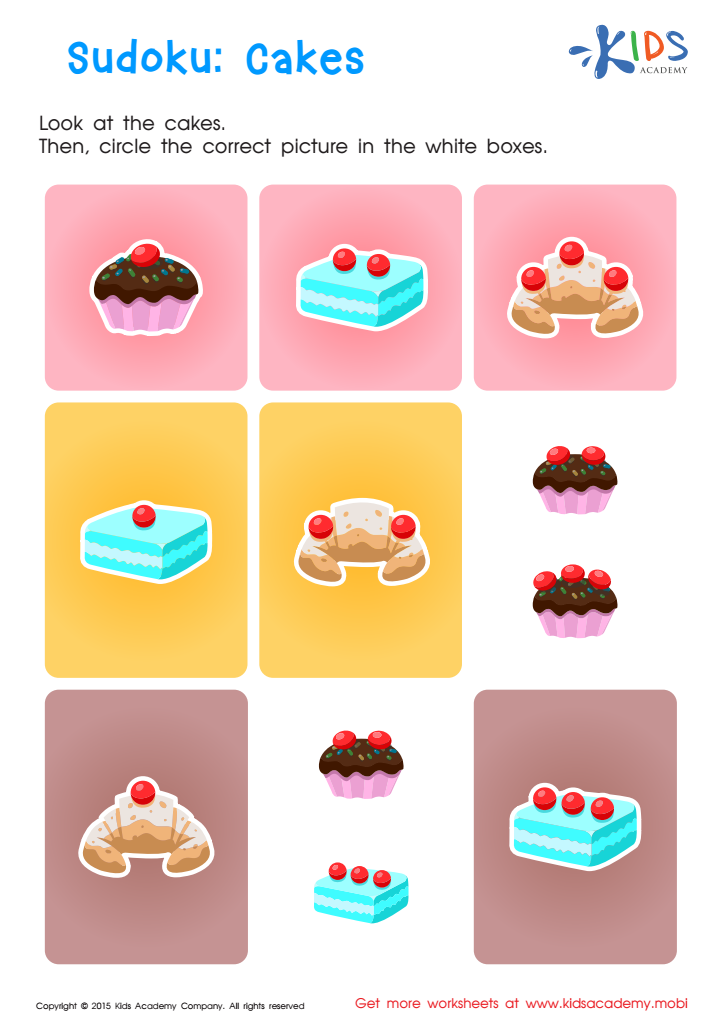
Sudoku Worksheet





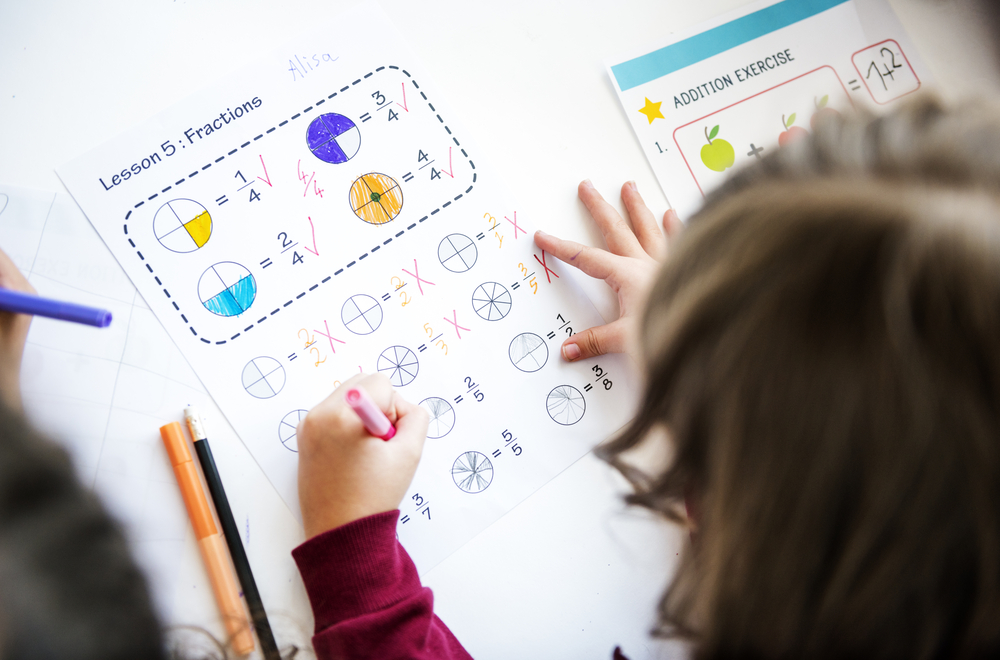
Matching activities are vital for the development of children aged 3-9 for several reasons. First, these activities enhance cognitive skills, improving memory, attention, and critical thinking. When children engage in matching games, they learn to identify similarities and differences, fostering their analytical abilities. This engagement is crucial during early development as it lays the foundation for problem-solving skills.
Second, matching activities support language development. As children describe their matching choices, they expand their vocabulary and improve communication skills. This dialogue also nurtures their social skills, especially when engaging in group settings, promoting collaboration and peer interaction.
Additionally, matching activities can build fine motor skills and hand-eye coordination as children manipulate objects or cards. They are often easy to adapt, allowing parents and teachers to insert educational content relevant to what children are learning, whether it’s numbers, letters, or even emotional identification.
Lastly, these activities provide a fun and engaging way for children to learn through play. When parents and teachers incorporate matching games into daily routines, it not only promotes learning but also strengthens the parent-child or teacher-student bond, making education a positive and shared experience. Overall, incorporating matching activities is an effective approach to holistic child development.








