Tracing worksheets activities for Ages 3-9 - Page 8
186 filtered results
-
From - To
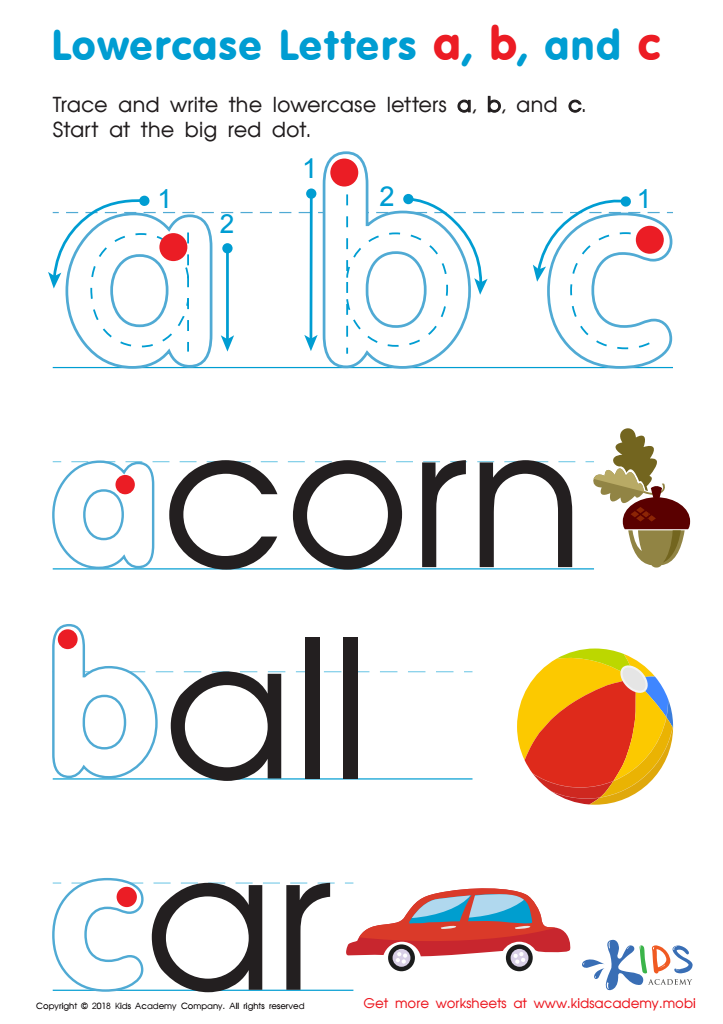
Lowercase Letters a b c Worksheet
 Assign to My Students
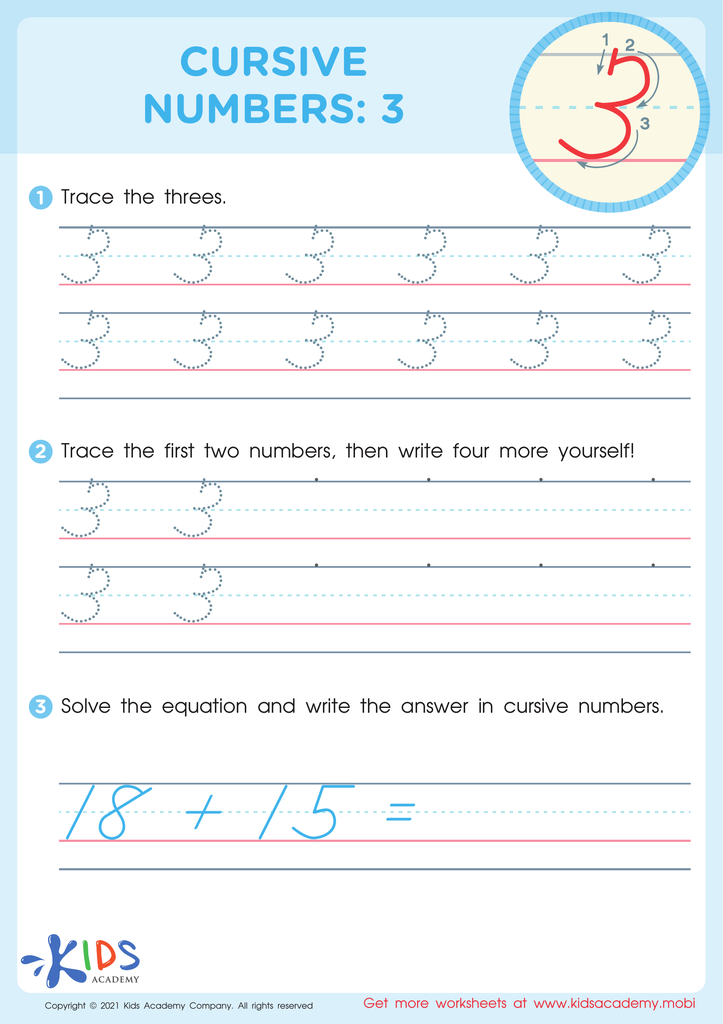
Cursive Numbers: 3 Worksheet
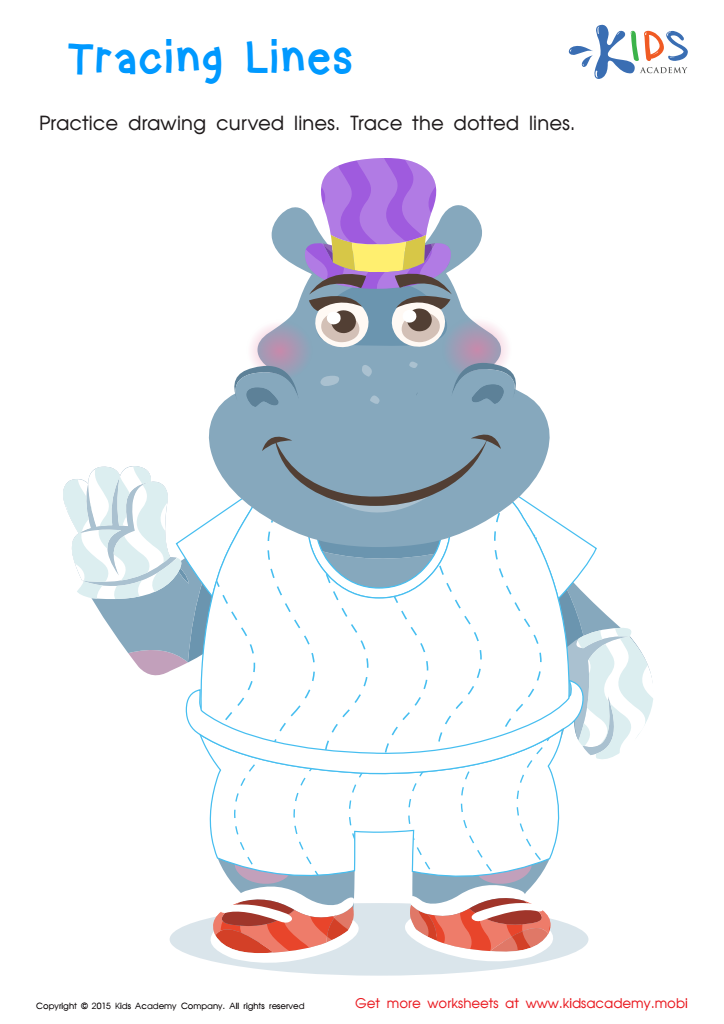
Tracing Lines Worksheet

Letter T Tracing Page
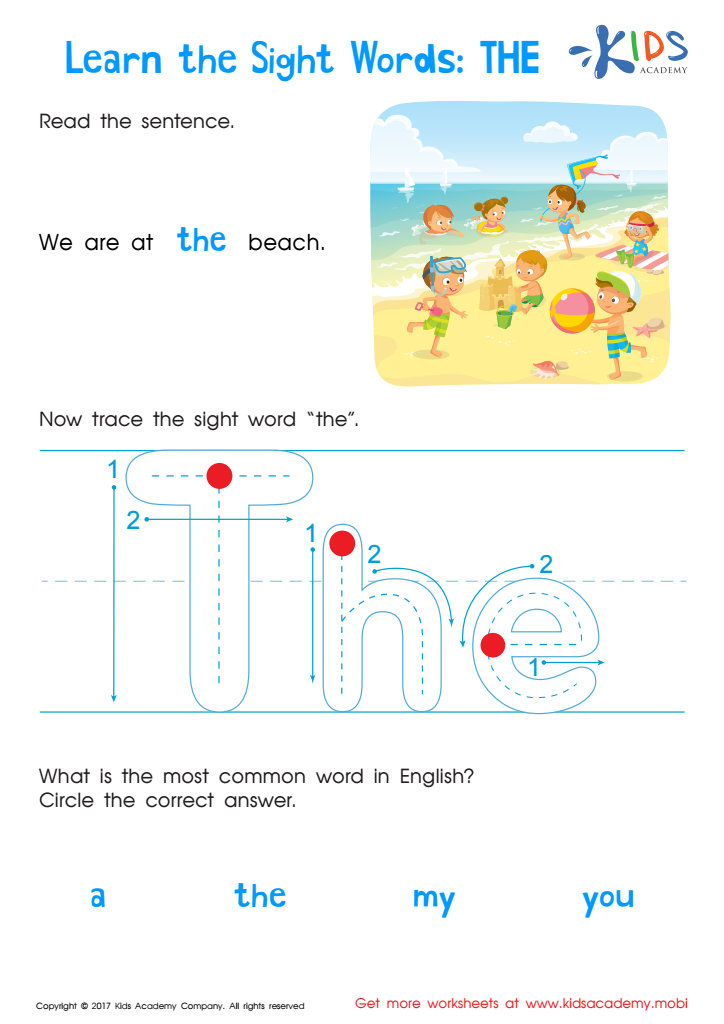
Sight Words: The Worksheet
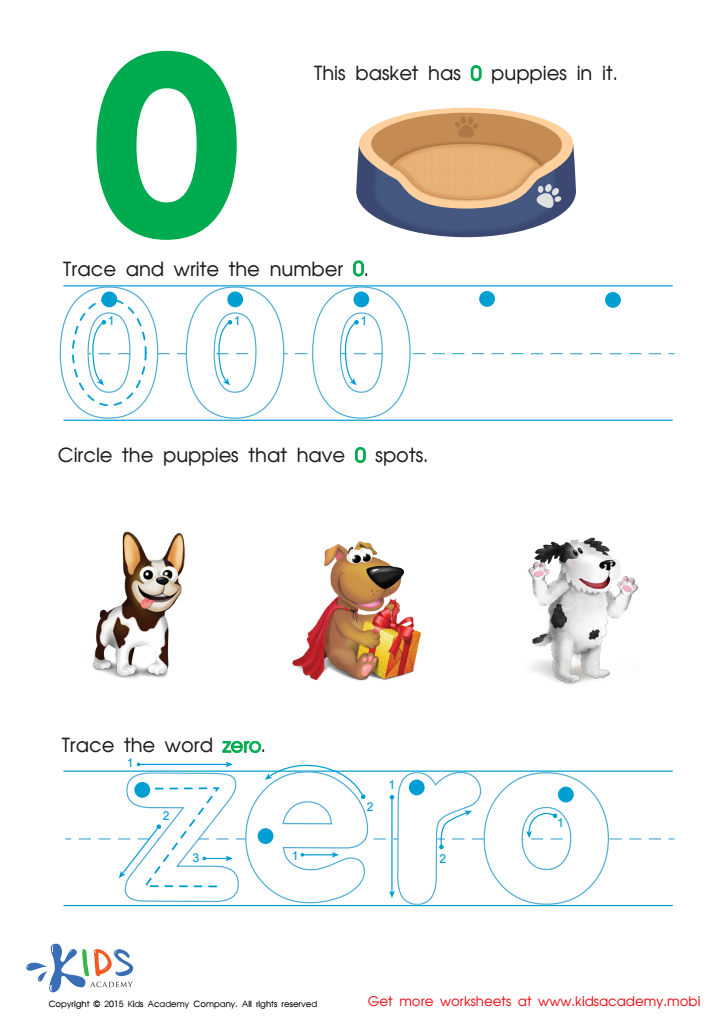
Trace And Write Number 0 Worksheet

Letter D Tracing Page
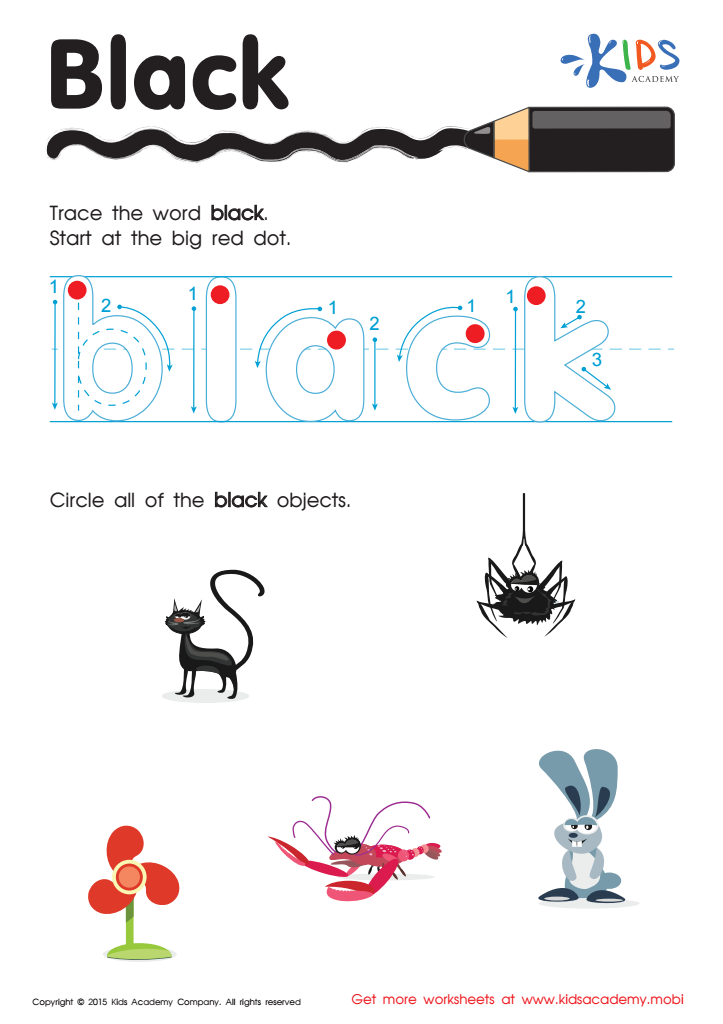
Black Tracing Color Words Printable
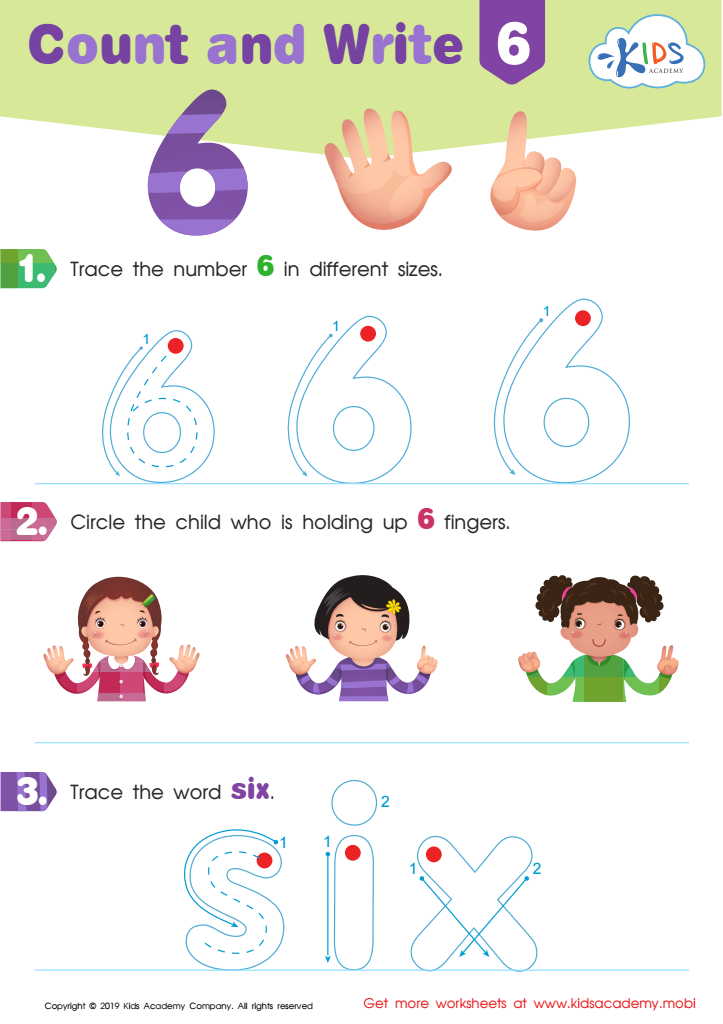
Count and Write 6 Worksheet
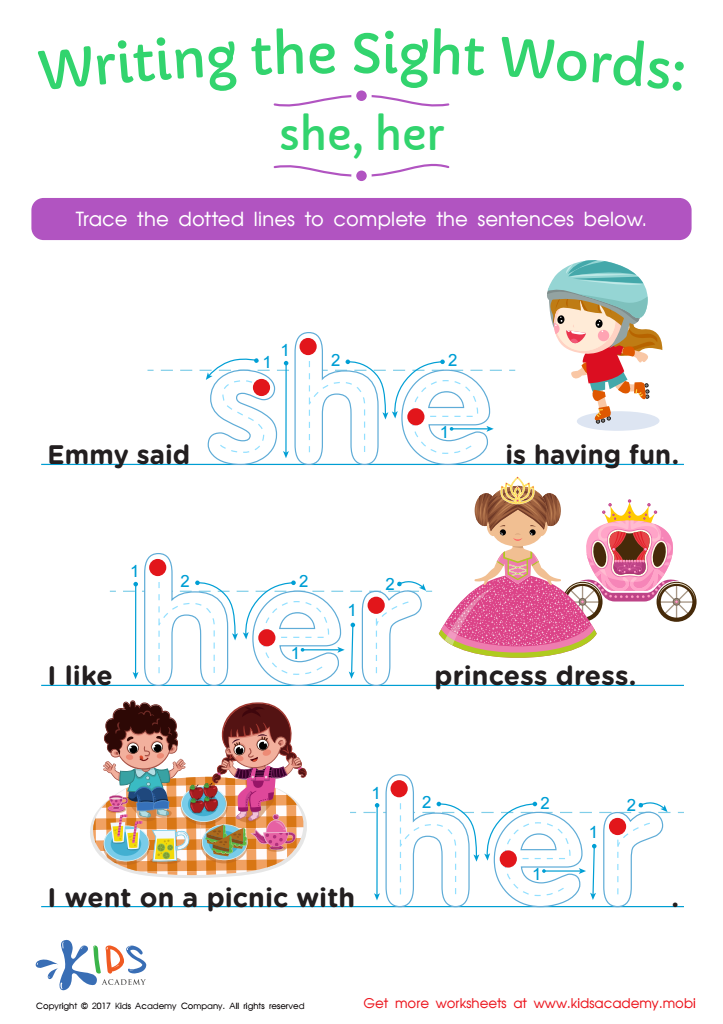
She, Her Printable Sight Words Worksheet
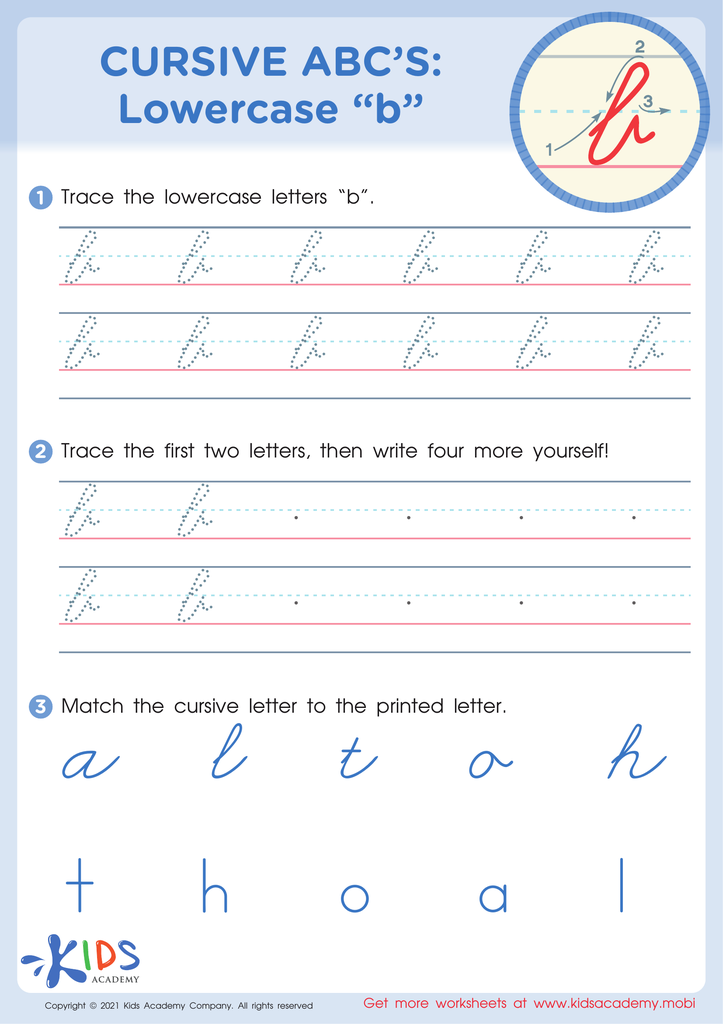
Cursive ABCs: Lowercase b
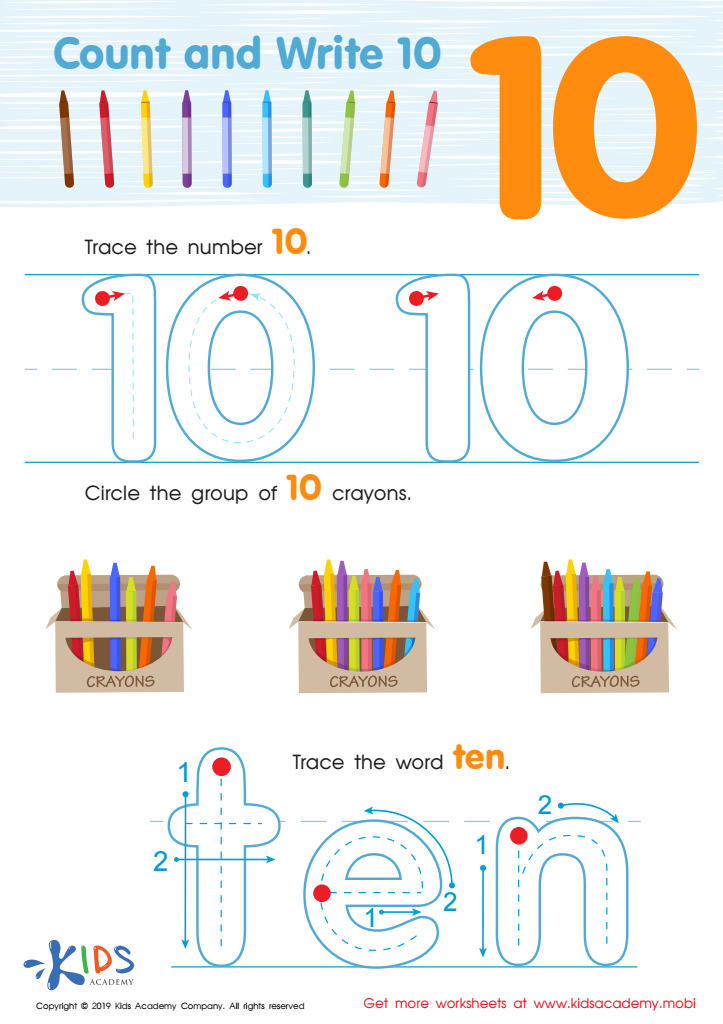
Count and Write 10 Worksheet
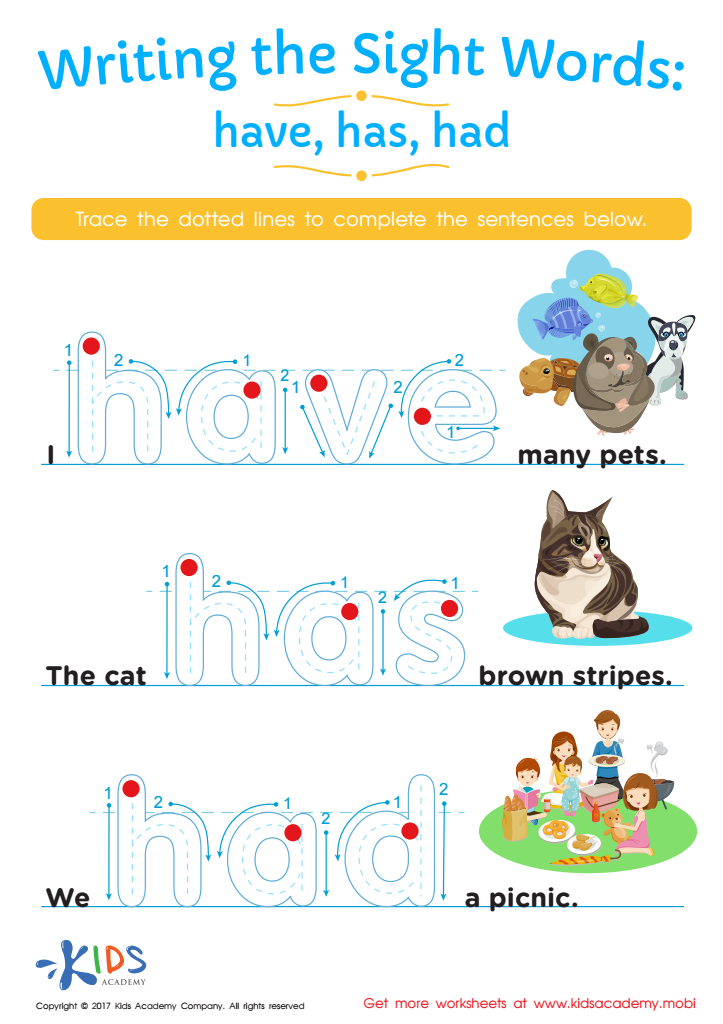
Have, Has, Had Worksheet Sight Words Worksheet
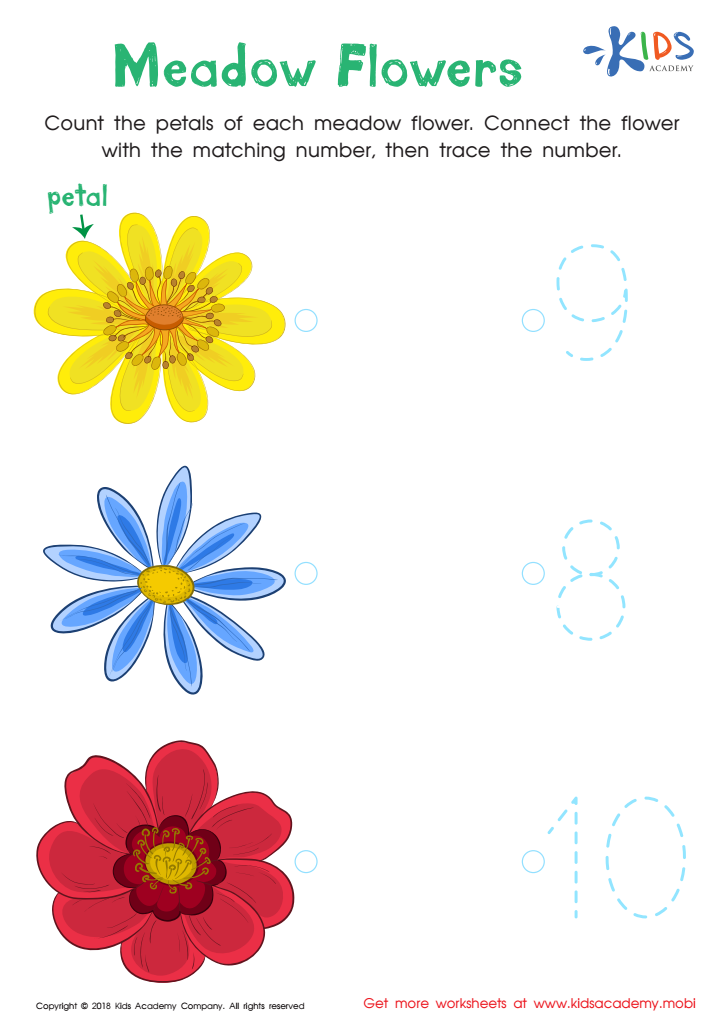
Kindergarten Number Tracing: Medow Flowers Worksheet
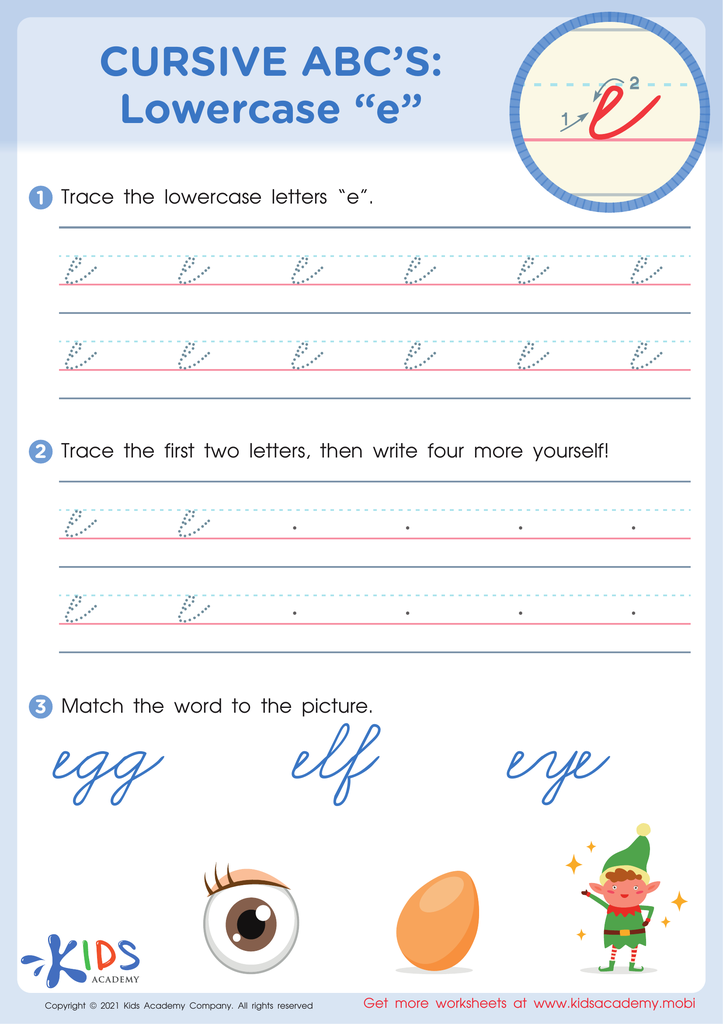
Cursive ABCs: Lowercase e
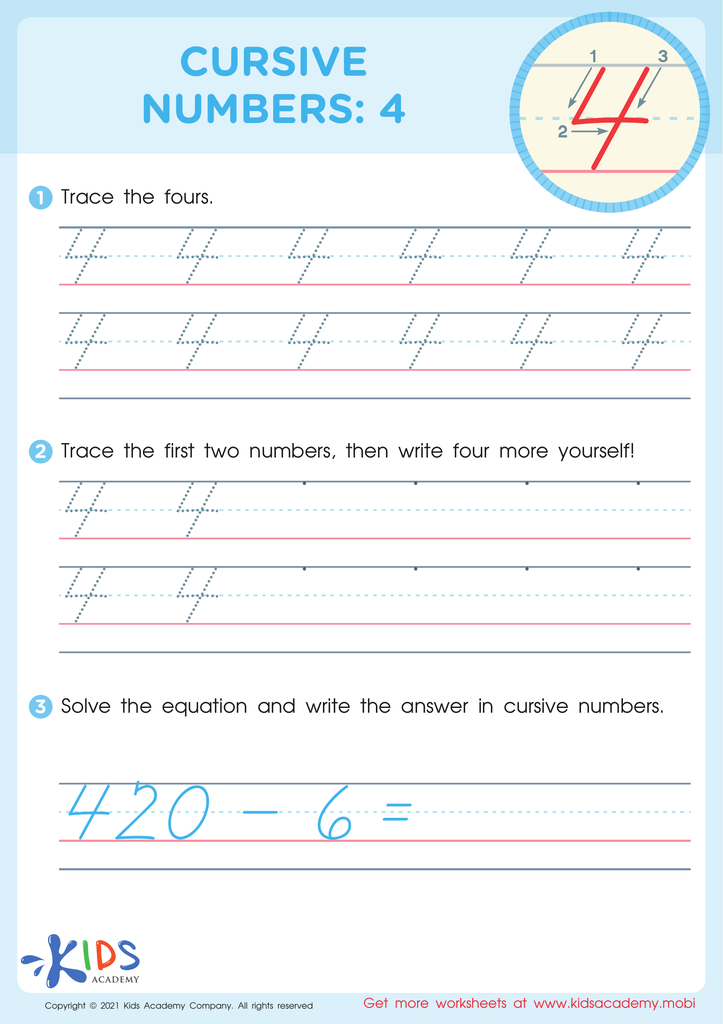
Cursive Numbers: 4 Worksheet
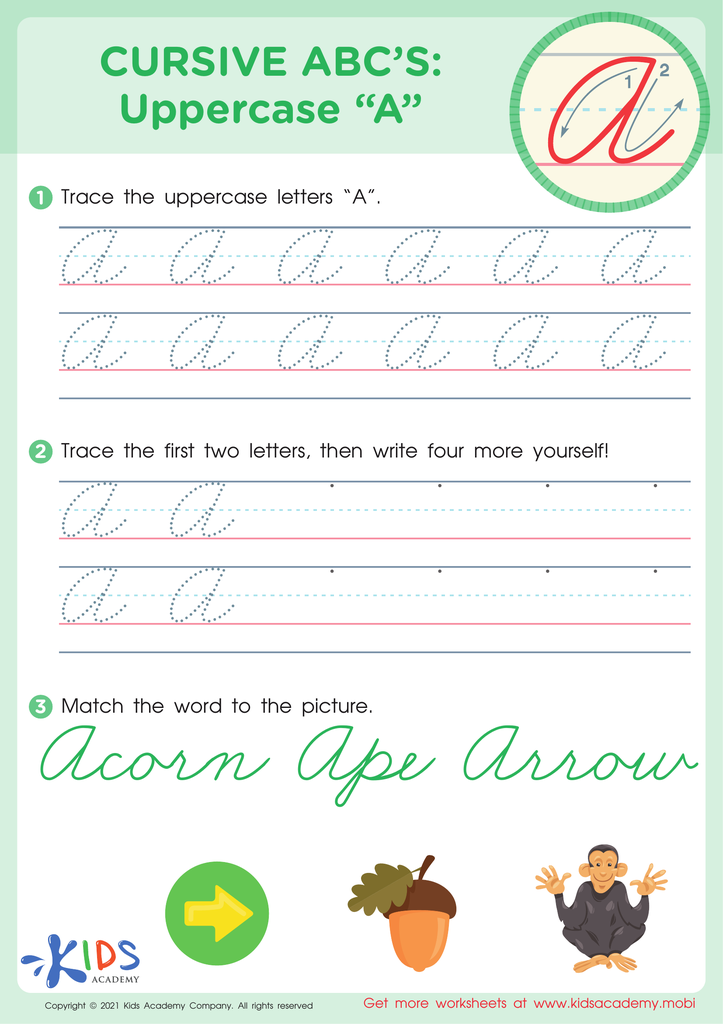
Cursive ABCs: Uppercase A
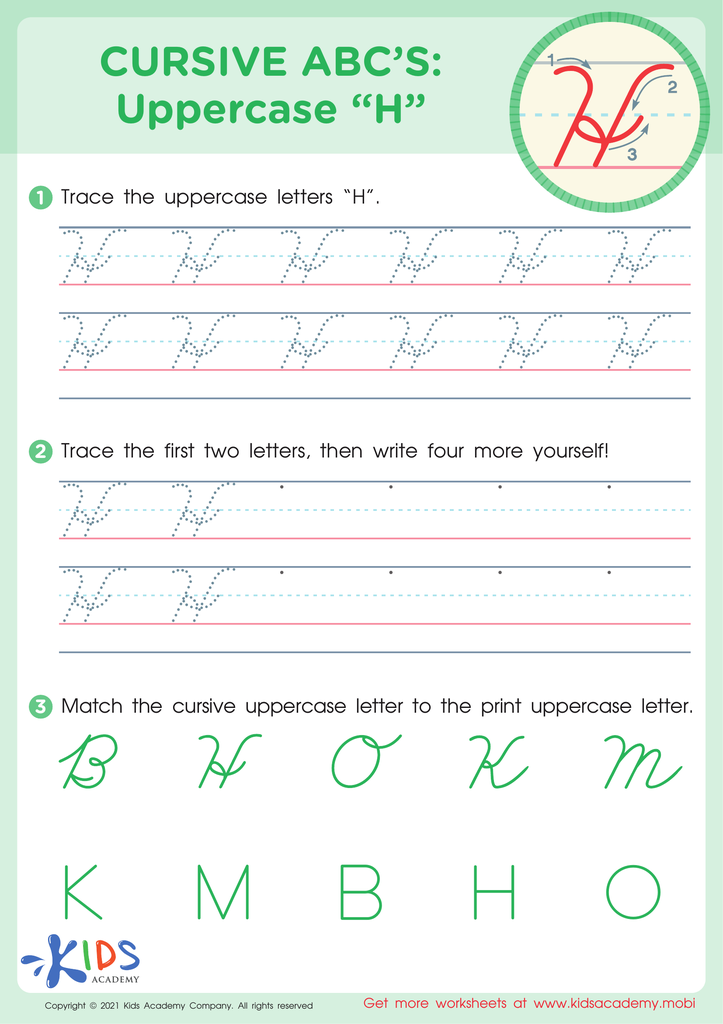
Cursive ABCs: Uppercase H





.jpg)

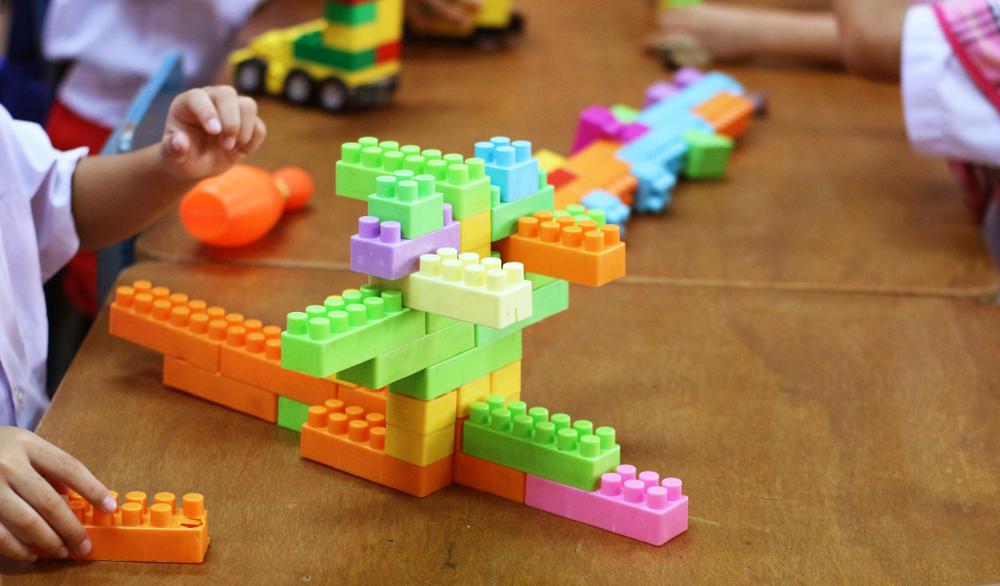
Tracing activities for children ages 3-9 offer essential developmental benefits, making them a vital component of early education. First, these activities enhance fine motor skills by encouraging children to practice the hand-eye coordination necessary for writing and other tasks. As they manipulate tracing tools, little hands build strength and dexterity, laying the groundwork for more complex skills as they grow.
Additionally, tracing activities stimulate cognitive development. When young learners trace letters, numbers, or shapes, they engage in visual discrimination, memory recall, and pattern recognition, all of which support early literacy and numeracy skills. As they familiarize themselves with the shapes of letters and numbers, they boost their confidence in identifying and writing them independently.
Moreover, tracing can nurture artistic expression and creativity, giving children an outlet to explore design and form through various materials. This encourages a love of learning and creative thinking.
Ultimately, parents and teachers should prioritize tracing activities in their educational strategies, realizing that these seemingly simple tasks contribute significantly to a child's overall development. By incorporating tracing into learning routines, they support essential skills that will serve children throughout their educational journey and beyond.








