Tracing Letters worksheets activities for Ages 3-9 - Page 2
57 filtered results
-
From - To
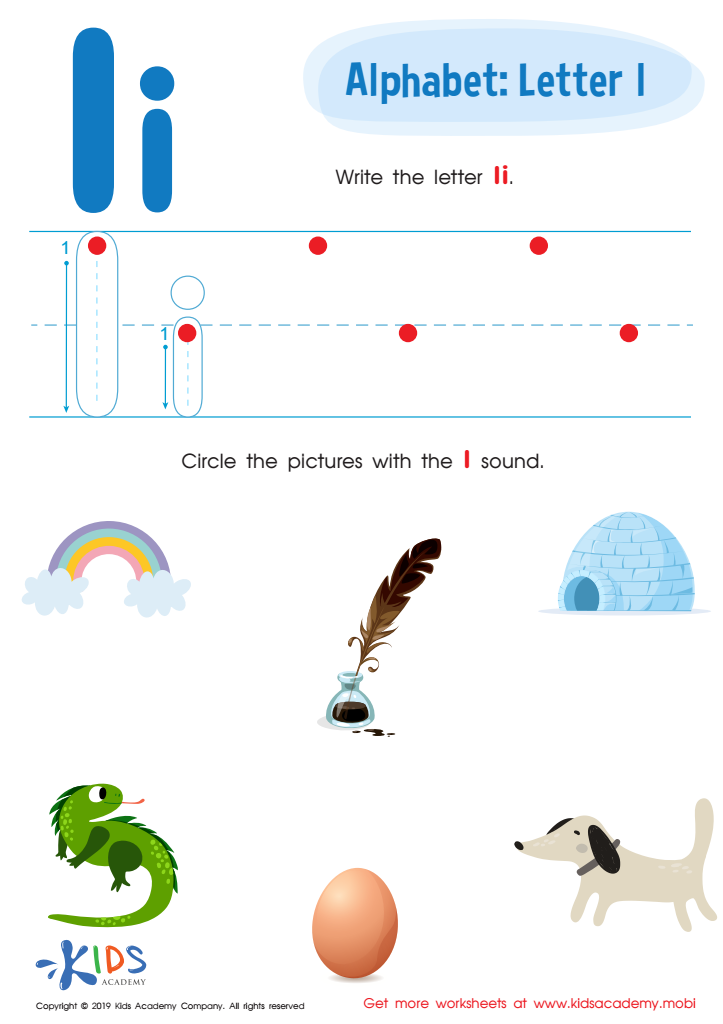
Letter I Tracing Worksheet
 Assign to My Students
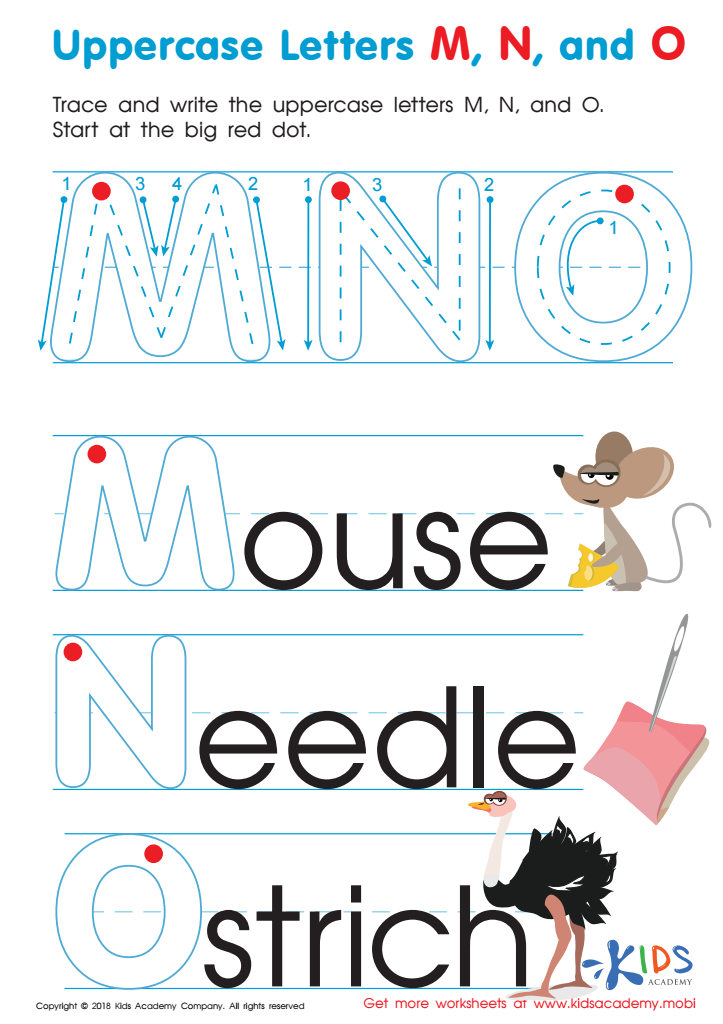
Uppercase Letters M, N, and O Worksheet
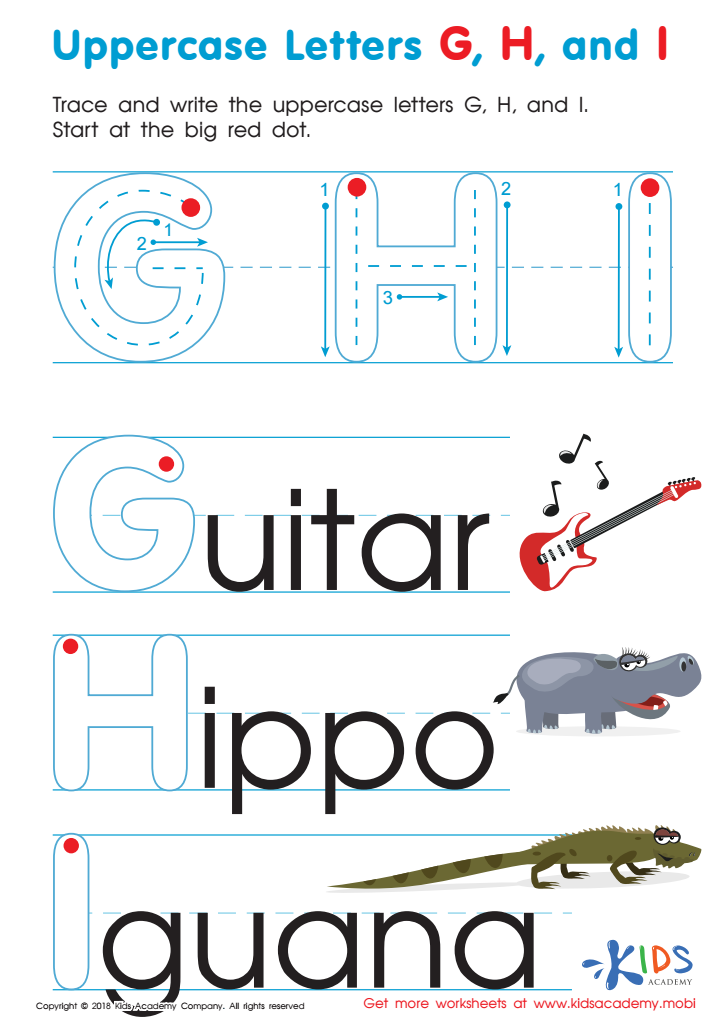
Uppercase Letters G, H, and I Worksheet

Letter G Tracing Page
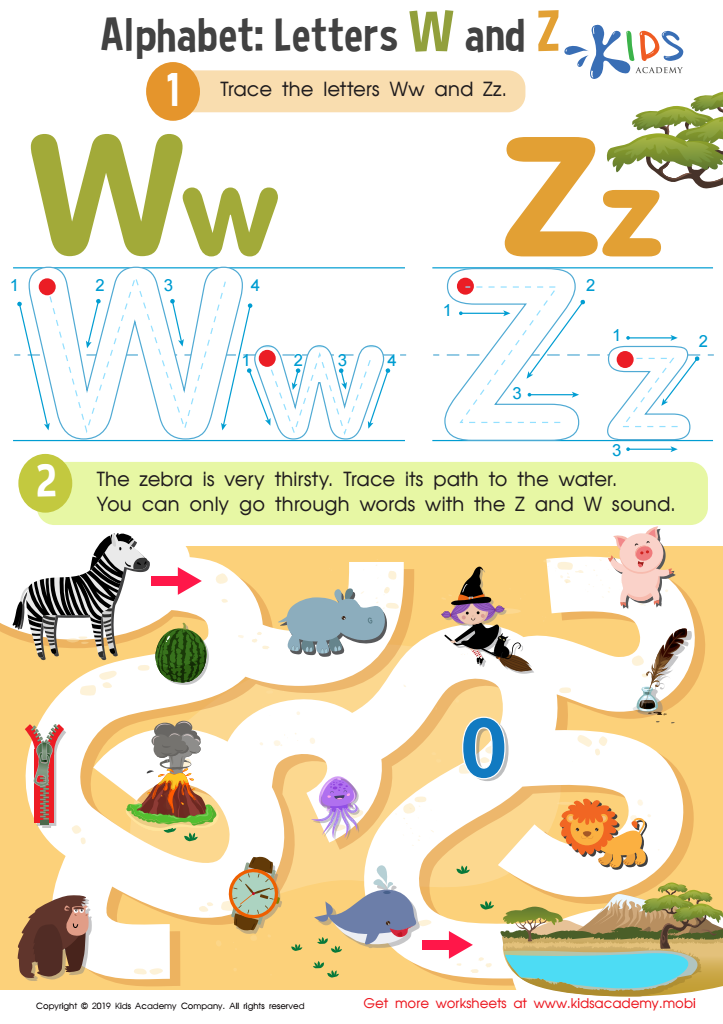
Letters W and Z Tracing Worksheet
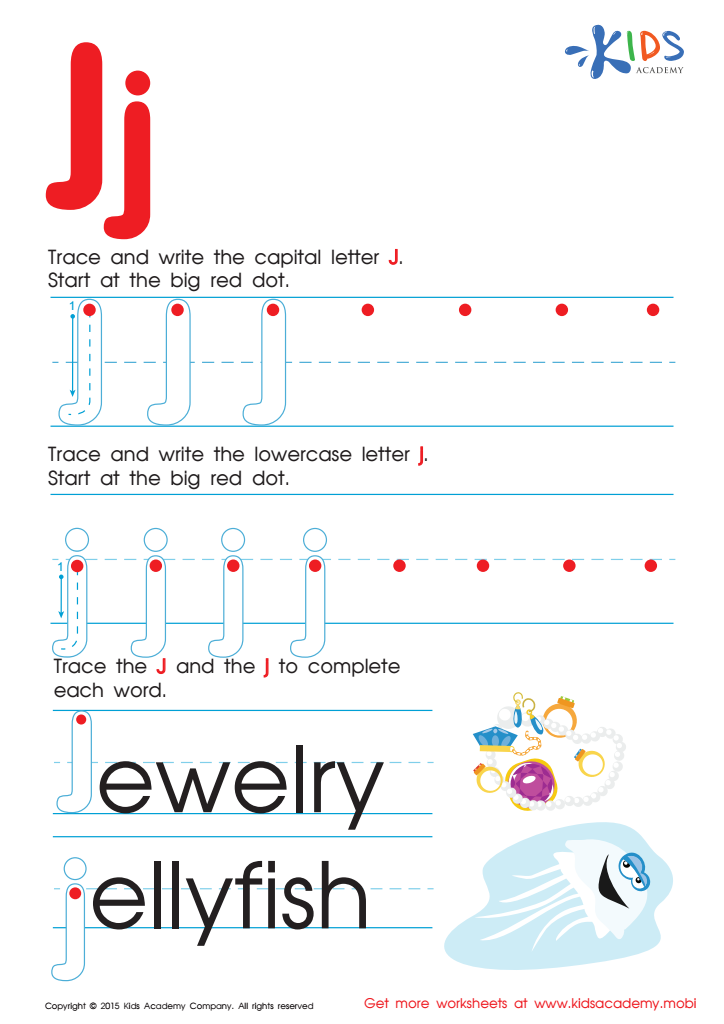
Letter J Tracing Page
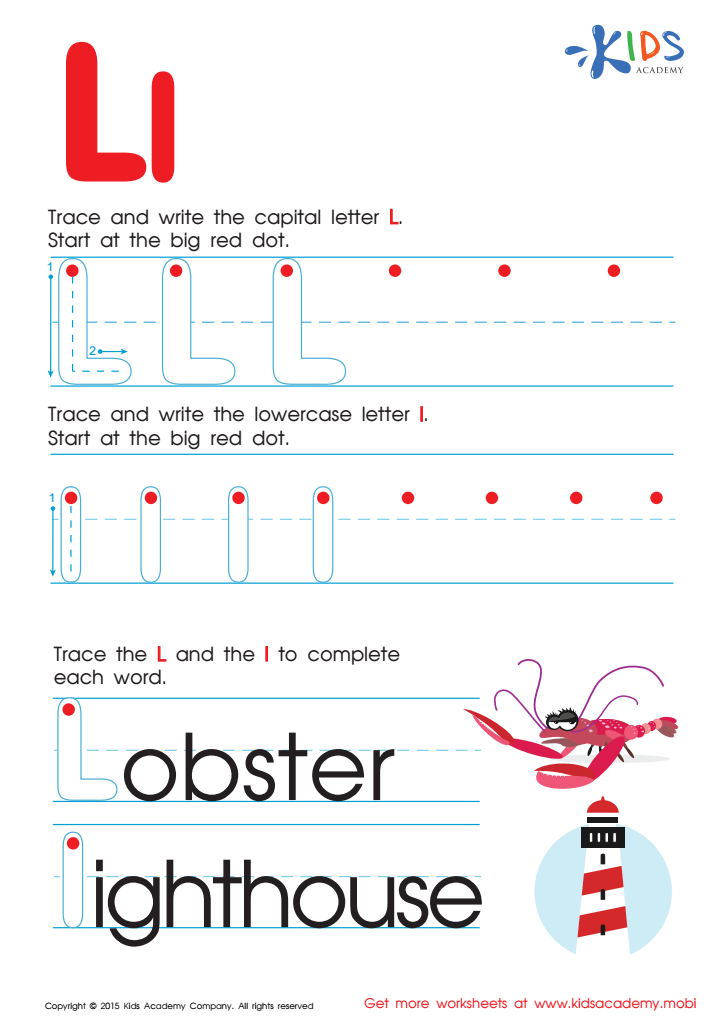
Letter L Tracing Page
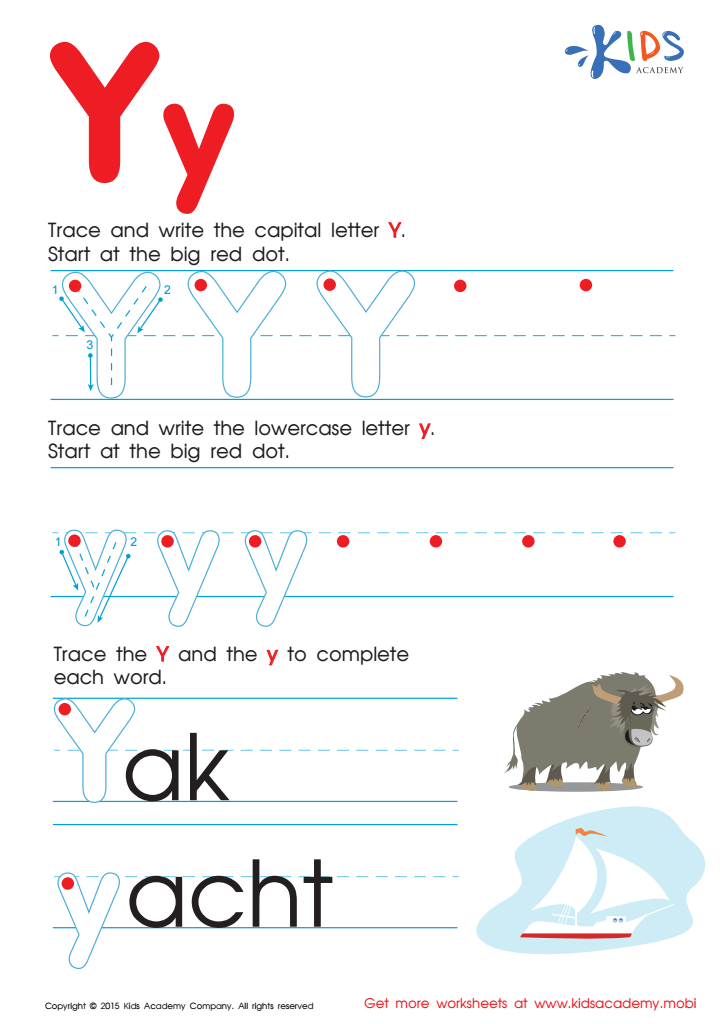
Letter Y Tracing Page
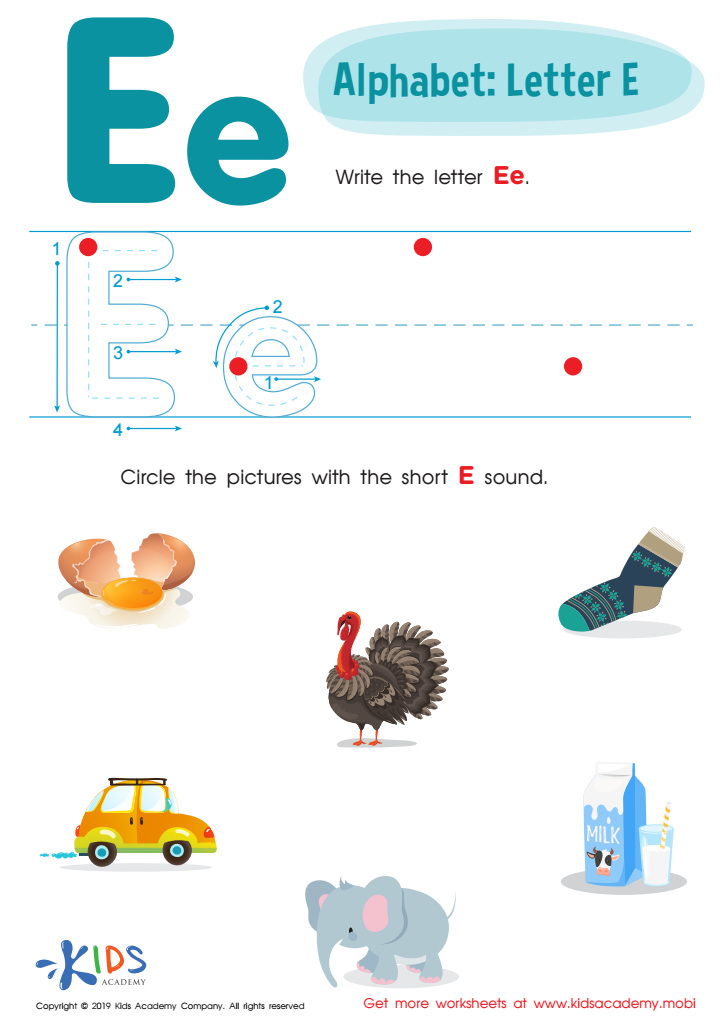
Letter E Tracing Worksheet
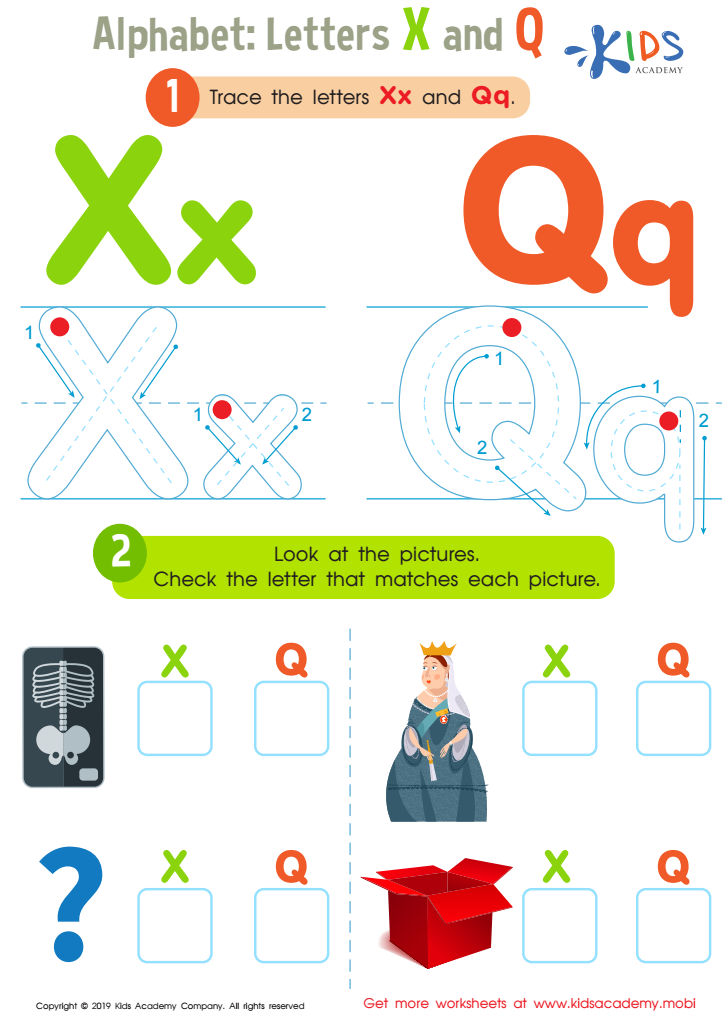
Letters X and Q Tracing Worksheet
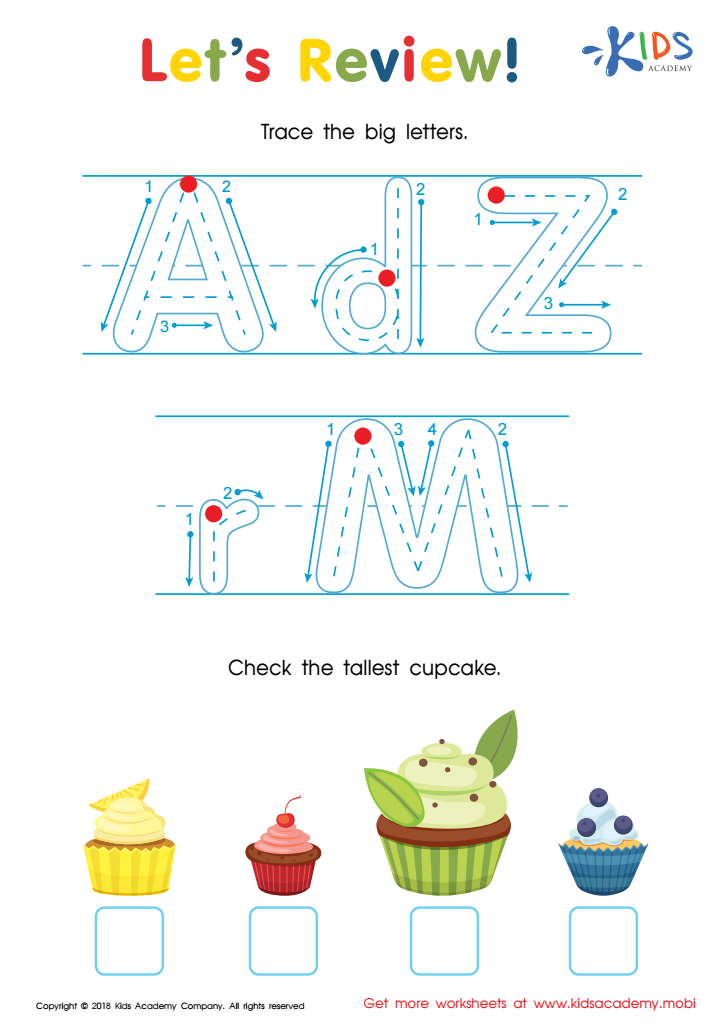
Let's Review! Big Letters Worksheet
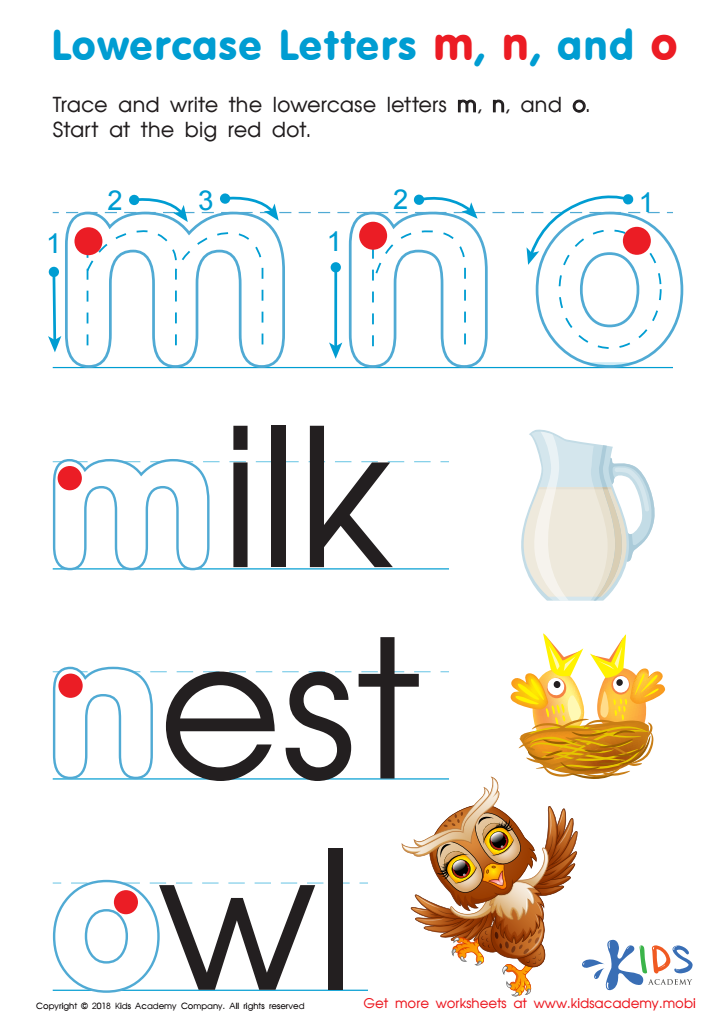
Lowercase Letters m n o Worksheet
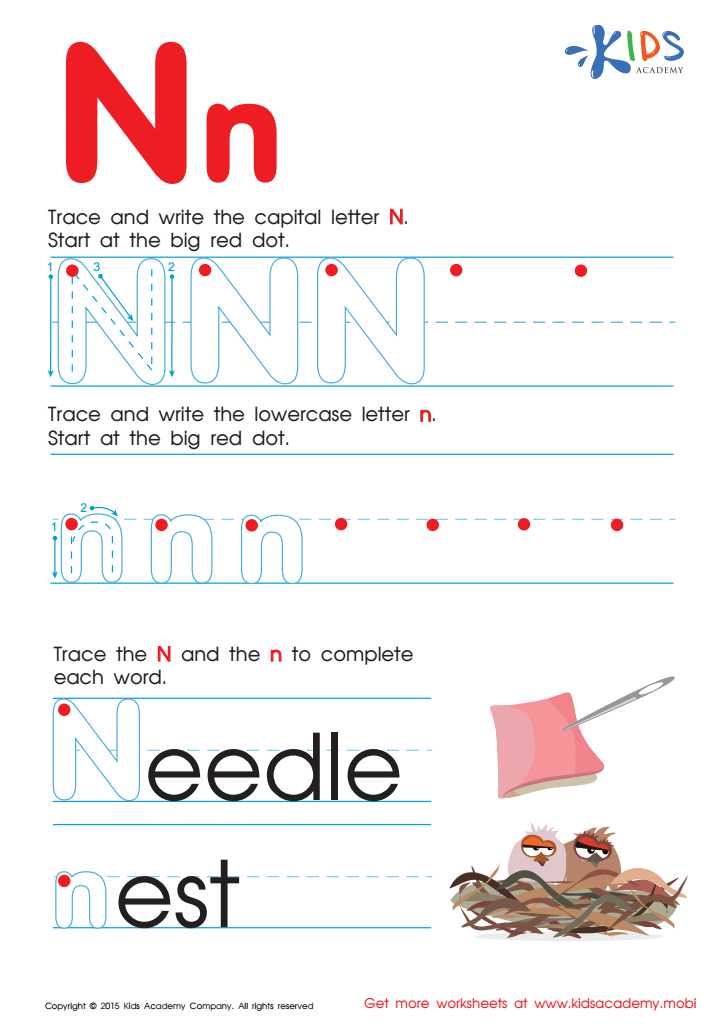
Letter N Tracing Page
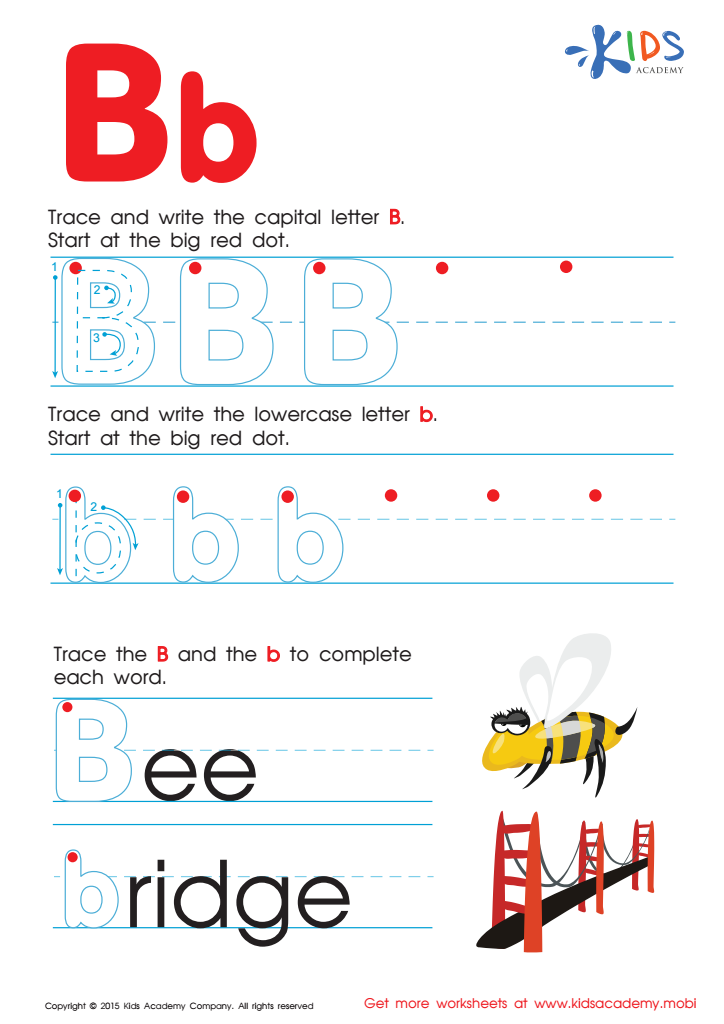
Letter B Tracing Page
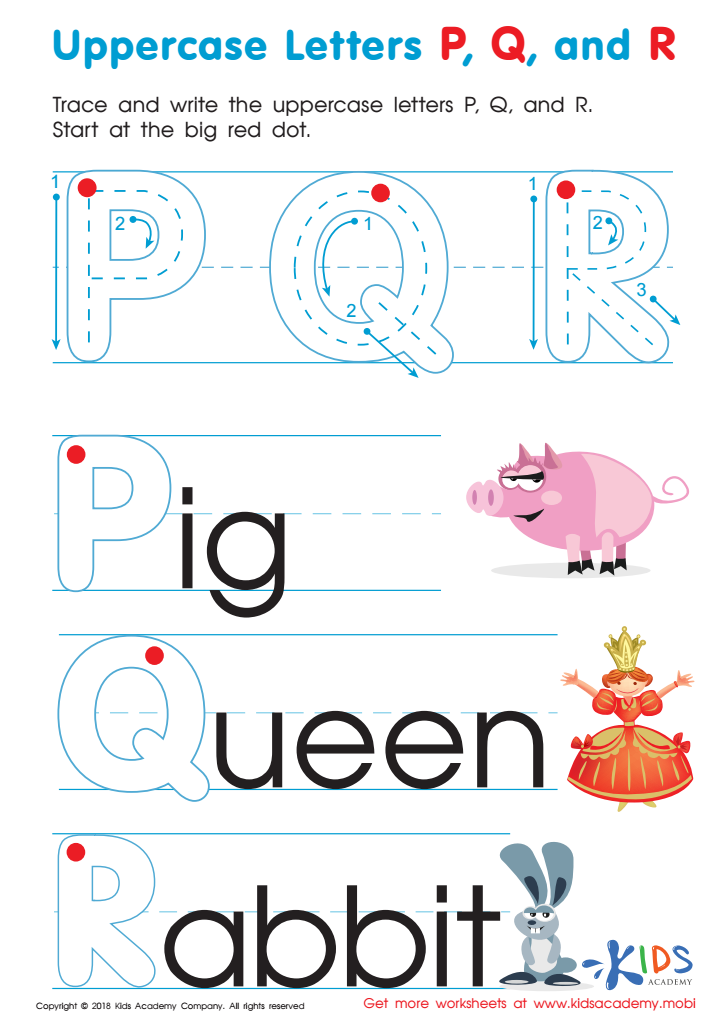
Uppercase Letters P, Q, and R Worksheet
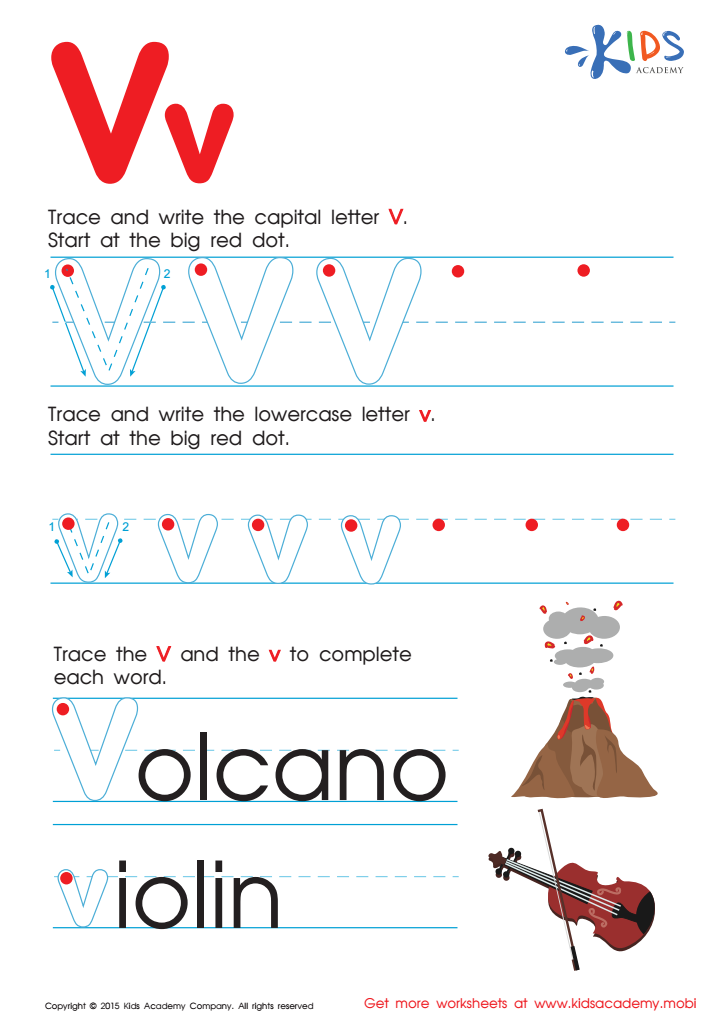
Letter V Tracing Page
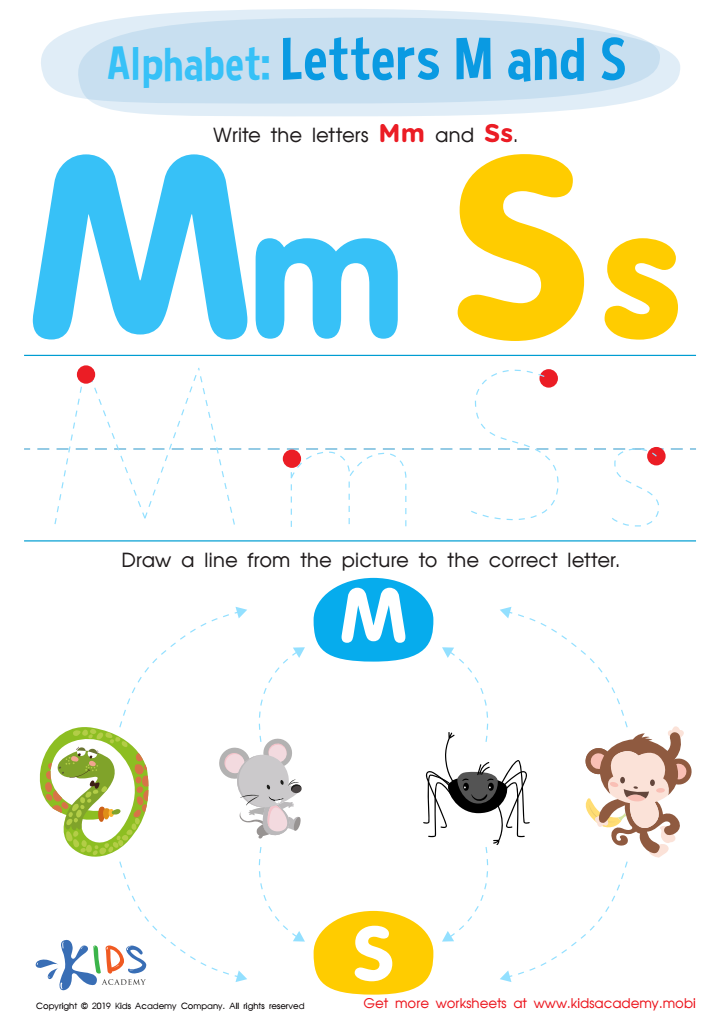
Letters M and S Tracing Worksheet
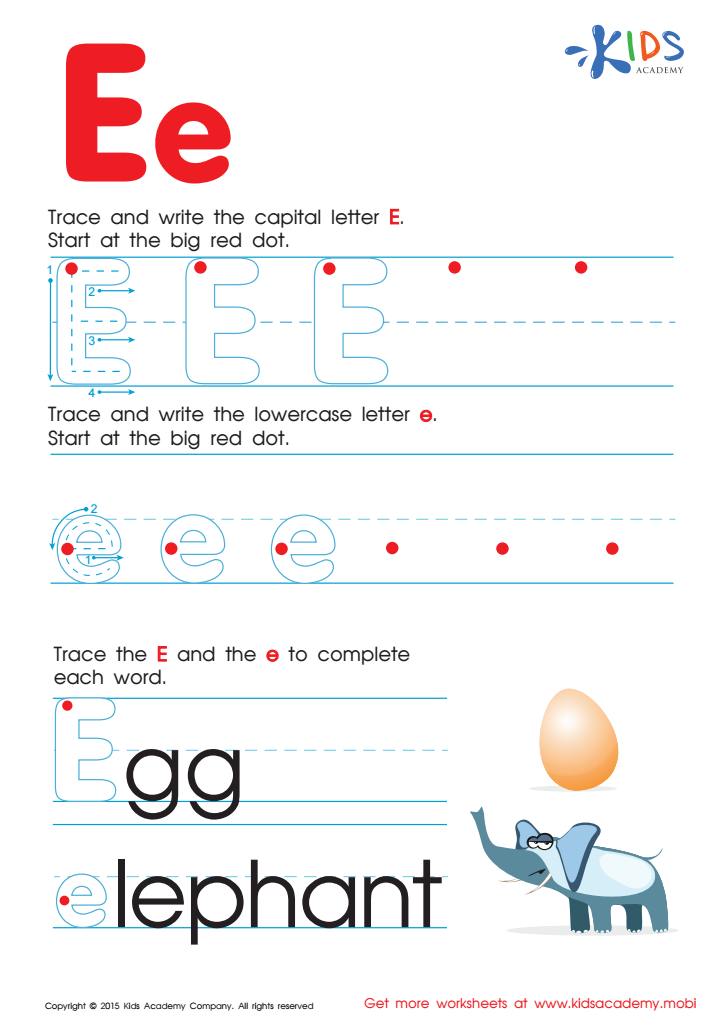
Letter E Tracing Page
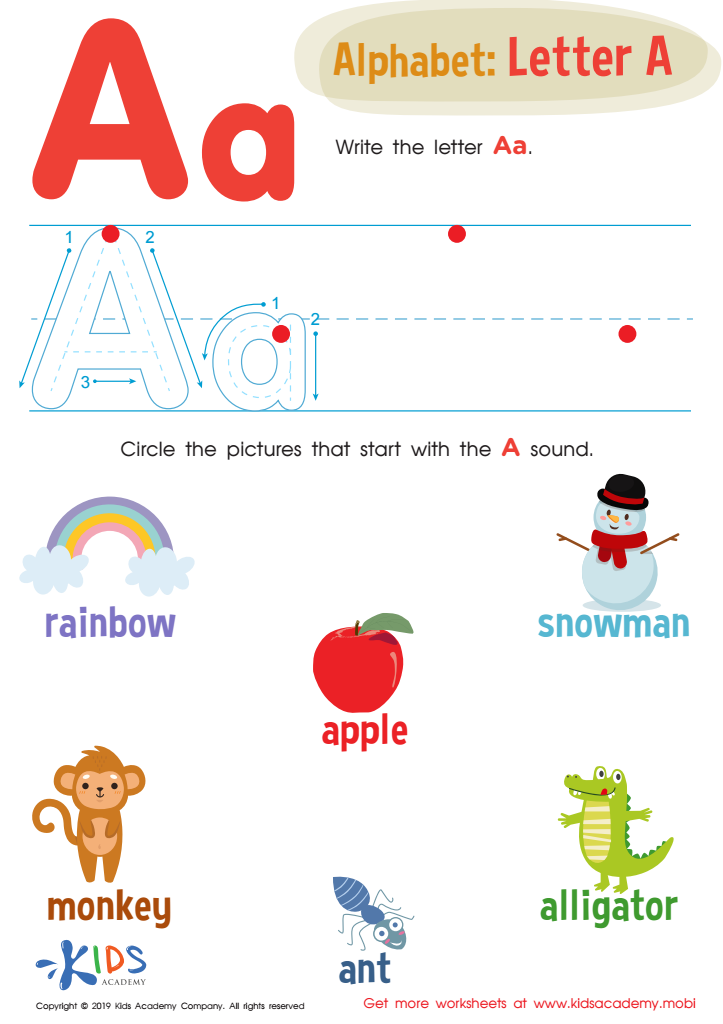
Letter A Tracing Worksheet
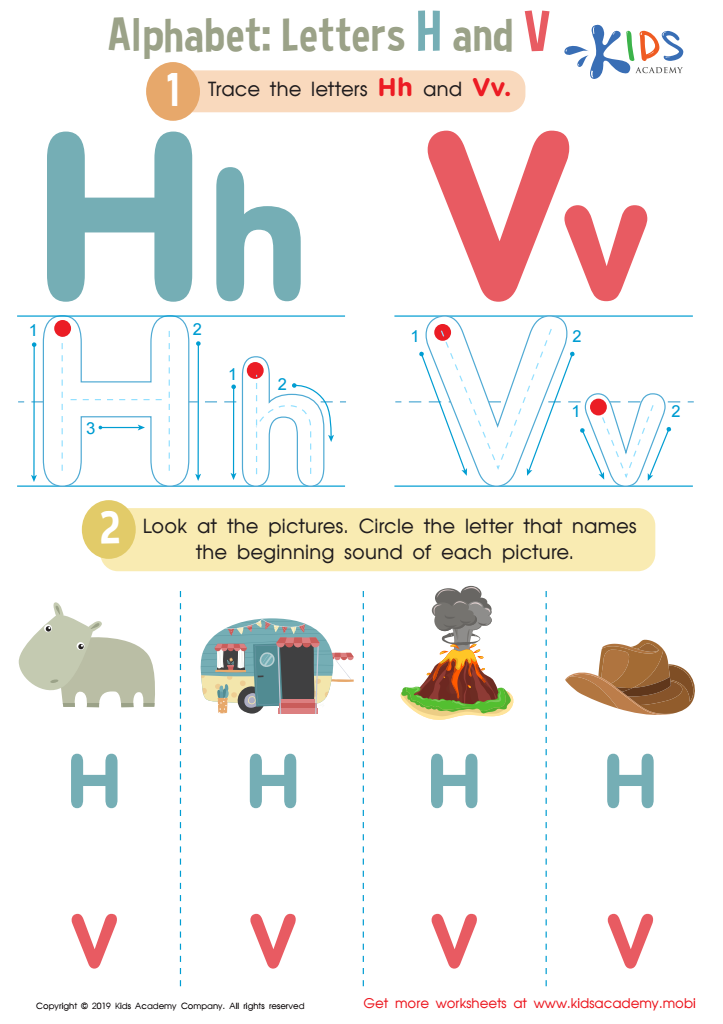
Letters H and V Tracing Worksheet
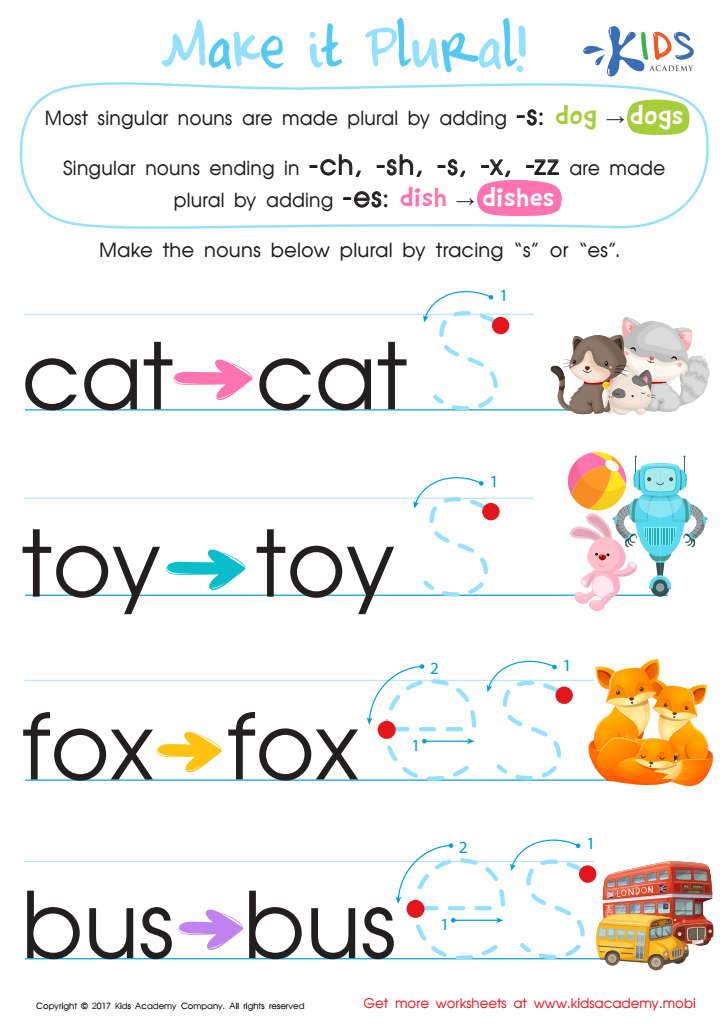
Make it Plural Worksheet
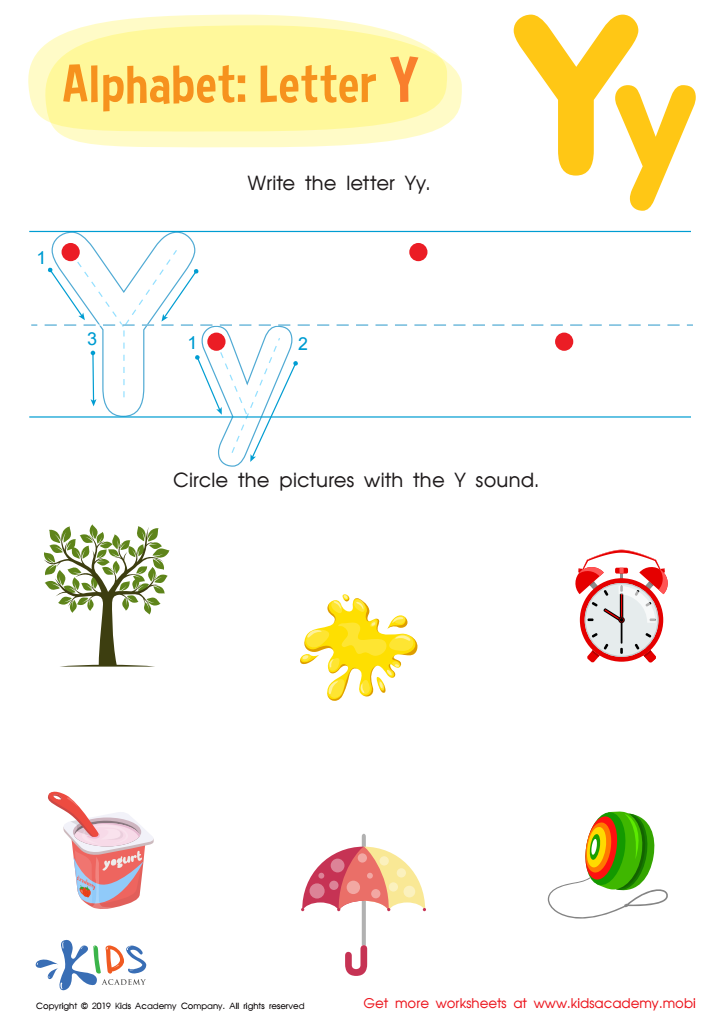
Letter Y Tracing Worksheet
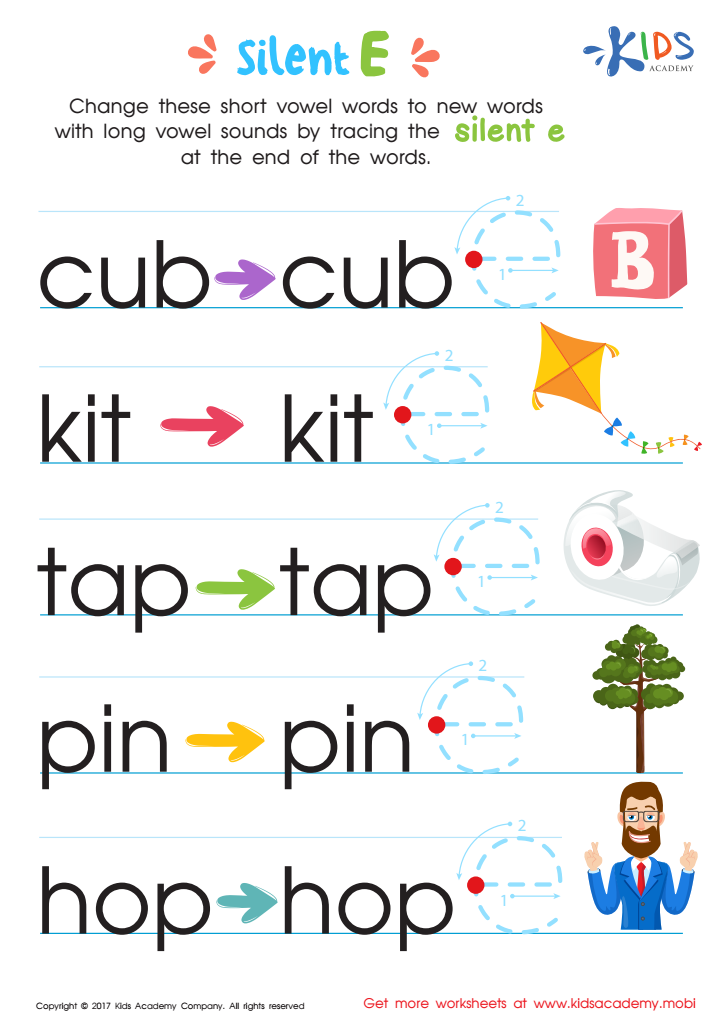
Silent E Words Worksheet
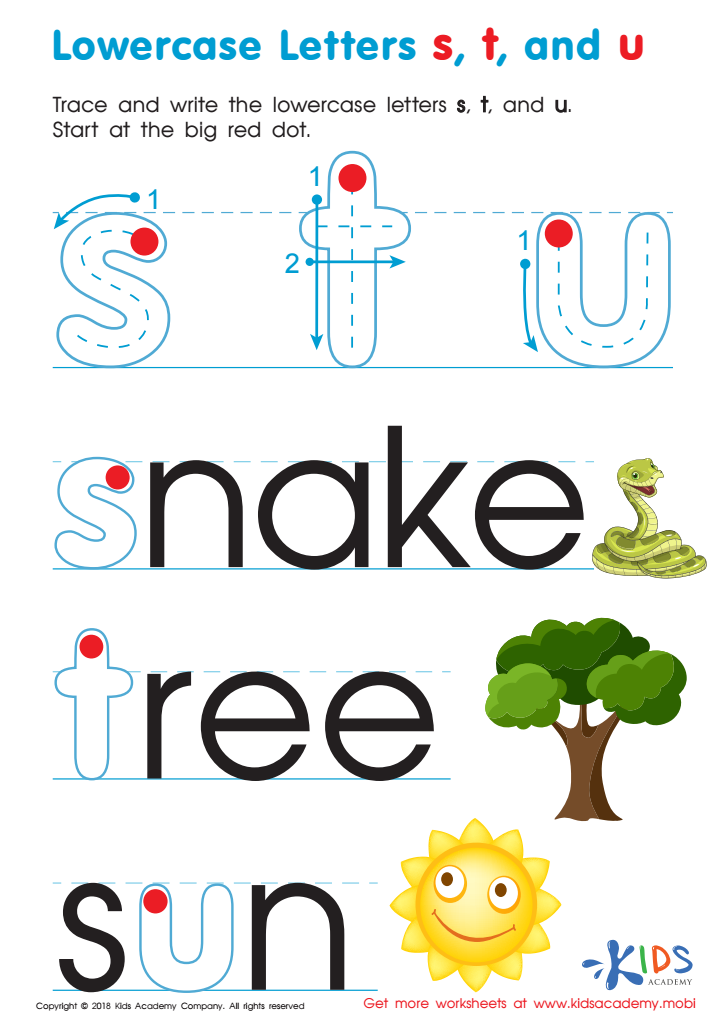
Lowercase Letters s t u Worksheet








Tracing letters activities for children aged 3-9 are essential for building foundational writing and literacy skills. At this early stage of development, children are honing their fine motor skills, which are vital for tasks such as writing, using scissors, and other hand-eye coordination activities. Tracing helps to strengthen these muscles and improve dexterity.
Moreover, engaging in letter tracing introduces children to the alphabet, reinforcing letter recognition and phonetics, which are critical components of reading readiness. Many children benefit from the repetitive practice that tracing provides, aiding in the retention of letter shapes and sounds.
Furthermore, tracing can also foster a sense of accomplishment and boost confidence as children see their progress over time. Activities that are fun and engaging make learning enjoyable and reduce frustration, enhancing their overall attitude towards education.
Teachers and parents should also appreciate how tracing can facilitate creativity. Incorporating different themes and materials into tracing activities can captivate children's interests and further encourage learning. Thus, investing time in letter tracing set the groundwork for literacy while building essential motor skills, fostering confidence, and igniting a lifelong love for learning.








