Matching worksheets activities for Ages 6-8 - Page 3
62 filtered results
-
From - To
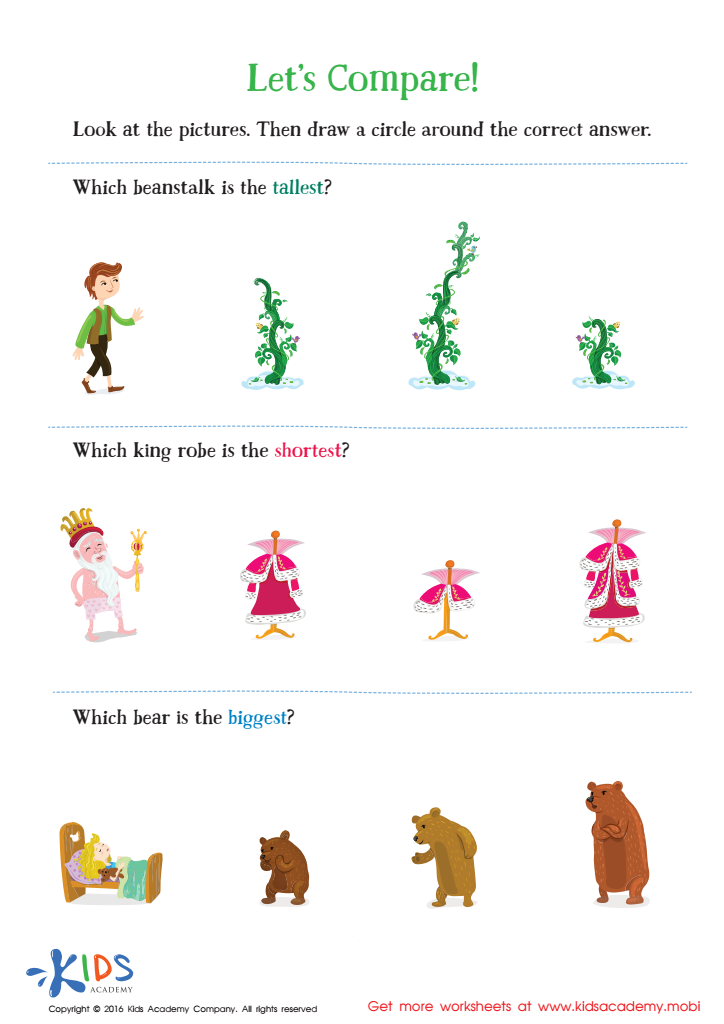
Fairy Tale Worksheet: Let's Compare
 Assign to My Students
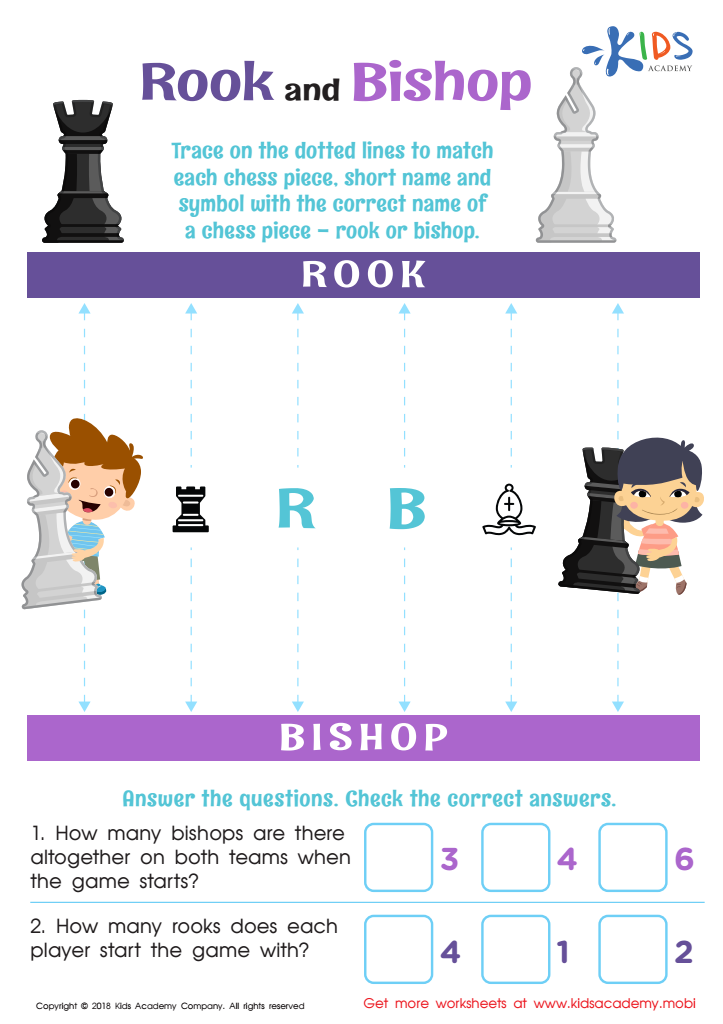
Rook and Bishop Worksheet
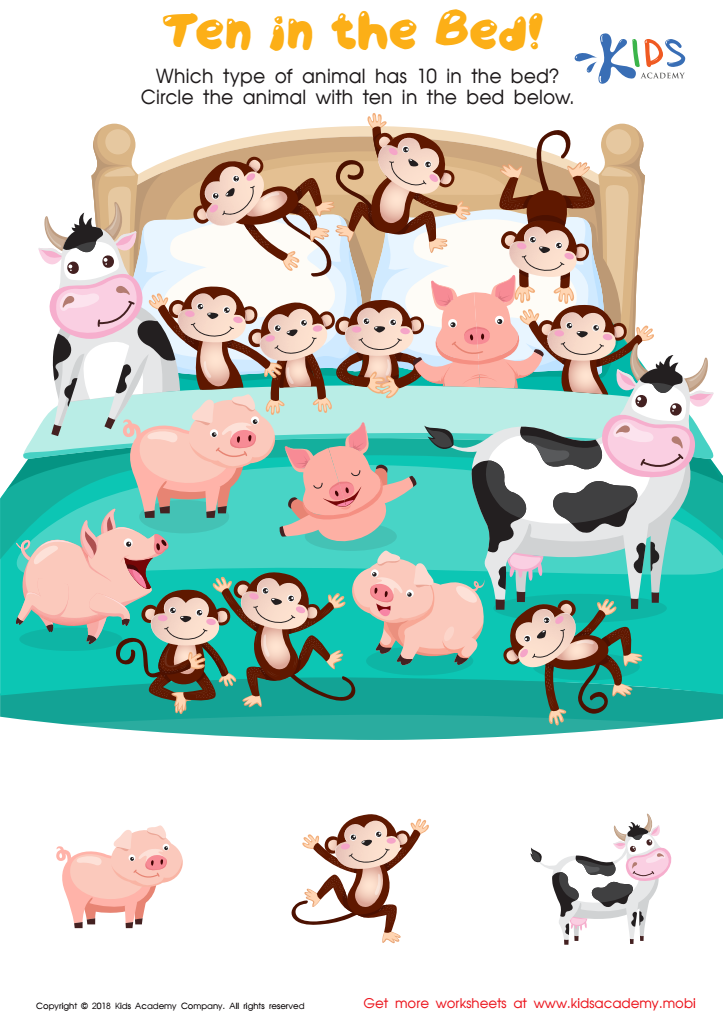
Ten in the Bed Worksheet
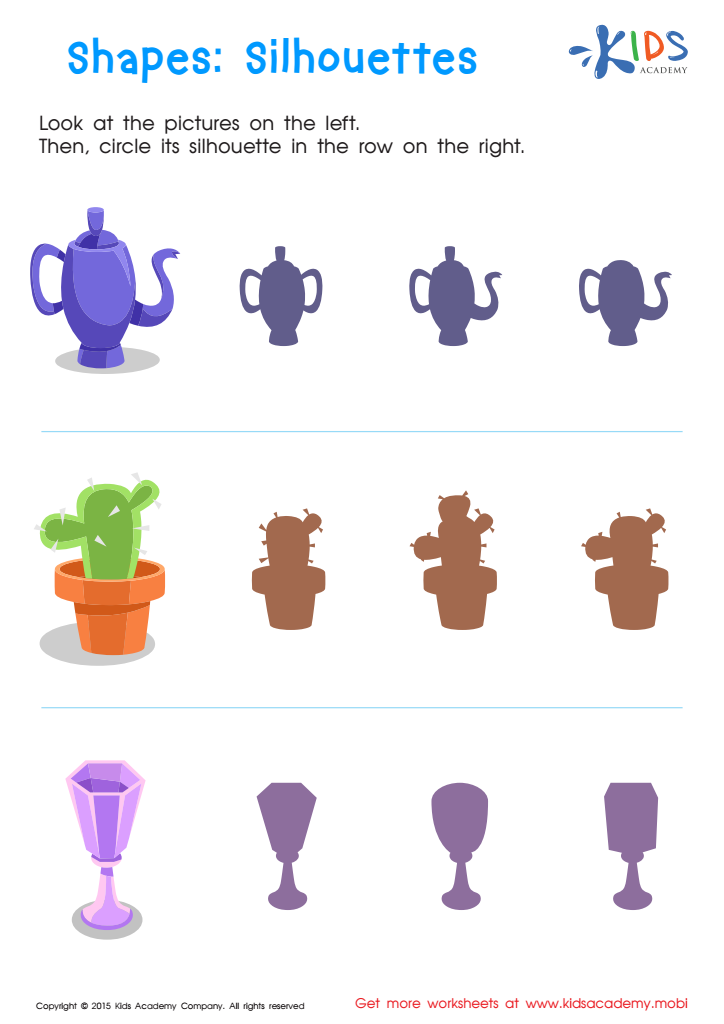
Silhouettes – Shapes Worksheet
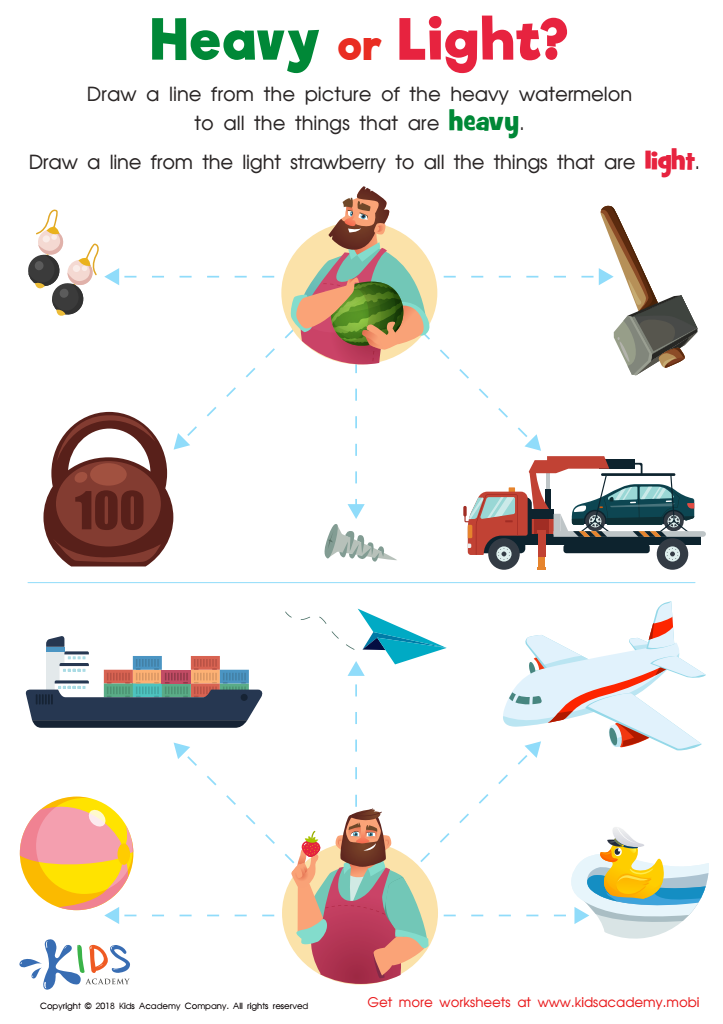
Heavy or Light? Worksheet
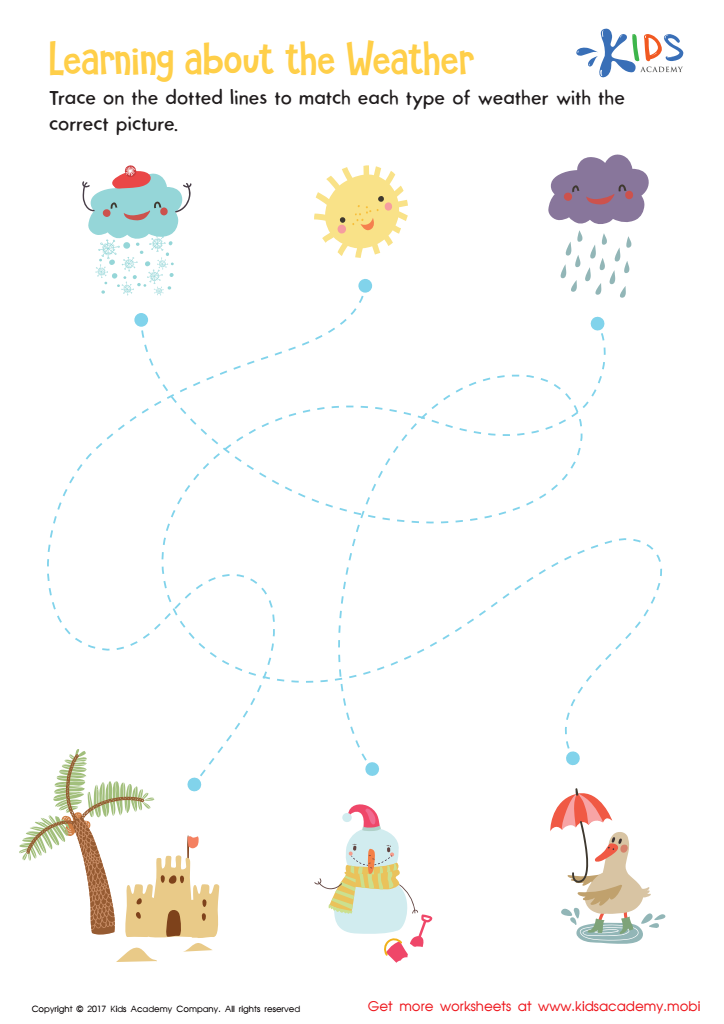
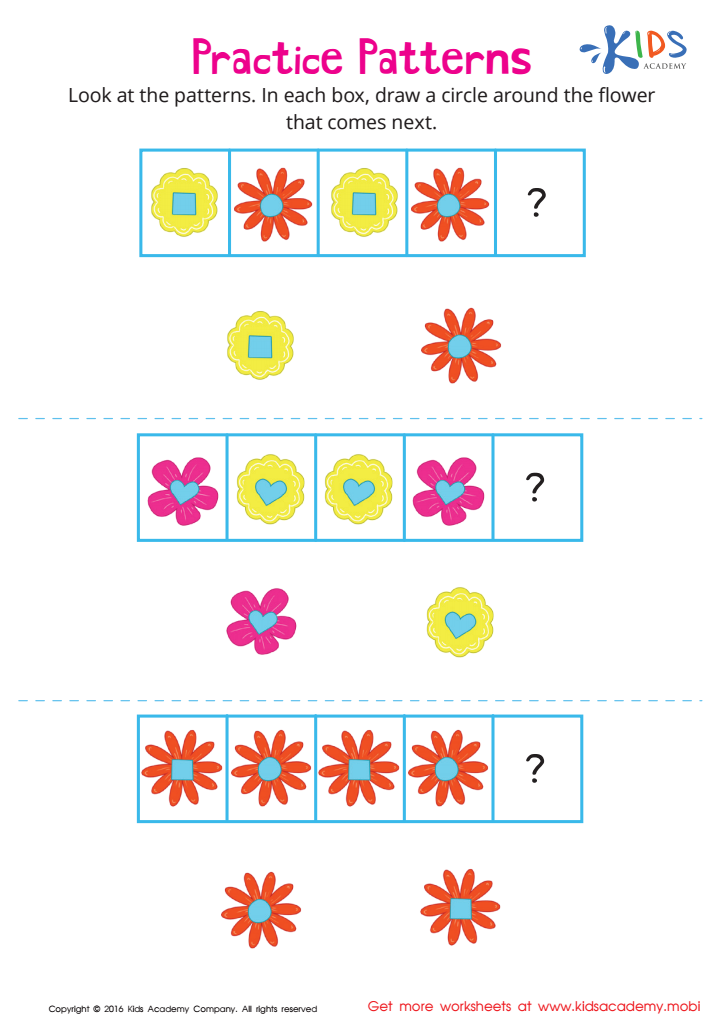
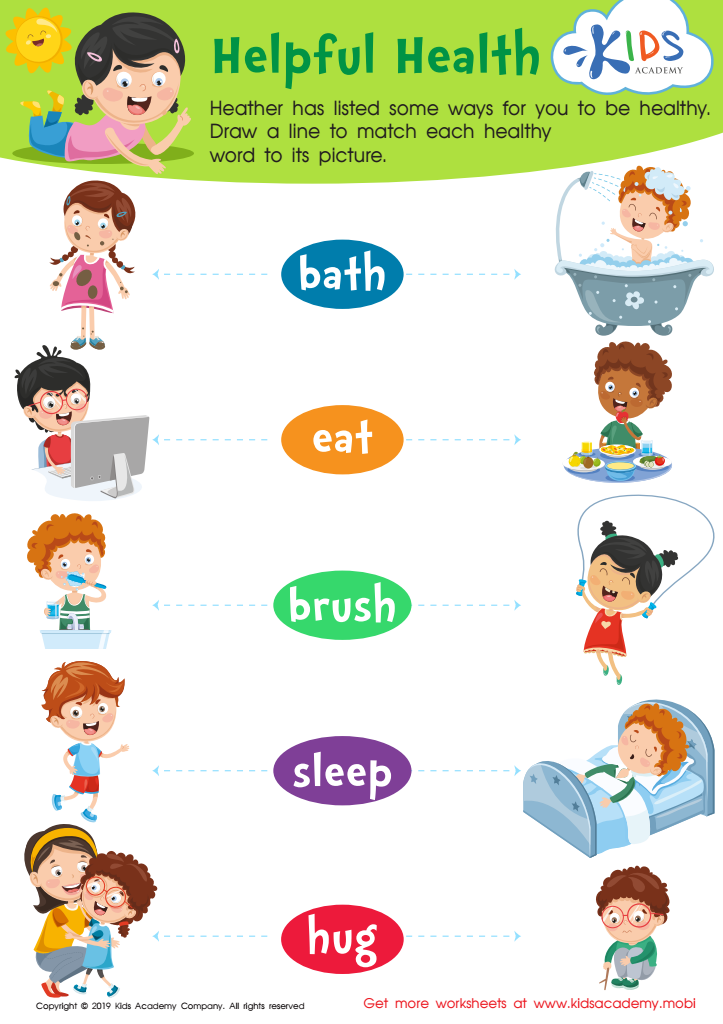
Helpful Health Worksheet
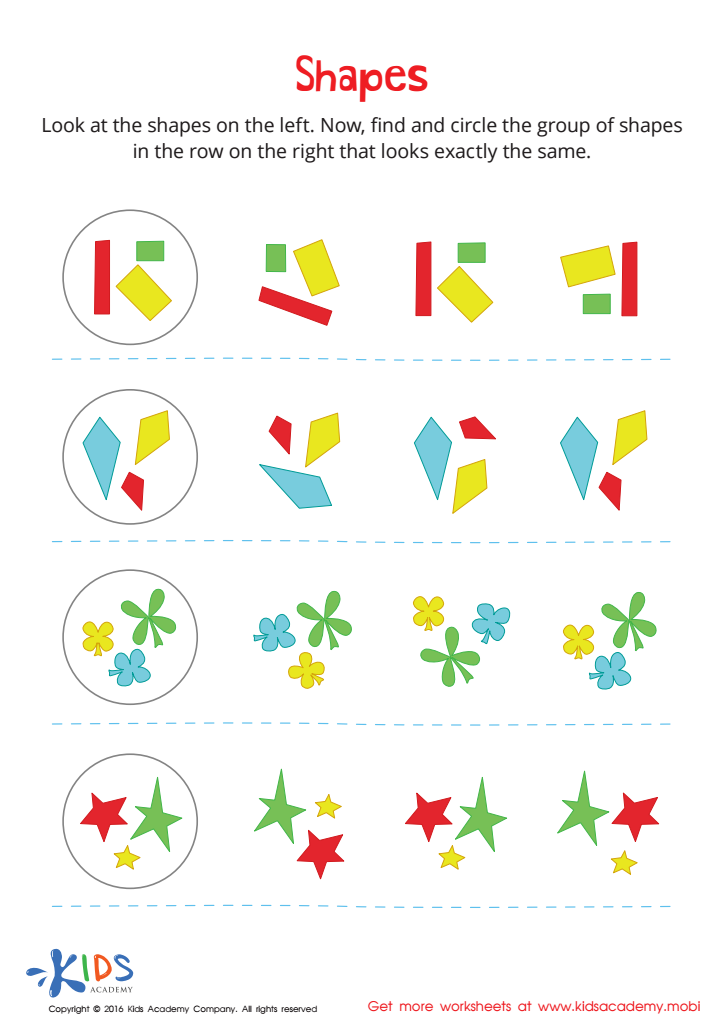
Shapes Worksheet
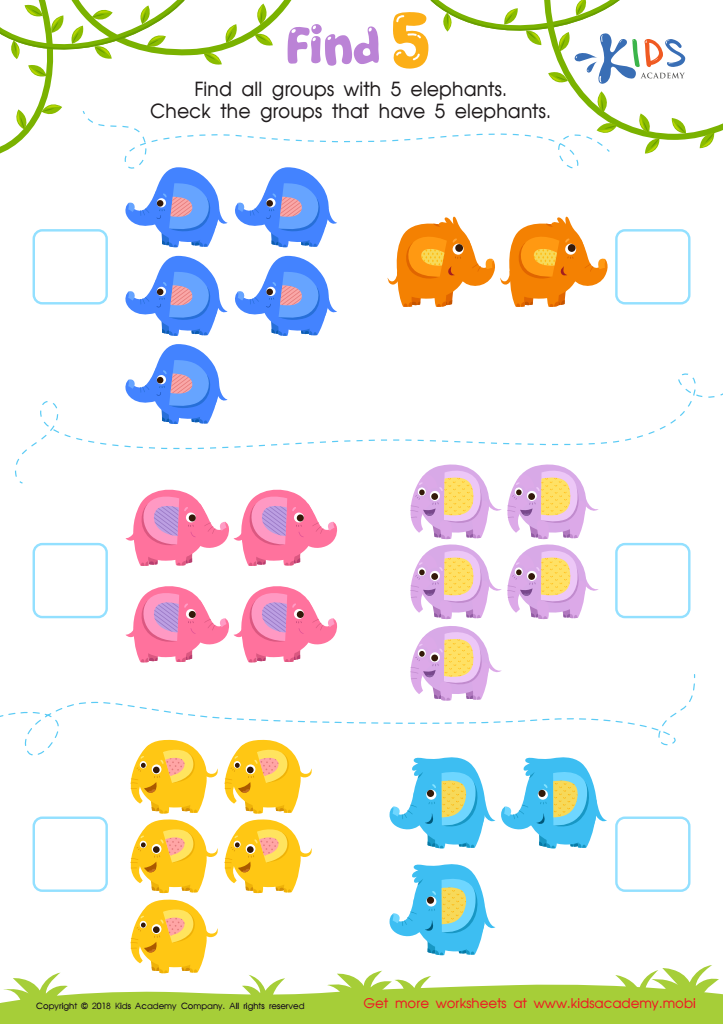
Find 5 Worksheet
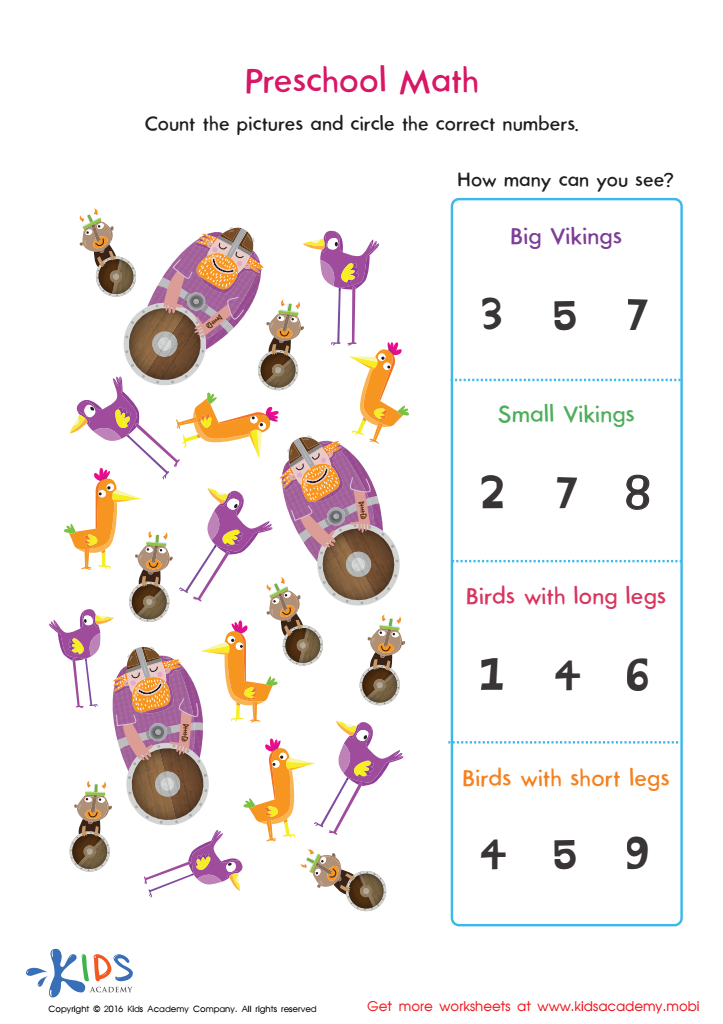
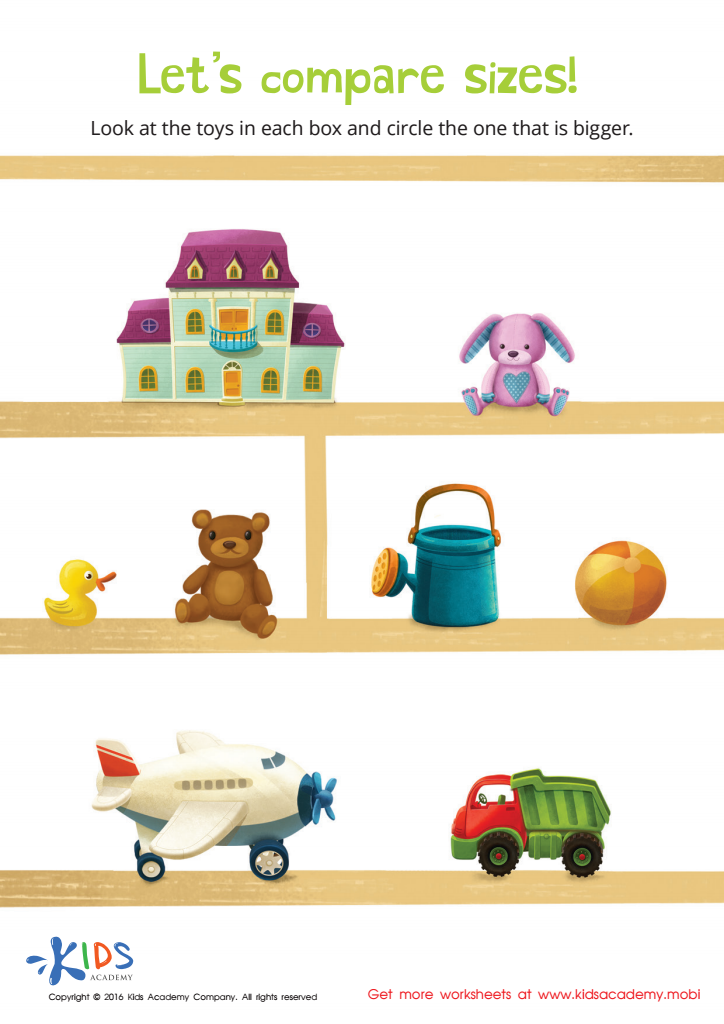
Classifying by Size Sorting Worksheet
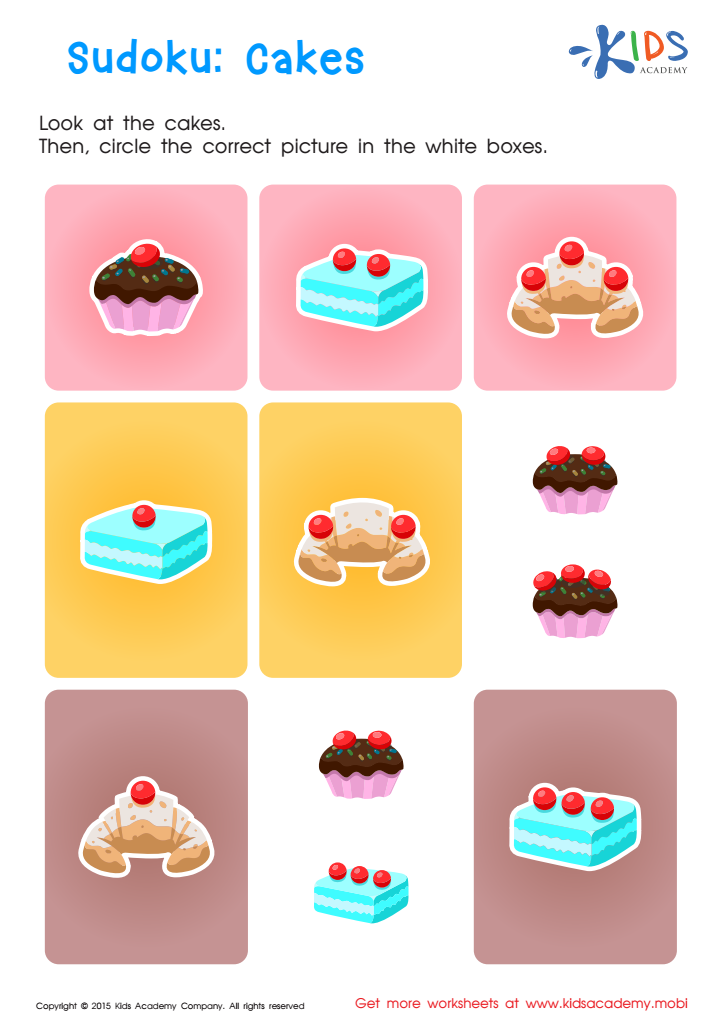
Sudoku Worksheet
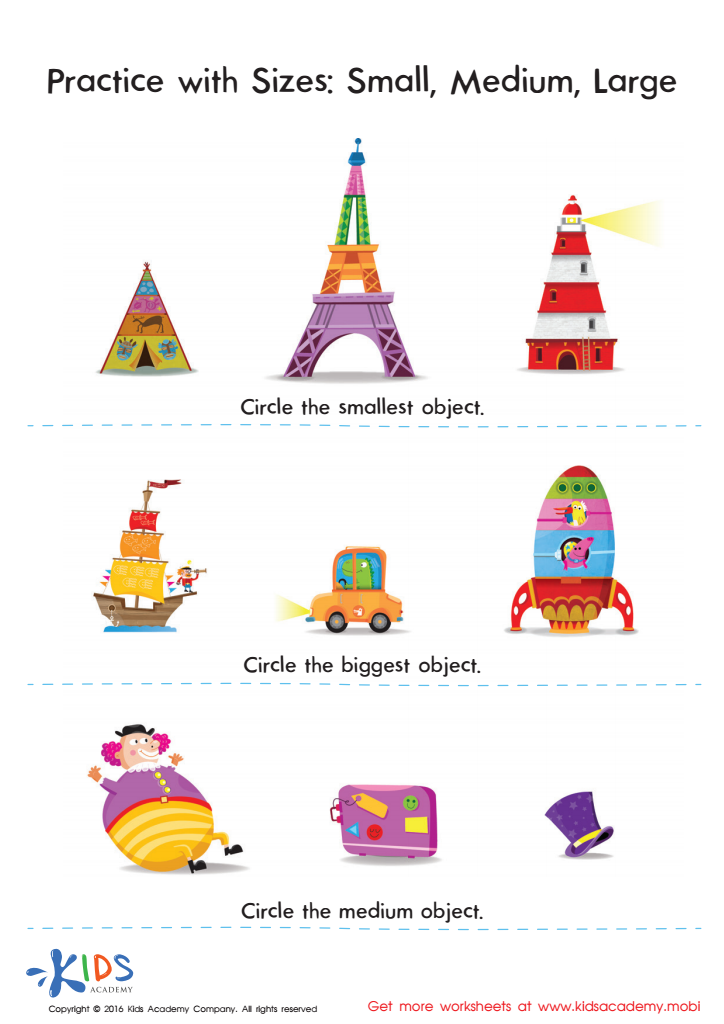



.jpg)
.jpg)

Parents and teachers should prioritize matching activities for children aged 6-8 because these activities play a crucial role in early cognitive development. At this age, children are naturally curious and eager to learn, making it an ideal time to engage them in activities that enhance their critical thinking and problem-solving skills.
Matching activities promote pattern recognition and memory retention. When children match different objects, images, or sounds, they strengthen their ability to identify similarities and differences, paving the way for improved observational skills. This foundational capability is essential not just for academic success, but also for everyday decision-making.
Additionally, these activities can foster social interaction when done in groups, encouraging teamwork and communication. Children learn to express their reasoning and listen to others’ perspectives, which contributes to their emotional intelligence.
Moreover, incorporating matching games into learning can make education enjoyable and stimulating. Engaging activities can keep children motivated and help them develop a love for learning, which is vital for lifelong intellectual growth. By integrating matching activities into their curriculum or home routines, parents and teachers provide valuable learning experiences that contribute to children’s overall development.








