Geometry worksheets activities for Ages 6-9
6 filtered results
-
From - To
Discover engaging geometry worksheets and activities designed specifically for children ages 6-9! Our collection provides a fun and interactive way for young learners to explore essential geometric concepts like shapes, angles, and spatial reasoning. With visually appealing designs and age-appropriate challenges, these worksheets encourage critical thinking and foster a love for math. Each activity is crafted to enhance understanding and retention, making it easier for kids to grasp foundational geometry skills. Perfect for classroom use or at-home practice, our resources will support your child's journey in mastering geometry while keeping learning exciting and enjoyable! Download your worksheets today and watch their skills soar!
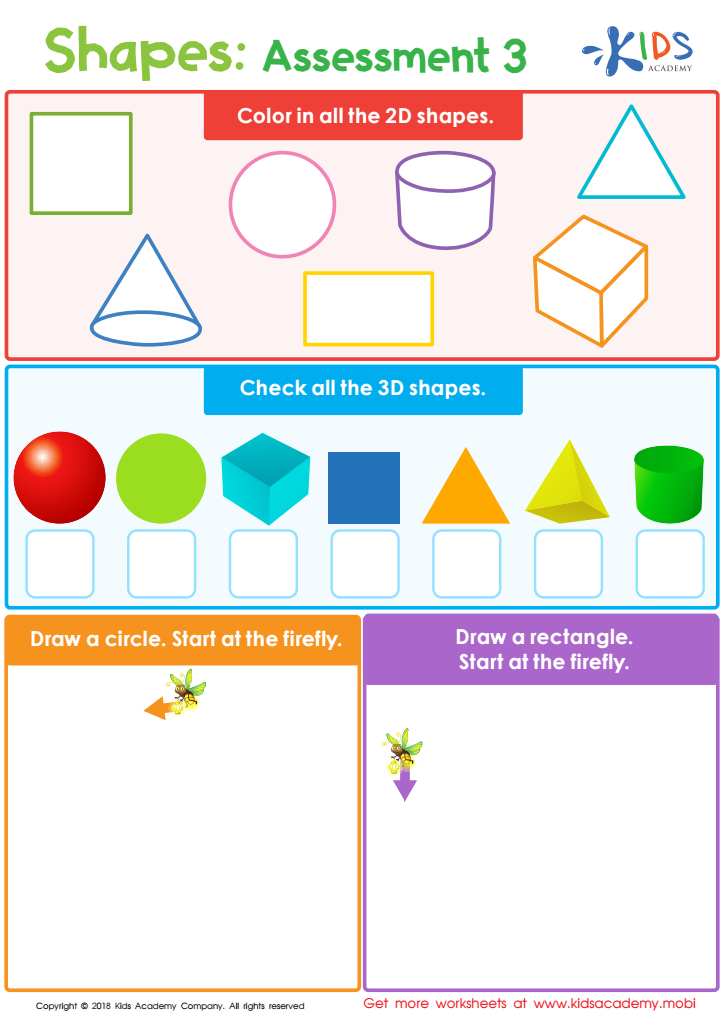
Shapes: Assessment 3 Worksheet
 Assign to My Students
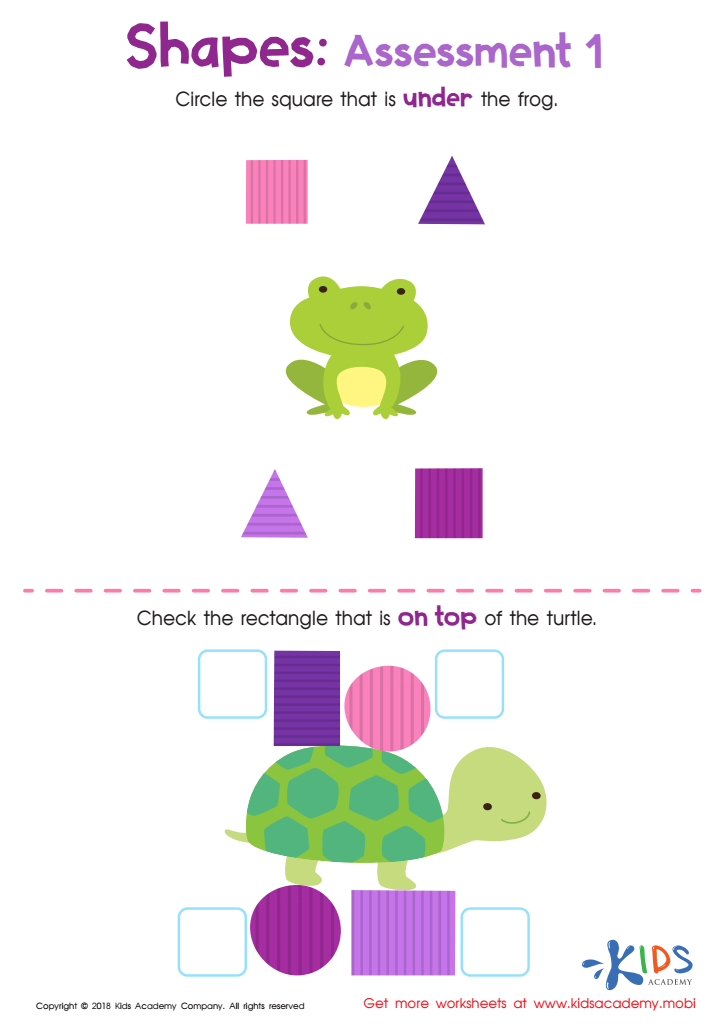
Geometry – Assessment 1 Worksheet
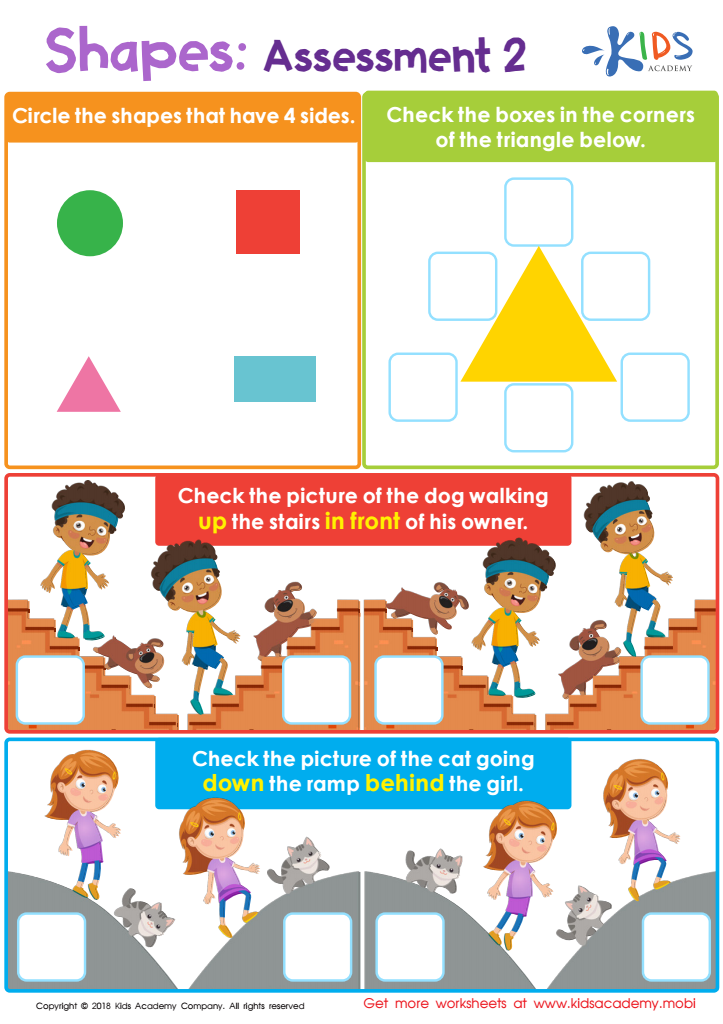
Shapes: Assessment 2 Worksheet
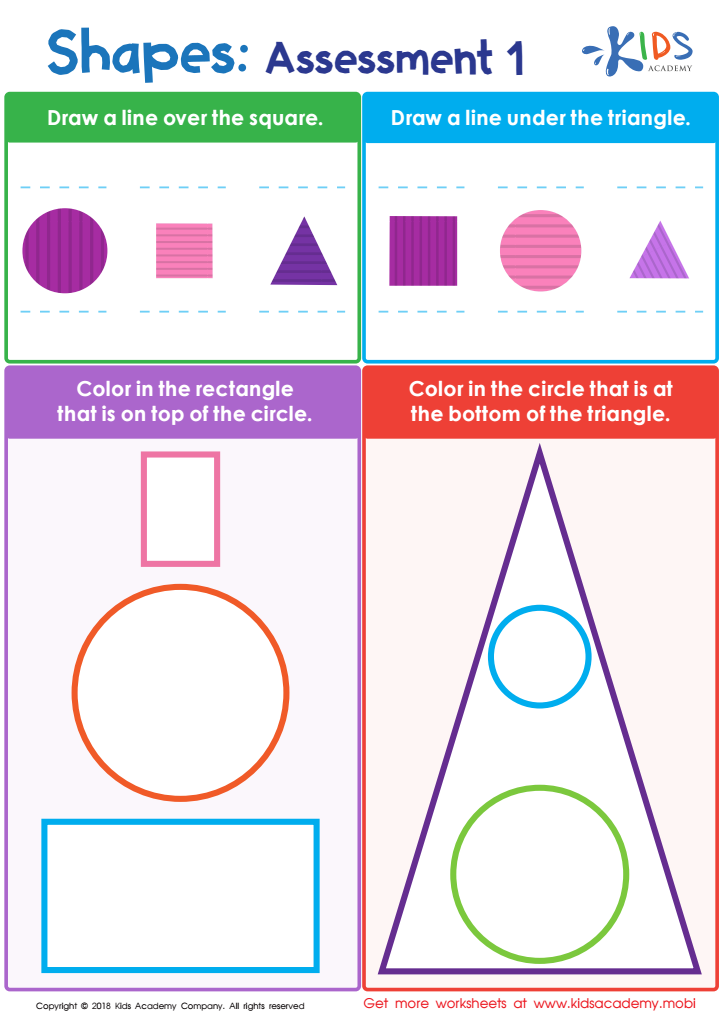
Shapes: Assessment 1 Worksheet
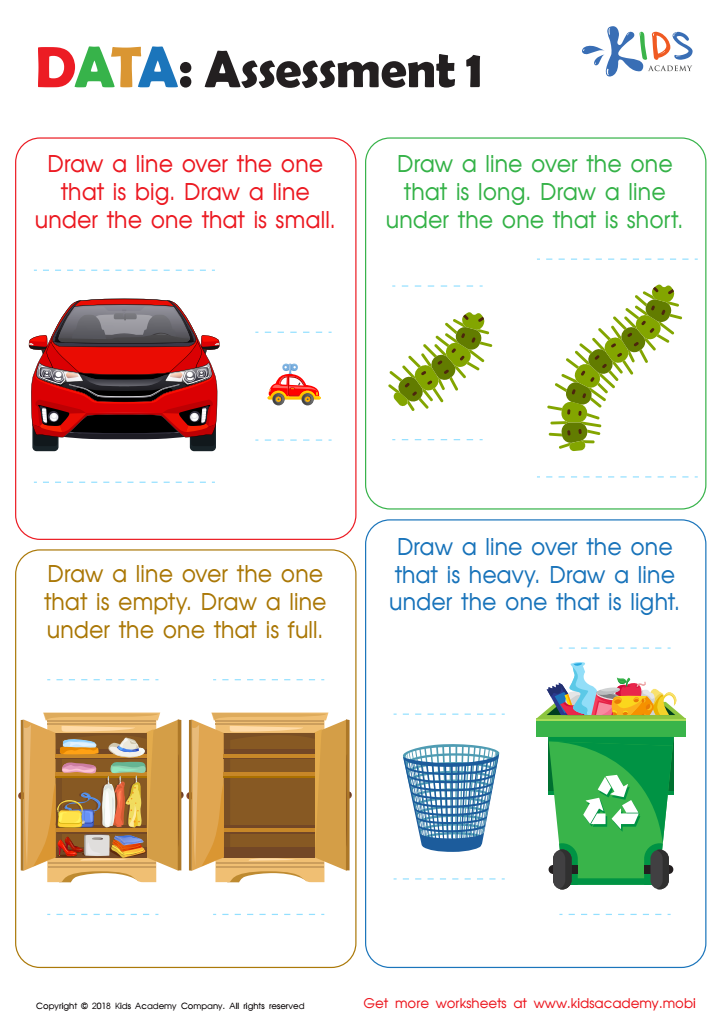
Data: Assessment 1 Worksheet
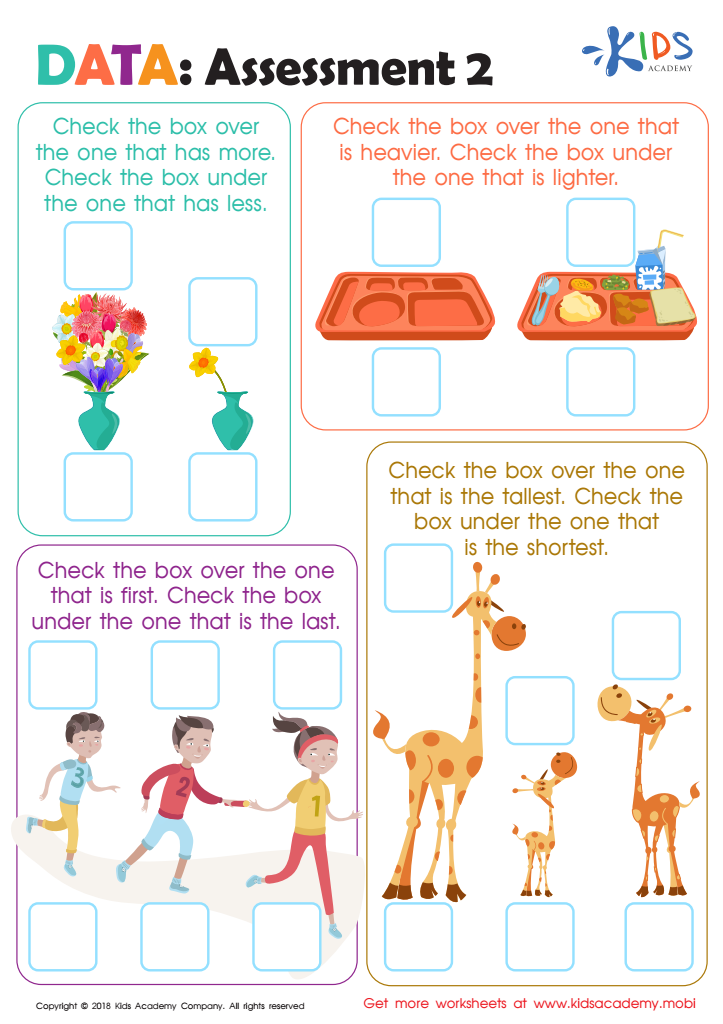
Data: Assessment 2 Worksheet








Geometry activities for children ages 6-9 are vital for several reasons. First, this stage is critical for cognitive development; children's brains are particularly receptive to understanding spatial awareness and shapes. Engaging in geometry fosters this ability, laying the groundwork for problem-solving skills and logical thinking.
Second, incorporating geometry into learning can enhance fine motor skills through hands-on activities, such as drawing shapes or creating patterns. These activities not only make learning fun but also build confidence as children explore and succeed in these tasks.
Additionally, geometry is everywhere in the real world—from architecture to nature. By introducing geo-concepts in an engaging manner, parents and teachers can help children make connections between what they see and how it relates to their learning, deepening their understanding of the environment around them.
Furthermore, early exposure to geometry lays the foundation for future math success. Developing a strong grasp of geometric concepts can improve overall mathematical proficiency, as geometry is closely intertwined with other math areas. In a rapidly evolving world that values STEM skills, nurturing geometry knowledge is essential for future academic and career opportunities. Therefore, prioritizing geometry activities can significantly benefit children's growth and development.








