Normal Tracing Letters worksheets activities for Ages 3-9 - Page 2
32 filtered results
-
From - To
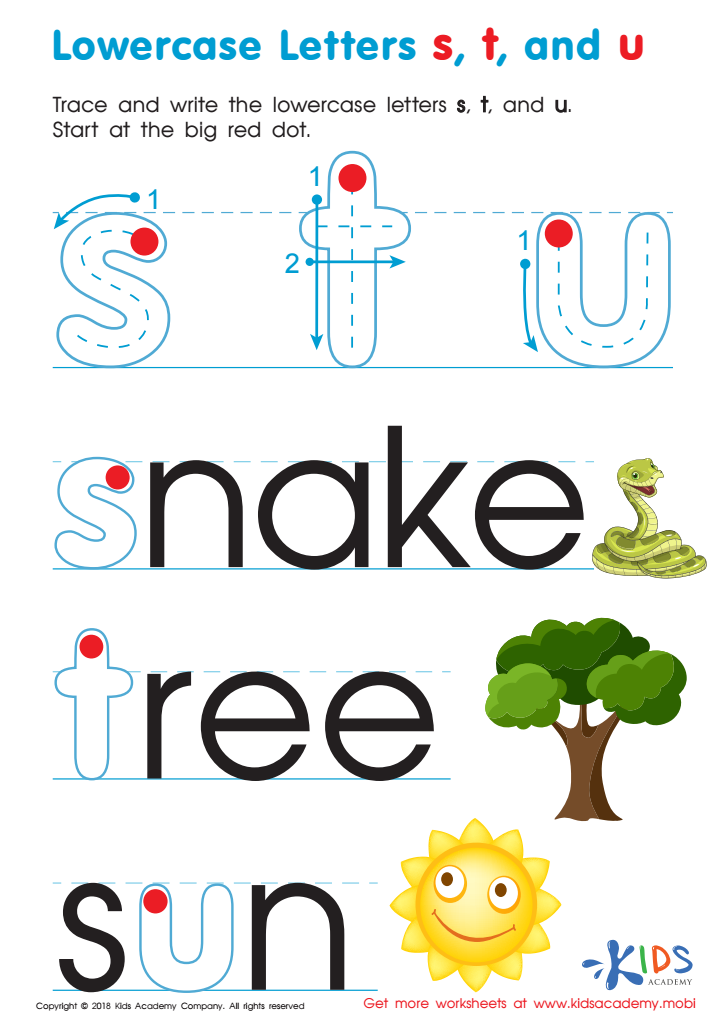
Lowercase Letters s t u Worksheet
 Assign to My Students
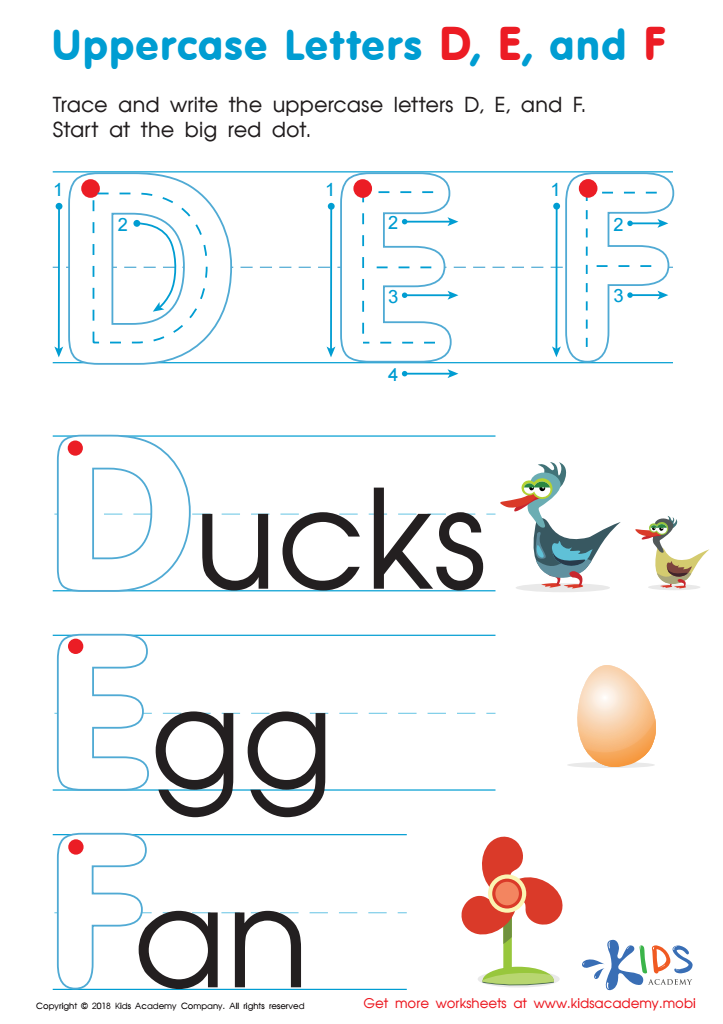
Uppercase Letters D, E, and F Worksheet
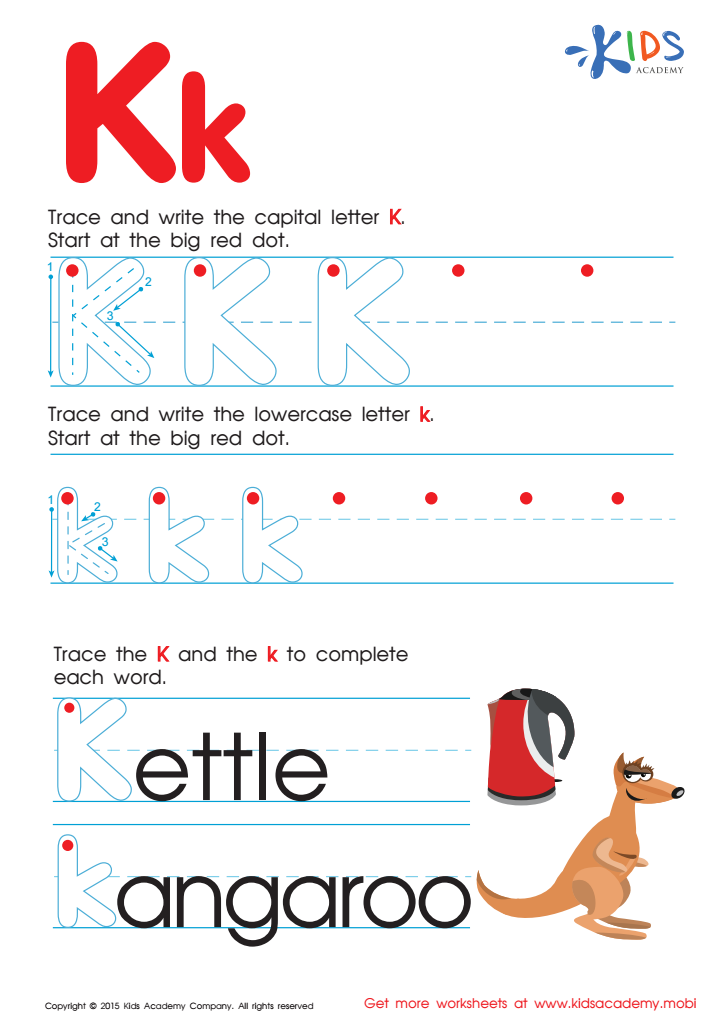
Letter K Tracing Page
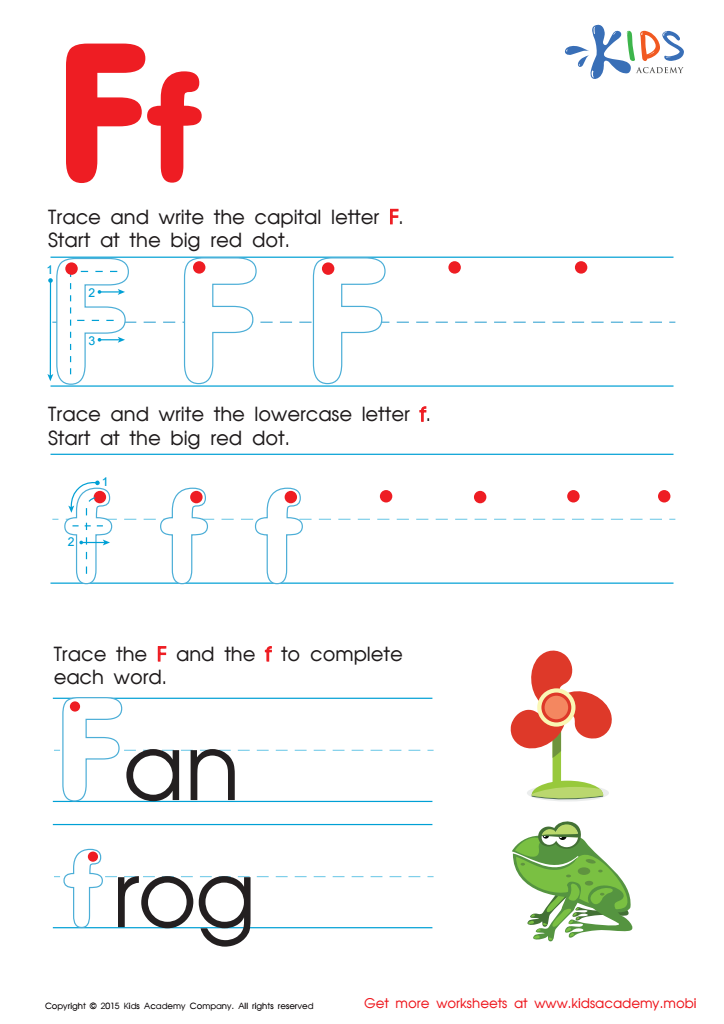
Letter F Tracing Page
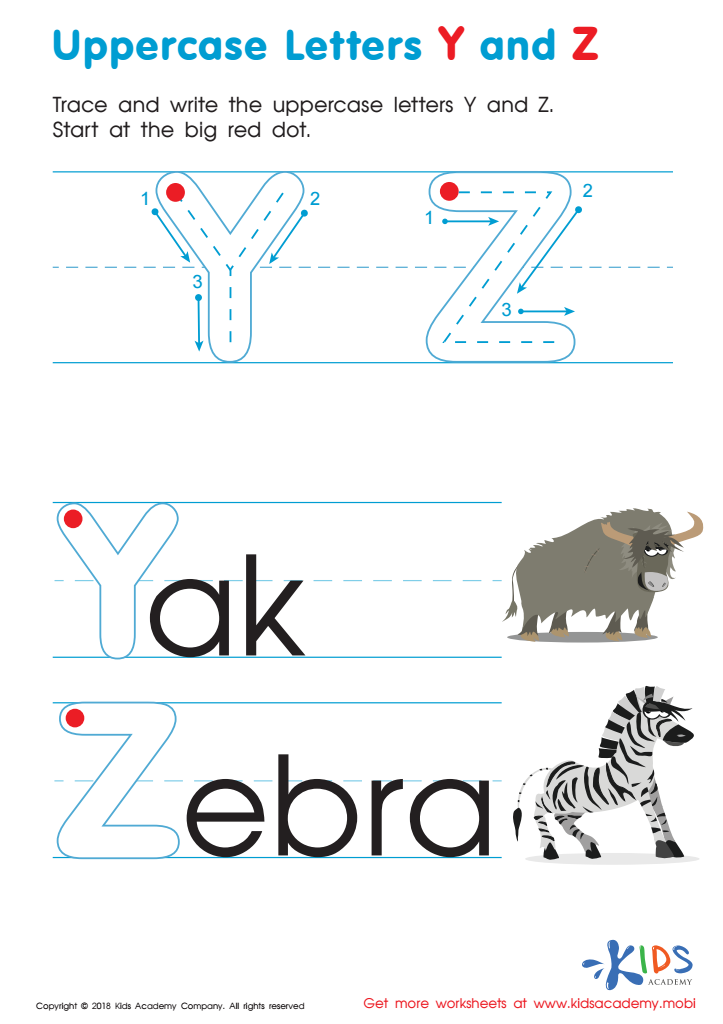
Uppercase Letters Y Z Worksheet
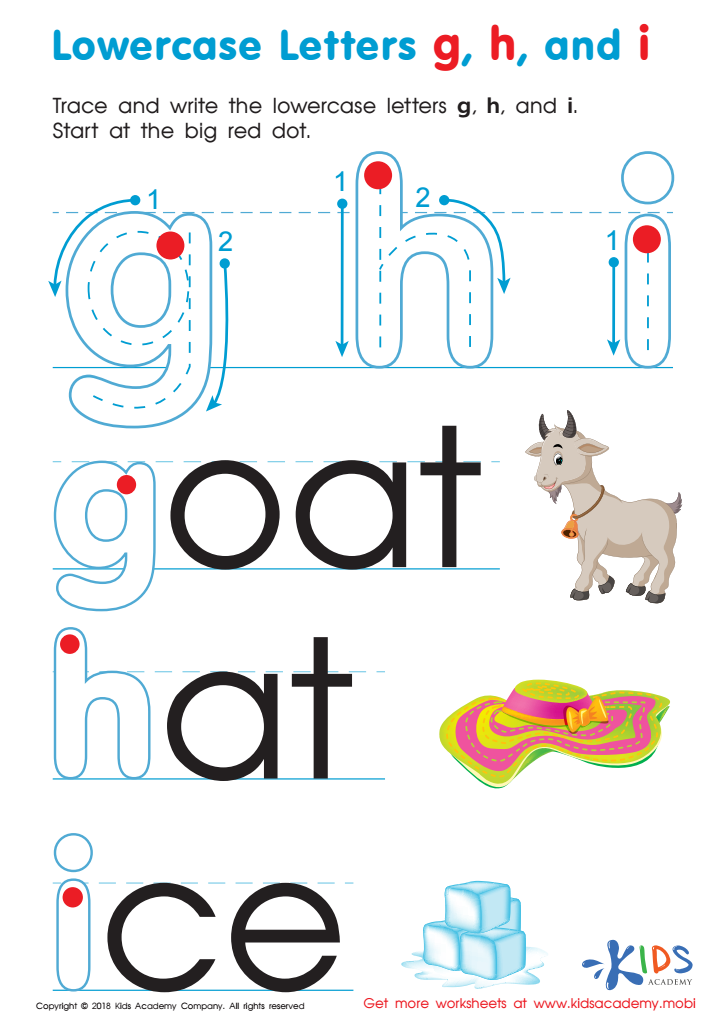
Lowercase Letters g h i Worksheet
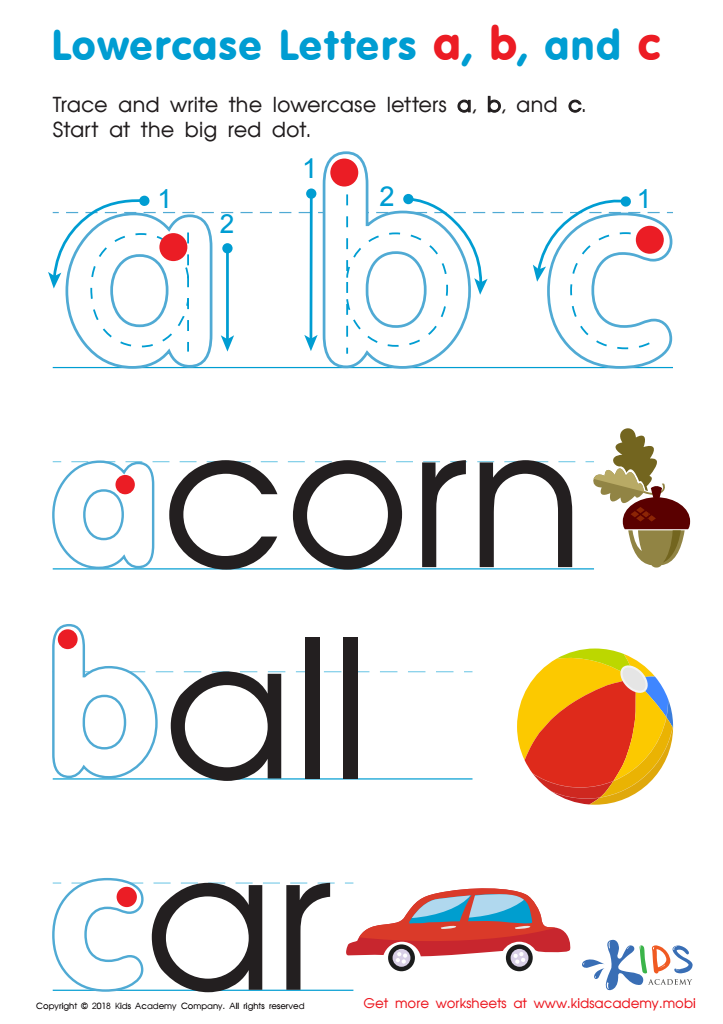
Lowercase Letters a b c Worksheet

Letter D Tracing Page








Normal tracing letter activities are vital for children aged 3-9 as they lay the groundwork for essential literacy skills. For parents and teachers, these activities offer a structured and engaging way to enhance a child's writing and reading capabilities.
First and foremost, tracing letters helps young learners develop fine motor skills. Children learn how to grip a pencil and control their movements, which are essential for writing fluently. It also reinforces letter recognition and phonetics; as children trace each letter, they internalize its shape and sound, aiding early literacy.
Moreover, normal tracing activities promote concentration and hand-eye coordination, crucial cognitive skills that benefit various academic and life tasks. By engaging in these exercises, children also experience a sense of accomplishment as they visually witness their progress, fostering confidence in their abilities.
In a collaborative setting, such as home or classroom, tracing letters can be a fun, interactive activity that encourages bonding and communication between adults and children. This shared experience can cultivate a positive attitude toward learning and literacy, making it essential for both parents and educators to incorporate these activities into their routine, thus supporting a child's educational journey and love for reading and writing.








