Normal Tracing worksheets activities for Ages 4-9 - Page 2
98 filtered results
-
From - To

Snowman Tracing Winter Words Worksheet
 Assign to My Students
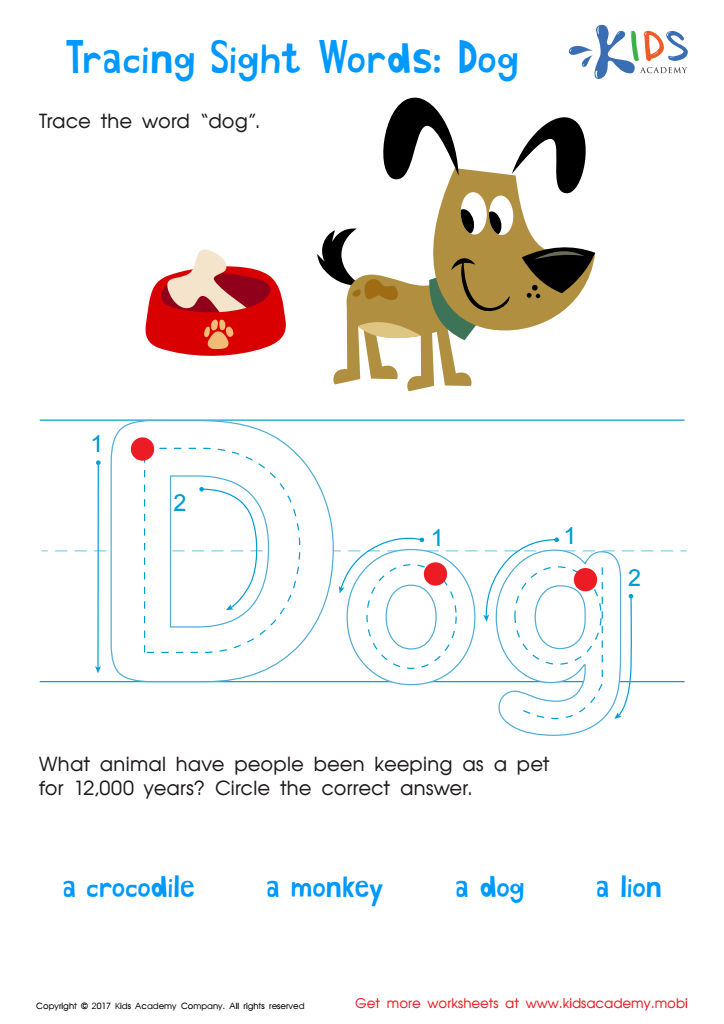
Dog Worksheet Sight Words Worksheet
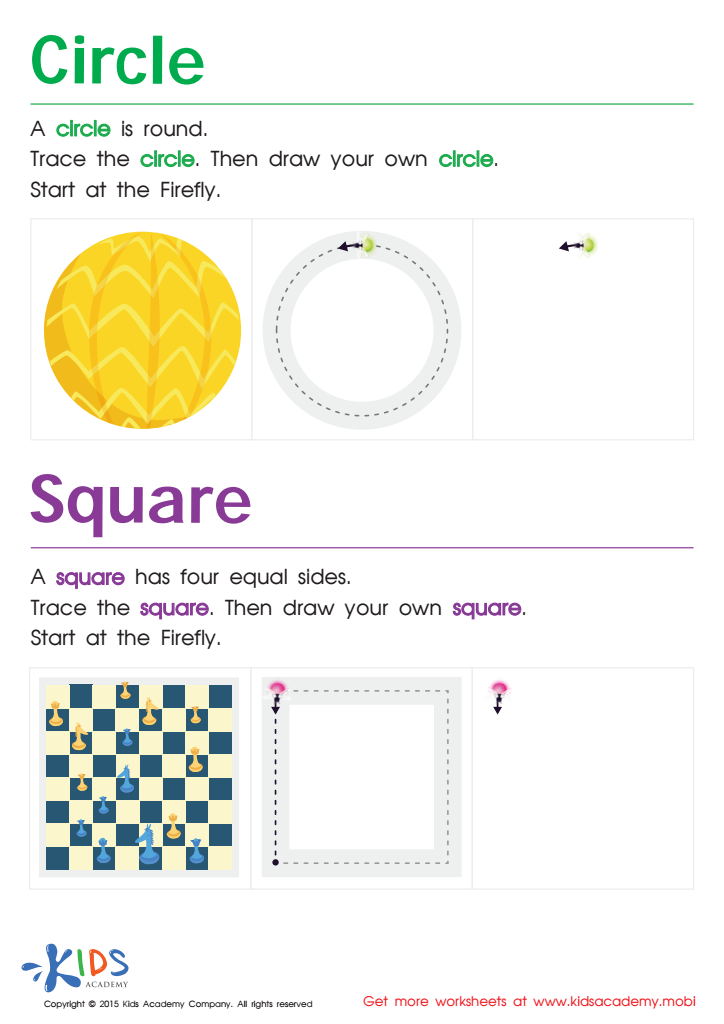
Trace And Draw a Circle And a Square Worksheet

The Sun and a Bee Spelling Worksheet
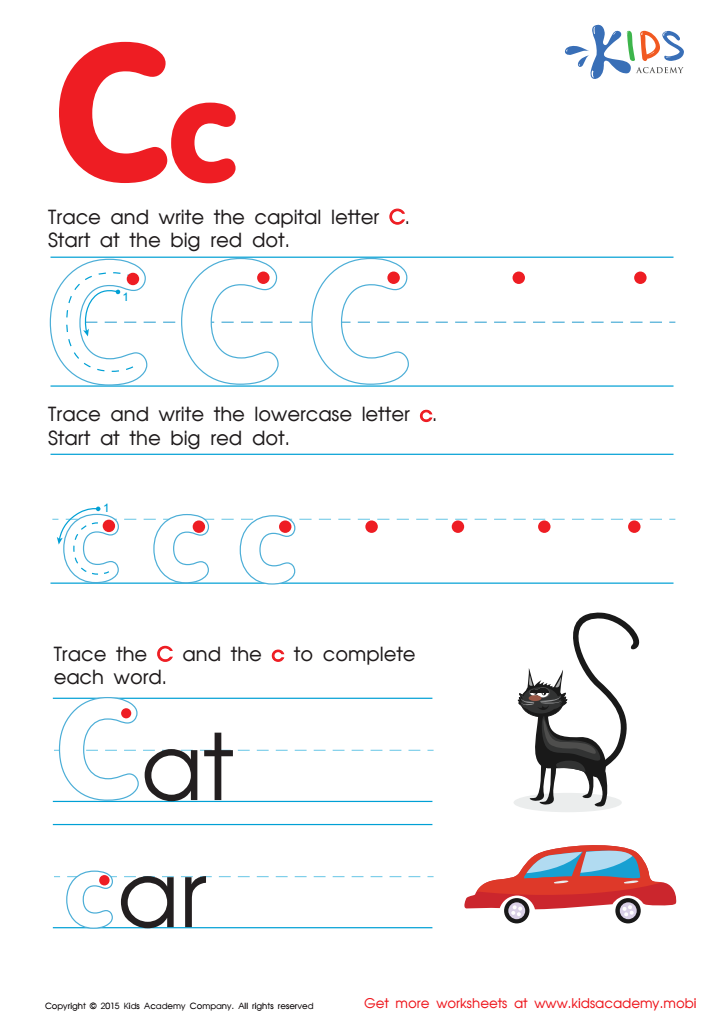
Letter C Tracing Page
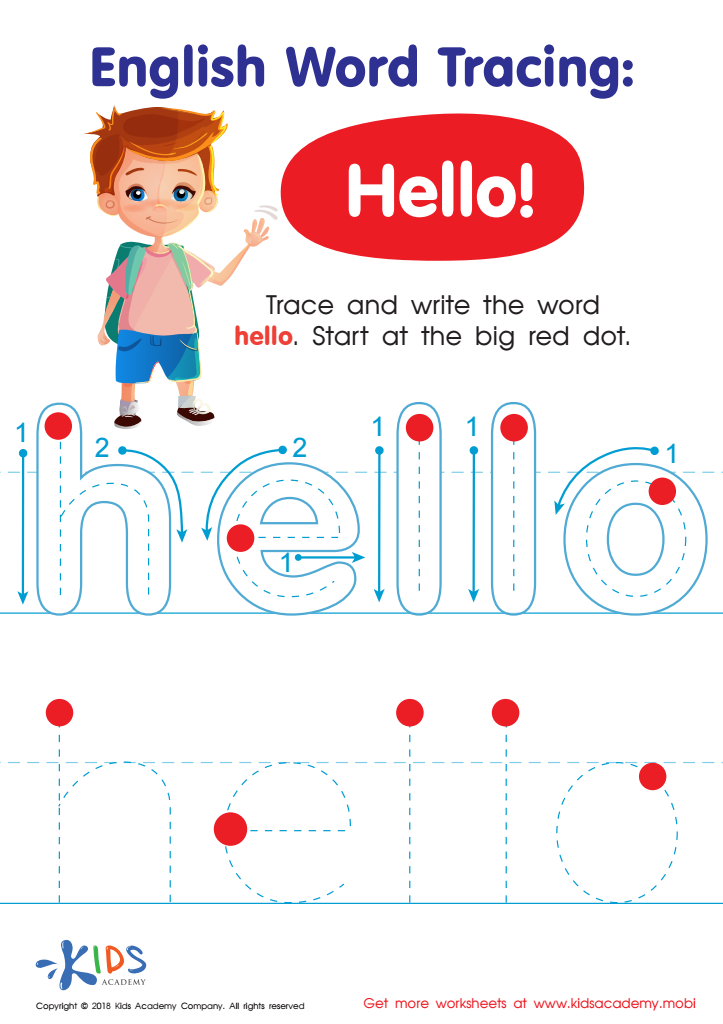
English Word Tracing: Hello Worksheet
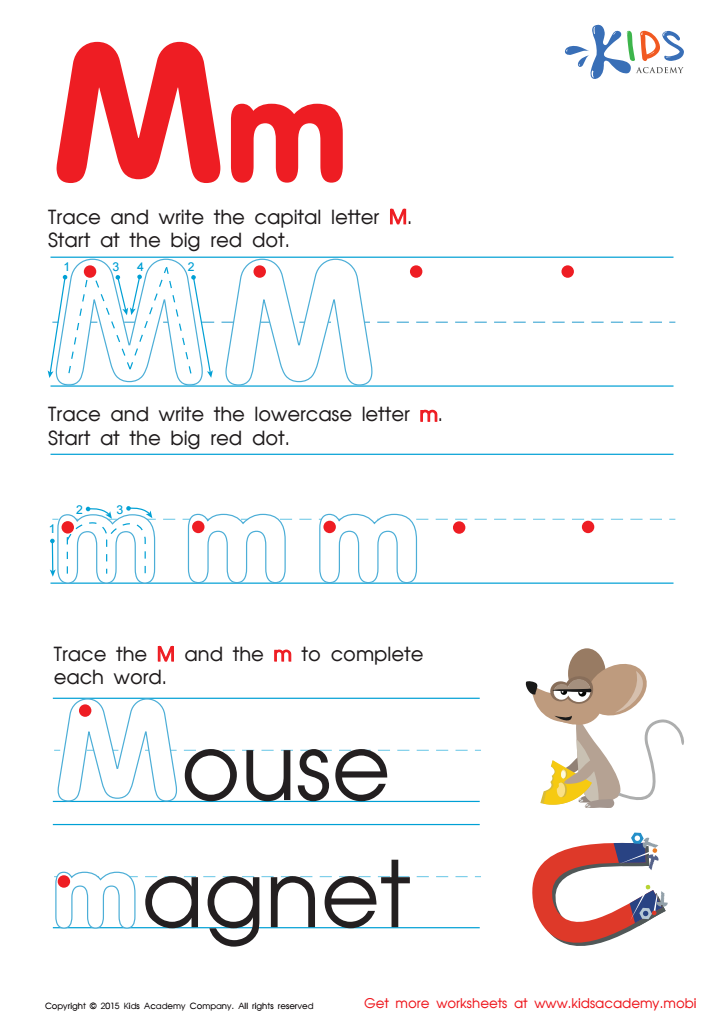
Letter M Tracing Page
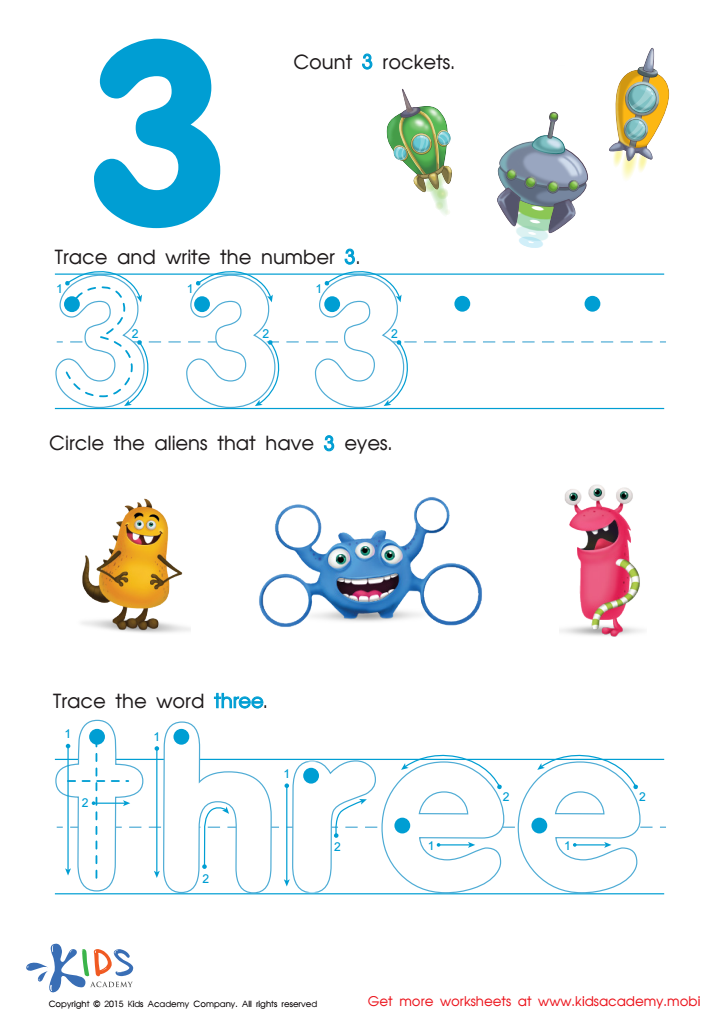
Learning Number Three Worksheet
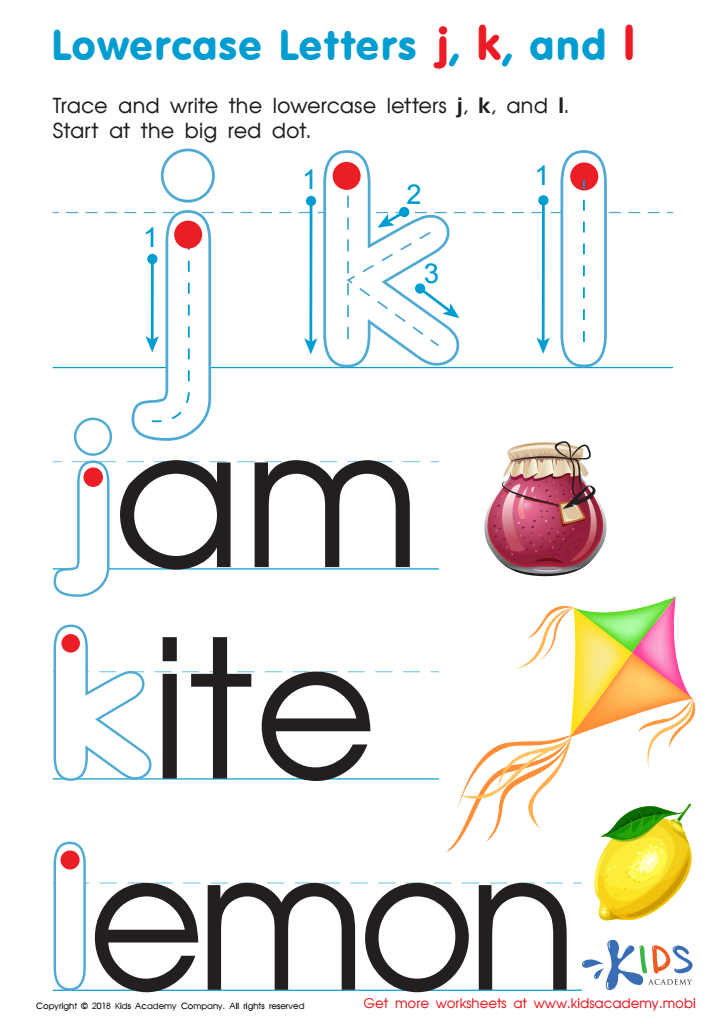
Lowercase Letters j k l Worksheet
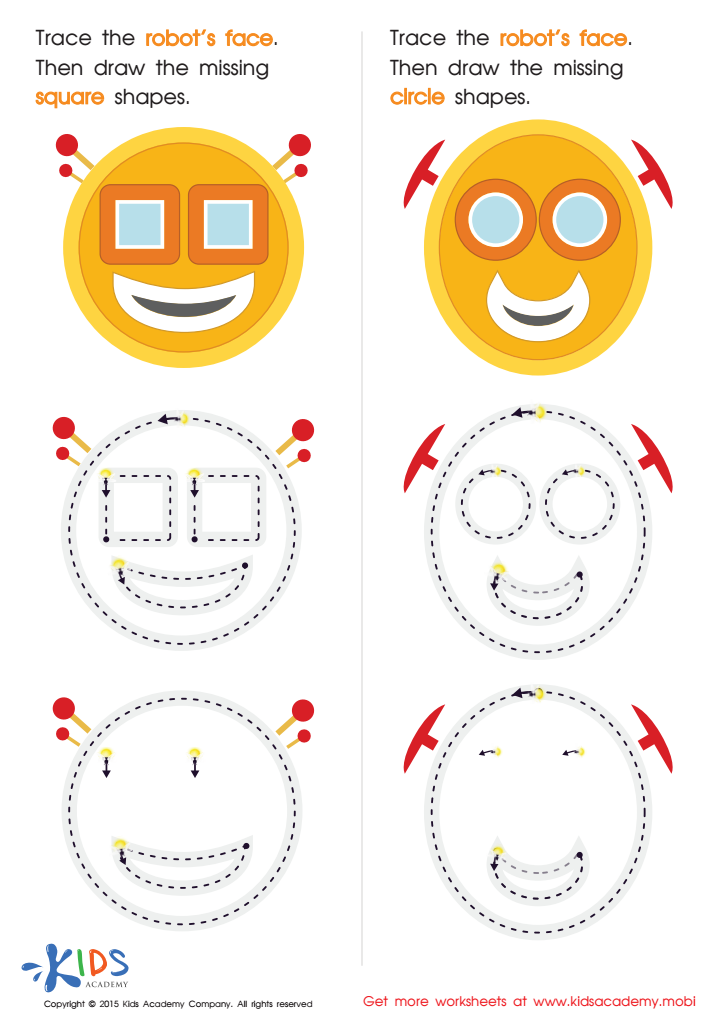
Practicing to Draw Circles And Squares Printable
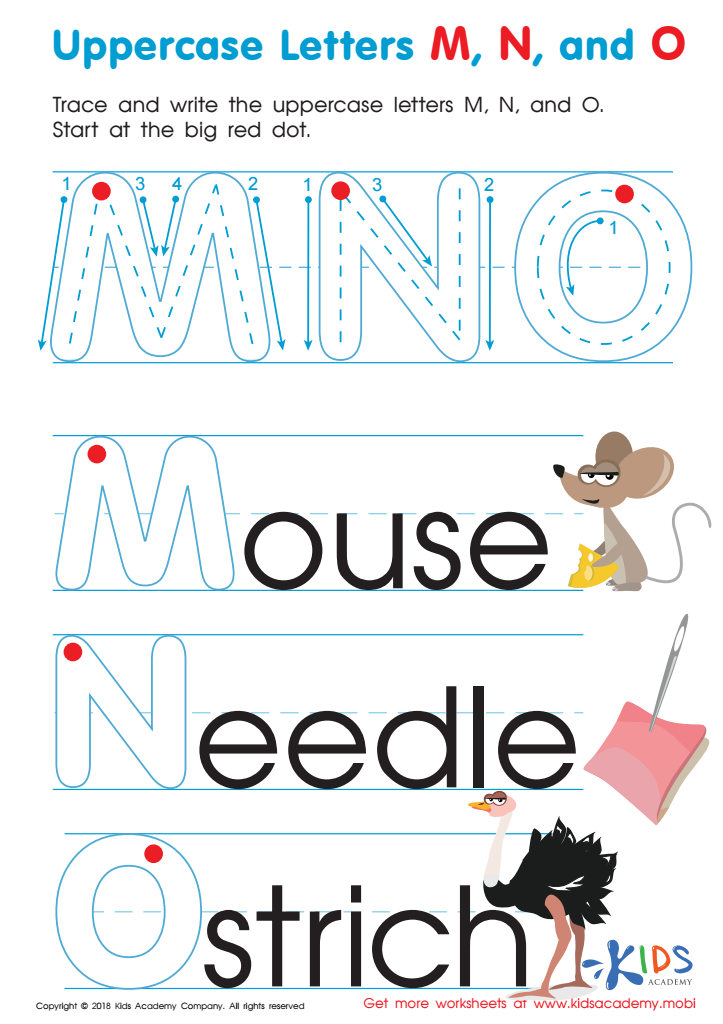
Uppercase Letters M, N, and O Worksheet

Uppercase Letters G, H, and I Worksheet
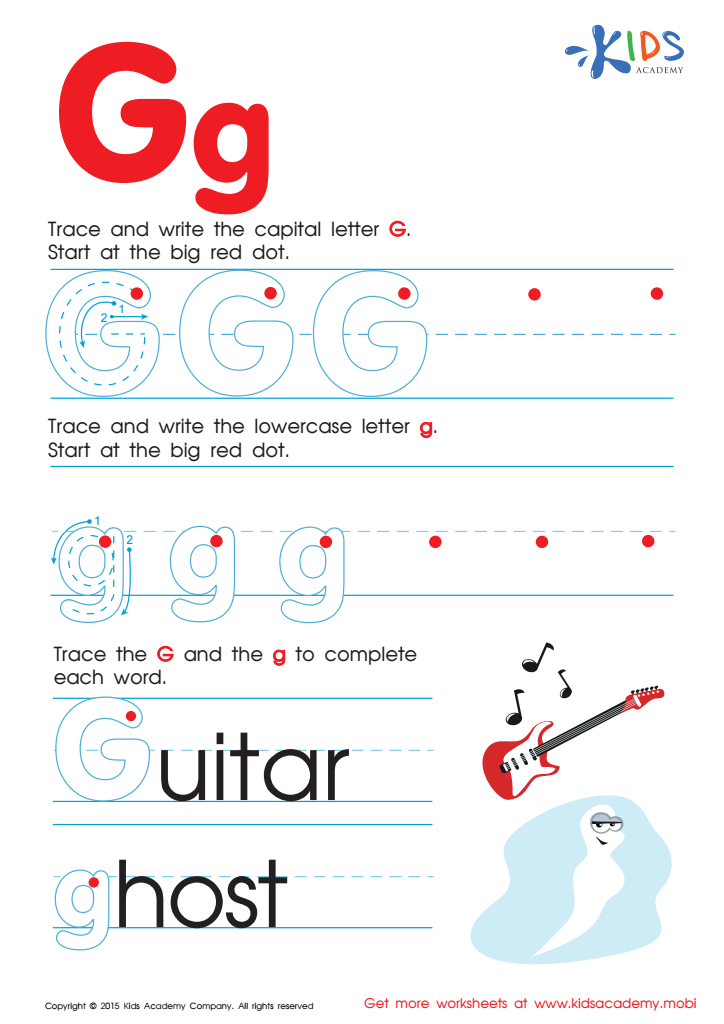
Letter G Tracing Page

Pink Tracing Color Words Worksheet
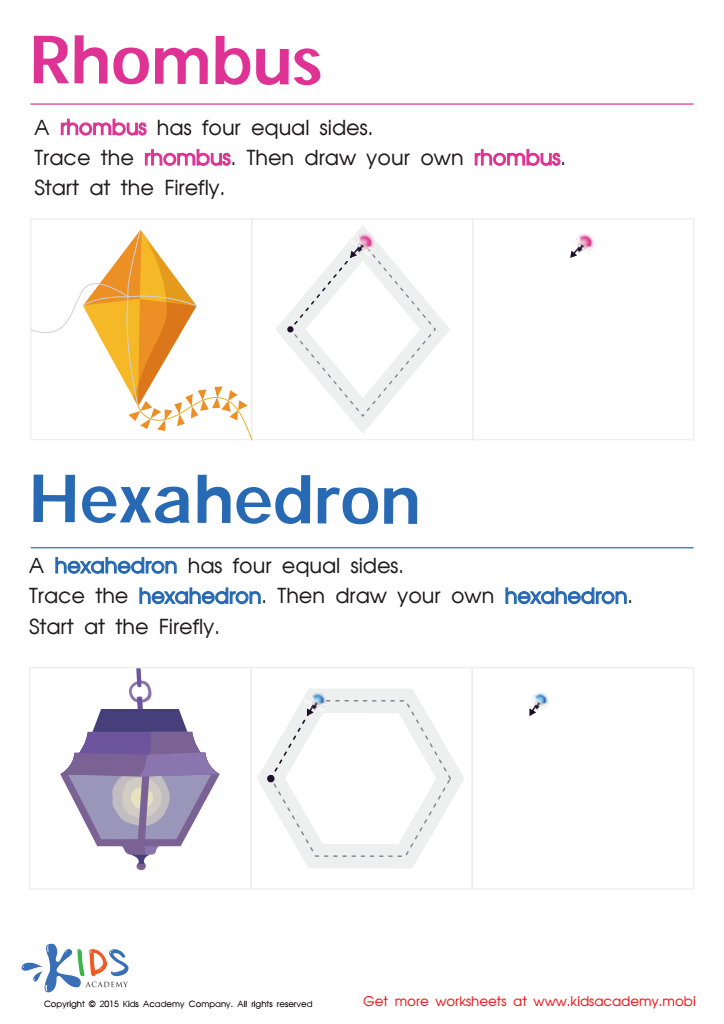
Draw a Rhombus And a Hexahedron Printable

Red Tracing Color Words Printable

Finding 5 in the Family Worksheet
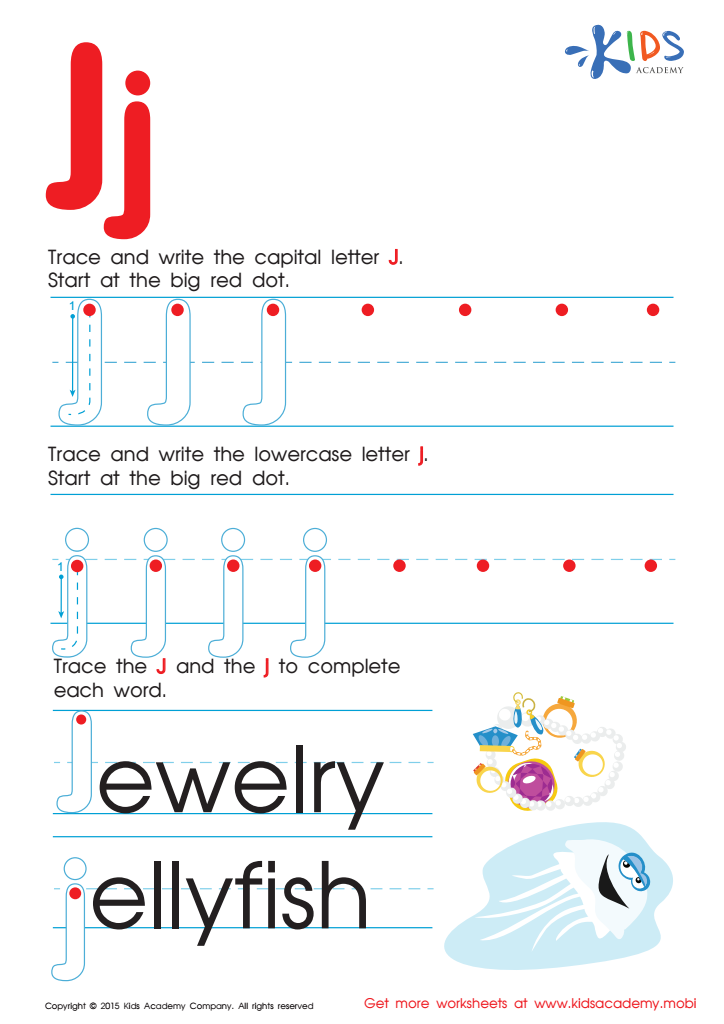
Letter J Tracing Page
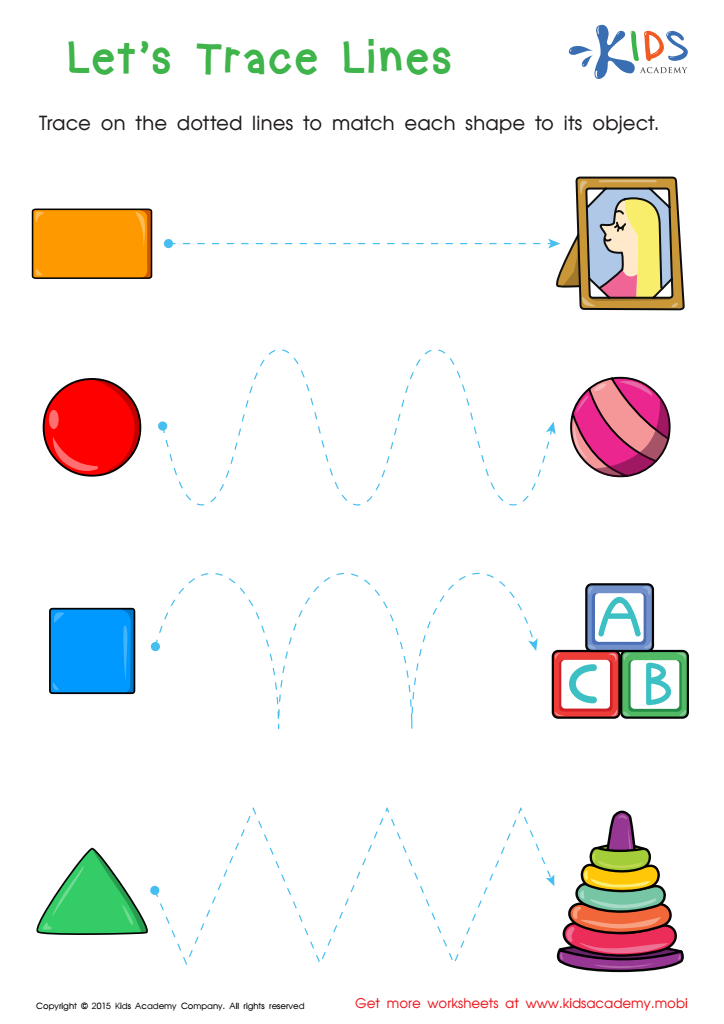
First Words: Let's Trace Lines Worksheet
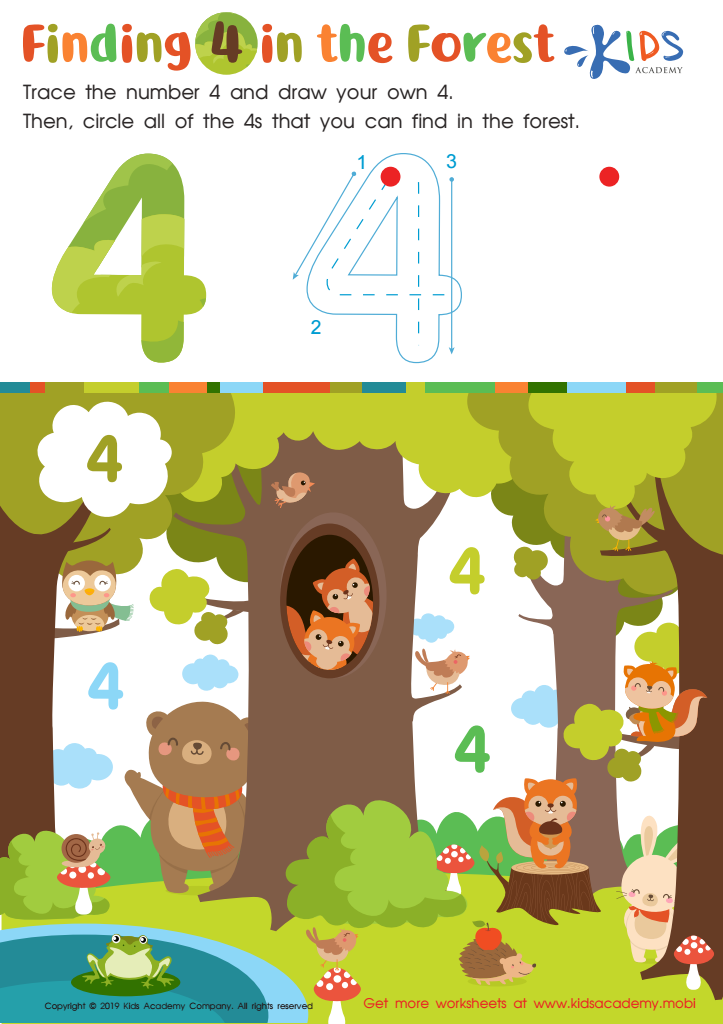
Finding 4 in the Forest Worksheet
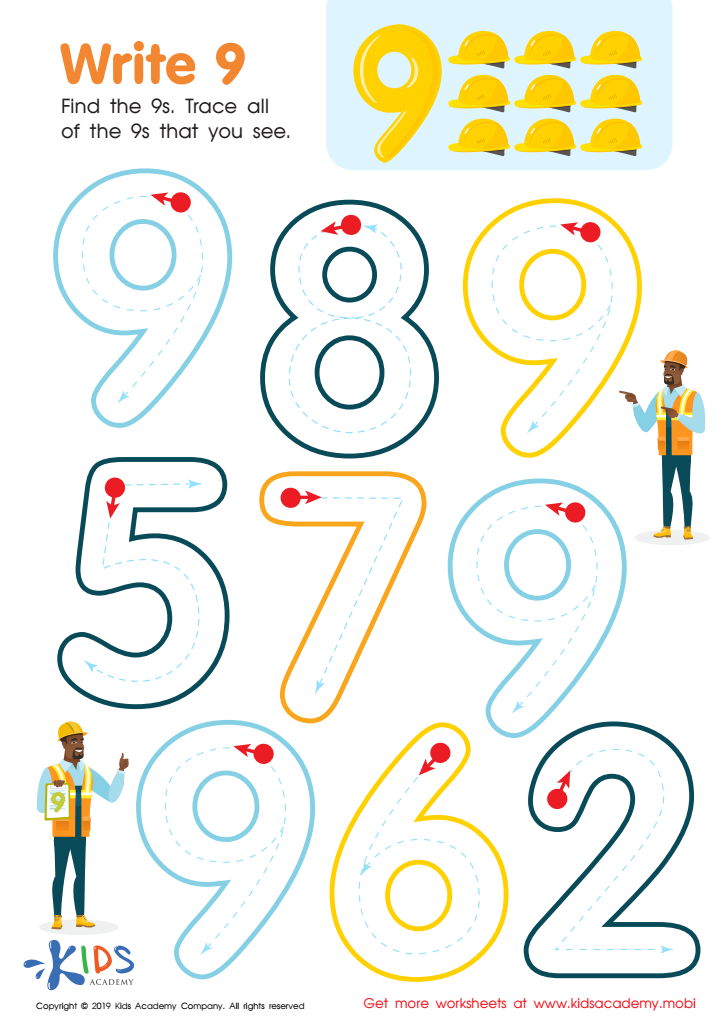
Write 9 Worksheet
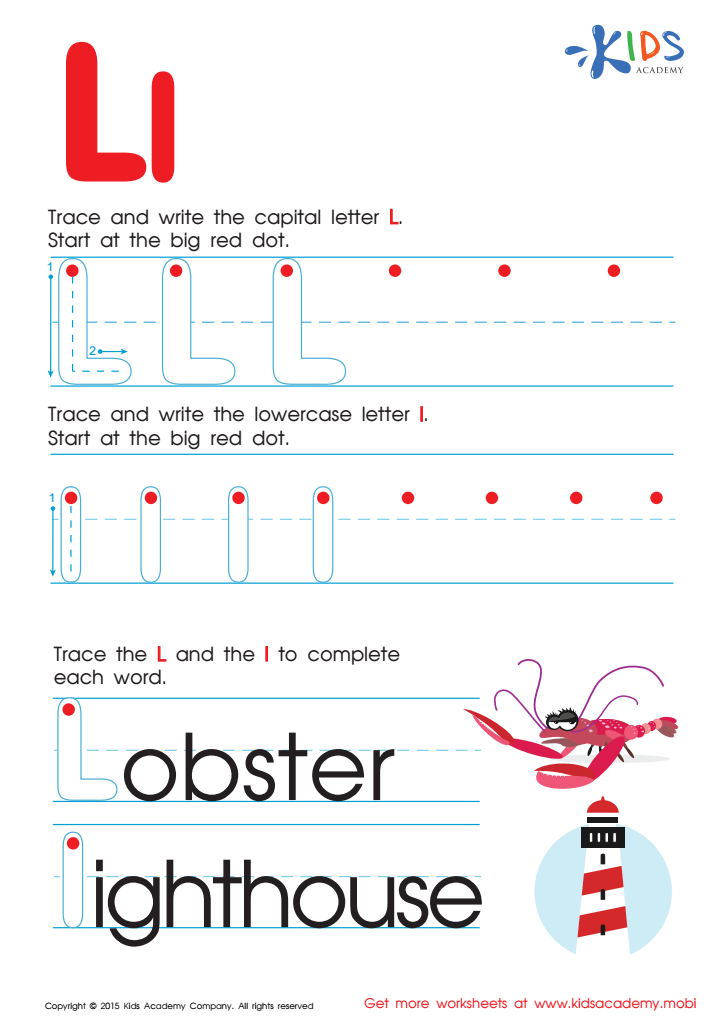
Letter L Tracing Page
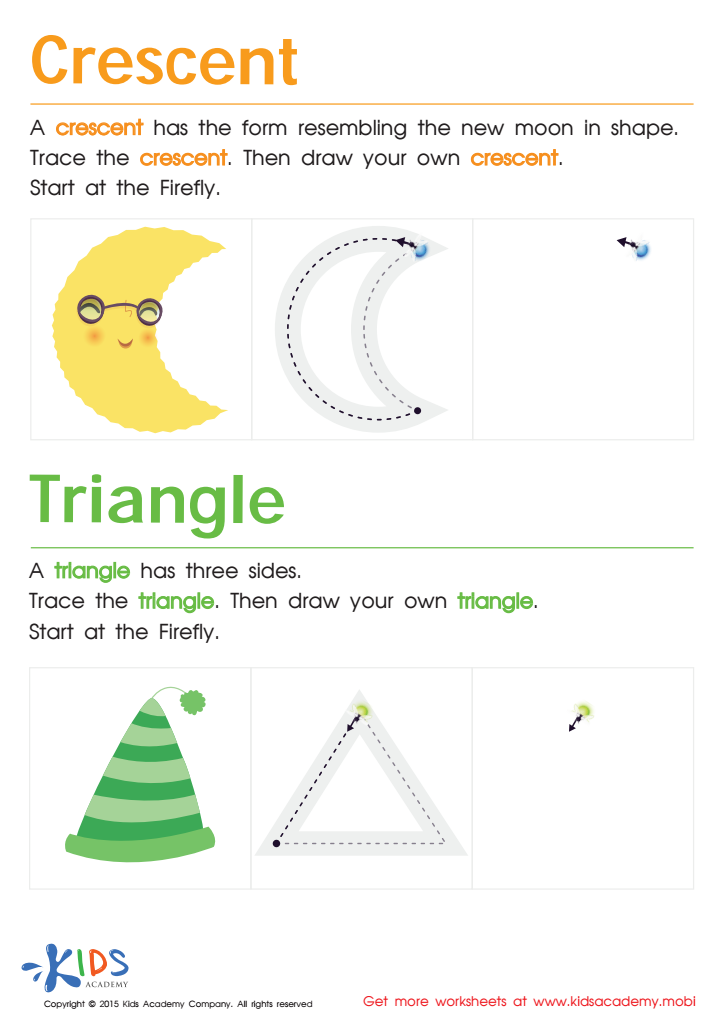
Learning to Draw Crescents And Triangles Worksheet
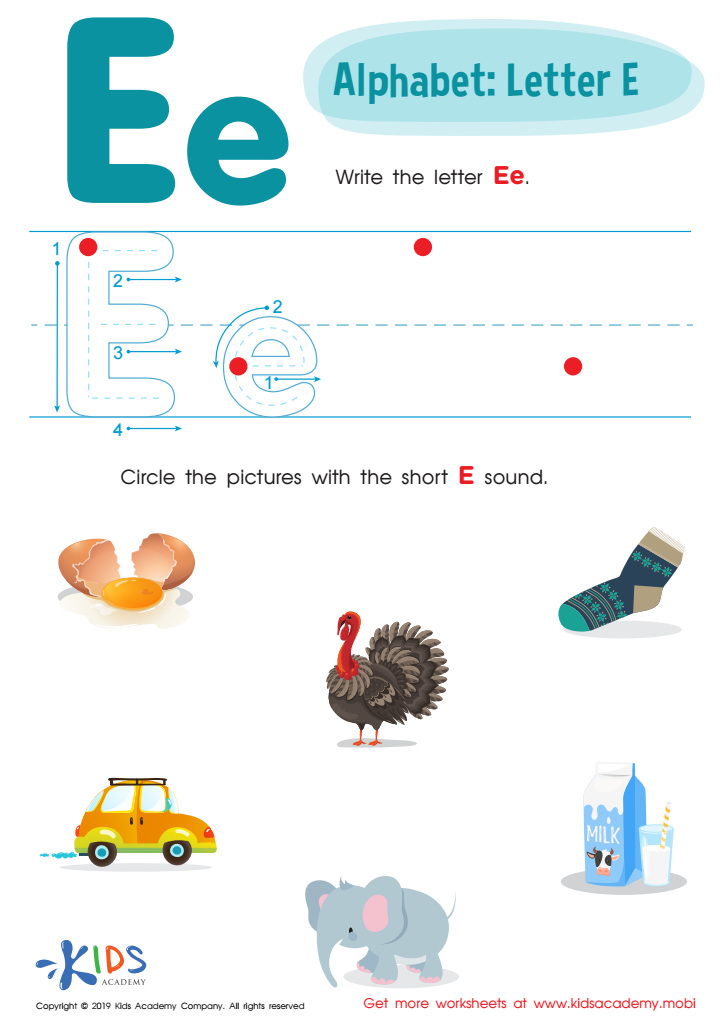
Letter E Tracing Worksheet



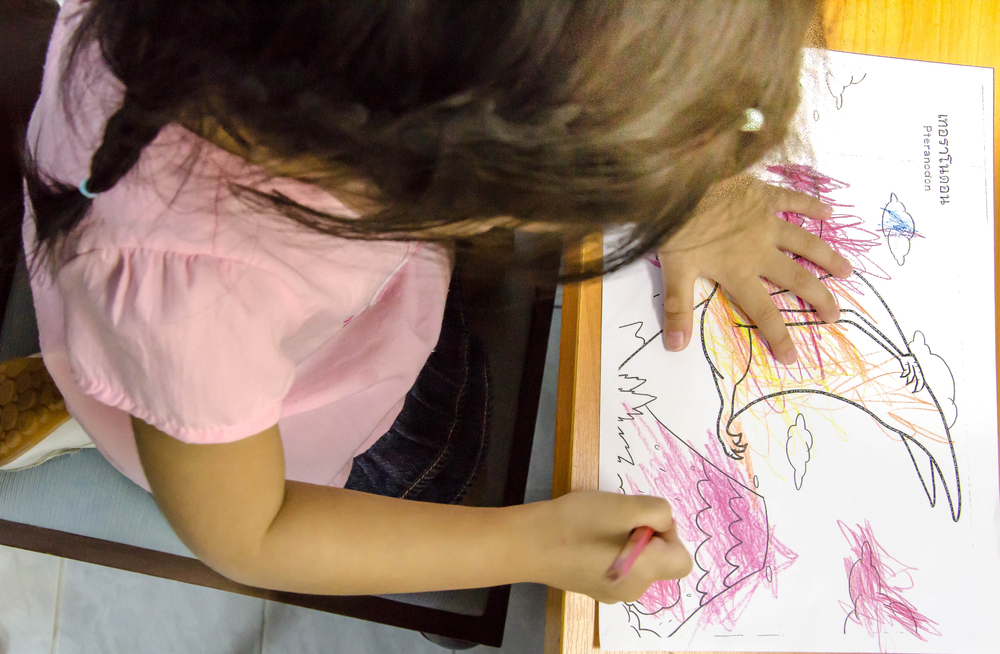




Normal tracing activities are essential for children aged 4-9 as they significantly support early developmental skills crucial for learning. These activities enhance fine motor skills, which are vital for tasks such as writing, cutting, and manipulating small objects. By practicing tracing, children develop the necessary hand-eye coordination to control their movements, laying a strong foundation for future academic tasks.
Moreover, tracing activities stimulate cognitive development. They introduce concepts such as shapes, letters, and numbers in an engaging way, aiding in early literacy and numeracy skills. As children trace various forms, they learn to recognize patterns and improve their visual-spatial awareness, fostering critical thinking and problem-solving abilities.
Additionally, tracing can boost concentration and focus; children learn to follow lines and patterns, which improves attention span and patience. It can also offer a calming, meditative effect, enabling children to manage stress and frustration through engaging, structured activities. By providing normal tracing activities, parents and teachers foster a supportive, enriching environment that encourages creativity and self-expression while preparing children for future academic success. In summary, investing time in these activities is invaluable for healthy child development and sets a strong basis for lifelong learning.








