Normal Tracing Letters worksheets activities for Ages 4-9 - Page 2
32 filtered results
-
From - To
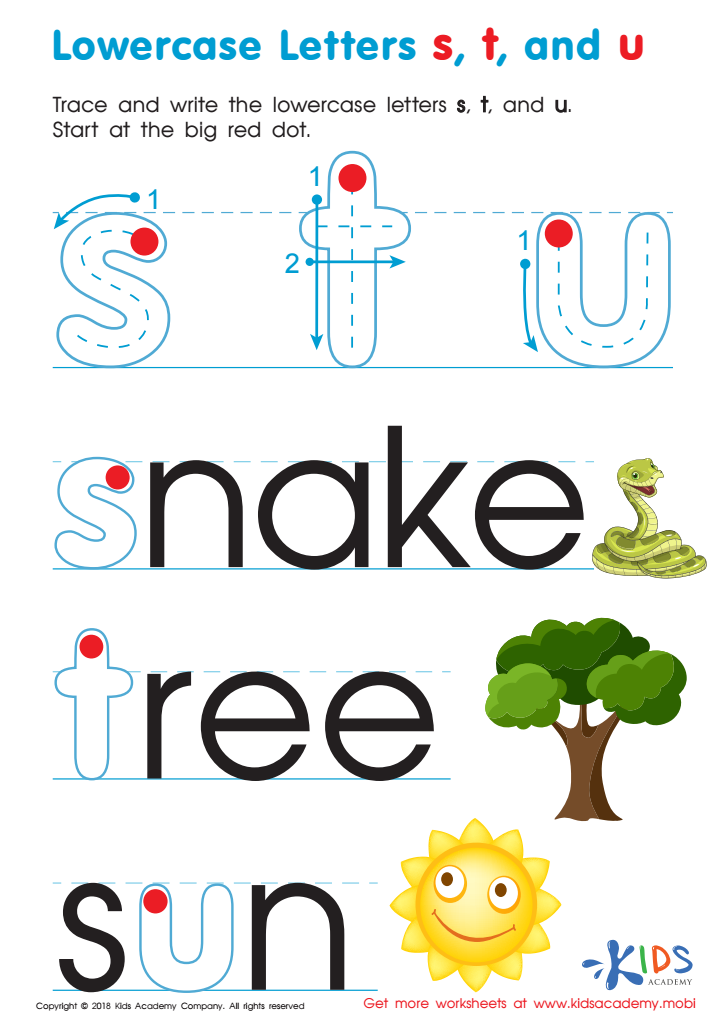
Lowercase Letters s t u Worksheet
 Assign to My Students
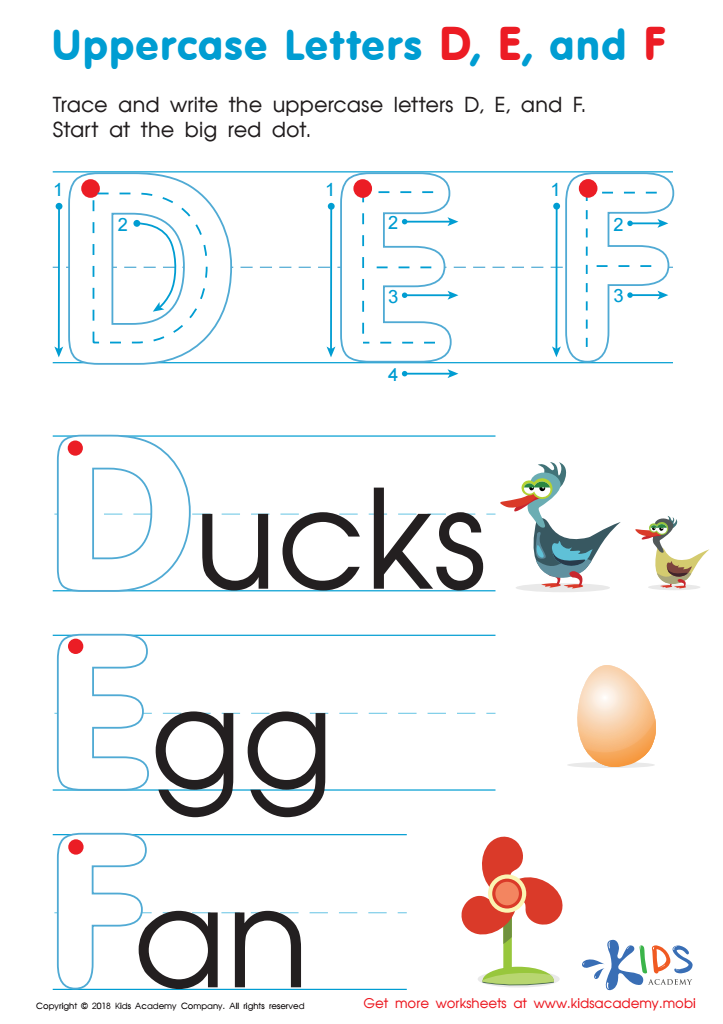
Uppercase Letters D, E, and F Worksheet
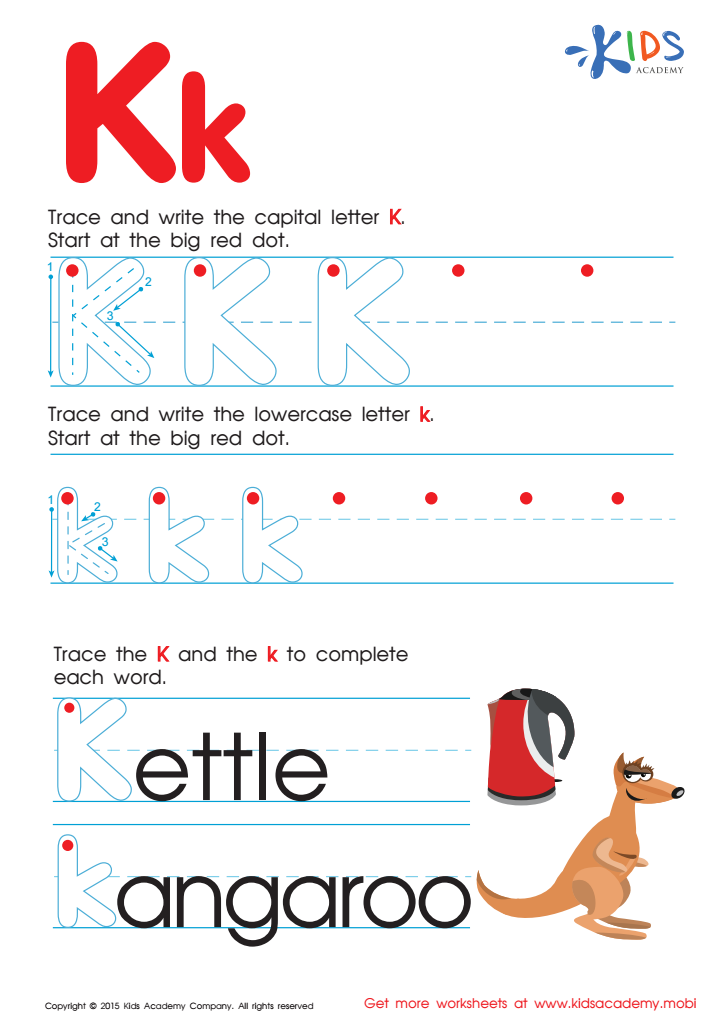
Letter K Tracing Page
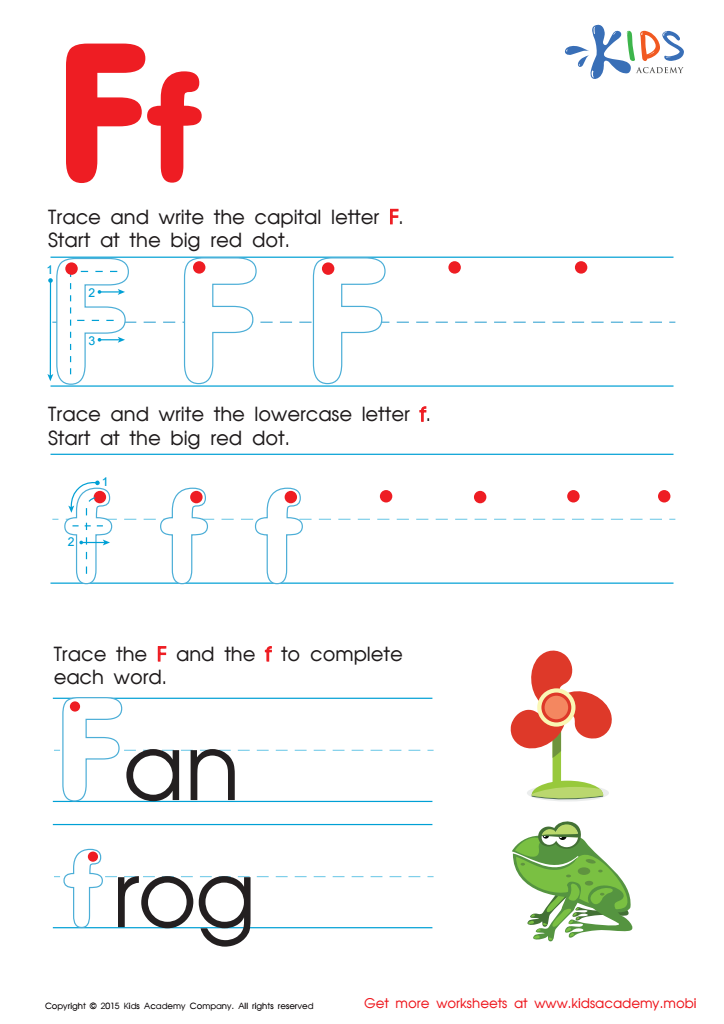
Letter F Tracing Page
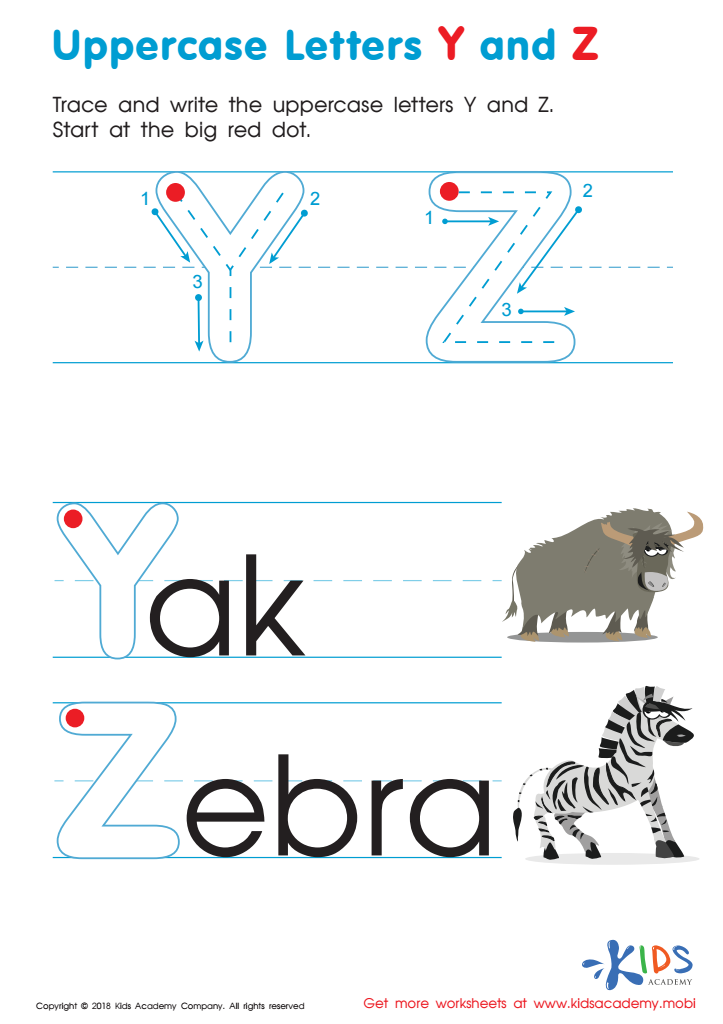
Uppercase Letters Y Z Worksheet
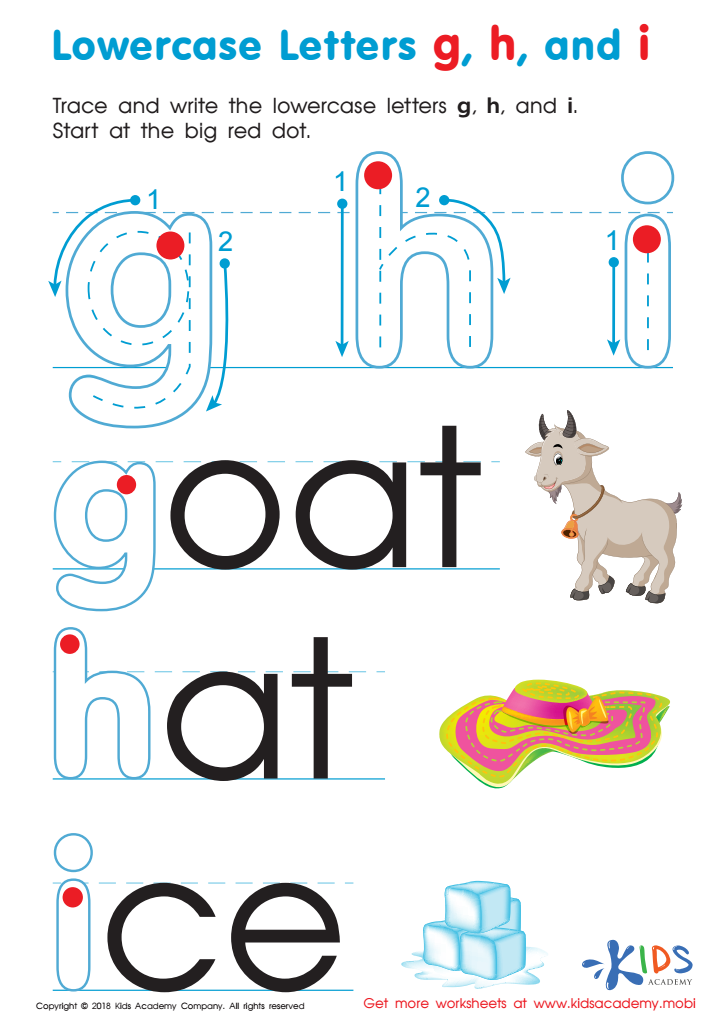
Lowercase Letters g h i Worksheet
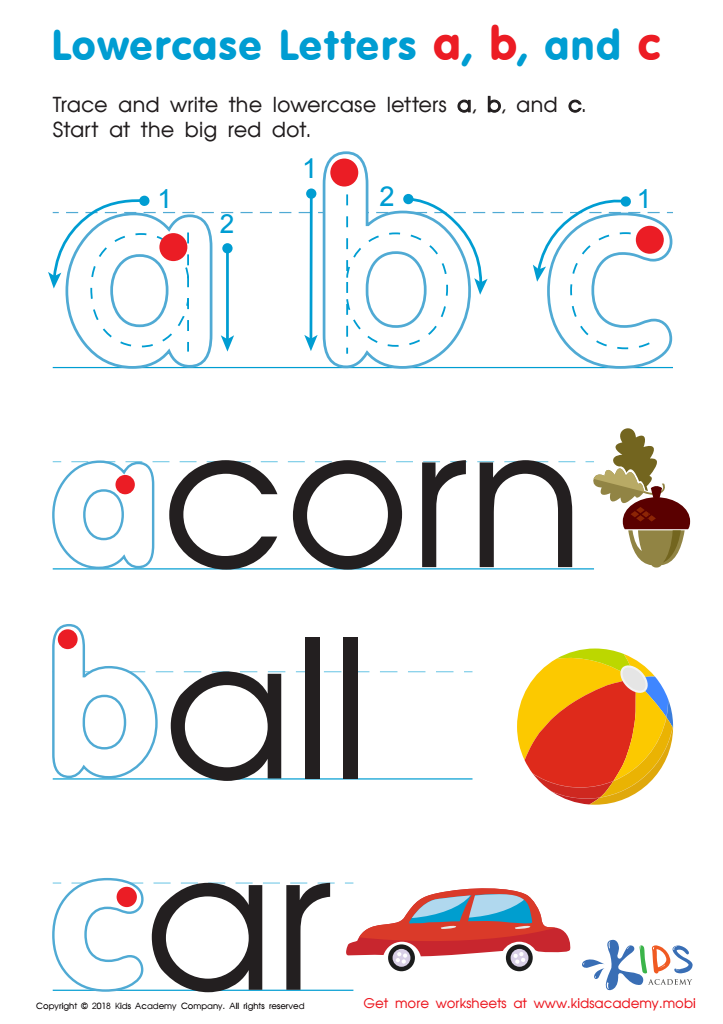
Lowercase Letters a b c Worksheet

Letter D Tracing Page







Normal tracing letters activities are essential for children aged 4-9, as they form the foundation of literacy skills and promote academic success. Participating in tracing activities helps children develop fine motor skills, improve hand-eye coordination, and strengthen the small muscles in their hands, which are crucial for writing. As kids learn to trace letters, they also begin to understand letter shapes, leading to better handwriting and a clearer understanding of the alphabet.
Moreover, tracing letters can enhance recognition of uppercase and lowercase letters, support phonemic awareness, and foster early reading abilities. Engaging with letter tracing can make learning fun and interactive, helping to maintain a child’s interest in literacy.
For parents and teachers, incorporating these activities can assist in establishing a language-rich environment, laying the groundwork for advanced writing and reading skills. It also provides opportunities for positive reinforcement, as children often feel a sense of achievement when mastering each letter.
Additionally, tracing letters can be adapted across various learning styles, allowing for creative exploration through different mediums like sand, paint, or digital apps. By investing time in tracing letters, adults can help nurture children's confidence, growth, and love for learning during these formative years.








