Problem-Solving Skills Worksheets for Ages 3-4 - Page 3
177 filtered results
-
From - To
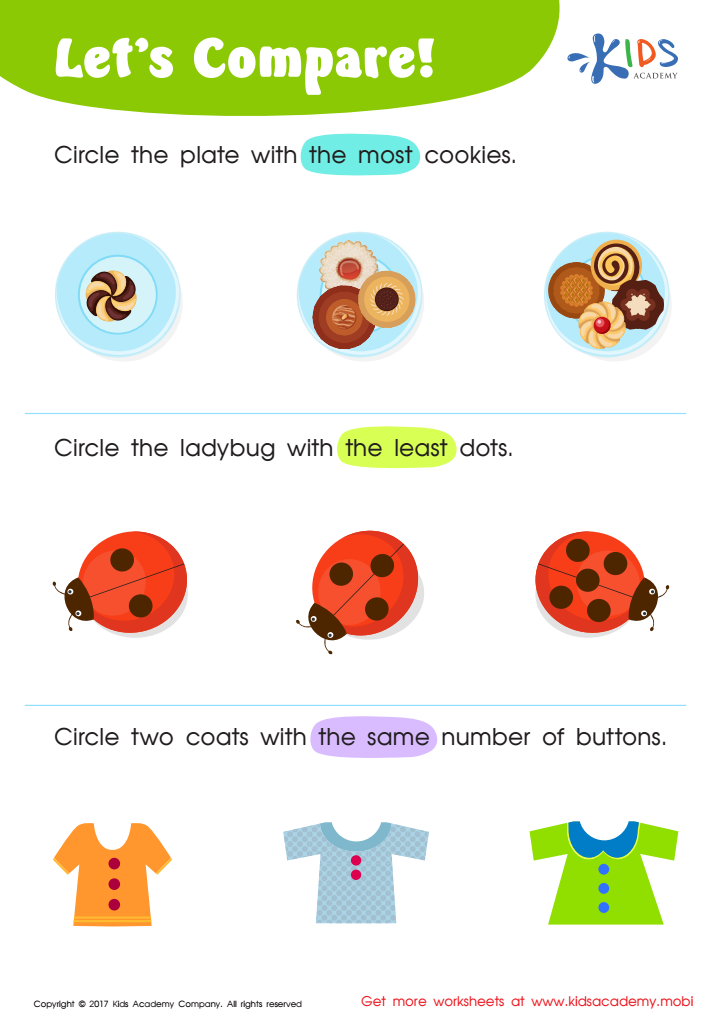
Matching: Classifying Toys by Size Worksheet
 Assign to My Students
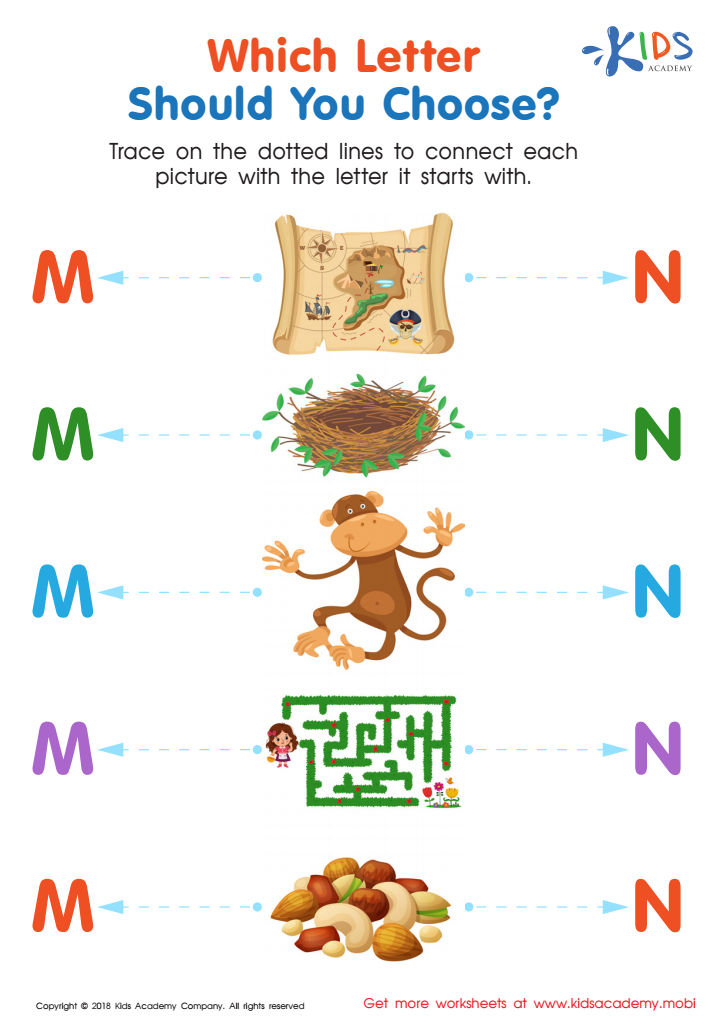
Which Letter Should you Choose? Worksheet
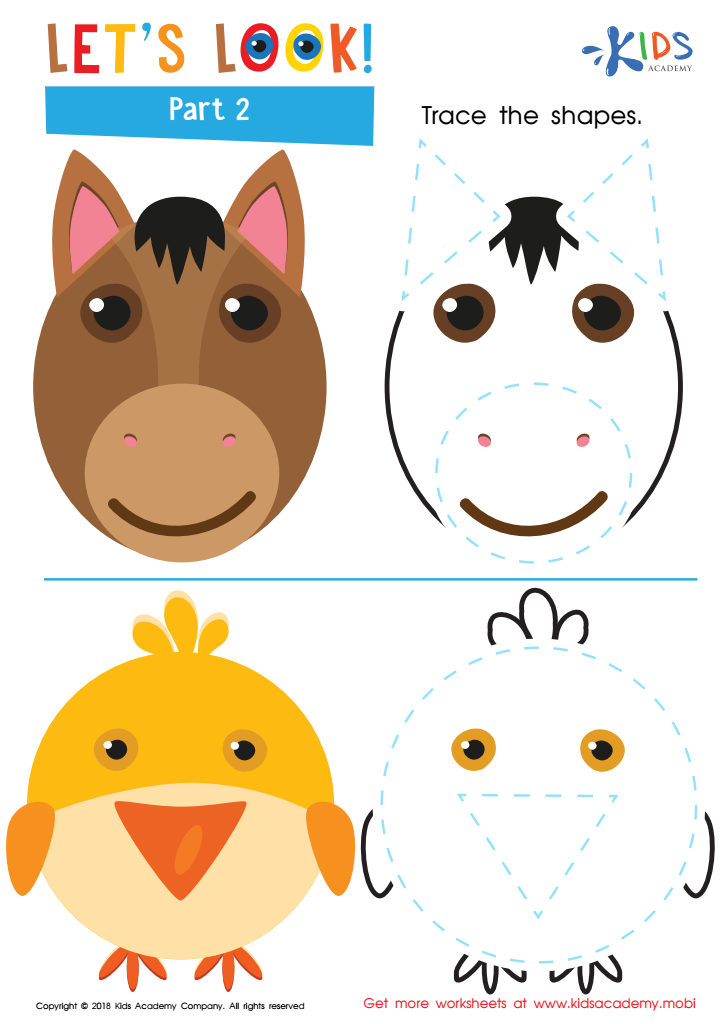
Let's Look! Part 2 Worksheet
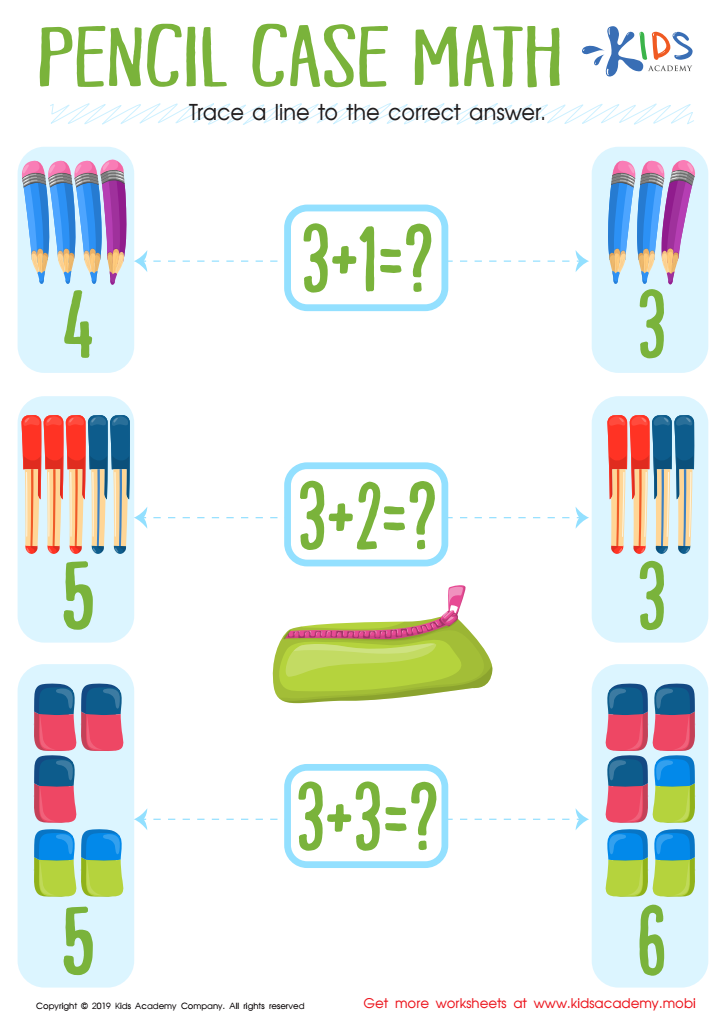
Pencil Case Math Worksheet
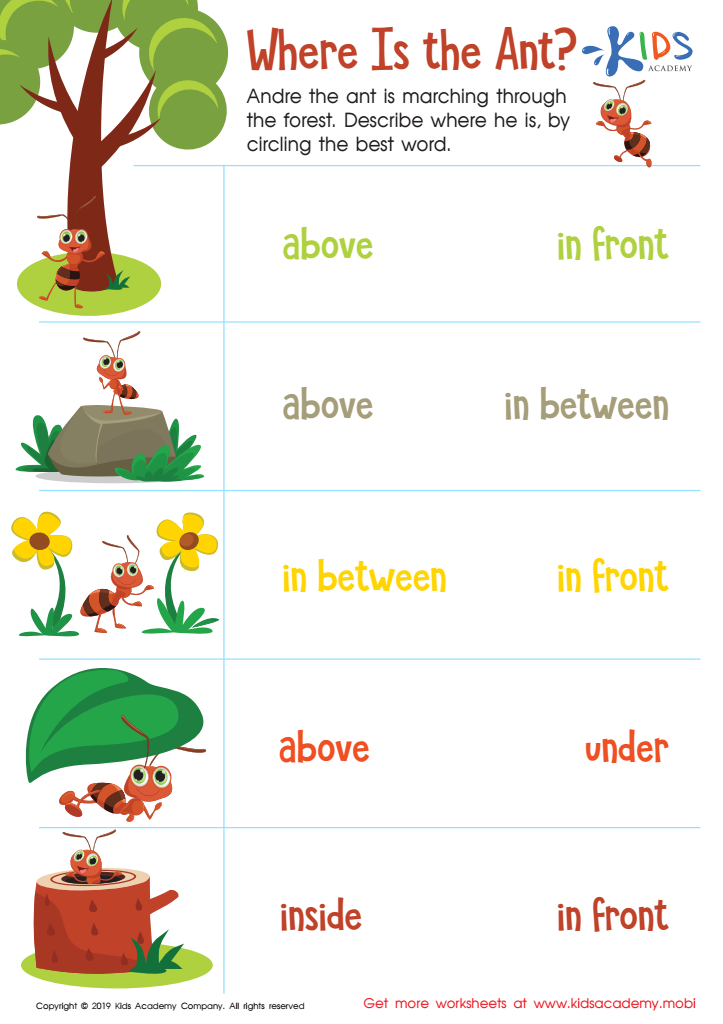
Where Is the Ant? Worksheet
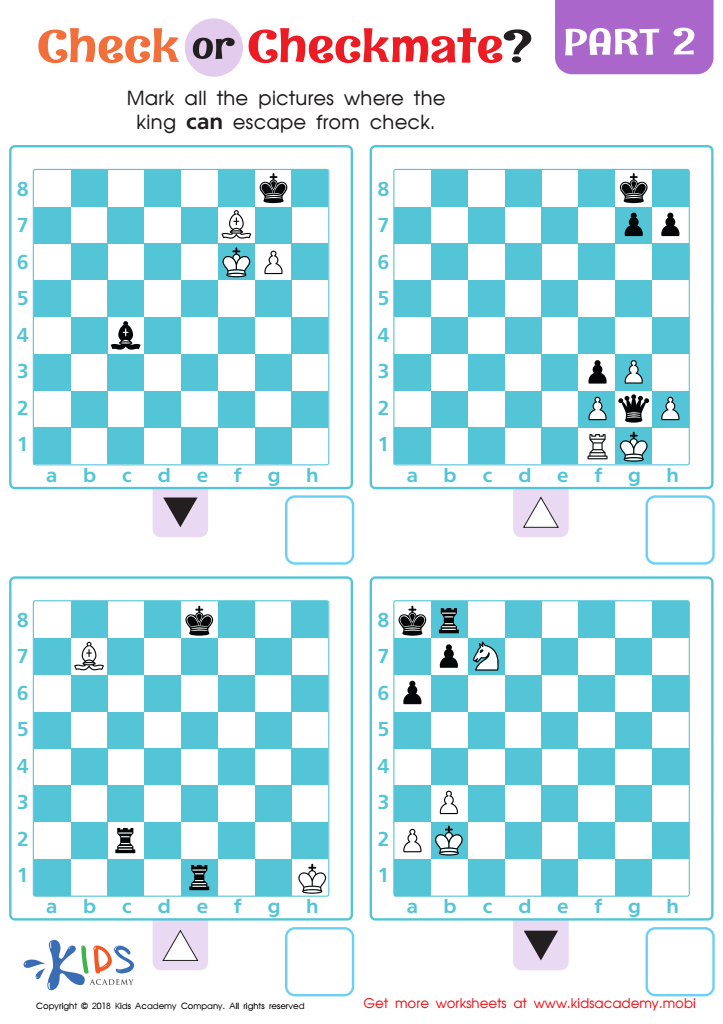
Check or Checkmate: Part 2 Worksheet
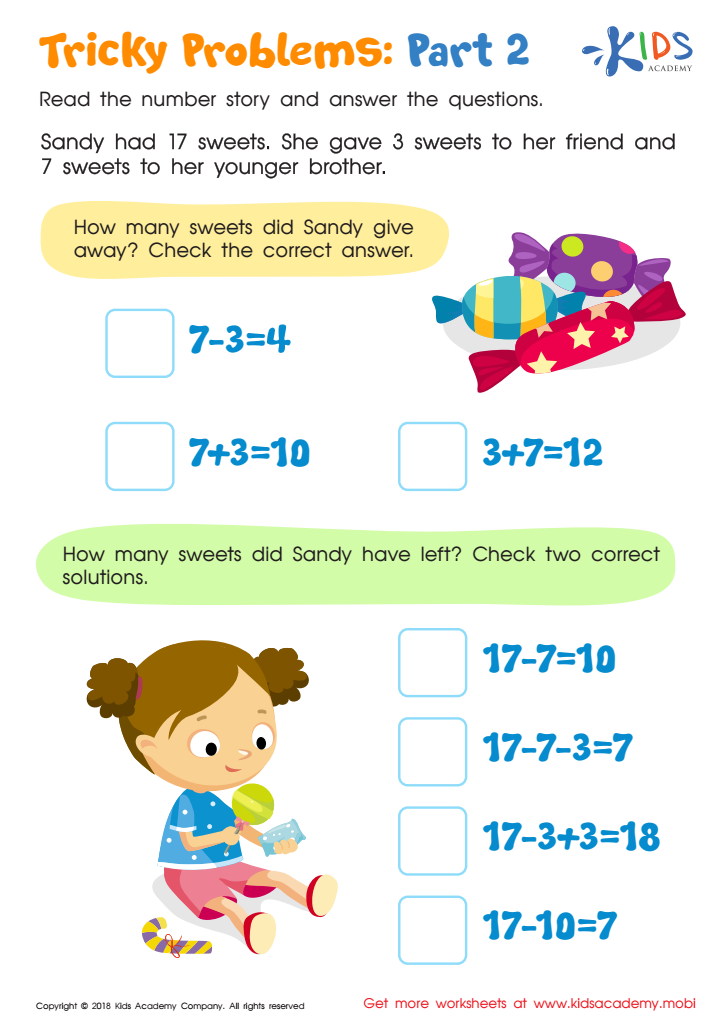
Tricky Problems Worksheet: Part 2
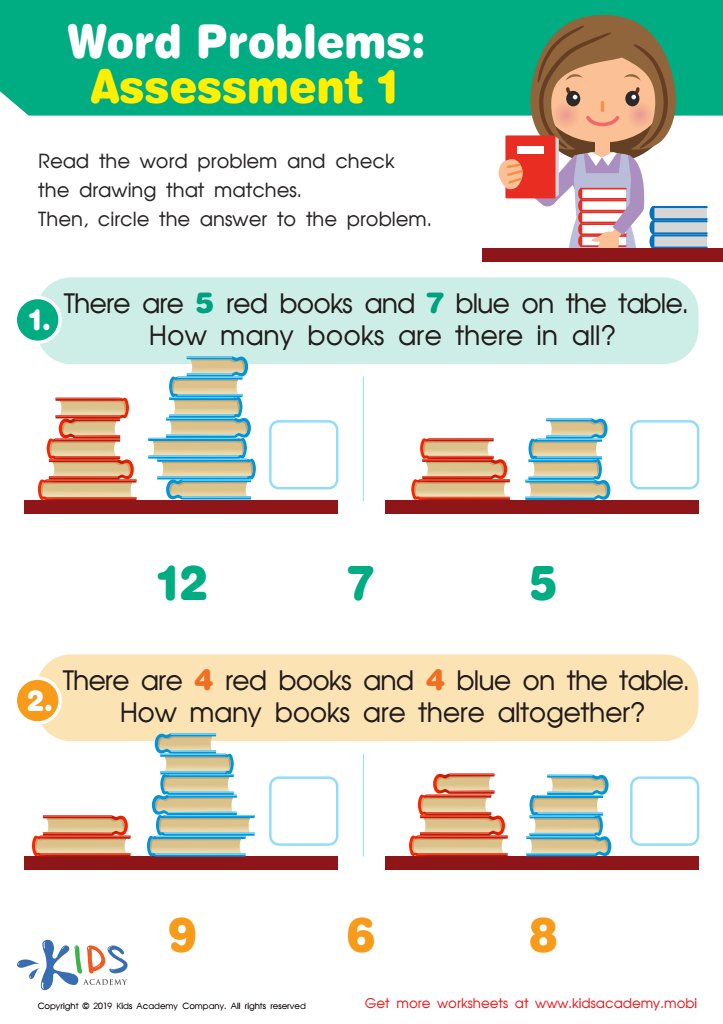
Word Problems: Assessment 1 Worksheet
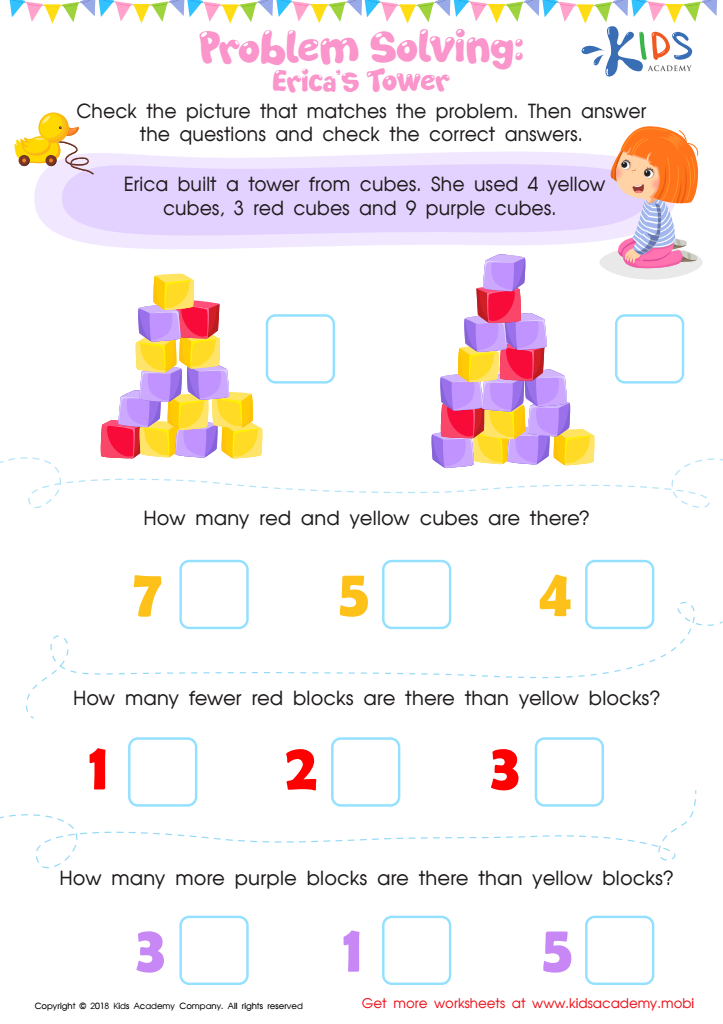
Problem Solving: Erica's Tower Worksheet
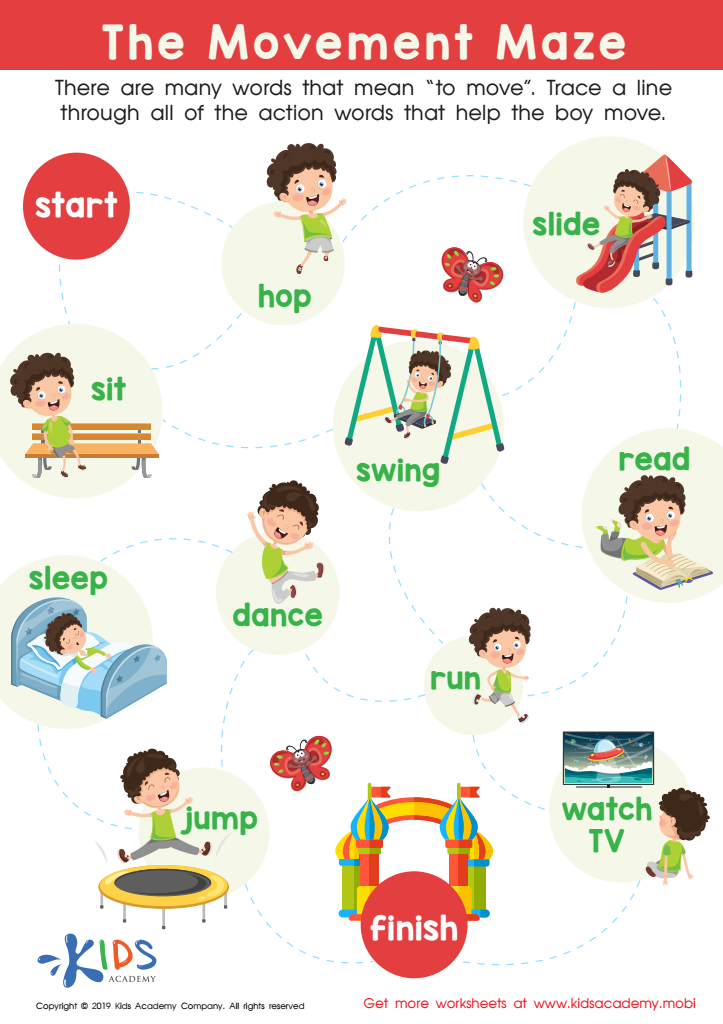
The Movement Maze Worksheet
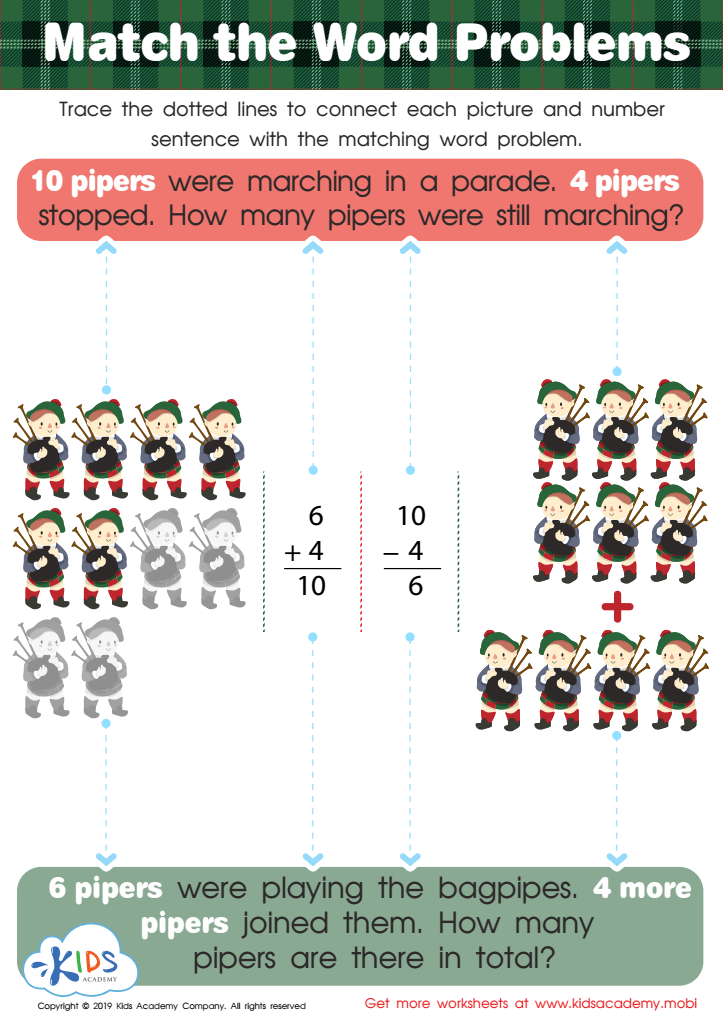
Match the Word Problems Worksheet
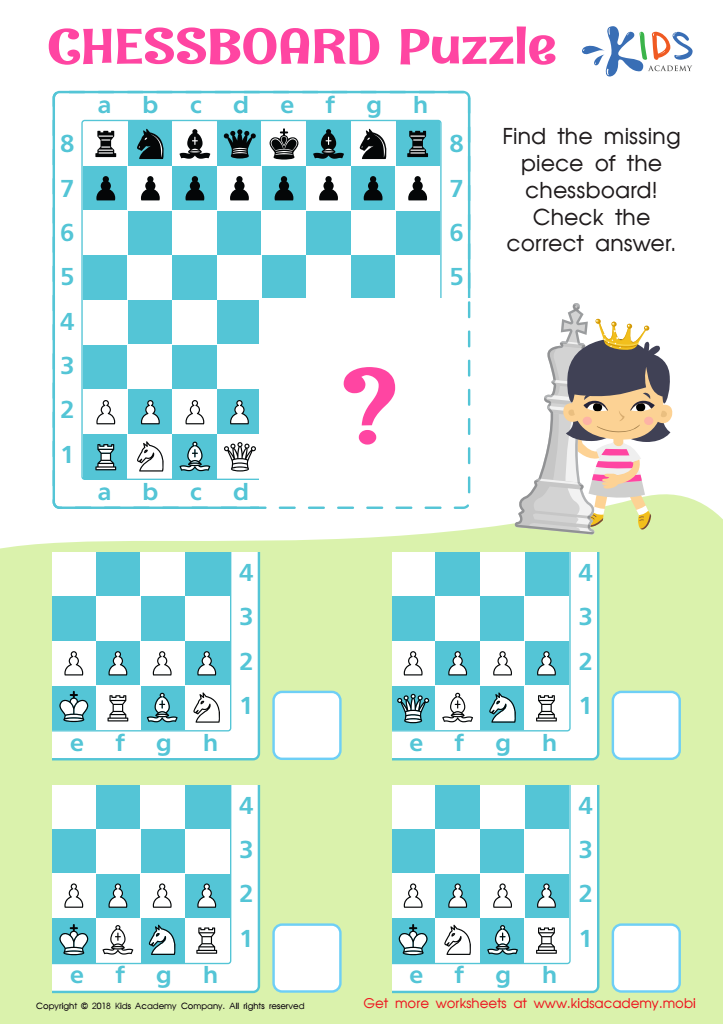
Chessboard Puzzle Worksheet
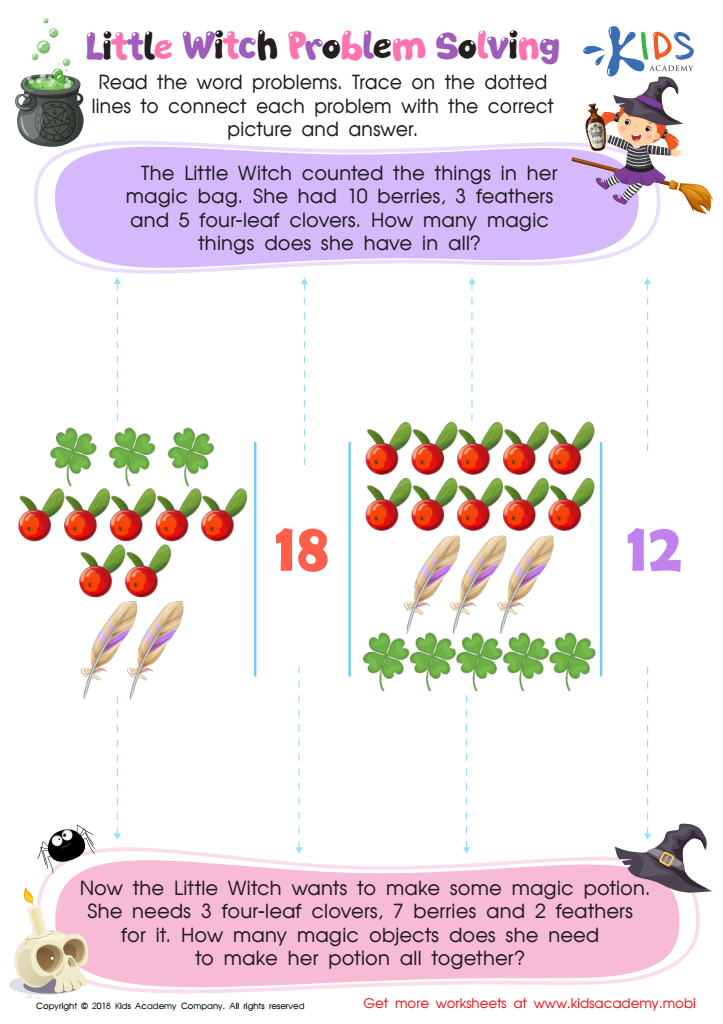
Little Witch Problem Solving Worksheet
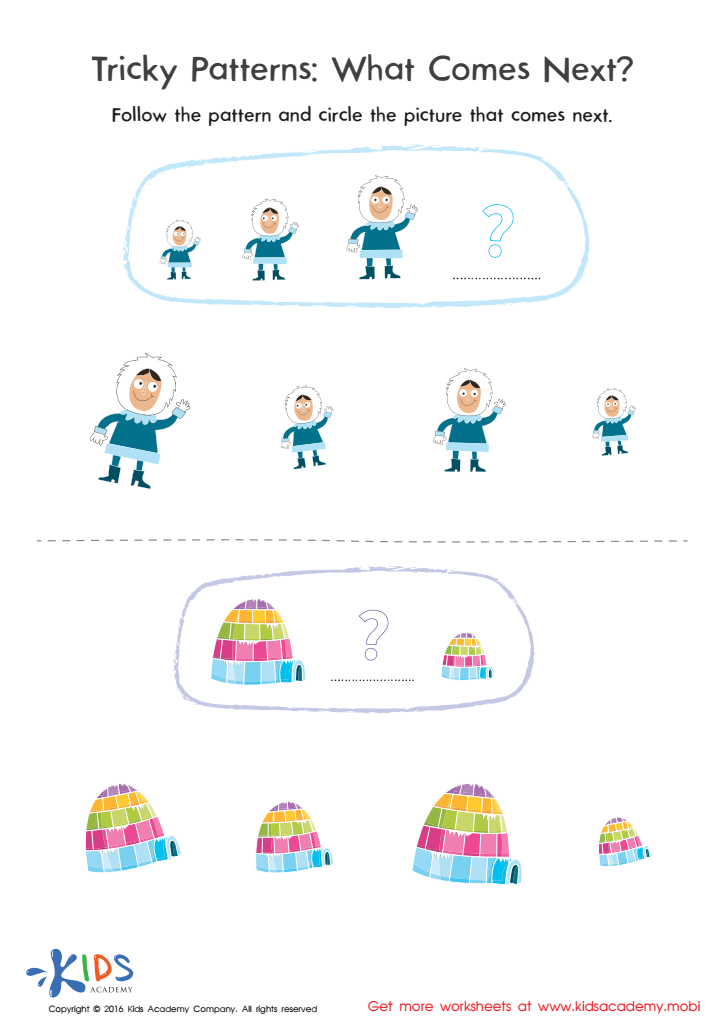
Tricky Patterns Size Worksheet
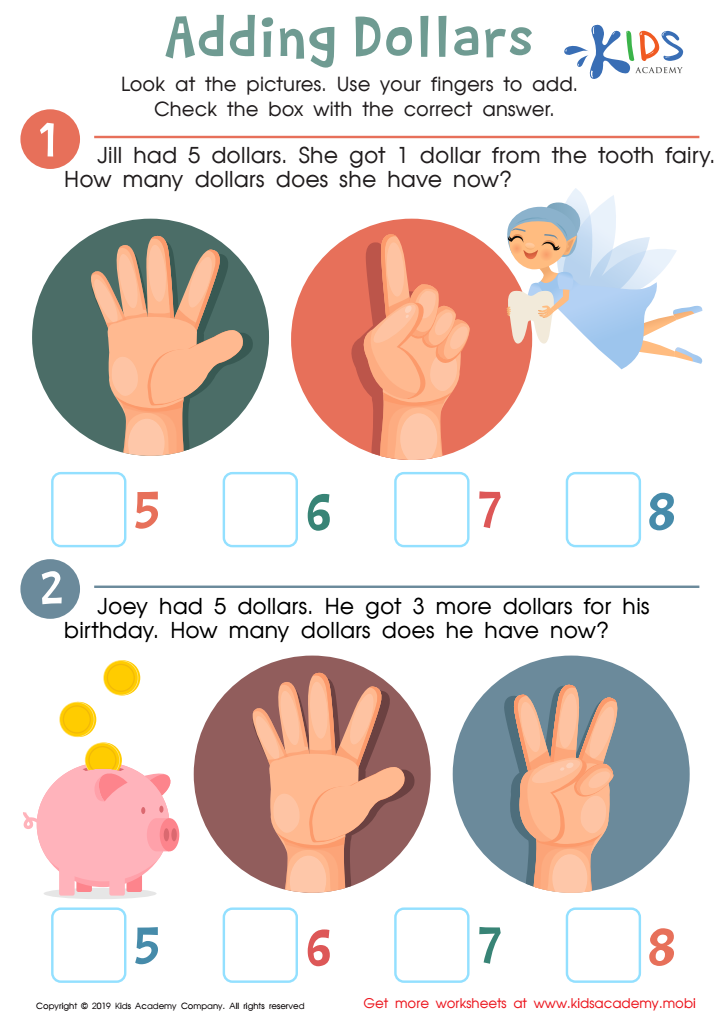
Tooth Fairy Addition Worksheet
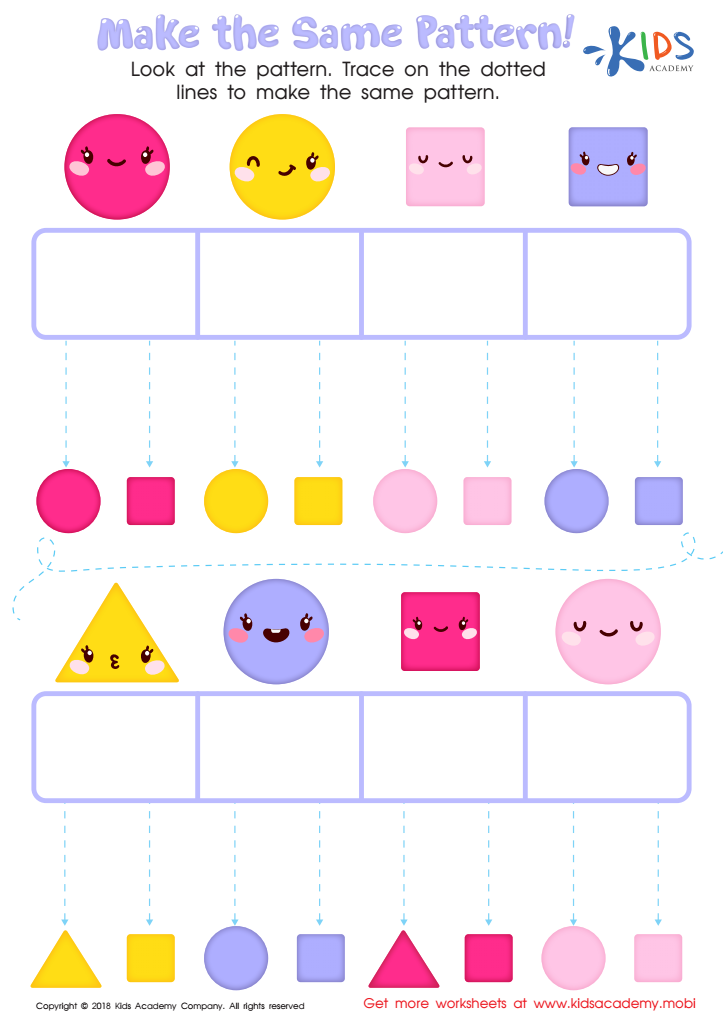
Make the Same Pattern Worksheet
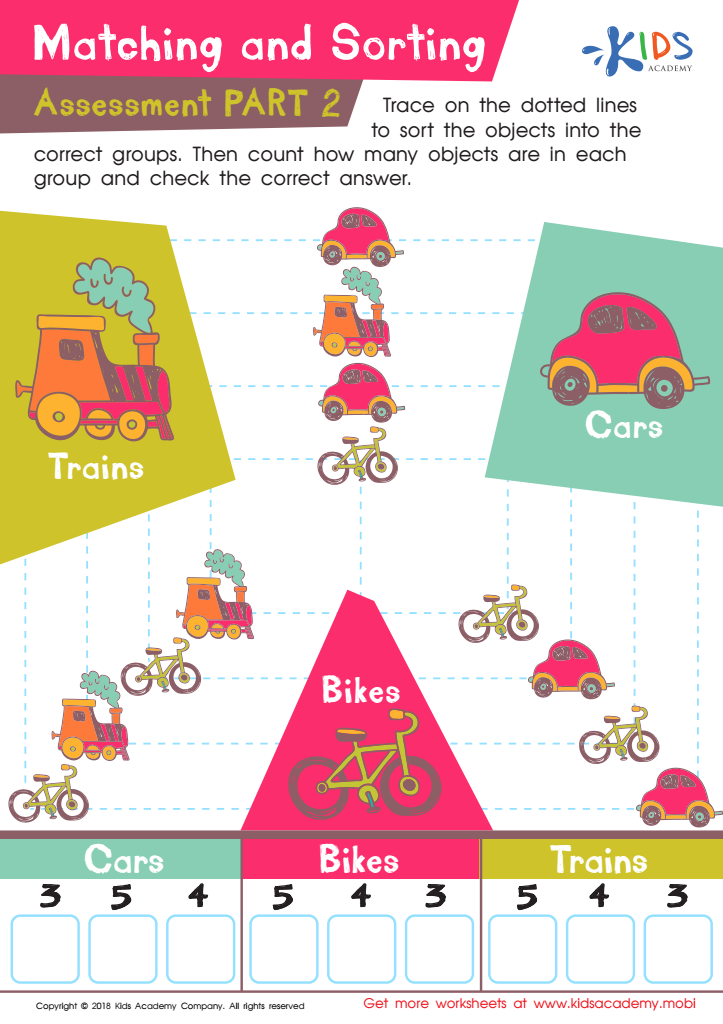
Matching and Sorting for Kindergarten: Assessment 2 Worksheet
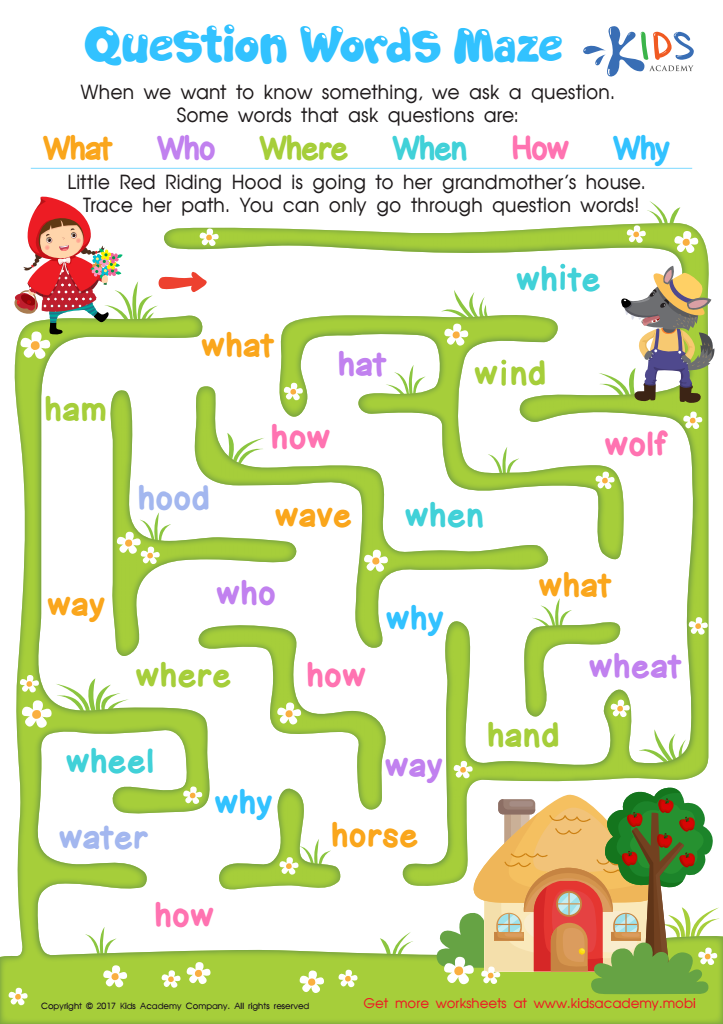
Question Words Maze Worksheet
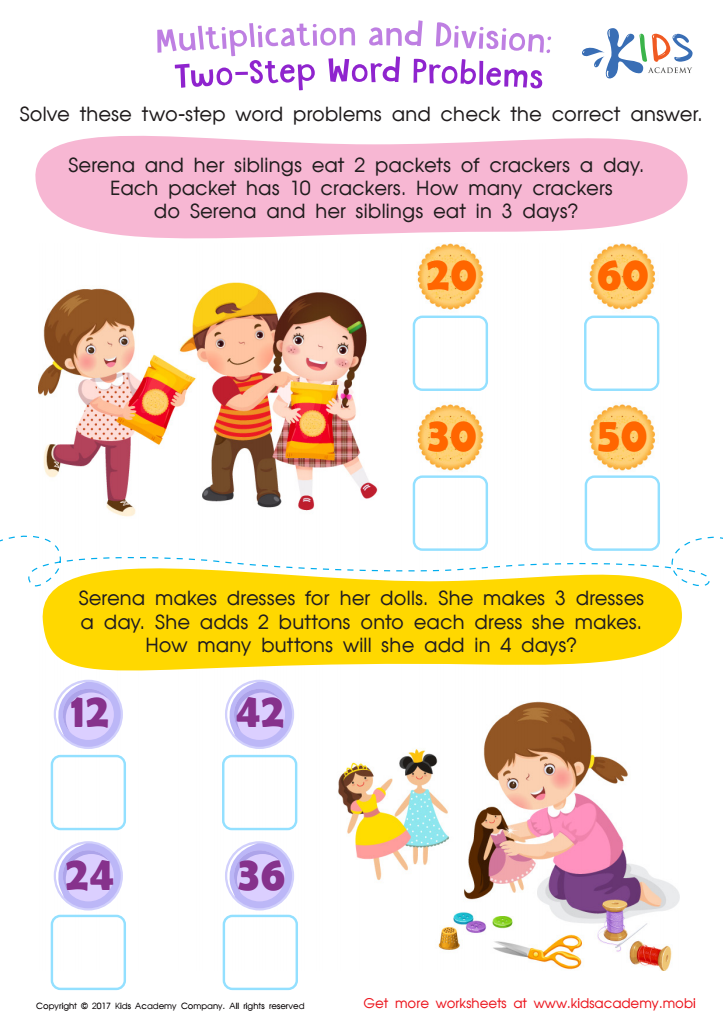
Two Step Word Problems Worksheet
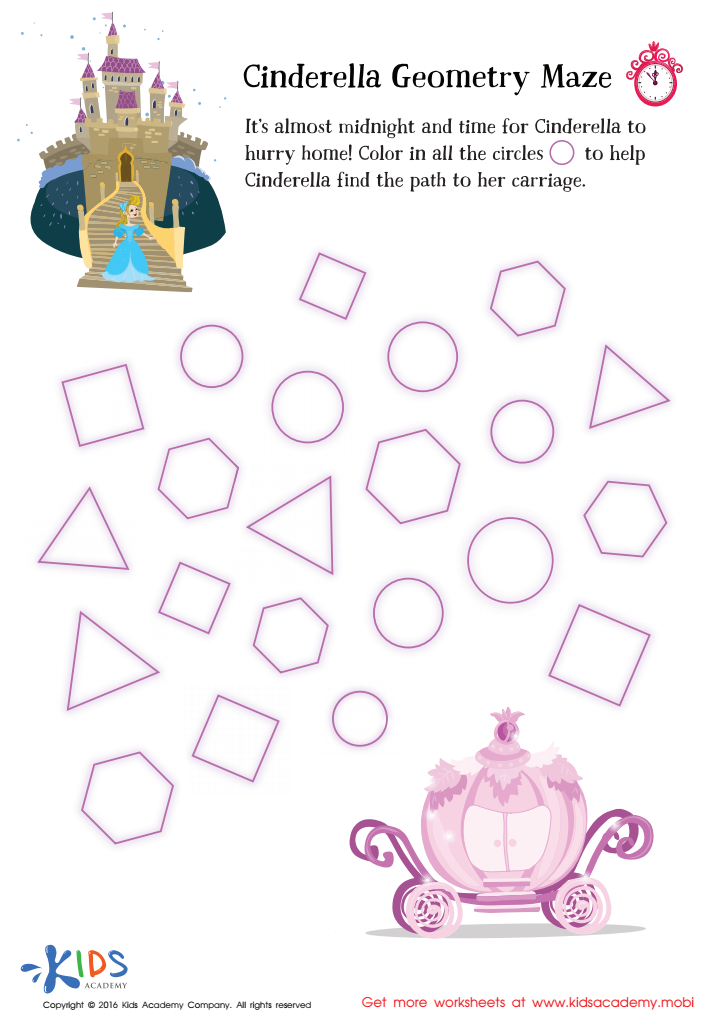
Cinderella Geometry Maze Worksheet
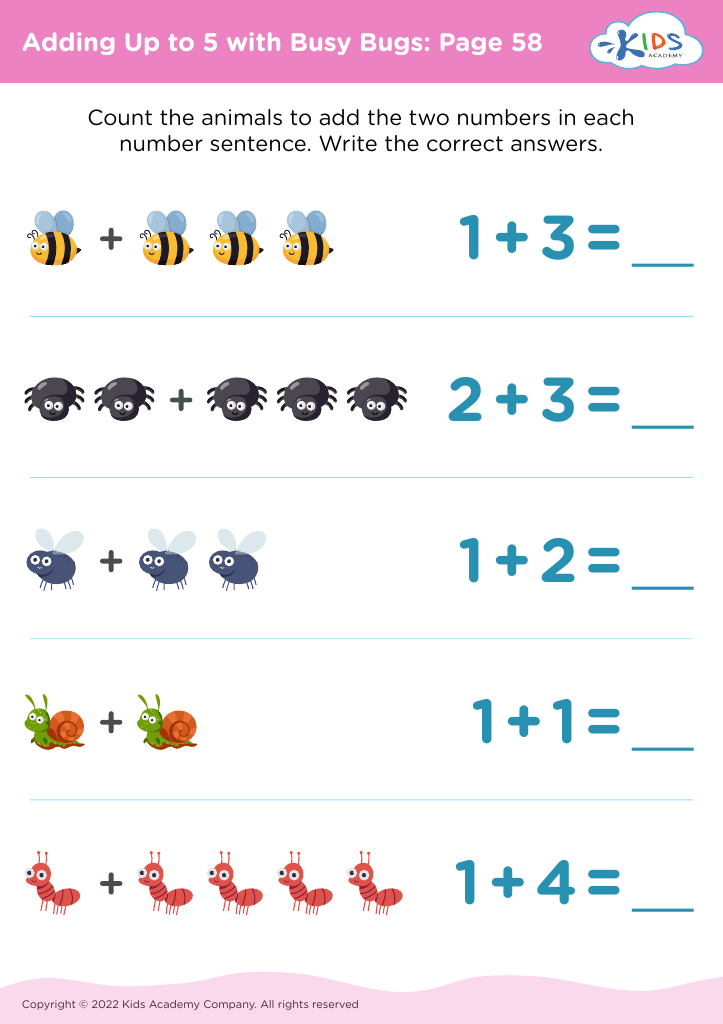
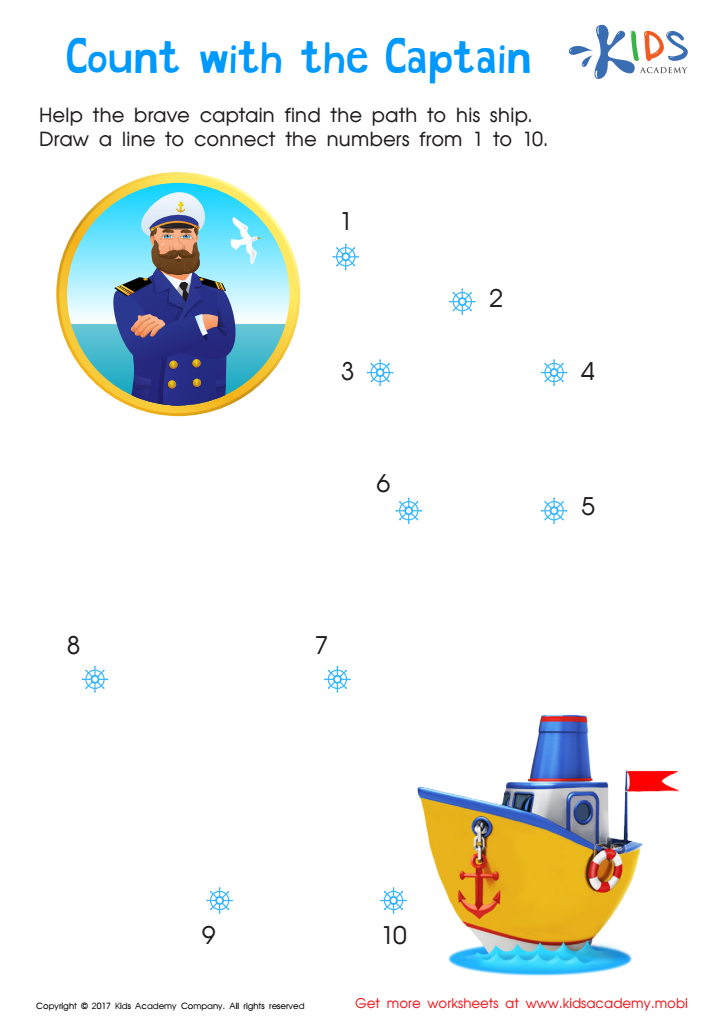
Count with the Captain Connect Dots Worksheet








Problem-solving skills are crucial for children aged 3-4, as these abilities lay the foundation for future cognitive, social, and emotional development. At this young age, children are exploring their world actively and are naturally curious. Encouraging problem-solving helps them understand how to navigate challenges, think critically, and become more independent.
For parents and teachers, focusing on problem-solving skills fosters a child's ability to handle everyday situations effectively. When children learn to solve problems, they improve their decision-making capabilities, which enhances their self-confidence. This confidence is vital as it leads to a positive attitude towards learning and perseverance when faced with obstacles.
Moreover, problem-solving skills promote creativity and flexibility. Children learn that there can be multiple ways to approach a problem, encouraging them to think outside the box. This opens up pathways for innovative thinking later in life.
Socially and emotionally, young children develop better interpersonal skills when they are equipped to solve problems in play and interaction with peers. They learn empathy, negotiation, and cooperation—key components for healthy relationships.
Engaging children in activities that nurture these skills, such as puzzles, storytelling, and interactive games, aligns their innate curiosity with learning goals that ultimately benefit them throughout their educational journeys and personal lives.








