Shape Recognition Math Worksheets for Ages 3-4 - Page 2
45 filtered results
-
From - To
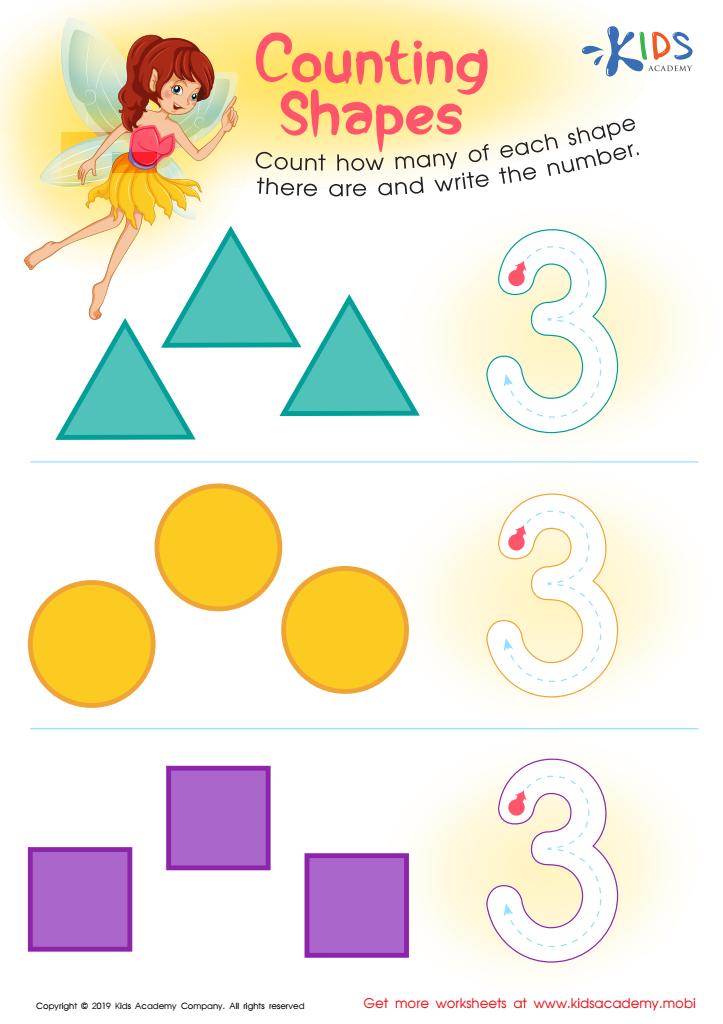
Counting Shapes Worksheet
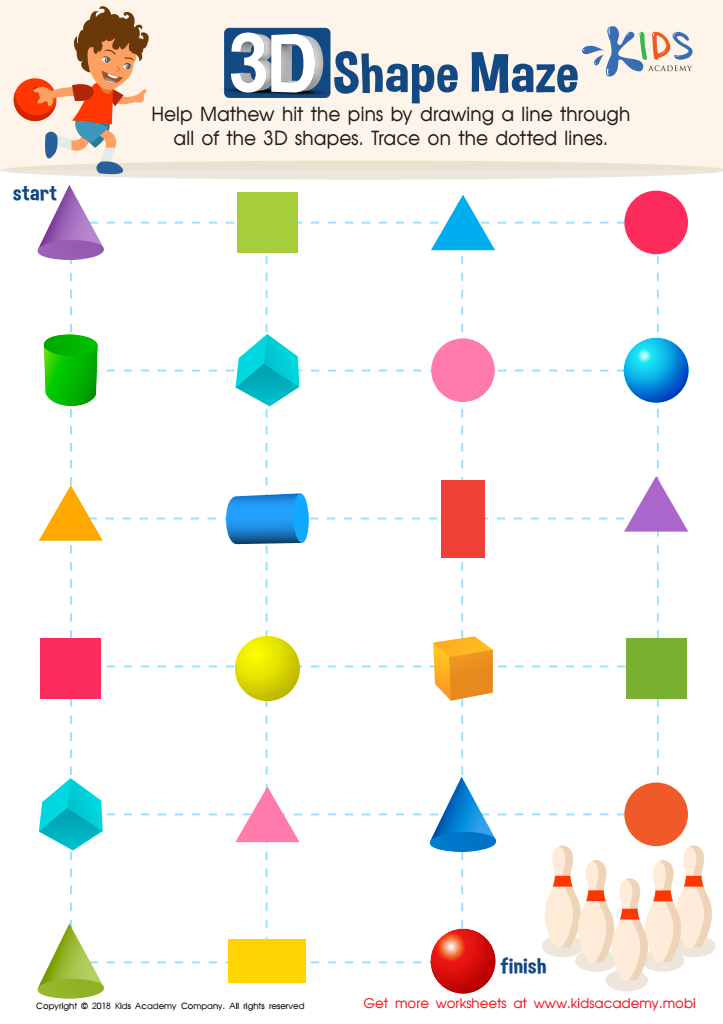
Shapes Maze Geometry Worksheet
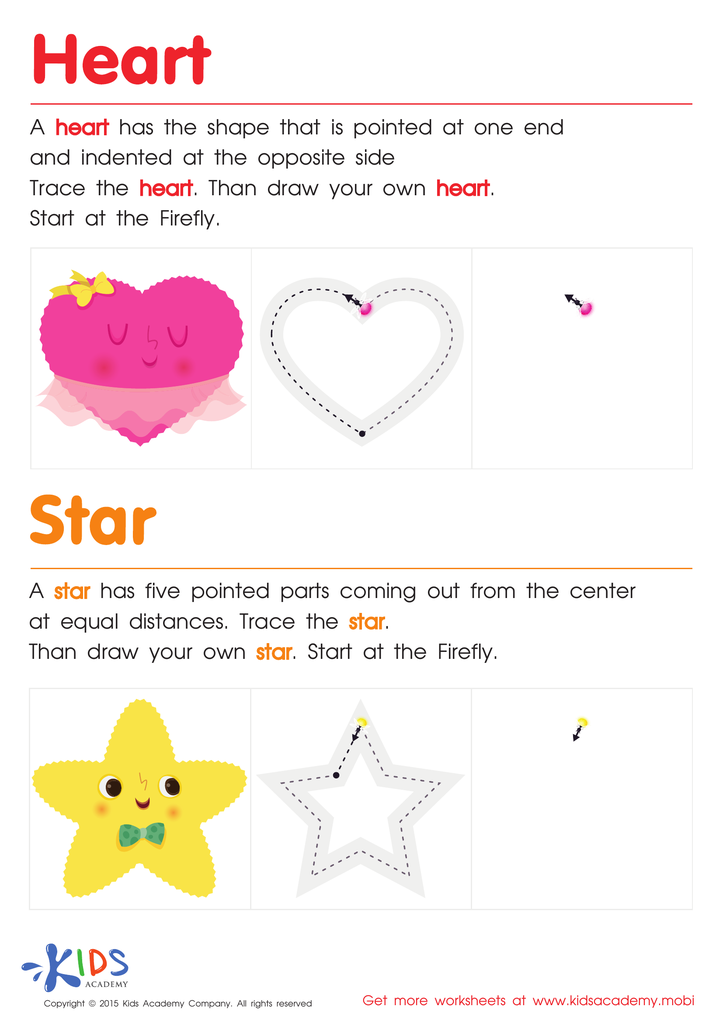
Let's Learn to Draw Hearts And Stars Printable
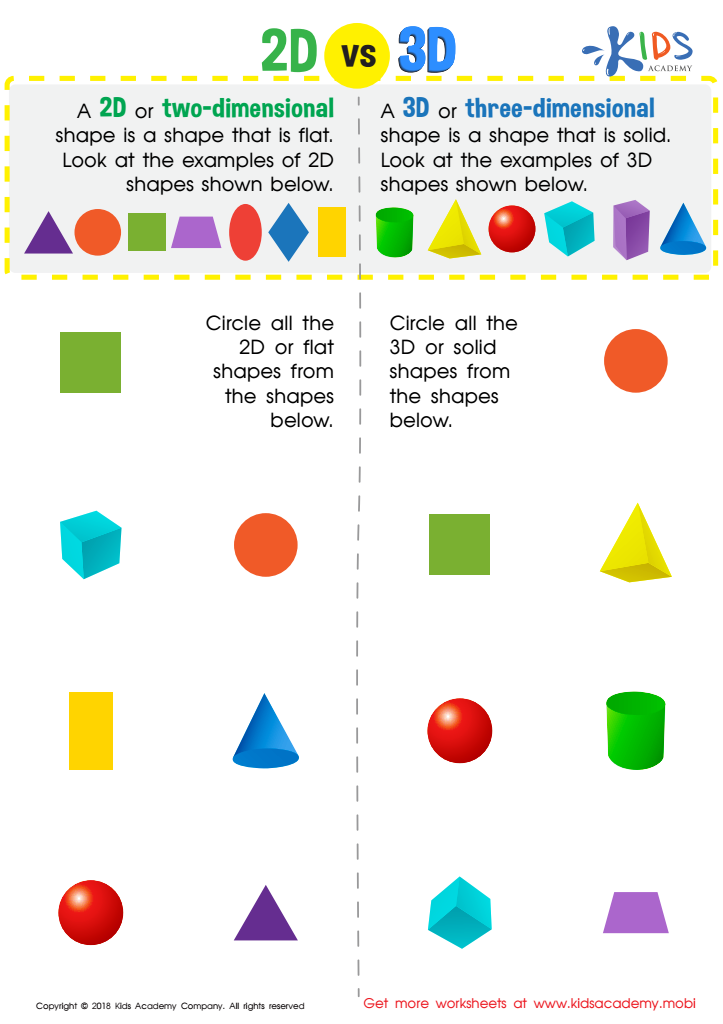
2D vs 3D Shapes Worksheet
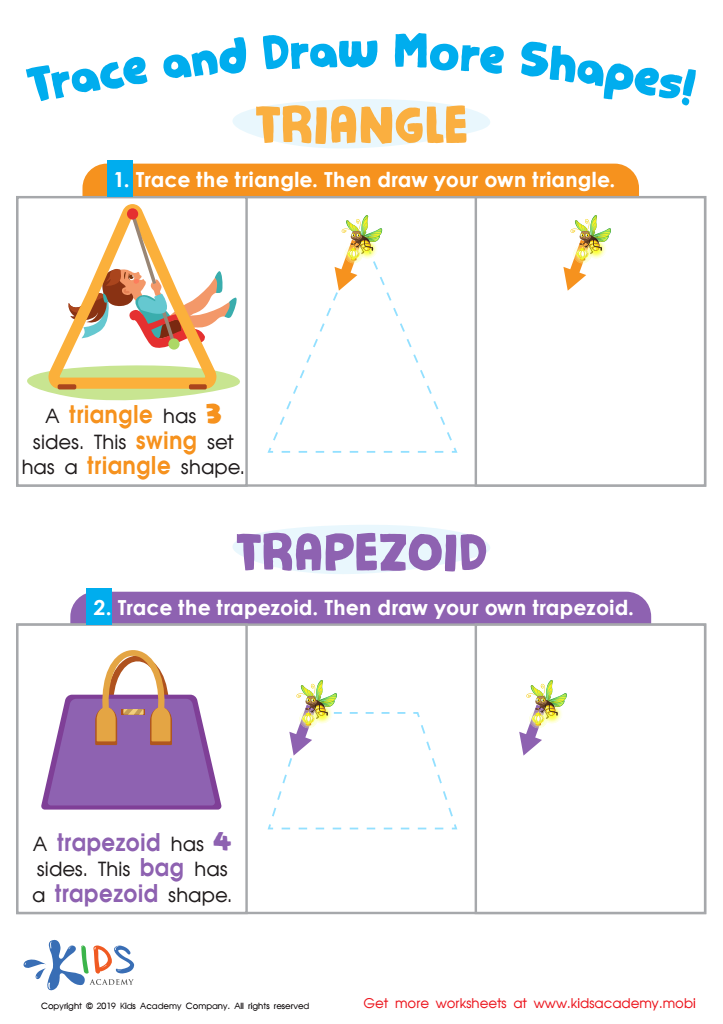
Trace and Draw More Shapes Worksheet
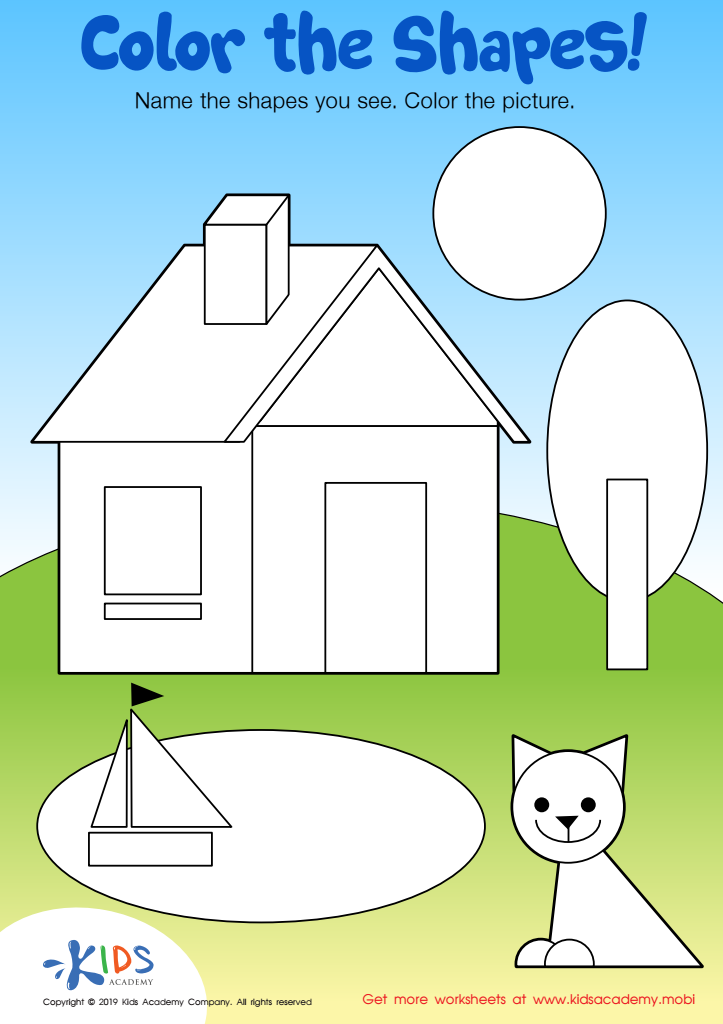
Color the Shapes Worksheet
 Assign to My Students
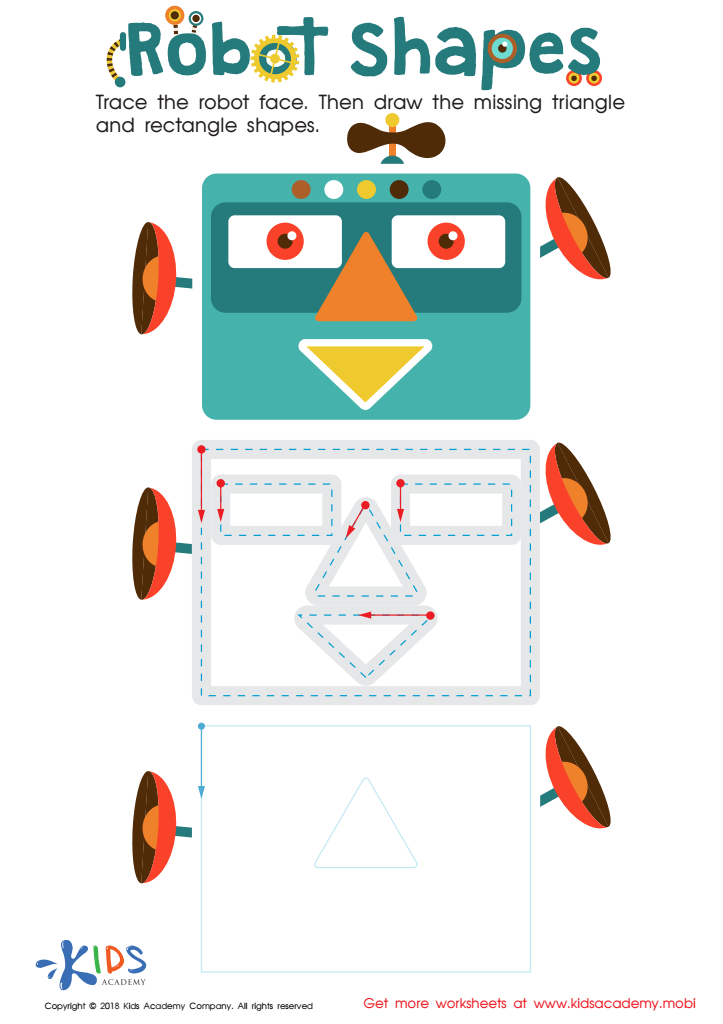
Robot Shapes Worksheet
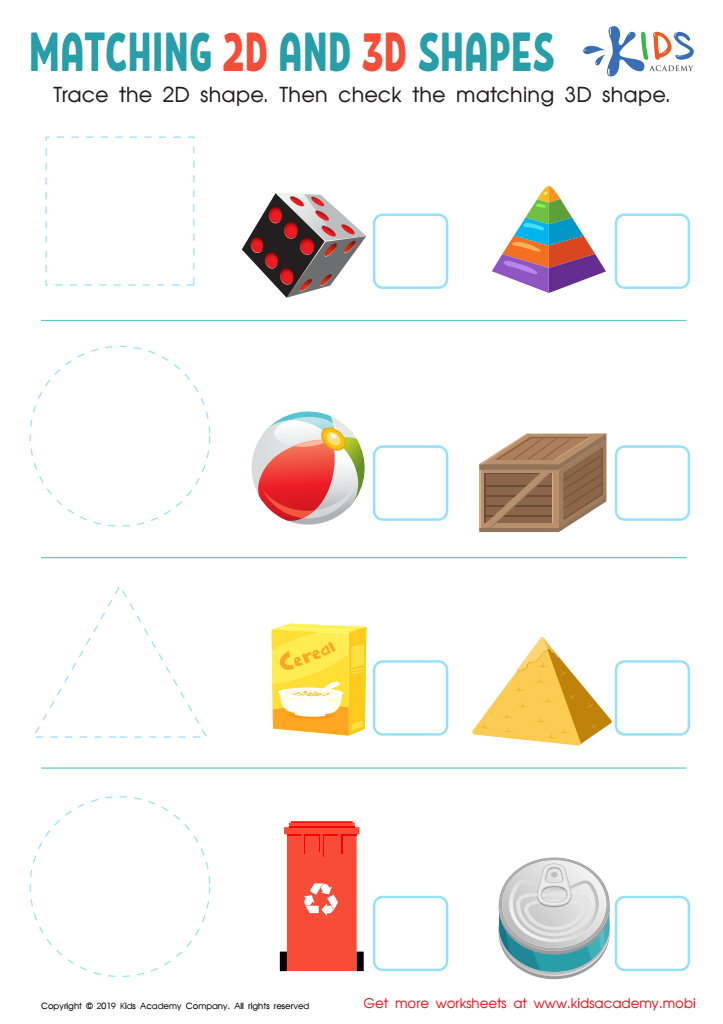
Matching 2D and 3D Shapes Worksheet
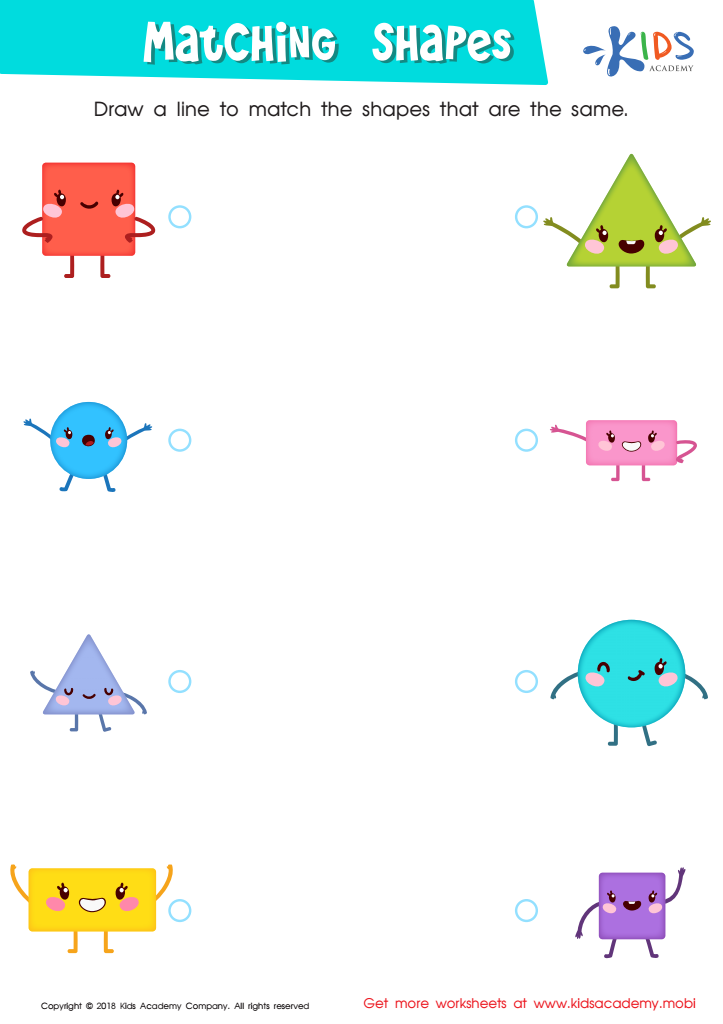
Matching Shapes Worksheet
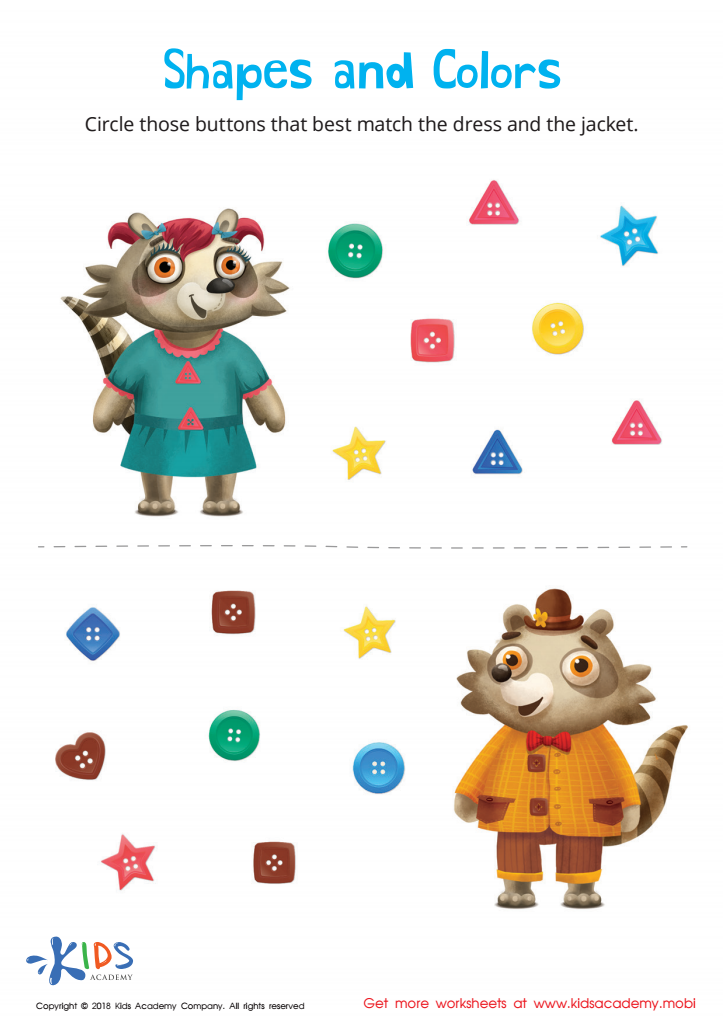
Shapes and Colors Worksheet
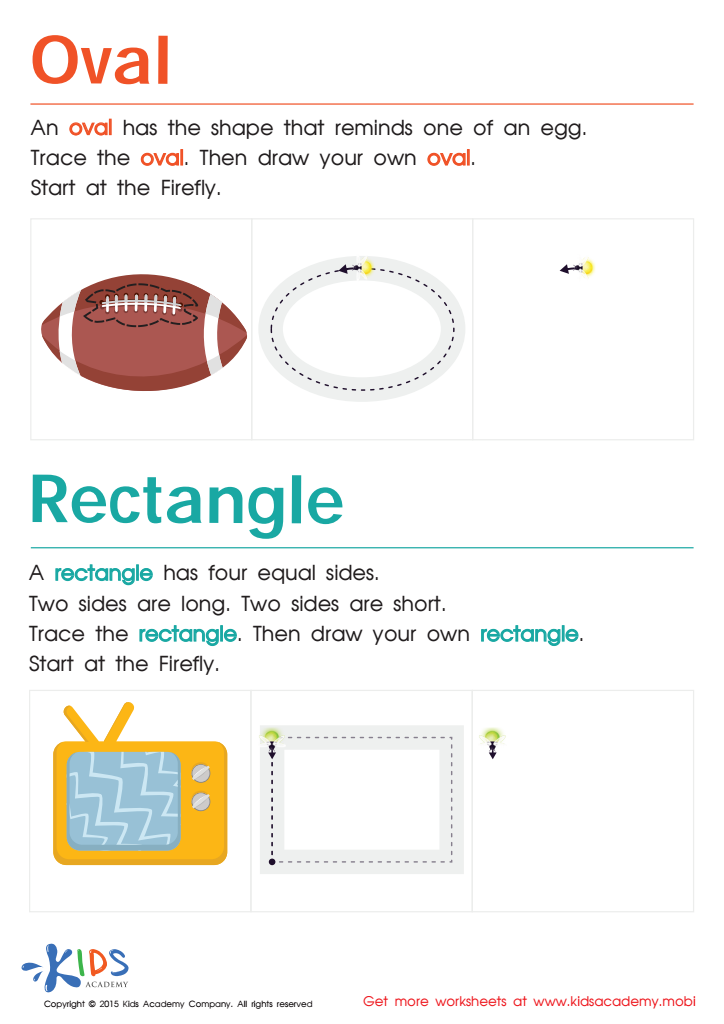
Easy Drawing of Ovals And Rectangles Worksheet
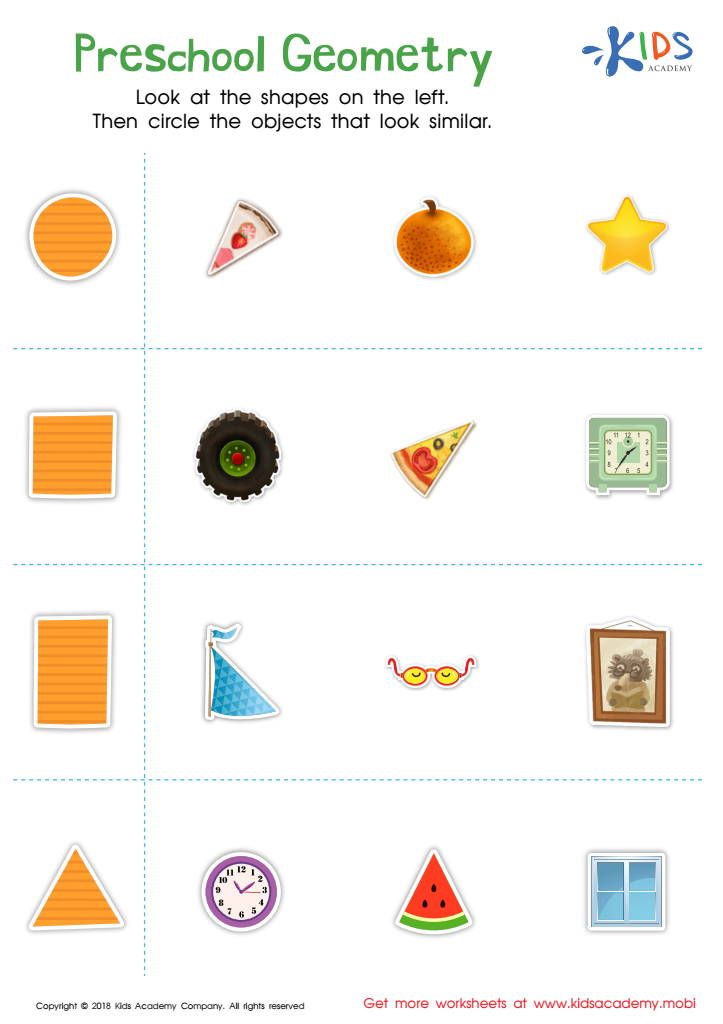
Preschool Geometry Worksheet
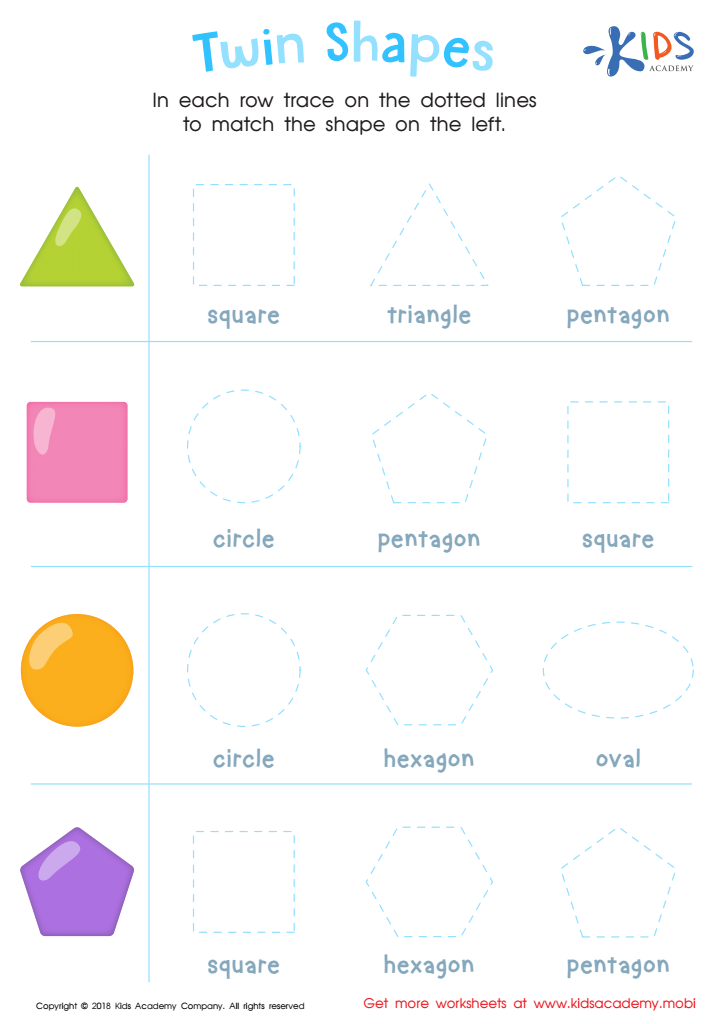
Twin Shapes Dot-to-Dot Worksheet
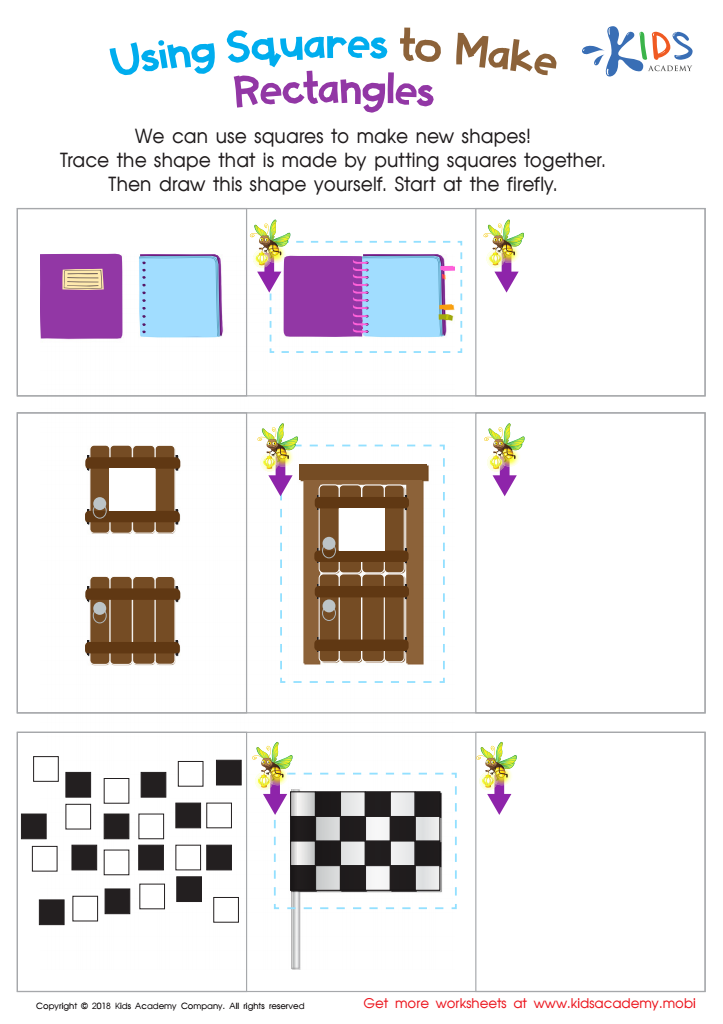
Using Squares to Make Rectangles Worksheet
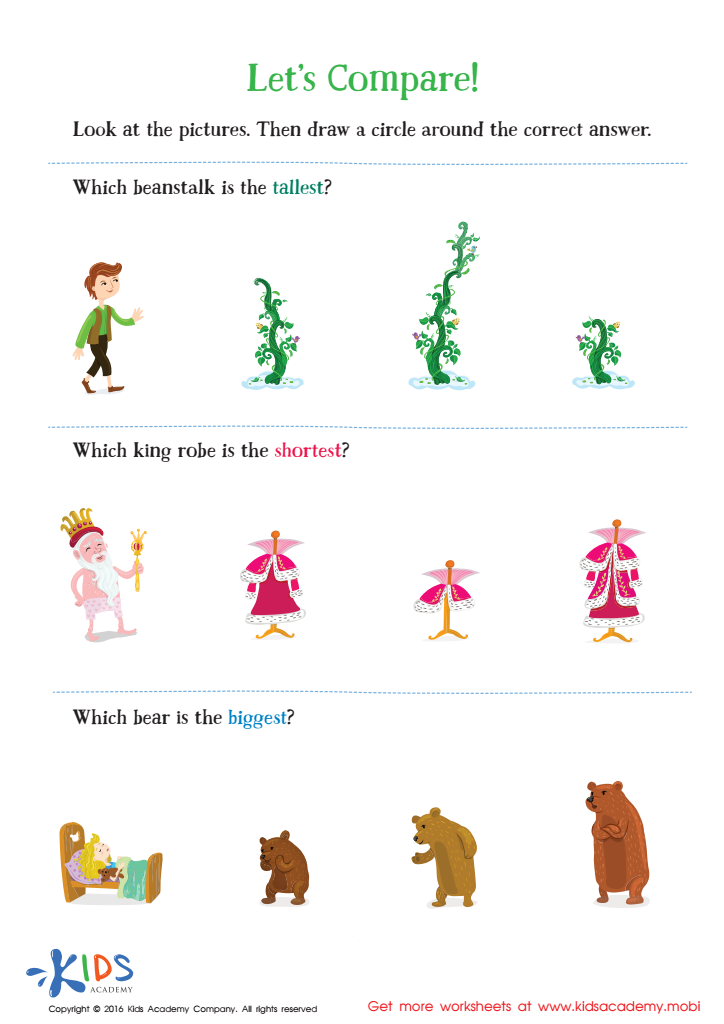
Fairy Tale Worksheet: Let's Compare
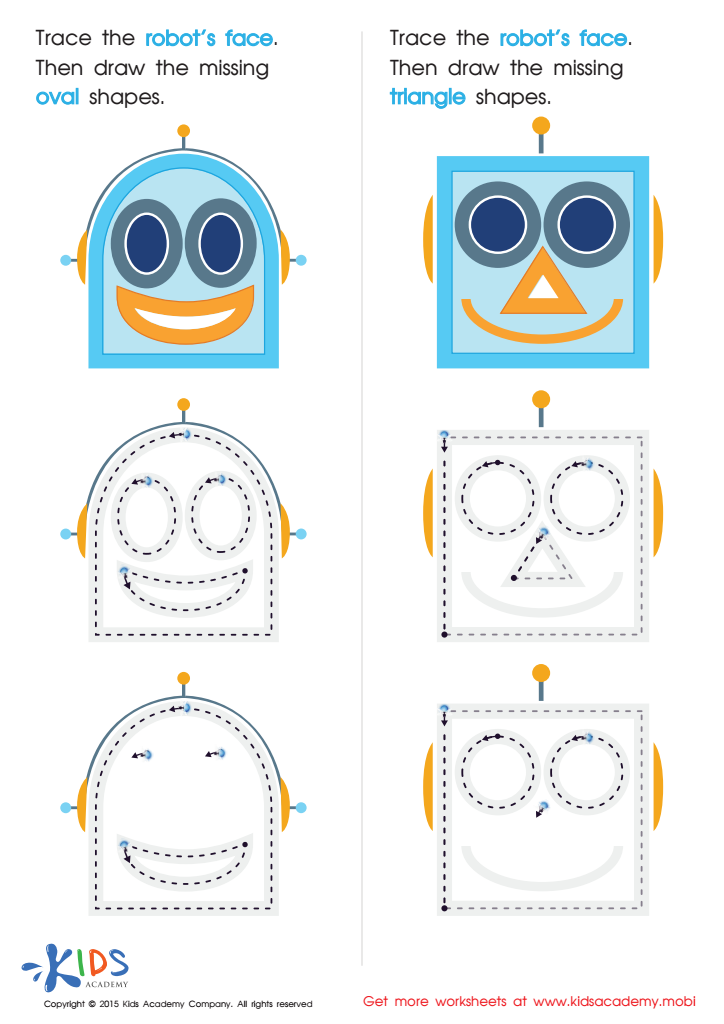
Drawing Ovals And Triangles with Fun Printable
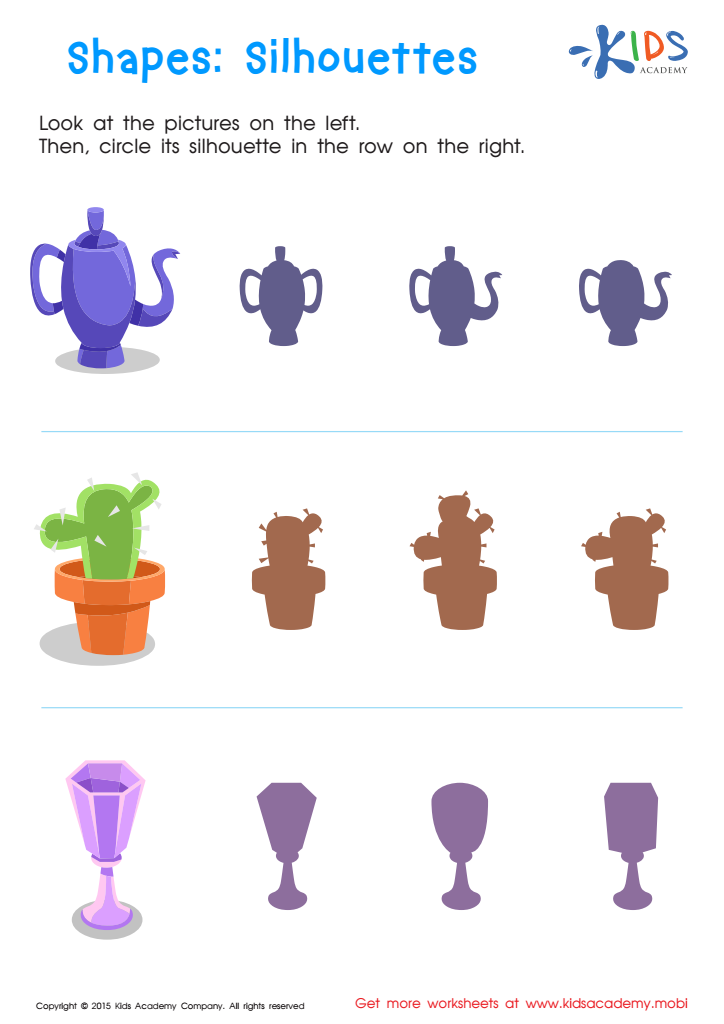
Silhouettes – Shapes Worksheet
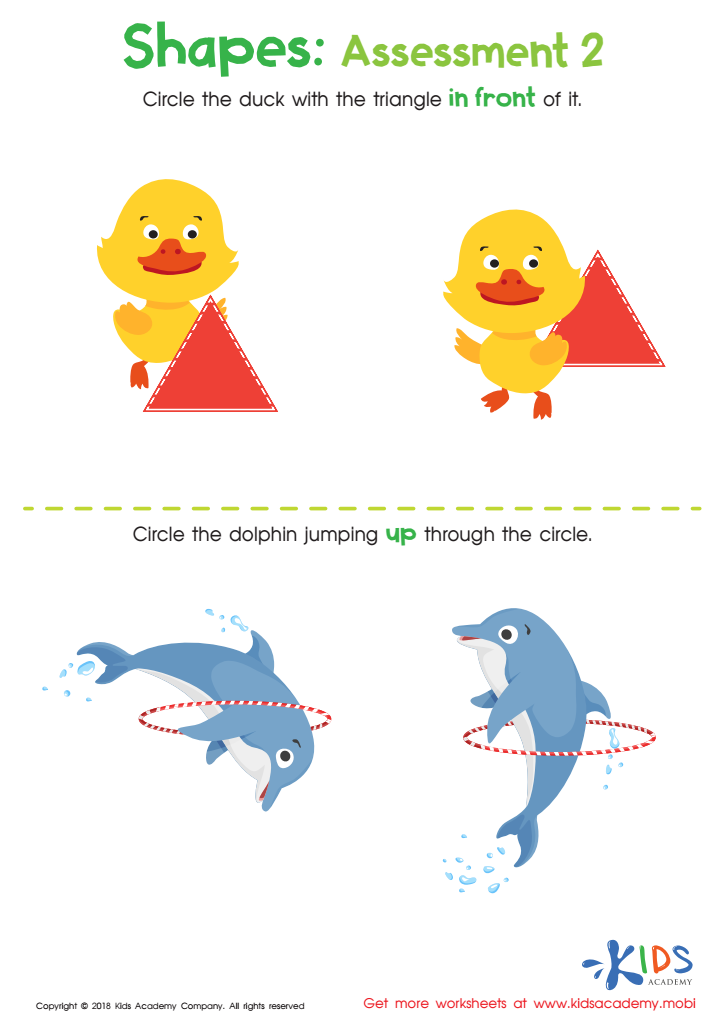
Geometry – Assessment 2 Worksheet
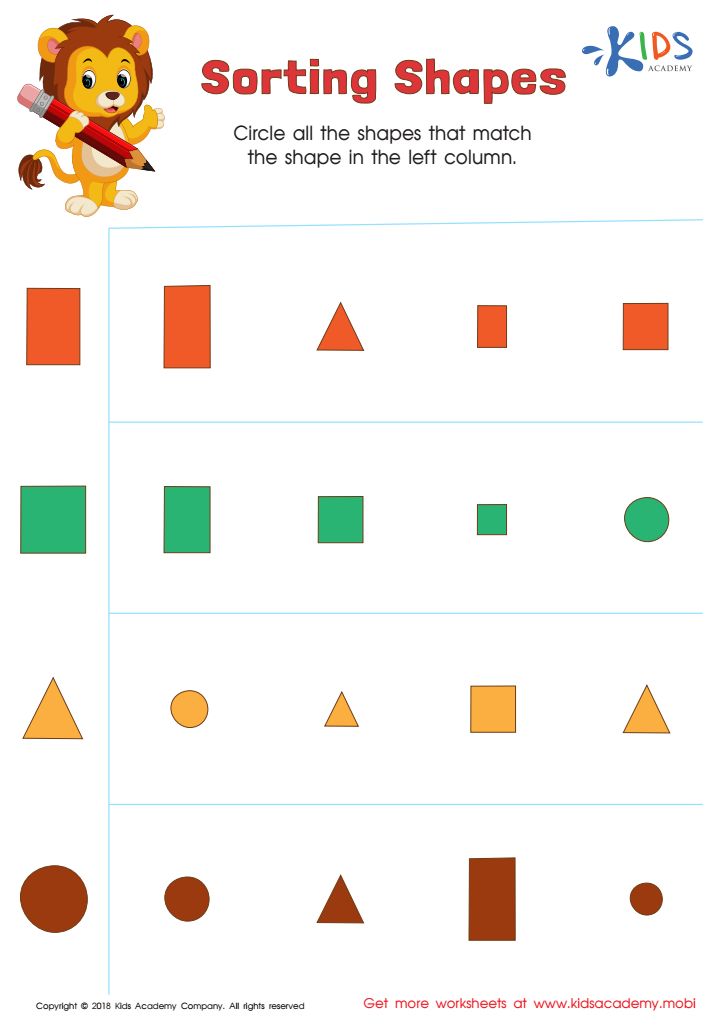
Sorting Shapes - Part 2 Worksheet
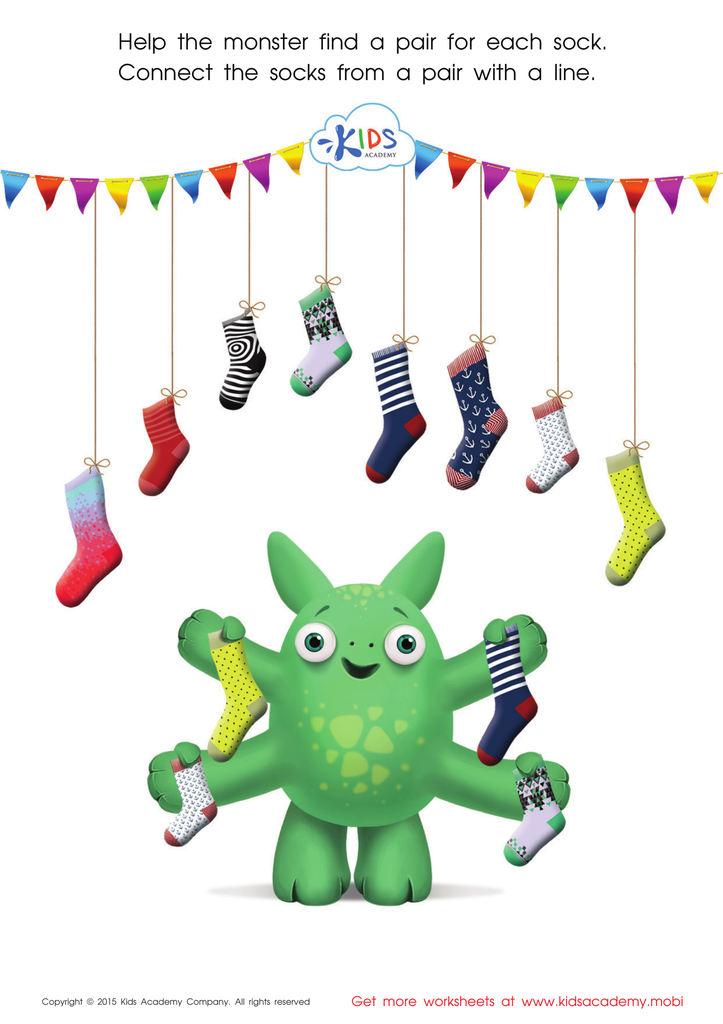
Math Matching Pairs Game: Monsterв's Socks Worksheet
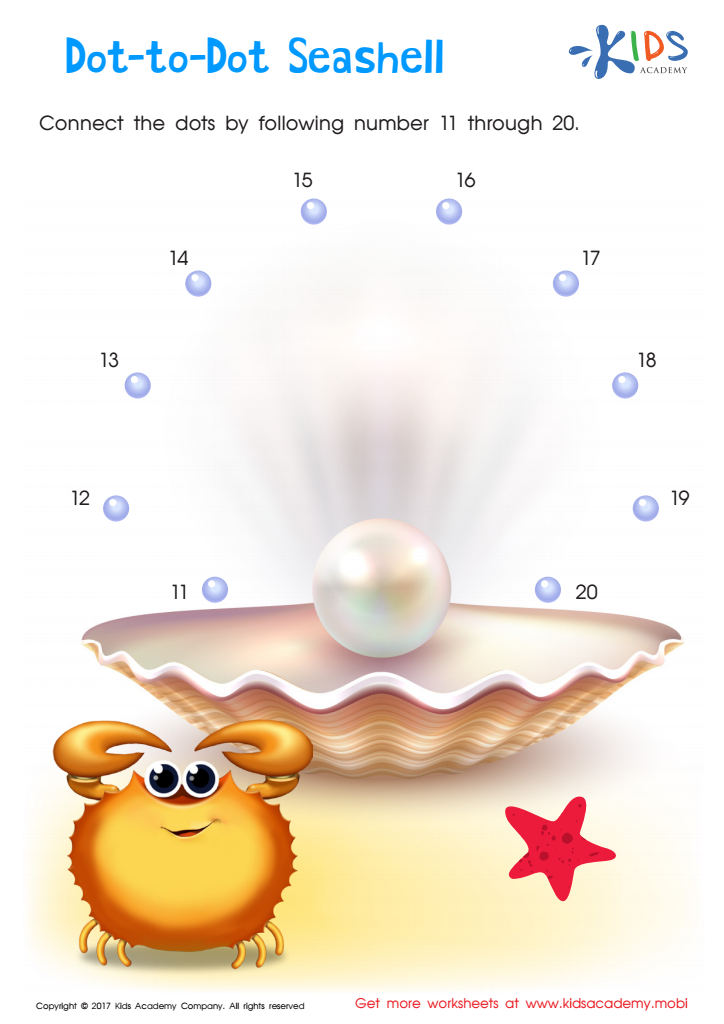
Ordering 11–20: Dot–to–dot Seashell Printable








Shape recognition is a fundamental aspect of early mathematics that plays a critical role in the cognitive development of children aged 3-4. At this stage, children are naturally curious and explore the world around them, making it an ideal time for teachers and parents to nurture their understanding of shapes. Recognizing shapes helps build a strong foundation for various mathematical concepts, including sorting, patterning, and spatial awareness.
By helping children identify and categorize shapes, caregivers promote critical thinking and problem-solving skills. These activities encourage children to observe their environment, enhancing their ability to make connections between ideas. Furthermore, shape recognition lays the groundwork for future skills in geometry, which is essential for more advanced math.
Encouraging shape recognition can also support language development. As children learn to name different shapes, they expand their vocabulary and improve communication skills. Engagement in hands-on, playful activities involving shapes can foster a love for learning from an early age, setting a positive tone for their educational journey.
In summary, supporting shape recognition in preschoolers equips them with essential skills for both mathematics and broader cognitive development, making it a crucial focus for parents and teachers.








