Matching Worksheets for Ages 3-4 - Page 4
75 filtered results
-
From - To
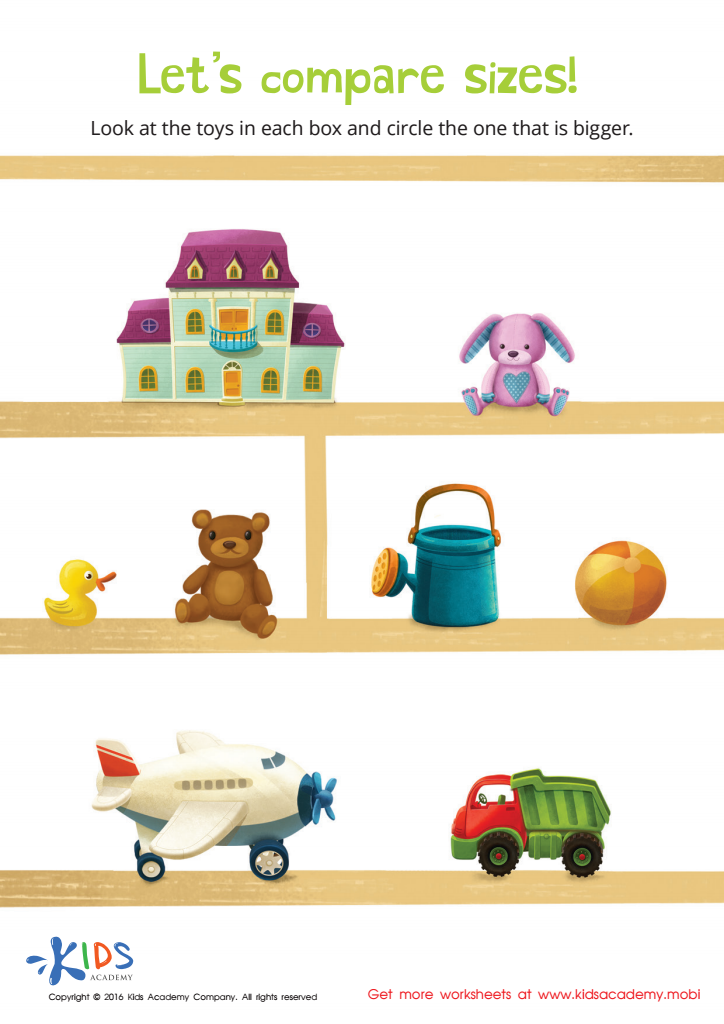
Classifying by Size Sorting Worksheet
 Assign to My Students
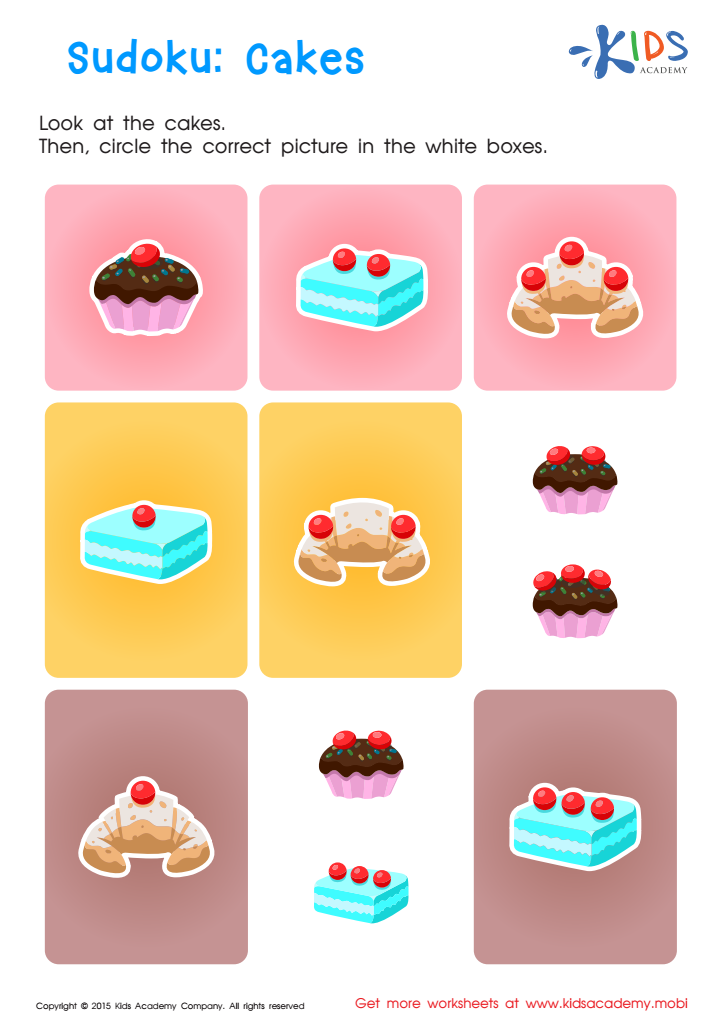
Sudoku Worksheet
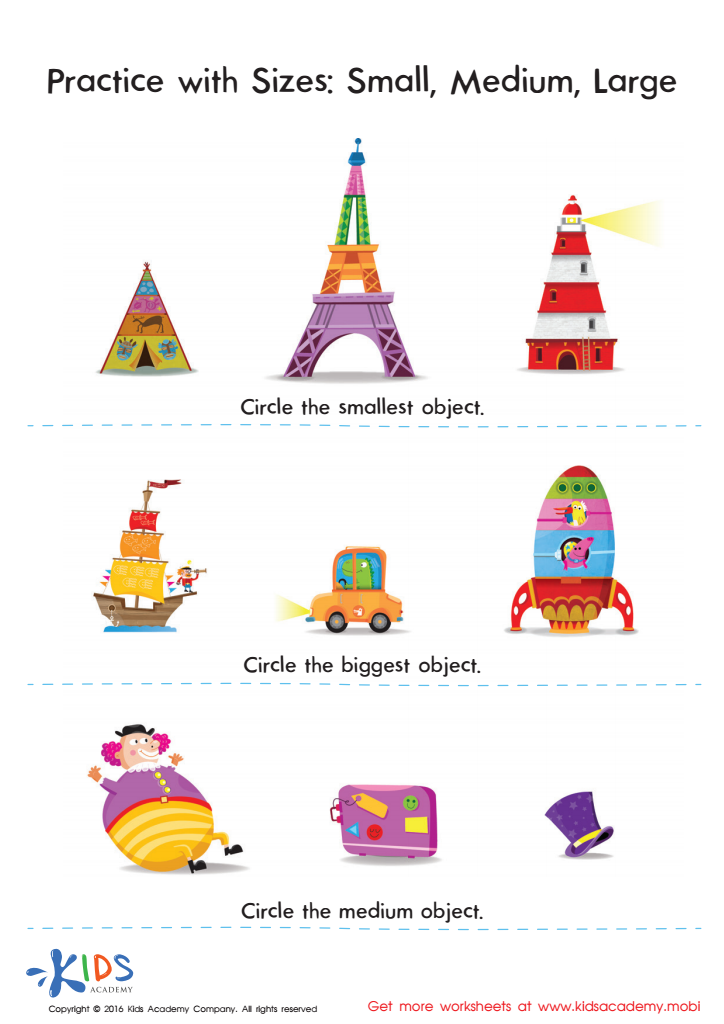


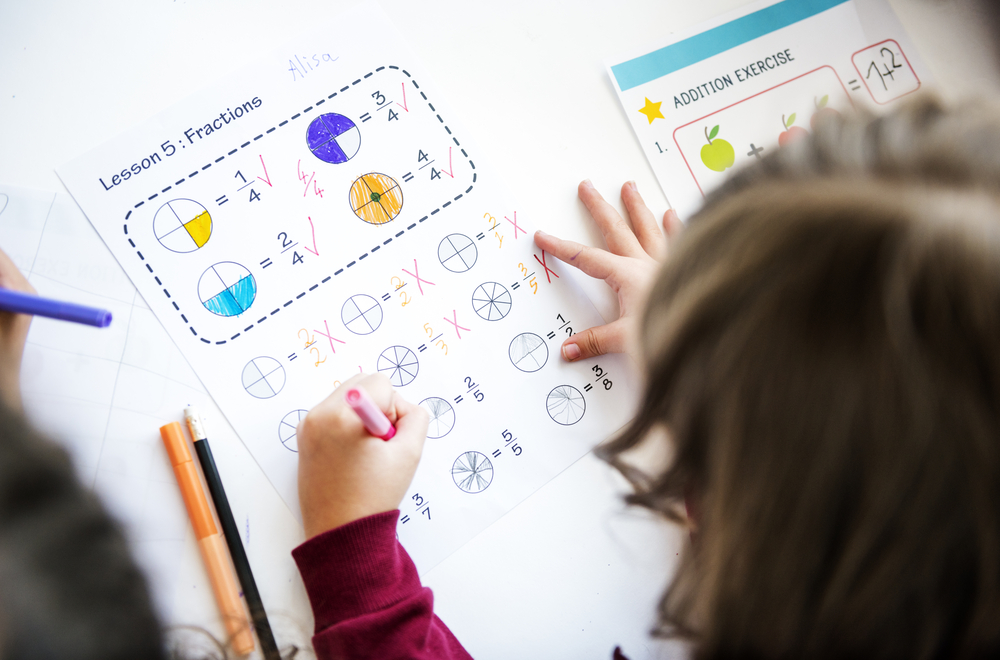





Worksheets focusing on matching for ages 3-4 are an incredibly useful tool in early childhood education for a multitude of reasons. At this tender age, children are just beginning to explore the world around them, making it the perfect time to introduce activities that stimulate their observation and critical thinking skills. Matching worksheets are designed to do just that, engaging young minds in a fun and interactive manner.
Firstly, these worksheets are instrumental in enhancing a child's ability to recognize similarities and differences among objects, a foundational skill in cognitive development. By identifying and pairing items that match, children learn to pay attention to details, improving their visual discrimination skills. This is crucial not just for academic purposes but for everyday tasks as well.
Moreover, matching activities for ages 3-4 lay the groundwork for early literacy and numeracy skills. Through matching letters to pictures or numbers to groups of items, children start to understand the basics of reading and counting, setting them up for success in these areas as they progress in their education.
Additionally, these worksheets promote fine motor skills development as children draw lines or circle pairs that match. Such physical engagement further aids in their growth, preparing them for writing and other activities requiring hand-eye coordination.
Lastly, matching worksheets are an excellent source of entertainment and satisfaction for children. Completing these exercises provides a sense of accomplishment, boosting their confidence and encouraging a love for learning from a young age. In essence, matching for ages 3-4 is not just an educational tool but a building block for lifelong learning and development.








