Life Science Worksheets for Ages 3-4
4 filtered results
-
From - To
Explore engaging Life Science worksheets designed for ages 3-4, perfect for nurturing curiosity about the natural world! Our printable resources introduce little learners to fundamental concepts like plants, animals, and their environments through fun activities and illustrations. Each worksheet fosters essential skills, including cognitive development, fine motor skills, and vocabulary building. Encourage observation and exploration with colorful images and simple instructions that make learning enjoyable. Whether at home or in preschool settings, these worksheets offer an interactive way to ignite a love for science early on. Dive into the wonders of life science today and support your child's educational journey!
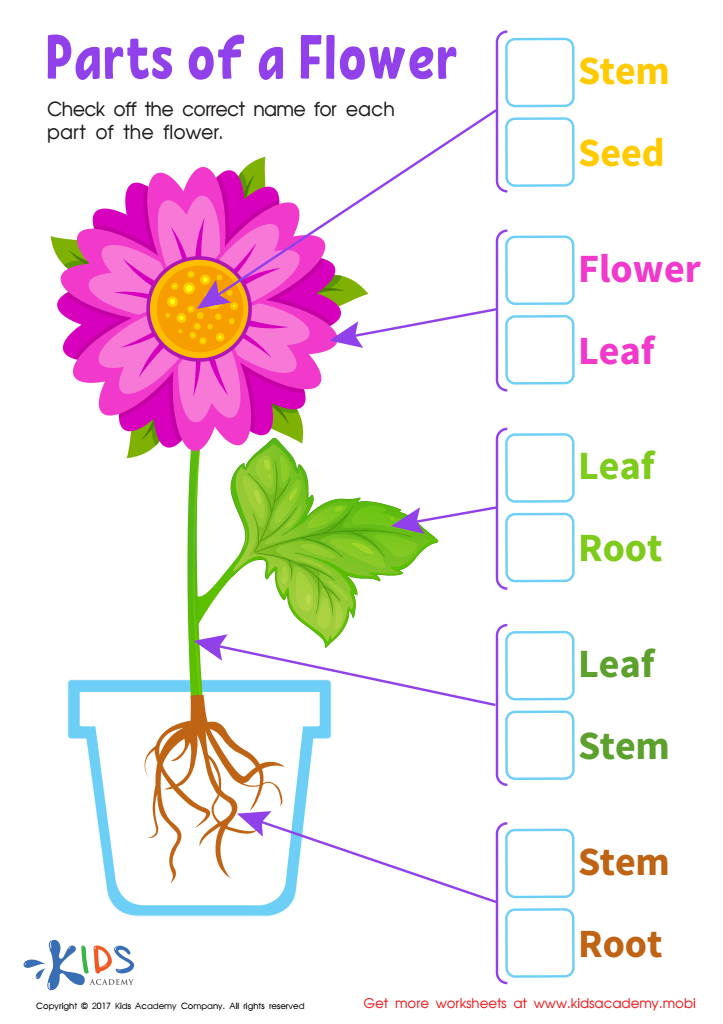
Parts Flower Printable
 Assign to My Students
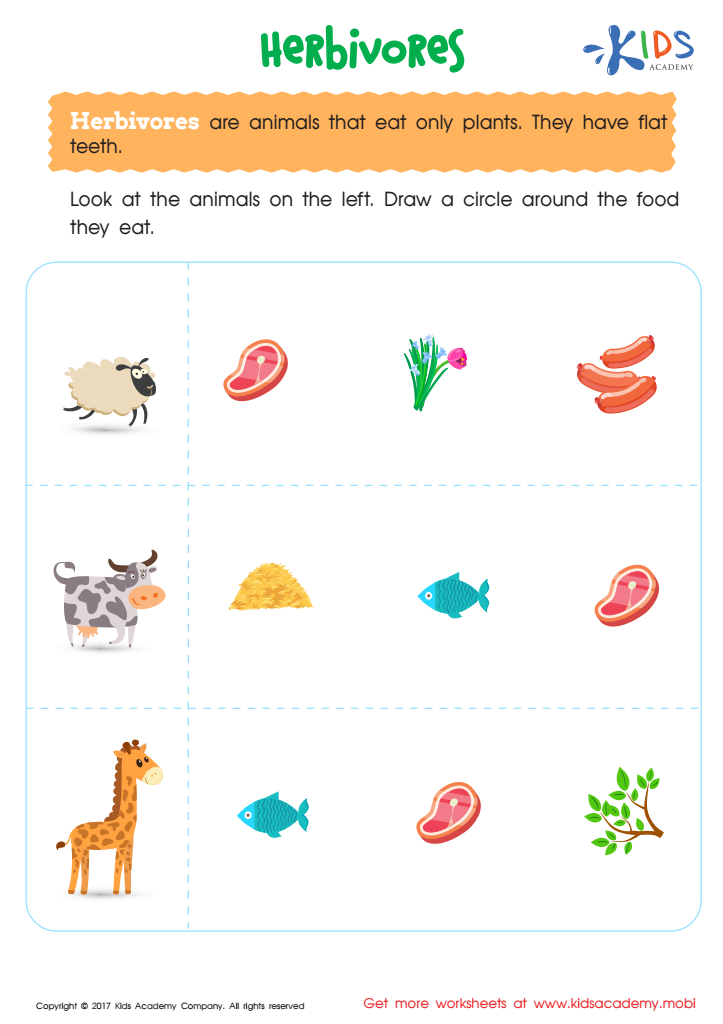
Herbivores Printable
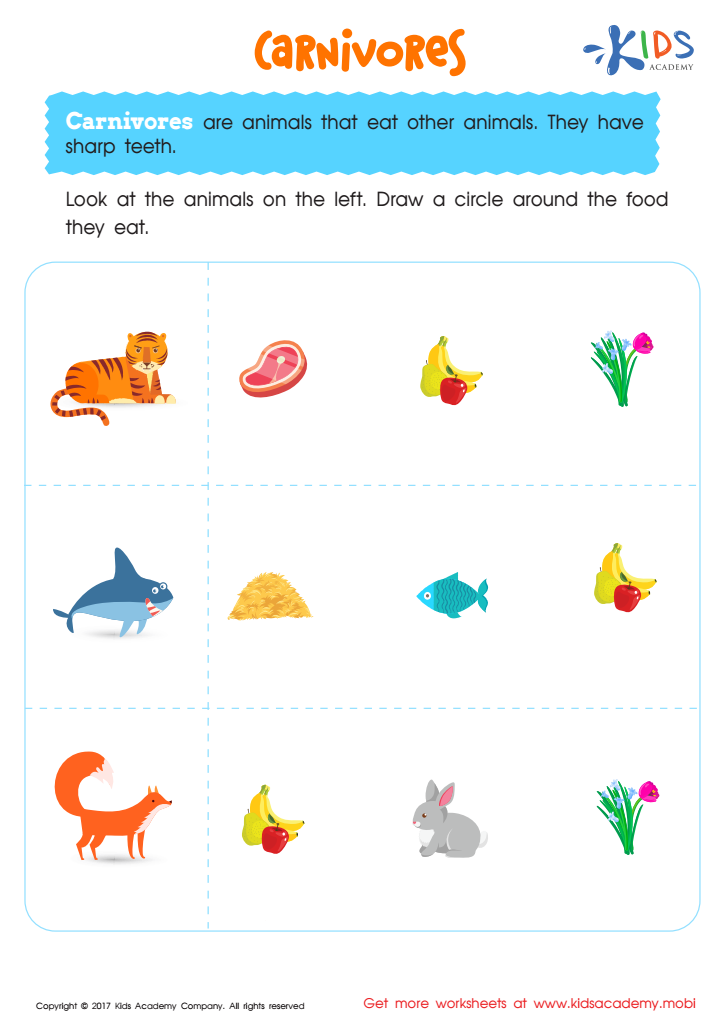
Carnivores Worksheet
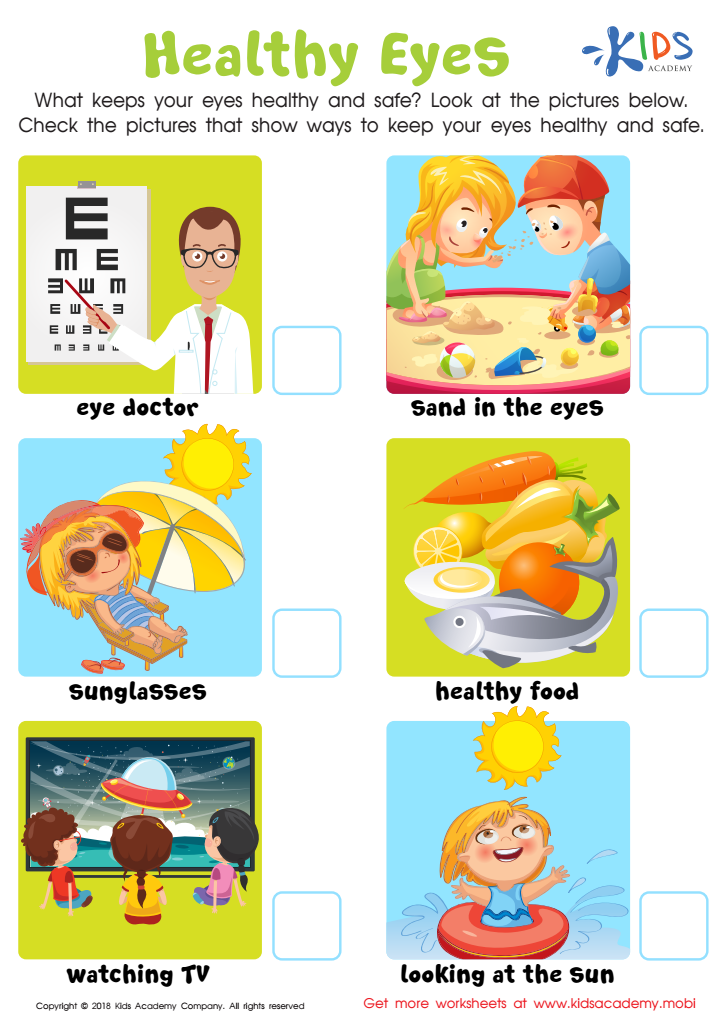
Healthy Eyes Worksheet


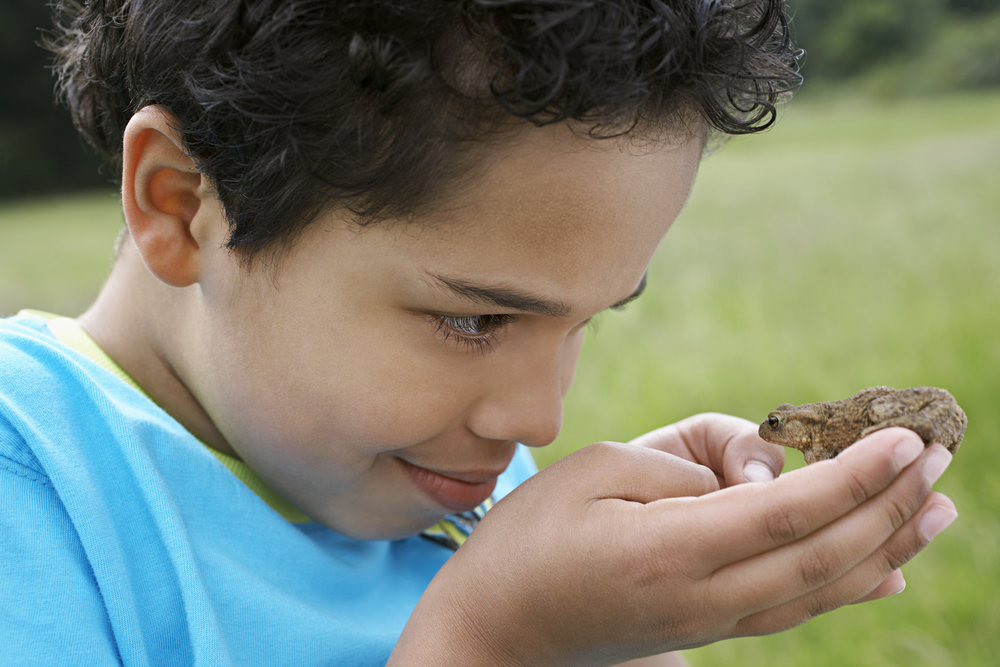



Parents and teachers should care about Life Science for ages 3-4 because it lays the foundation for children's understanding of the natural world, promoting curiosity and a sense of wonder. At this age, children are naturally inquisitive, eager to explore their environment. Introducing basic life science concepts—such as plants, animals, their habitats, and human body parts—helps nurture their exploration skills and fosters critical thinking.
Engaging kids with hands-on activities, like planting seeds or observing insects, encourages them to ask questions and seek answers, which builds not only foundational knowledge but also essential problem-solving skills. Additionally, life science education promotes a sense of responsibility and empathy toward living things, teaching children about ecosystems and the importance of caring for the environment.
Further, early exposure to life sciences can positively impact literacy and numeracy skills as children learn terminology, engage in storytelling about animals, or count seeds and leaves. It supports them in making connections between science and everyday life, encouraging a growth mindset and lifelong love for learning. By investing in life's science education early on, parents and teachers cultivate inquisitive, observant, and environmentally conscious individuals who are well-prepared for future academic pursuits.








