Sound Association Alphabet Worksheets for Ages 3-5
25 filtered results
-
From - To
Discover our engaging Sound Association Alphabet Worksheets designed specifically for children ages 3-5! These interactive activities help young learners connect sounds to letters, enhancing their phonemic awareness and building foundational literacy skills. Every worksheet features fun illustrations and activities that make learning the alphabet enjoyable and effective. By associating sounds with corresponding letters, kids develop critical early reading skills while enjoying a playful approach to learning. Perfect for parents and teachers, our worksheets provide an excellent resource for enhancing literacy in preschool and kindergarten environments. Start your child’s journey to reading success today with our Sound Association Alphabet Worksheets!
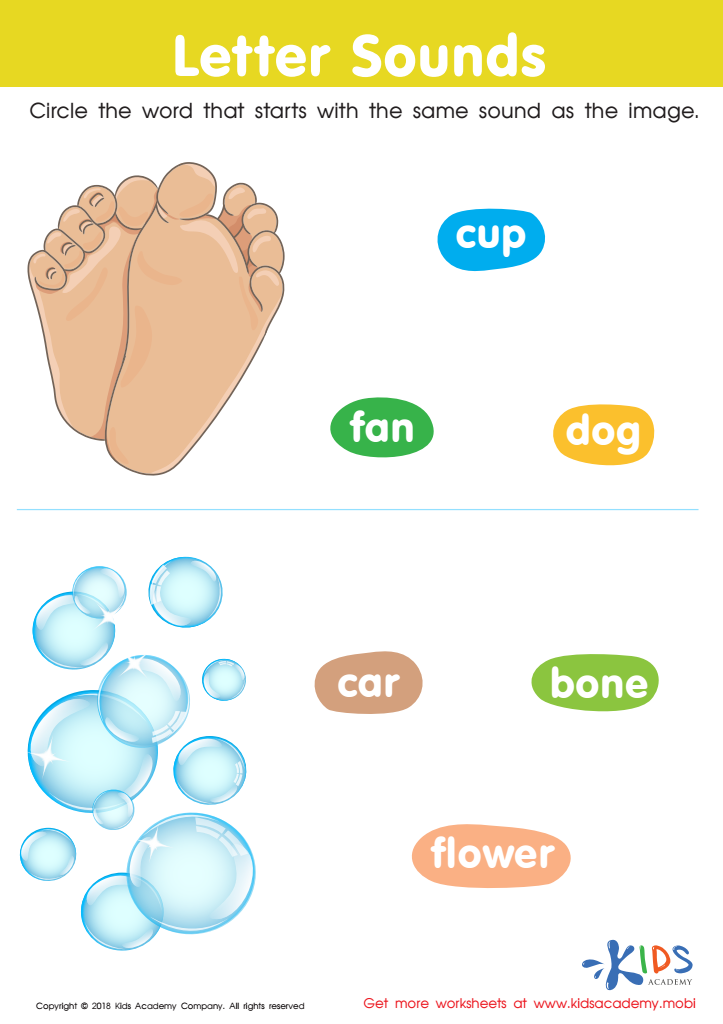
letter sounds Worksheet
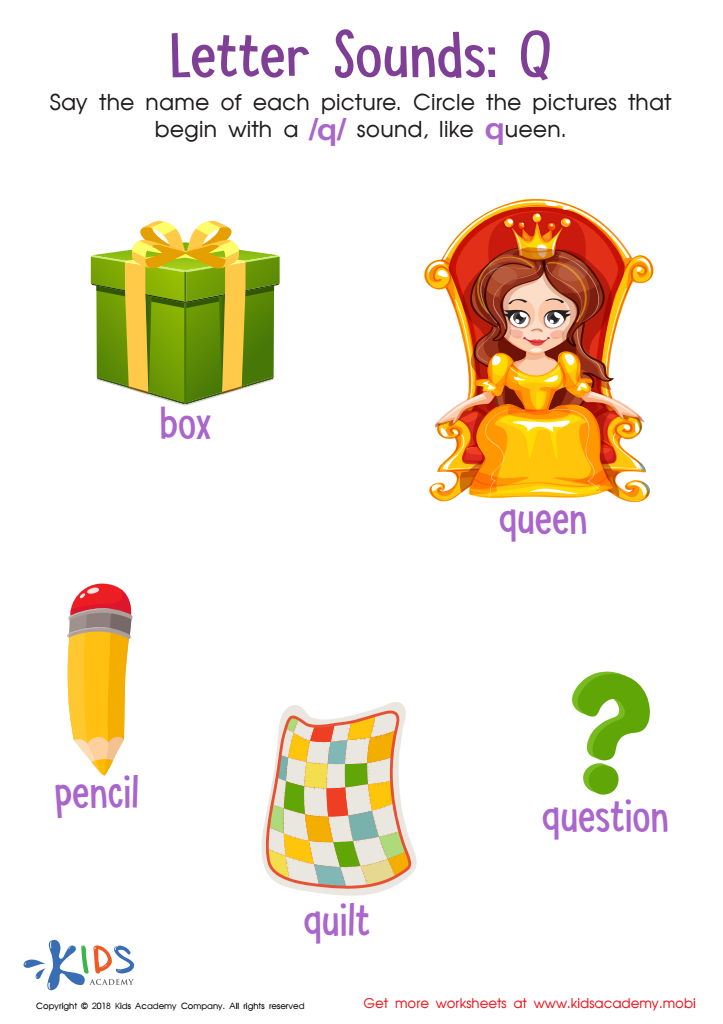
Letter Q Sounds Worksheet
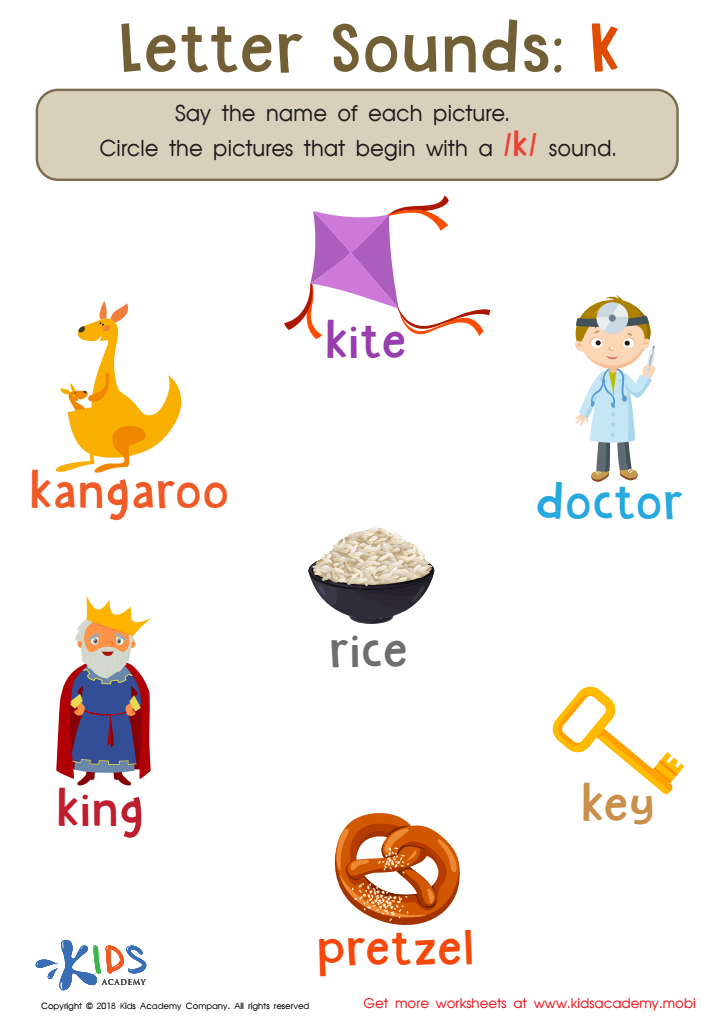
Letter K Sounds Worksheet
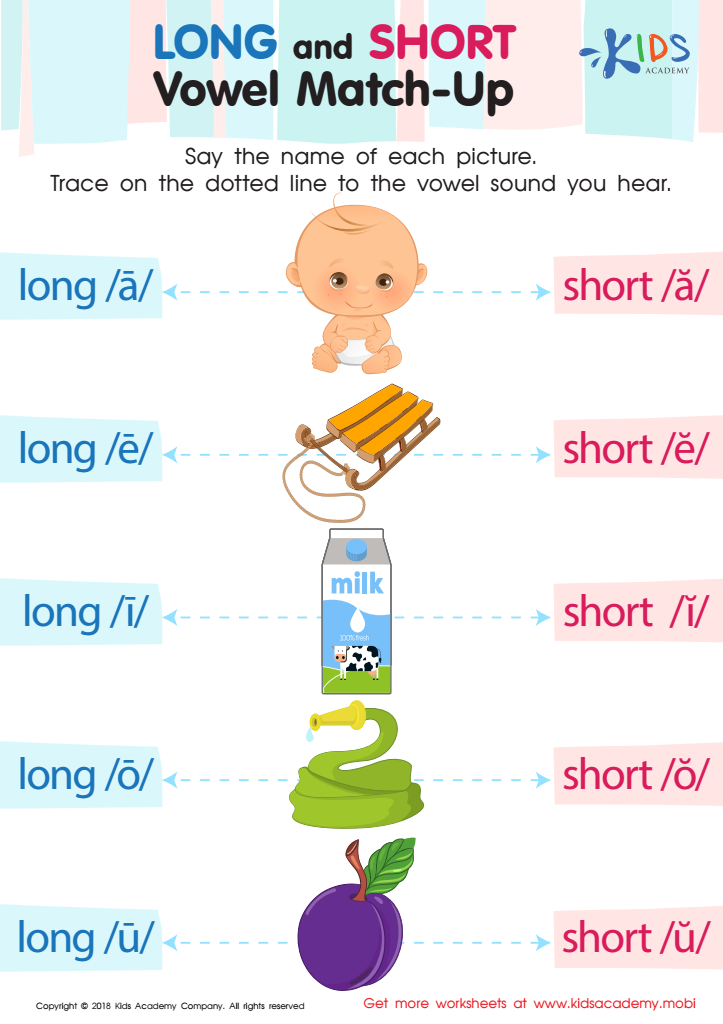
Long and Short Vowel Match up Reading Worksheet
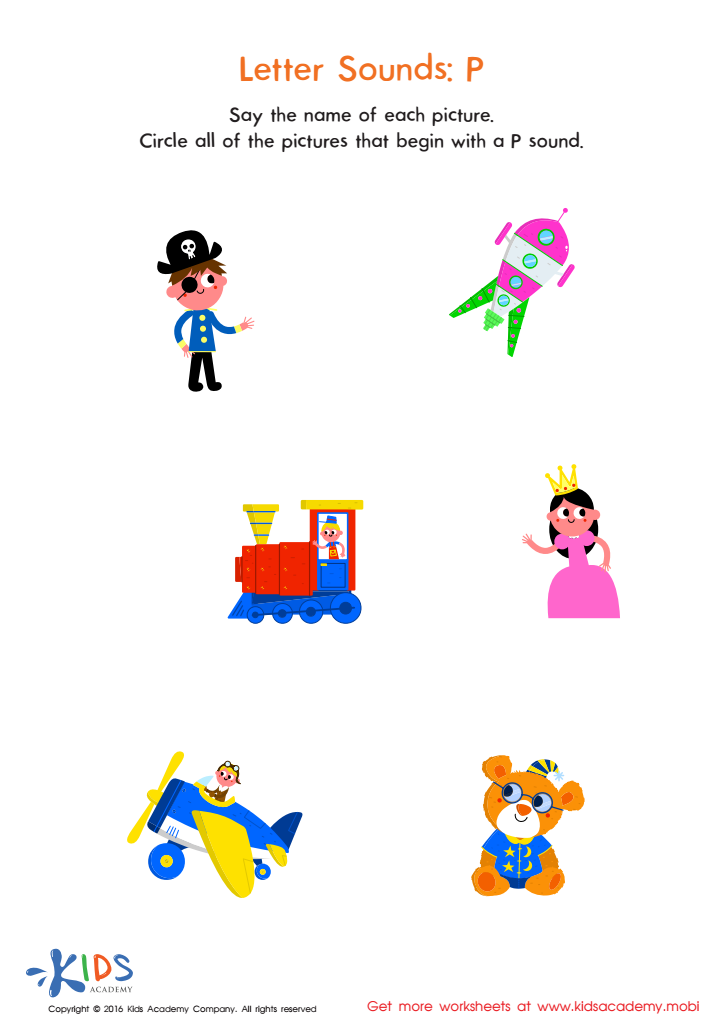
Letter P Sound Worksheet
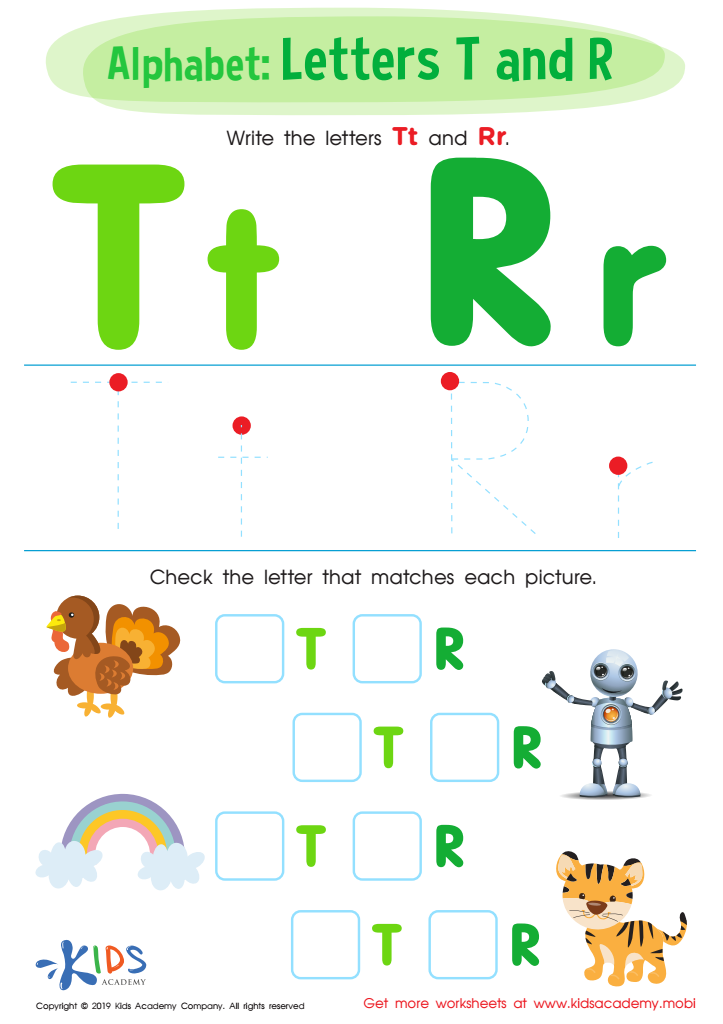
Letters T and R Worksheet
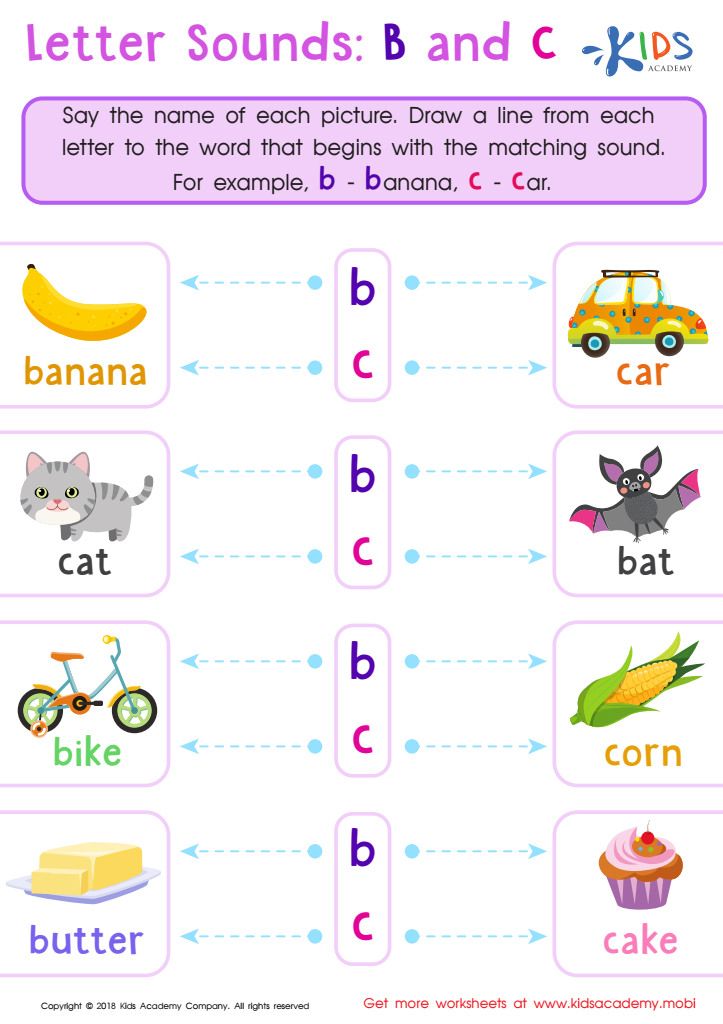
Letter B and C Sounds Worksheet
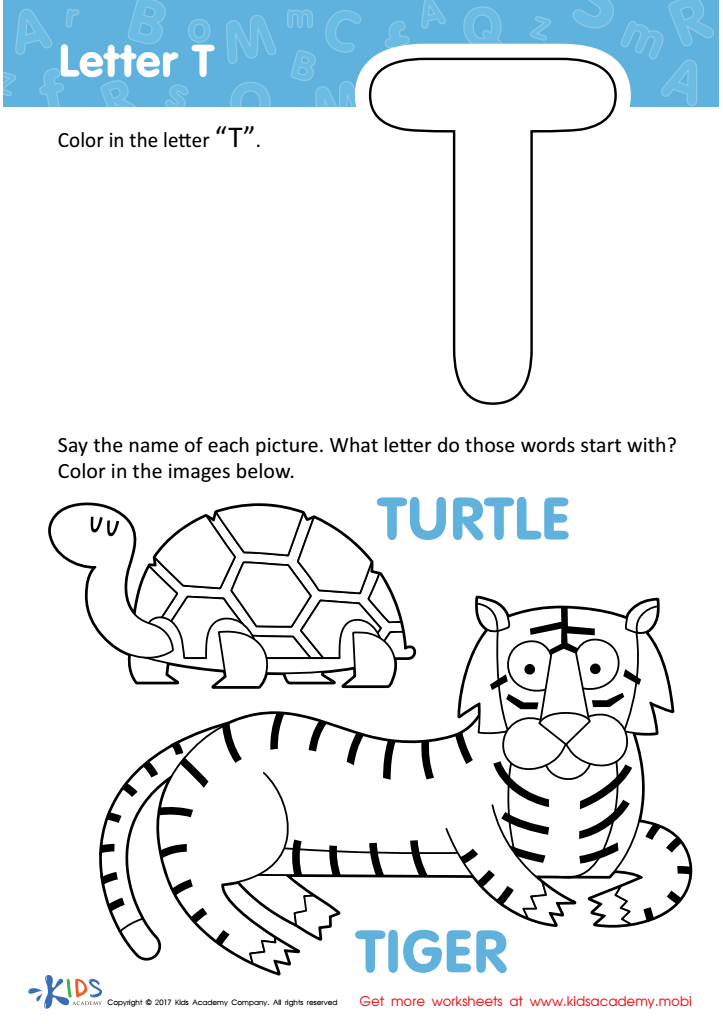
Letter T Coloring Sheet
 Assign to My Students
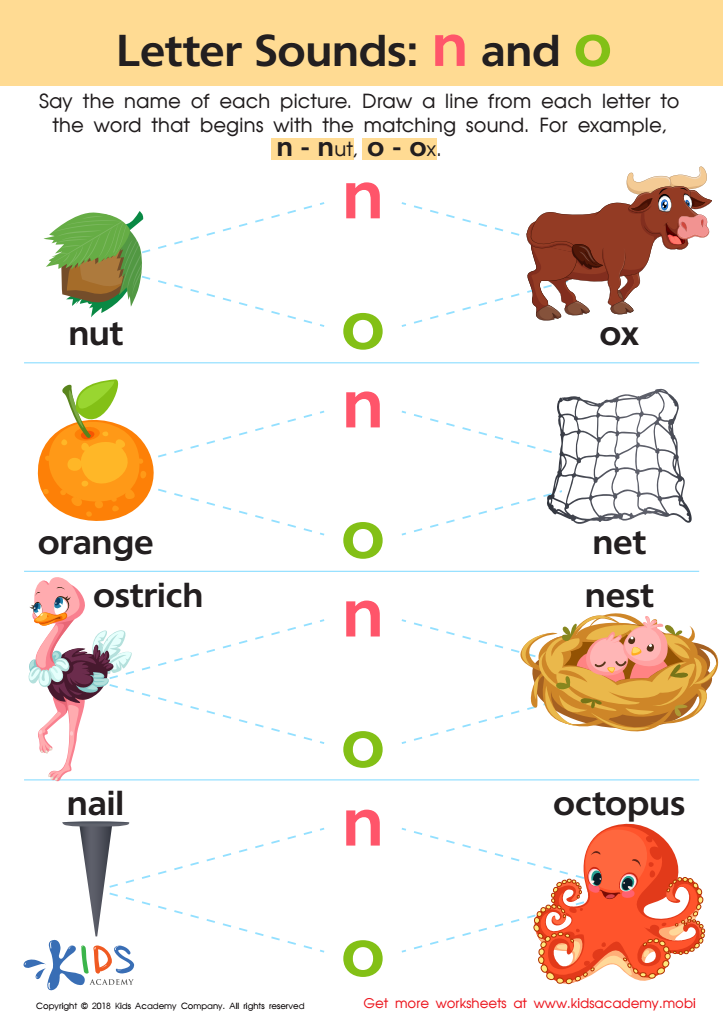
Letter N and O Sounds Worksheet
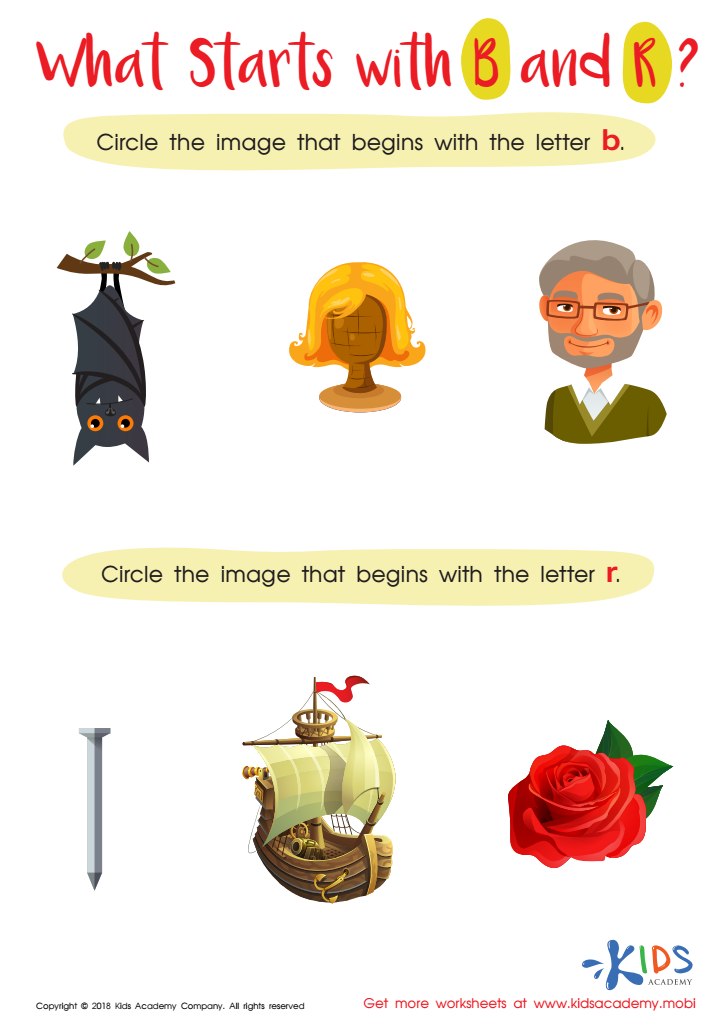
What Starts with B and R? Worksheet
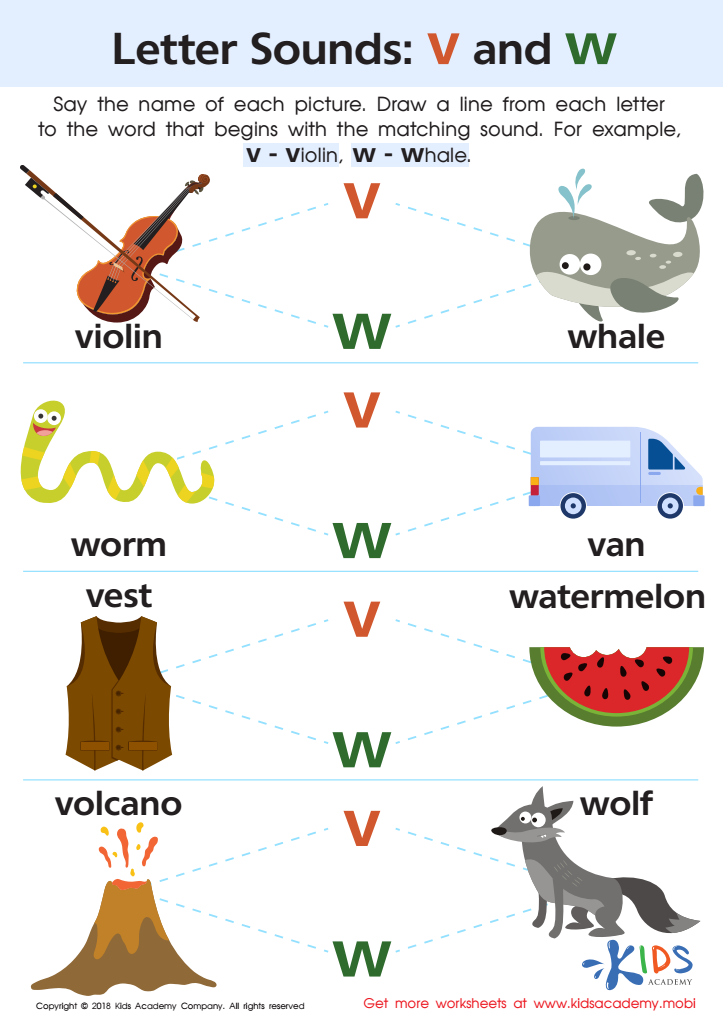
Letter V and W Sounds Worksheet
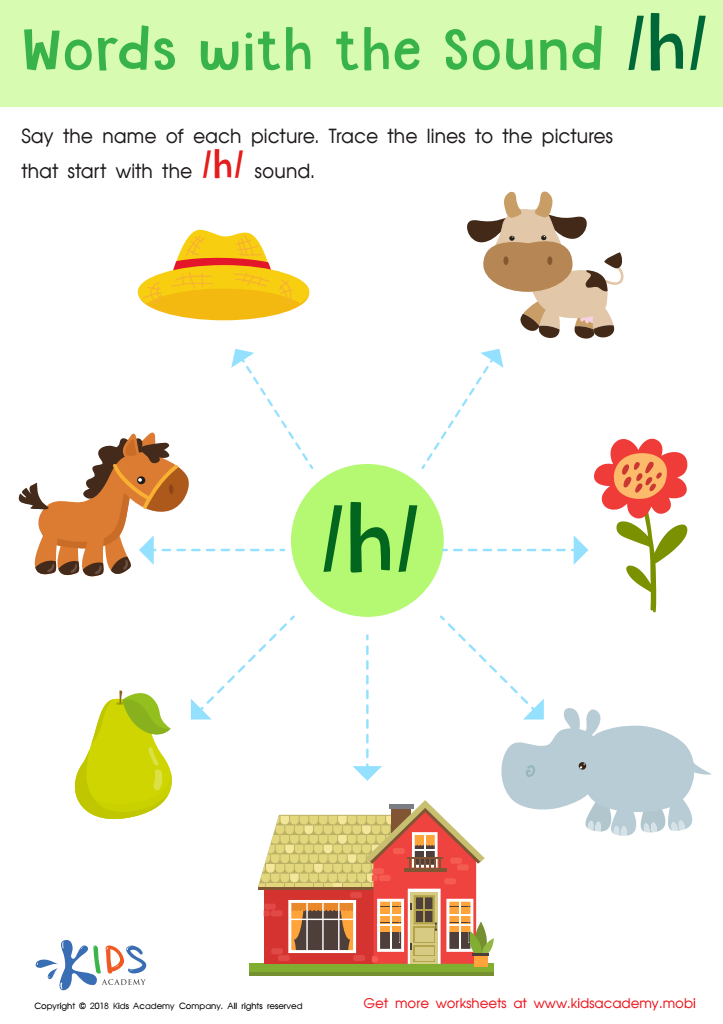
Words with sound h Reading Worksheet
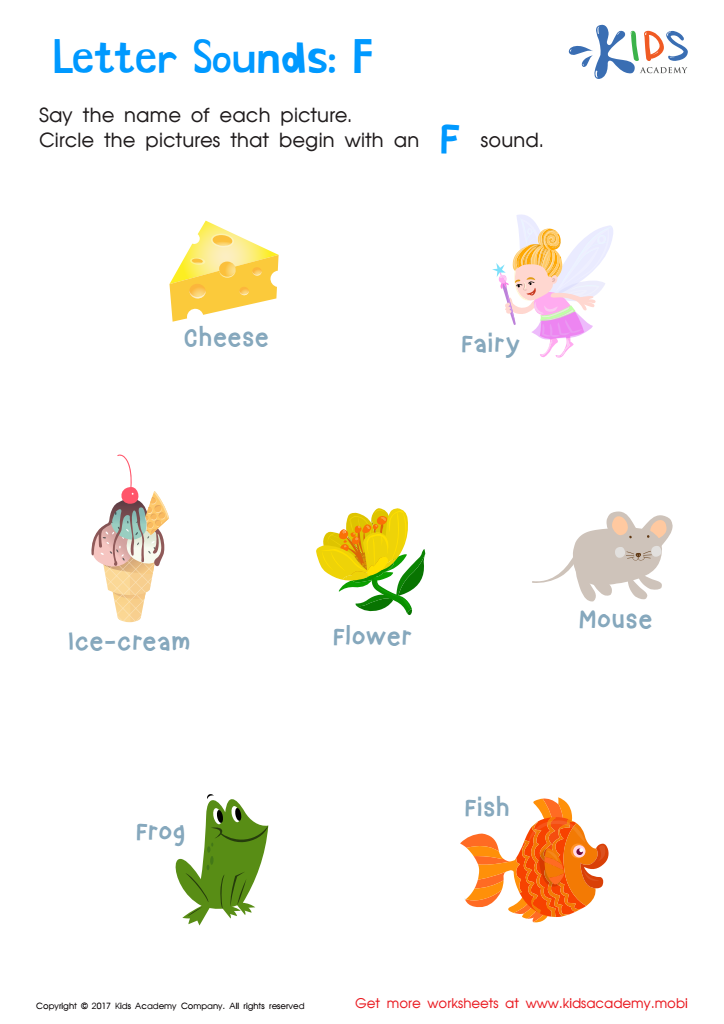
Letter F Sounds Worksheet
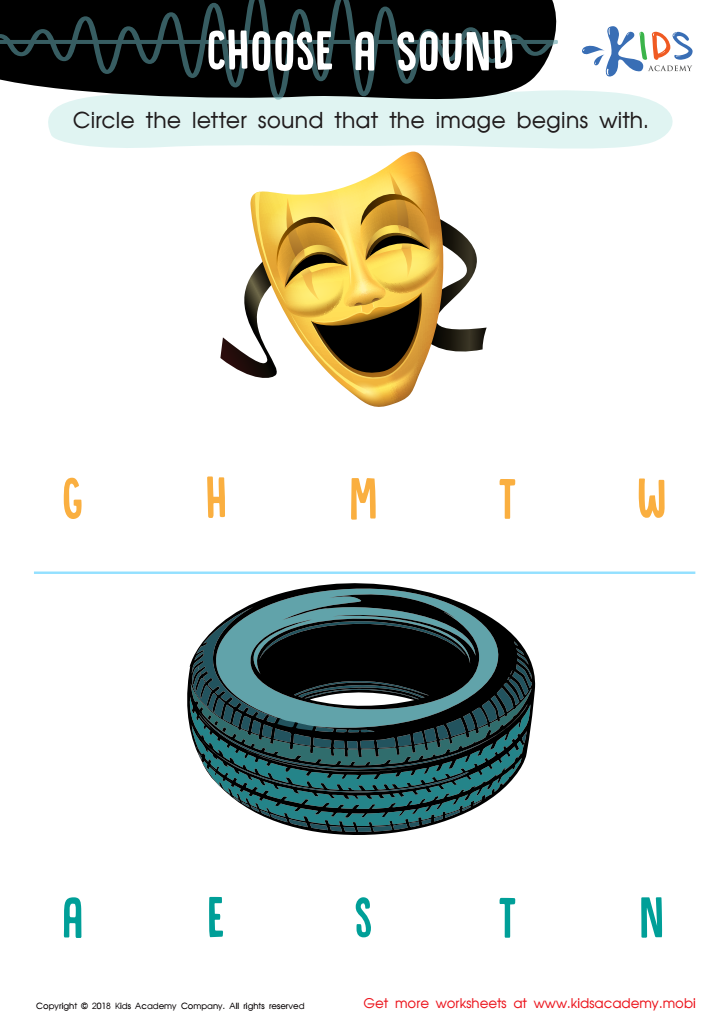
Choose a Sound Worksheet
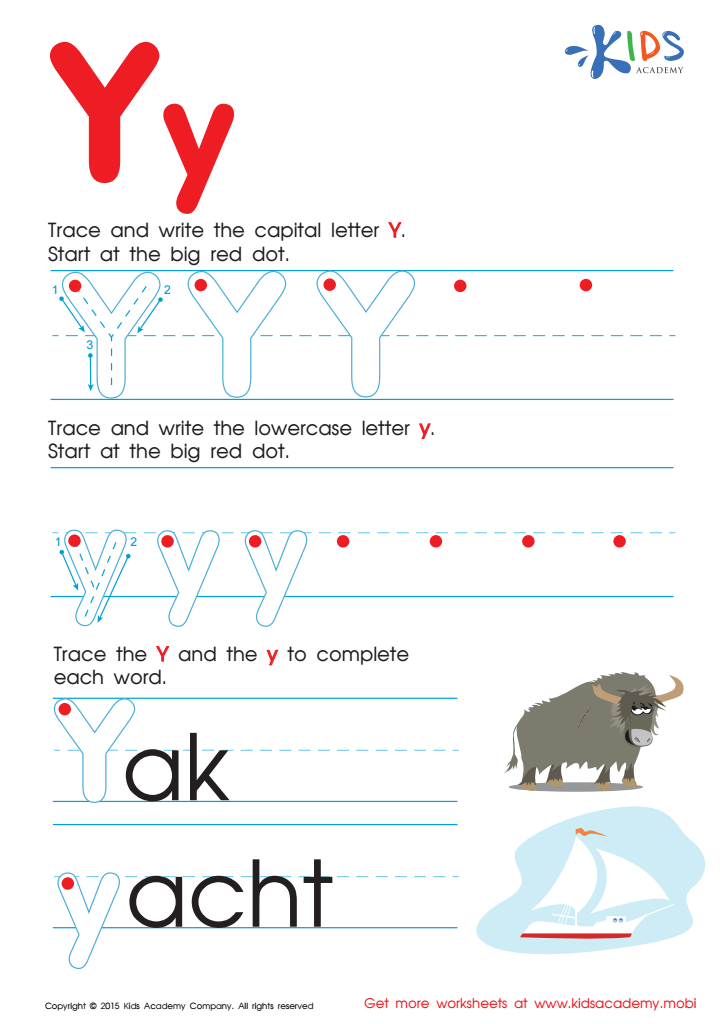
Letter Y Tracing Page
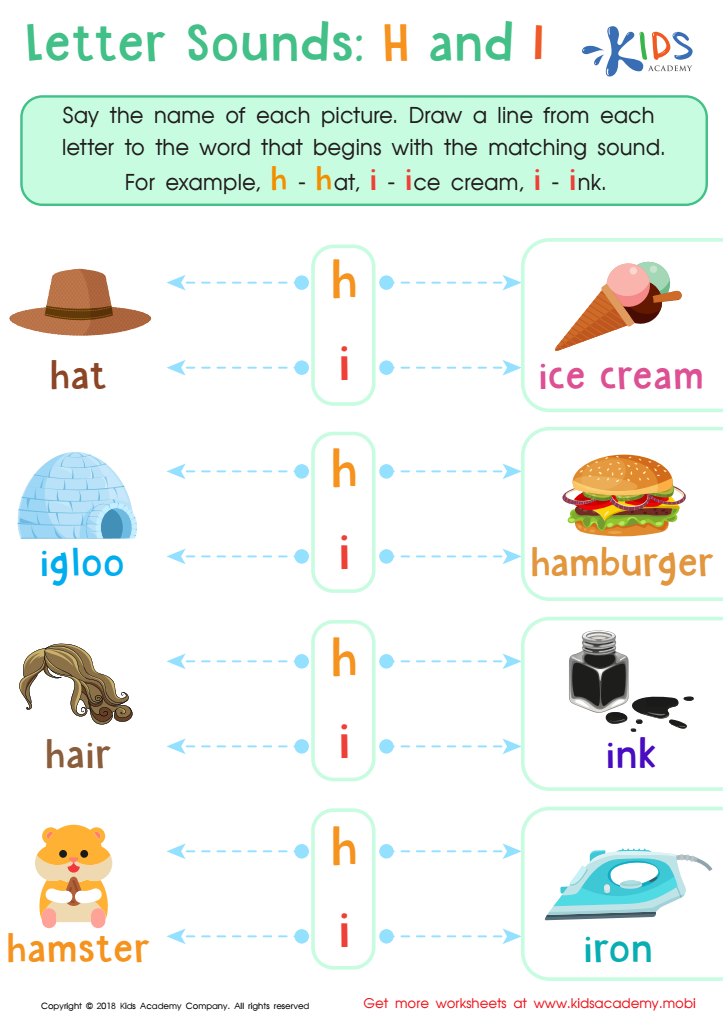
Letter H and I Sounds Worksheet
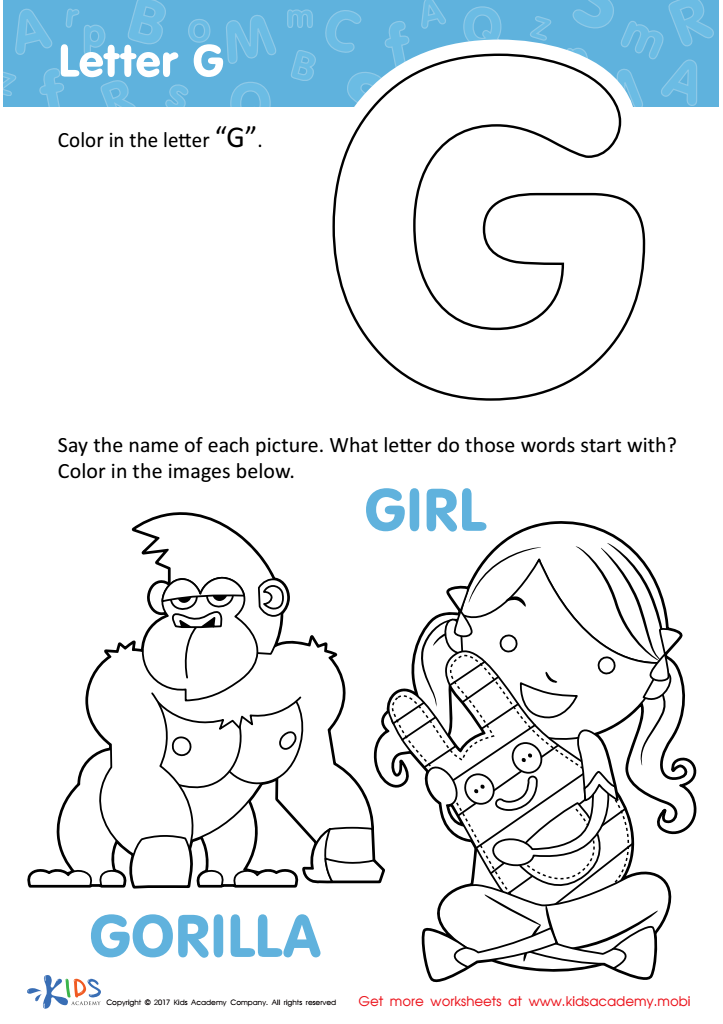
Letter G Coloring Sheet
Assign to My Students
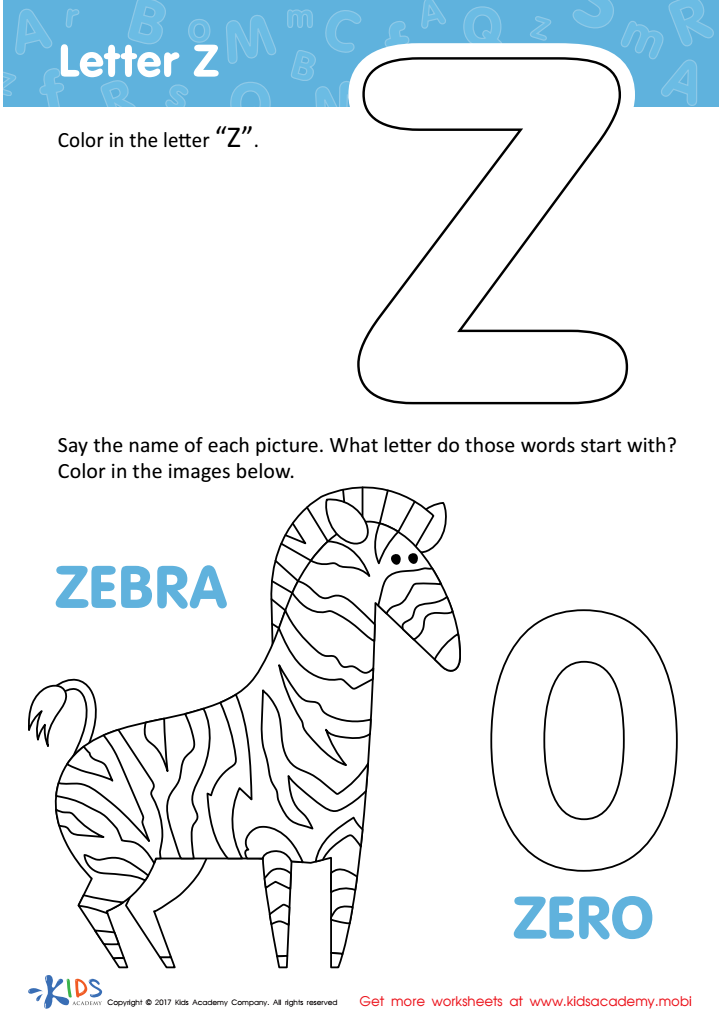
Letter Z Coloring Sheet
Assign to My Students
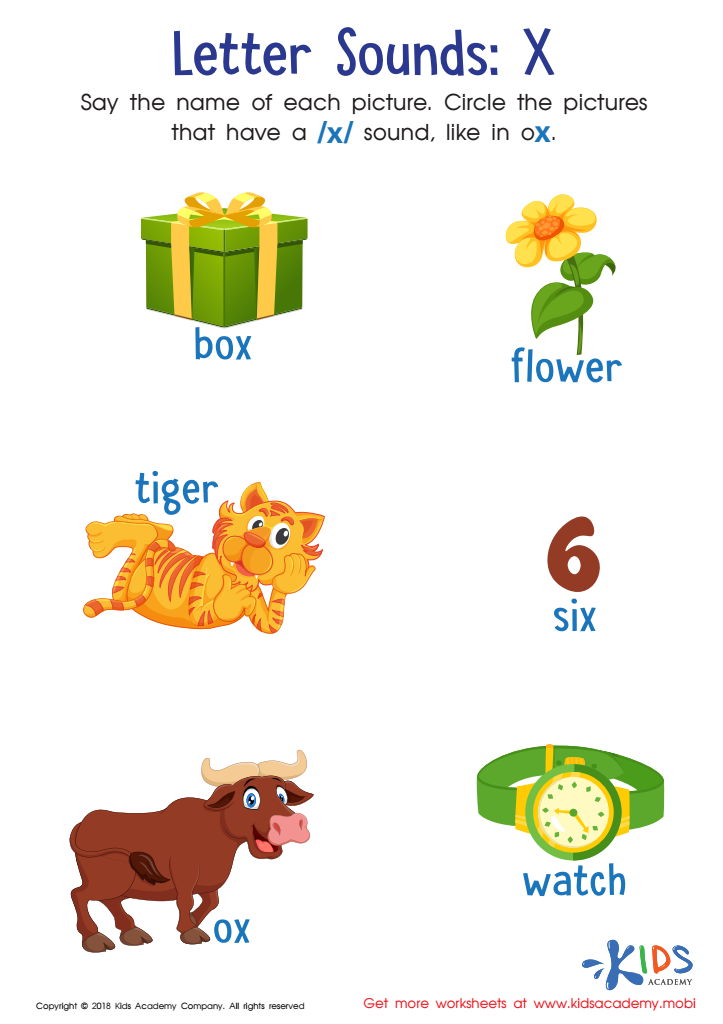
Letter X Sounds Worksheet
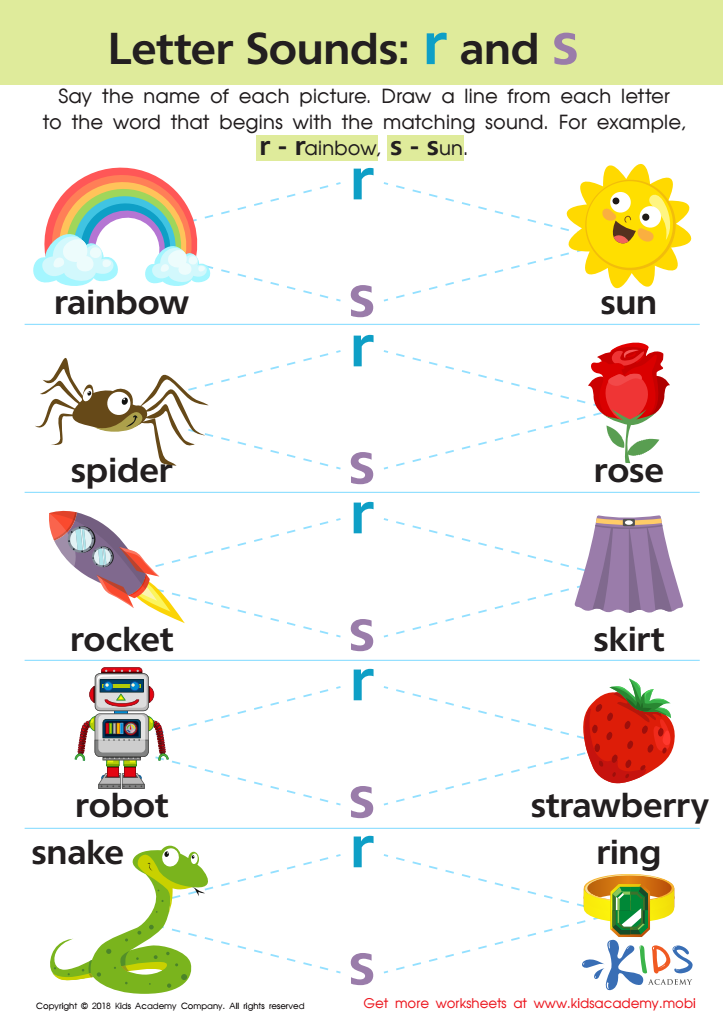
Letter R and S Sounds Worksheet
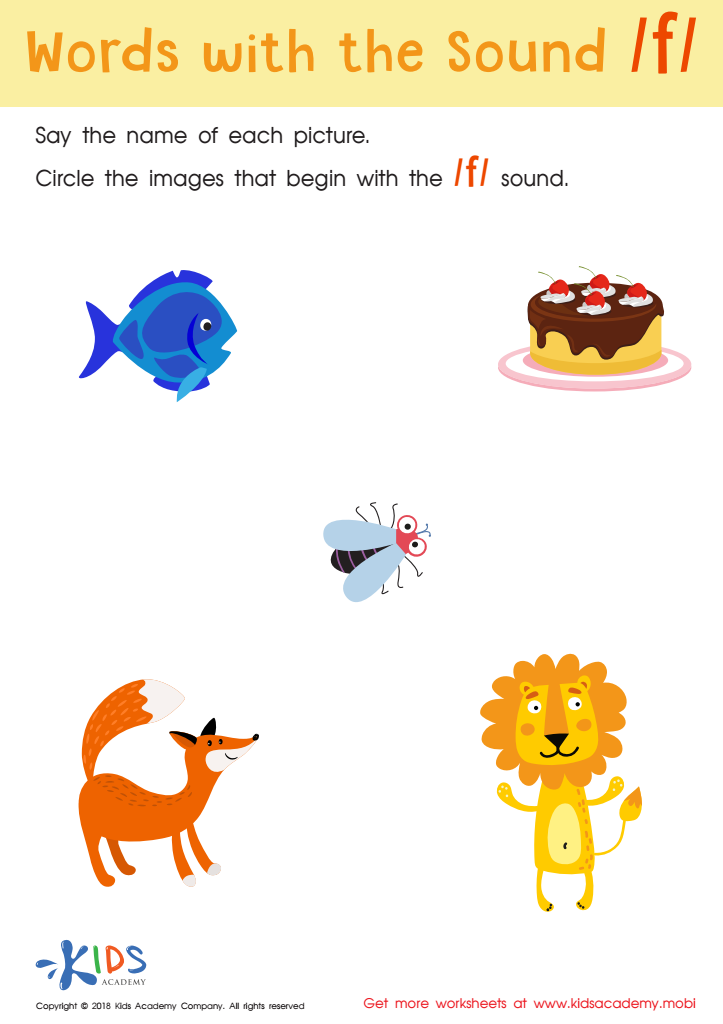
Words with sound f Reading Worksheet
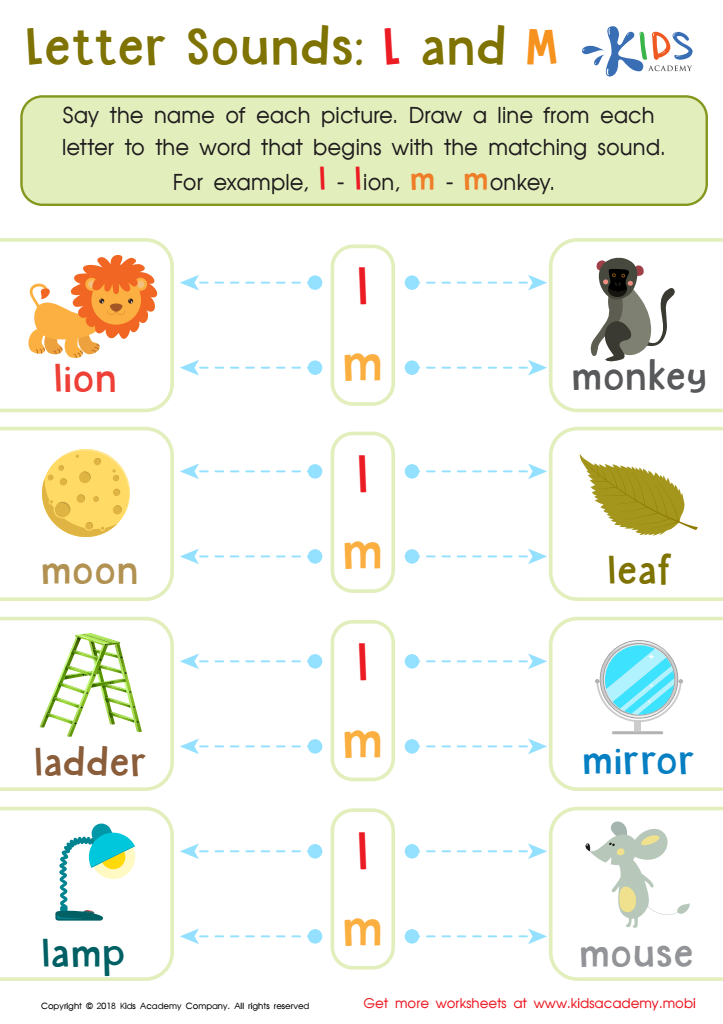
Letter l and M Sounds Worksheet
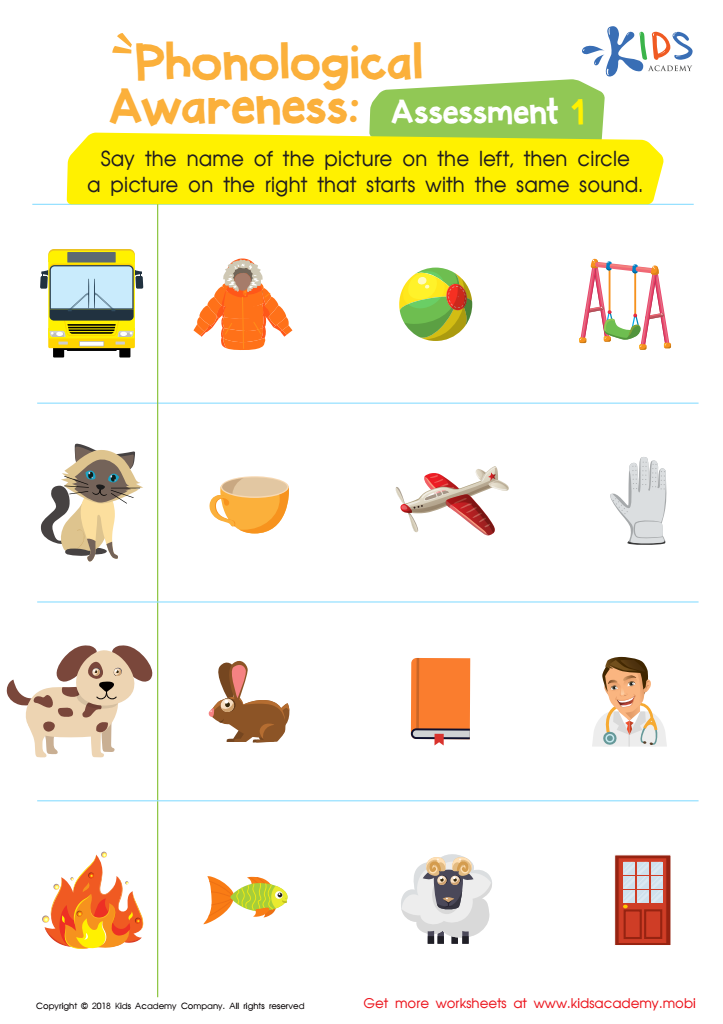
Phonological Awareness: Assessment 1 Worksheet
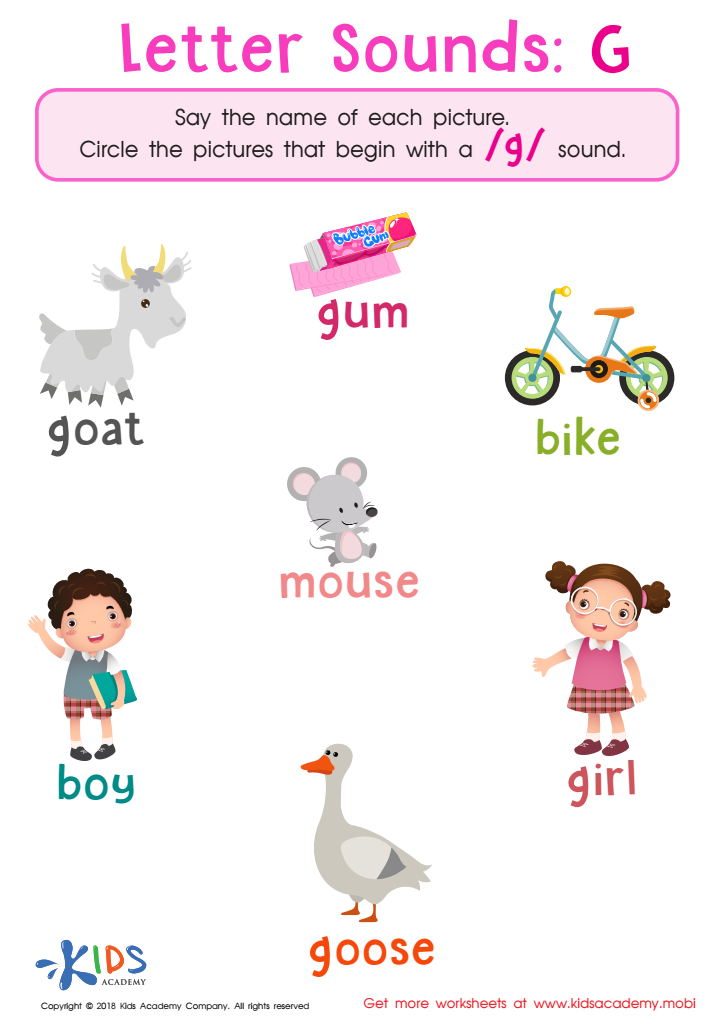
Letter G Sounds Worksheet





Sound Association Alphabet (SAA) is crucial for children aged 3-5 because it lays the foundation for early literacy skills. During this formative stage, kids develop critical connections between sounds and symbols, fostering their future reading and writing abilities. By associating letters with specific sounds, children can begin to break down words into manageable pieces, improving their phonemic awareness. This skill is essential for decoding words, which ultimately supports fluent reading.
Moreover, understanding the Sound Association Alphabet facilitates vocabulary growth and pronunciation accuracy. When children can link sounds to letters, they become more confident in their ability to express themselves, both verbally and in writing. This positive reinforcement can also encourage a lifelong love for reading and learning.
Engaging children with SAA through playful and interactive methods—like songs, games, and storytime—makes the experience enjoyable, ensuring they stay motivated in their learning journey. Teachers and parents play a pivotal role in guiding and reinforcing this knowledge at home and in the classroom. By supporting Sound Association Alphabet instruction, they invest in their children's future success, helping them navigate the complexities of language with ease. Ultimately, emphasizing SAA contributes to building well-rounded, literate individuals ready to explore the world around them.







