Vocabulary enhancement Alphabet Worksheets for Ages 3-5
32 filtered results
-
From - To
Boost your child's vocabulary with our engaging Vocabulary Enhancement Alphabet Worksheets, specifically designed for ages 3 to 5! These worksheets introduce young learners to essential words while reinforcing their connection with the alphabet. Through fun activities and colorful illustrations, children will enhance their language skills, building a robust foundation for future learning. Each worksheet features interactive exercises that encourage creativity and critical thinking, making vocabulary learning enjoyable and effective. Perfect for home learning or classroom activities, our resources help toddlers develop confidence in their language abilities. Download now and watch your child's vocabulary thrive!
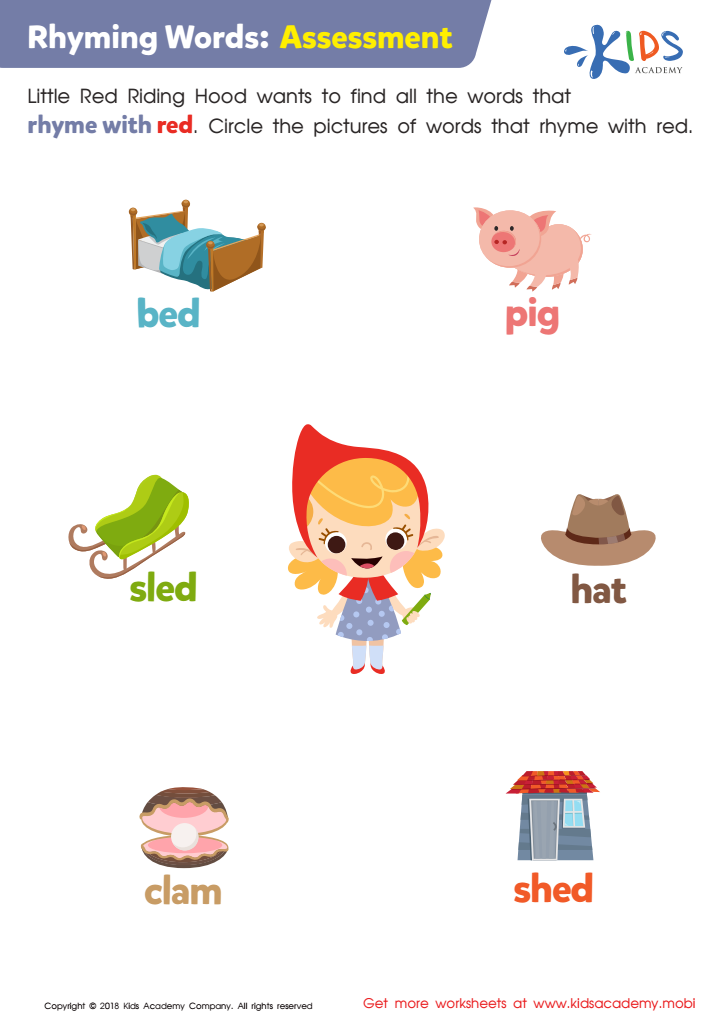
Rhyming Words: Assessment Worksheet
 Assign to My Students
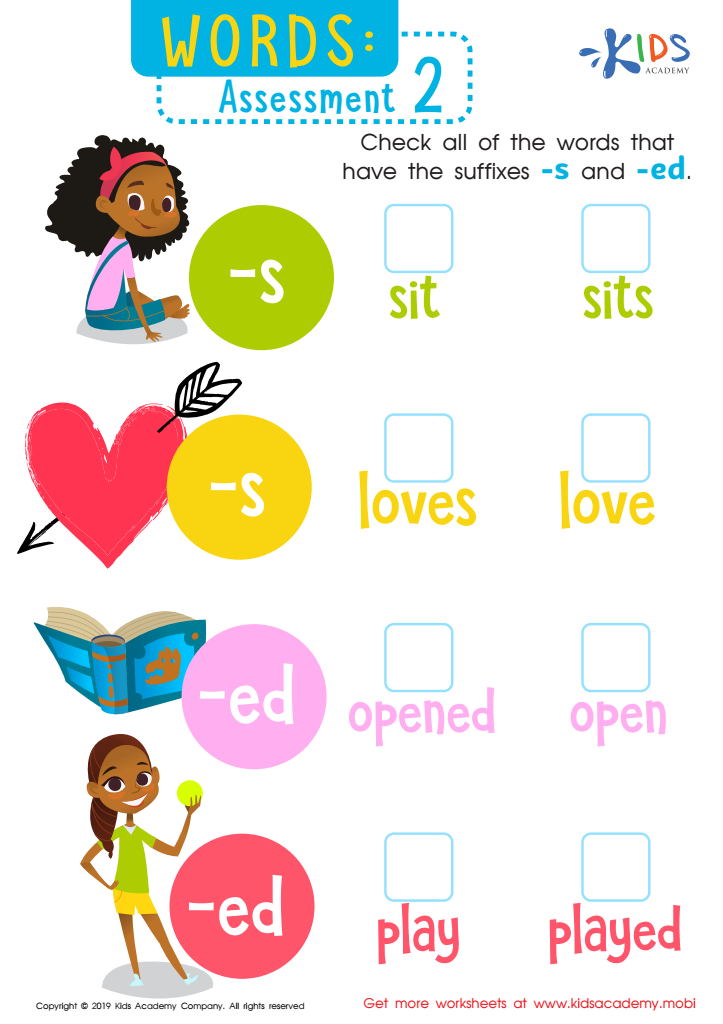
Words: Assessment 2 Worksheet
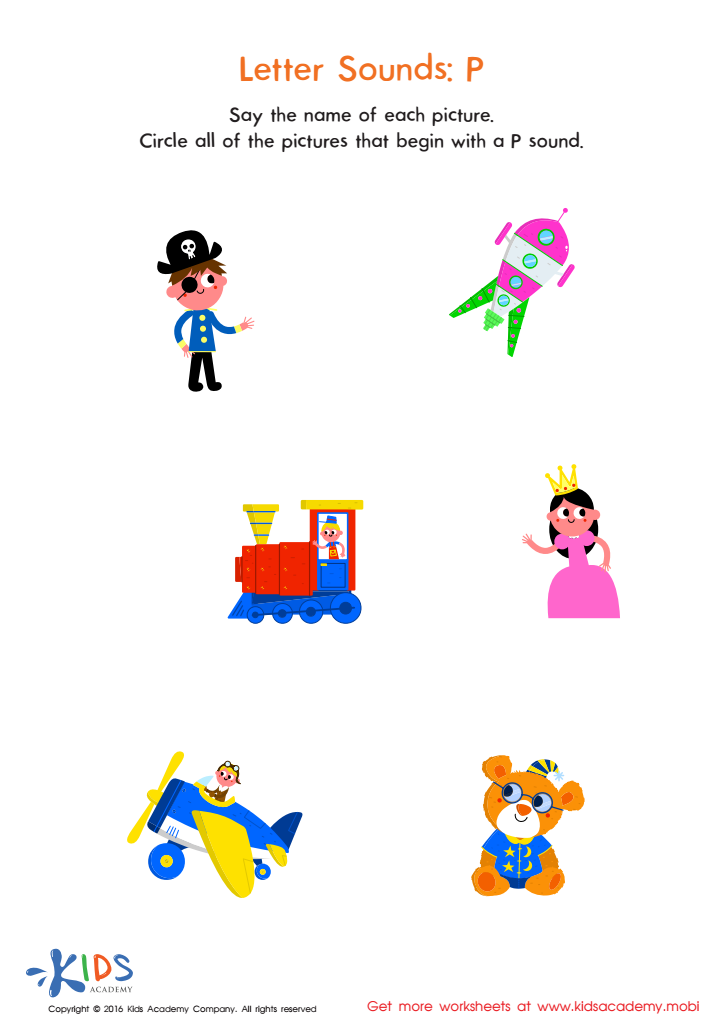
Letter P Sound Worksheet
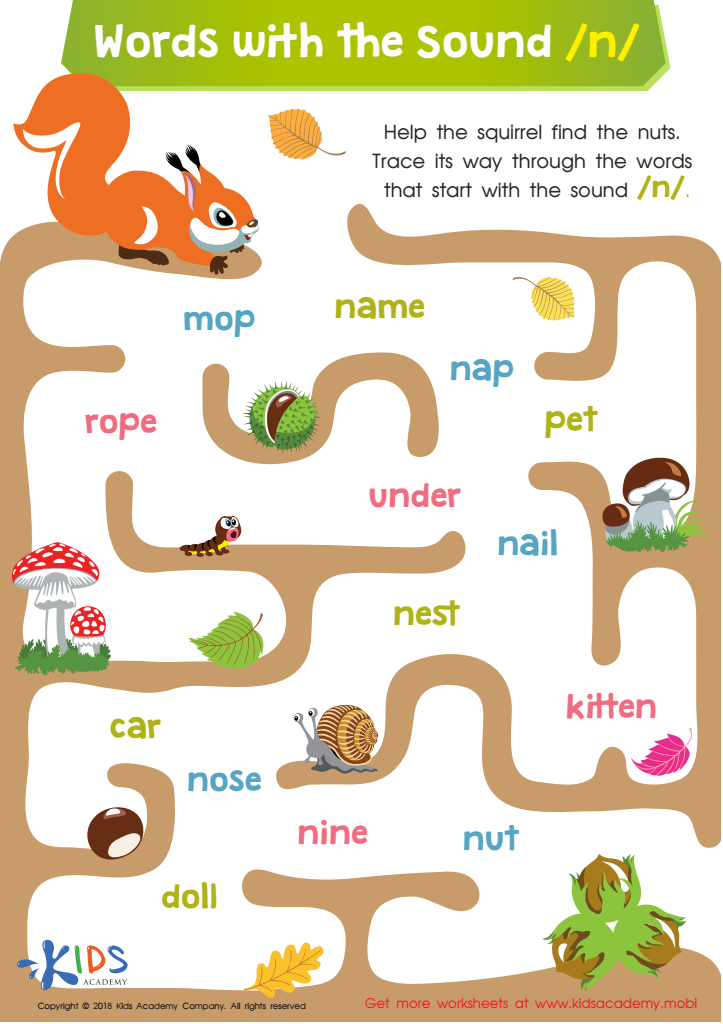
Words with Sound N Reading Worksheet
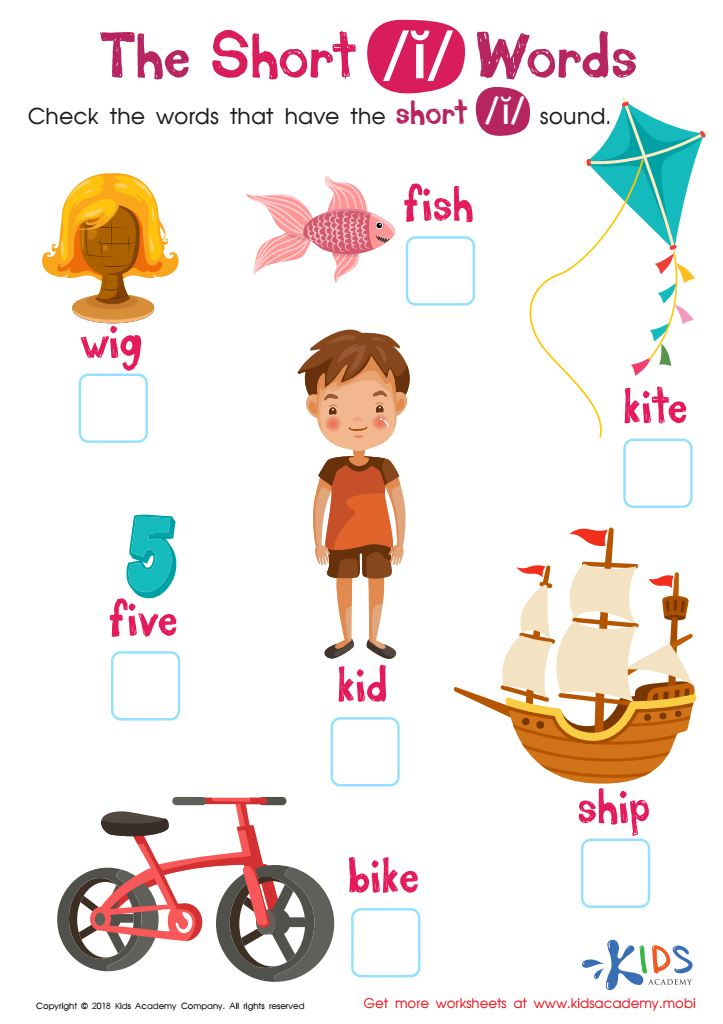
The Short I Words Reading Worksheet
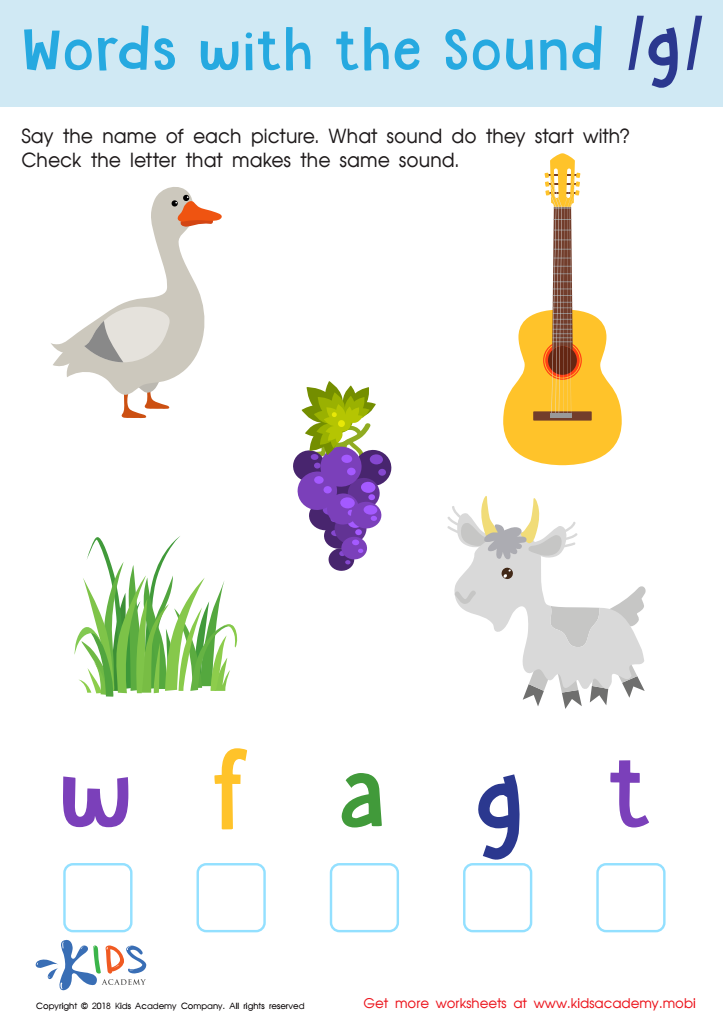
Words with sound g Reading Worksheet
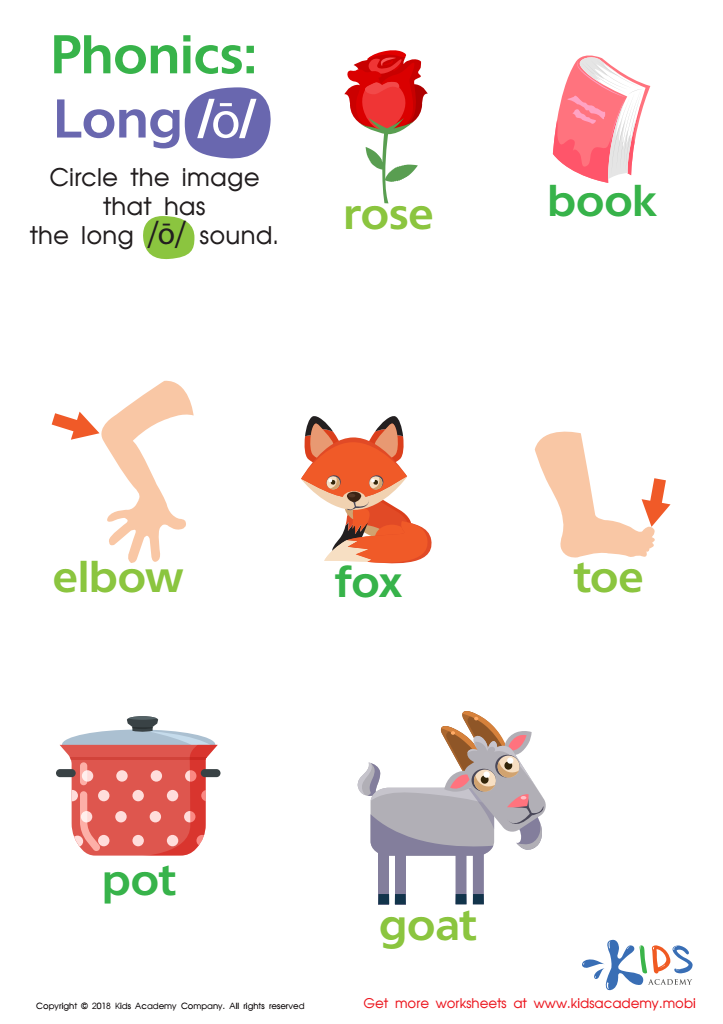
Phonics Long O Reading Worksheet
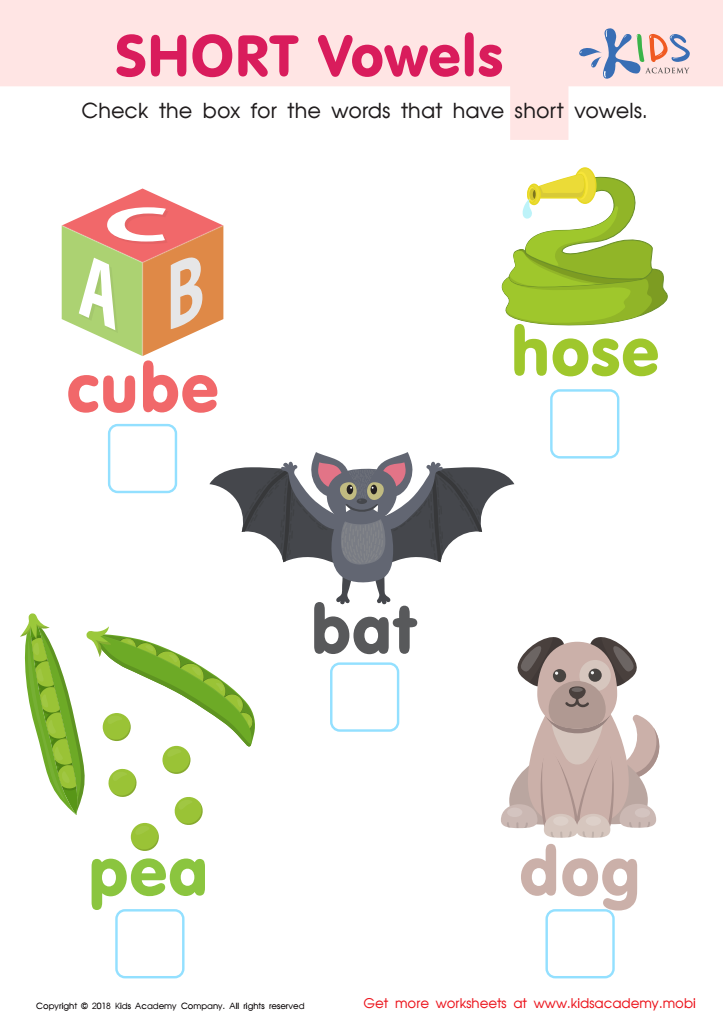
short vowels Worksheet
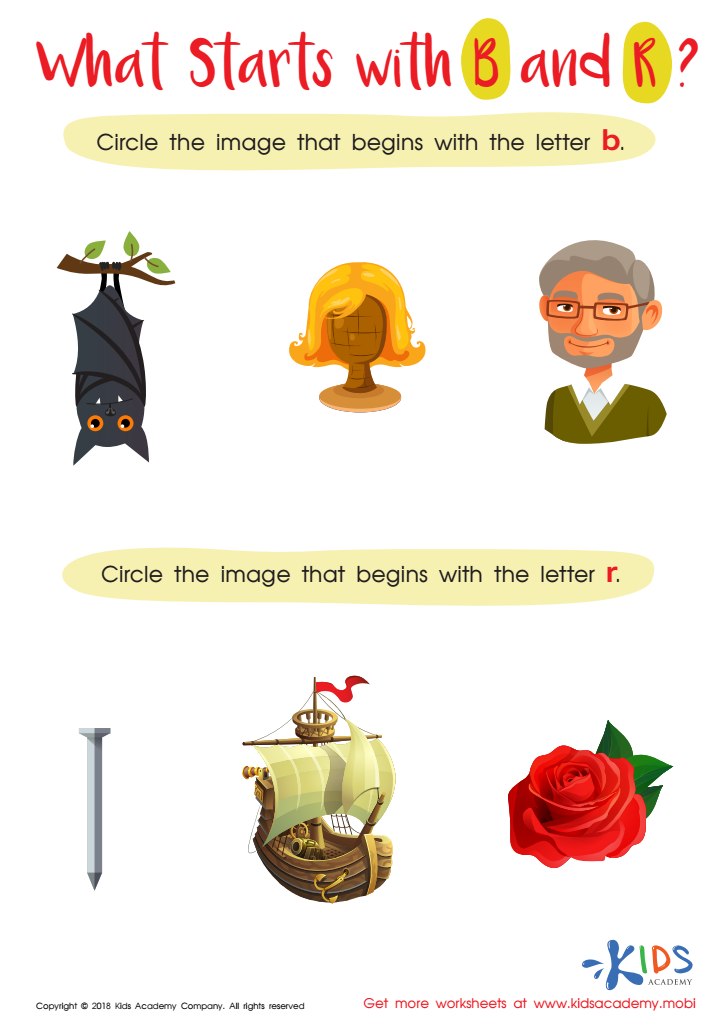
What Starts with B and R? Worksheet
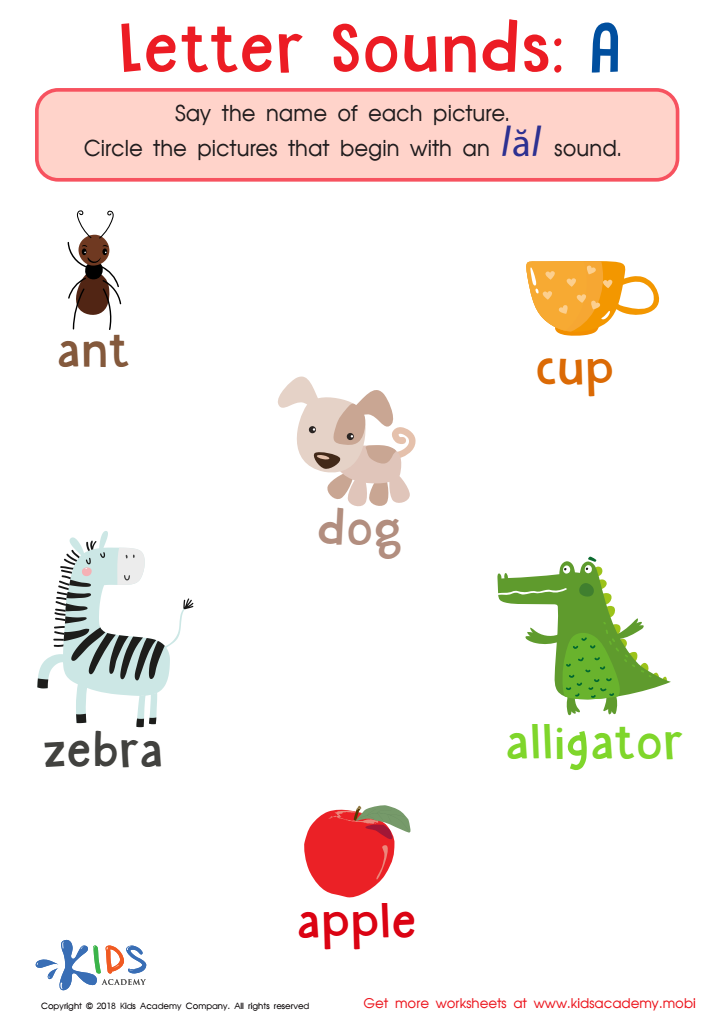
Letter A Sounds Worksheet
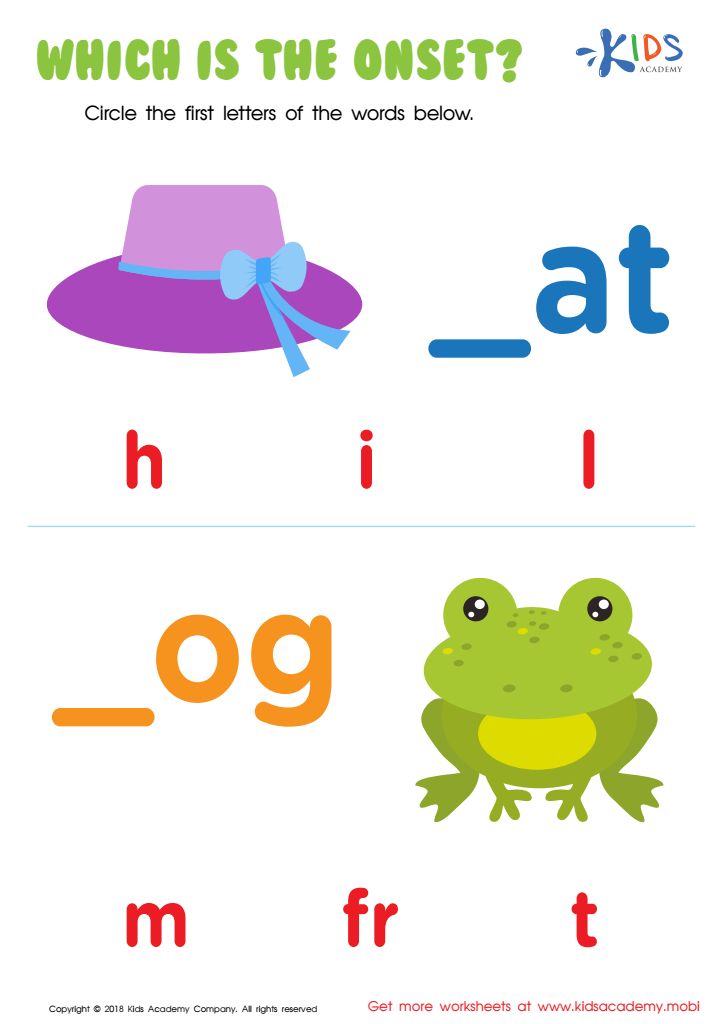
Which Is the Onset? Worksheet
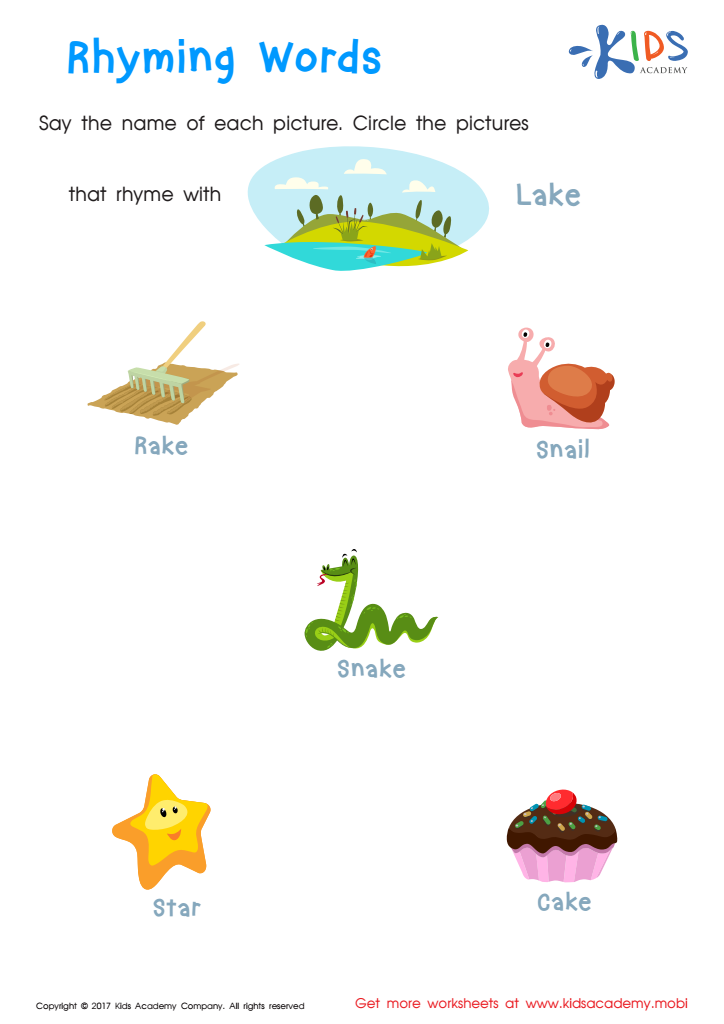
Rhyming Words Rhyming Worksheet
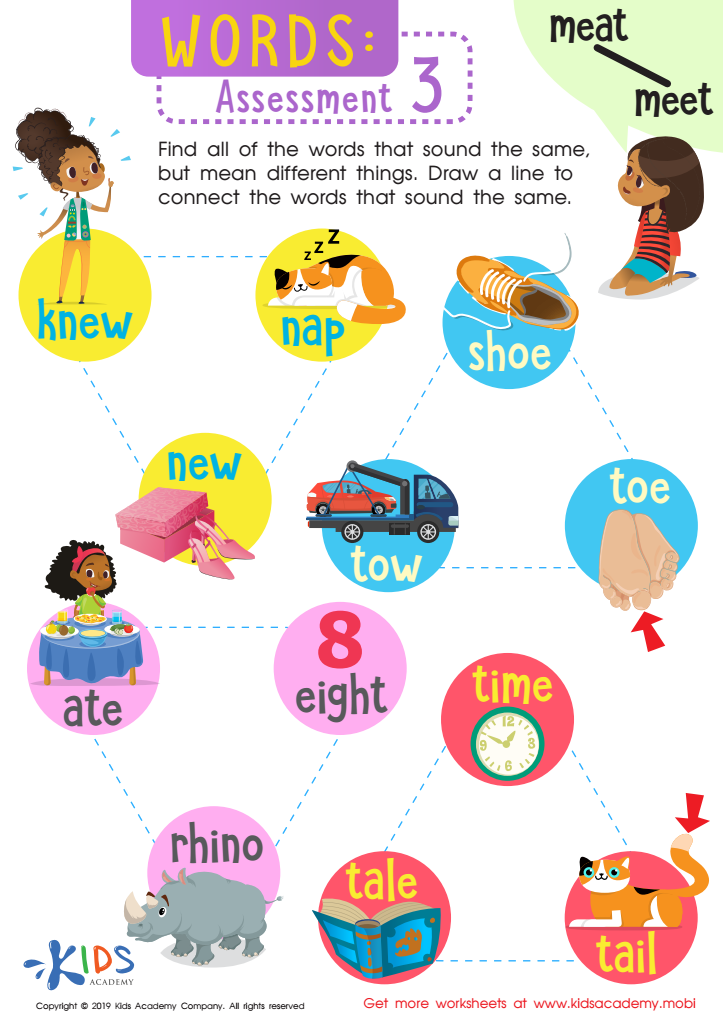
Words: Asessment 3 Worksheet
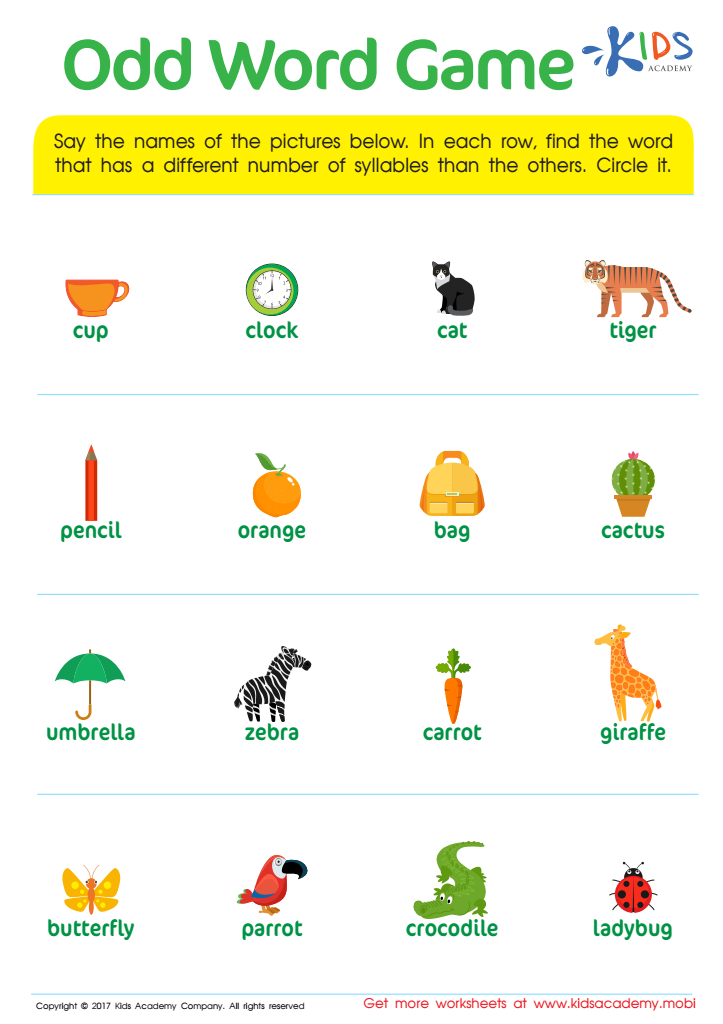
Count Syllables: Odd Word Game Worksheet
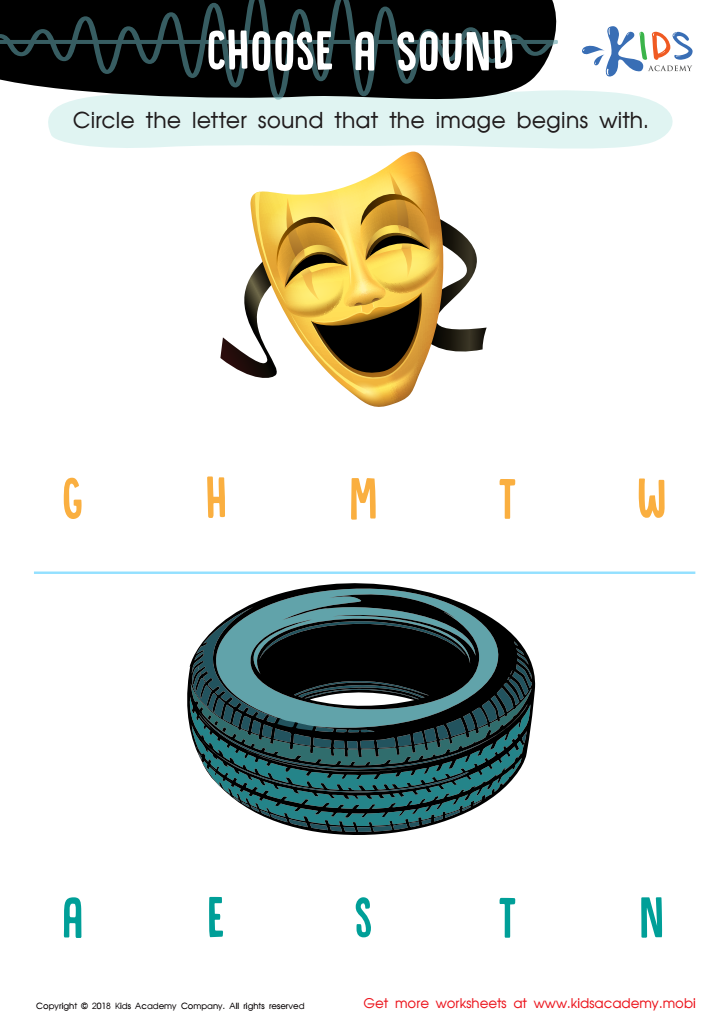
Choose a Sound Worksheet
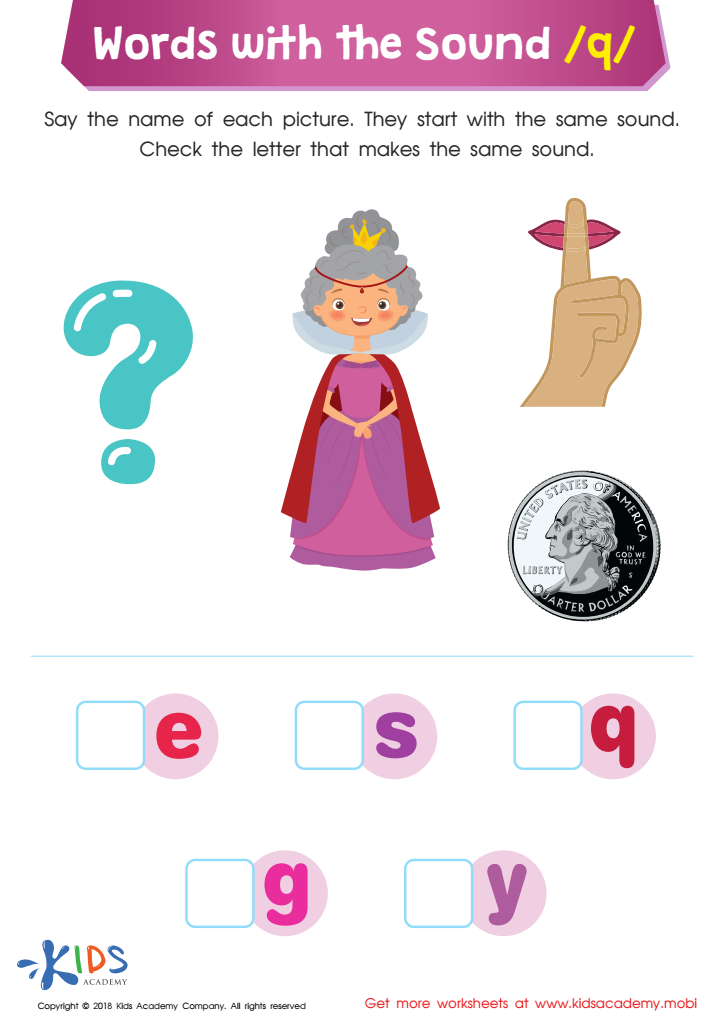
Words with Sound Q Reading Worksheet
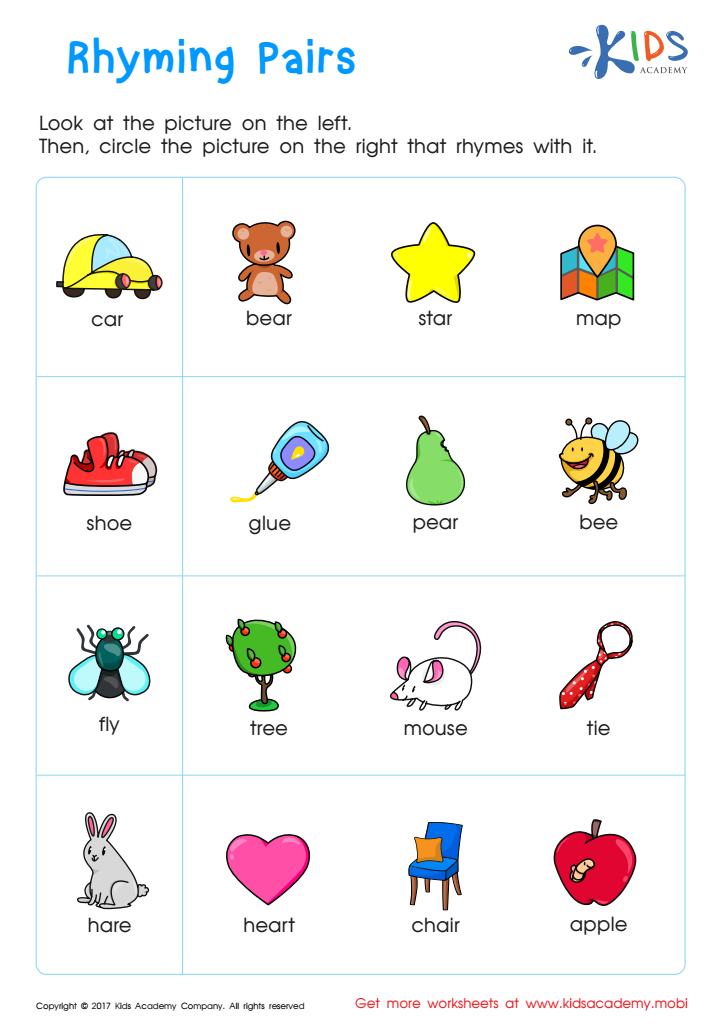
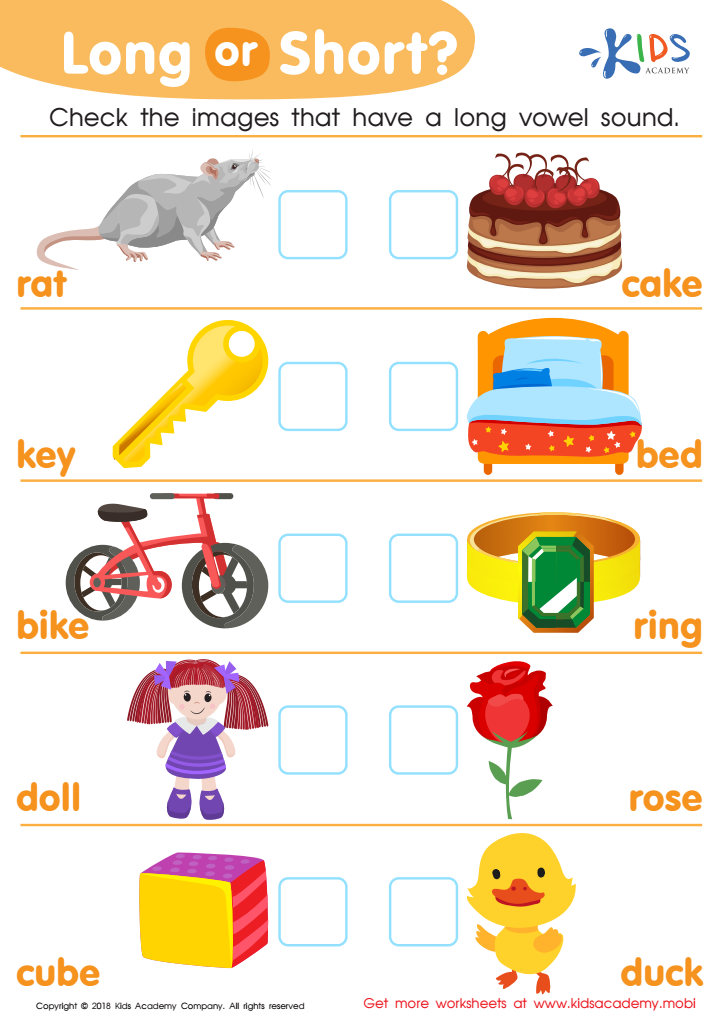
Long or Short Reading Worksheet
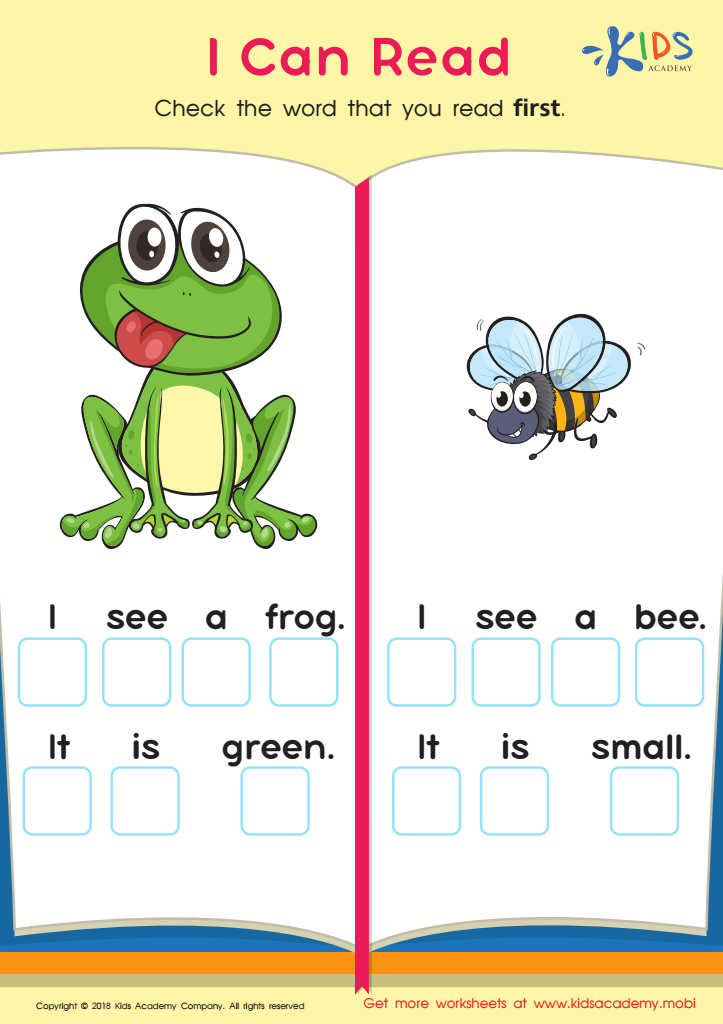
I Can Read Worksheet
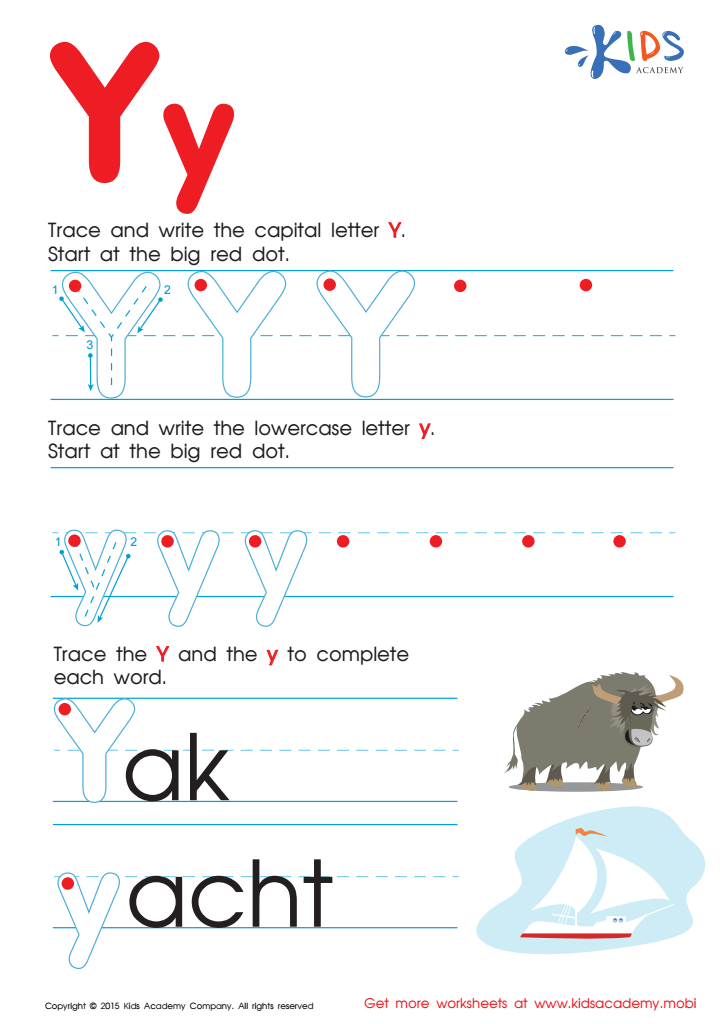
Letter Y Tracing Page
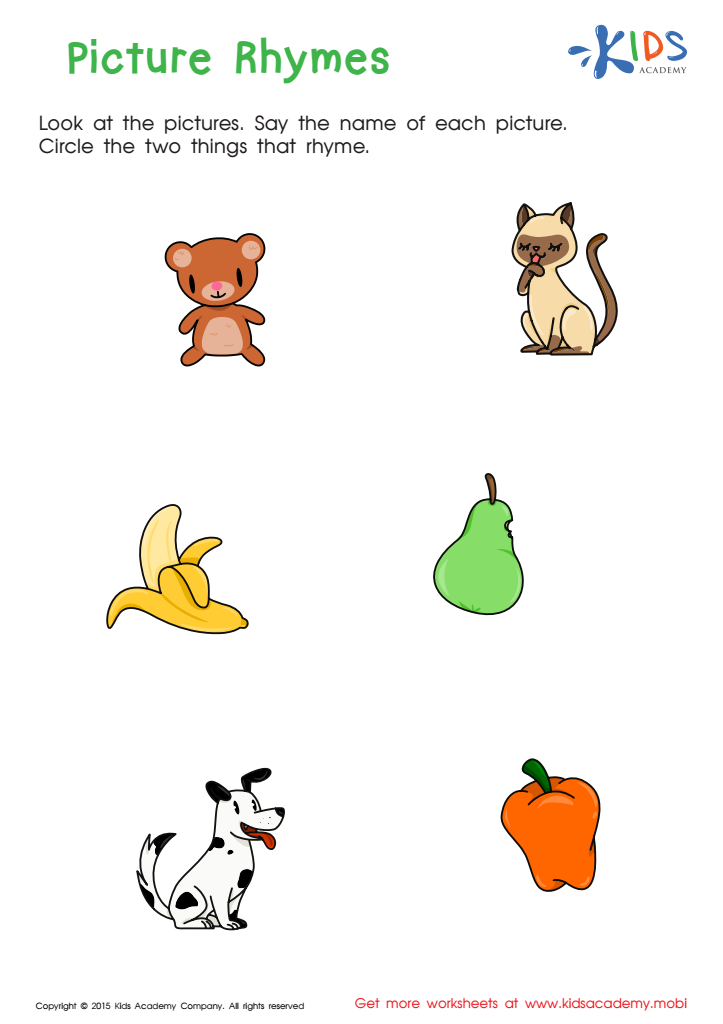
First Words: Picture Rhymes Worksheet
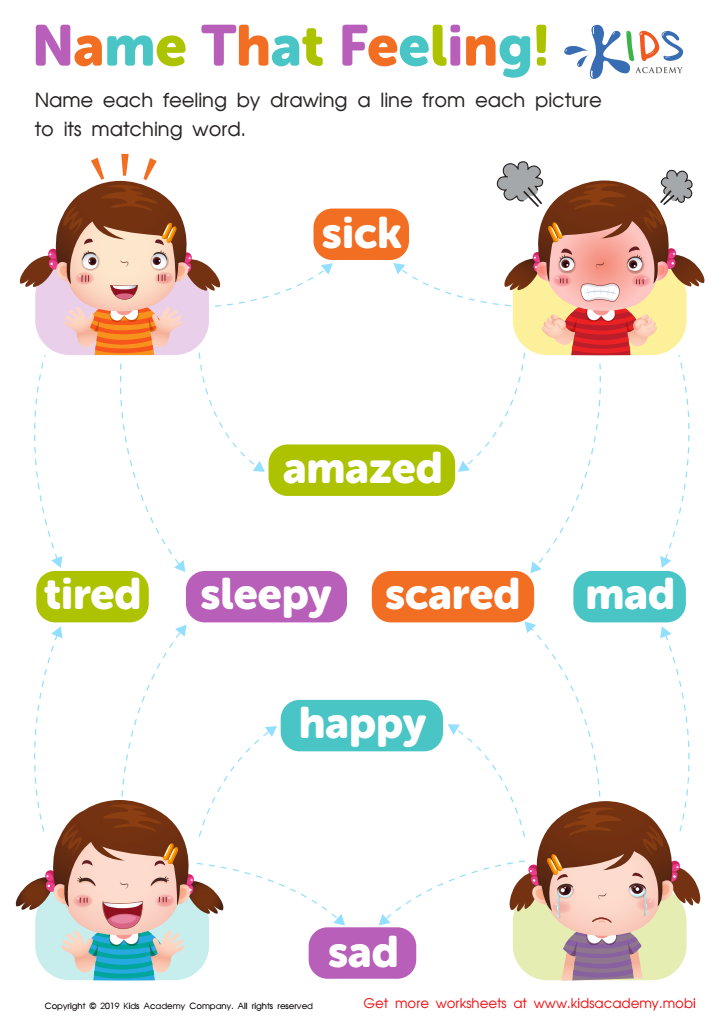
Name that Feeling Worksheet
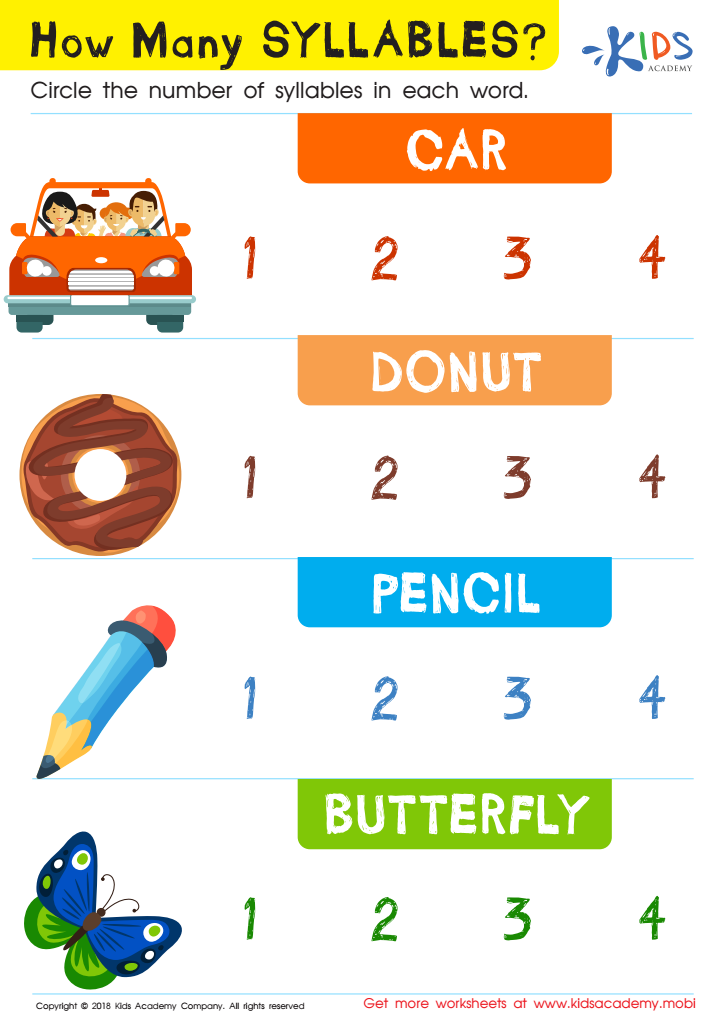
How Many Syllables? Worksheet
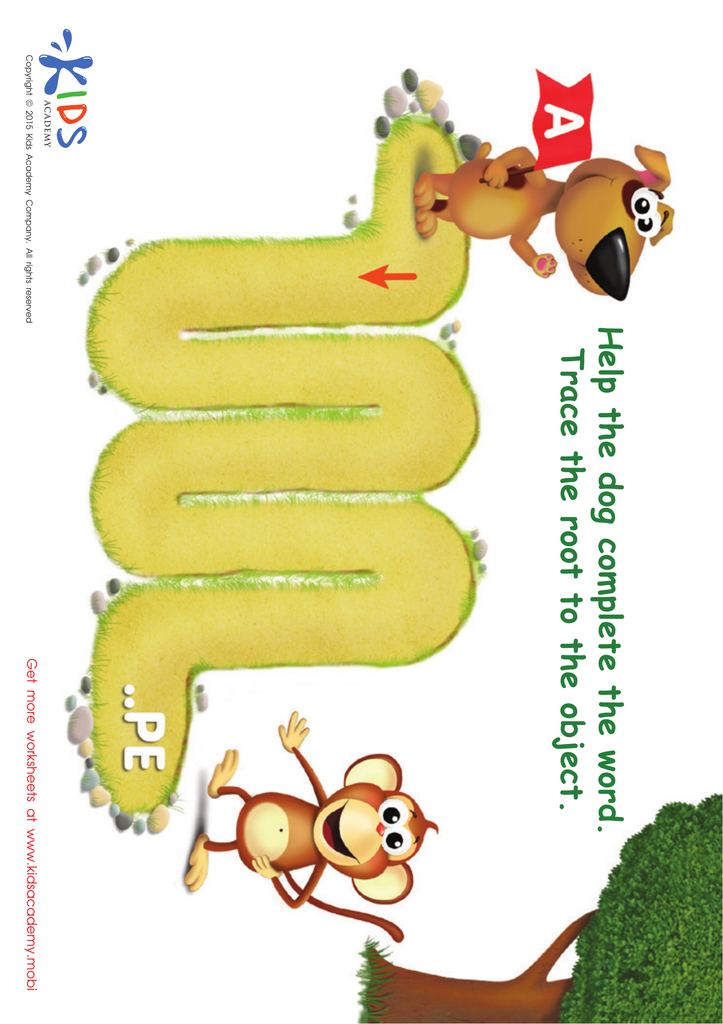
Long Vowel Sound A Worksheet Worksheet








Parents and teachers should care about vocabulary enhancement for children aged 3-5 because this foundational stage is crucial for language development. Vocabulary is the building block of communication and learning, allowing young children to express their thoughts, feelings, and ideas more clearly. An enriched vocabulary enables children to understand instructions, engage in conversations, and develop essential literacy skills, which are vital for their academic success later on.
Introducing a Vocabulary Enhancement Alphabet helps make learning fun and interactive. It encourages children to associate words with letters, fostering phonemic awareness and an understanding of how letters form sounds that create words. This method can also spark interest in reading from an early age, establishing lifelong literacy habits.
Moreover, a rich vocabulary enhances cognitive skills, allowing children to think critically and solve problems more efficiently. It promotes social skills as children use new words to articulate their needs and connect with peers. Ultimately, investing in vocabulary development during these formative years can lead to higher self-esteem, academic achievement, and effective communication, laying a solid foundation for future learning and personal growth. Therefore, parents and teachers play a pivotal role in this critical developmental phase.







