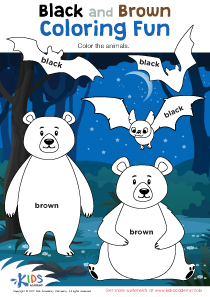
Handwriting practice English for Beginners Worksheets for Ages 3-5 - Page 2
43 filtered results
-
From - To
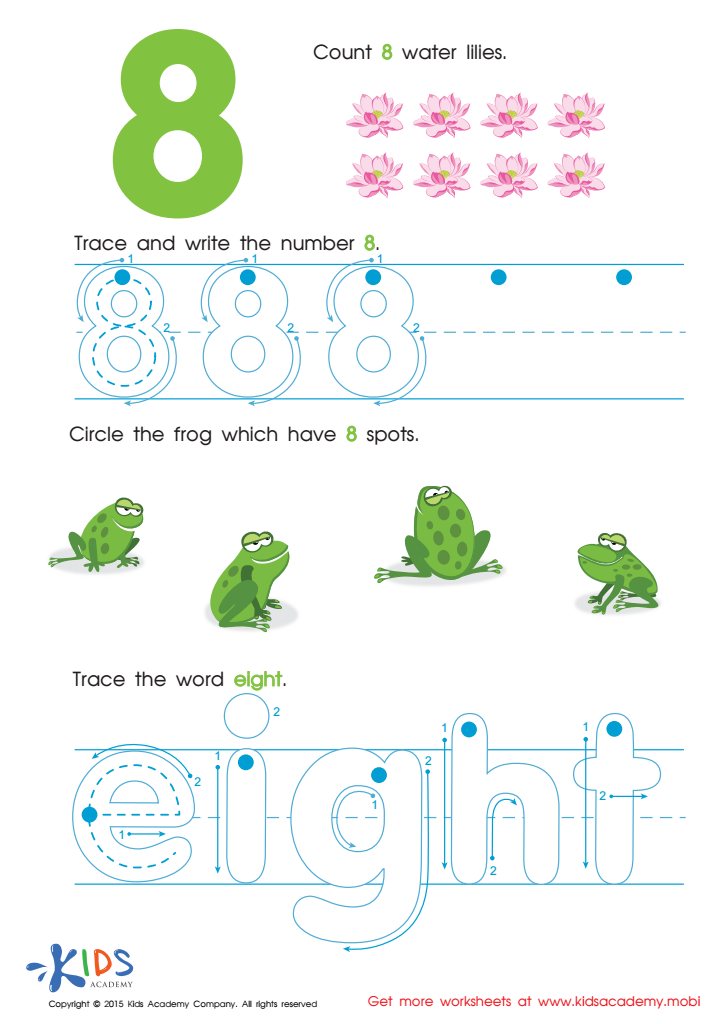
Learn Number 8 Easily Worksheet

Letter V Tracing Page
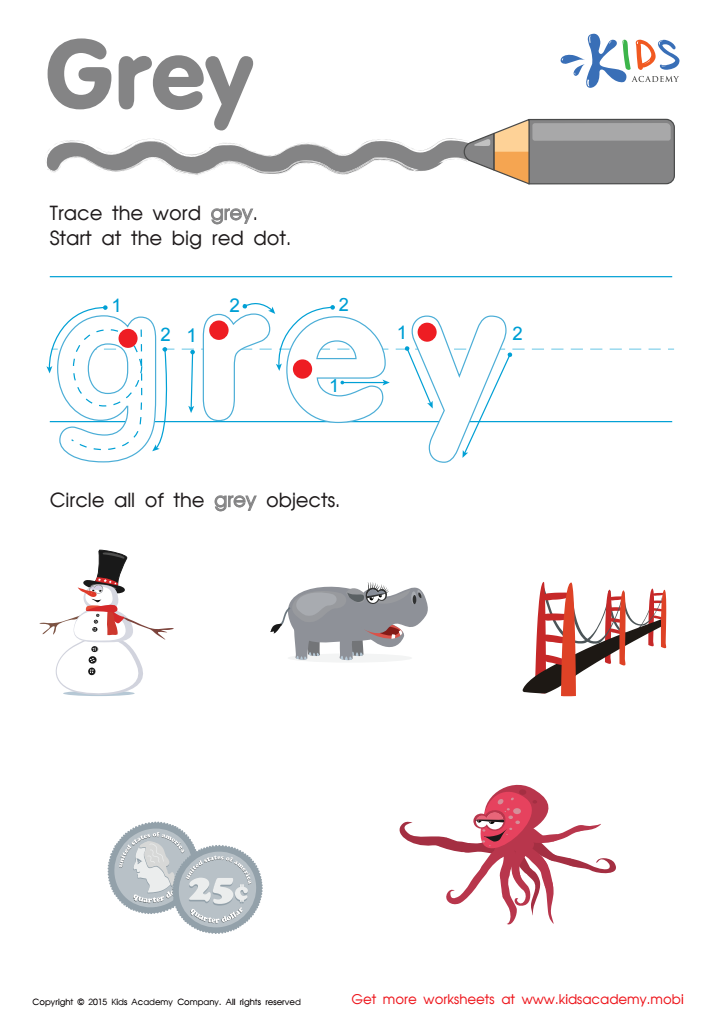
Grey Tracing Color Words Worksheet
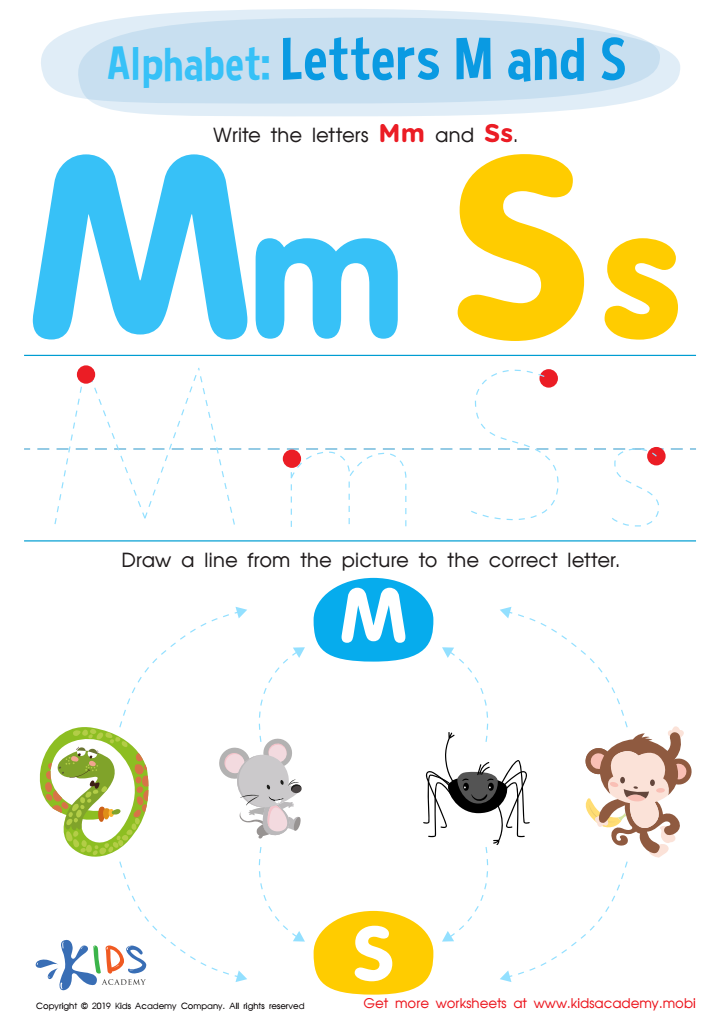
Letters M and S Tracing Worksheet
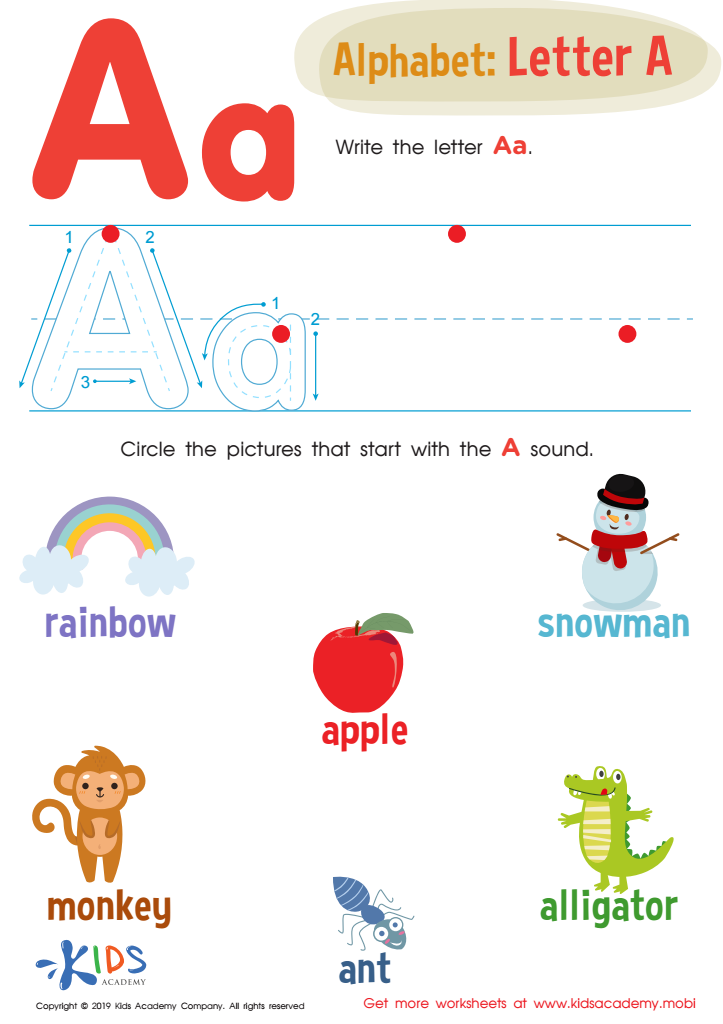
Letter A Tracing Worksheet
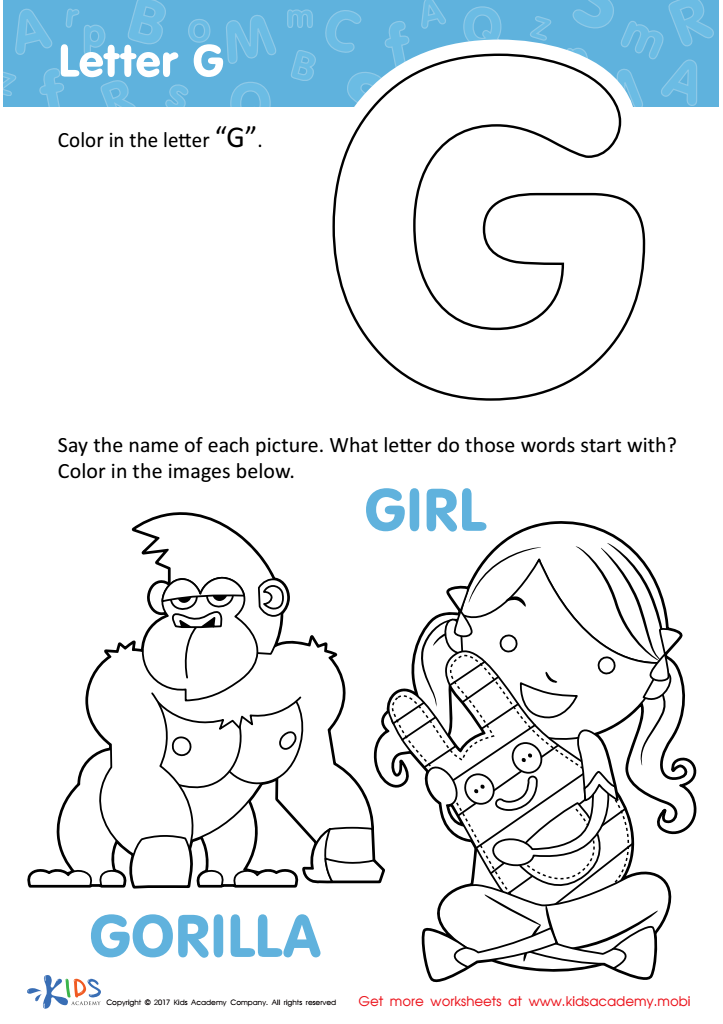
Letter G Coloring Sheet
 Assign to My Students
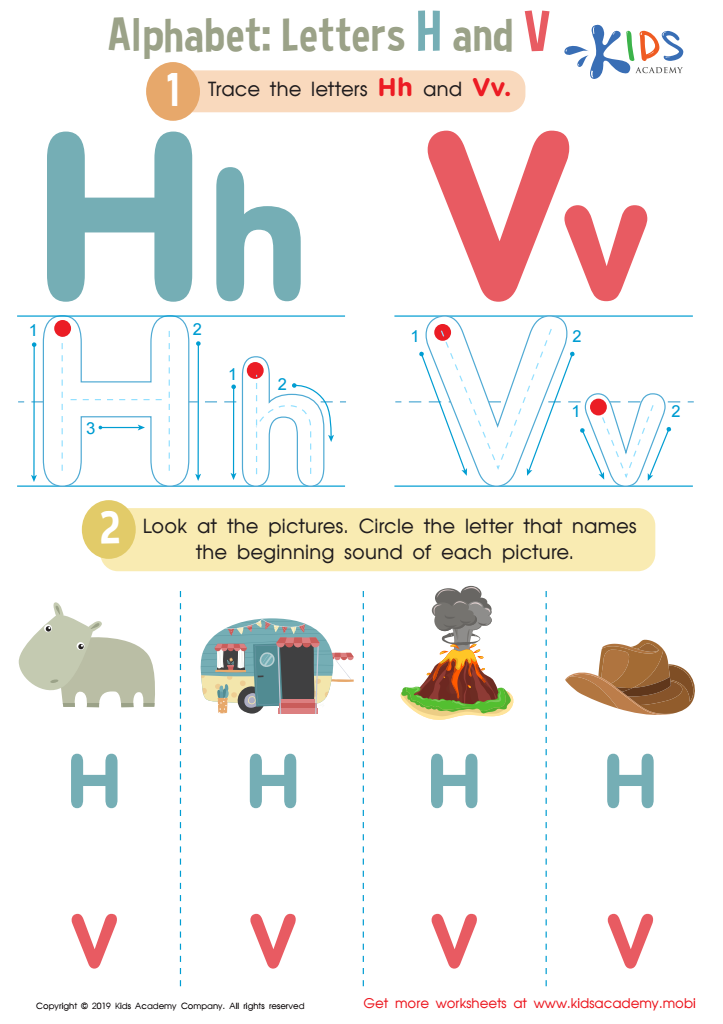
Letters H and V Tracing Worksheet
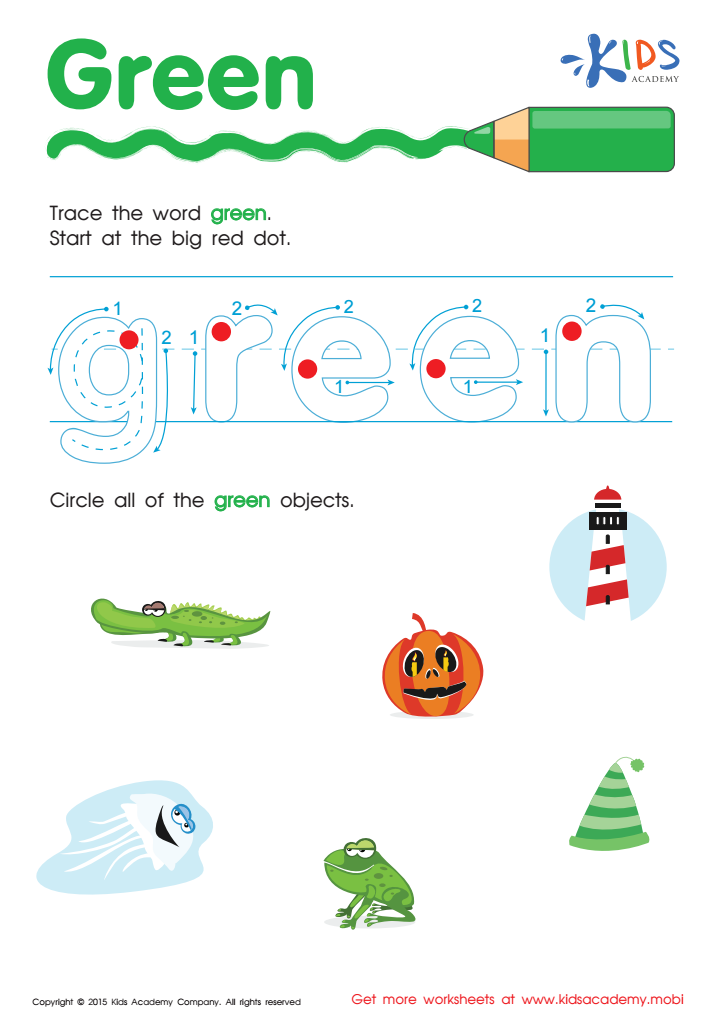
Green Tracing Color Words Worksheet
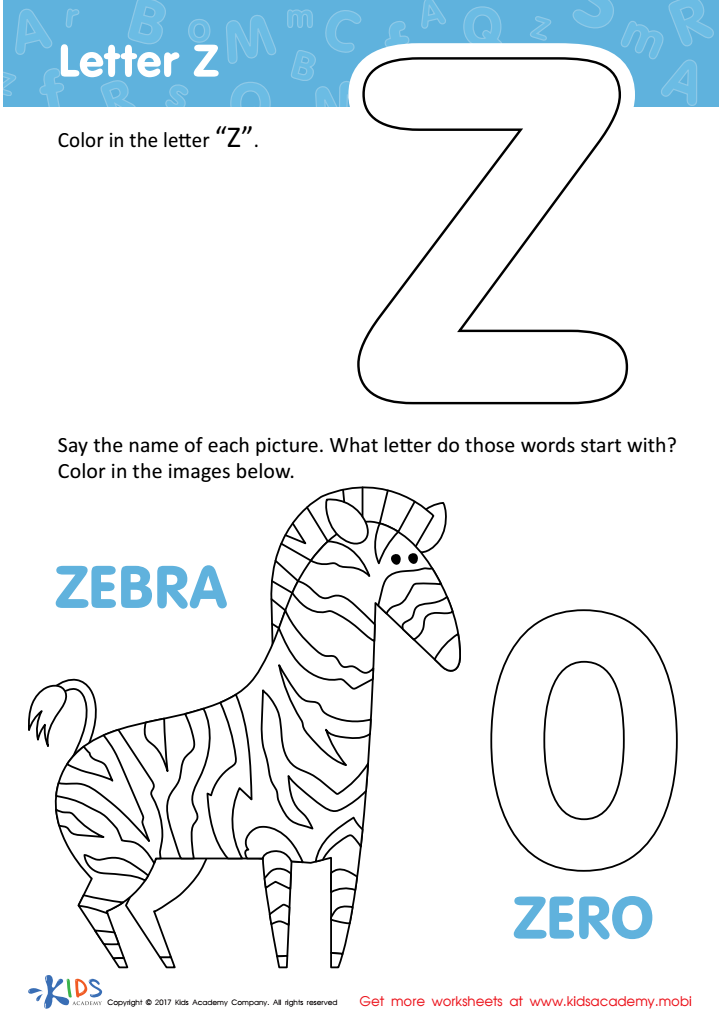
Letter Z Coloring Sheet
Assign to My Students
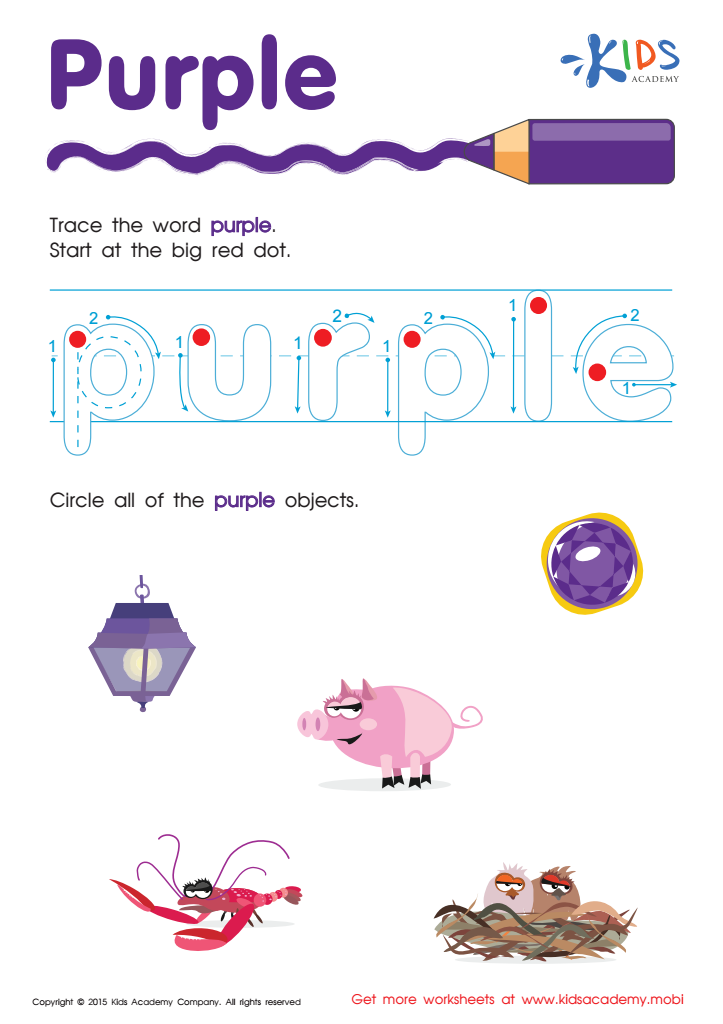
Purple Tracing Color Words Worksheet
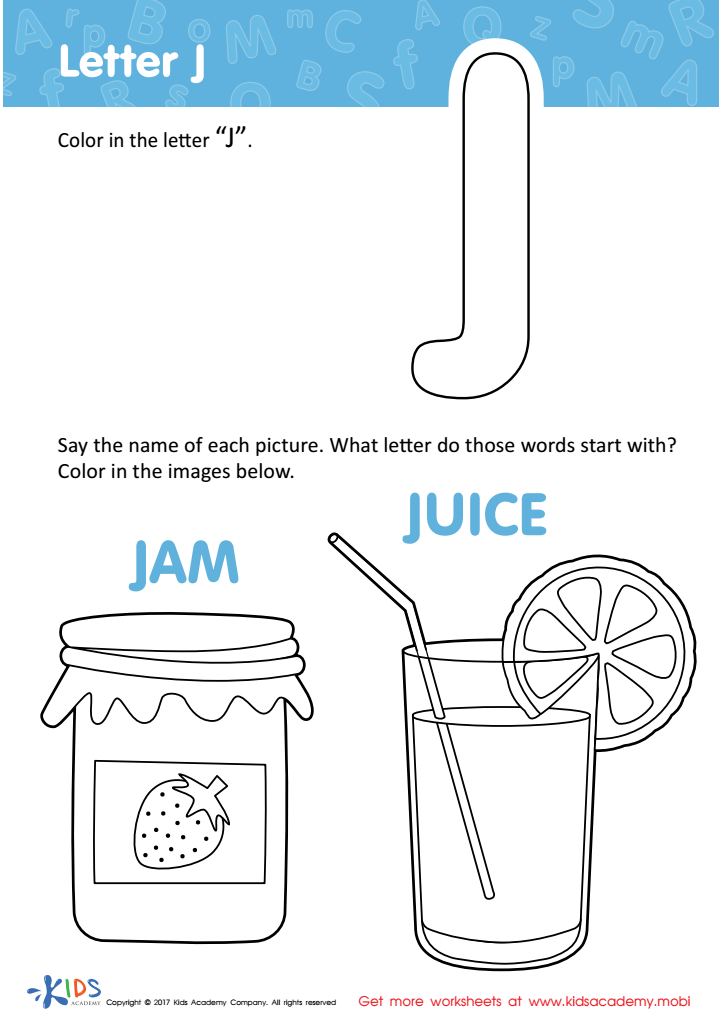
Letter J Coloring Sheet
Assign to My Students
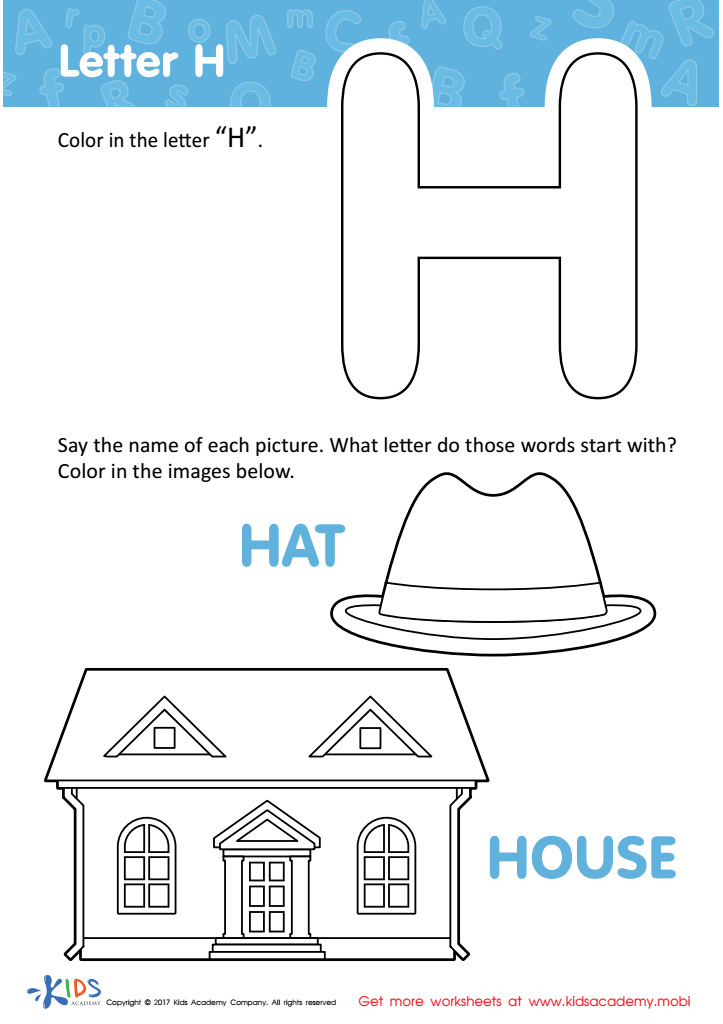
Letter H Coloring Sheet
Assign to My Students
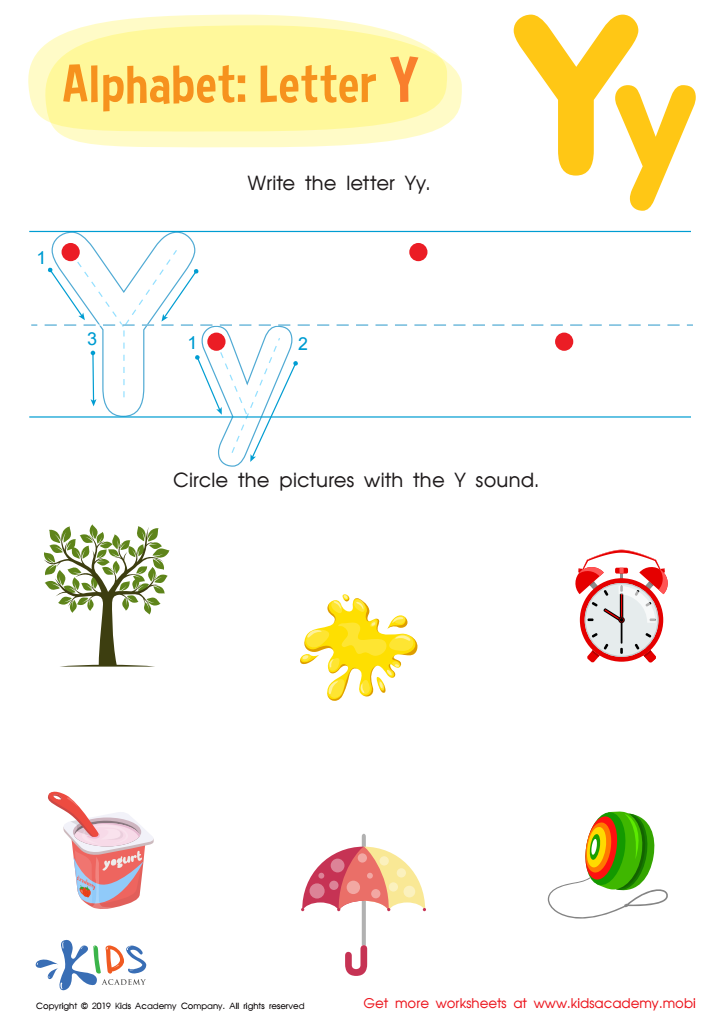
Letter Y Tracing Worksheet
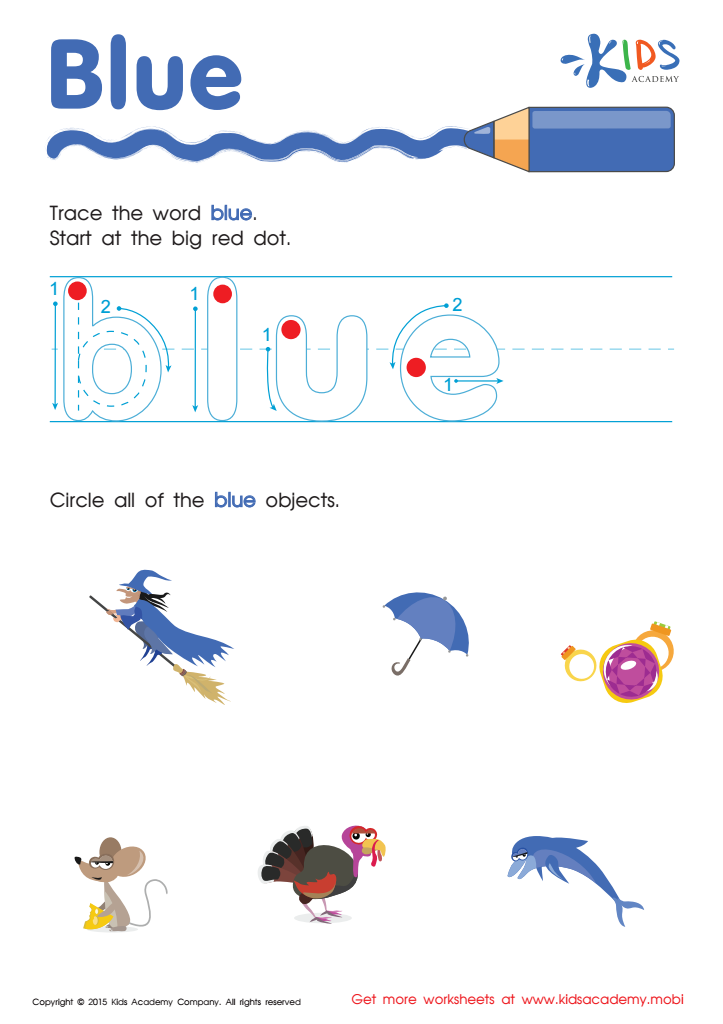
Blue Tracing Color Words Printable
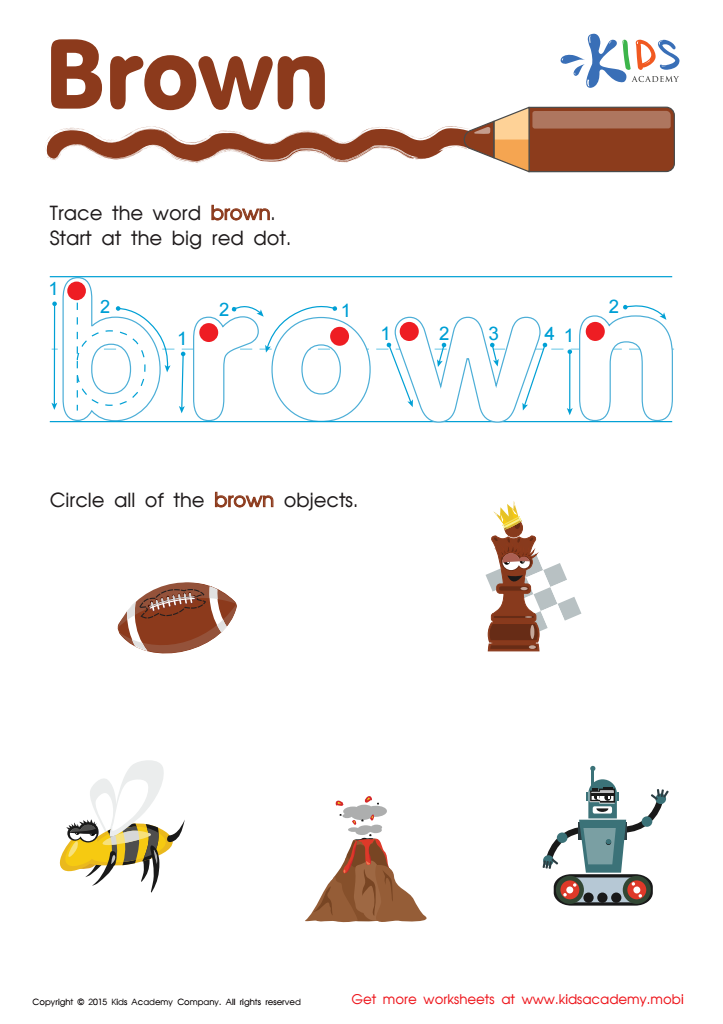
Brown Tracing Color Words Worksheet
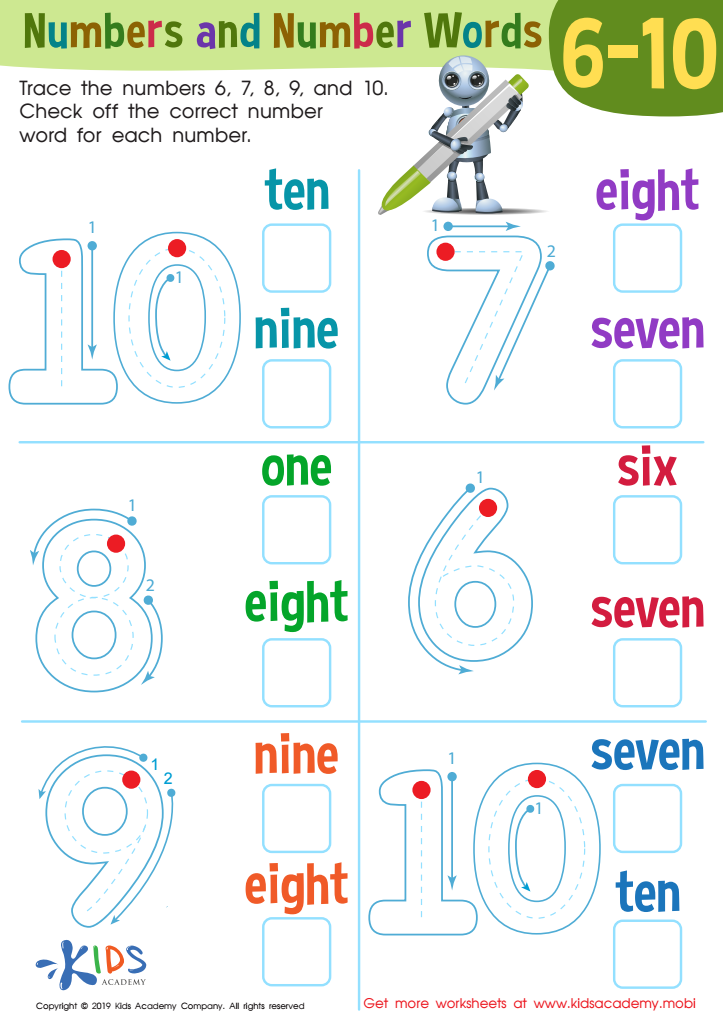
Numbers and Number Words 6–1 Worksheet
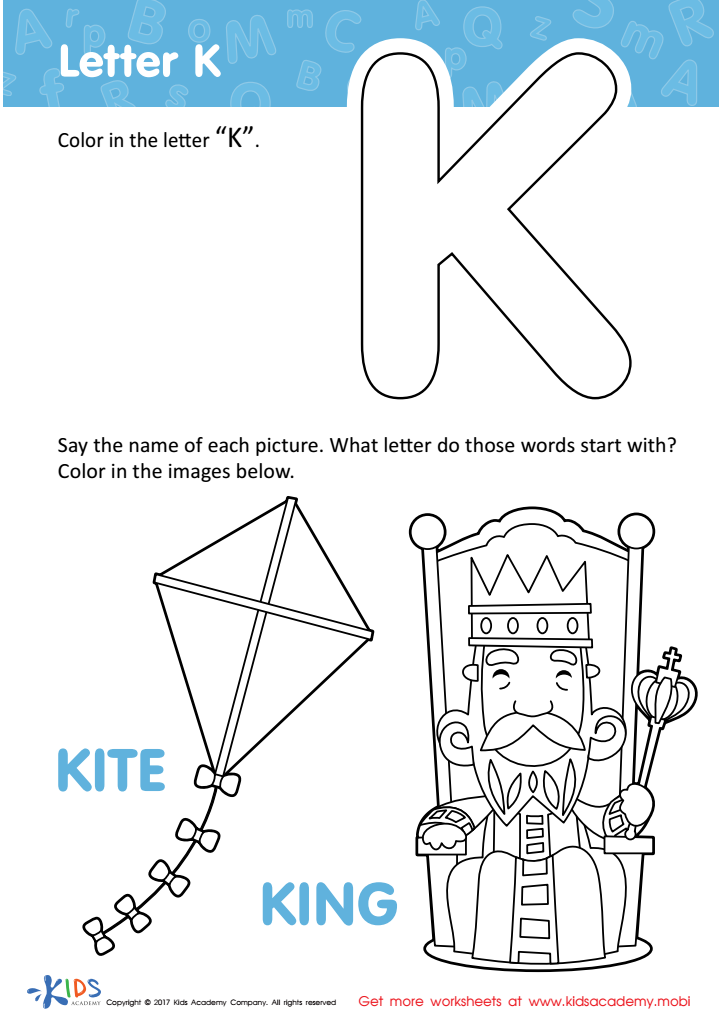
Letter K Coloring Sheet
Assign to My Students
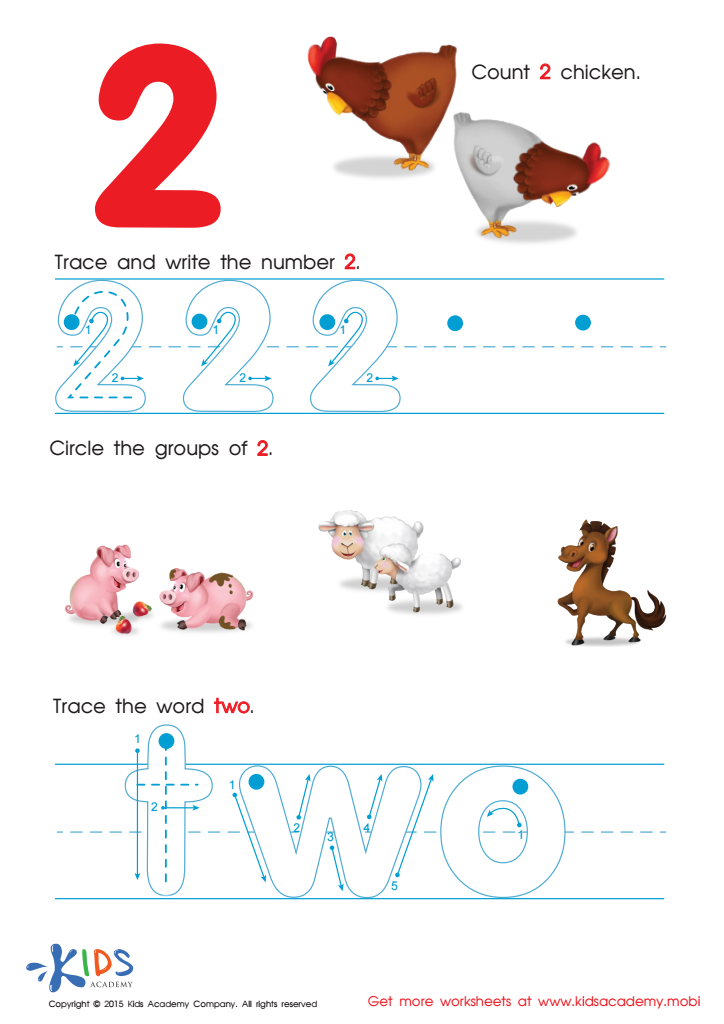
Learn to Write the Number 2 Worksheet
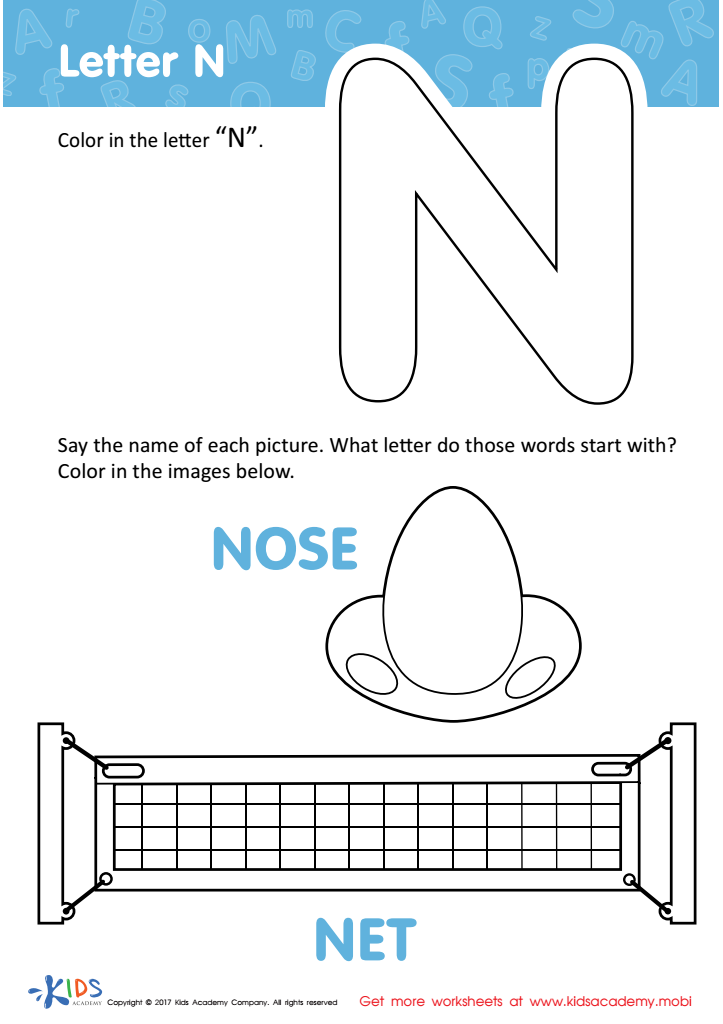
Letter N Coloring Sheet
Assign to My Students





Handwriting practice is a fundamental aspect of early childhood education, particularly for children aged 3-5. During these formative years, children develop crucial fine motor skills that are vital for their overall cognitive development. By engaging in handwriting exercises, young learners enhance their hand-eye coordination, dexterity, and muscle memory, which are essential for performing everyday tasks like tying shoelaces or using utensils.
Moreover, handwriting practice promotes literacy by allowing children to become familiar with letter shapes and sounds. As they repeatedly trace and write letters, they begin to associate the physical act of writing with phonemic awareness, which is a key component of reading readiness. This dual focus on fine motor skill development and literacy serves as a strong foundation for future academic success.
Parents and teachers should also recognize the broader cognitive benefits of handwriting practice. Engaging in this activity improves attention to detail, patience, and focus, all of which are important for academic and personal growth. Additionally, the sense of accomplishment children feel when they successfully write letters or their names boosts self-esteem and fosters a love for learning.
In summary, handwriting practice for young children is a multifaceted exercise that supports physical, cognitive, and emotional development, making it an essential component of early education.