Alphabet Recognition Worksheets for Ages 3-5 - Page 2
65 filtered results
-
From - To
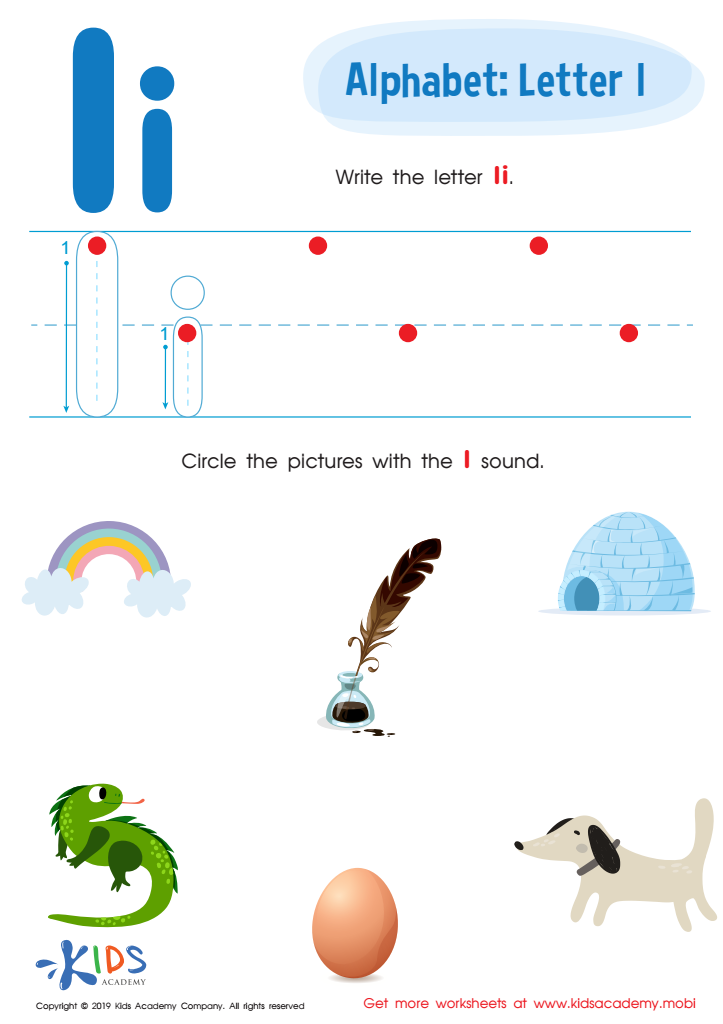
Letter I Tracing Worksheet
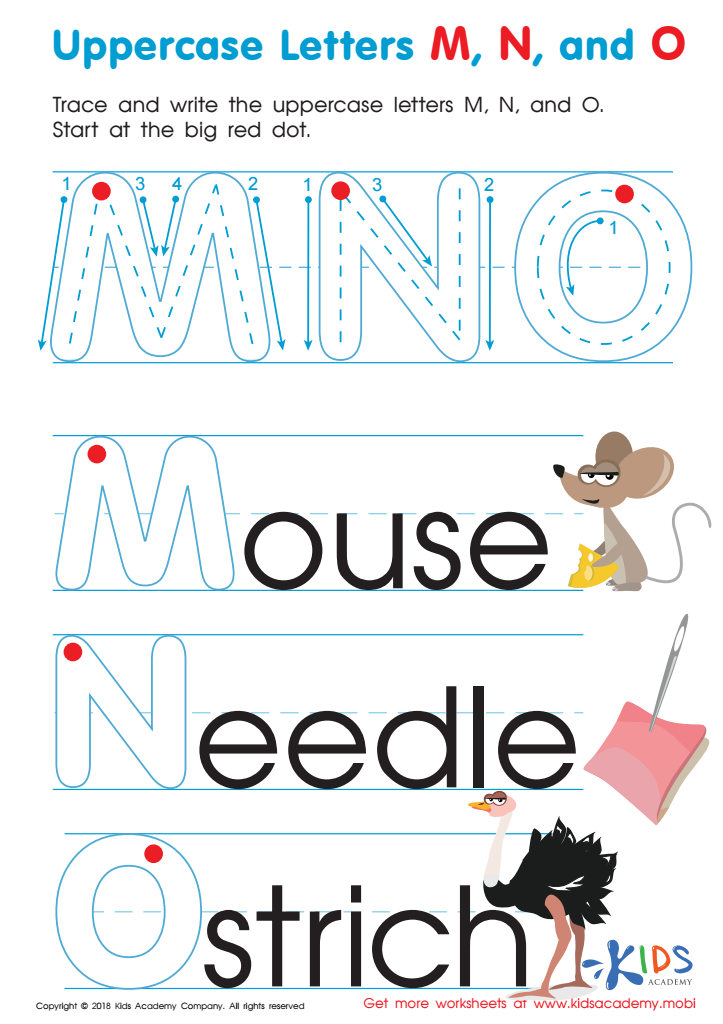
Uppercase Letters M, N, and O Worksheet
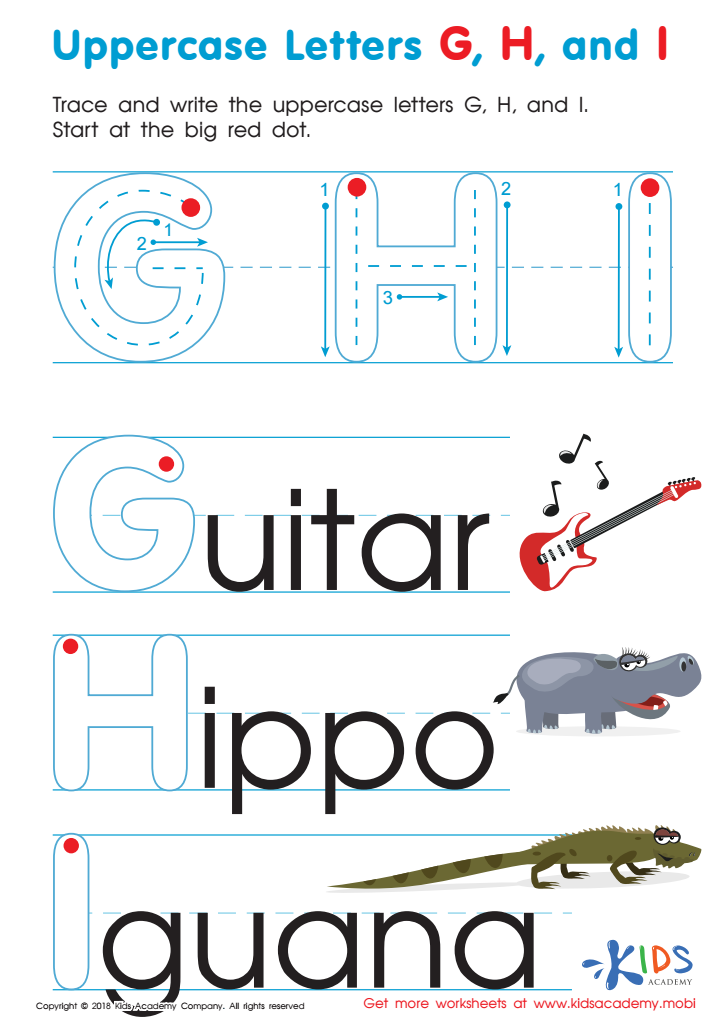
Uppercase Letters G, H, and I Worksheet
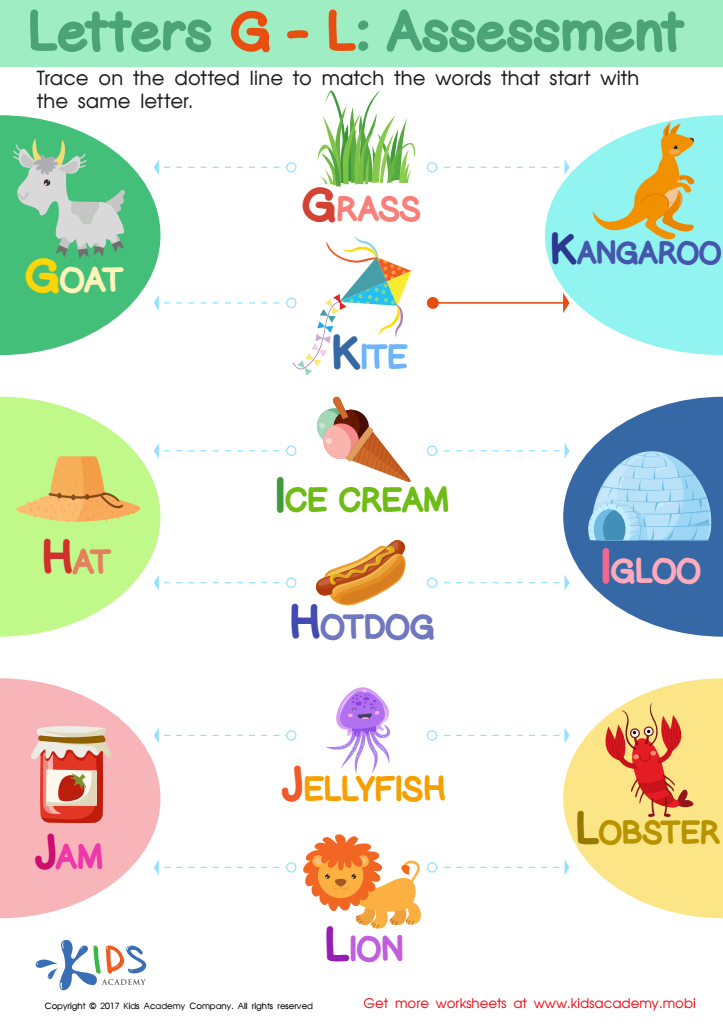
Letters G-L Worksheet
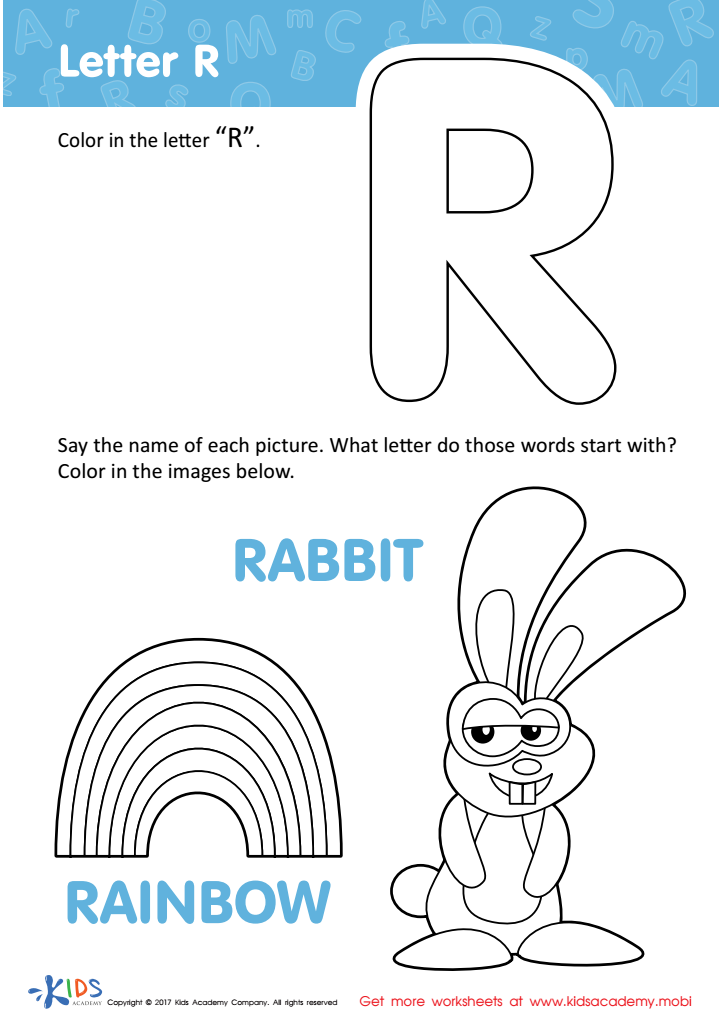
Letter R Coloring Sheet
 Assign to My Students
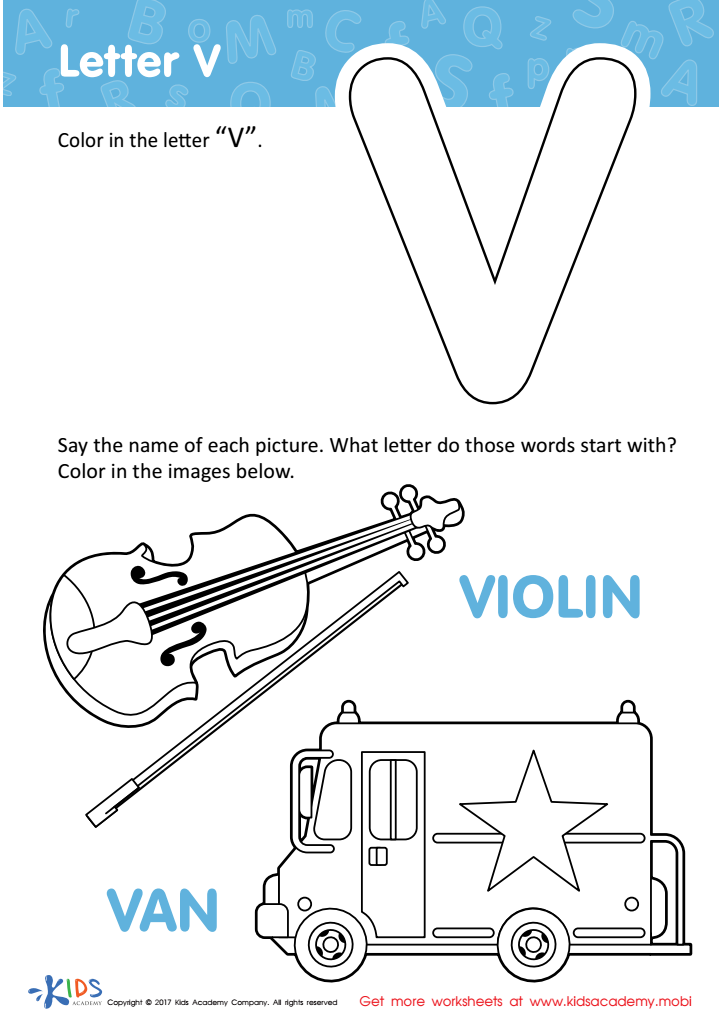
Letter V Coloring Sheet
Assign to My Students
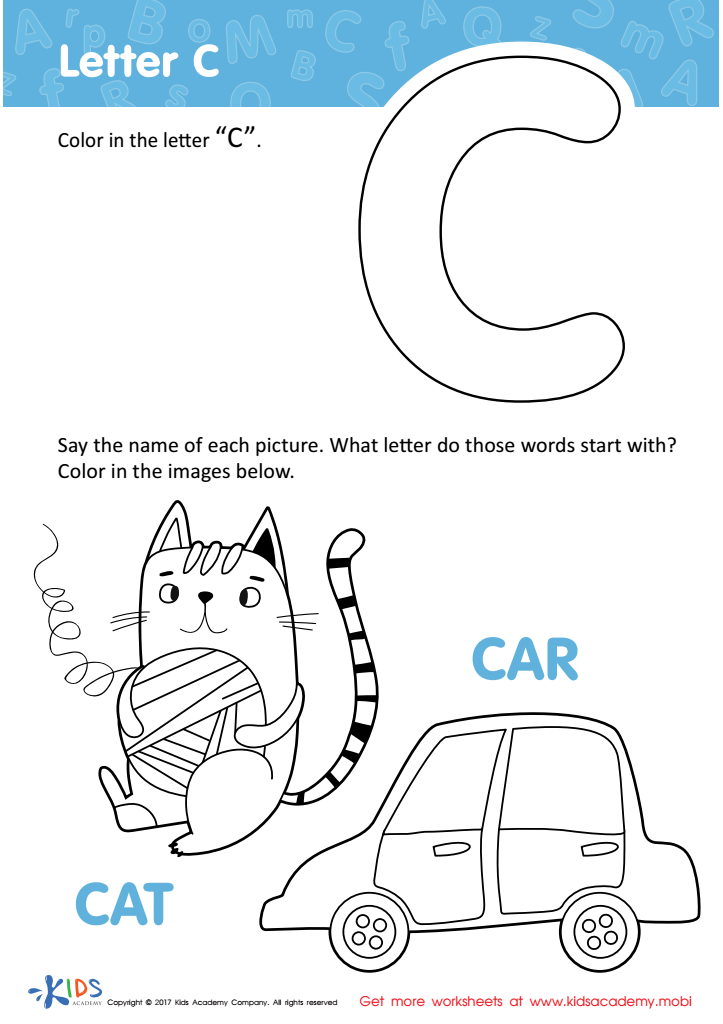
Letter C Coloring Sheet
Assign to My Students

Letter J Tracing Page
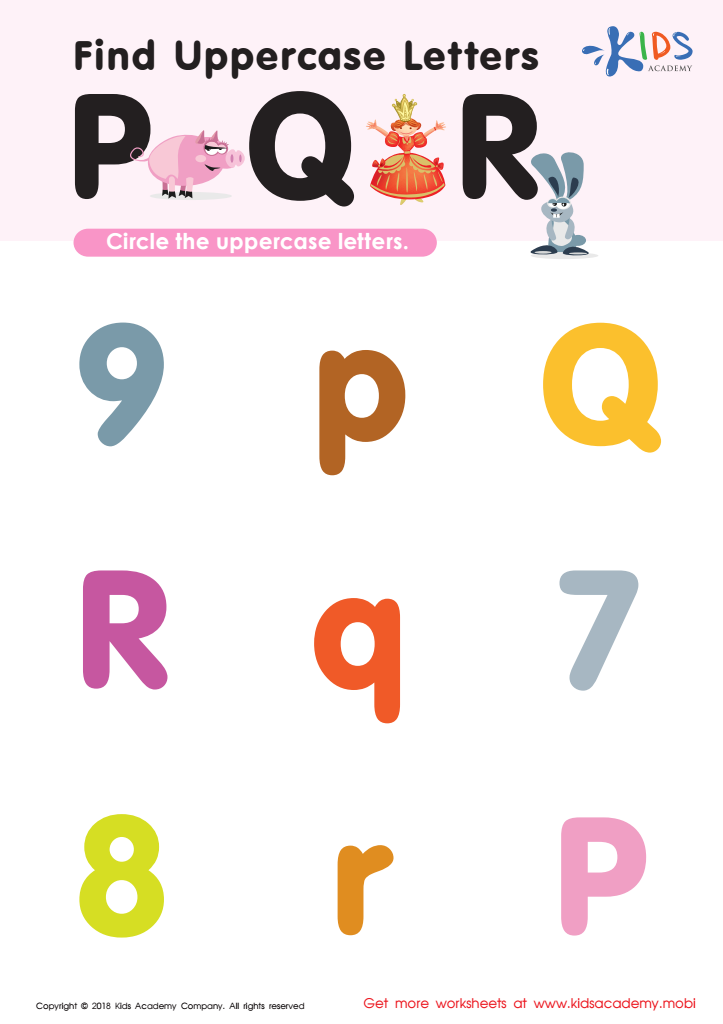
Find Uppercase Letters P, Q, and R Worksheet
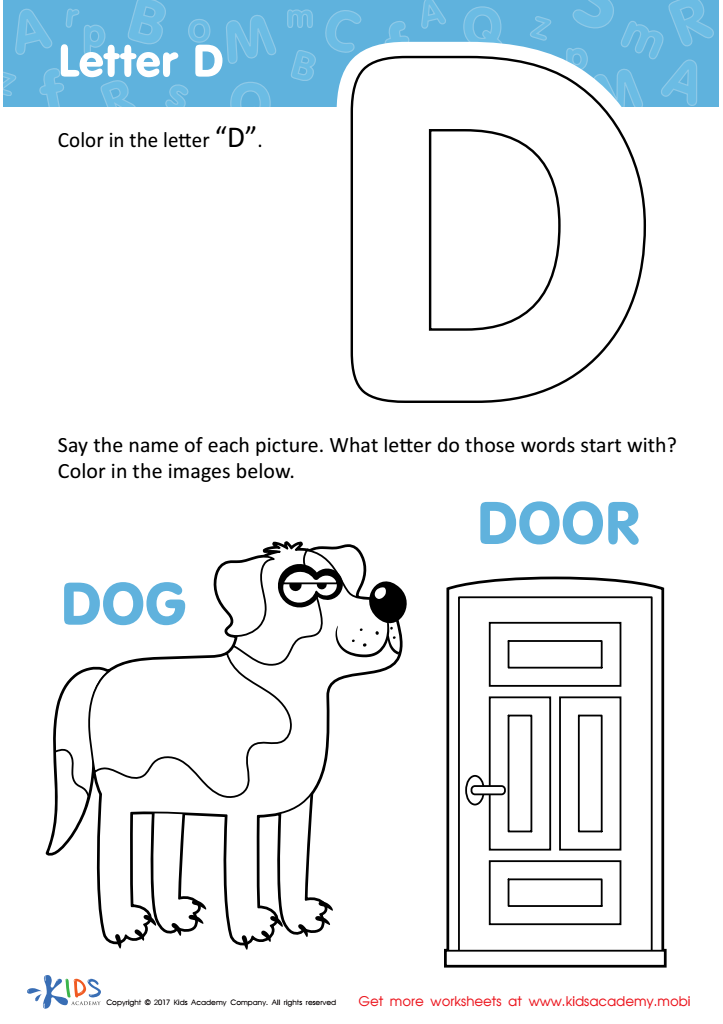
Letter D Coloring Sheet
Assign to My Students
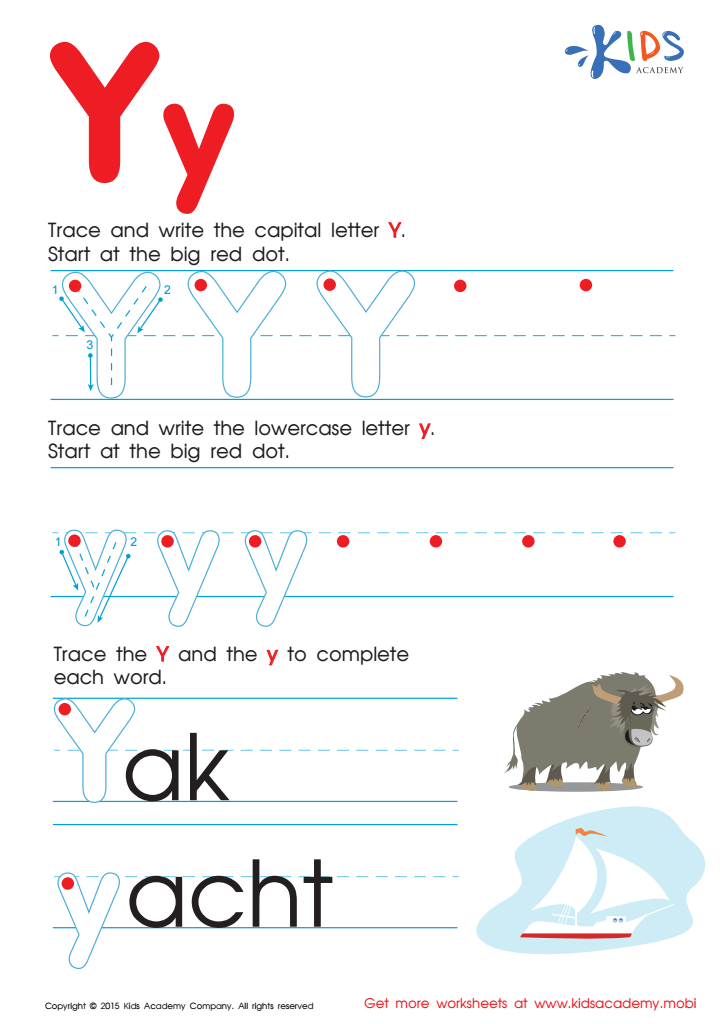
Letter Y Tracing Page
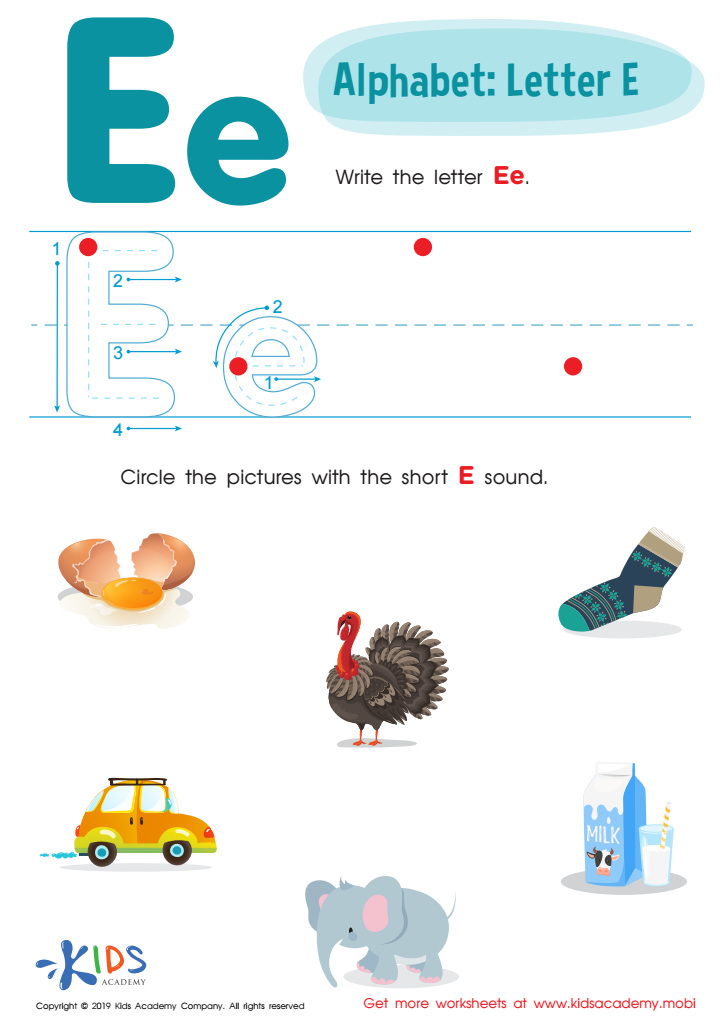
Letter E Tracing Worksheet
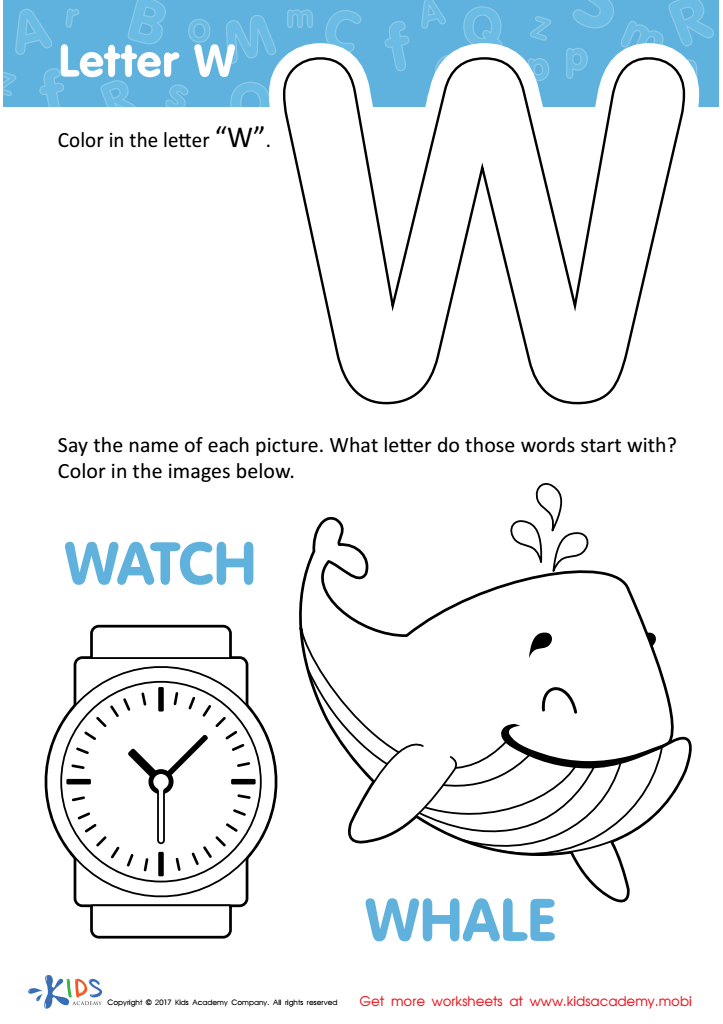
Letter W Coloring Sheet
Assign to My Students

Lowercase Letters m n o Worksheet

Letter O Coloring Sheet
Assign to My Students

Letter B Tracing Page

Letter N Tracing Page

Lowercase Letters d e f Worksheet
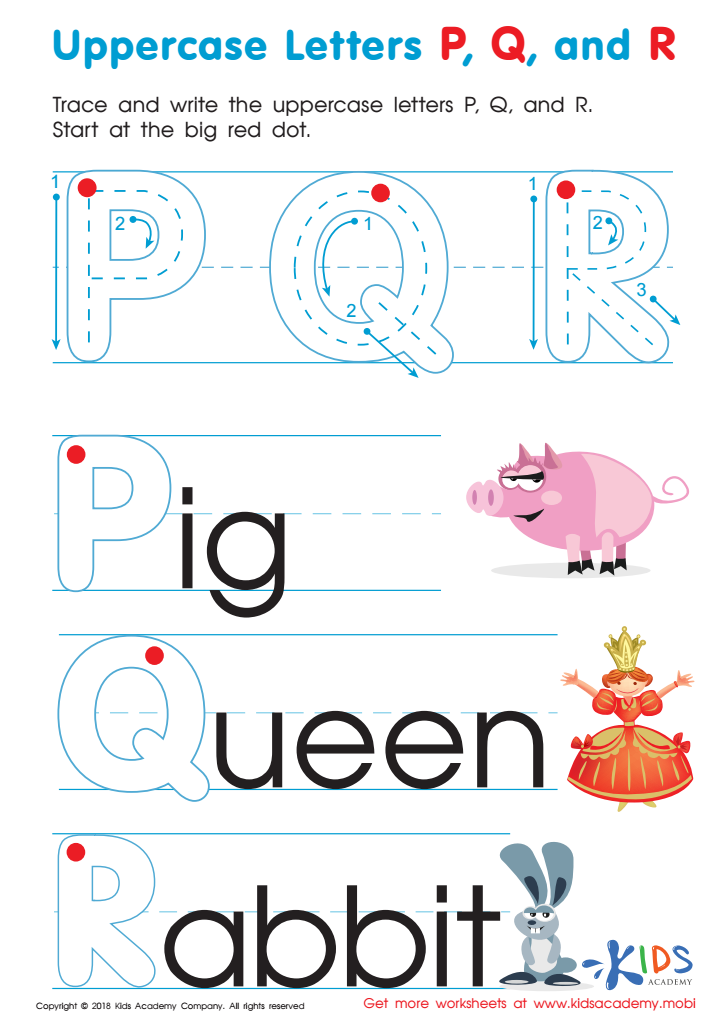
Uppercase Letters P, Q, and R Worksheet
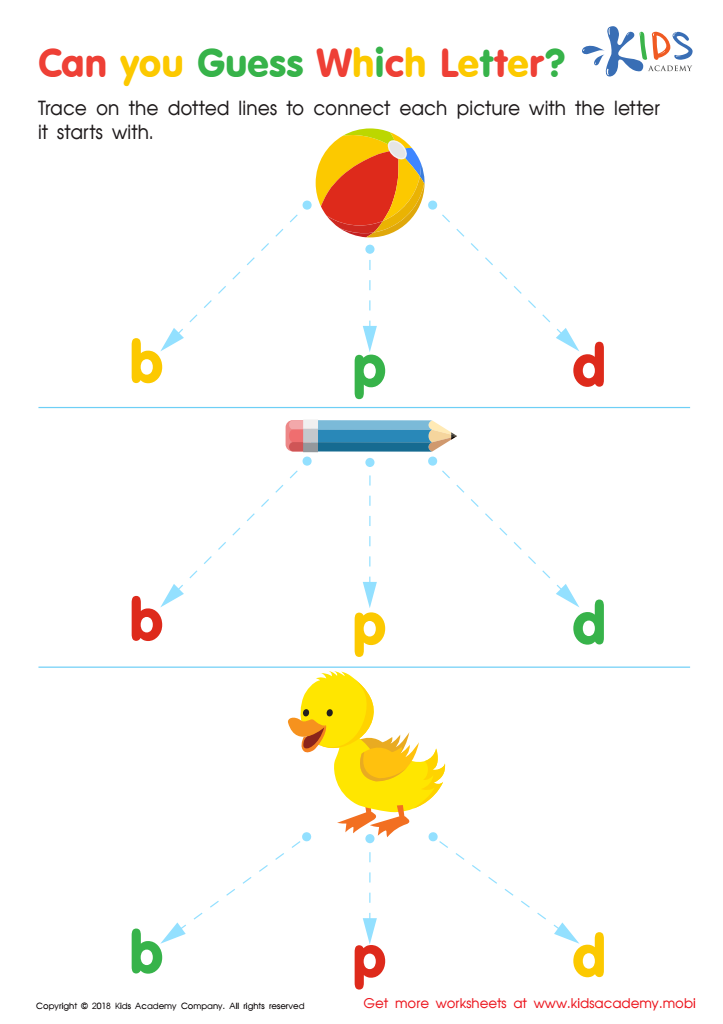
Can you Guess Which Letter? Worksheet
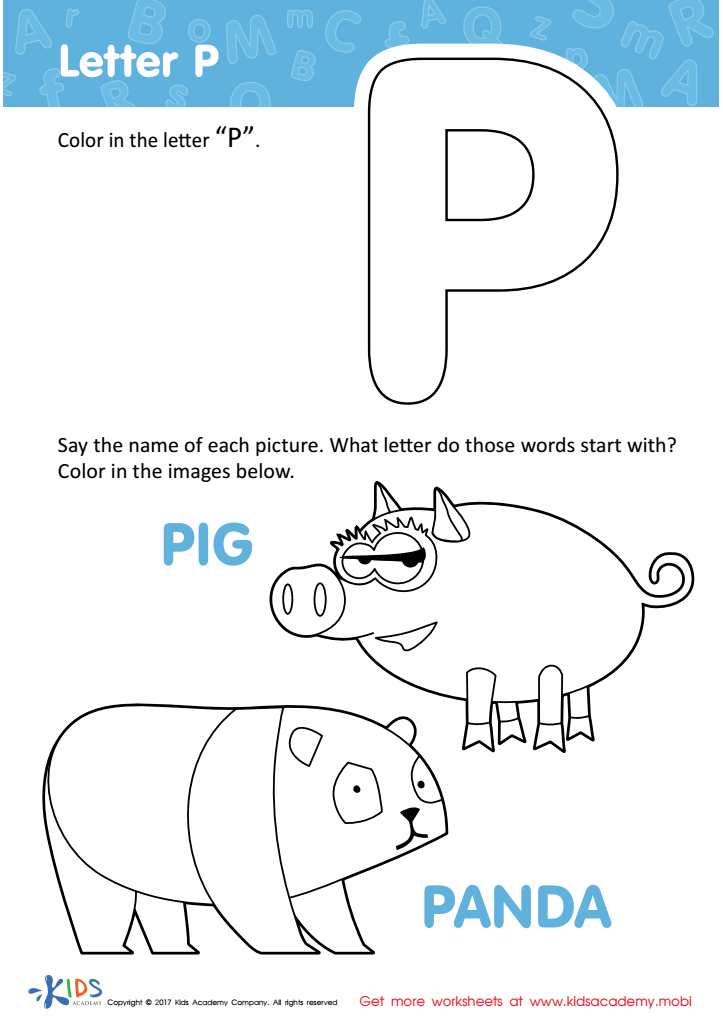
Letter P Coloring Sheet
Assign to My Students
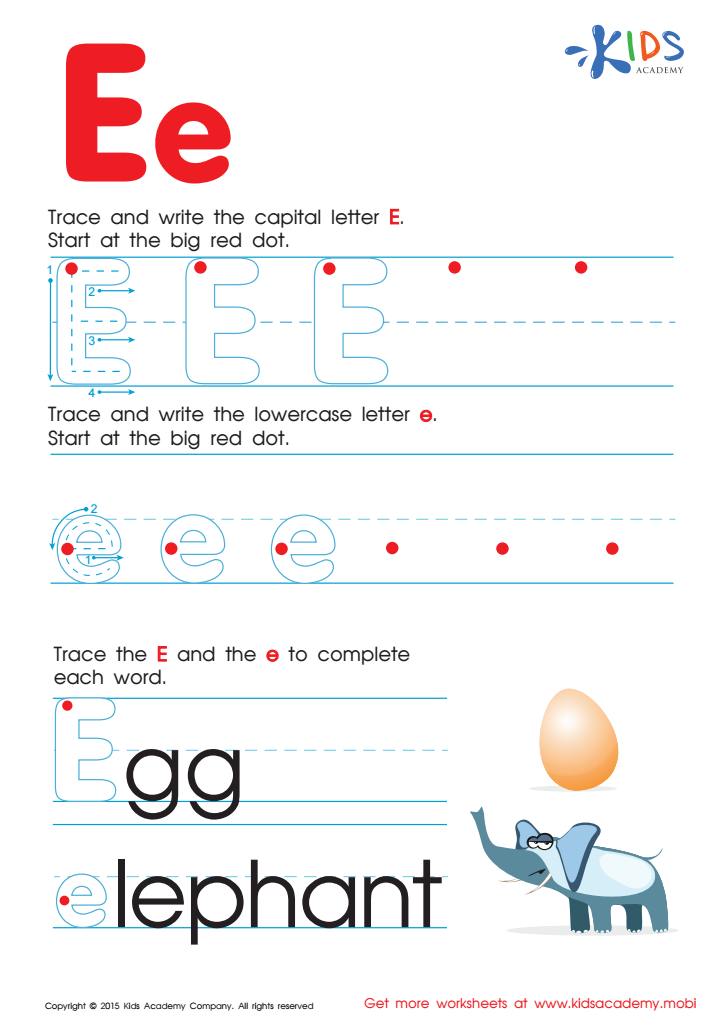
Letter E Tracing Page
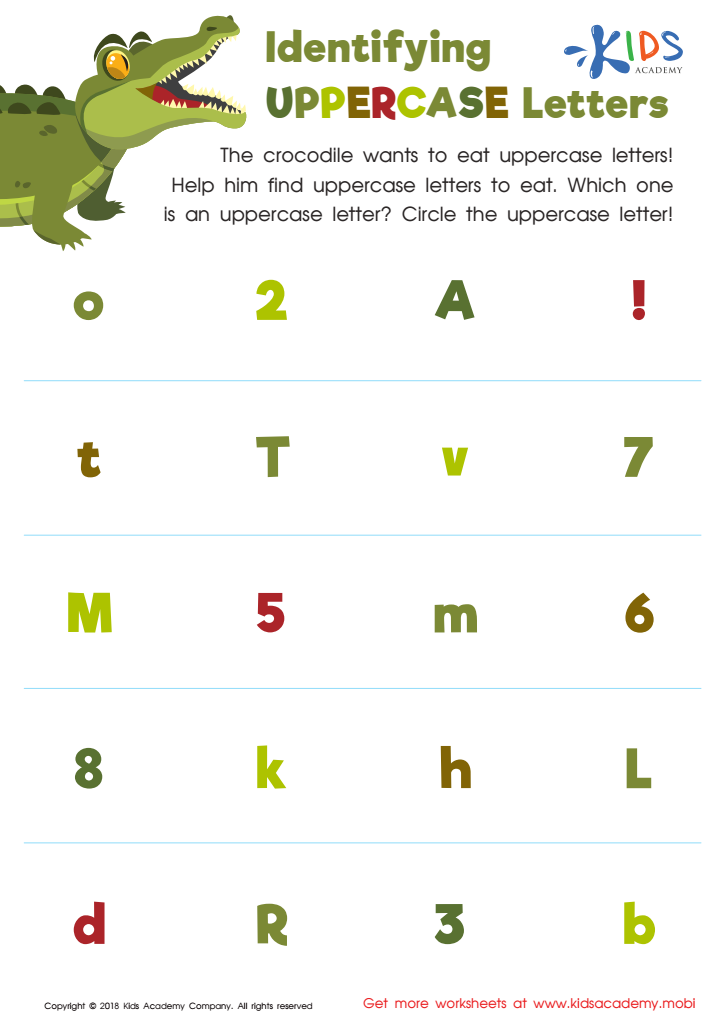
Identifying Uppercase Letters Worksheet
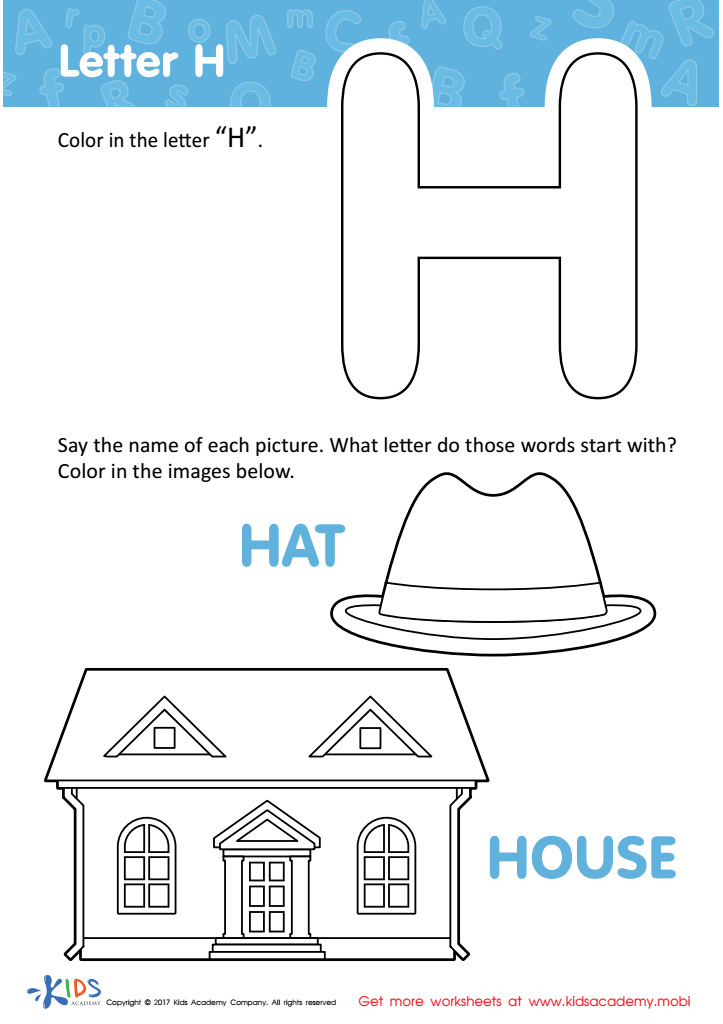
Letter H Coloring Sheet
Assign to My Students







Alphabet recognition is a crucial foundational skill for early childhood development, particularly for children aged 3-5. During this formative stage, children embark on their literary journey, and mastering the alphabet plays a vital role in building their reading and writing abilities. Parents and teachers should prioritize alphabet recognition for several reasons.
Firstly, recognizing letters allows children to decode words, which is essential for reading comprehension. When children identify letters, they begin to understand the relationship between sounds and symbols, paving the way for phonemic awareness. This understanding is critical for the development of literacy skills later on.
Secondly, befriending the alphabet enhances cognitive development. It engages children in fun activities that promote memory, attention, and problem-solving abilities. Interacting with letters through games, songs, and storytelling also fosters a love for learning and curiosity about language.
Additionally, early alphabet recognition offers opportunities for social interaction and sharing. As children learn together in groups, they can build collaborative skills and develop confidence in expressing themselves.
Ultimately, supporting alphabet recognition in early childhood sets the stage for academic success, instilling a strong foundation for lifelong learning and communication. Parents and teachers are vital in nurturing this essential skill.








