
Comprehension skills Worksheets for Ages 3-5
13 filtered results
Difficulty Level
Grade
Age
-
From - To
Subject
Activity
Standards
Enhance your child's early learning journey with our specialized comprehension skills worksheets for ages 3-5. These engaging activities are designed to boost young minds by developing critical listening and reading comprehension abilities. Tailored for preschoolers and kindergartners, our worksheets feature age-appropriate exercises that promote understanding of simple stories and spoken instructions. By practicing these skills, children will improve vocabulary, sentence structure, and ability to follow directions. Whether at home or in the classroom, these fun and educational printables are the perfect tool to lay a strong foundation for early literacy and lifelong learning.
Favorites
With answer key
Interactive
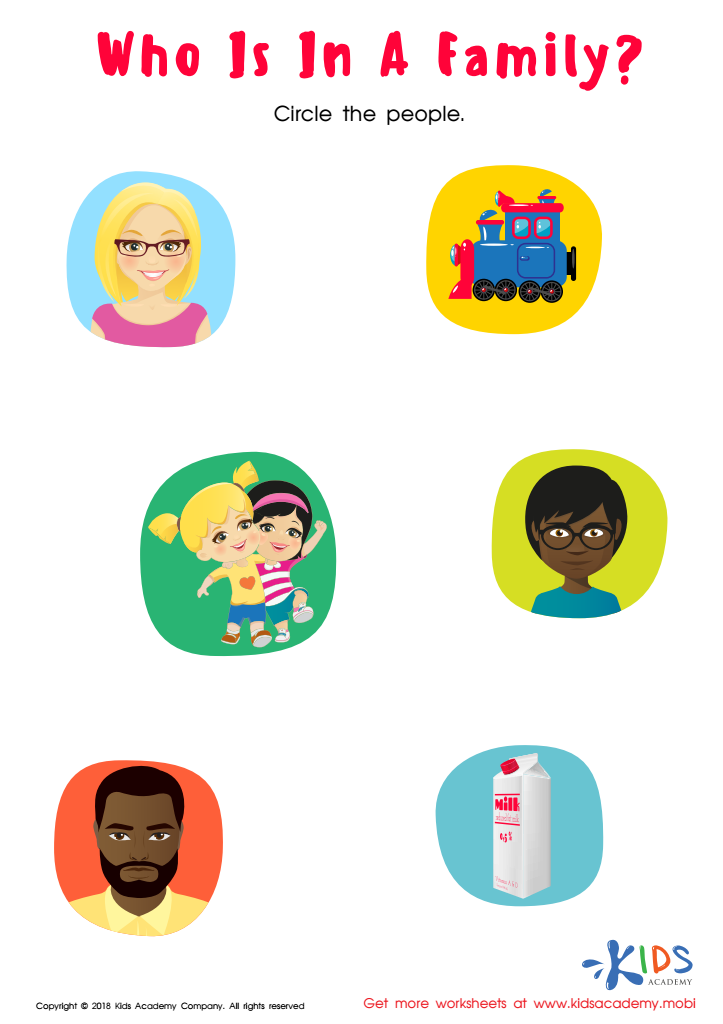
Who Is in a Family? Worksheet
Kids enjoy discussing families. This easy, colorful worksheet helps them determine if a person or thing is in a family. Children look at each picture, name it, and circle it if it represents someone in a family. It introduces or reinforces family words, making it ideal for toddlers.
 Assign to My Students
Who Is in a Family? Worksheet
Worksheet
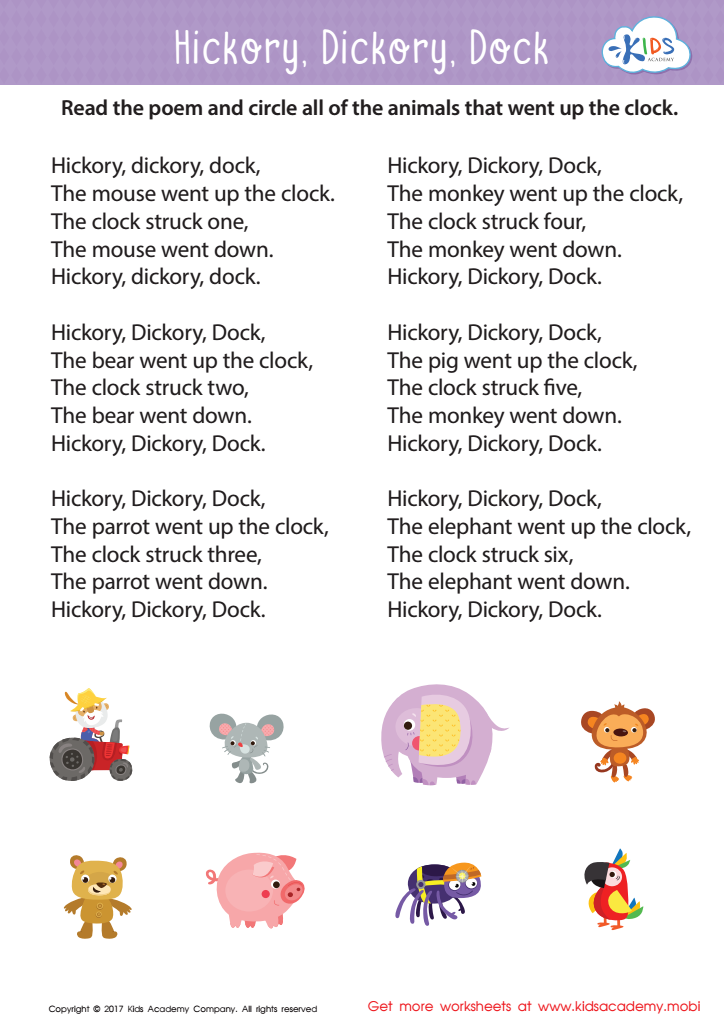
Hickory Dickory Dock Sequencing Worksheet
Help your child boost their reading skills with this fun Hickory Dickory Dock sequencing worksheet! They'll read and identify the animals in the right order, strengthening their story sequencing and comprehension skills.
Hickory Dickory Dock Sequencing Worksheet
Worksheet
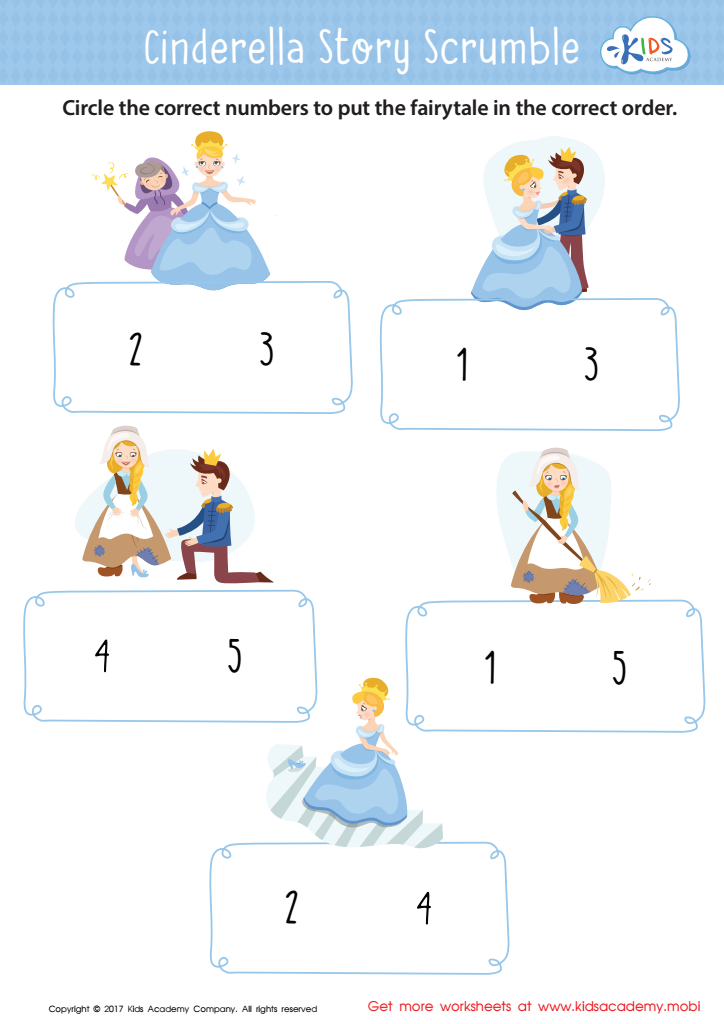
Cinderella Story Sequencing Worksheet
This worksheet helps strengthen reading comprehension skills by getting your child to remember key moments from the Cinderella story. They'll be asked to place pictures in the right order to tell the story.
Cinderella Story Sequencing Worksheet
Worksheet
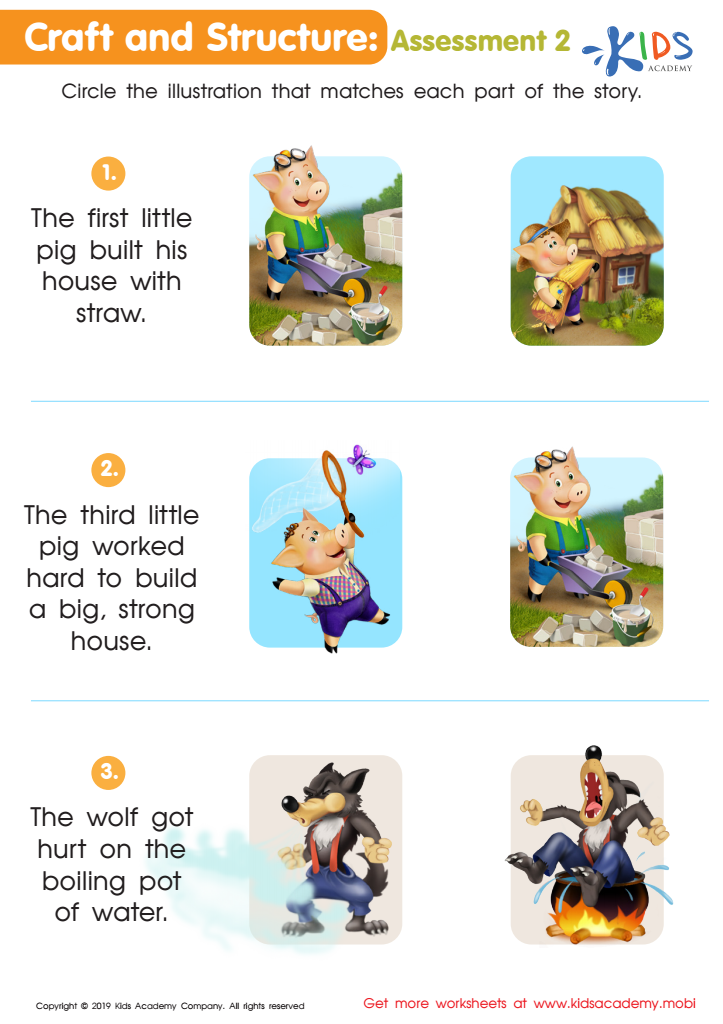
Craft and Structure: Assessment 2 Worksheet 2
This fun printout with colorful illustrations will assess how much your kids pay attention to story time. Go through the pictures and help them circle the ones that match each part of the story. Stimulate their brains and have fun in the process!
Craft and Structure: Assessment 2 Worksheet 2
Worksheet
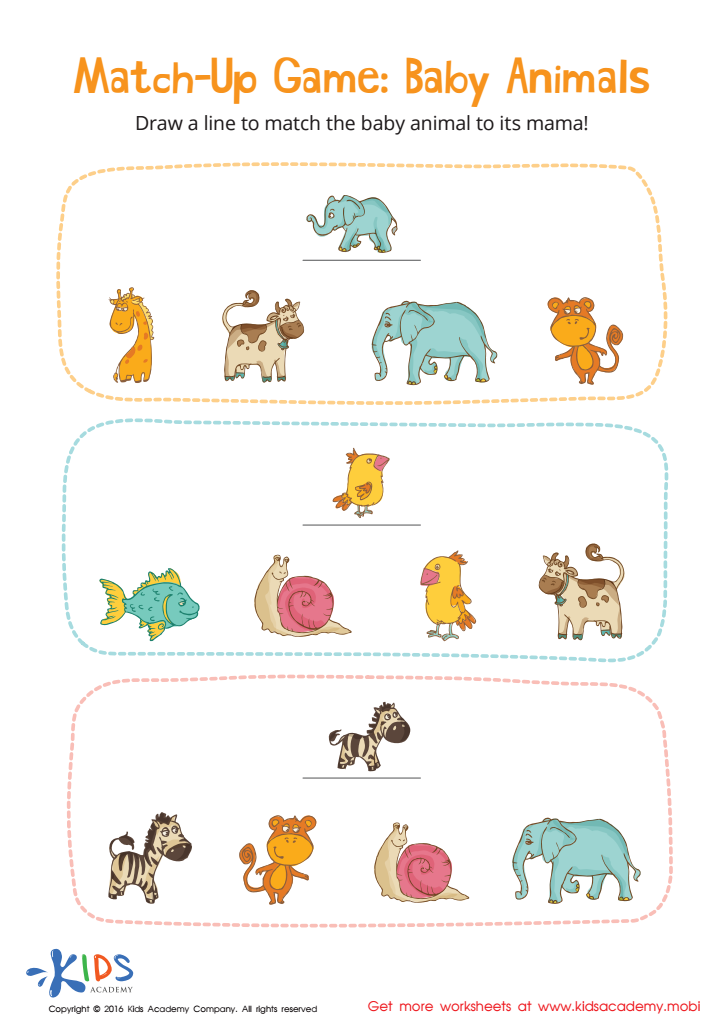
Baby Animals Match-Up Worksheet
Help baby animals find their mummies by using this fun matching worksheet. Kids can practice logical reasoning skills while recognizing similar pictures and learning about animals. Extend their knowledge by having them identify each cute animal!
Baby Animals Match-Up Worksheet
Worksheet
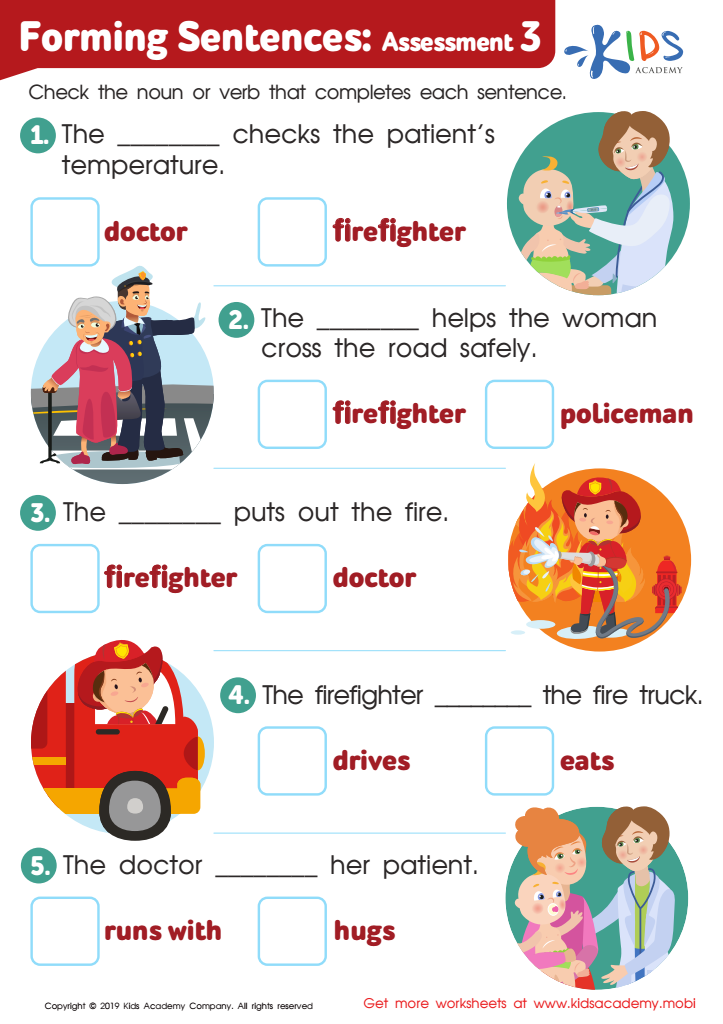
Forming Sentences: Assessment 3 Worksheet
Students must master sentence formation to be successful English learners. After grasping the ABCs and basic words, the next step is to construct sentences using those words. Worksheets like this one can help teach kids how to make sentences; they need to look at the pictures and select the correct noun or verb to complete each sentence.
Forming Sentences: Assessment 3 Worksheet
Worksheet
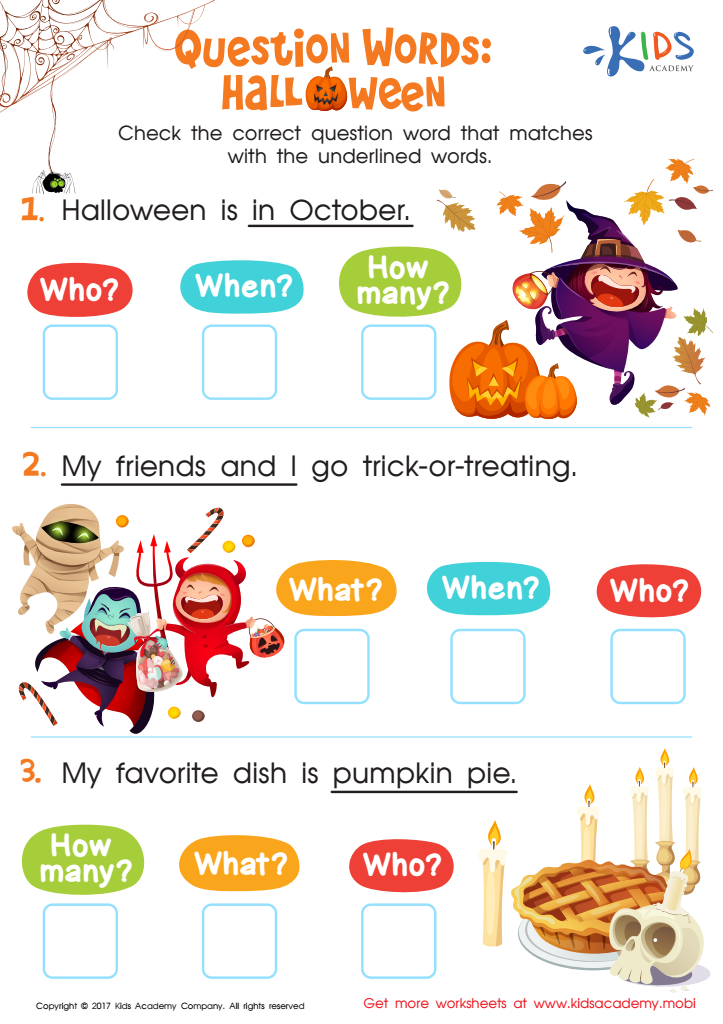
Question Words: Halloween Worksheet
Questions lead to answers, so it's important to use the right words. This Halloween-themed worksheet helps kids learn to use precise language when writing or asking a question. Just read each sentence, noting the underlined phrases, and pick the question word that fits. Have spooky fun!
Question Words: Halloween Worksheet
Worksheet
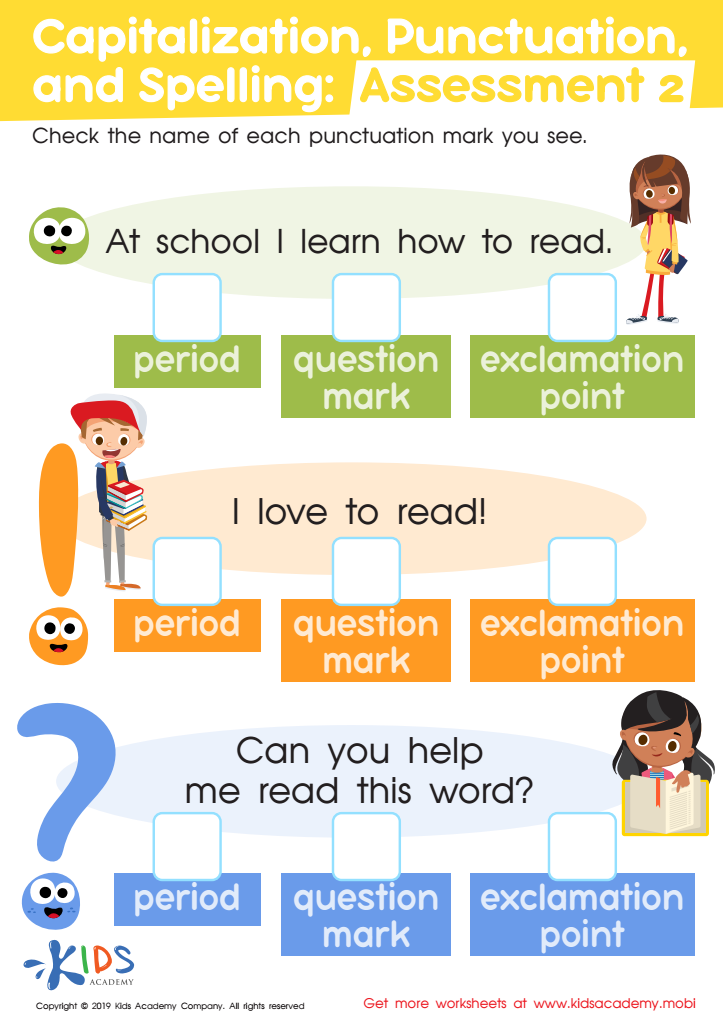
Capitalization. Punctuation. Spelling: Assessment 2 Worksheet
Teach your kids the basics of punctuation. Ask them to name the punctuation marks they know and review a worksheet together. Start with the full stop, question mark and exclamation mark. Show them examples and explain the differences between a comma and semi colon. Teaching proper use of punctuation marks is key to their development.
Capitalization. Punctuation. Spelling: Assessment 2 Worksheet
Worksheet
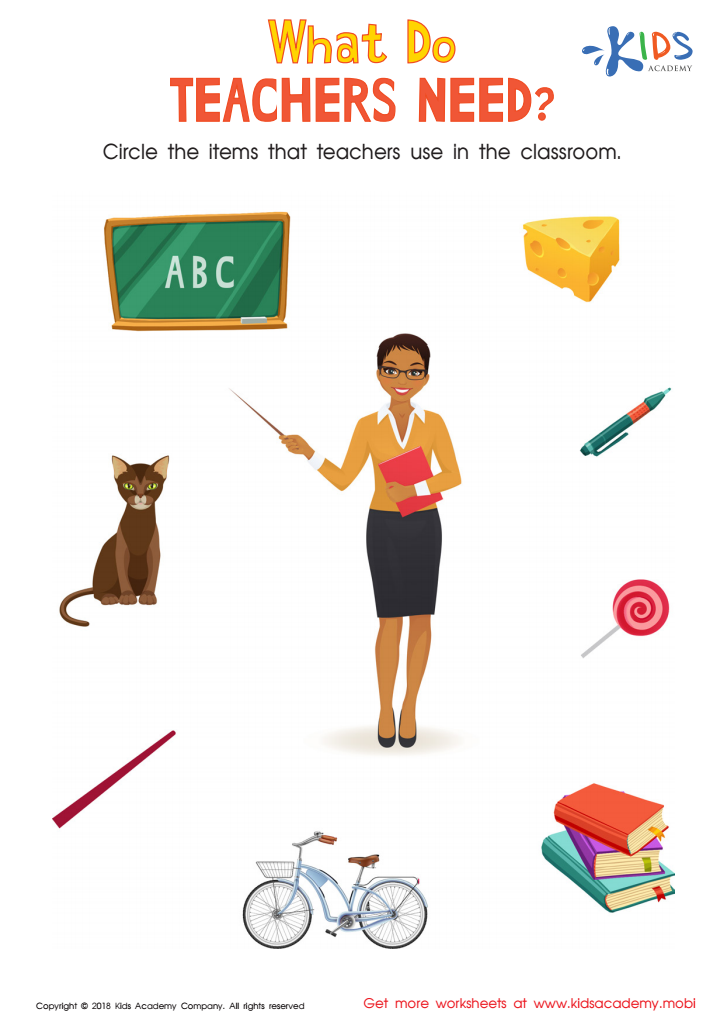
What Do Teachers Need Worksheet
This interactive worksheet tasks kindergarten students with identifying essential items a teacher needs in a classroom. They will be asked to circle items, helping them learn what teachers need to have in their classrooms.
What Do Teachers Need Worksheet
Worksheet
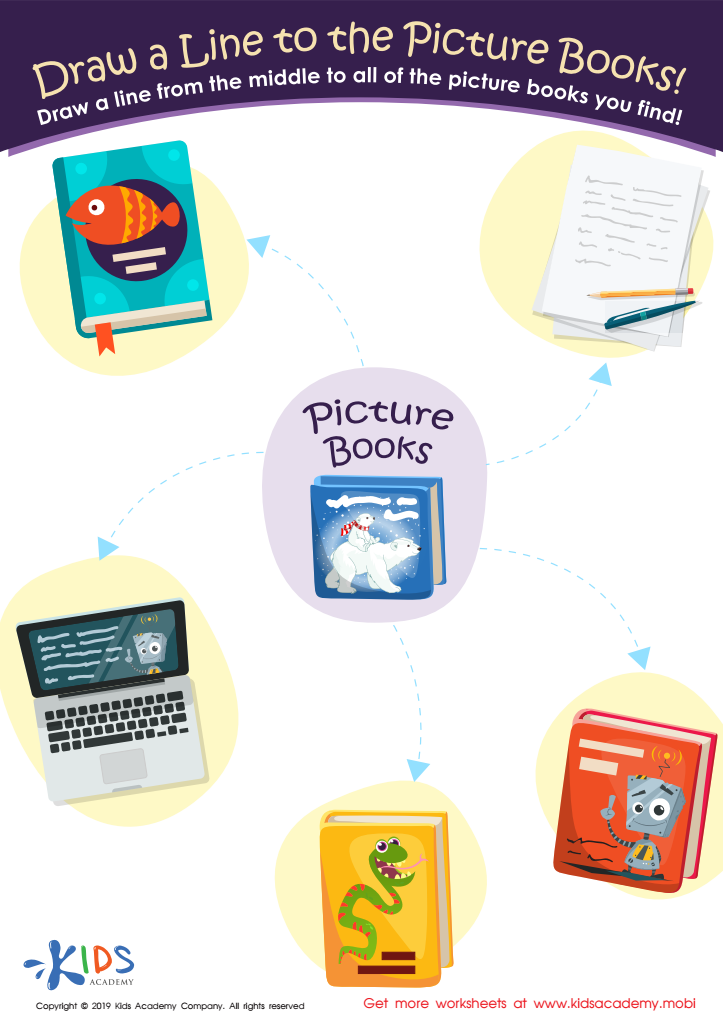
Draw a Line to the Picture Books Worksheet
Encourage your students to read and explore with this fun exercise! They'll draw a line from the word 'picture books' to the five objects. Picture books are exciting, with stories and colorful images. Make story time even more enjoyable with this worksheet!
Draw a Line to the Picture Books Worksheet
Worksheet
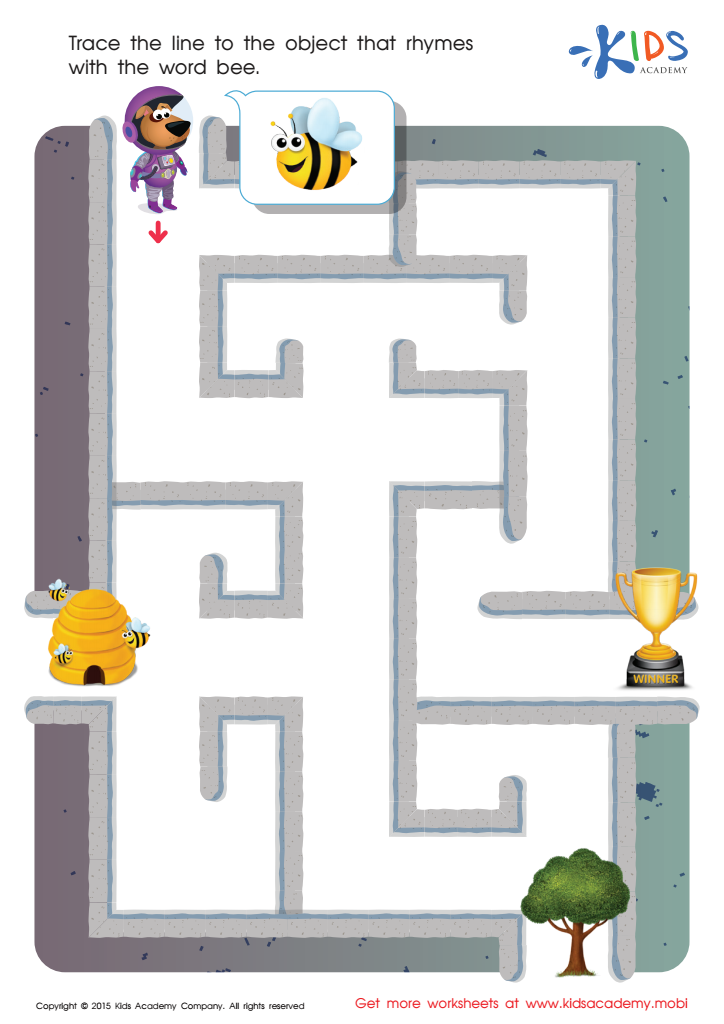
Bee Rhyming Words Worksheet
Download our new vocab builder worksheet and help our pup find rhymes. See how easy it is to trace the root between words! Make learning fun with our collection of English materials and worksheets. Get them now on our web site.
Bee Rhyming Words Worksheet
Worksheet
Join Kids Academy for Free
Who is primarily going to use this learning content?






Comprehension skills for ages 3-5 are essential for early childhood development because they form the foundation for future academic success and lifelong learning. Understanding stories, instructions, and basic concepts helps young children make sense of the world around them. When parents and teachers focus on nurturing these skills, children benefit in multiple ways.
Firstly, strong comprehension abilities support language and literacy development. As children comprehend stories and conversations, they expand their vocabulary, improve their grammar, and learn to express themselves more clearly. This lays the groundwork for reading and writing skills that are crucial for later stages of education.
Additionally, comprehension skills contribute to cognitive development. Engaging with stories and considering the meaning behind words improves critical thinking and problem-solving abilities. These skills aid children in understanding complex concepts as they grow, leading to better performance in subjects like math, science, and social studies.
Emphasizing comprehension also deepens emotional and social understanding. Children learn to empathize with characters in stories, understand different perspectives, and relate to others' feelings and experiences. This emotional intelligence is vital for building positive relationships and effective communication skills.
Investing in the development of comprehension skills from an early age prepares children for a brighter academic and social future, making it a valuable focus for both parents and teachers.








