Vocabulary development Worksheets for Ages 3-5
44 filtered results
-
From - To
Enhance your child's vocabulary skills with our engaging Vocabulary Development Worksheets designed for ages 3-5! Our collection features colorful, age-appropriate activities that make learning fun and interactive. Each worksheet targets essential vocabulary acquisition through rhymes, themes, and word association, encouraging kids to expand their language abilities while boosting their overall communication skills. Perfect for early learners, these worksheets support parents and educators in nurturing a love for words and reading. Download our printable worksheets today and lay a strong foundation for your child's literacy journey with captivating exercises that promote exploration and creativity!
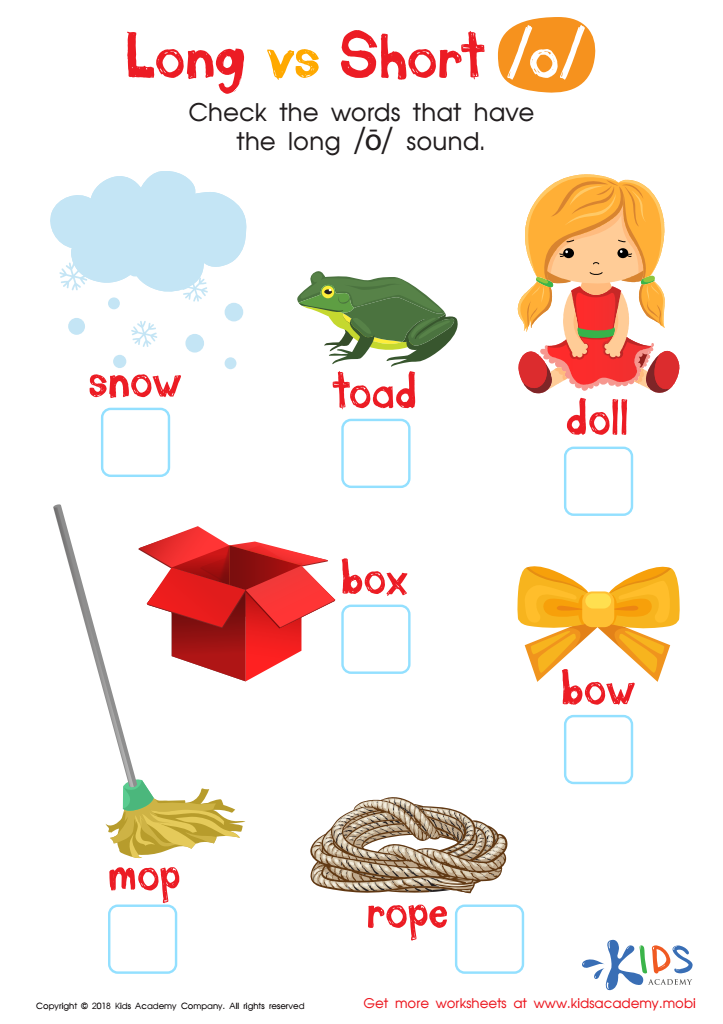
Long vs Short O Reading Worksheet
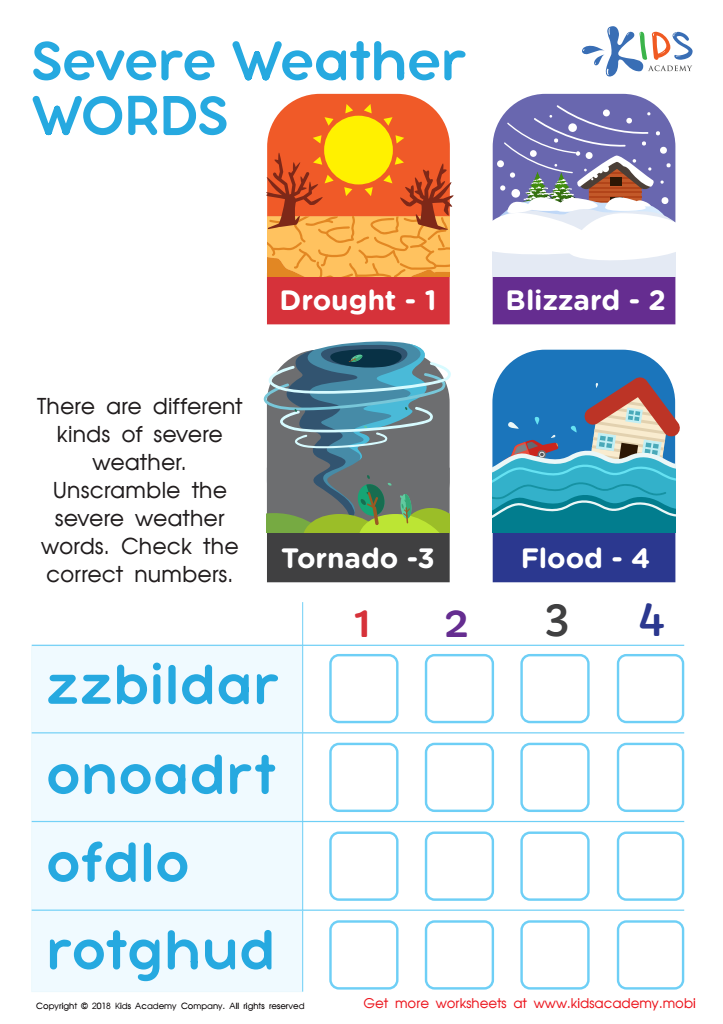
Severe Weather Words Worksheet
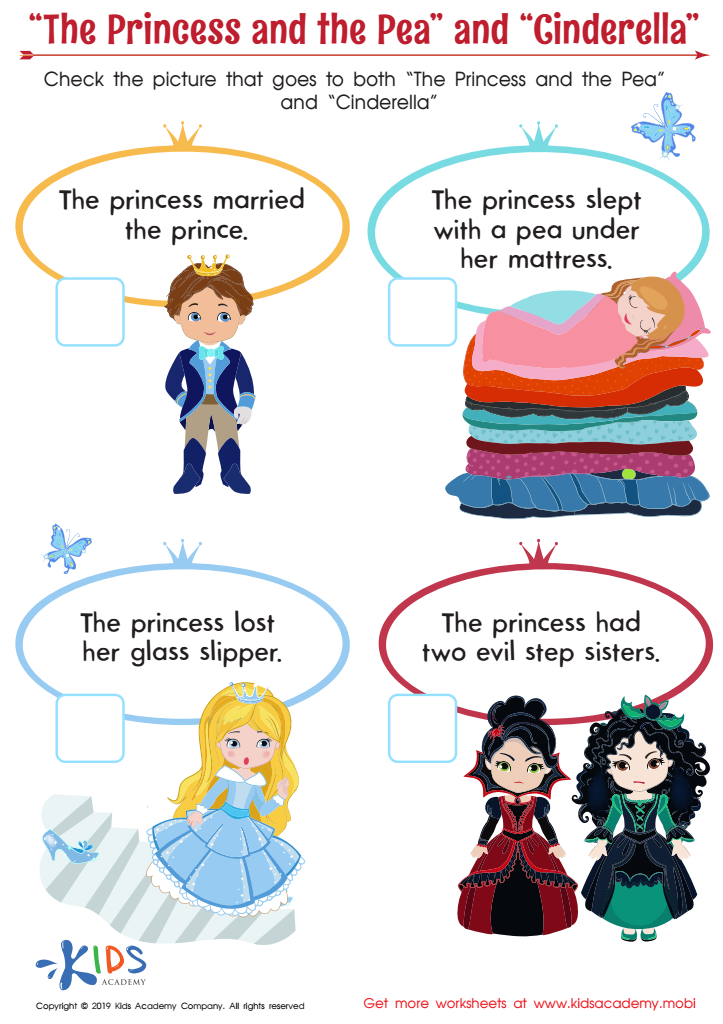
“The Princess and the Pea” and “Cinderella” Worksheet
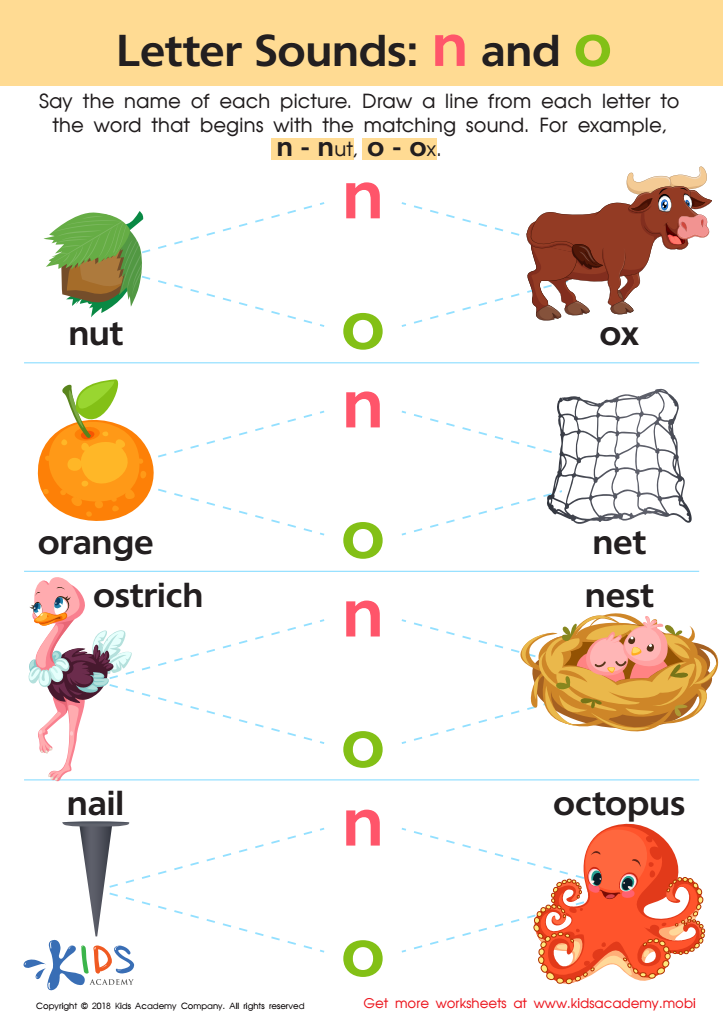
Letter N and O Sounds Worksheet
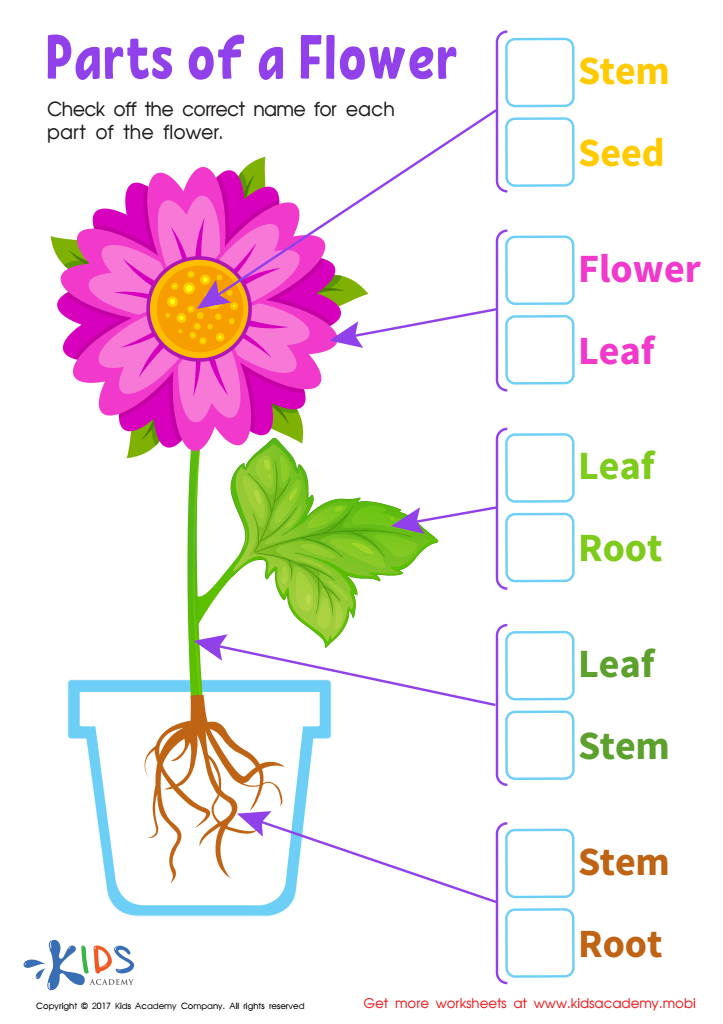
Parts Flower Printable
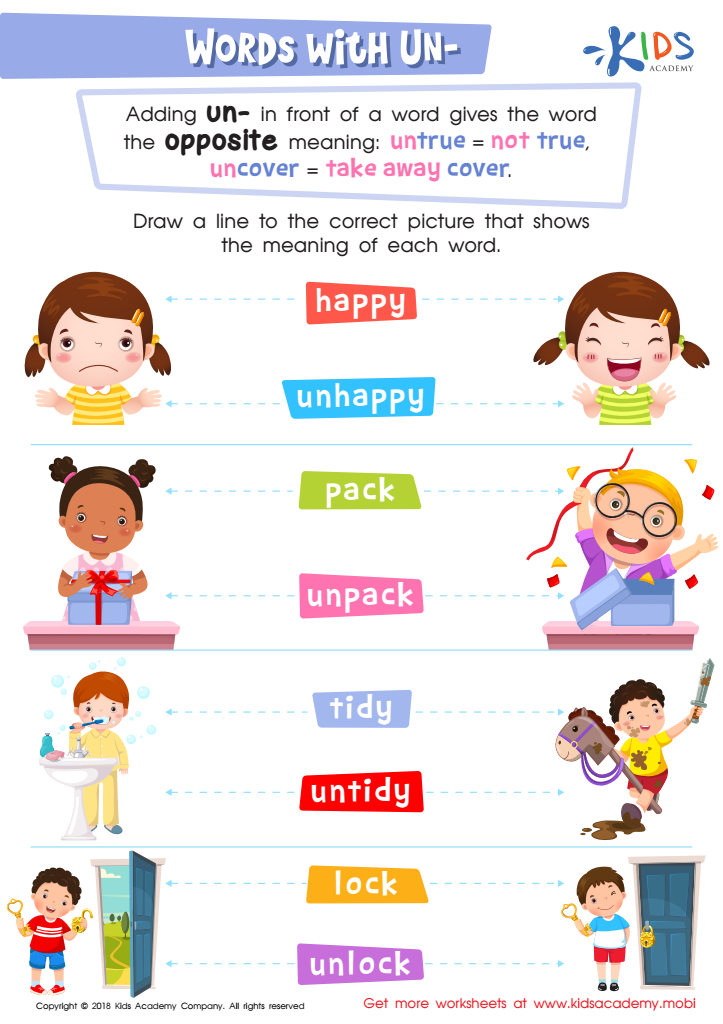
Words with Un– Worksheet
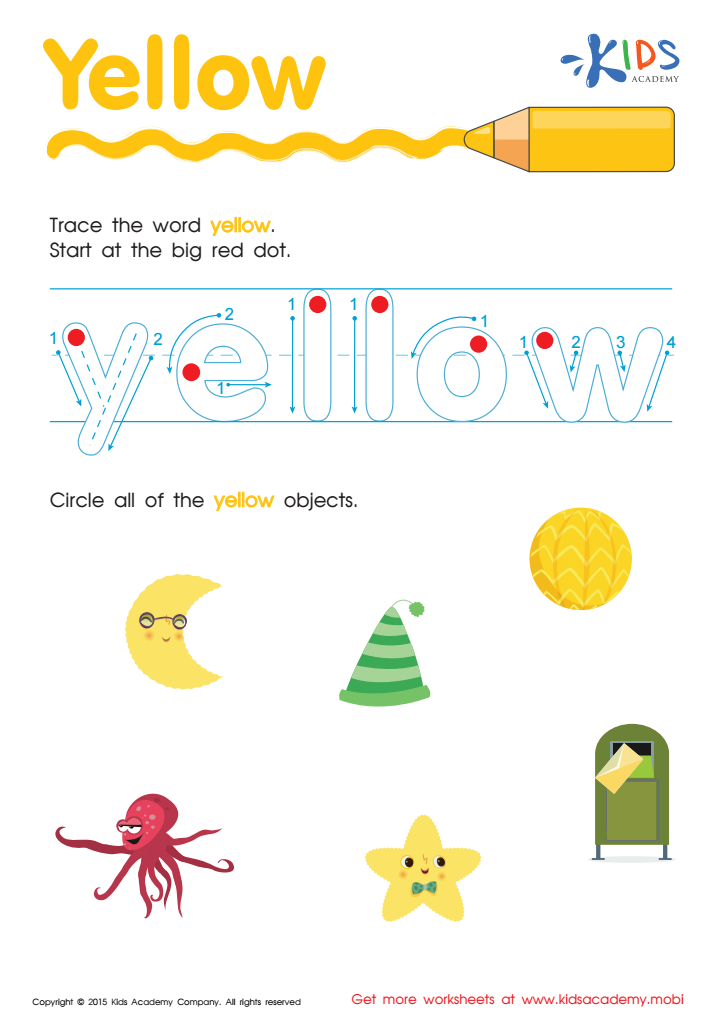
Yellow Tracing Color Words Worksheet
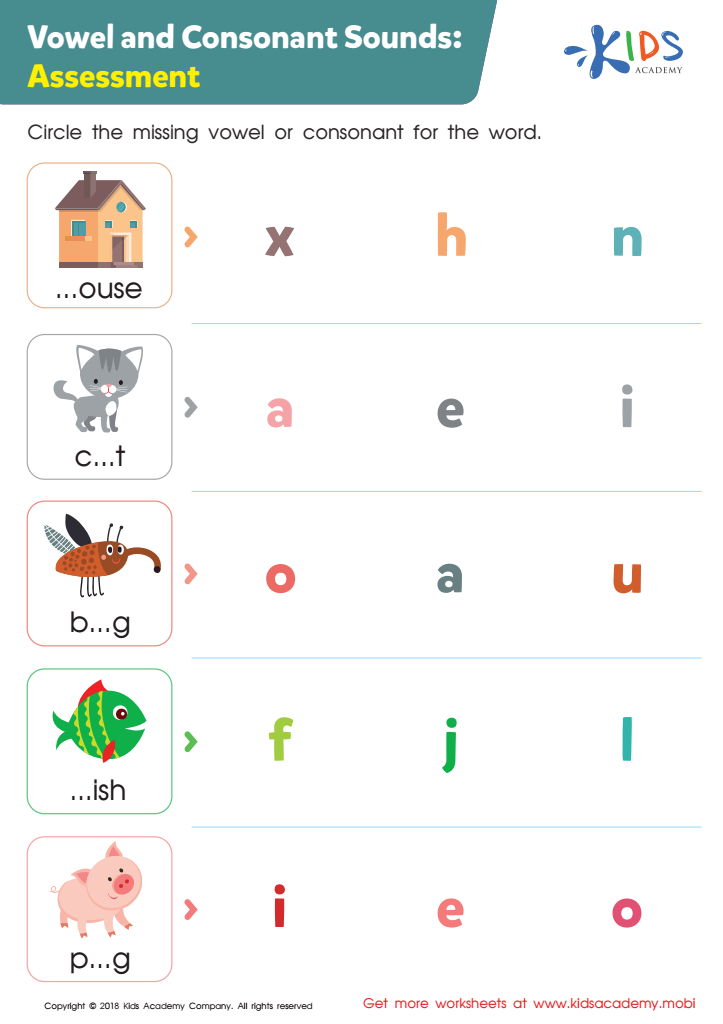
Vowel and Consonant Sounds: Assessment Worksheet
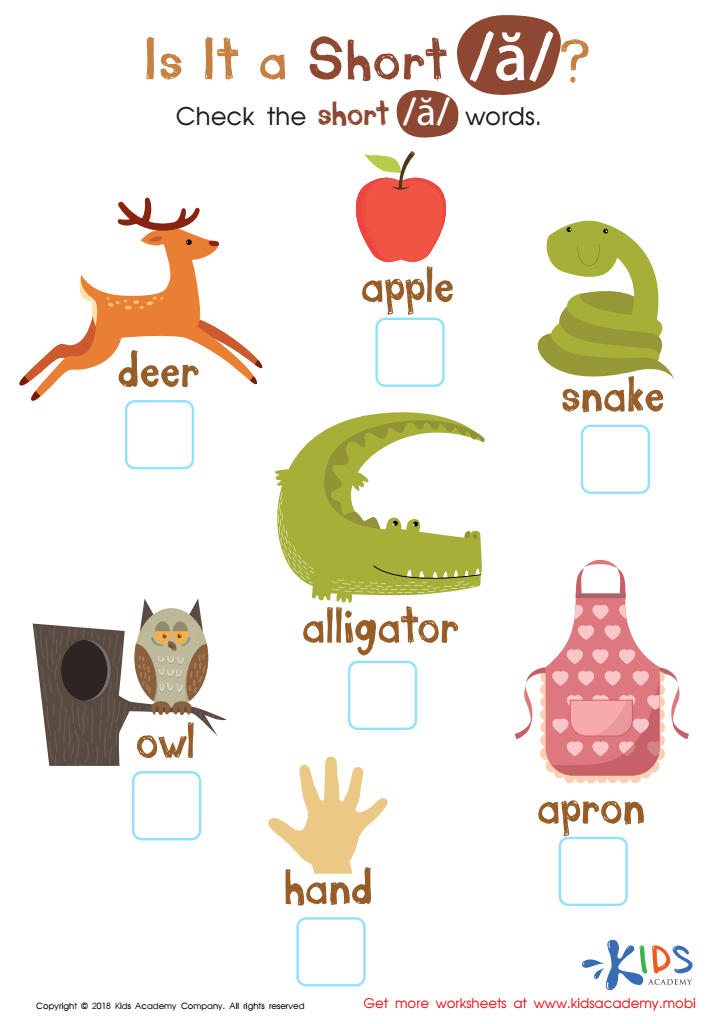
Is It Short A? Reading Worksheet
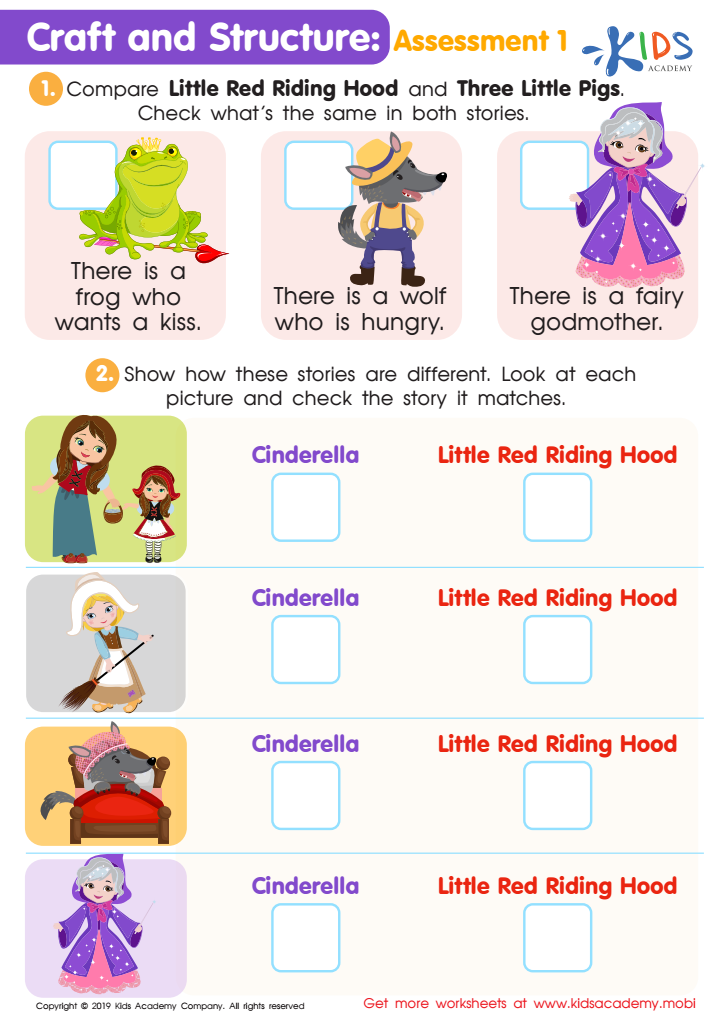
Craft and Structure: Assessment 1 Worksheet

Let's Go to the Library! Worksheet
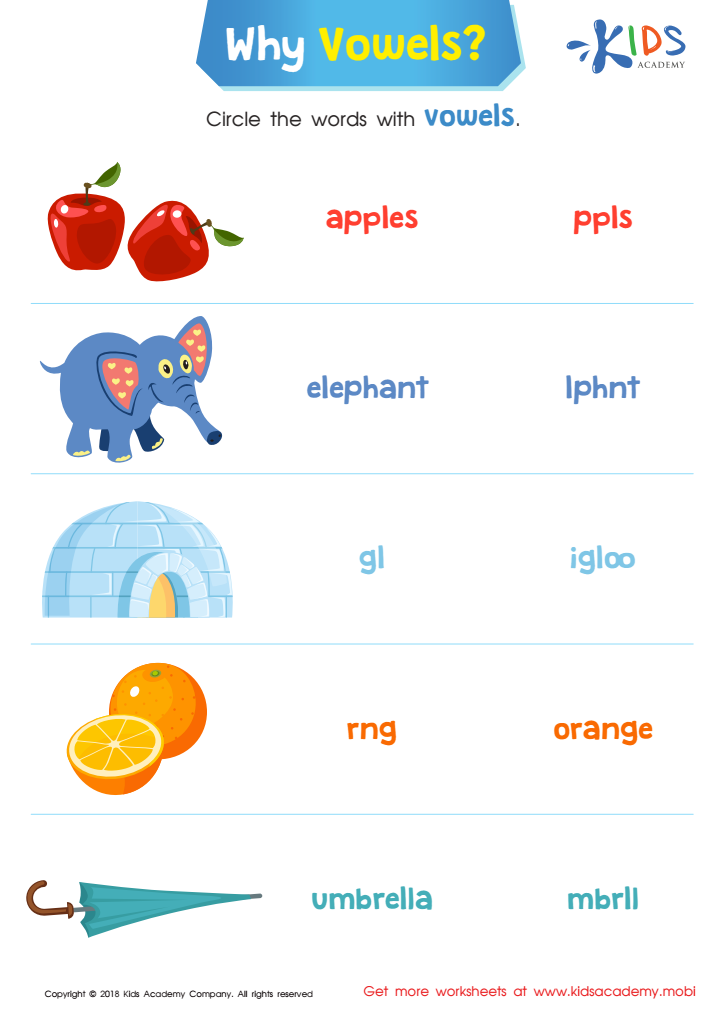
Why Vowels? Reading Worksheet
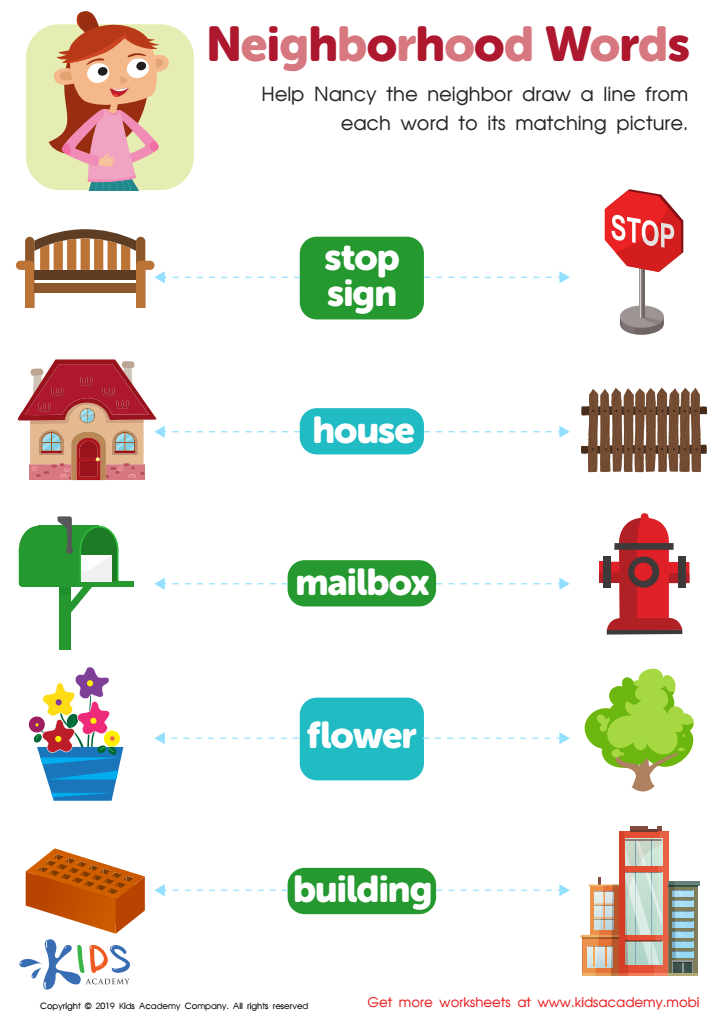
Neighborhood Words Worksheet
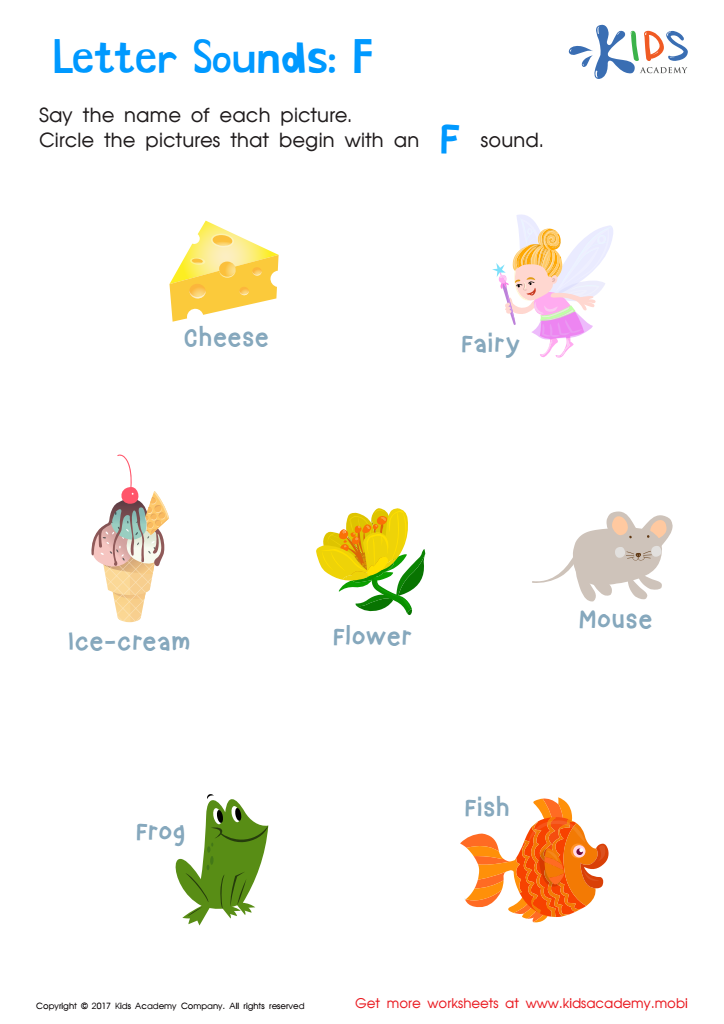
Letter F Sounds Worksheet
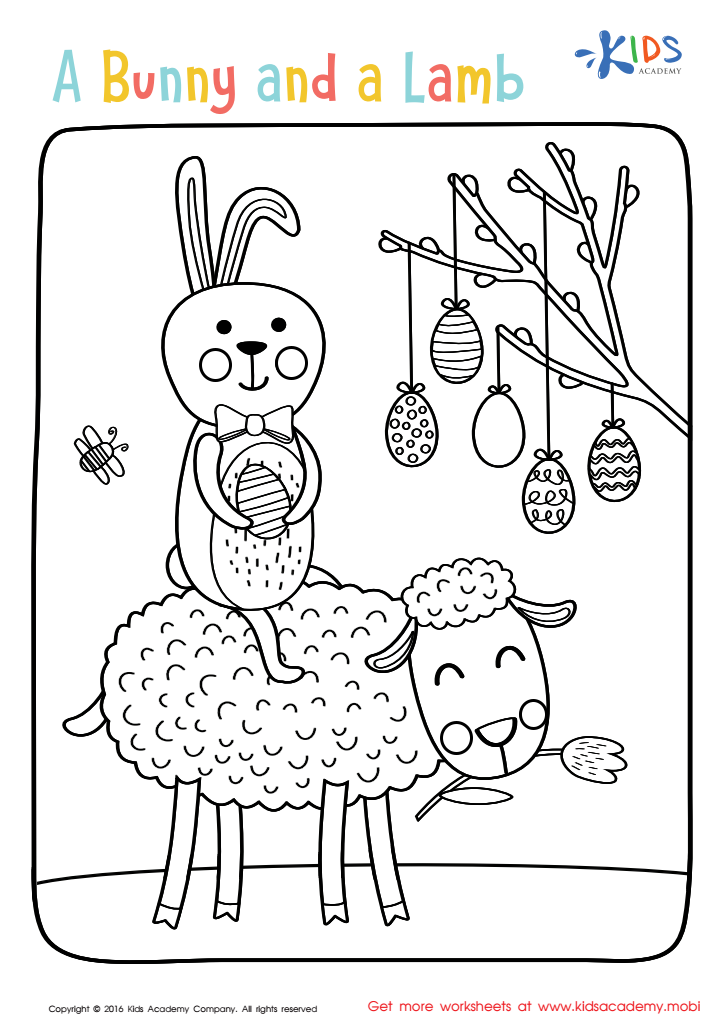
Easter: a Bunny and a Lamb Worksheet
 Assign to My Students

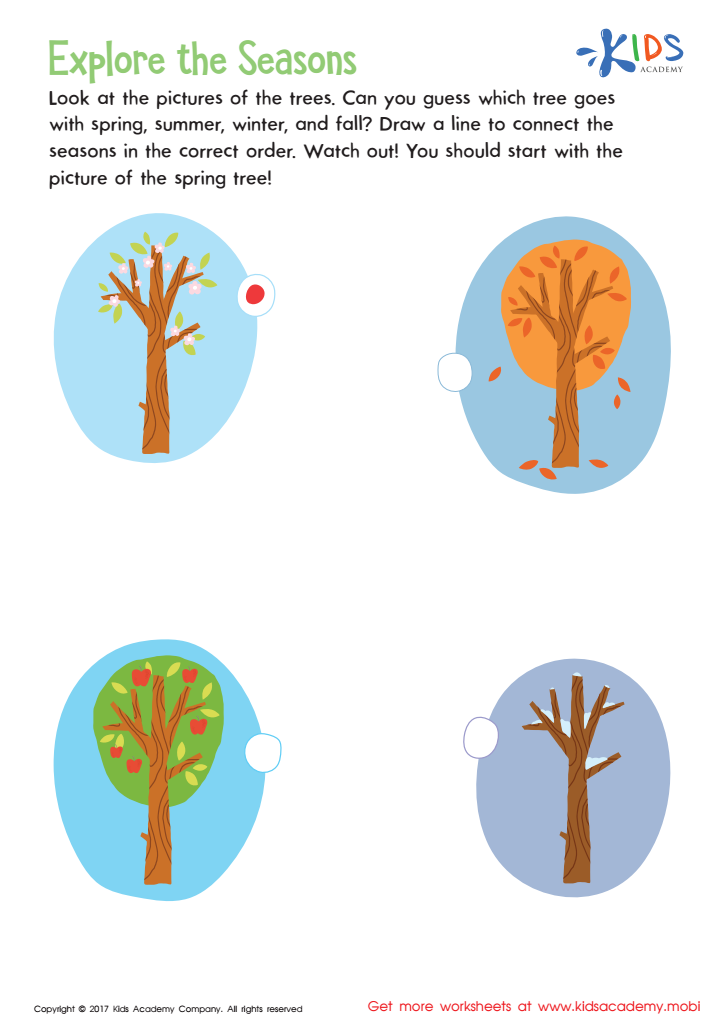
Explore the Seasons Worksheet
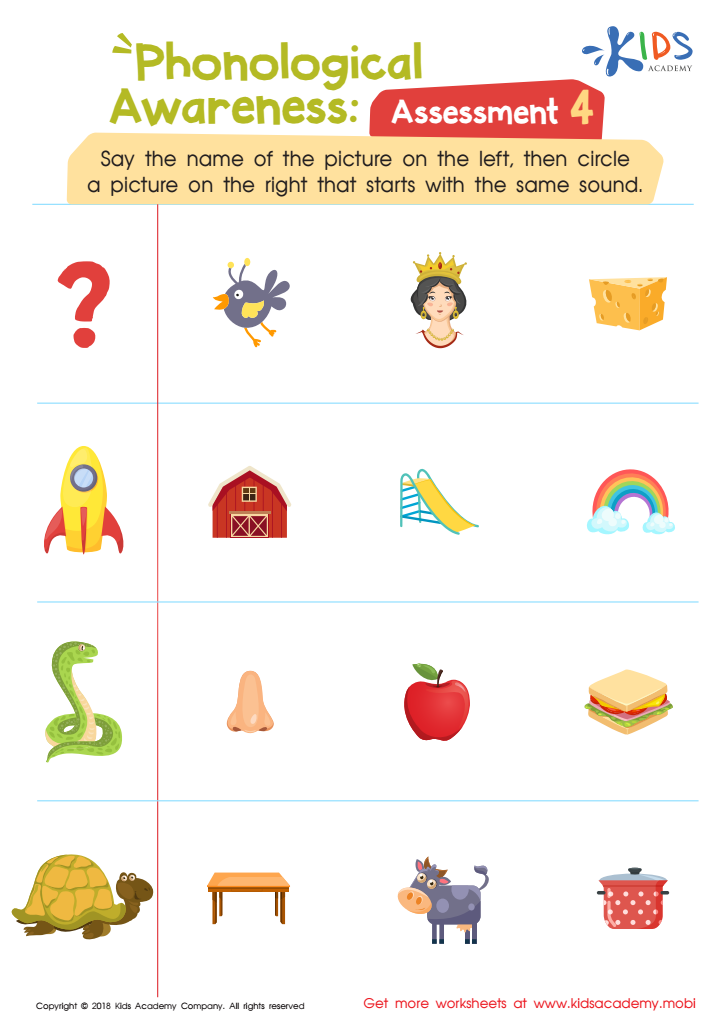
Phonological Awareness: Assessment 4 Worksheet
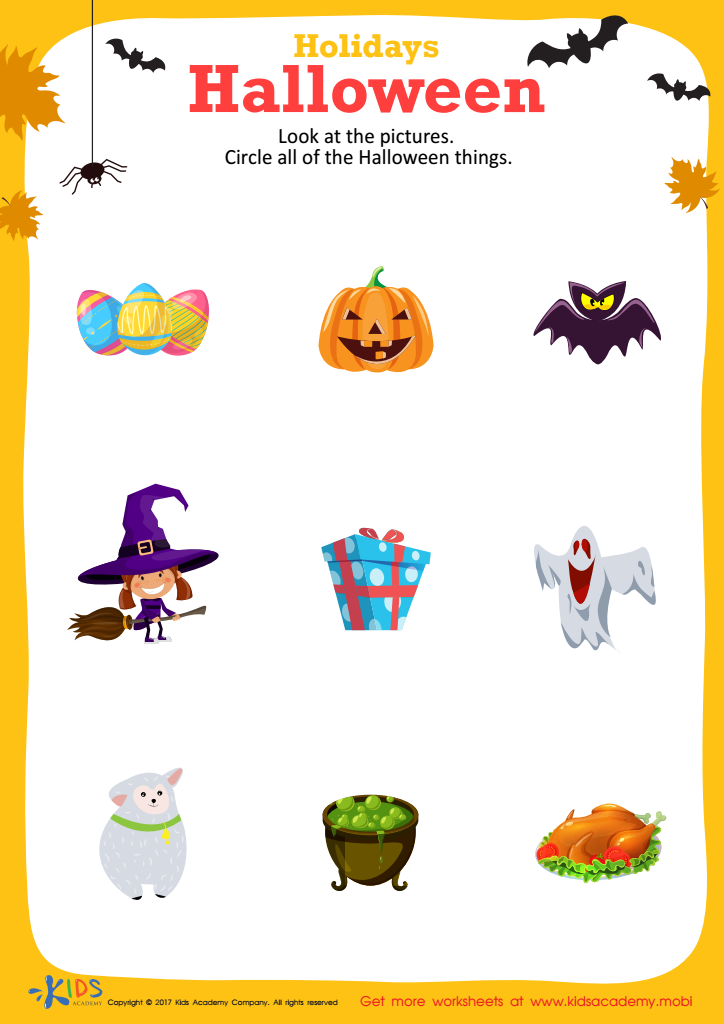
Halloween Holiday Worksheet
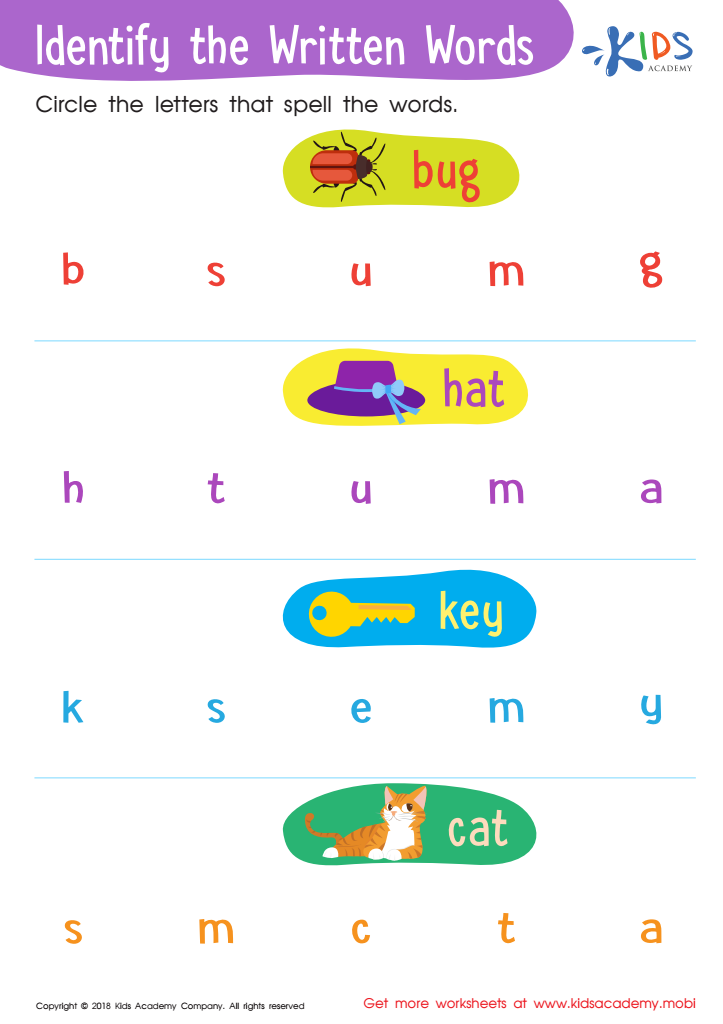
Identify the Written Words Worksheet
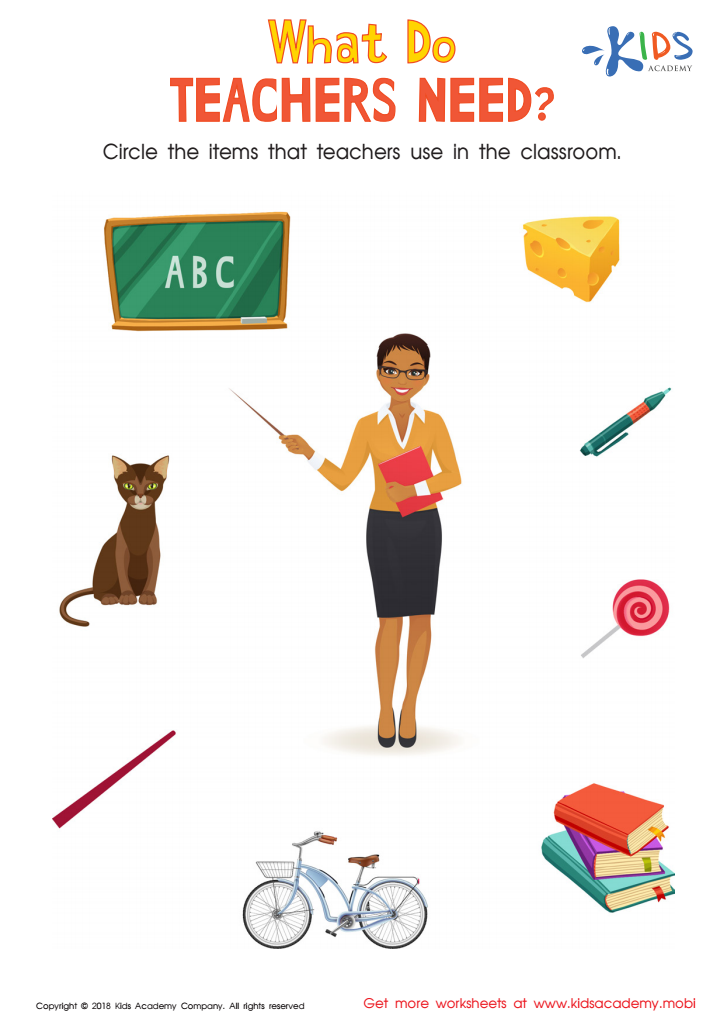
What Do Teachers Need Worksheet
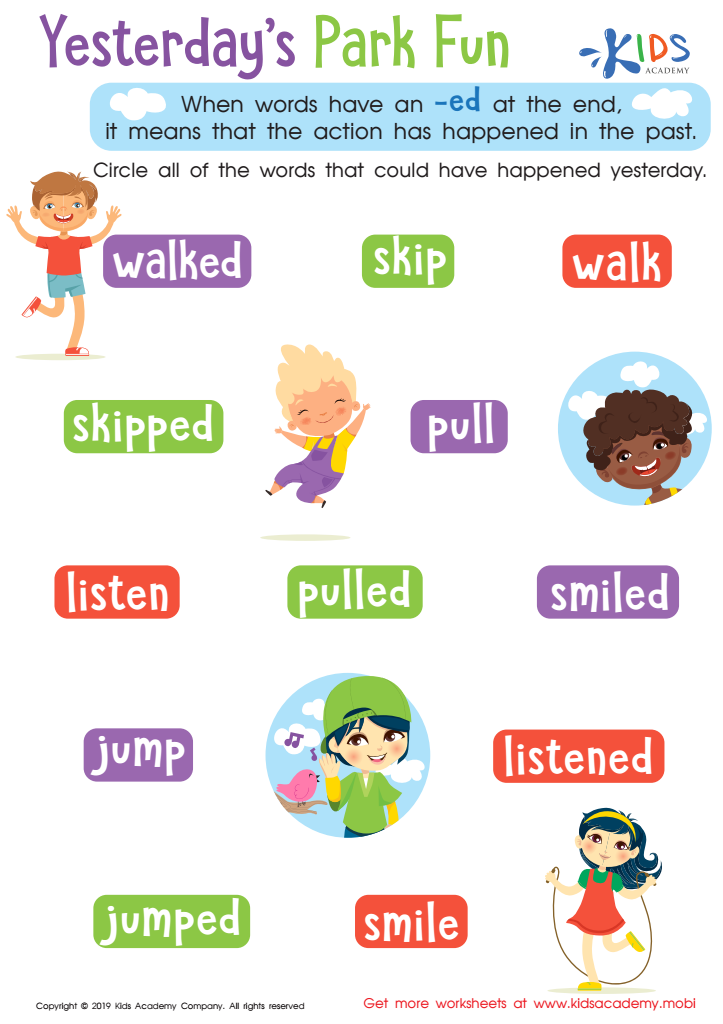
Yesterday's Park Fun Worksheet
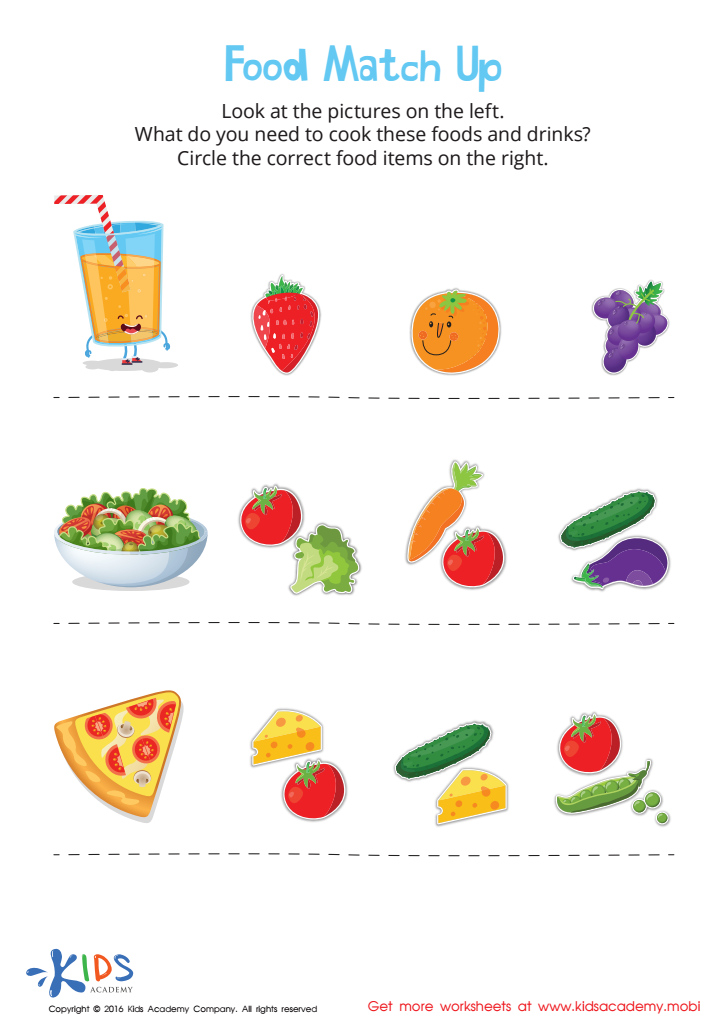
Food Match Up Worksheet
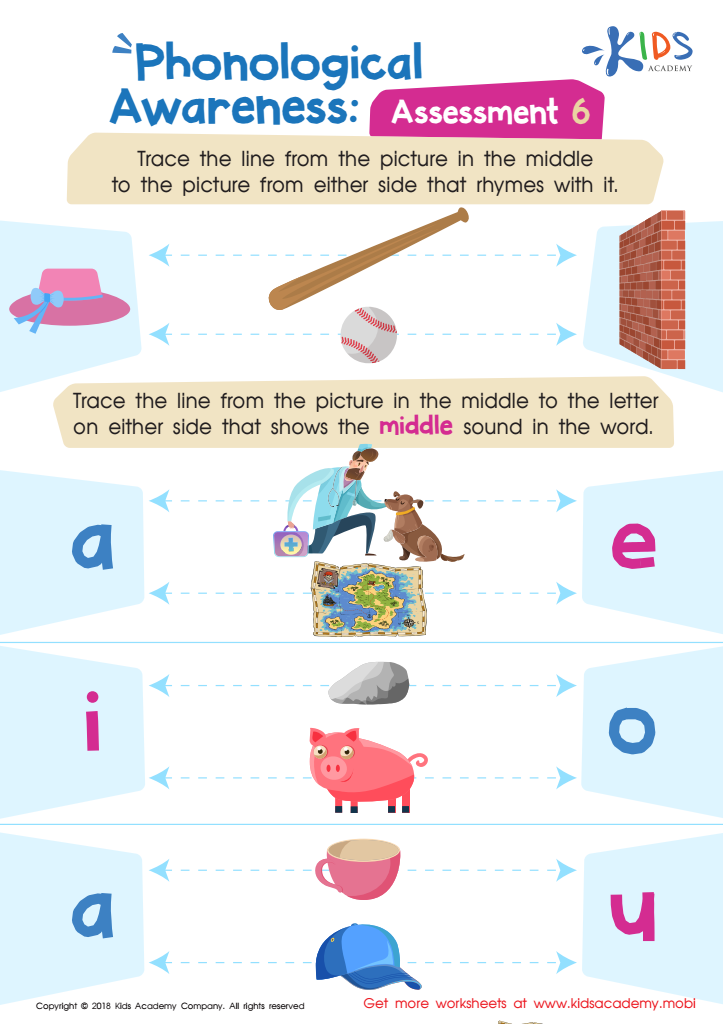
Phonological Awareness: Assessment 6 Worksheet







Vocabulary development in children ages 3-5 is crucial for several reasons, making it a priority for both parents and teachers. During this formative stage, children experience rapid brain development, and the vocabulary they acquire lays the groundwork for future learning. A robust vocabulary enhances comprehension skills, enabling children to express their thoughts, emotions, and needs more effectively. This fosters stronger communication skills and helps build confidence.
Research links a strong vocabulary in early childhood to later academic success. Children with larger vocabularies are better equipped to understand complex texts, engage in conversations, and perform well in school. Furthermore, early vocabulary development supports literacy skills; phonemic awareness, and the ability to decode words are significantly influenced by a rich language foundation.
Parents and teachers can nurture vocabulary growth by engaging children in interactive conversations, reading to them regularly, and playing word games. These activities not only bolster language skills but also enhance cognitive development and social skills. Ultimately, investing in vocabulary development during these crucial years enables children to thrive academically and socially, setting them on a trajectory for lifelong success. By prioritizing this development, parents and teachers can empower children with the tools they need to navigate the world around them.








