Matching skills Math Worksheets for Ages 3-5
14 filtered results
-
From - To
Discover our engaging "Matching Skills Math Worksheets" designed specifically for children aged 3-5! These interactive resources promote early math development by helping young learners enhance their ability to identify and pair similar items. Each worksheet allows children to practice matching numbers, shapes, and objects in a fun, hands-on way. With colorful illustrations and age-appropriate challenges, our worksheets make learning enjoyable and effective. Perfect for parents and educators alike, these worksheets support essential cognitive skills while laying a strong foundation for future math success. Explore our collection and watch your child's confidence and matching skills flourish!
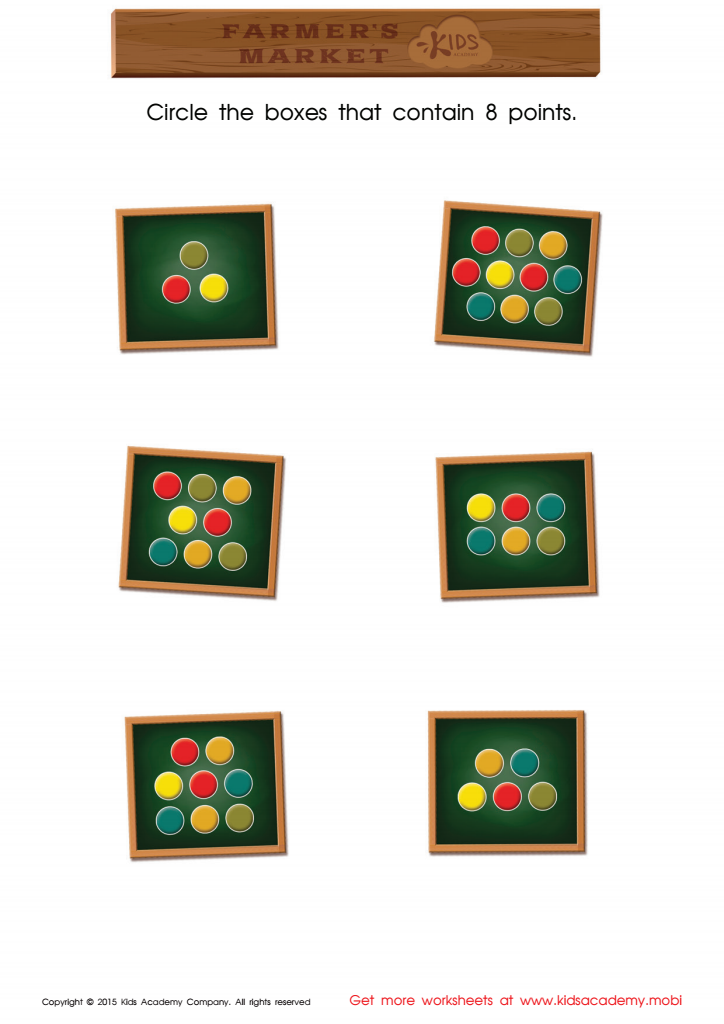
Count and Match Points 8 Math Worksheet
 Assign to My Students
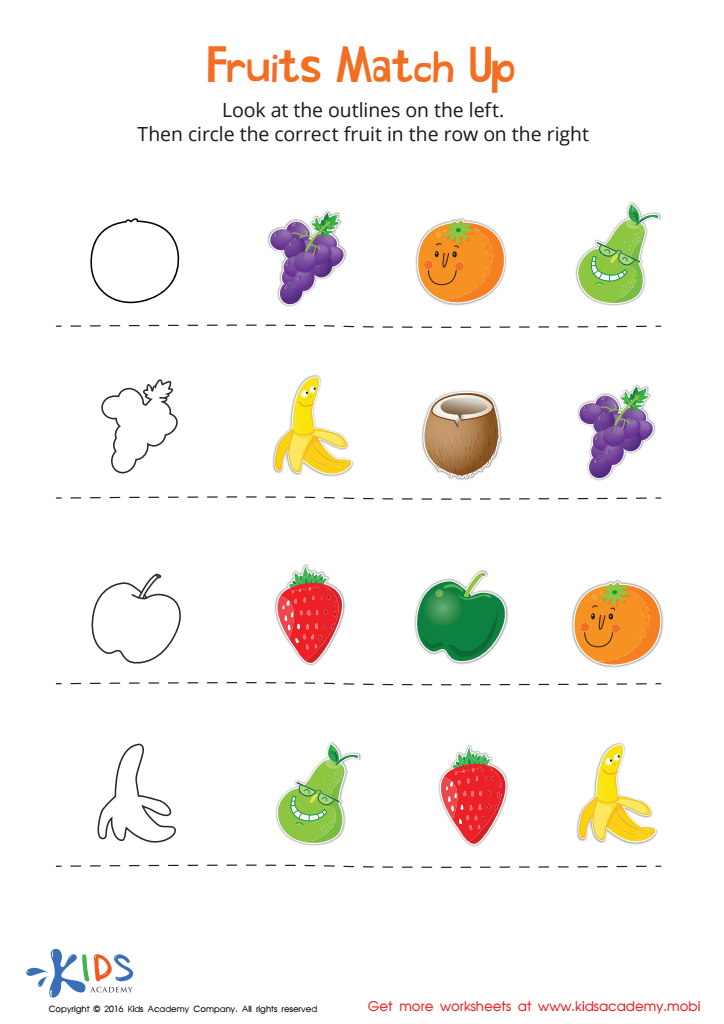
Fruits Match Up Worksheet
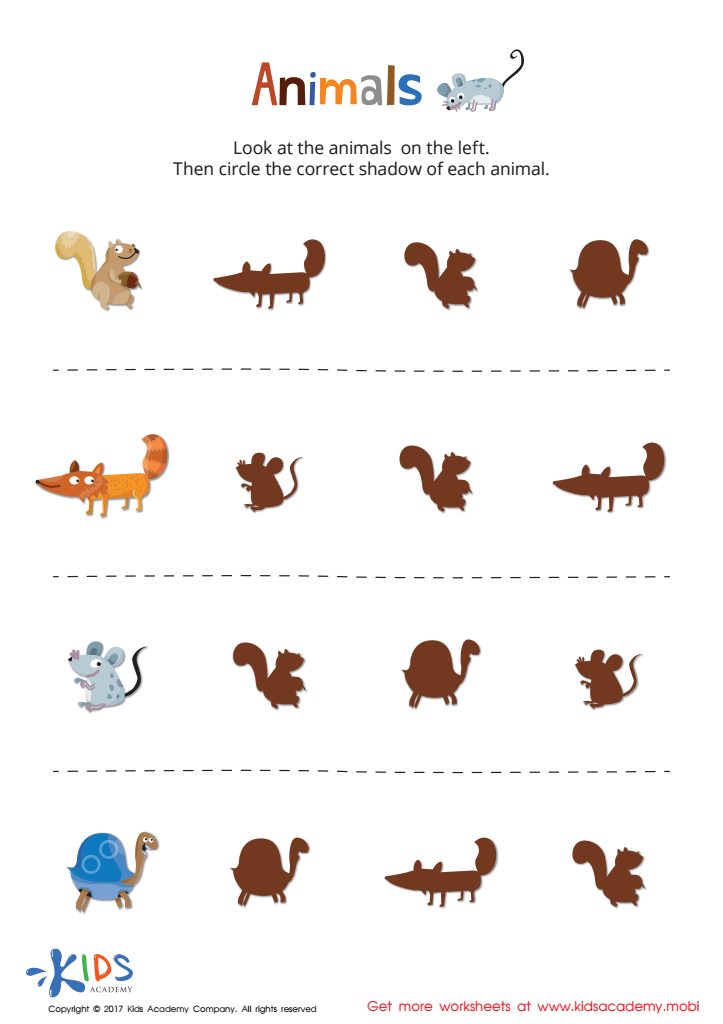
Animal Shadows Sorting Worksheet
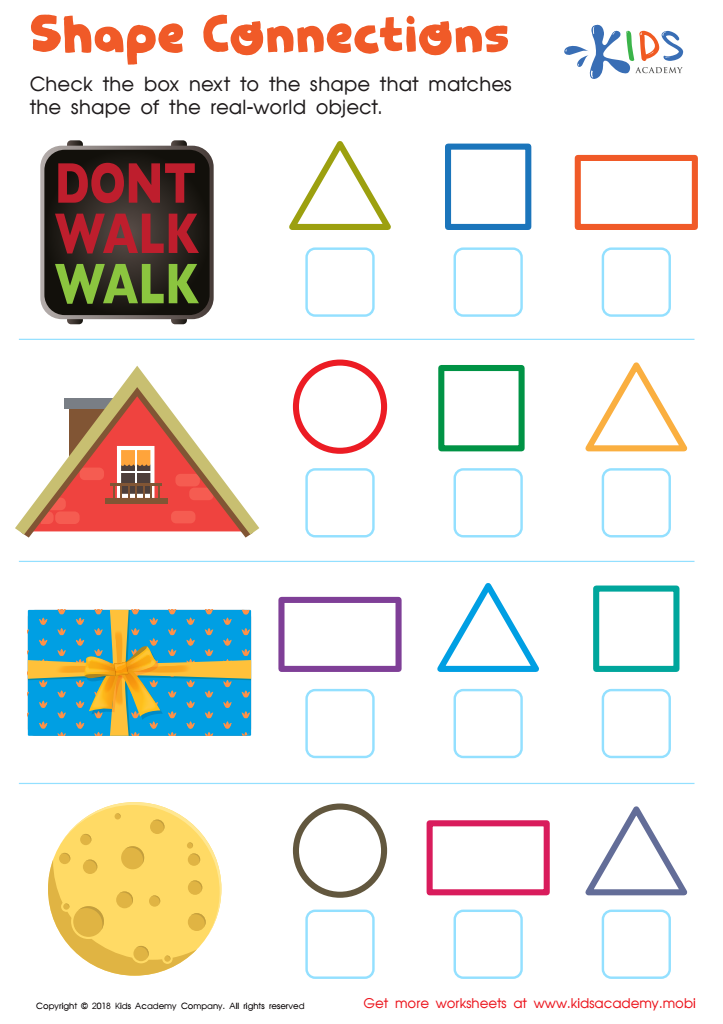
Shape Connections Worksheet
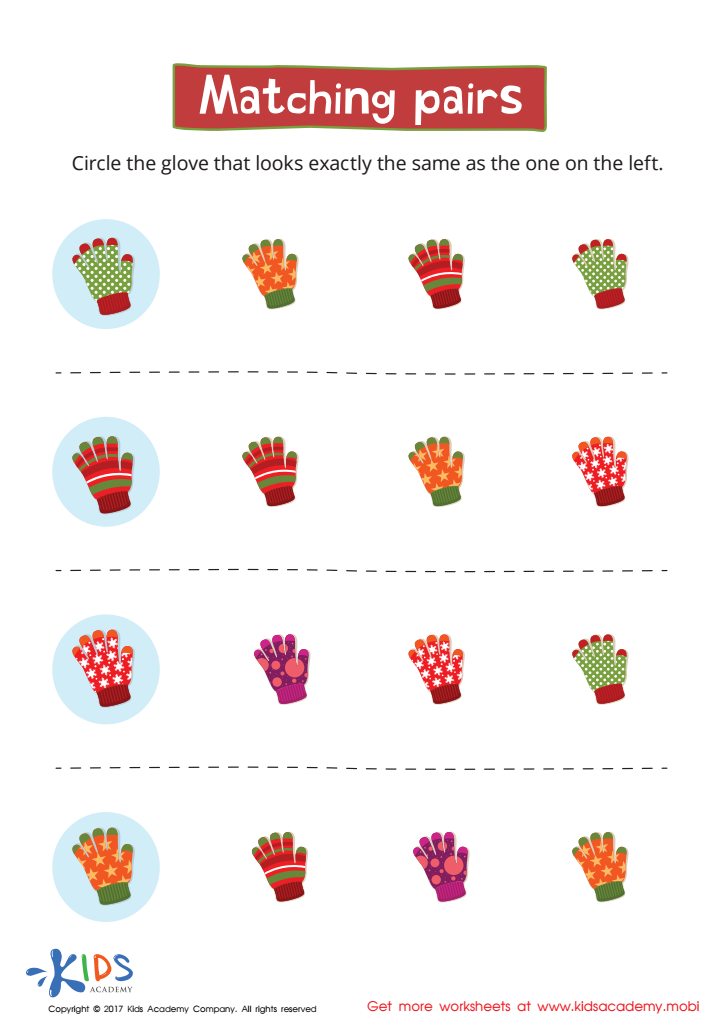
Matching: Matching Pairs Worksheet
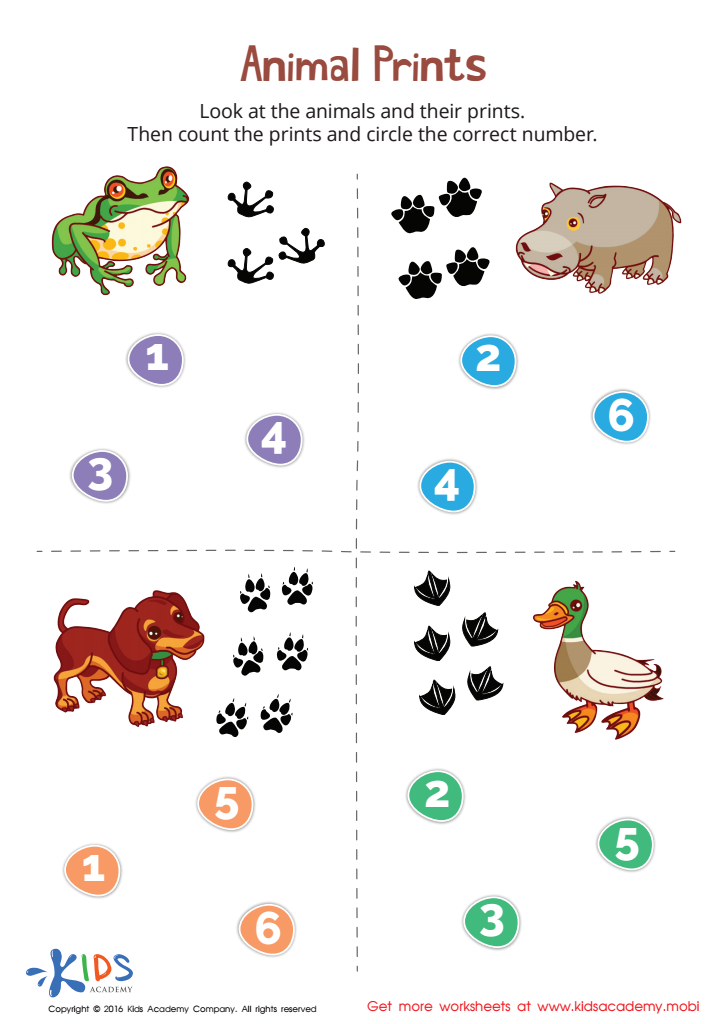
Animal Prints Match-Up Worksheet
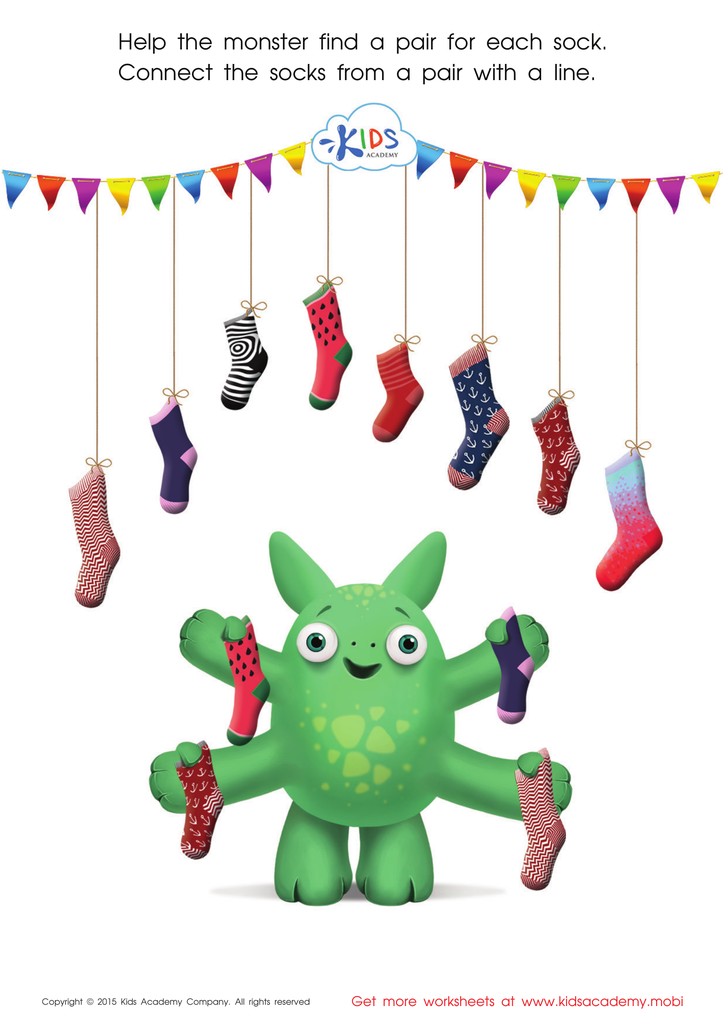
Math Matching Game: Monsterв's Socks Worksheet
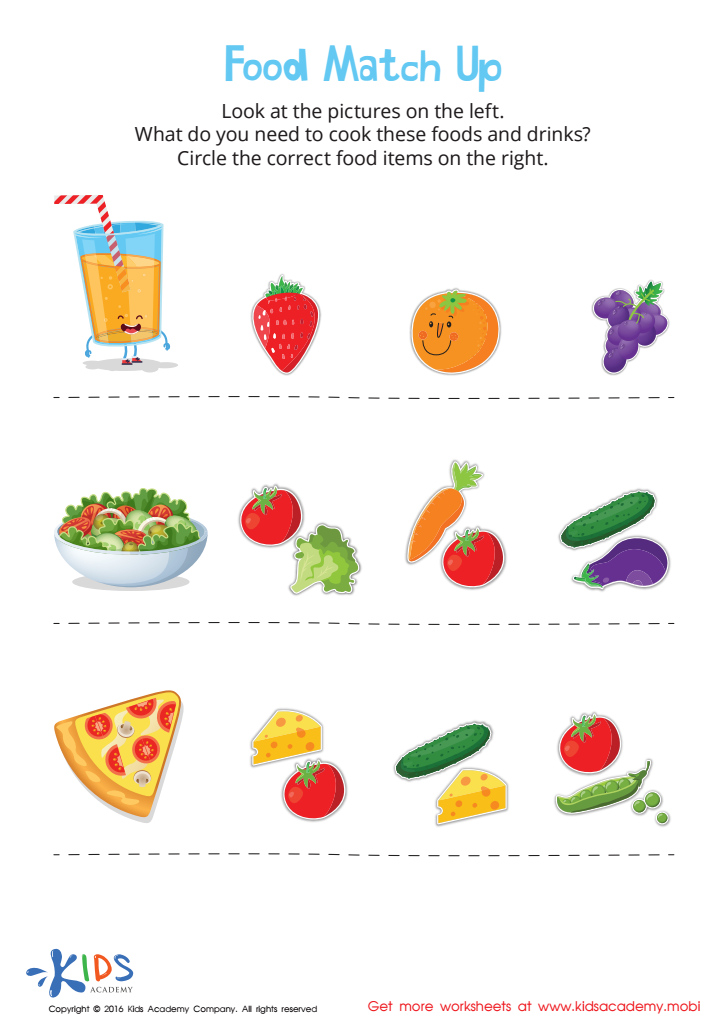
Food Match Up Worksheet
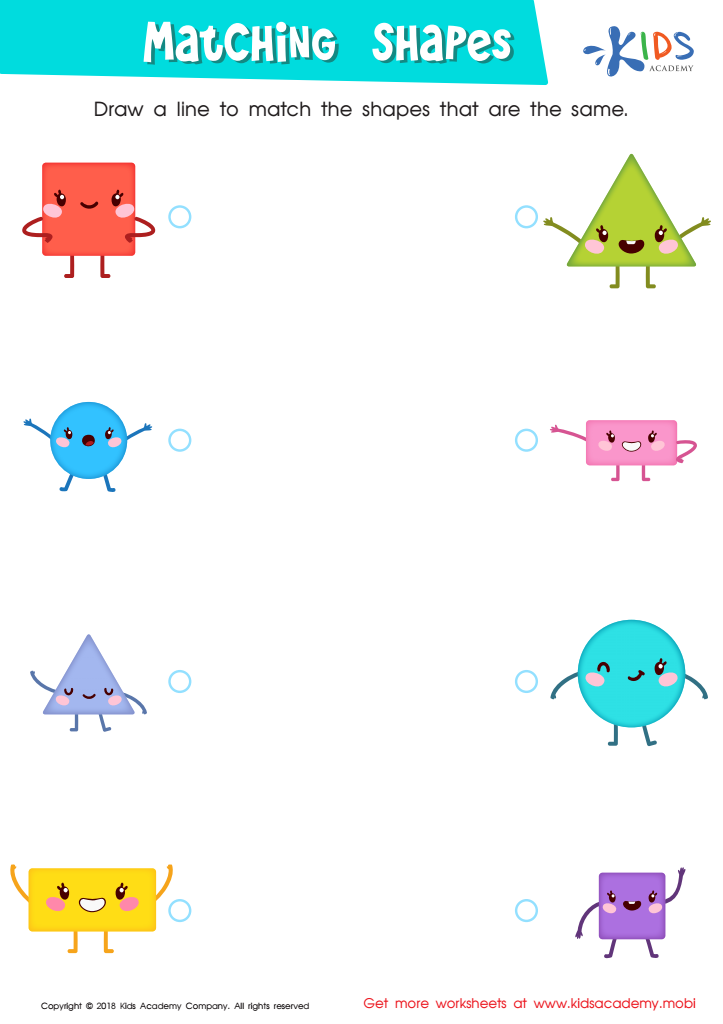
Matching Shapes Worksheet
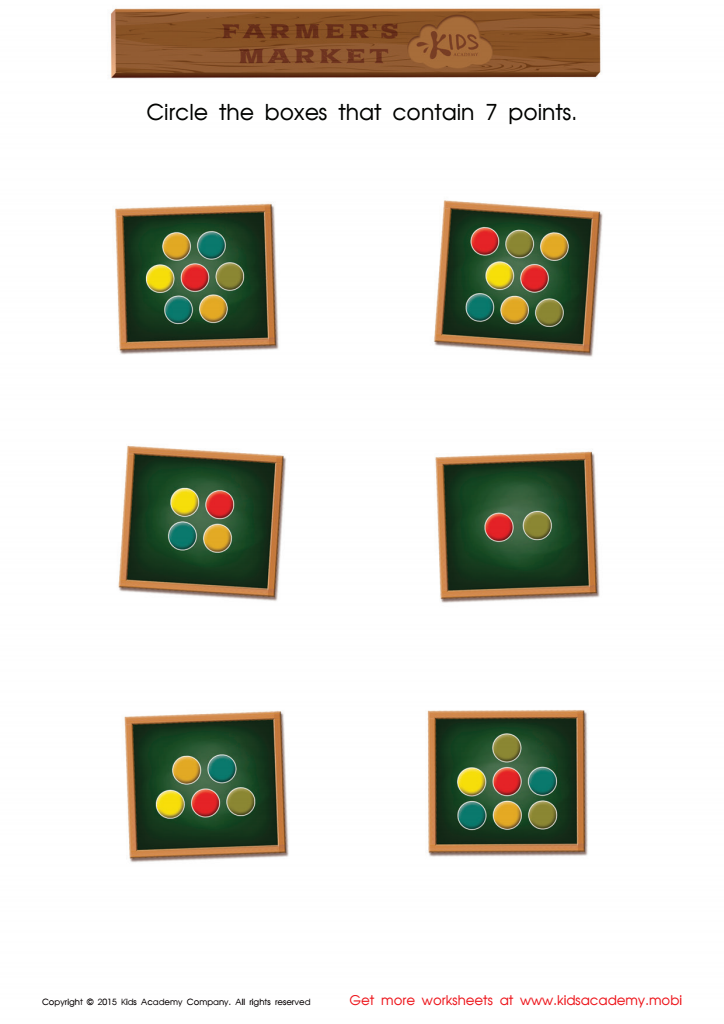
Count and Match Points 7 Math Worksheet
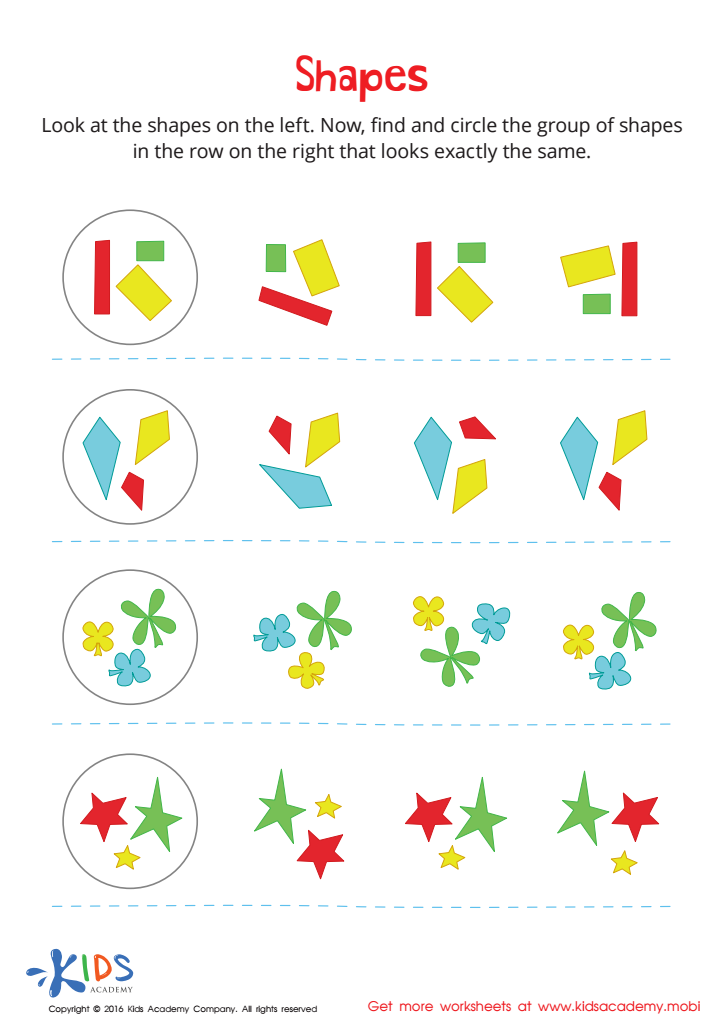
Shapes Worksheet
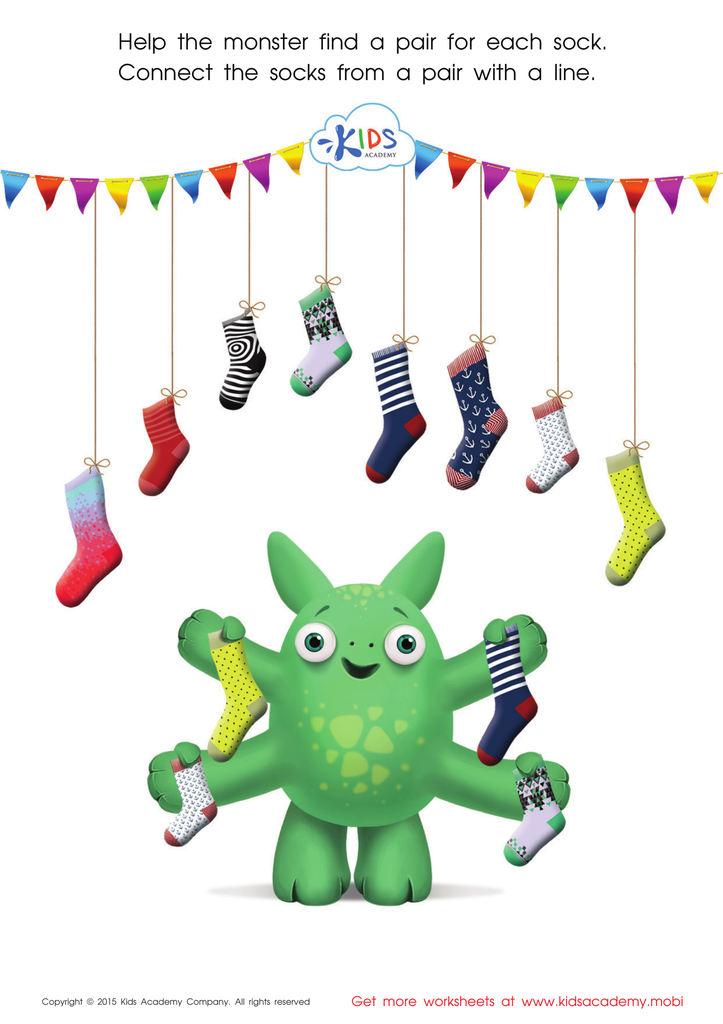
Math Matching Pairs Game: Monsterв's Socks Worksheet
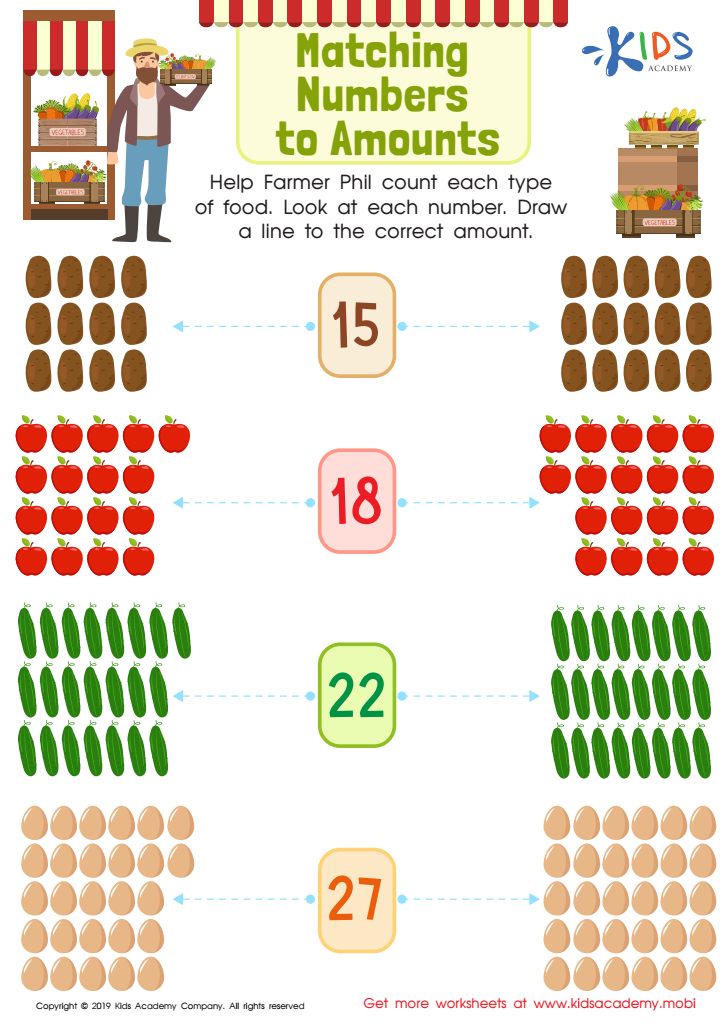
Matching Numbers to Amounts Worksheet








Matching skills in math for ages 3-5 are crucial for early childhood development, offering foundational skills that support later mathematical understanding and cognitive abilities. During this critical age, children engage in activities that promote pattern recognition and categorization, which are fundamental to mathematical concepts like sorting, measurement, and arithmetic. By nurturing these skills, parents and teachers help children build strong cognitive frameworks that aid problem-solving and logical reasoning.
Participating in matching activities develops spatial awareness and attention to detail. These skills not only enhance mathematical abilities but also contribute to literacy, as children begin to recognize patterns in letters and words. In addition, matching skills offer opportunities for social interaction and cooperative play, cultivating communication abilities and teamwork.
Furthermore, early exposure to math fosters a love for the subject, increases confidence, and helps alleviate math anxiety in later years. Encouraging matching skills can take place through playful and engaging strategies, making the learning process enjoyable. Ultimately, investing time and attention in developing these early math skills lays the groundwork for lifelong learning and success in various academic disciplines, allowing children to approach future challenges with confidence and curiosity.








