Critical Thinking Reading Worksheets for Ages 3-5
28 filtered results
-
From - To
Enhance your child's reading skills with our engaging Critical Thinking Reading Worksheets designed for ages 3-5. These worksheets encourage young learners to think creatively and analytically about stories and texts through interactive exercises that foster comprehension and problem-solving skills. Each activity is tailored to spark curiosity, boost vocabulary, and develop critical thinking abilities essential for early literacy. With colorful illustrations and fun prompts, our worksheets make learning enjoyable and effective. Perfect for homeschoolers or classroom environments, these resources empower children to explore books while building a strong foundation for future learning. Discover the joy of reading with our thoughtfully crafted materials!
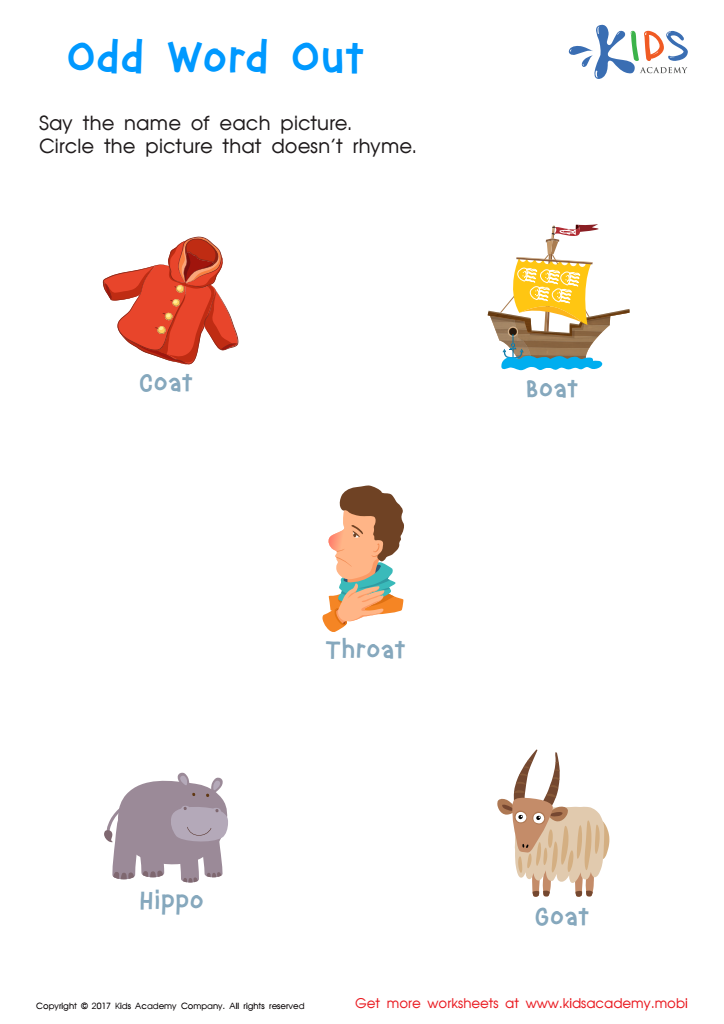
Odd Word Out Rhyming Worksheet
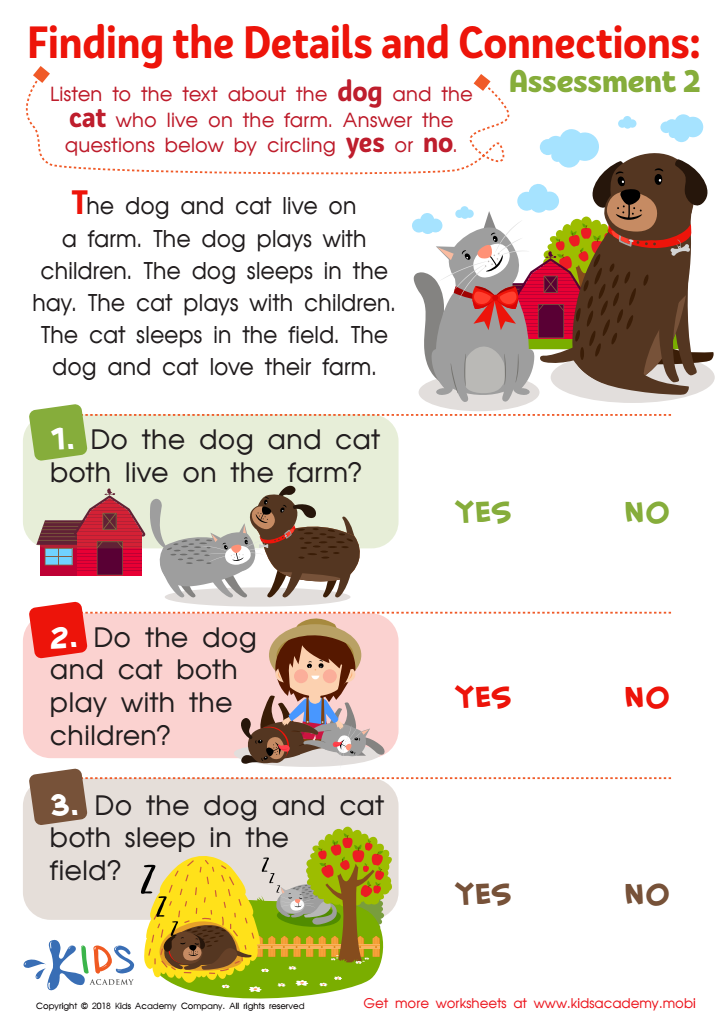
Finding the Details and Connections: Assessment 2 Worksheet
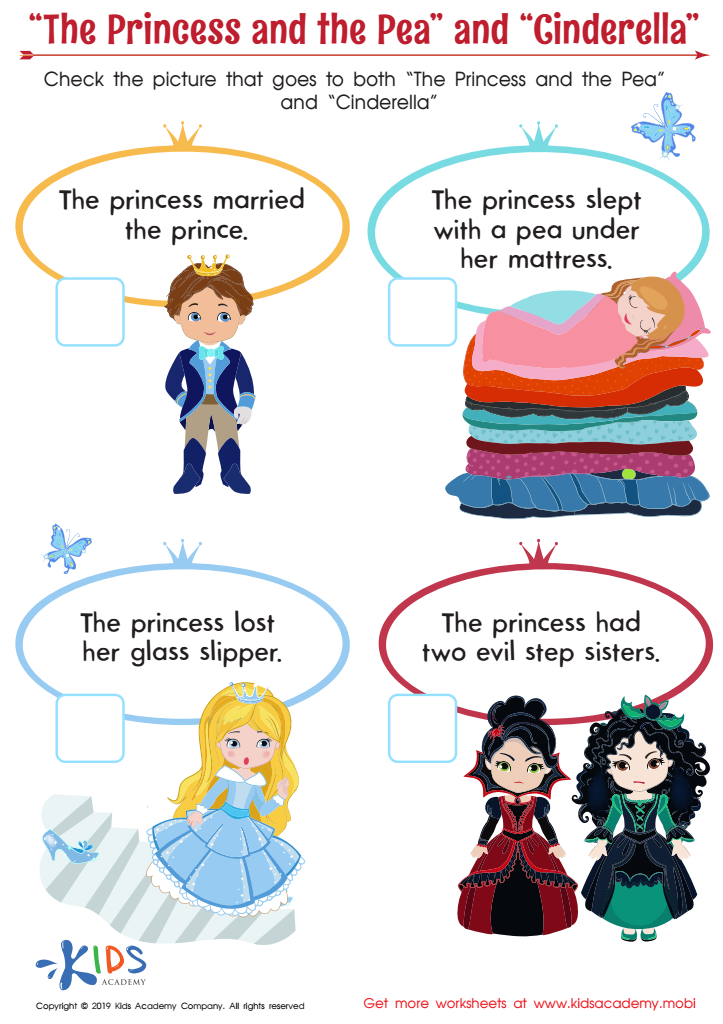
“The Princess and the Pea” and “Cinderella” Worksheet
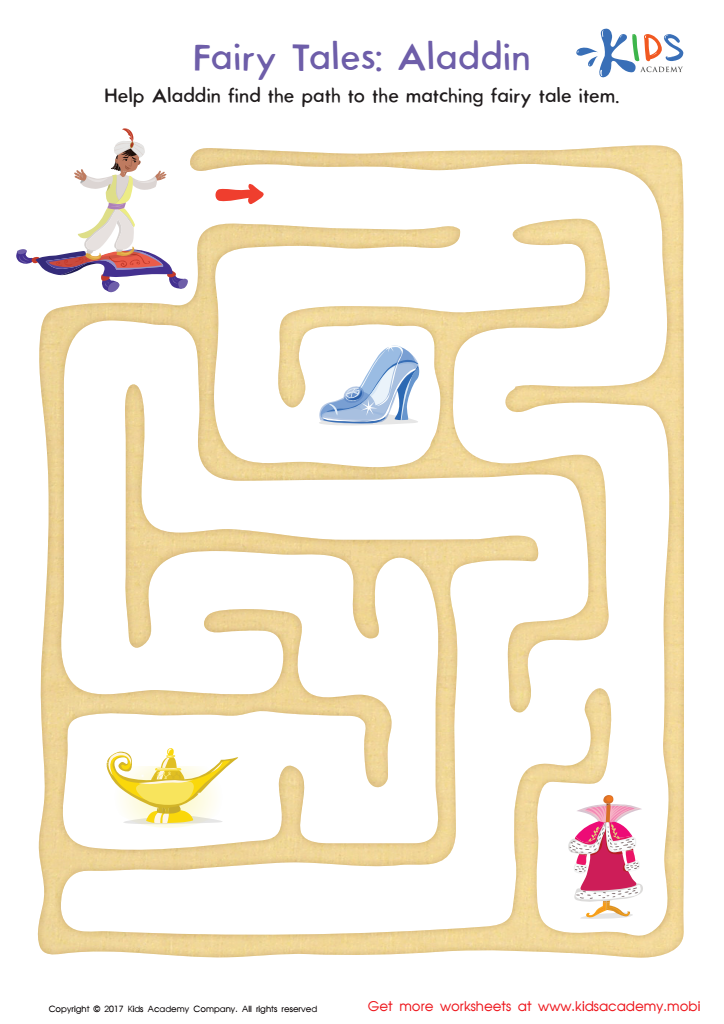
Fairy Tales Aladdin Printable
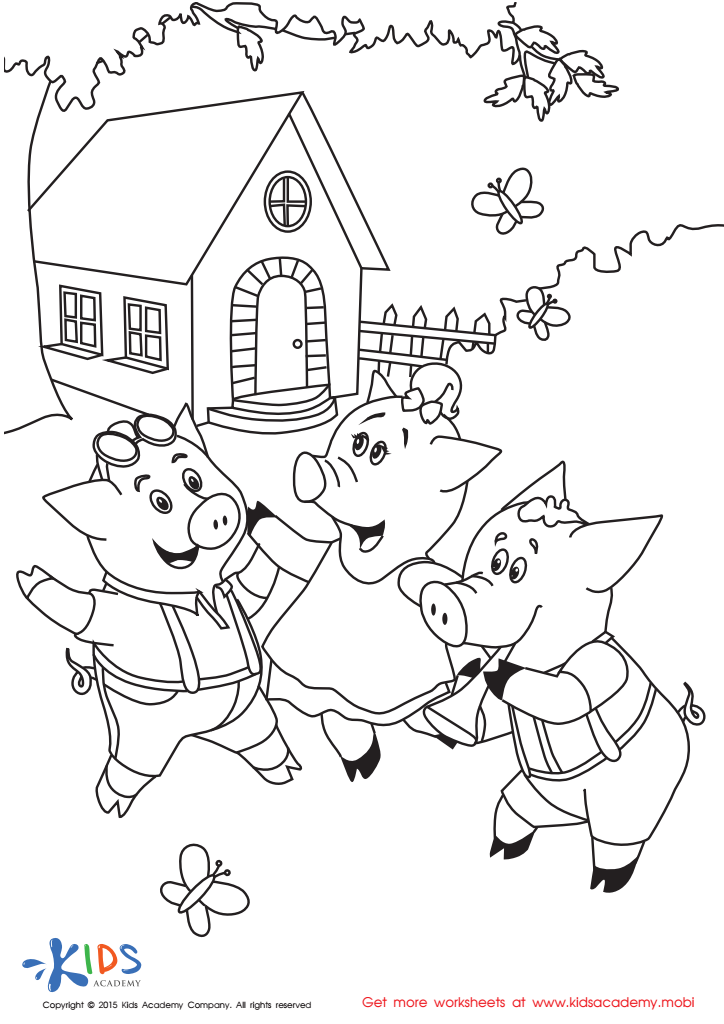
Folktales Printable PDF Worksheet: The 3 Little Pigs
 Assign to My Students
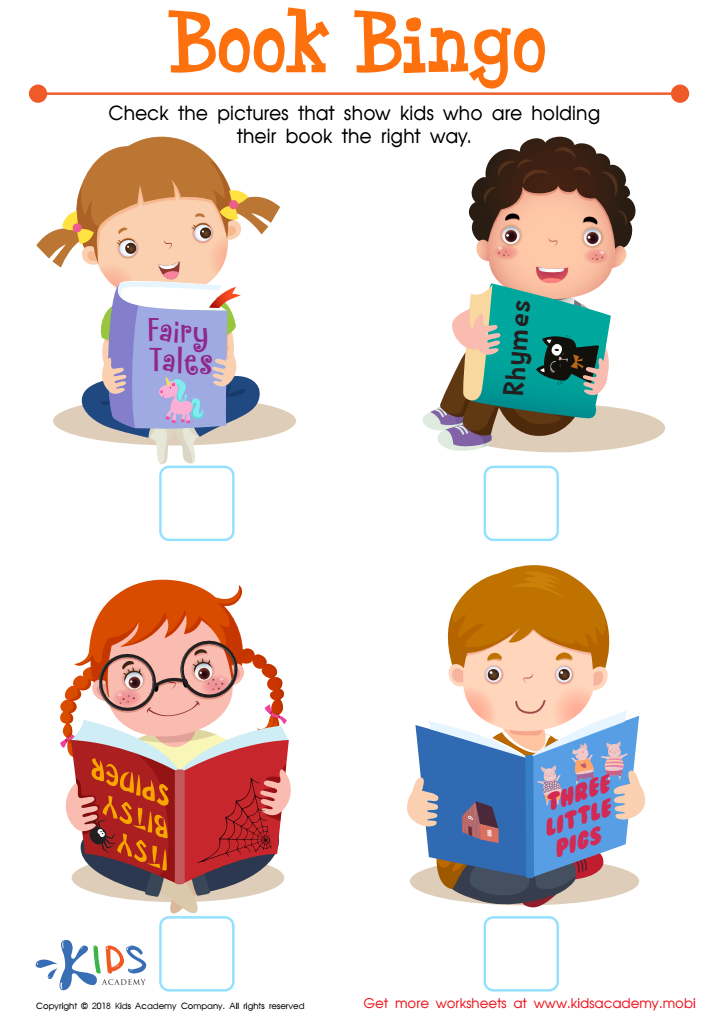
Book Bingo Worksheet
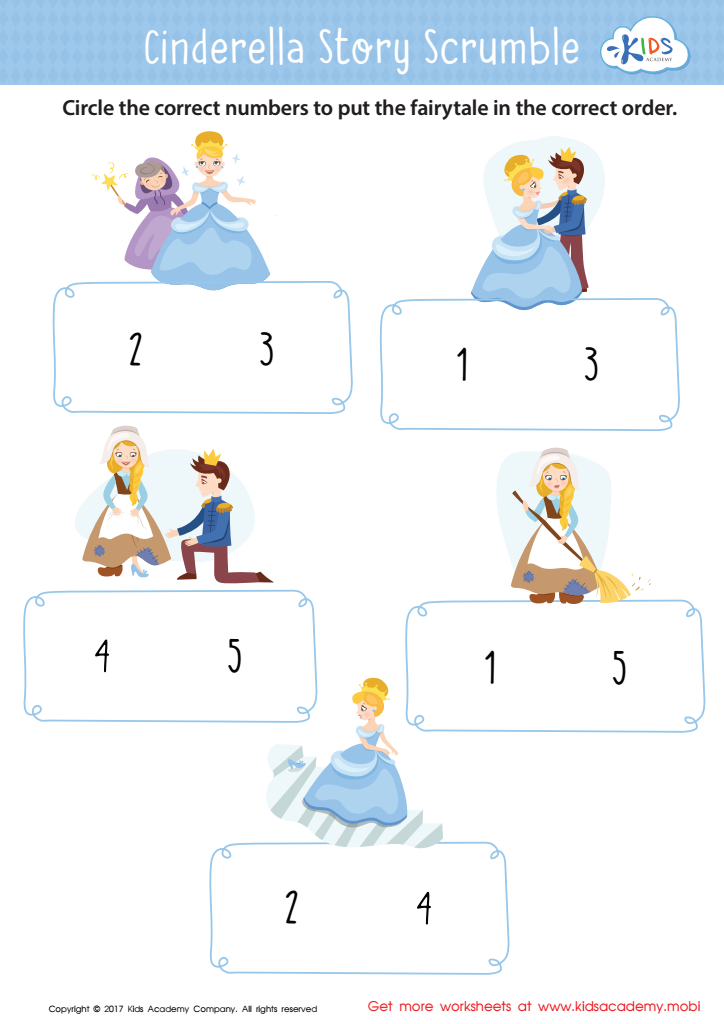
Cinderella Story Sequencing Worksheet
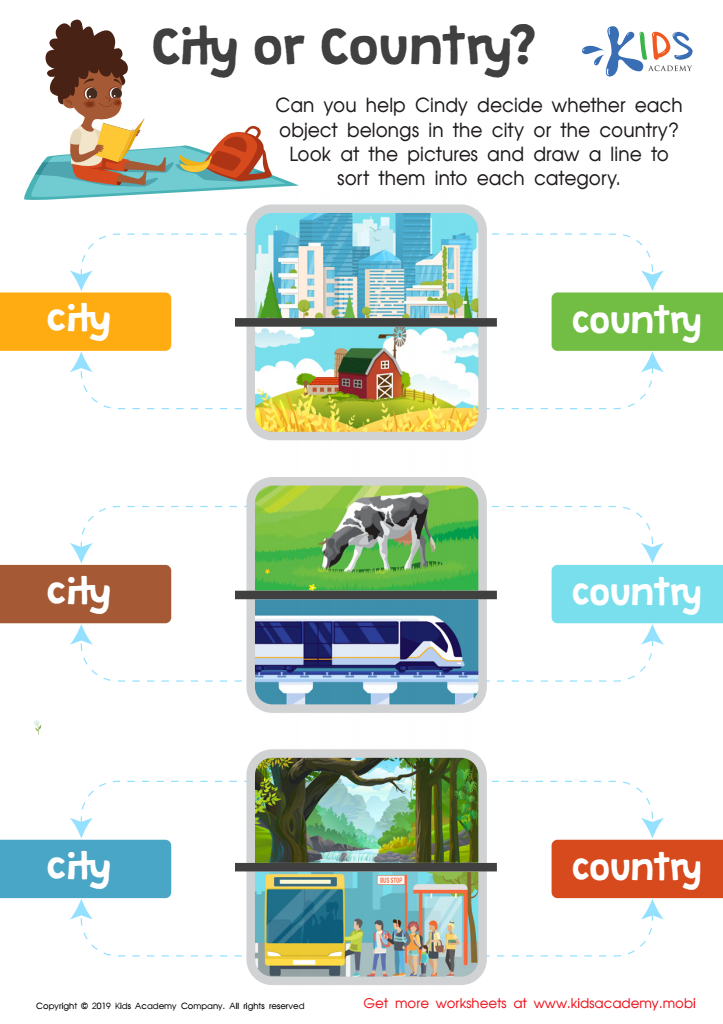
City or Country? Worksheet
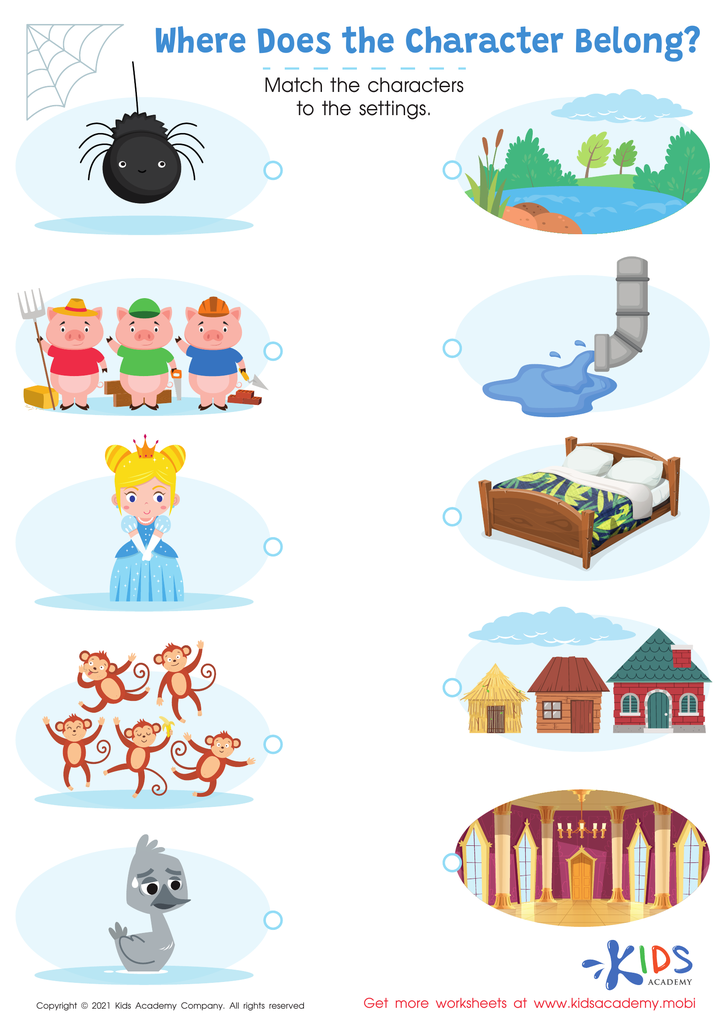
Where Does the Character Belong? Worksheet
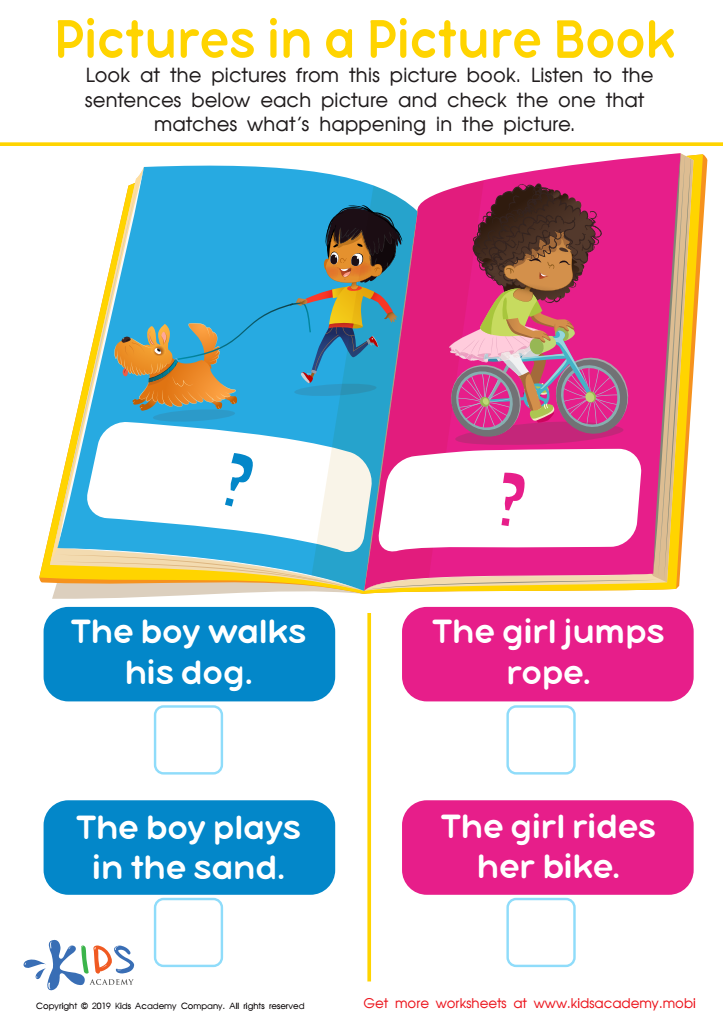
Picture in Books Worksheet
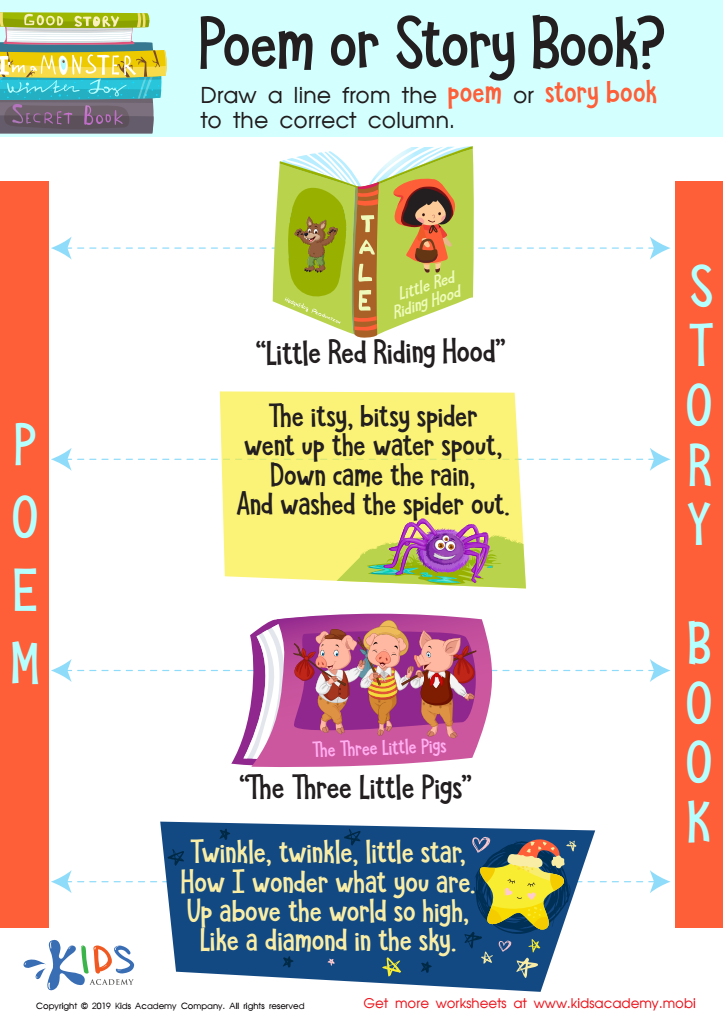
Poem or Story Book? Worksheet
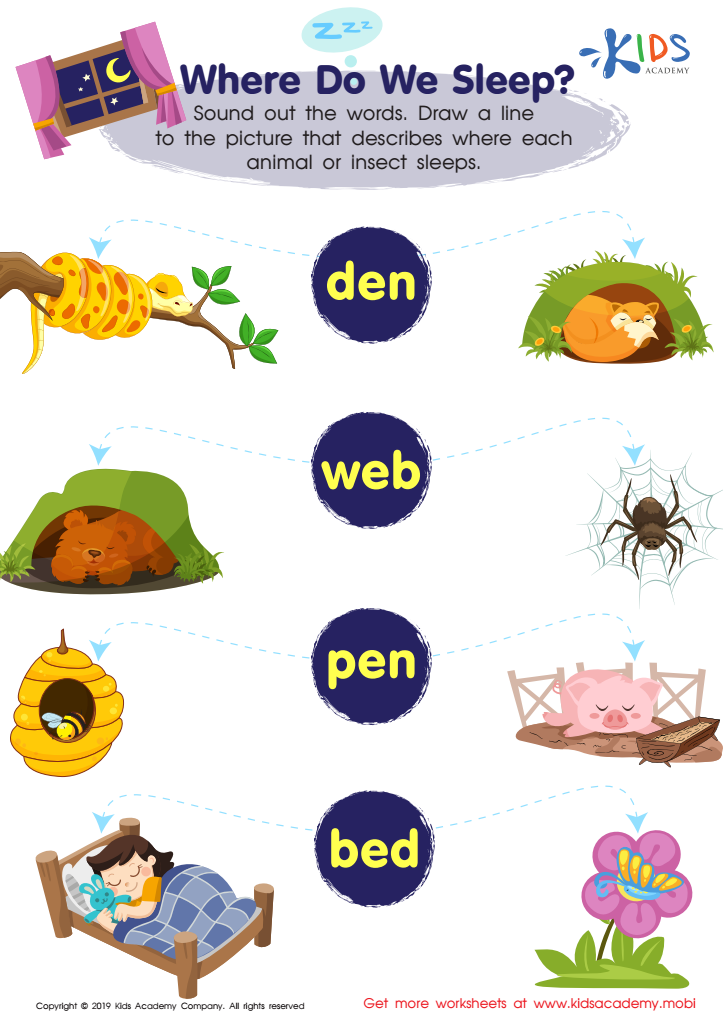
Where Do We Sleep Worksheet
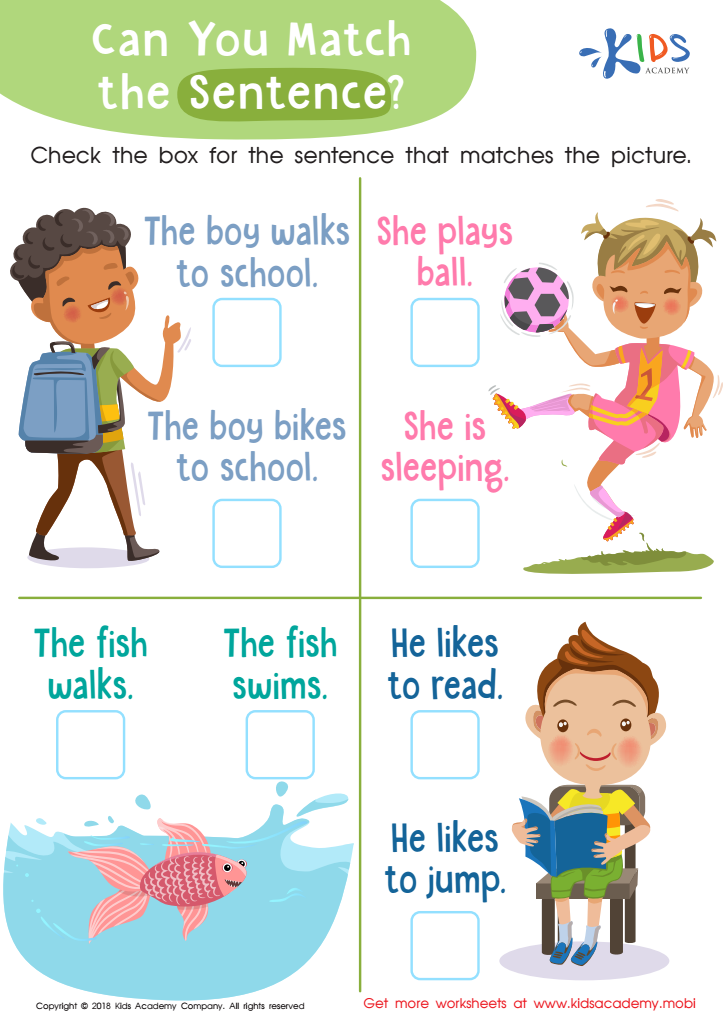
Can You Match the Sentence? Worksheet
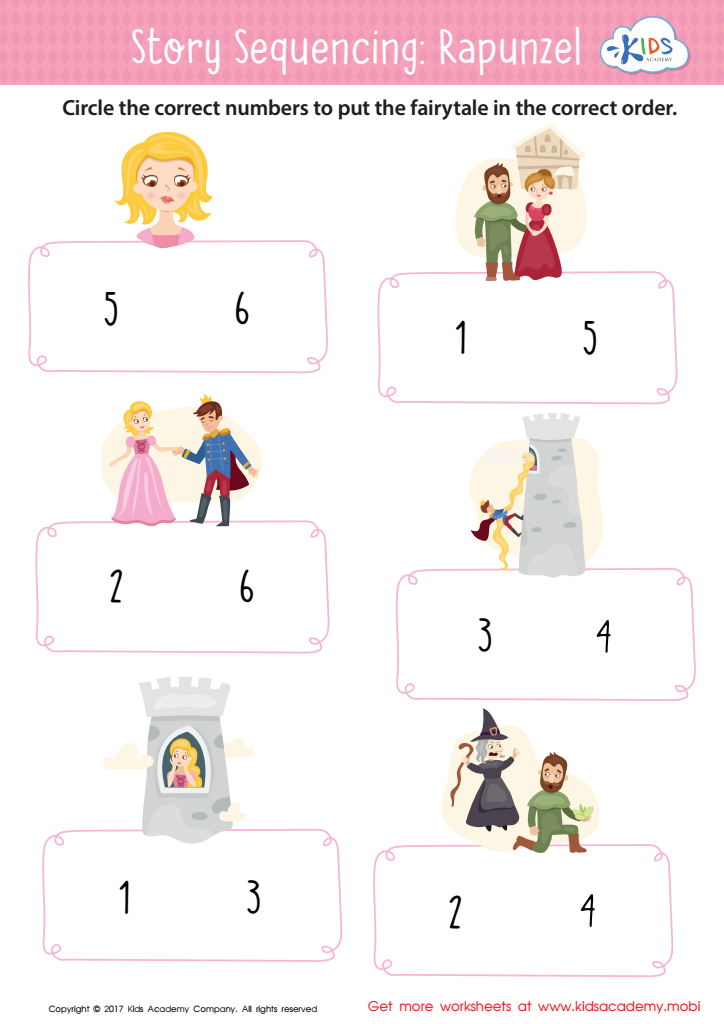
Rapunzel Story Sequencing Worksheet
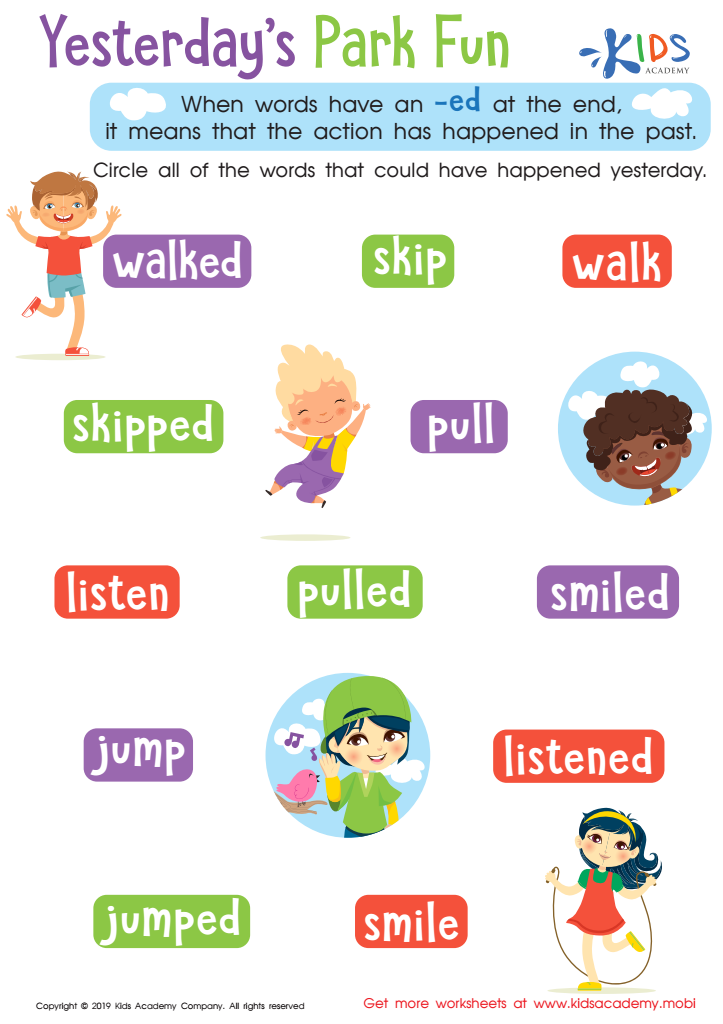
Yesterday's Park Fun Worksheet
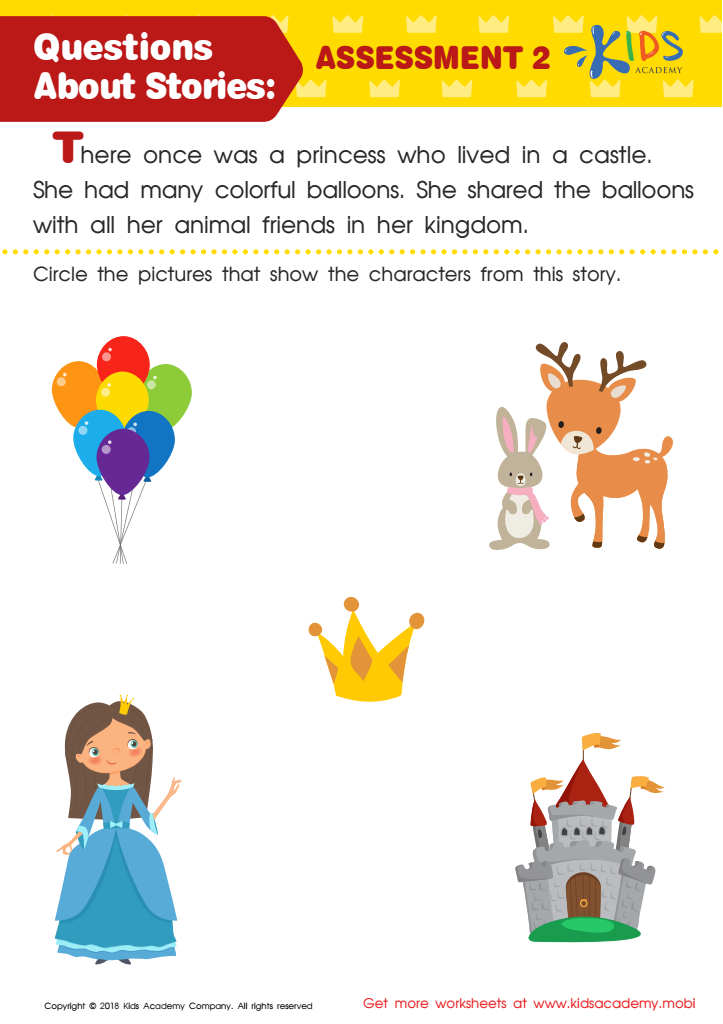
Questions About Stories: Assessment 2 Worksheet
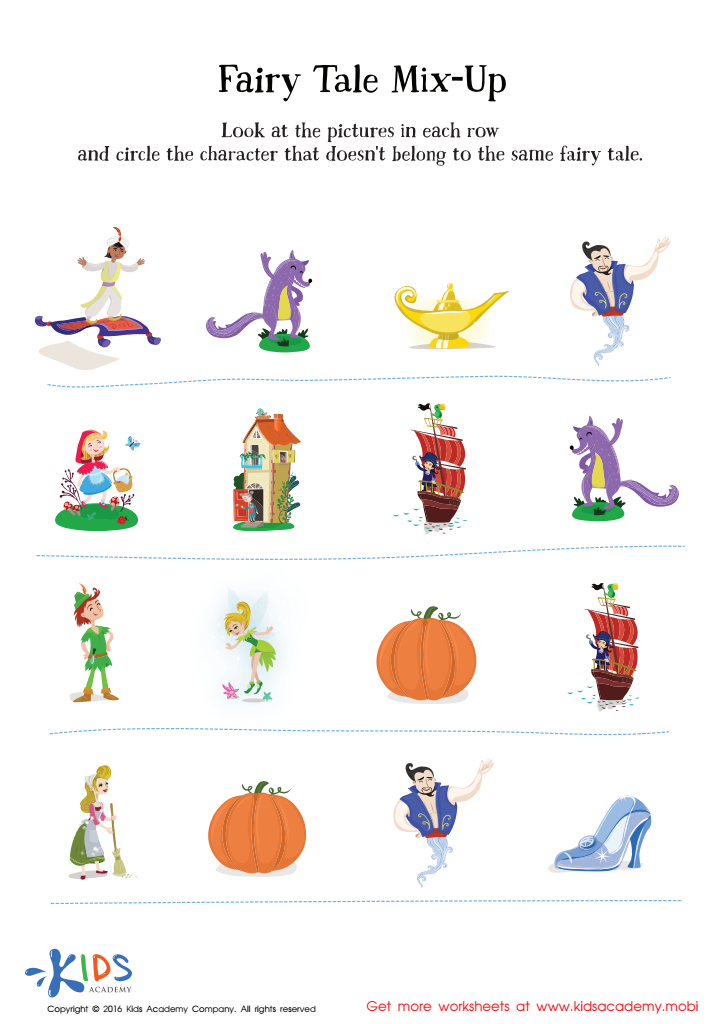
Fairy Tale Worksheet: Story Mix Up
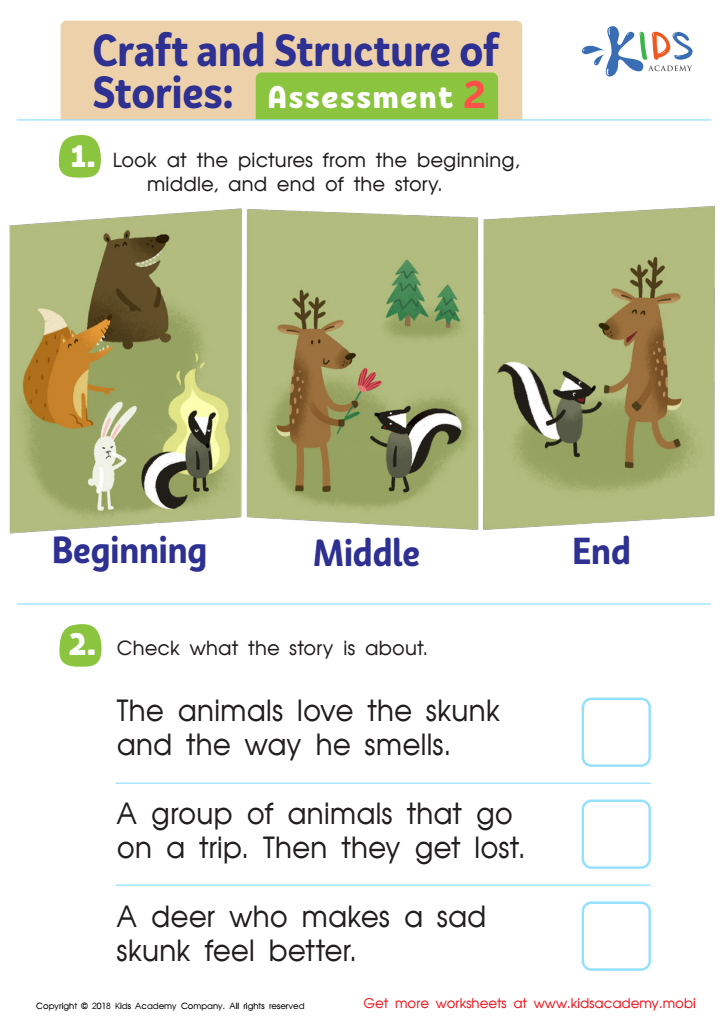
Craft and Structure of Stories: Assessment 2 Worksheet
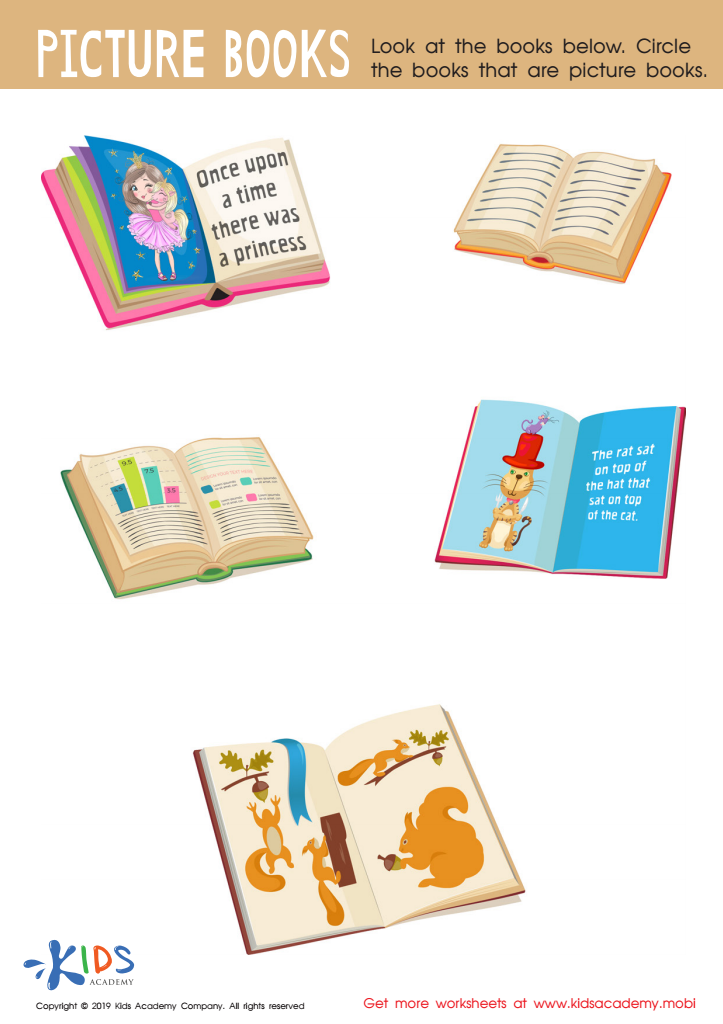
Picture Books Worksheet
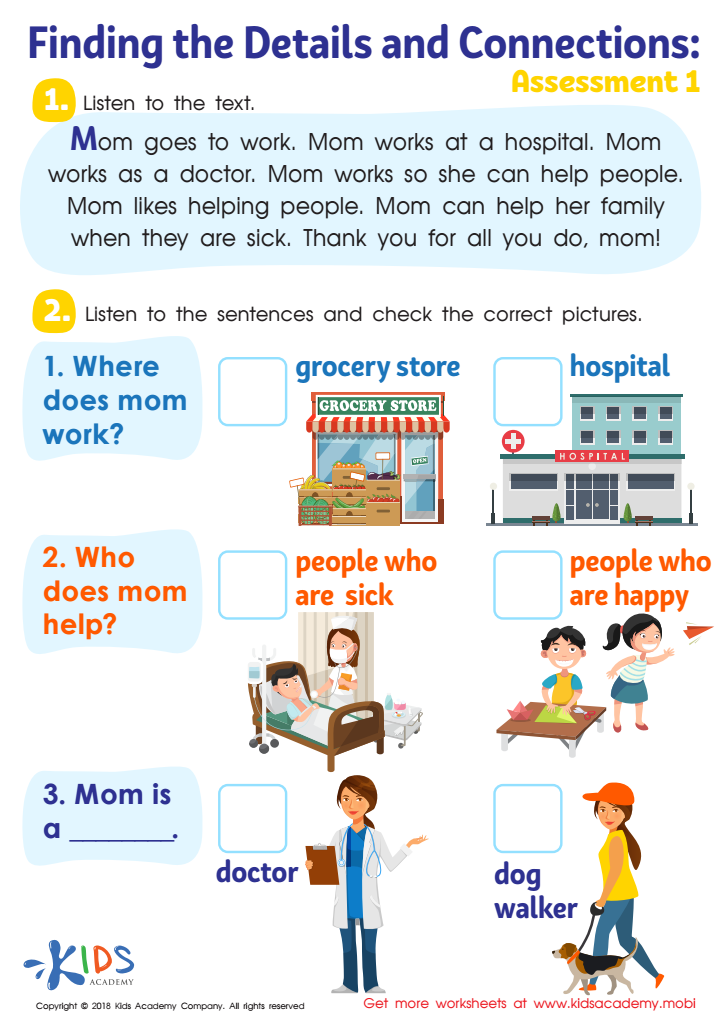
Finding the Details and Connections: Assessment 1 Worksheet
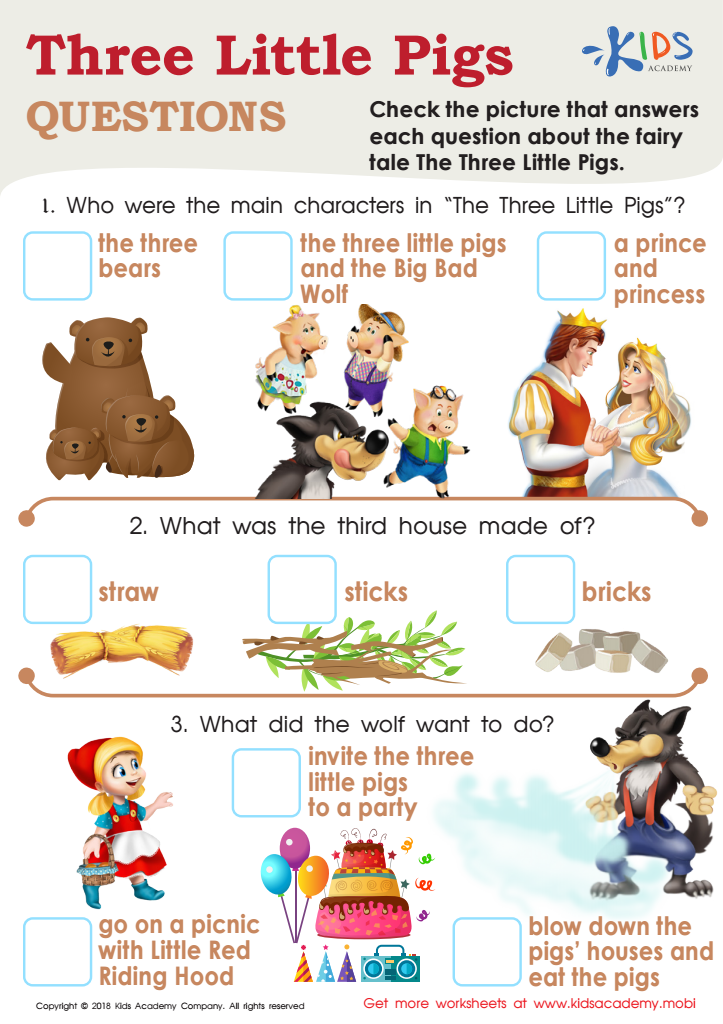
Three Little Pigs Questions Worksheet
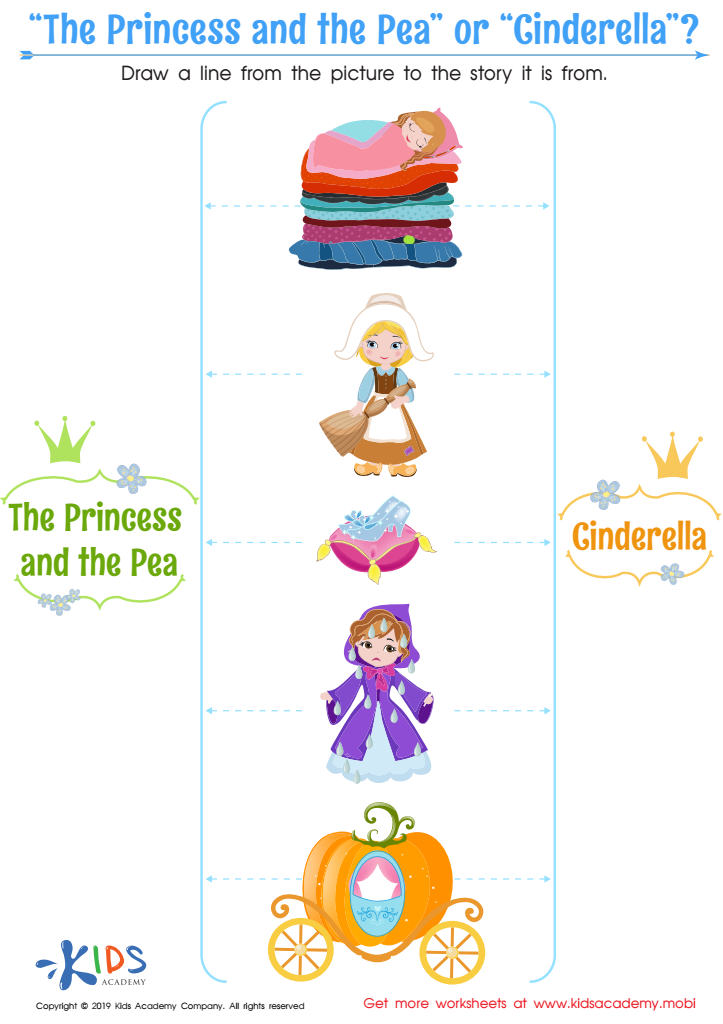
“The Princess and the Pea” or “Cinderella” Worksheet
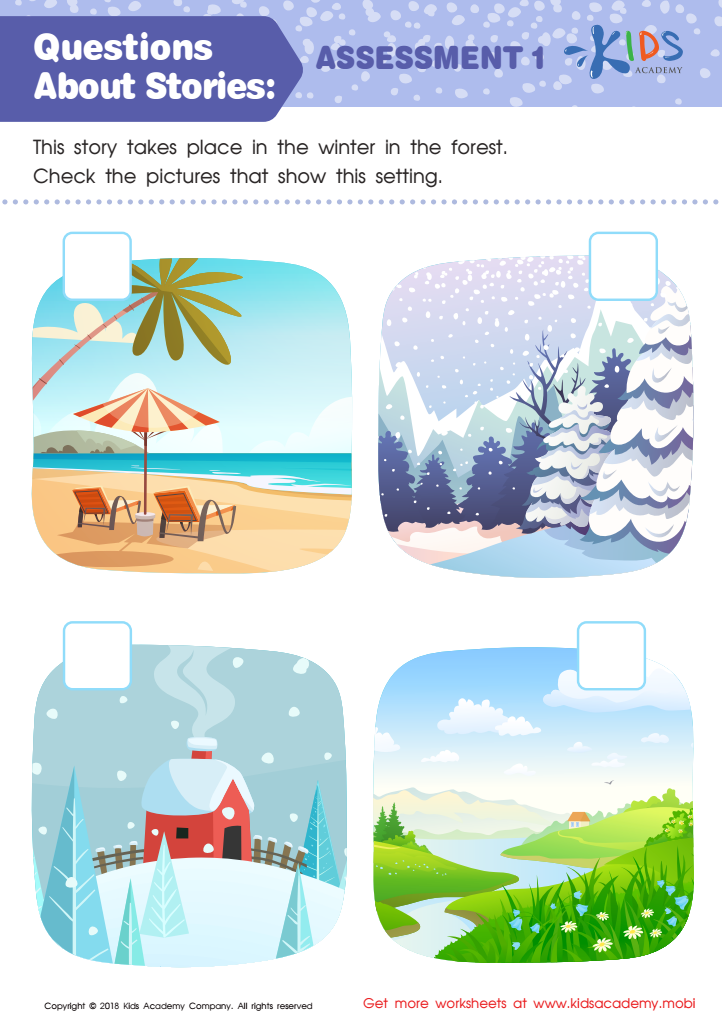
Questions About Stories: Assessment 1 Worksheet
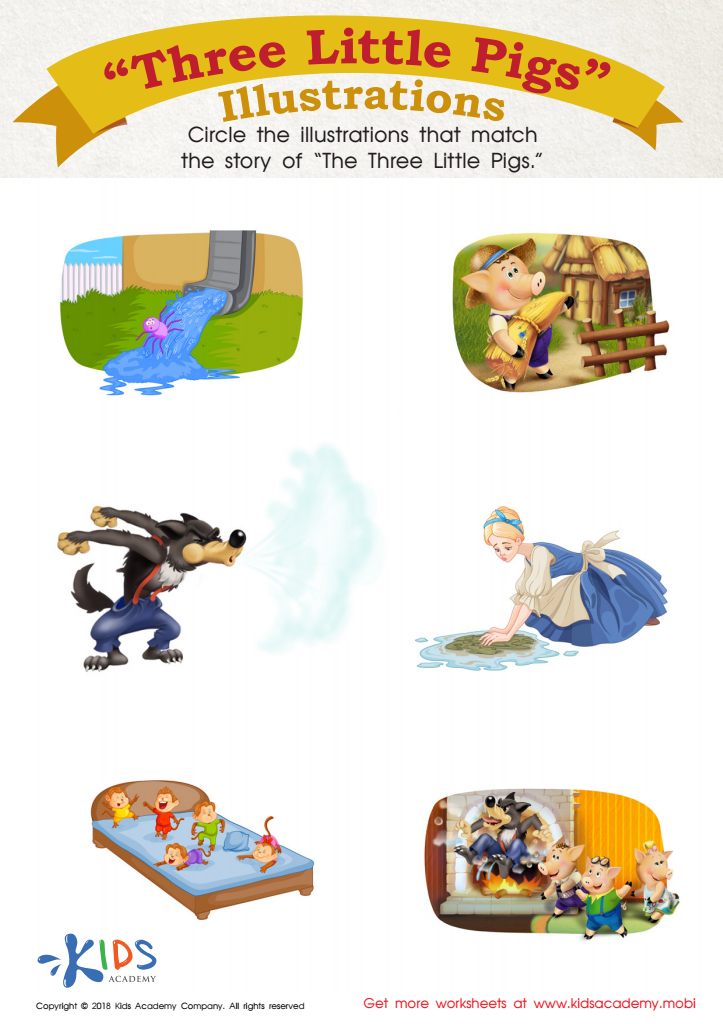
Three Little Pigs: Illustrations Worksheet








Critical Thinking Reading for ages 3-5 lays the foundation for lifelong learning and comprehension skills that are essential in our increasingly complex world. At this early age, children are naturally curious and absorb information like sponges. Encouraging critical thinking alongside reading fosters their ability to analyze, question, and connect ideas, promoting deeper understanding and engagement with texts.
When parents and teachers emphasize critical thinking, they help children develop essential skills such as reasoning, problem-solving, and effective communication. These abilities not only enhance reading comprehension but also support cognitive development by encouraging children to explore concepts, make predictions, and express their thoughts and feelings.
At this stage, interactive story reading can scaffold critical thinking through questions that prompt children to consider characters' motivations or predict outcomes, sparking their imagination and creativity. By nurturing these skills early on, parents and teachers are helping to create confident learners who will thrive academically and socially.
Ultimately, investing in critical thinking reading for young children equips them with the tools they need to navigate an ever-evolving world, fostering independence and adaptability as they grow. In doing so, parents and teachers play a pivotal role in shaping inquisitive, lifelong learners.








