
Spatial awareness Science Worksheets for Ages 3-5
3 filtered results
Difficulty Level
Grade
Age
-
From - To
Subject
Activity
Standards
Enhance your child's spatial awareness with our engaging Science Worksheets designed for ages 3-5! These fun and interactive resources help young learners develop essential skills, such as understanding shapes, directions, and spatial relationships. With a variety of activities, including puzzles, matching games, and coloring sheets, your little ones will enjoy exploring concepts of space and position while building confidence in their scientific reasoning. Our worksheets are aligned with early learning standards, making them perfect for preschools, homeschooling, or extra practice at home. Start a fun learning journey today and watch your child's curiosity and knowledge of the world around them soar!
Favorites
With answer key
Interactive
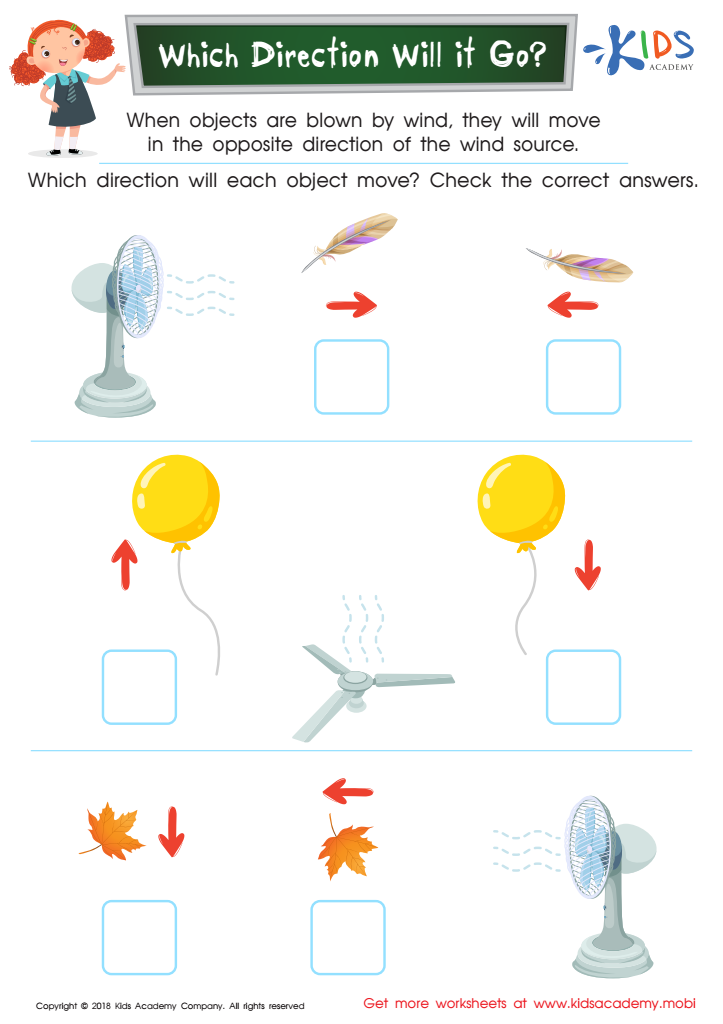
Which Direction Will it Go? Worksheet
Explain to your students: when objects are blown by wind, they will move in the opposite direction. In the worksheet, there are pictures of wind sources and objects being blown by the wind. Ask your child to identify and check the direction each object will move.
 Assign to My Students
Which Direction Will it Go? Worksheet
Worksheet
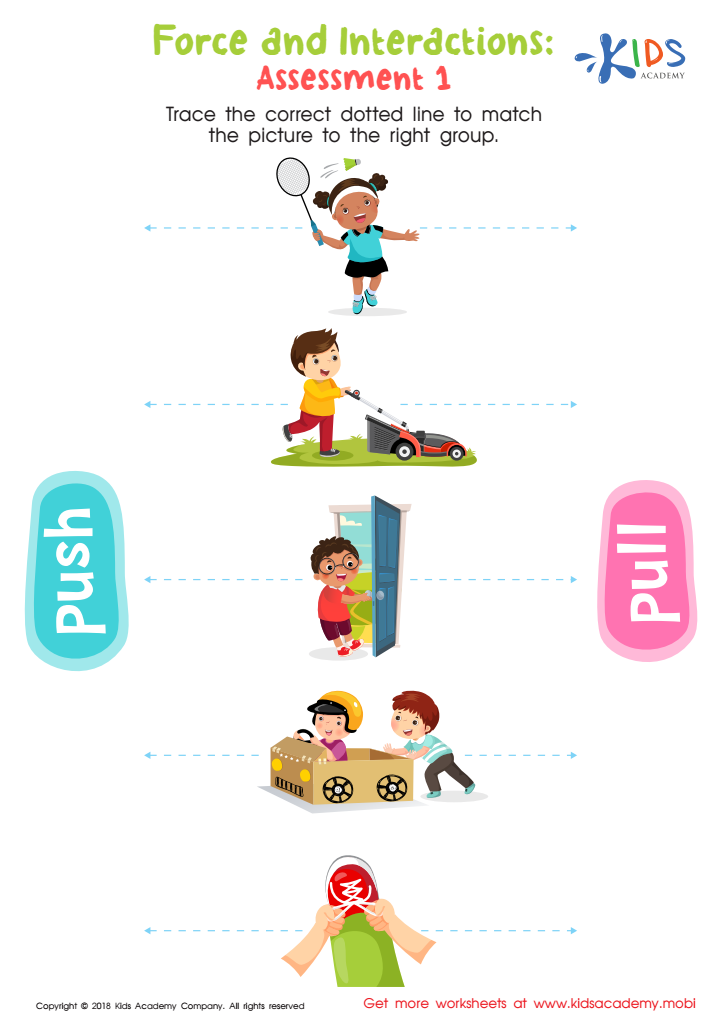
Force and Interactions: Assessment 2 Worksheet
Help your child see the difference between push and pull with this fun worksheet. Ask them to match each picture to the right group. The "push" is on the left and the "pull" is on the right. Assist them in tracing the activities and explain what it is the people are doing.
Force and Interactions: Assessment 2 Worksheet
Worksheet
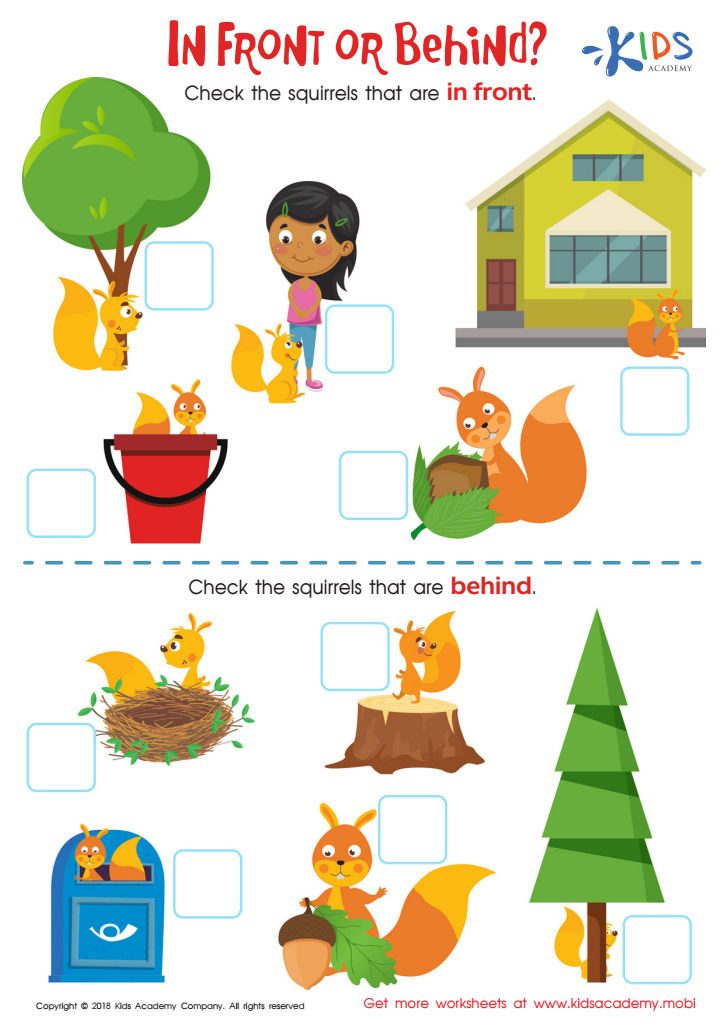
In Front or Behind: Part 2 Worksheet
Teach positional words "front" and "behind" with this fun worksheet! Students identify where the squirrel is in relation to the object - in front or behind. It's a great exercise to practice early geometry skills and understanding object movement.
In Front or Behind: Part 2 Worksheet
Worksheet
Join Kids Academy for Free
Who is primarily going to use this learning content?


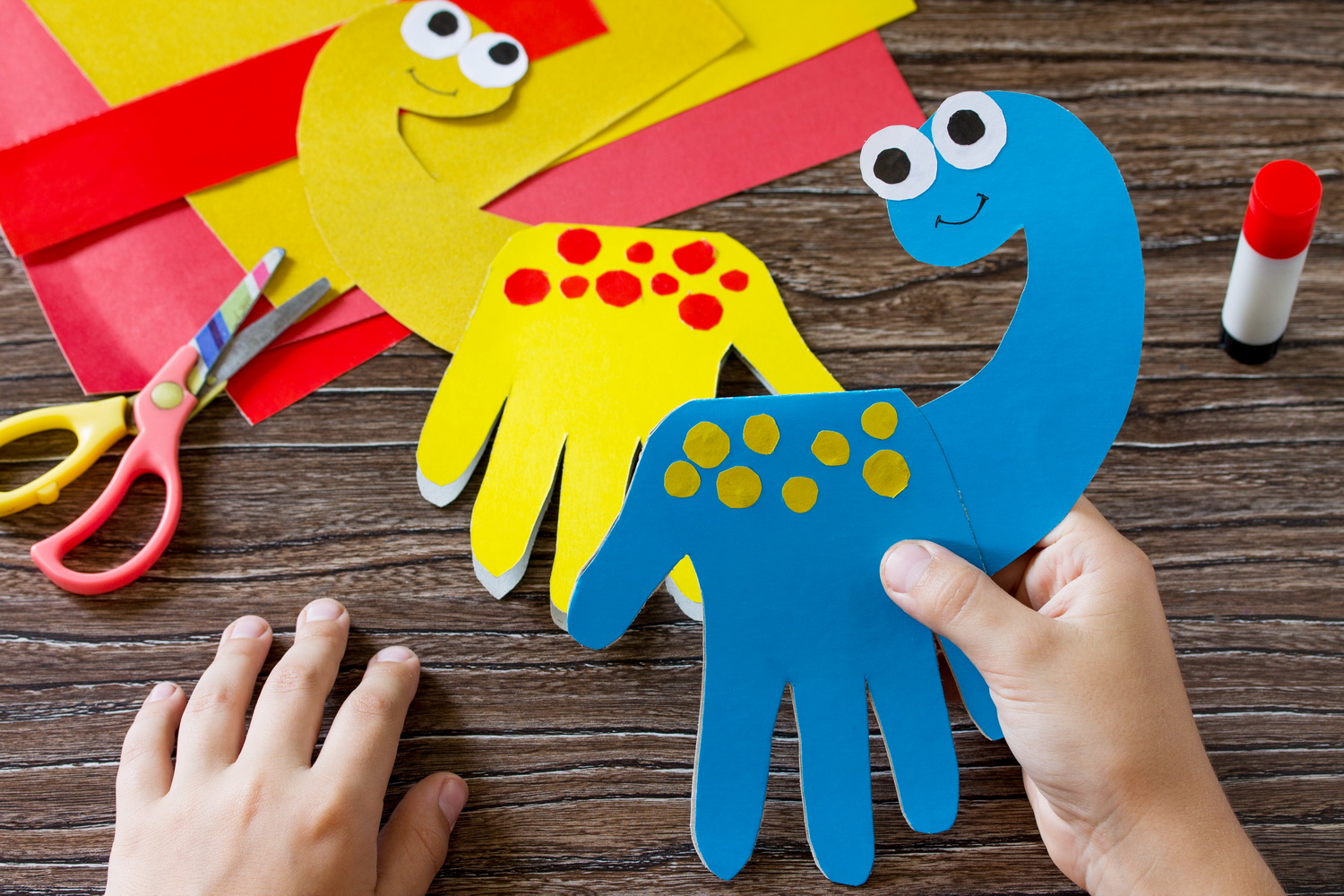




Spatial awareness is a crucial cognitive skill for young children, especially for those aged 3 to 5 years. It involves understanding how objects relate to one another in space, which is foundational for numerous life skills and academic subjects. Parents and teachers should prioritize spatial awareness activities because they foster critical thinking, problem-solving, and reasoning abilities. Engaging in spatial tasks—such as puzzles, block building, or simple map reading—encourages children to visualize and manipulate objects, laying the groundwork for later skills in mathematics, science, and engineering.
Moreover, spatial awareness supports literacy development. Children learn to understand shapes, directions, and positions, which can enhance their reading comprehension, particularly when interpreting illustrations or diagrams in books. Additionally, spatial skills contribute to confidence in navigating the world around them, helping children develop motor skills through activities involving movement and coordination.
Furthermore, by nurturing spatial awareness in early childhood, caregivers can help close existing educational gaps, ensuring all children have a strong cognitive foundation. Investing in spatial awareness education not only prepares young learners for academic success but also equips them with essential life skills that enhance their critical decision-making and creativity throughout their lives. Therefore, fostering spatial awareness activities is invaluable in early childhood education.







