Understanding ecosystems Plants and Animals Worksheets for Ages 3-5
4 filtered results
-
From - To
Discover the wonders of ecosystems with our engaging "Understanding Ecosystems: Plants and Animals Worksheets" designed specifically for ages 3-5. These thoughtfully crafted worksheets introduce young learners to the interconnected world of plants and animals, fostering curiosity and critical thinking. Activities encourage exploration of habitats, relationships between species, and the importance of biodiversity. Each worksheet blends education with fun, utilizing colorful illustrations and simple prompts to help children grasp basic science concepts. Perfect for home or classroom use, our resources make learning about ecosystems an enjoyable adventure, setting the stage for a lifetime of appreciation for nature and environmental stewardship.
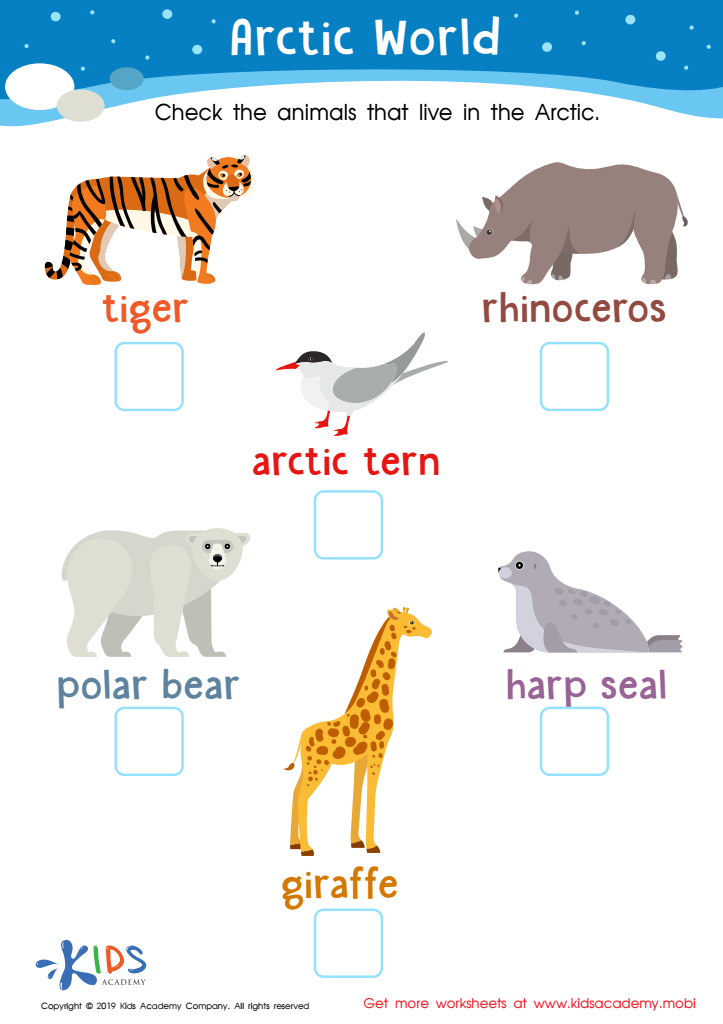
Arctic World Worksheet
 Assign to My Students











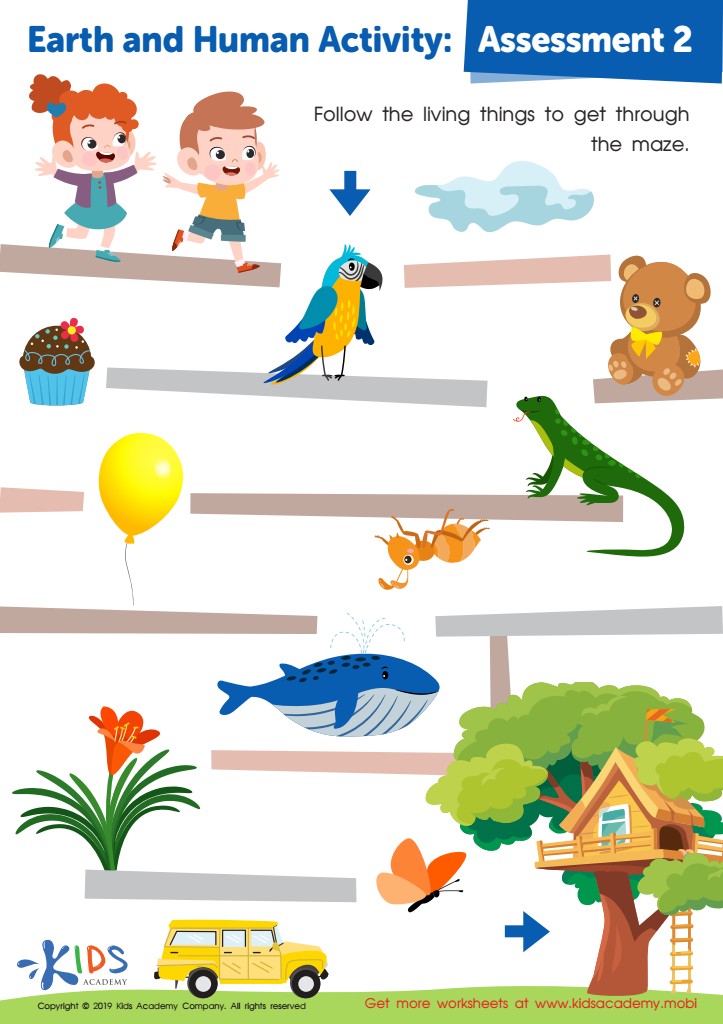
Earth and Human Activity: Assessment 2 Worksheet
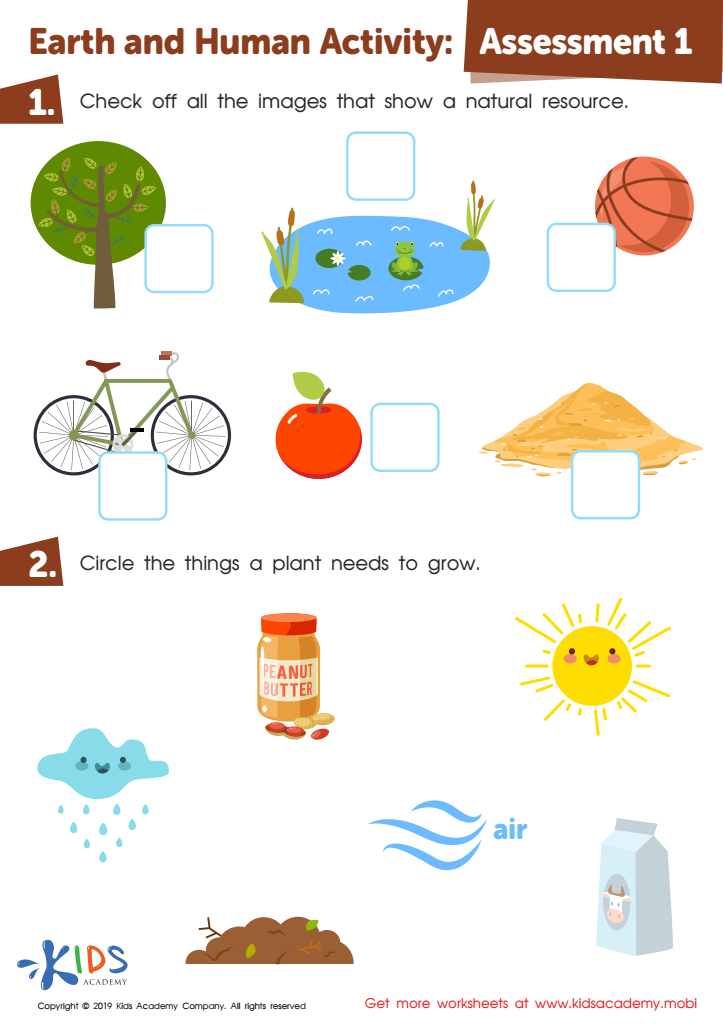
Earth and Human Activity: Assessment 1 Worksheet
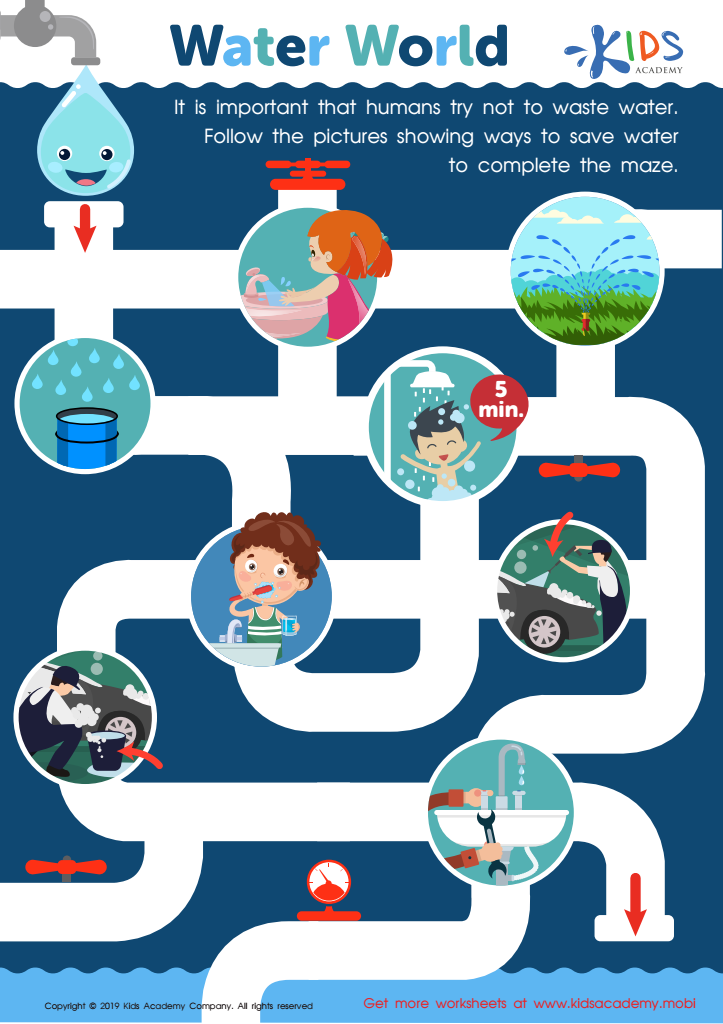
Water World Worksheet





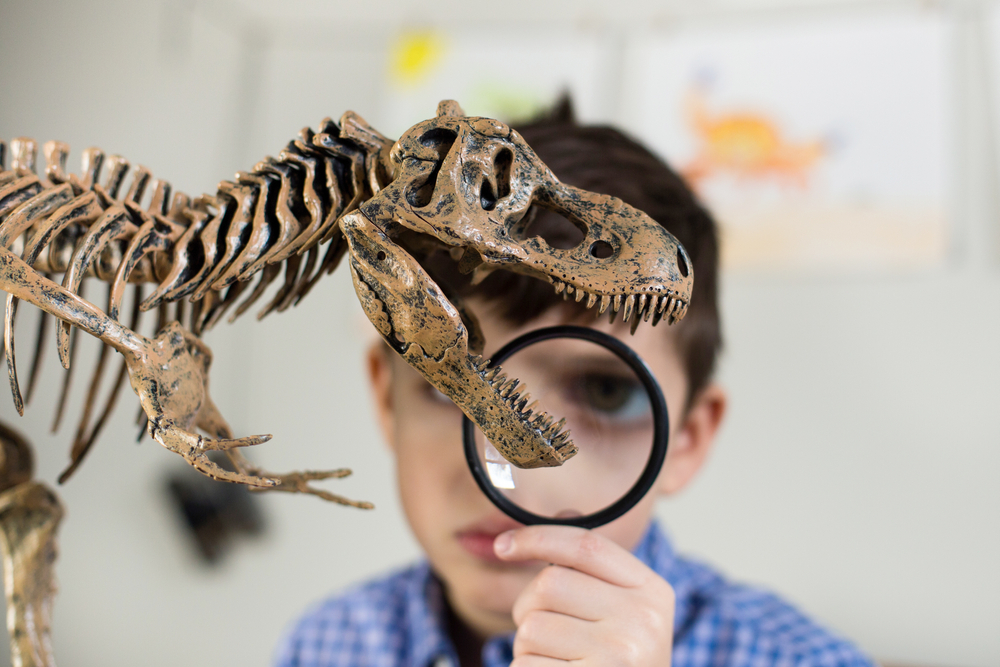


Understanding ecosystems of plants and animals is crucial for young children, particularly those aged 3-5, as it lays the foundation for environmental awareness and stewardship. At this age, children are naturally curious about the world around them. Engaging them in the exploration of ecosystems enhances their observation skills and fosters an appreciation for nature.
Parents and teachers play a key role in nurturing this curiosity. By introducing concepts such as habitats, food chains, and the interdependence between plants and animals, caregivers can help children comprehend the complexity of life. This understanding encourages them to respect and protect the environment, cultivating a sense of responsibility towards nature.
Additionally, learning about ecosystems supports social and emotional development. Group activities, such as nature walks and garden projects, promote teamwork, communication, and empathy, foundational skills for their future interactions.
Moreover, early exposure to environmental education can inspire lifelong interest in science and conservation. By prioritizing the understanding of ecosystems, adults contribute not only to the children’s cognitive development but also to the instilling of ethics regarding ecological stewardship. Ultimately, nurturing a child's connection to their environment builds a healthier planet for future generations.








