Problem-Solving Skills Chess Worksheets for Ages 3-6
22 filtered results
-
From - To
Introduce your child to the exciting world of chess with our "Problem-Solving Skills Chess Worksheets for Ages 3-6". These engaging, age-appropriate worksheets are designed to build critical thinking and strategic planning while having fun. Kids will learn the basics of chess, like piece movements, through simple, interactive activities. With a focus on problem-solving, these worksheets help young minds develop essential cognitive skills that extend beyond the chessboard. Perfect for early learners, our worksheets make the game of chess accessible and enjoyable. Set the foundation for lifelong learning and problem-solving proficiency with fun and educational chess activities!
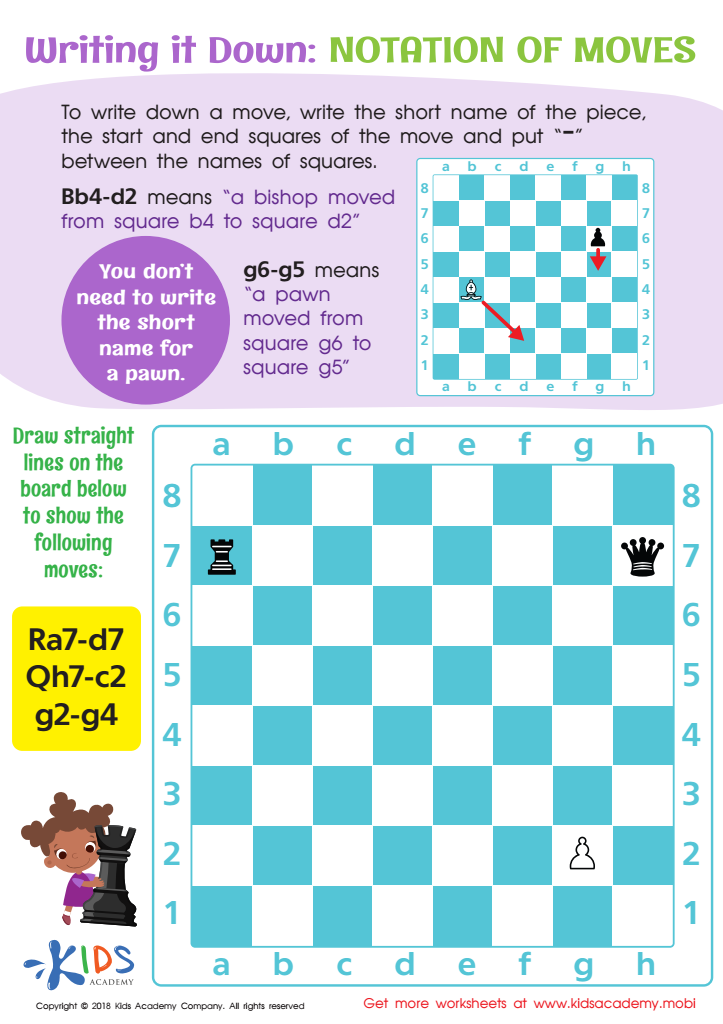
Notation of Moves Writing it Down Worksheet
 Assign to My Students
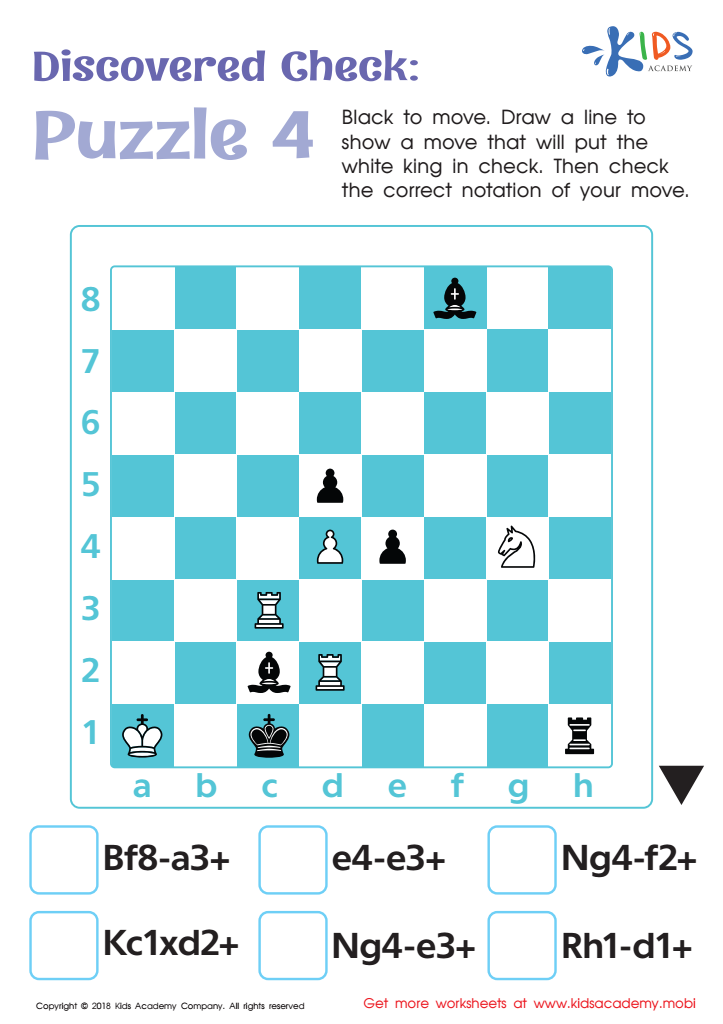
Discovered Check: Puzzle 4 Worksheet
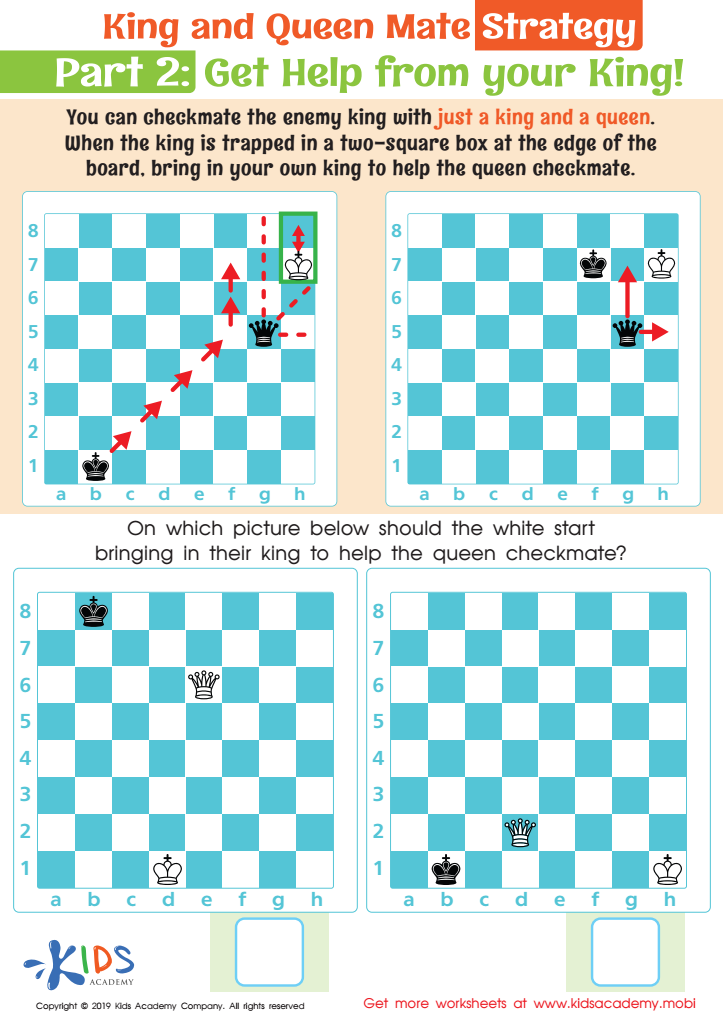
King and Queen Mate Strategy: Part 2 Worksheet
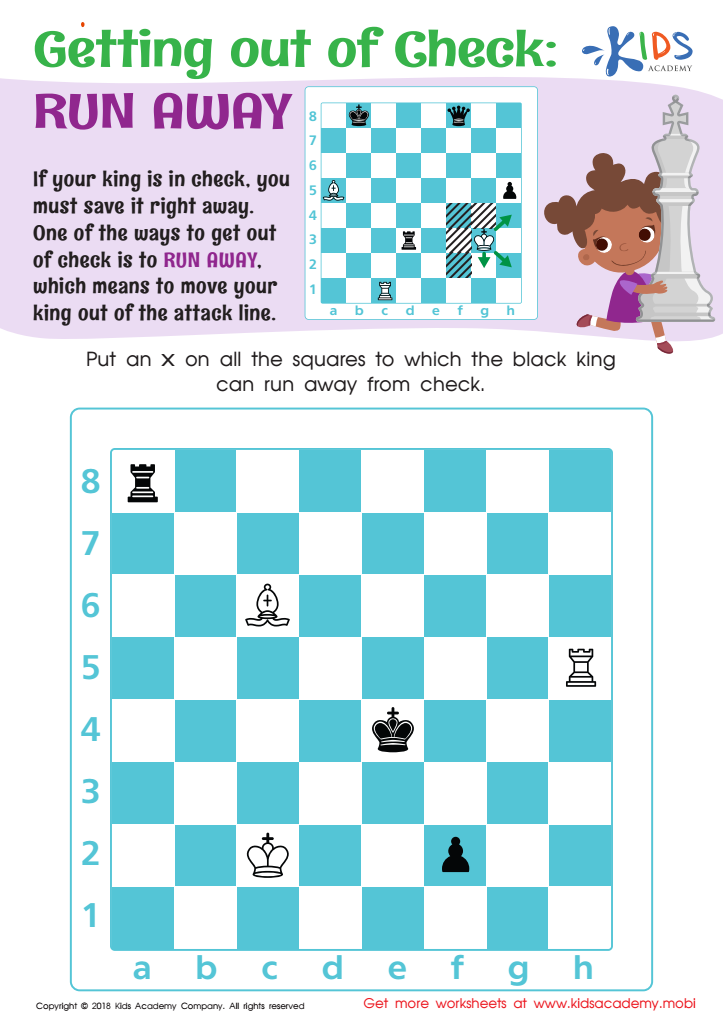
Getting out of Check: Run Away Worksheet
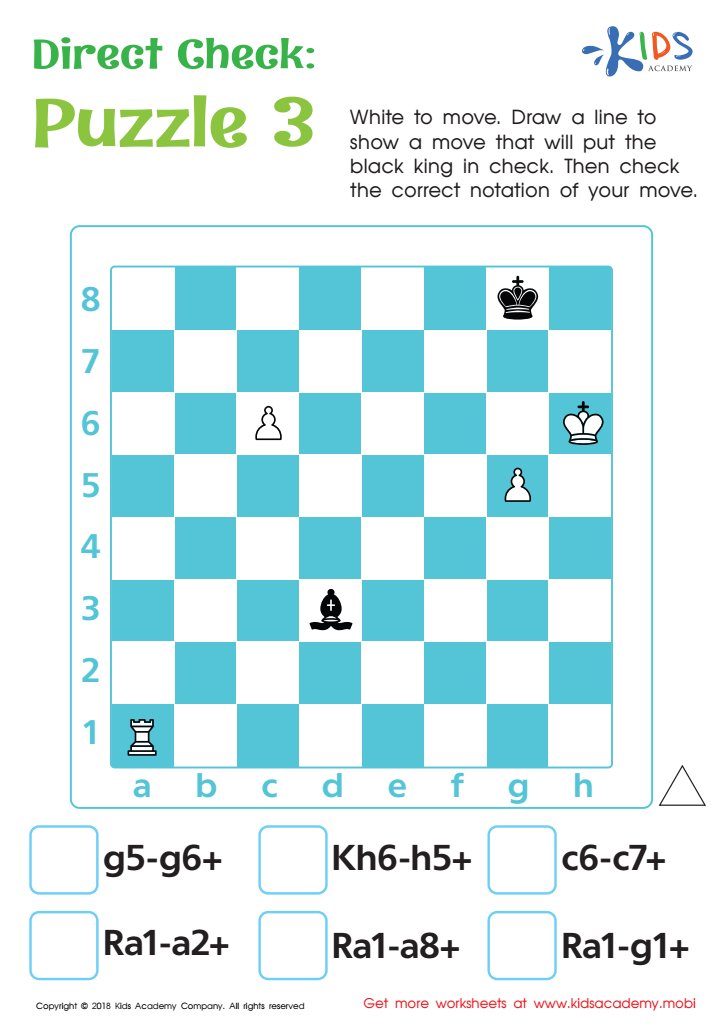
Direct Check: Puzzle 3 Worksheet
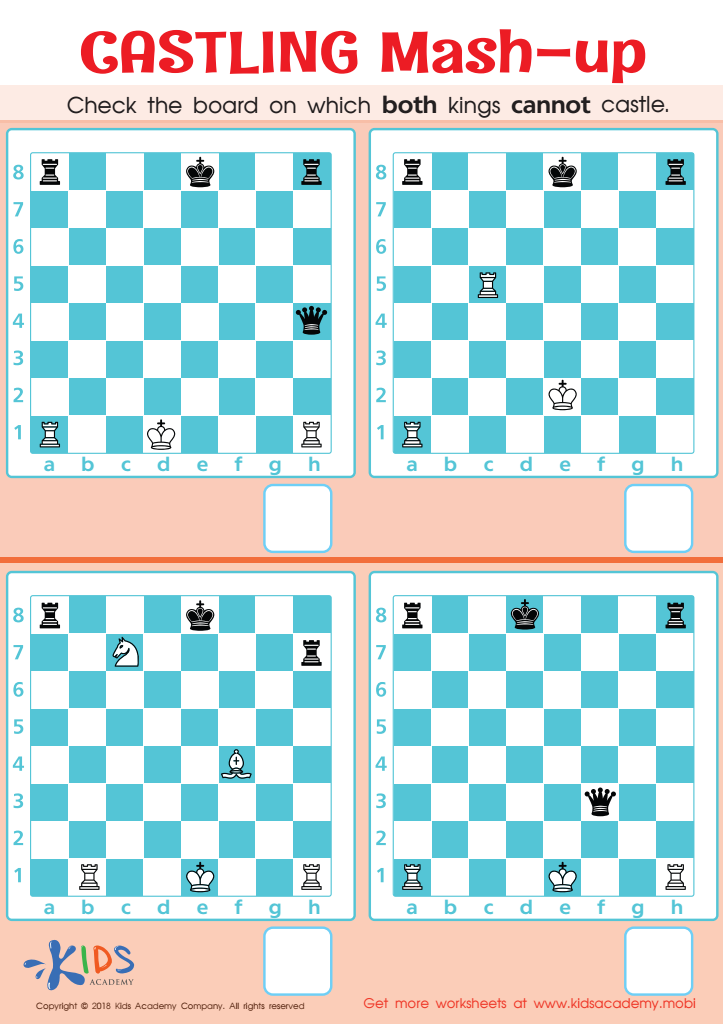
Castling Mash–up Worksheet
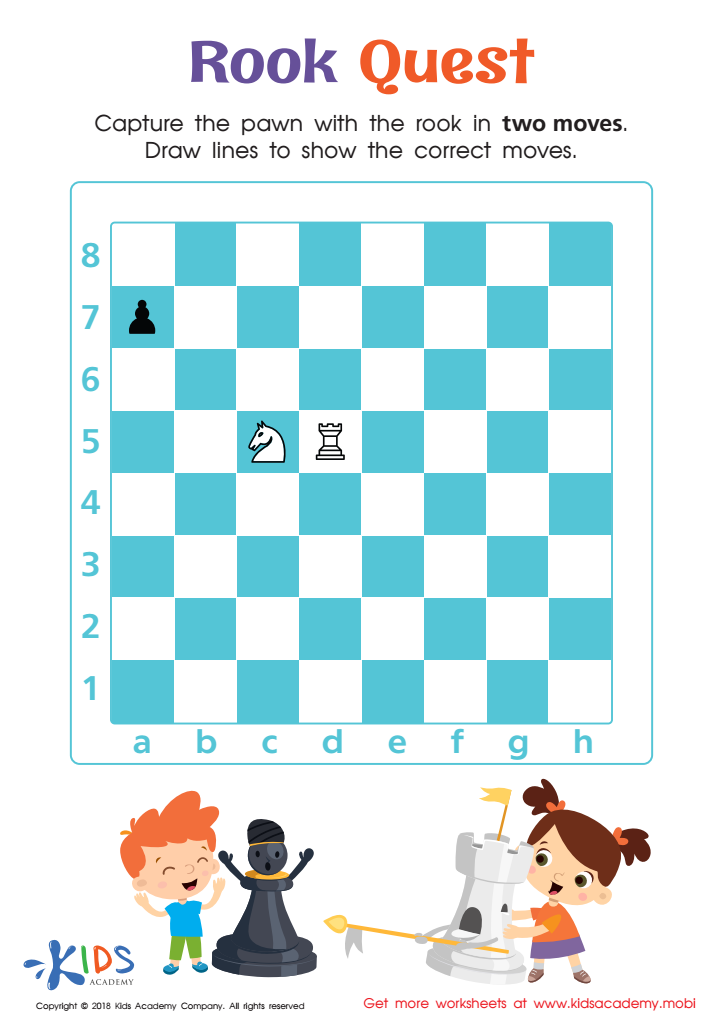
Rook Quest Worksheet
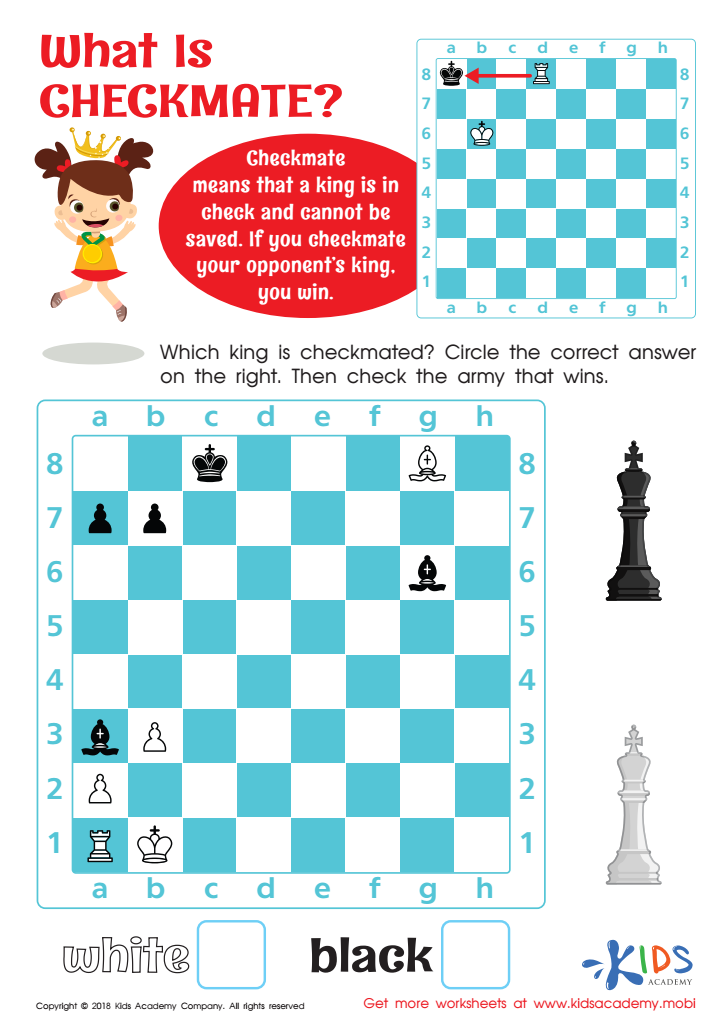
What is Checkmate? Worksheet
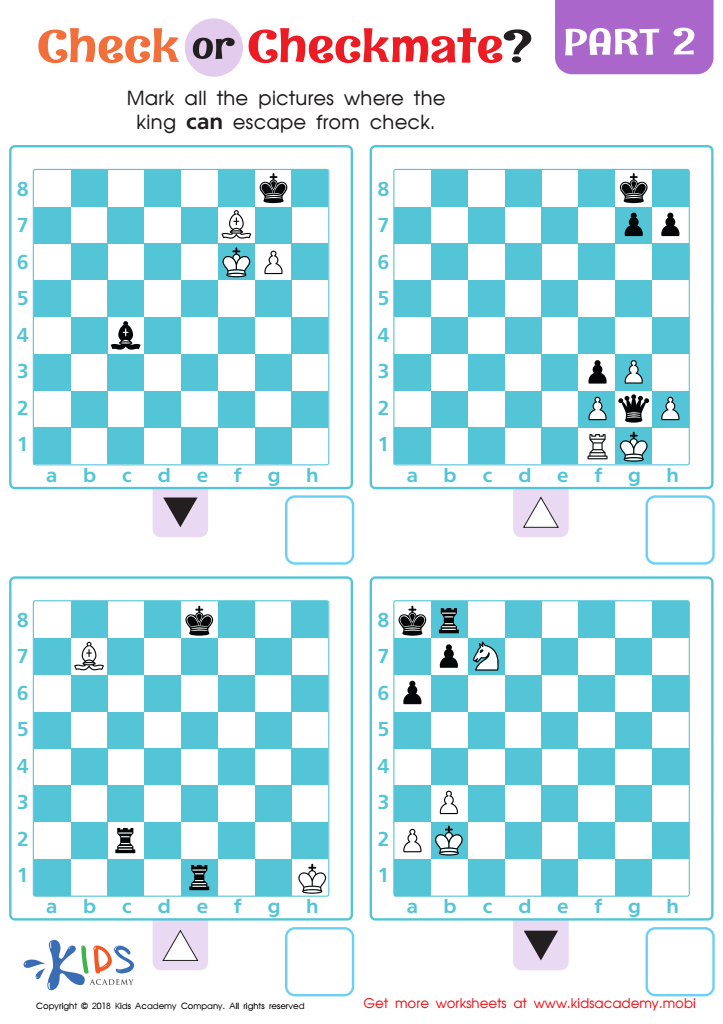
Check or Checkmate: Part 2 Worksheet
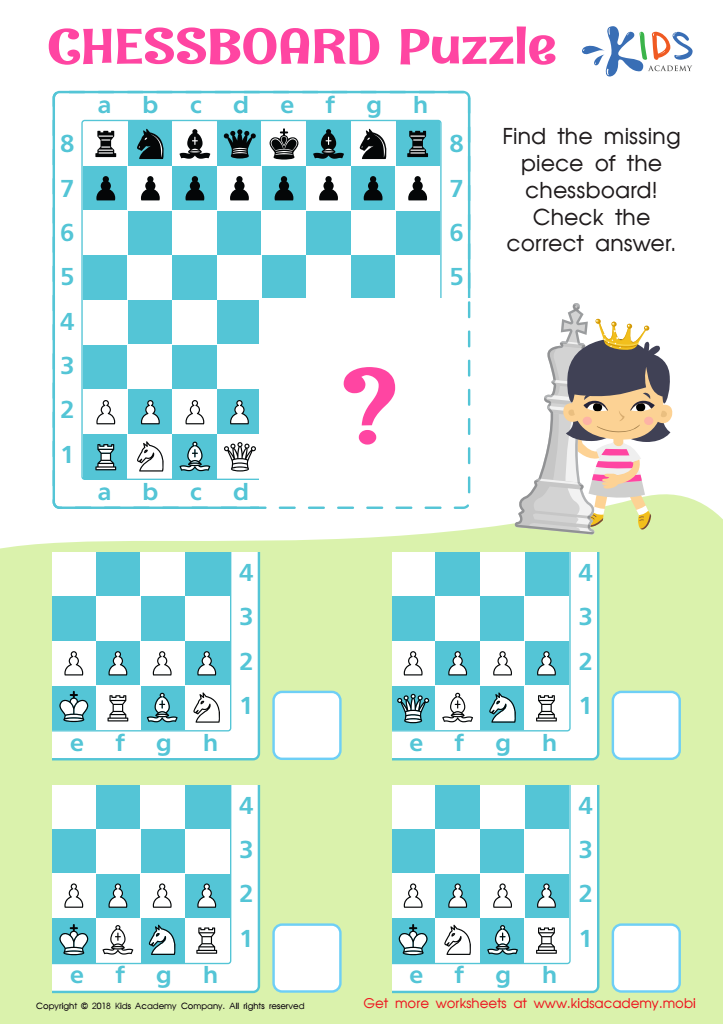
Chessboard Puzzle Worksheet
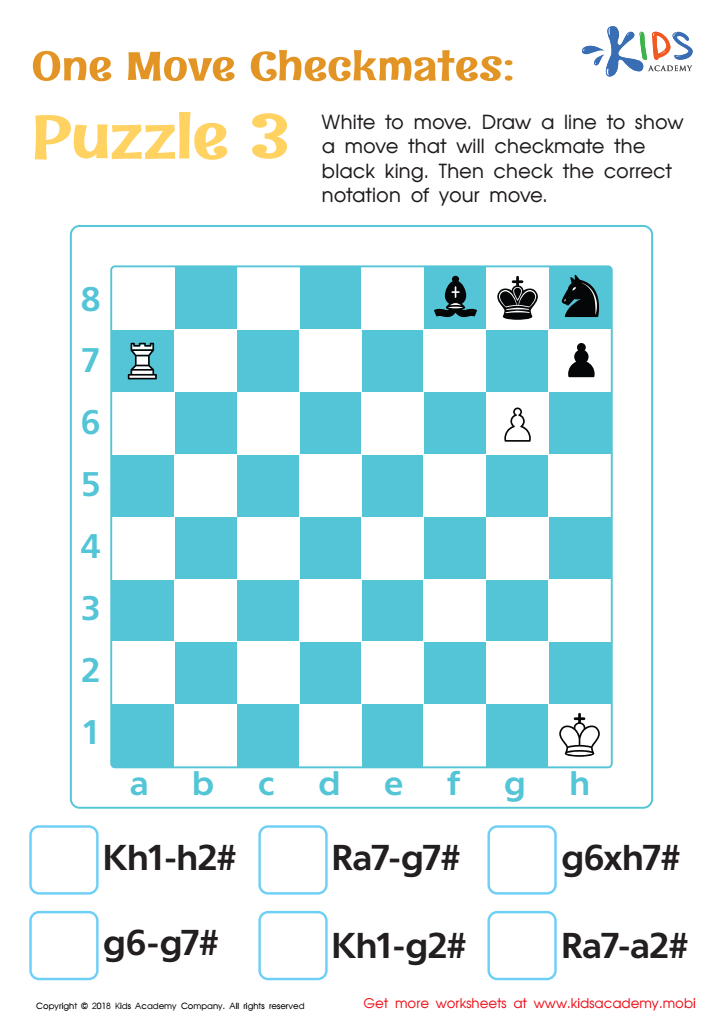
One Move Checkmates: Puzzle 3 Worksheet

Discovered Check: Puzzle 2 Worksheet
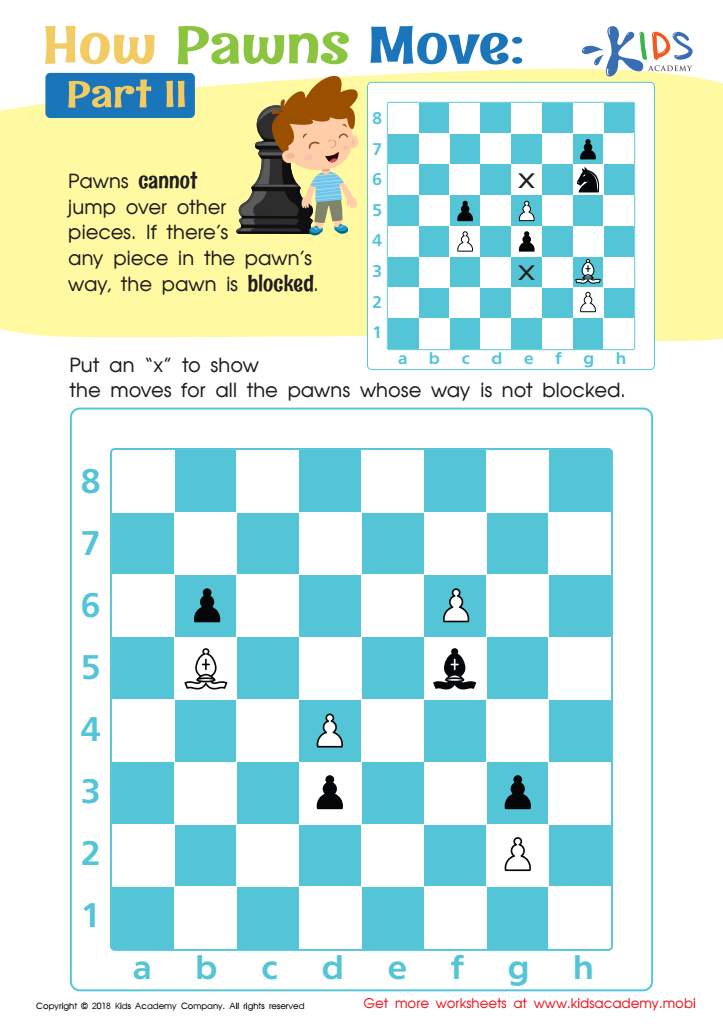
How Pawns Move: Part II Worksheet
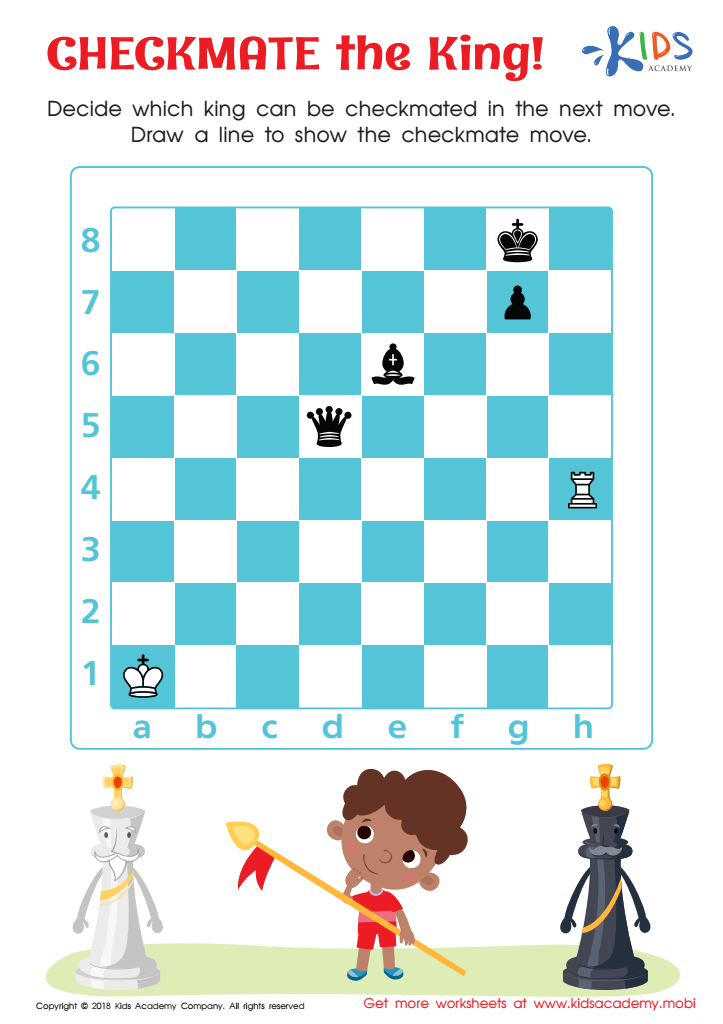
Checkmate the King Worksheet
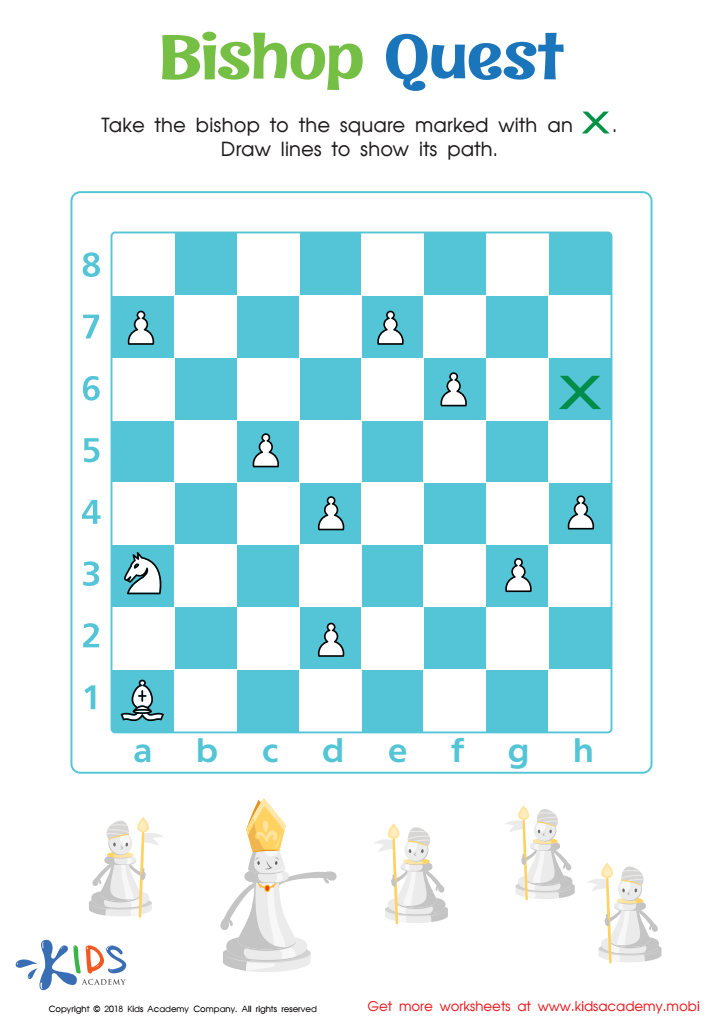
Bishop Quest Worksheet
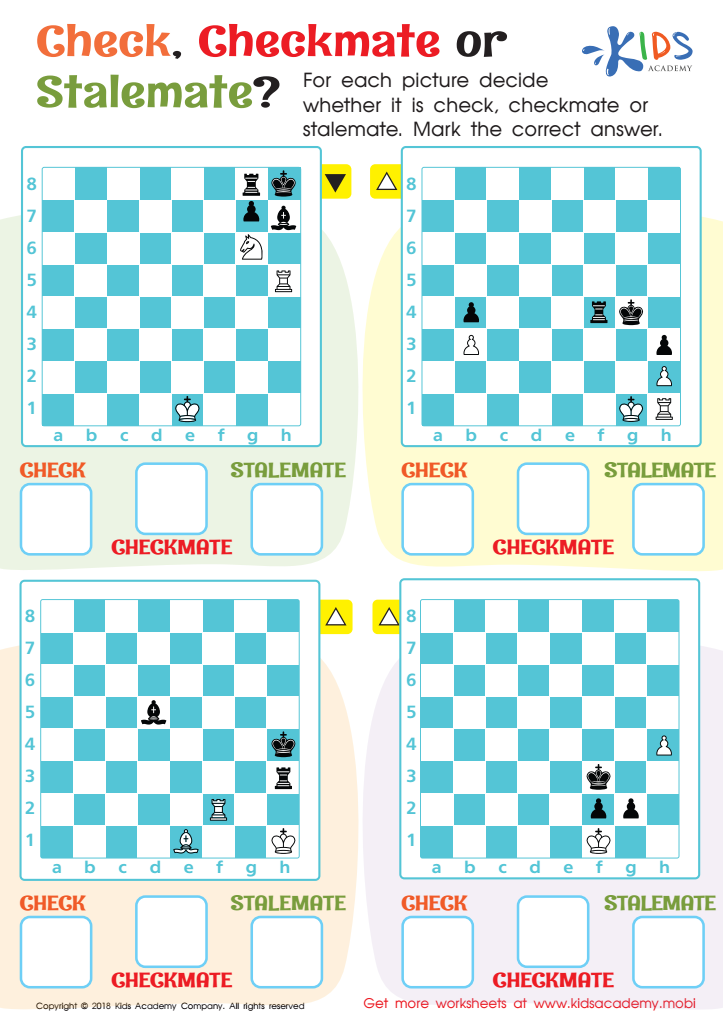
Check. Checkmate or Stalemate? Worksheet
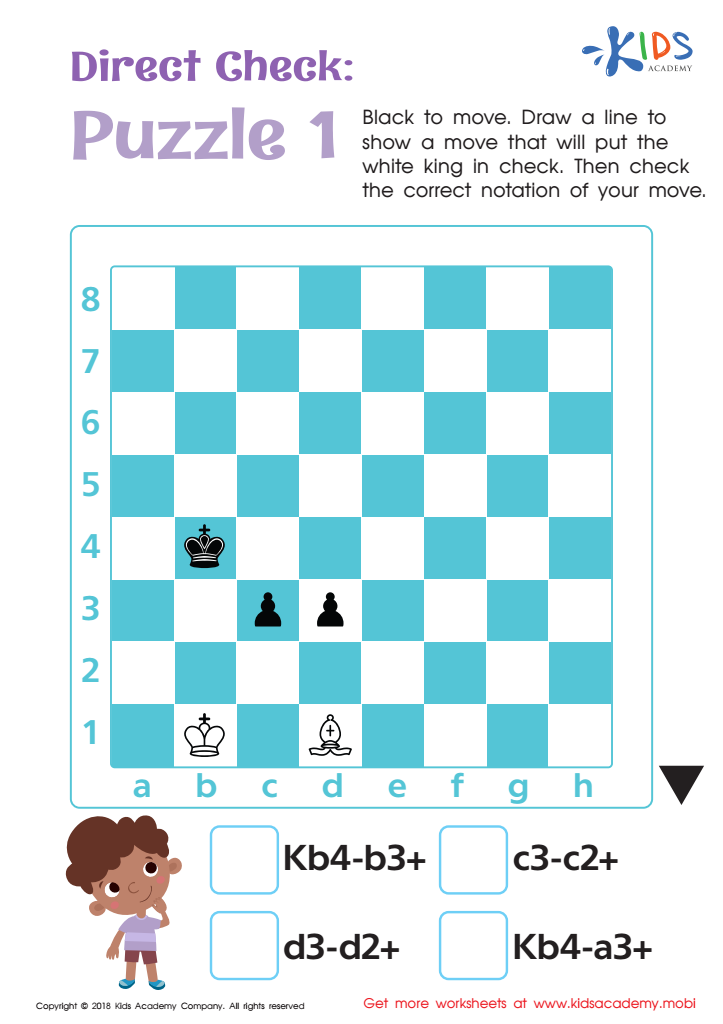
Direct Check: Puzzle 1 Worksheet
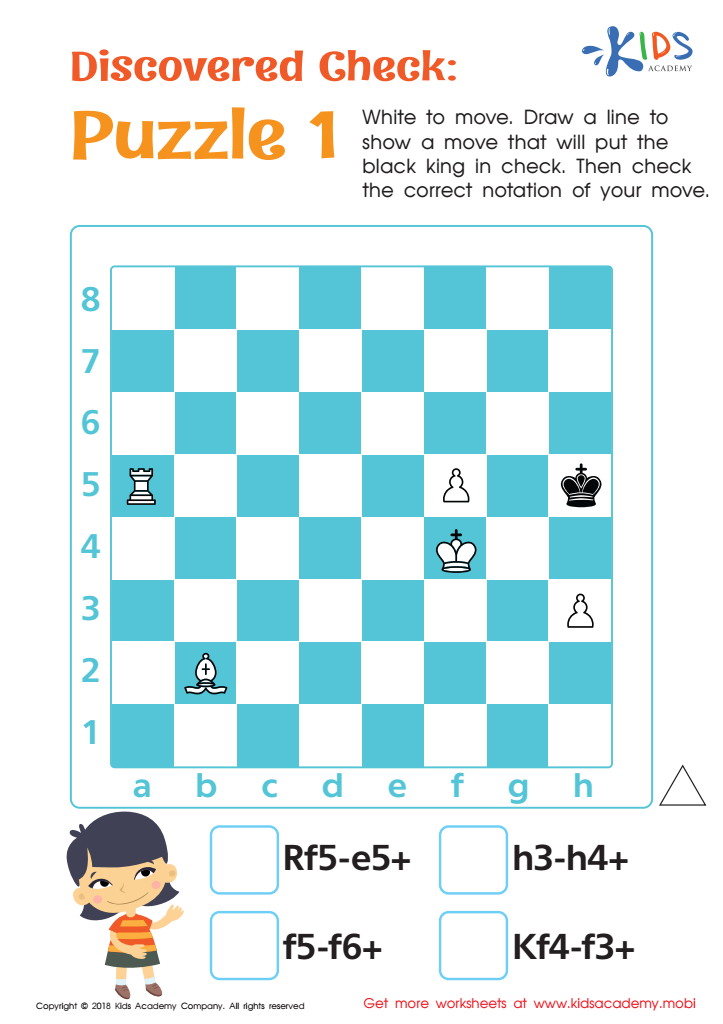
Discovered Check: Puzzle 1 Worksheet
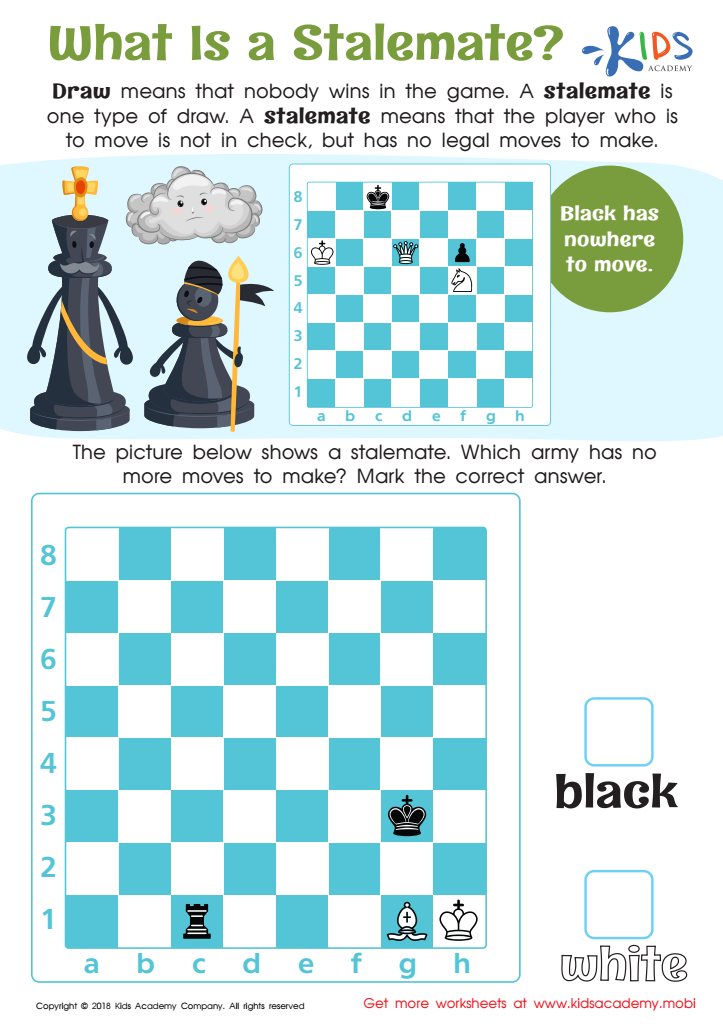
What Is a Stalemate? Worksheet
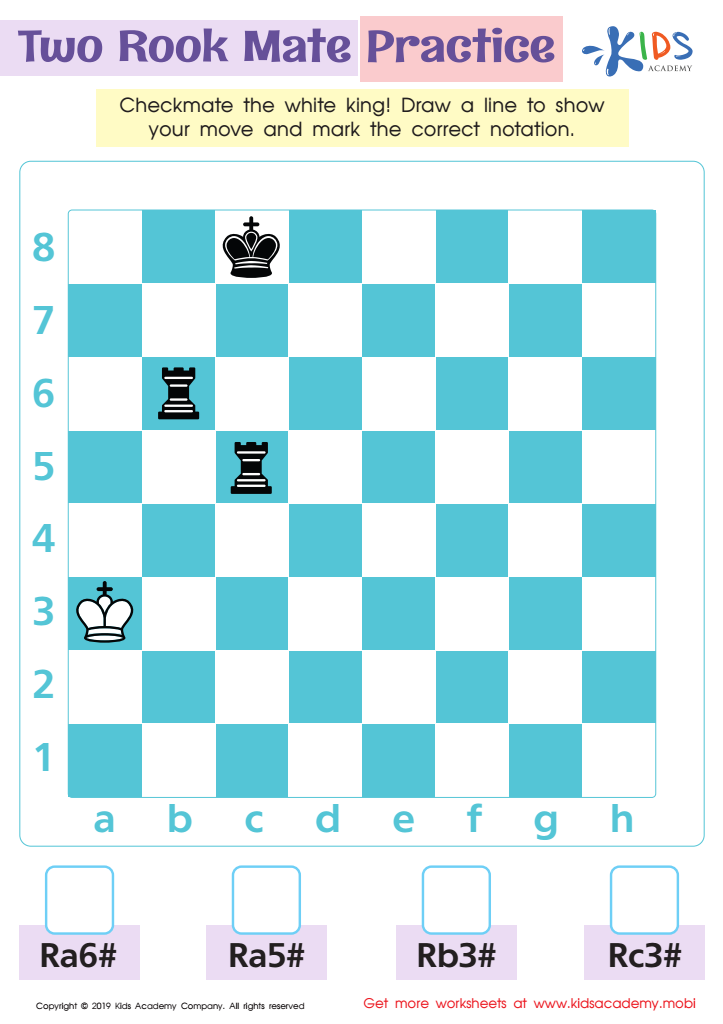
Two Rook Mate Practice Worksheet
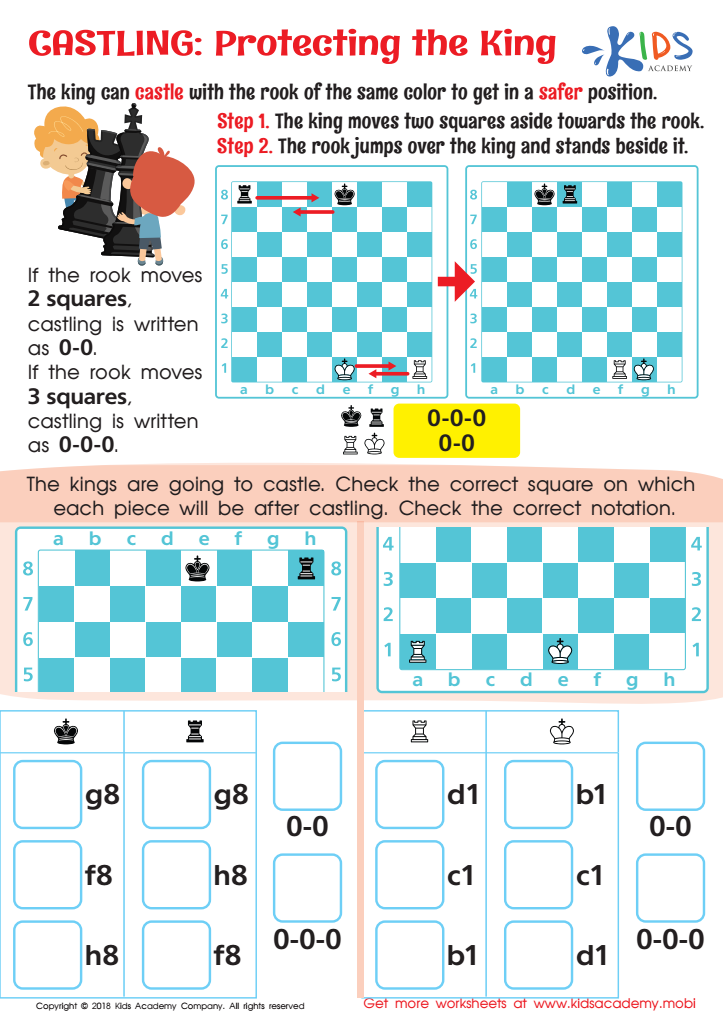
Castling: Protecting the King Worksheet
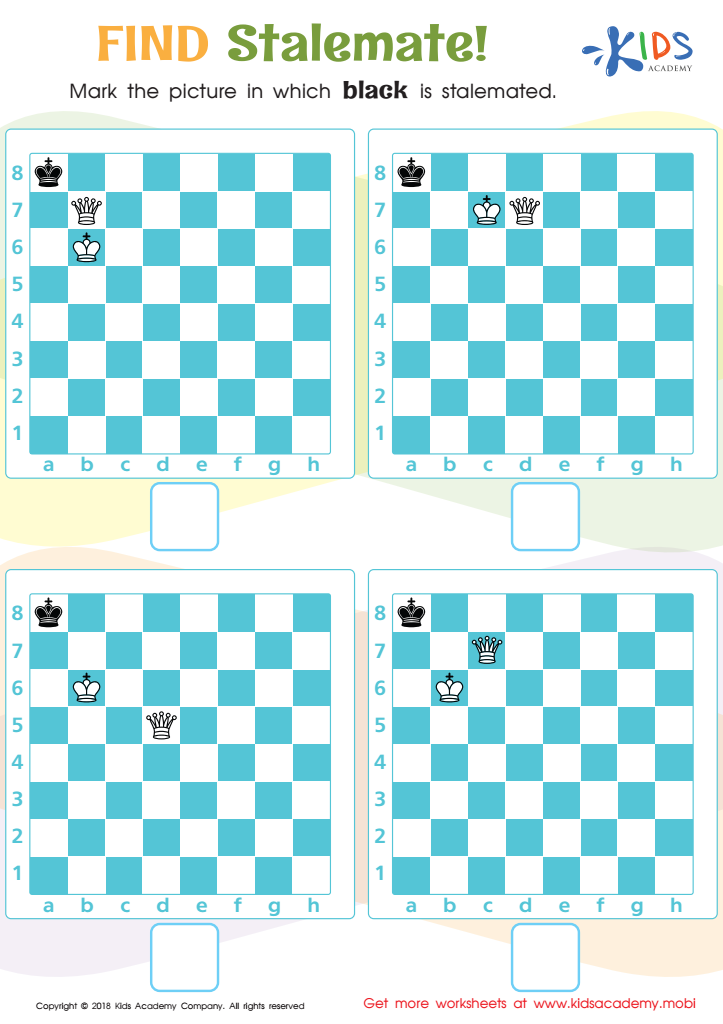
Find Stalemate! Worksheet




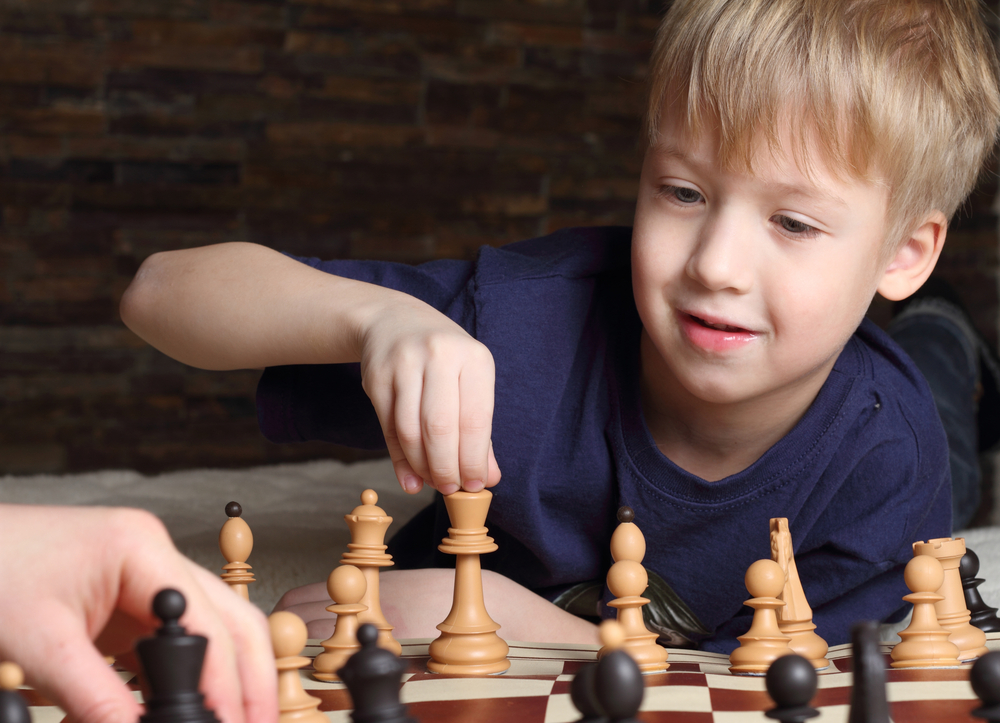
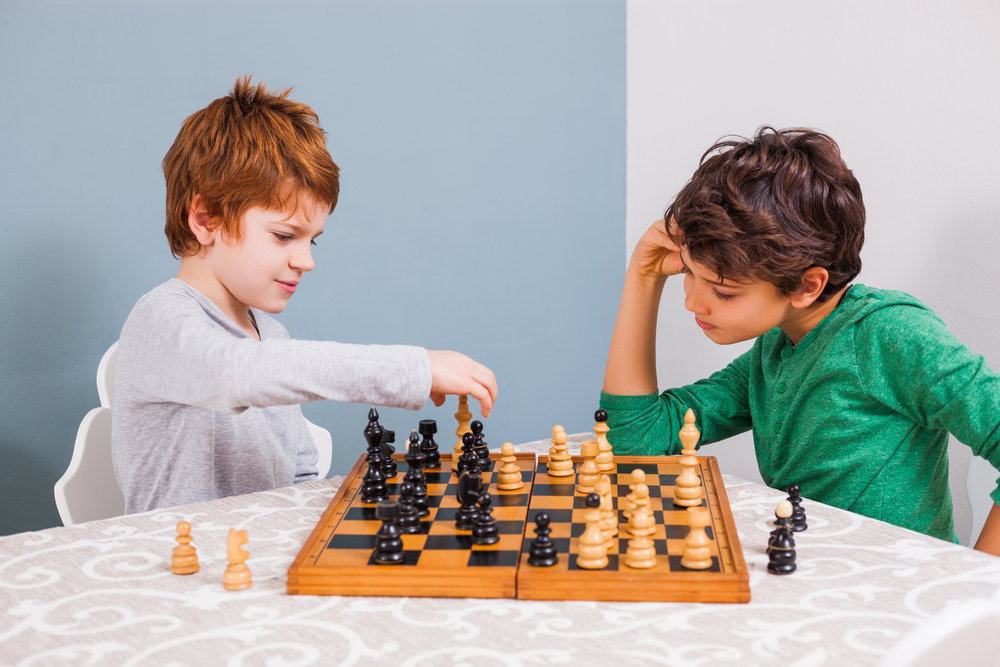
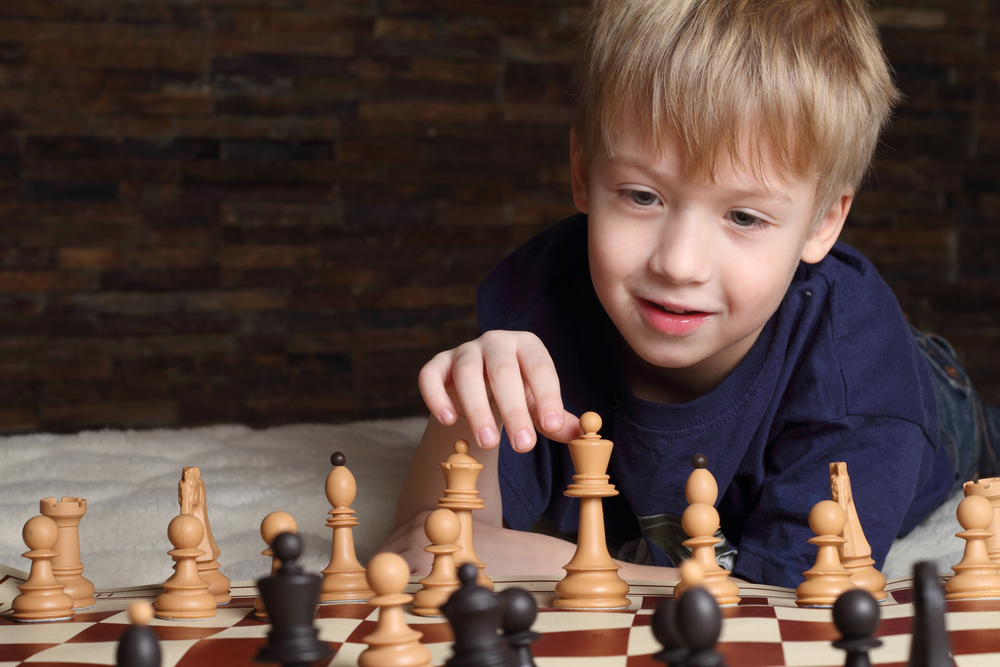

Parents and teachers should care about introducing problem-solving skills through chess for children aged 3-6 because it lays a crucial foundation for cognitive and emotional development. First, chess enhances critical thinking by teaching kids to analyze, plan, and make decisions. These skills are transferable to other academic areas, promoting better performance in subjects like math and reading. Through gameplay, children learn to anticipate consequences, fostering foresight and strategic planning.
Moreover, chess improves memory and concentration, as remembering rules and chess positions requires mental discipline. This boosts their ability to focus, an essential skill in academic settings and daily life.
Problem-solving through chess also nurtures resilience and patience. Young minds learn to cope with setbacks, understanding that choices have consequences and that persistence is key to improvement. Emotional intelligence is thereby cultivated as children experience both victory and defeat in a context of structured guidance.
Furthermore, chess is a social activity, enhancing interaction skills. Kids learn the value of taking turns, respecting opponents, and collaboration if taught in group settings. All these skills build a strong, versatile foundation that aids in holistic development, making them empowered and capable learners.
By integrating chess into early education, we give children a head start in life, enriching their mental, emotional, and social capacities.