Following instructions Worksheets for Ages 3-6
66 filtered results
-
From - To
Discover our engaging "Following Instructions Worksheets for Ages 3-6," designed to nurture essential listening and comprehension skills in young learners. These interactive worksheets blend fun activities with educational tasks, ensuring that children develop the ability to follow directions accurately. Ideal for preschool and early childhood settings, our resources encourage creativity and critical thinking through clear, simple instructions. Whether it's sorting, matching, or completing tasks, each worksheet promotes cognitive skills and enhances focus. Perfect for parents and educators aiming to support early development, our printable worksheets make learning enjoyable and effective. Empower your child’s learning journey today!

Christmas Tree Tracing Winter Words Worksheet
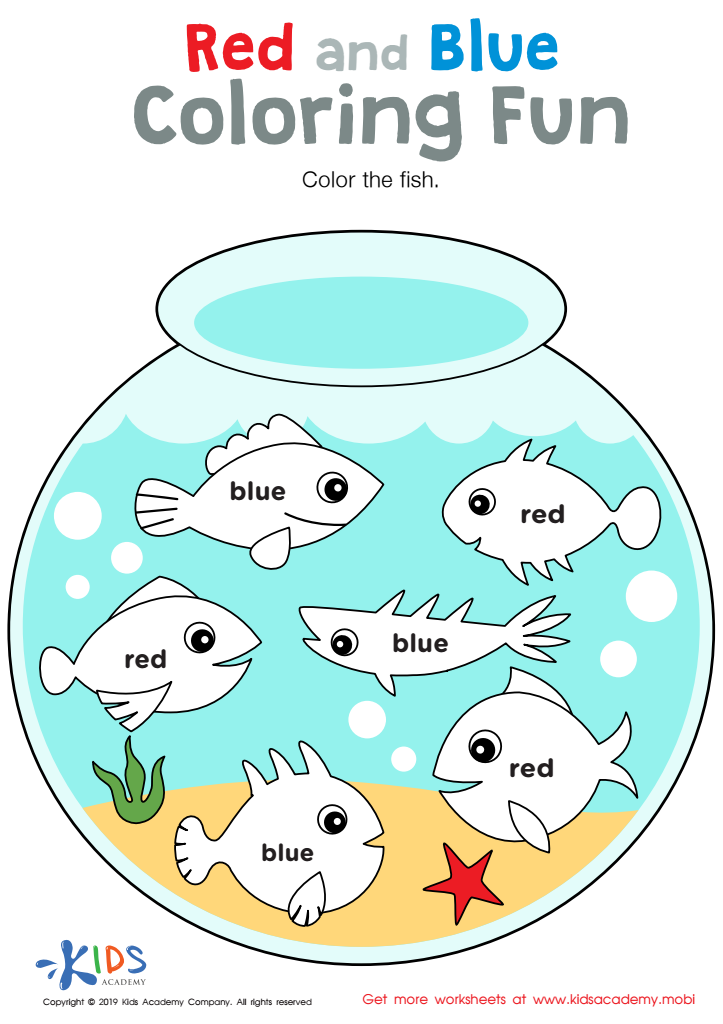
Red and Blue Coloring Fun Worksheet
 Assign to My Students
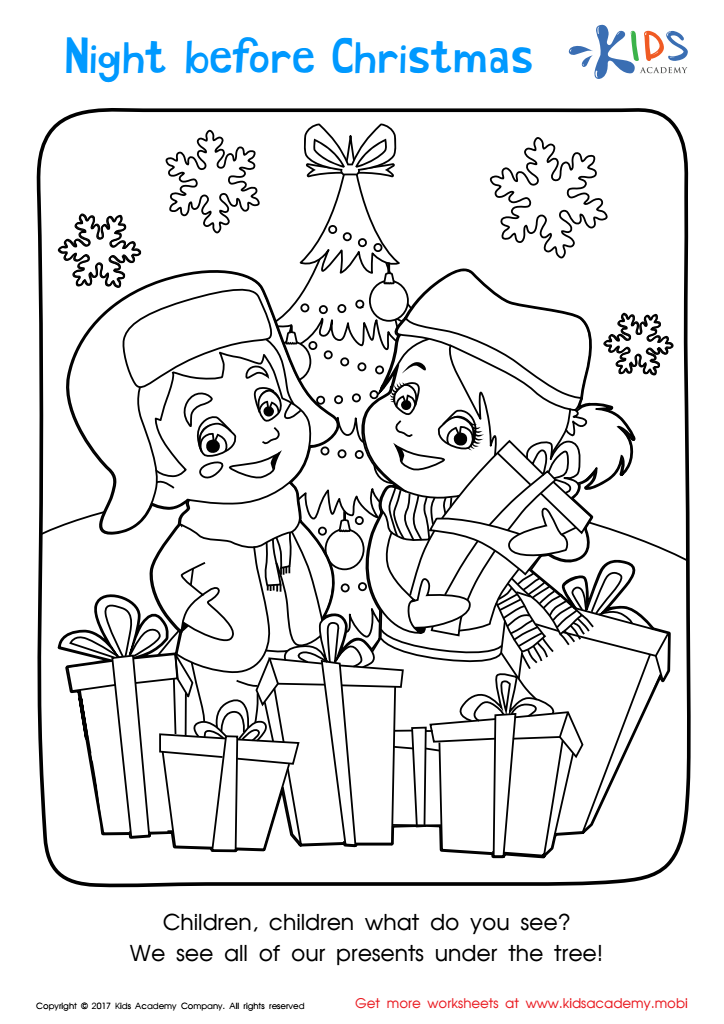
Christmas: Night Before Christmas Printable
Assign to My Students

Happy Diwali Printable
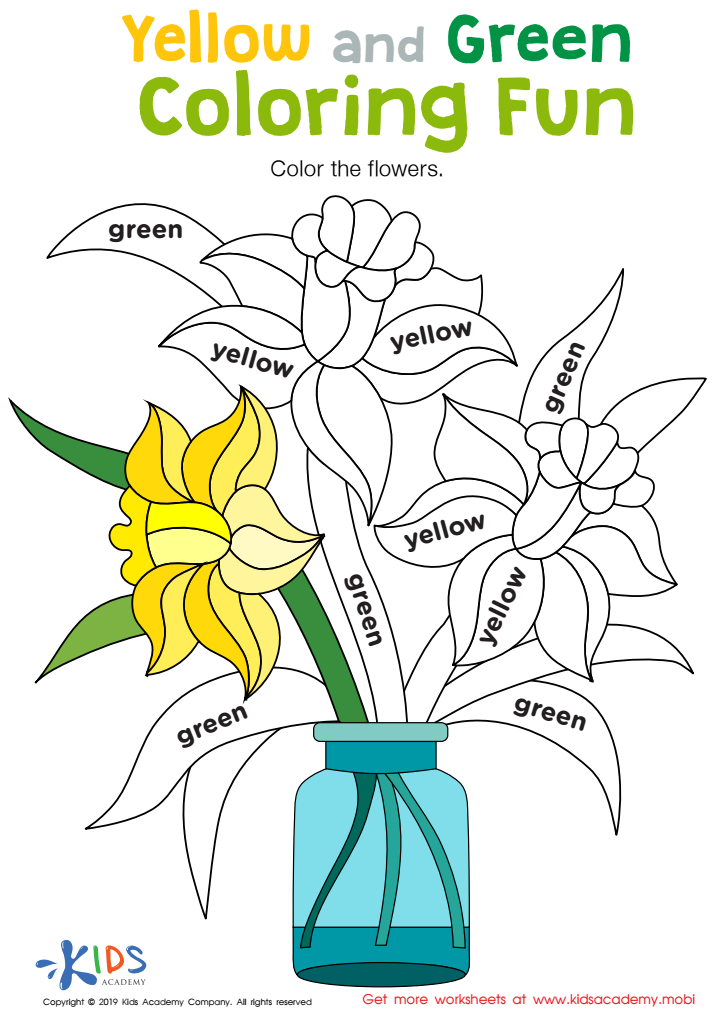
Yellow and Green Coloring Fun Worksheet
Assign to My Students
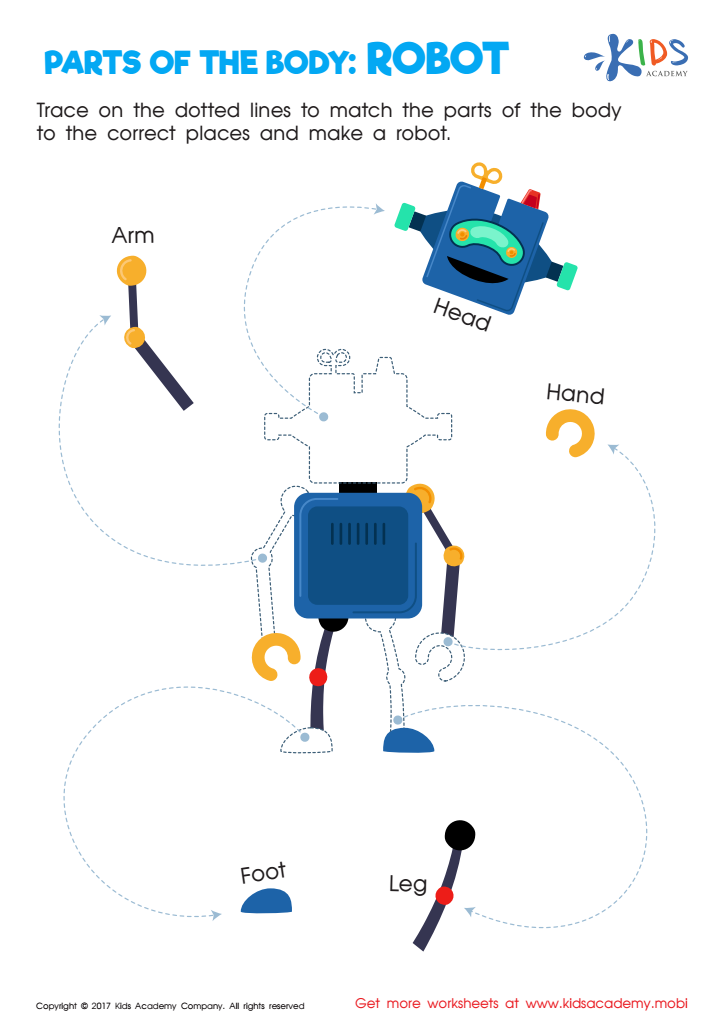
Robot Printable
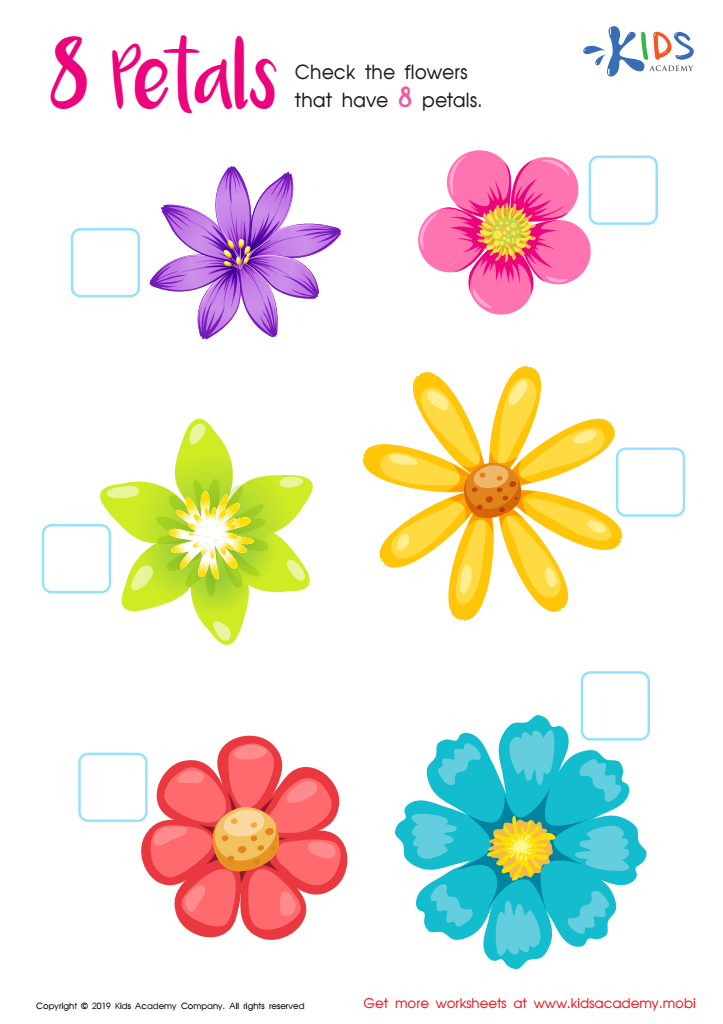
8 Petals Worksheet
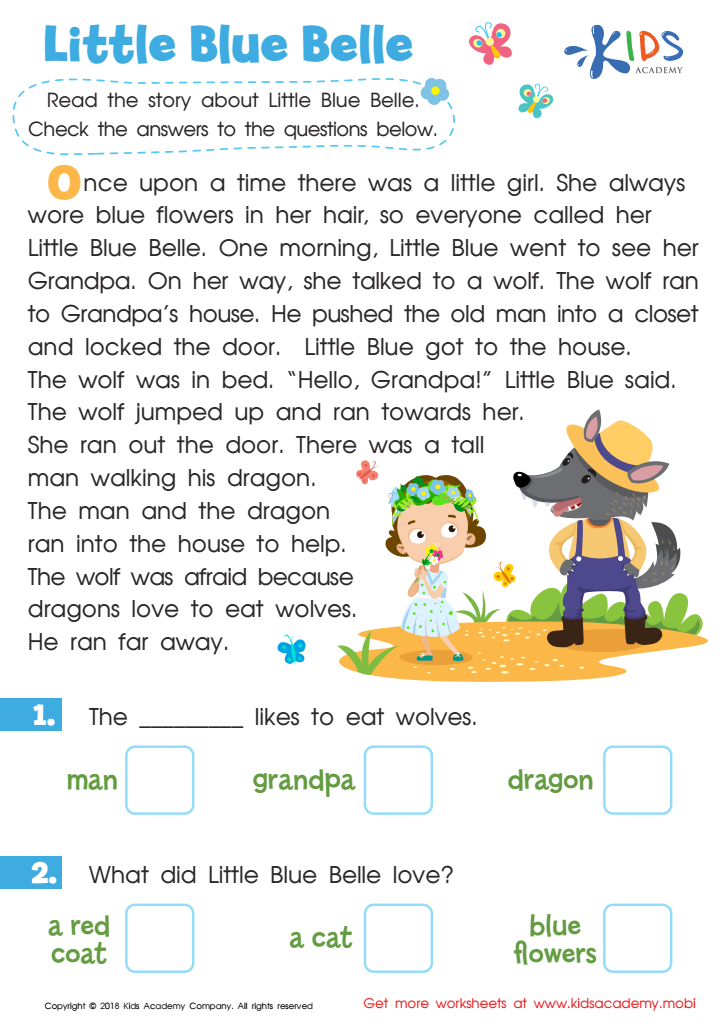
Little Blue Belle Worksheet
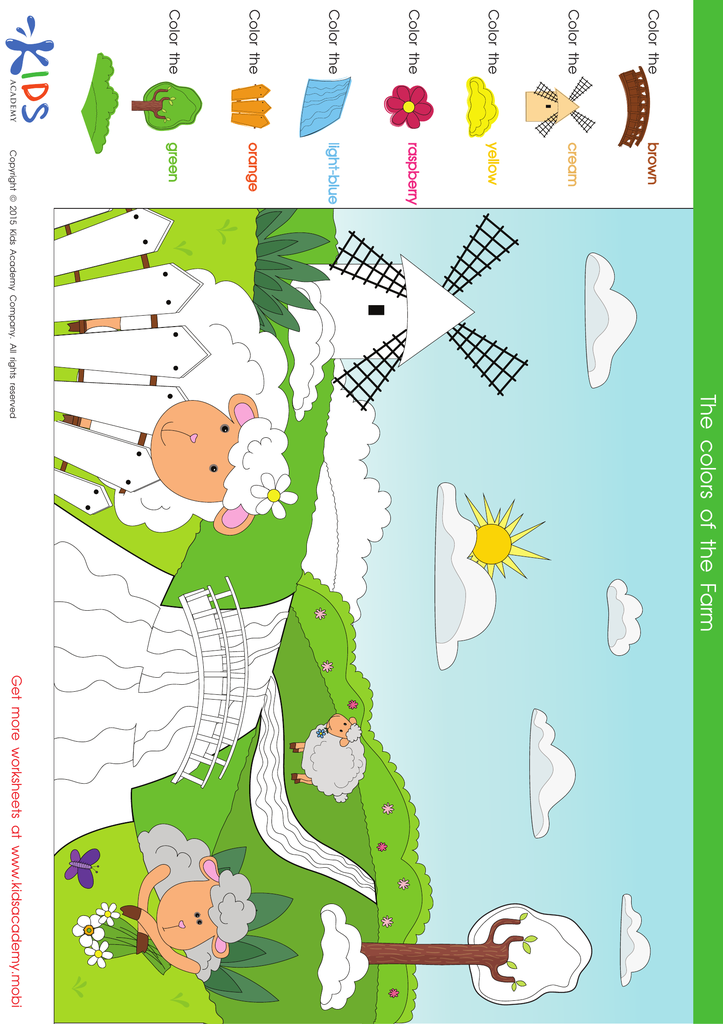
Color the Sheep in the Field Coloring Pages
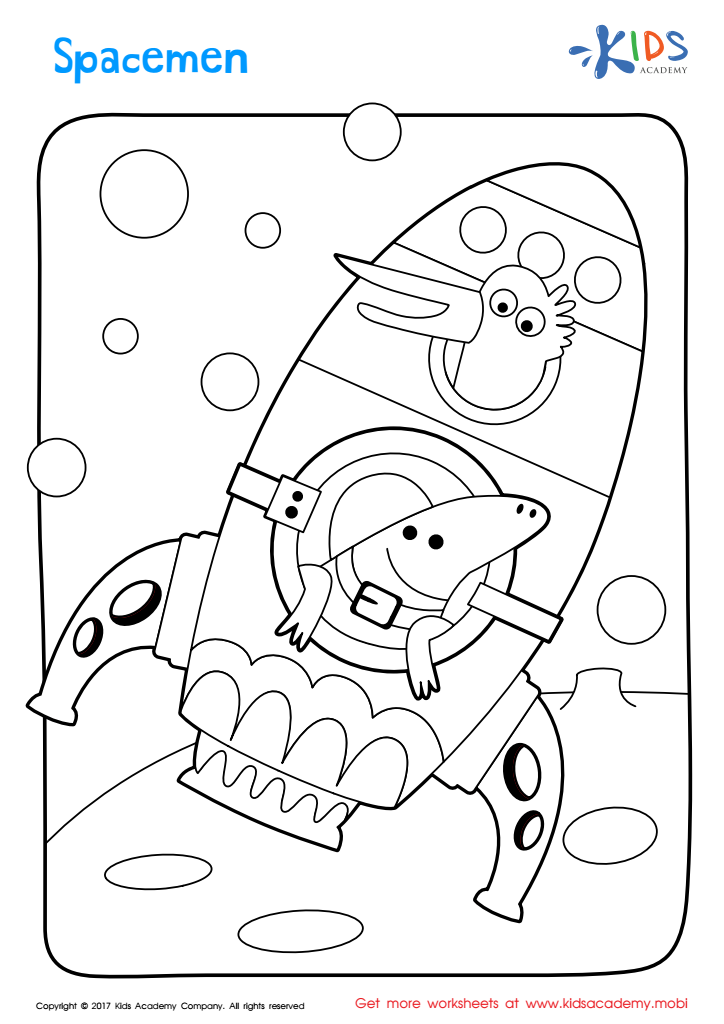
Spacemen Coloring Page
Assign to My Students
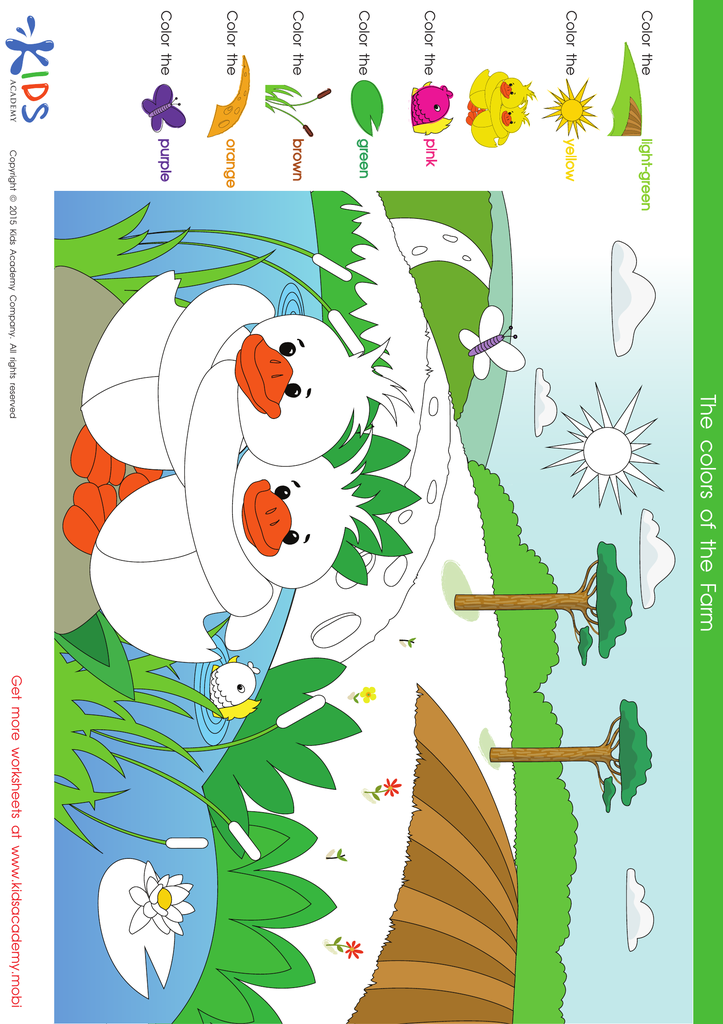
Color the Ducklings near the Pond Coloring Pages
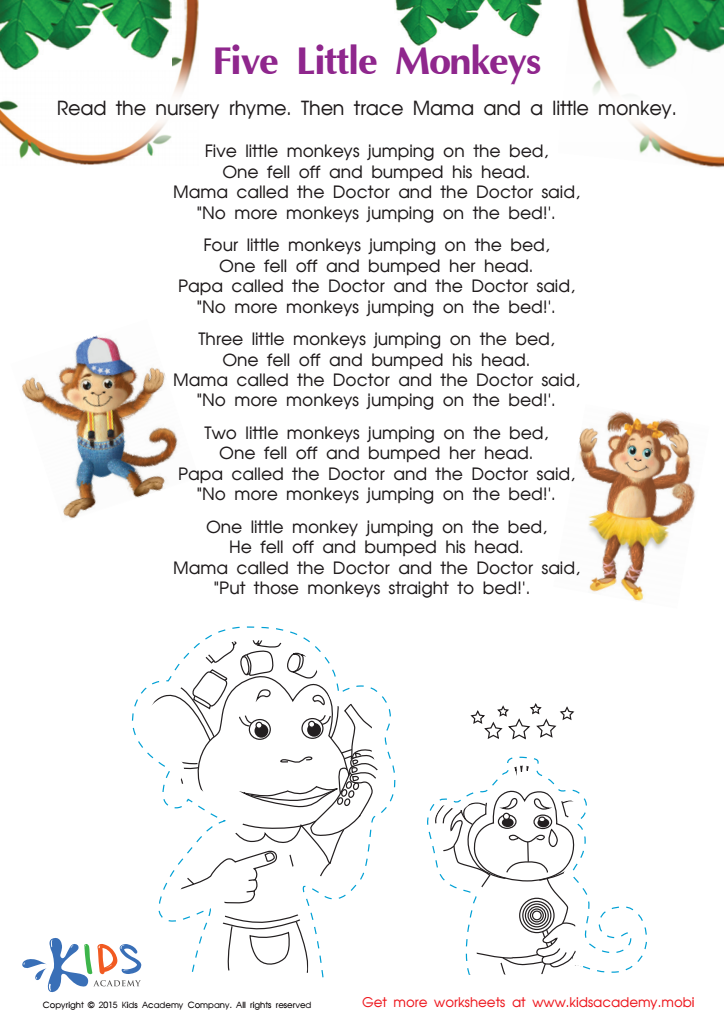
The Five Little Monkeys Nursery Rhyme Worksheet
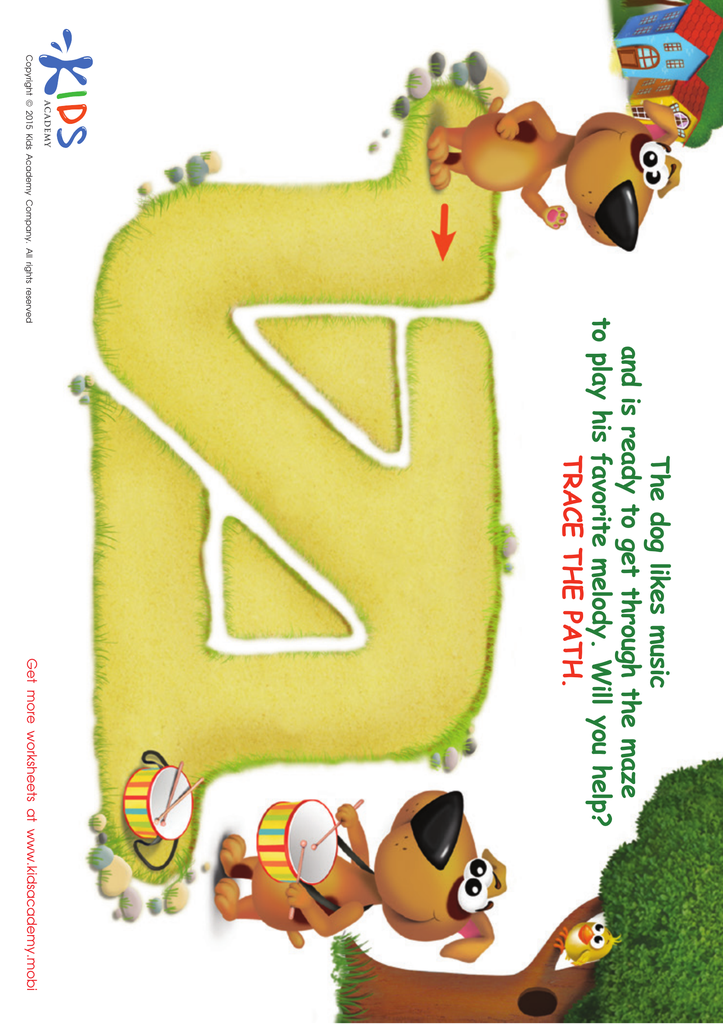
Drummer Maze Worksheet
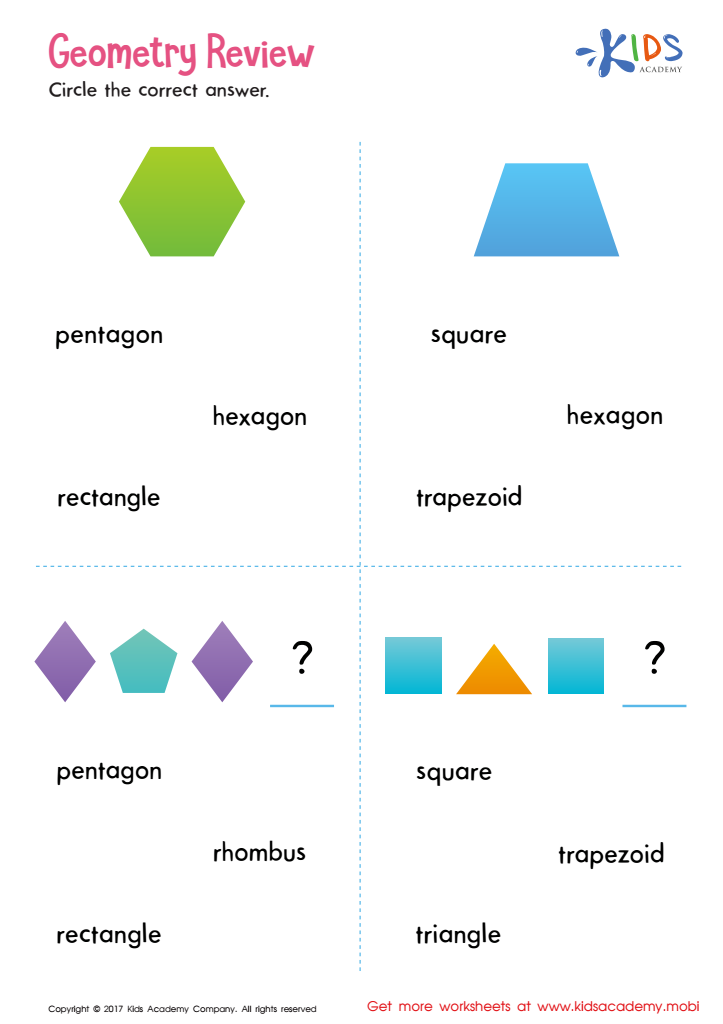
Geometry Review Printable

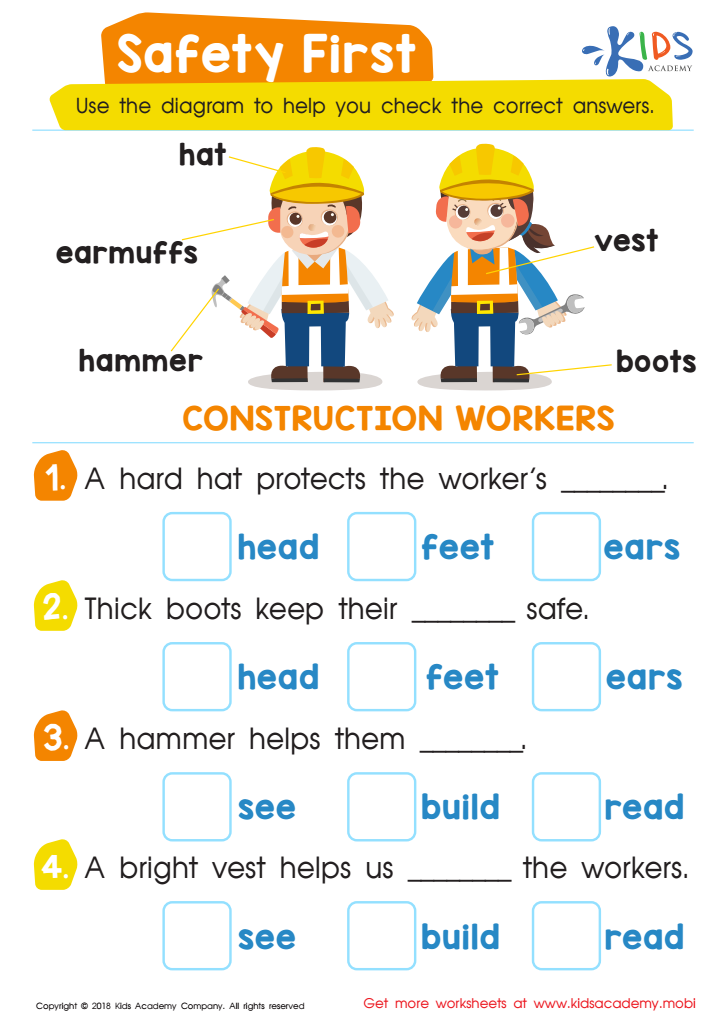
Safety First Worksheet
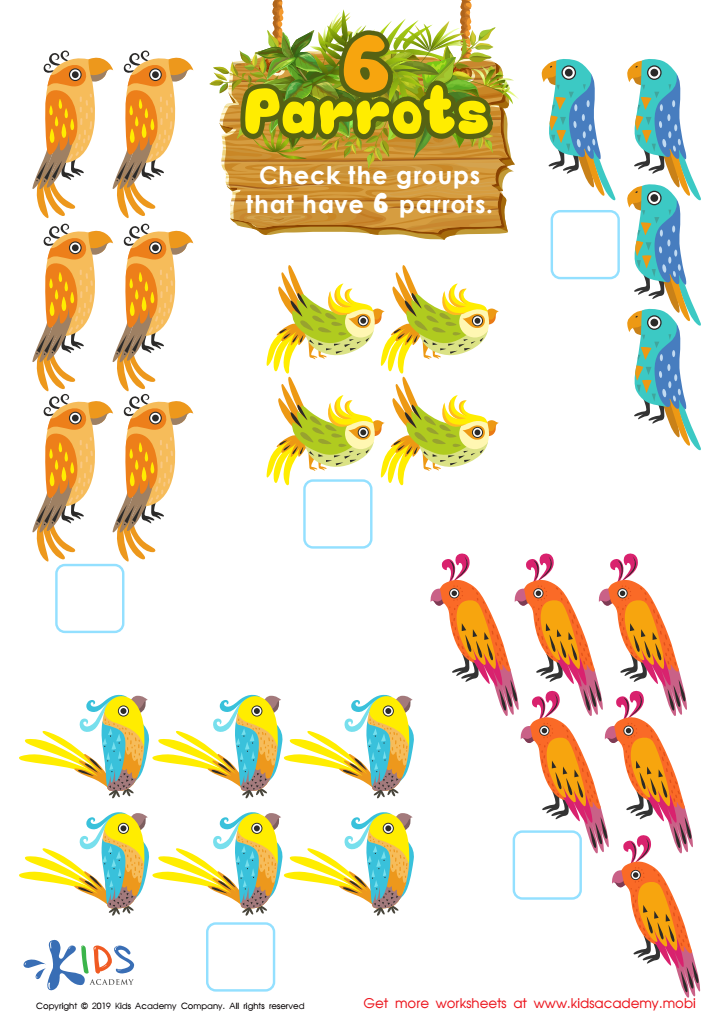
6 Parrots Worksheet
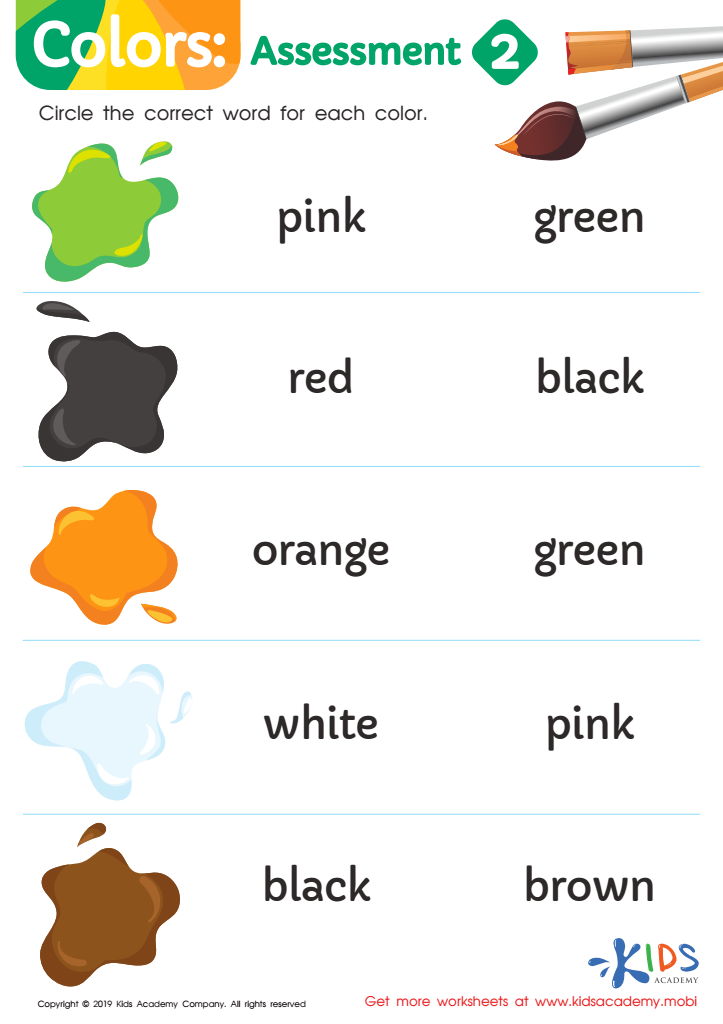
Colors: Assessment 2 Worksheet
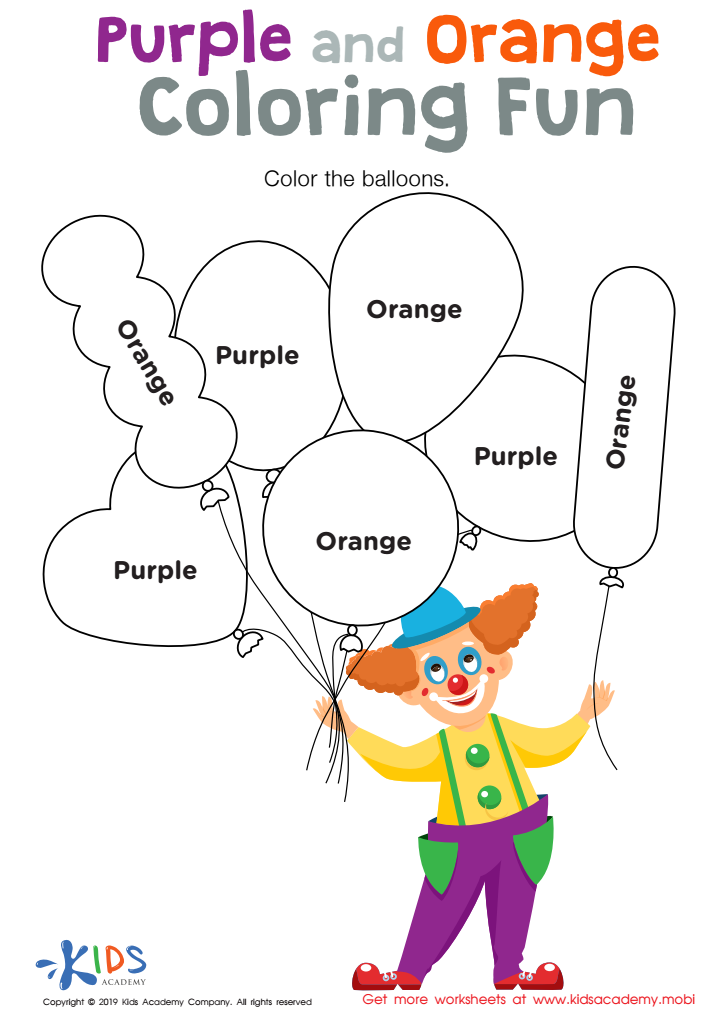
Purple and Orange Coloring Fun Worksheet
Assign to My Students
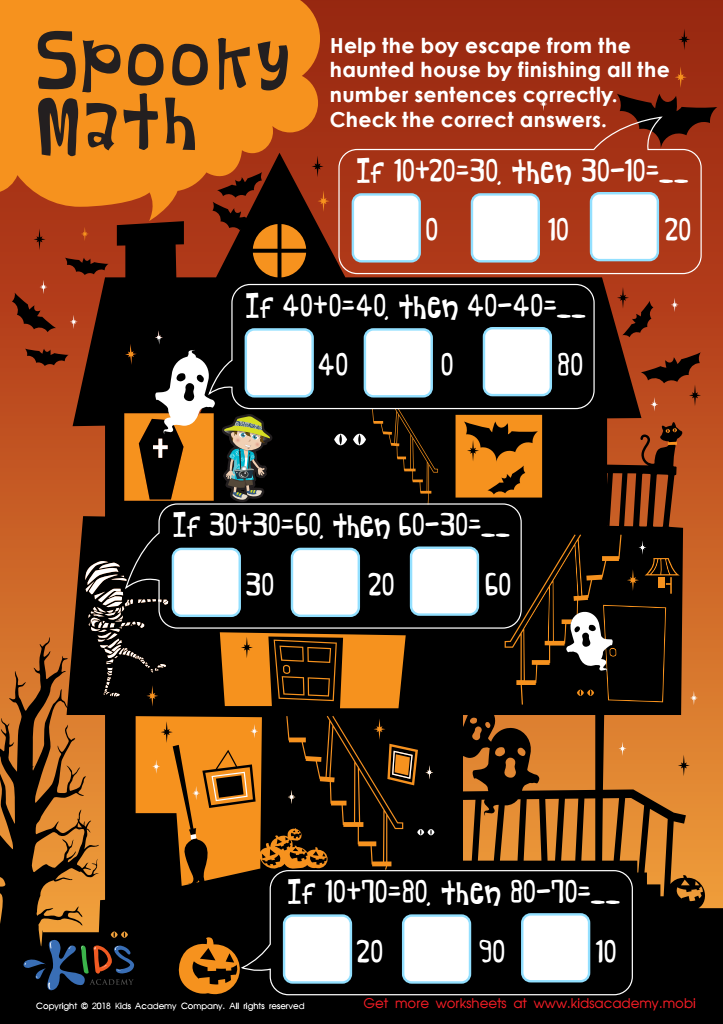
Subtract Tens: Spooky Math Worksheet
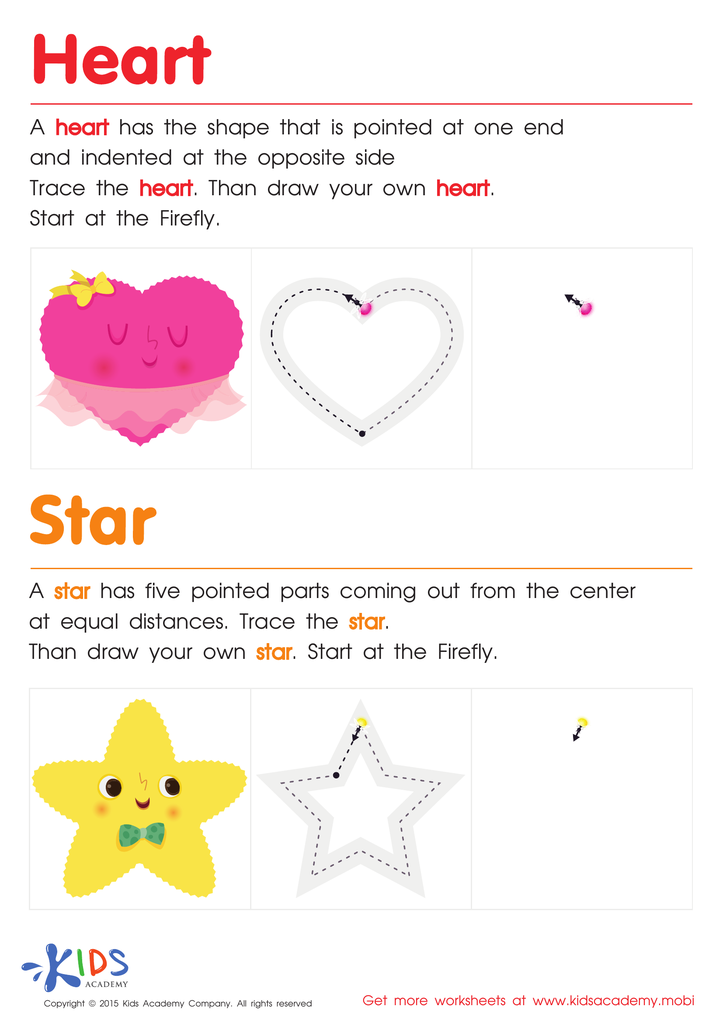
Let's Learn to Draw Hearts And Stars Printable
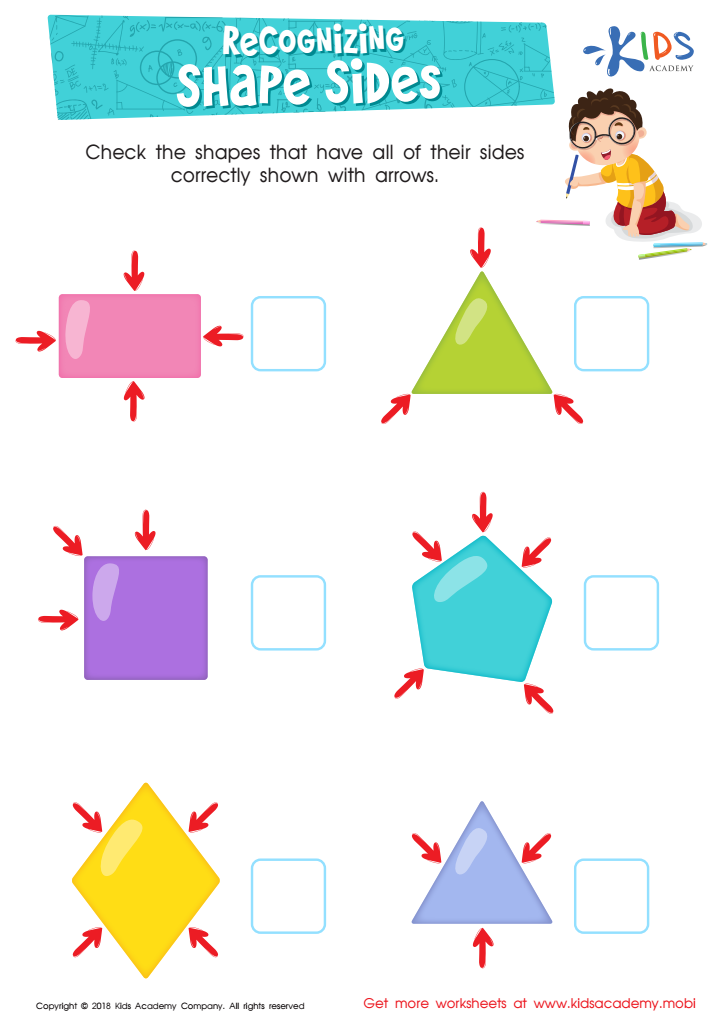
Recognizing Shape Sides Worksheet
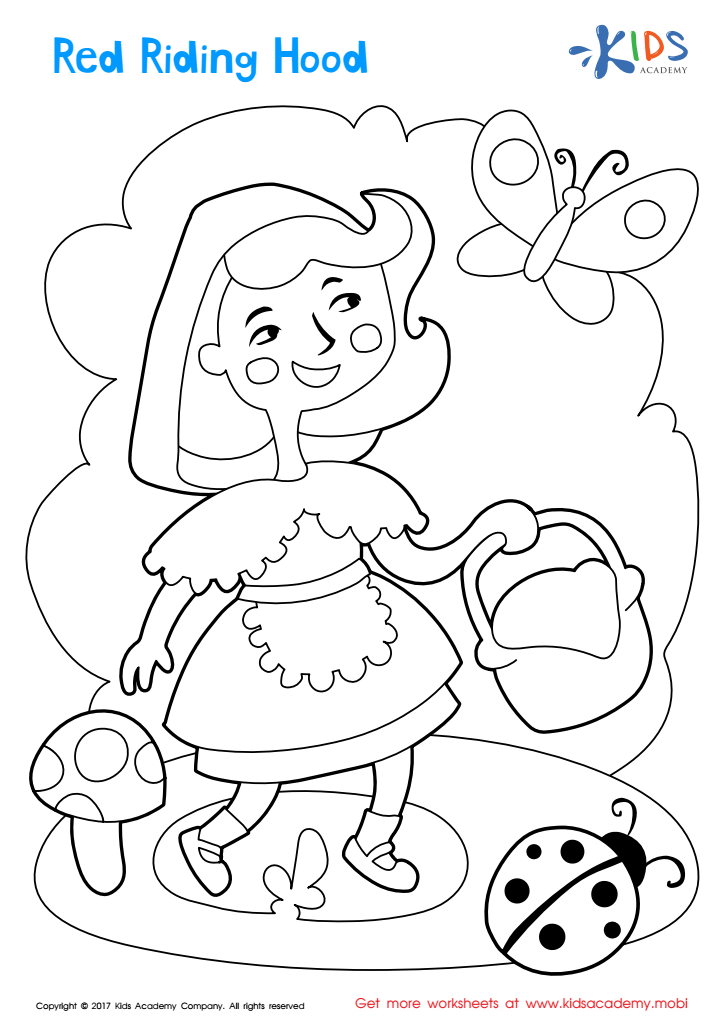
Red Riding Hood Coloring Page
Assign to My Students
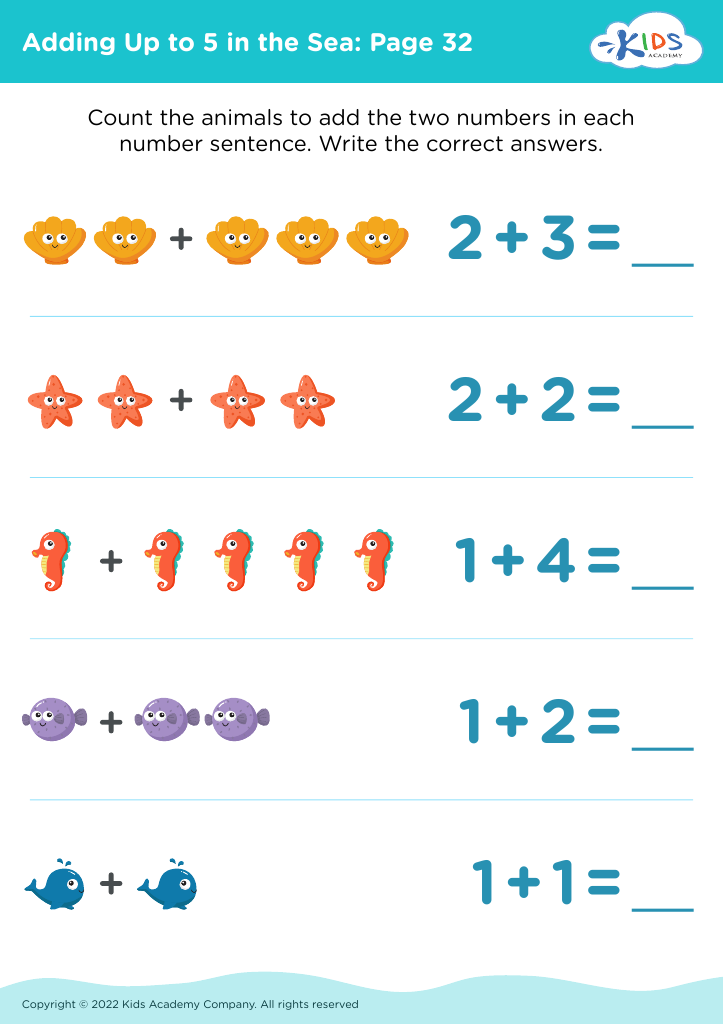







Following instructions is a crucial skill for children aged 3-6, influencing their development, learning, and social interactions. At this early stage, kids are like sponges, absorbing information about the world around them. When they learn to follow instructions, they develop essential cognitive skills, such as listening, comprehension, and critical thinking. These abilities lay the foundation for future academic success and more complex tasks as they grow.
Moreover, following instructions promotes independence and self-regulation. When children can understand and execute simple directions, they become more confident in their abilities, fostering a sense of achievement. This competency encourages them to tackle challenges on their own, boosting their resilience and problem-solving skills.
Socially, following directions helps children navigate group settings, whether in classrooms or playdates. It enhances their ability to collaborate with peers, build friendships, and engage in shared activities. This interaction fosters empathy, communication skills, and emotional intelligence, which are vital for their overall development.
Parents and teachers who emphasize the importance of following instructions not only cultivate these vital skills but also create a more cohesive learning environment. Encouraging children to practice this skill promotes smoother transitions throughout their education and life, ultimately contributing to their success as functional and responsible individuals.








