Logical thinking Worksheets for Ages 3-6
22 filtered results
-
From - To
Welcome to our collection of Logical Thinking Worksheets designed specifically for children aged 3-6! These engaging and interactive activities help young learners develop essential problem-solving and reasoning skills. Our worksheets are tailored to encourage critical thinking through fun exercises that include puzzles, patterns, and simple challenges. By exploring these worksheets, children will enhance their cognitive abilities while enjoying captivating illustrations and themes. Perfect for home or classroom use, our logical thinking resources support early childhood development, fostering curiosity and creativity. Explore our wide range of printable worksheets and watch your little ones thrive as they embark on their exciting learning journey!
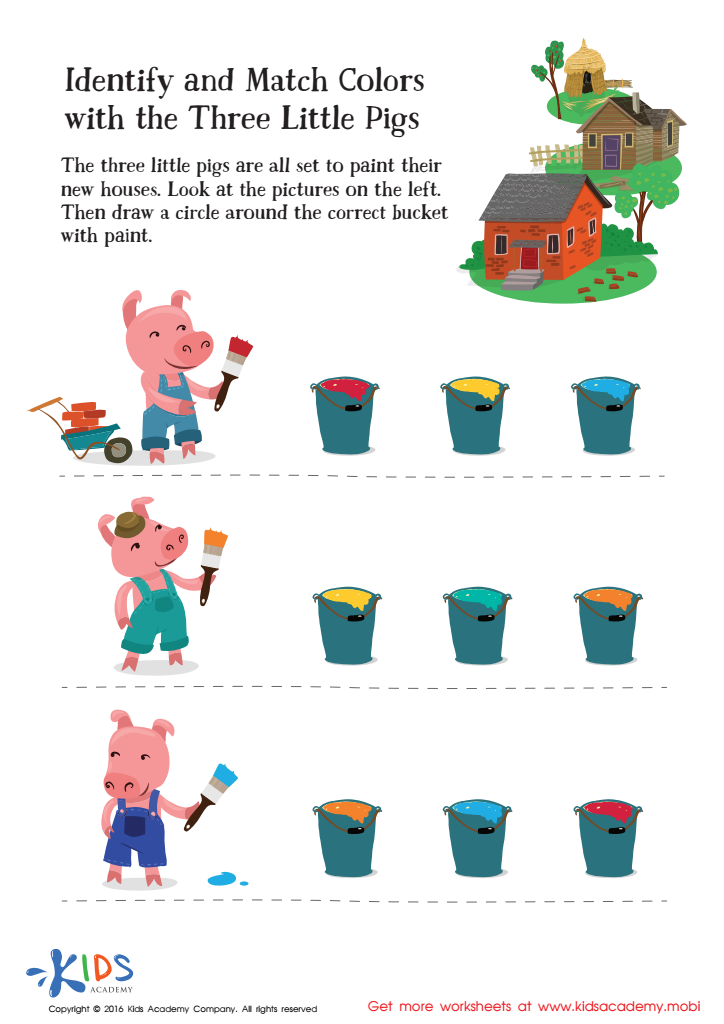
Fairy Tale Worksheet: Identify and Match Colors with Three Little Pigs
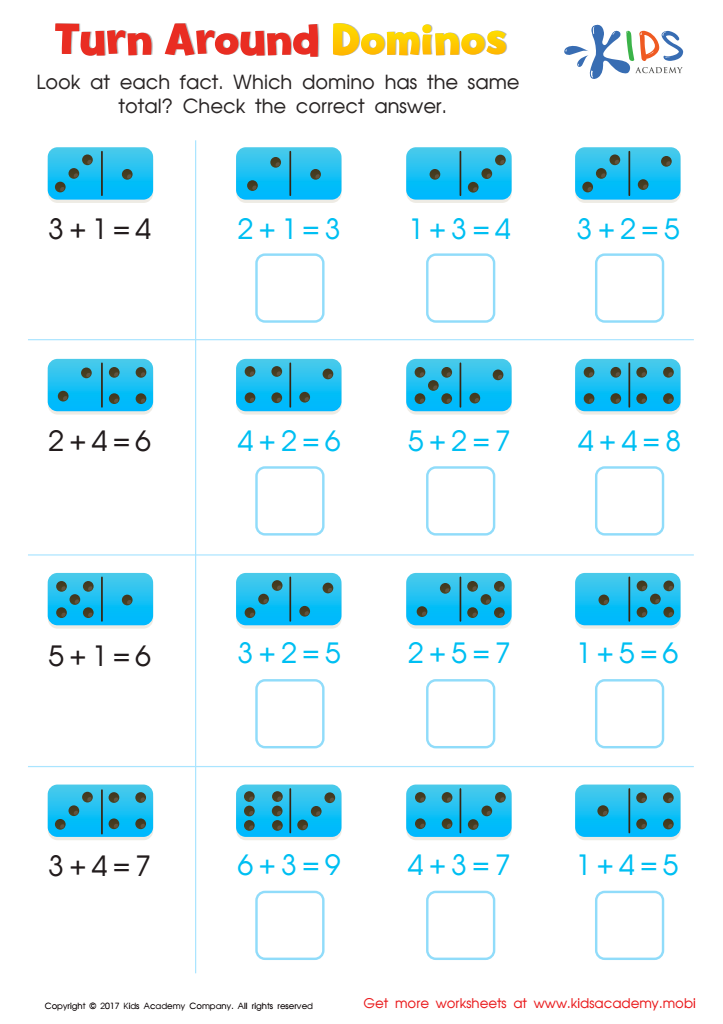
Turn Around Dominos Worksheet
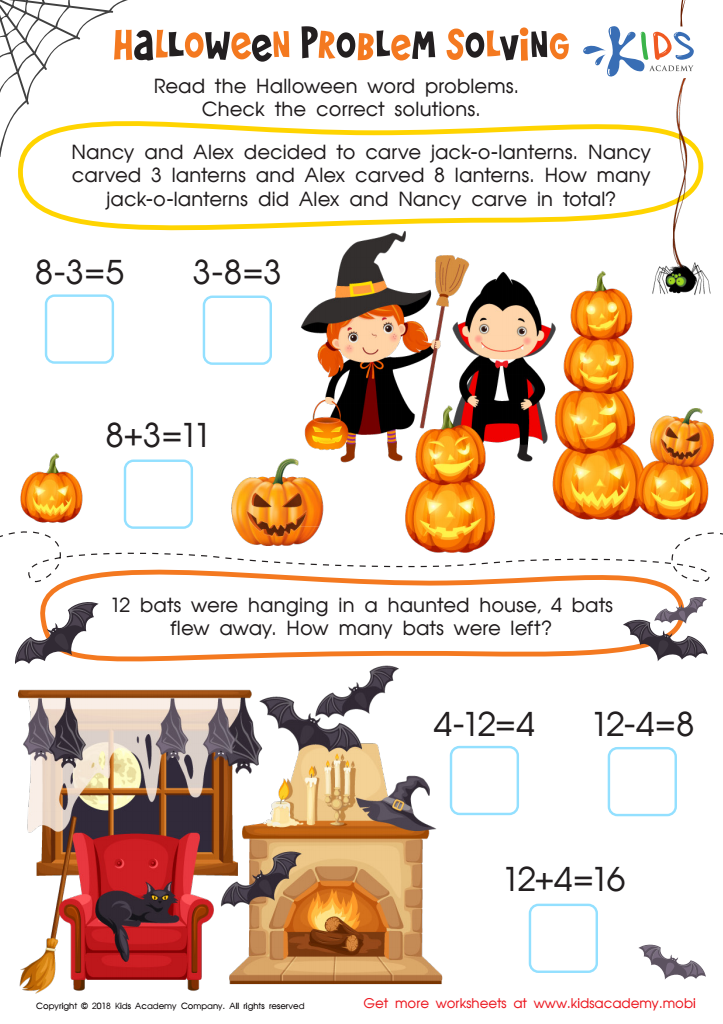
Halloween Problem Solving Worksheet
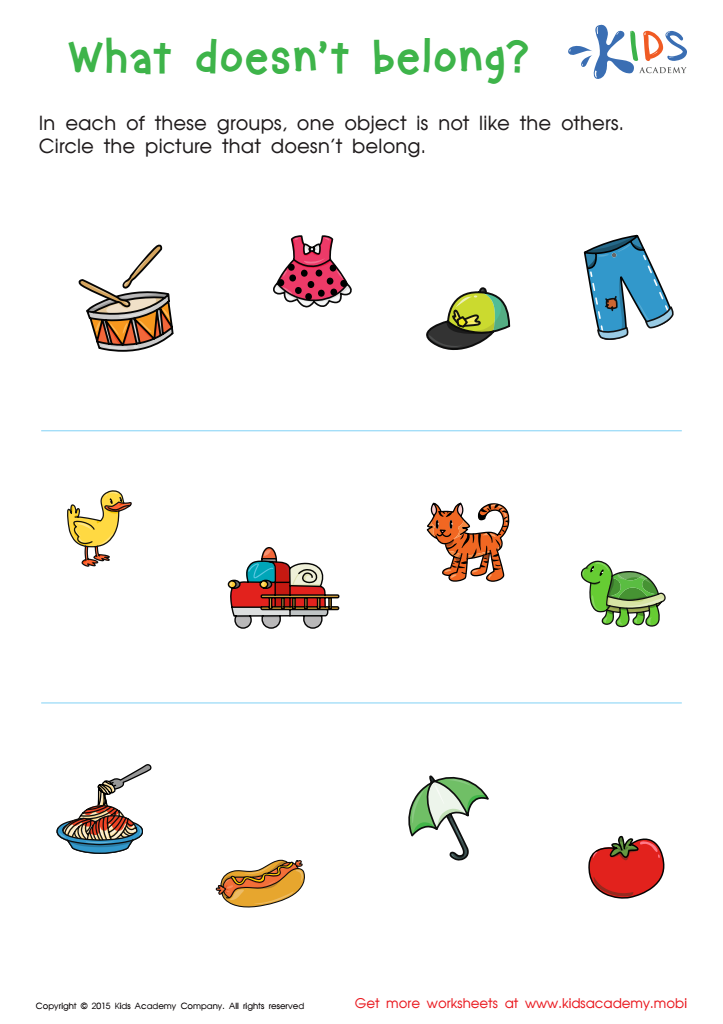
First Words: What Doesn't Belong Worksheet
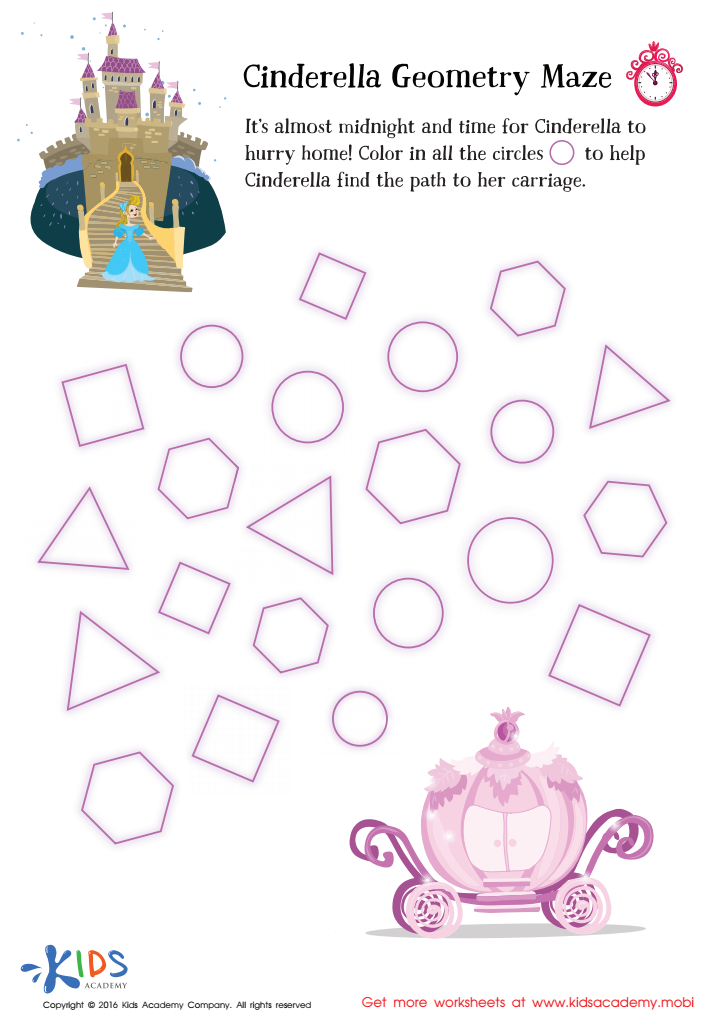
Cinderella Geometry Maze Worksheet
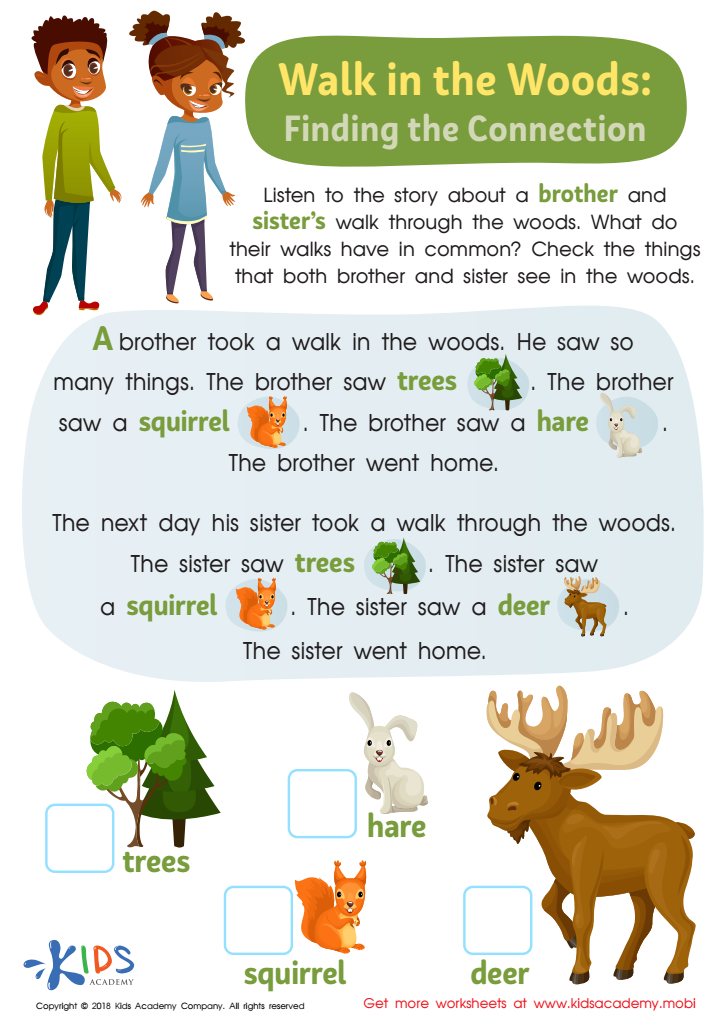
Walk In the Woods: Finding Connections Worksheet
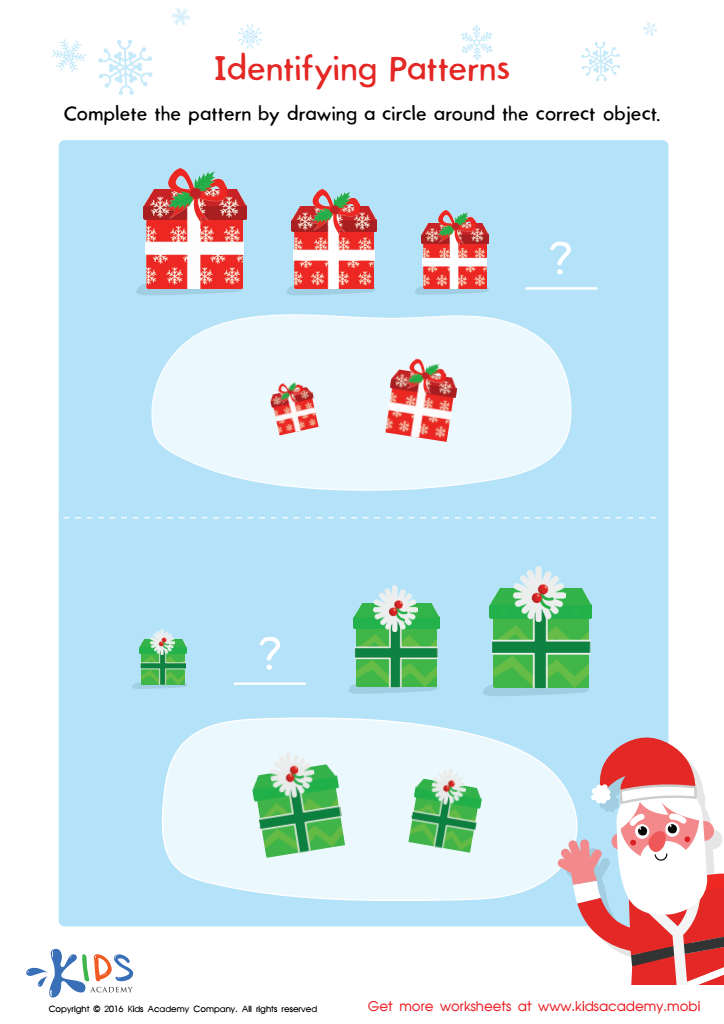
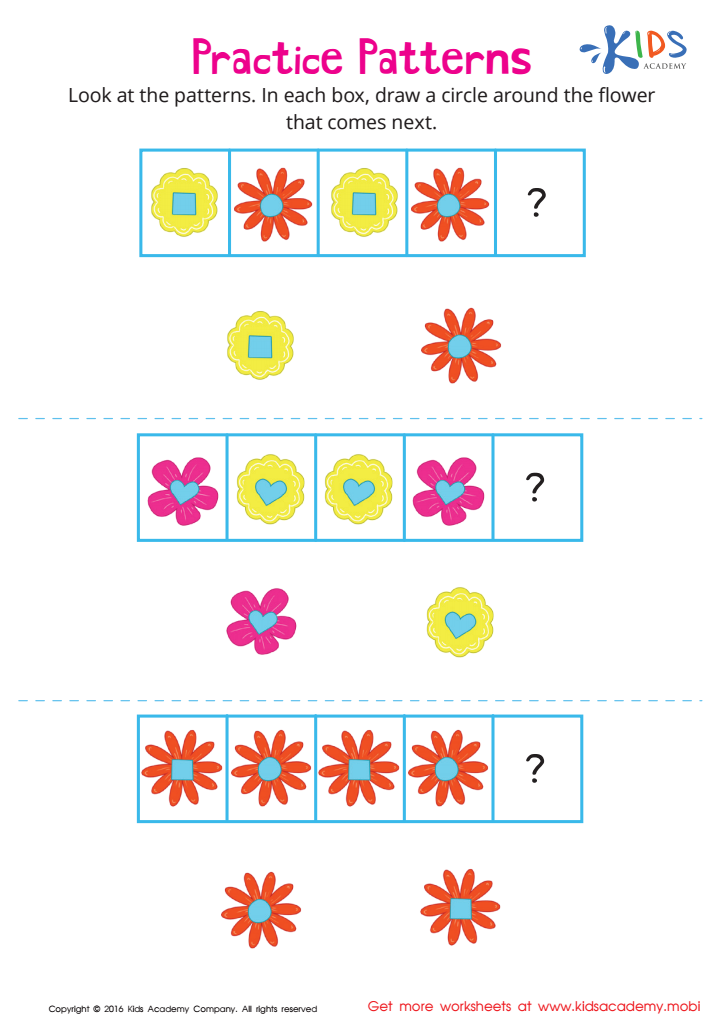
Identifying Patterns Worksheet
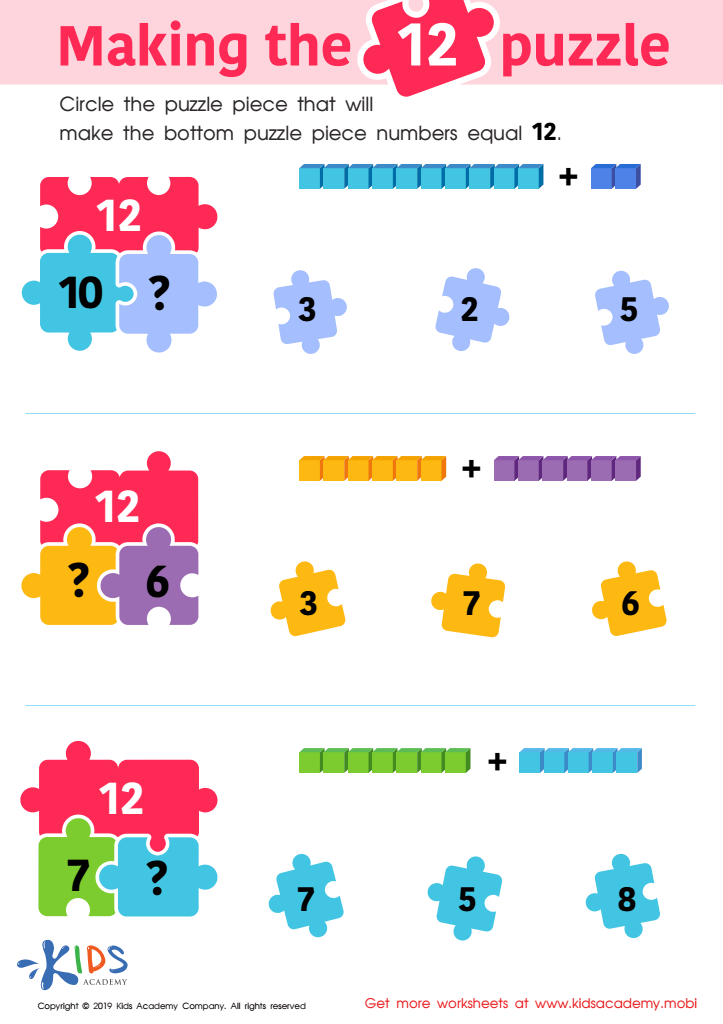
Making the 12 Puzzle Worksheet
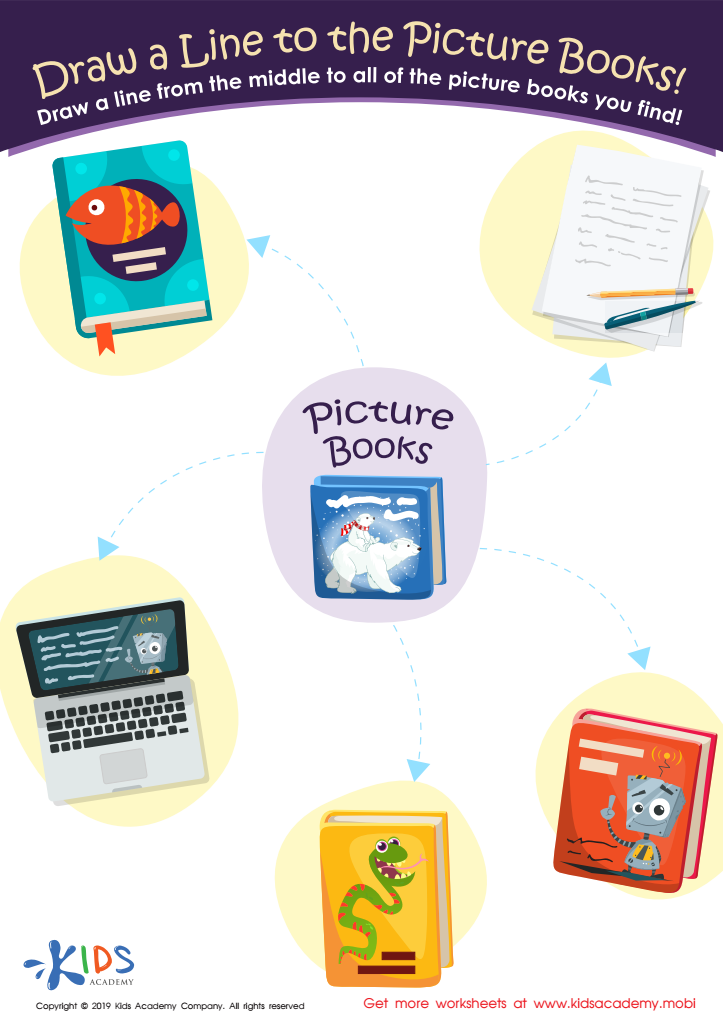
Draw a Line to the Picture Books Worksheet
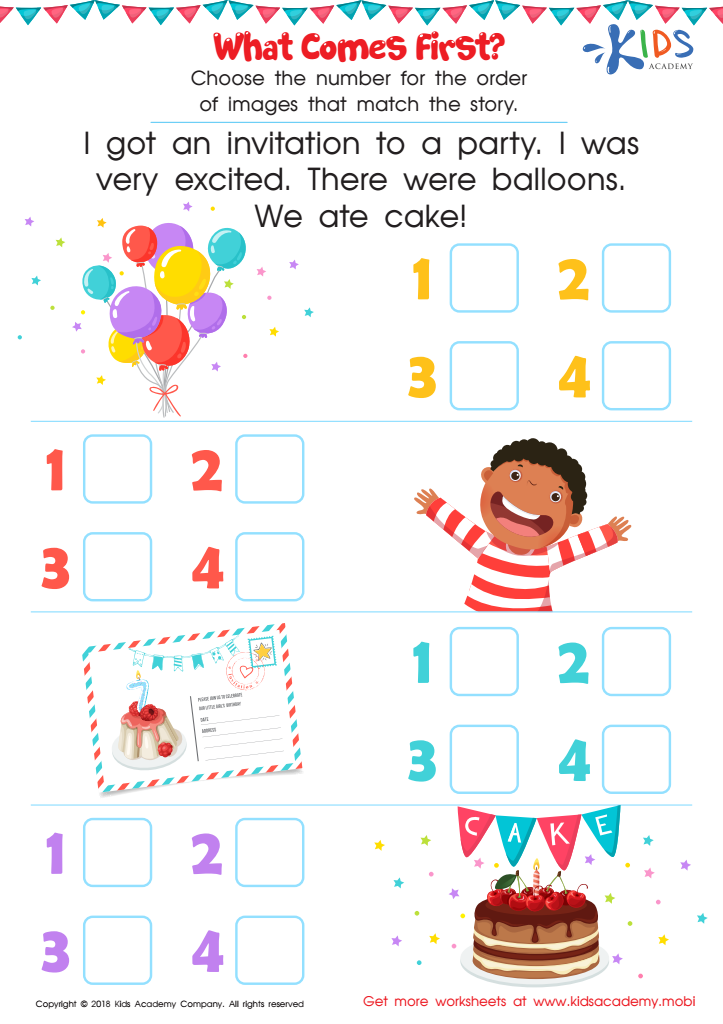
What Comes First Worksheet
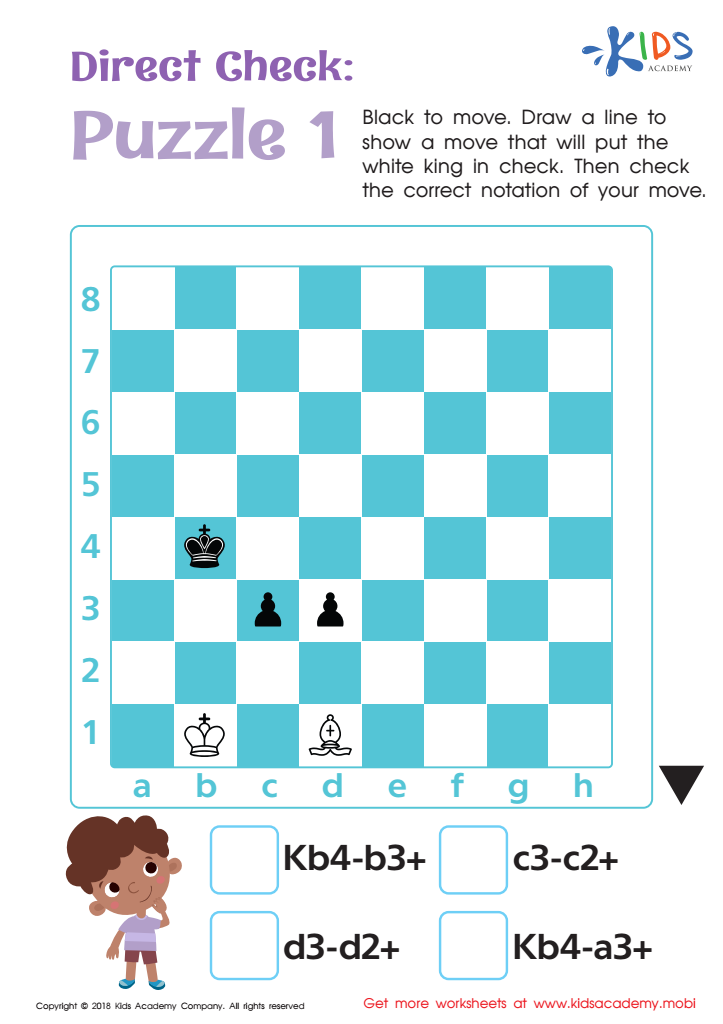
Direct Check: Puzzle 1 Worksheet
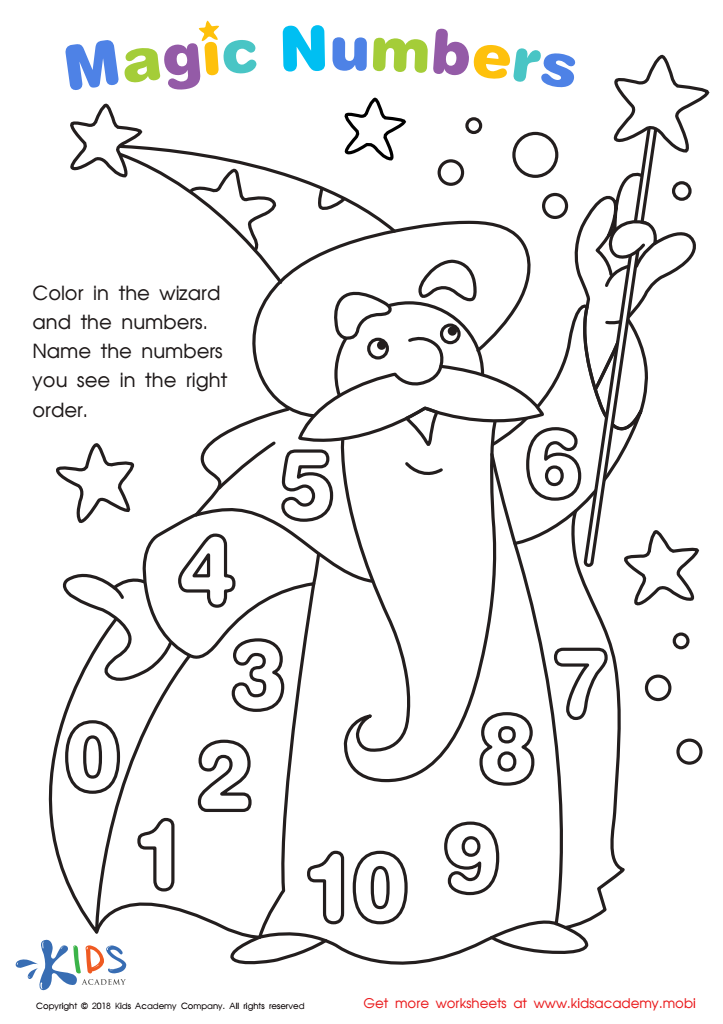
Magic Numbers Worksheet
 Assign to My Students
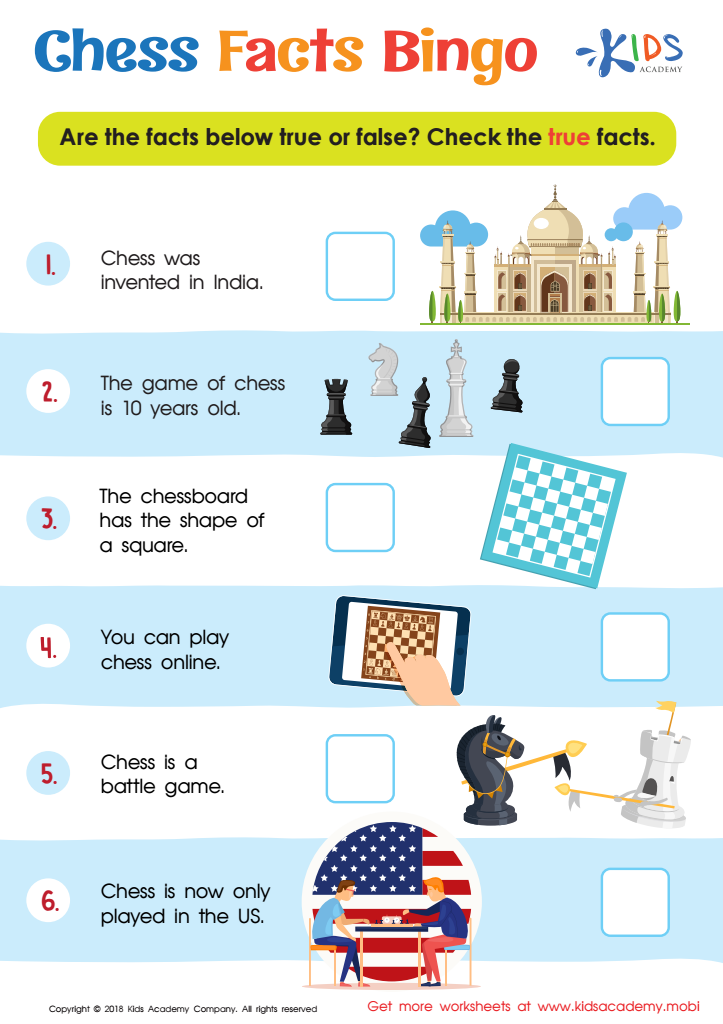
Chess Facts Bingo Worksheet
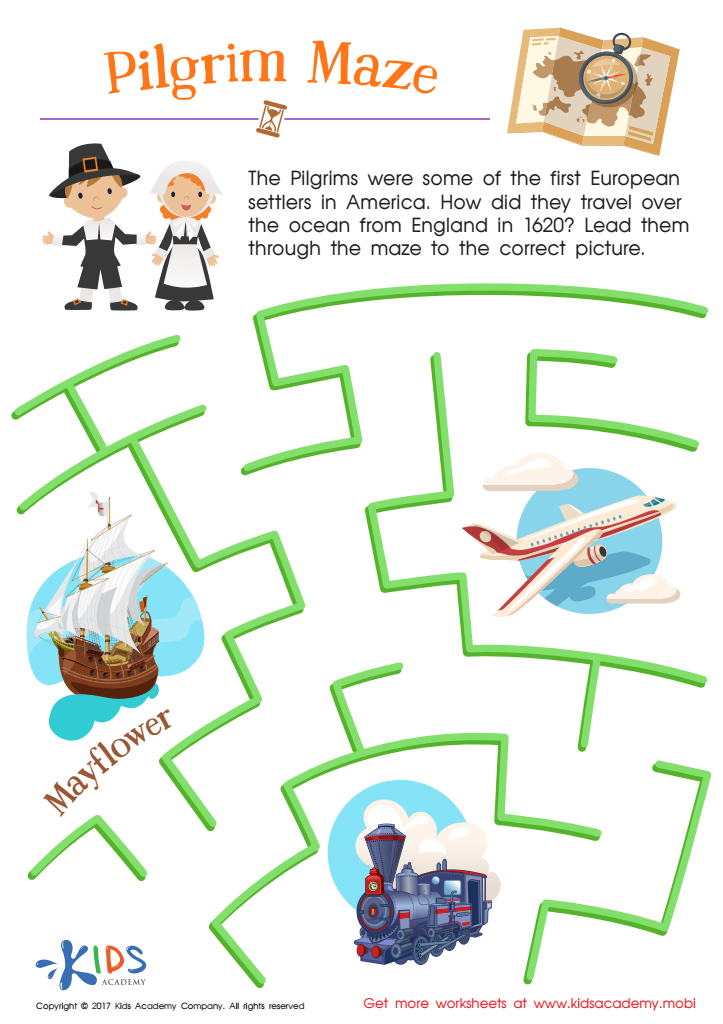
Pilgrim Maze Worksheet
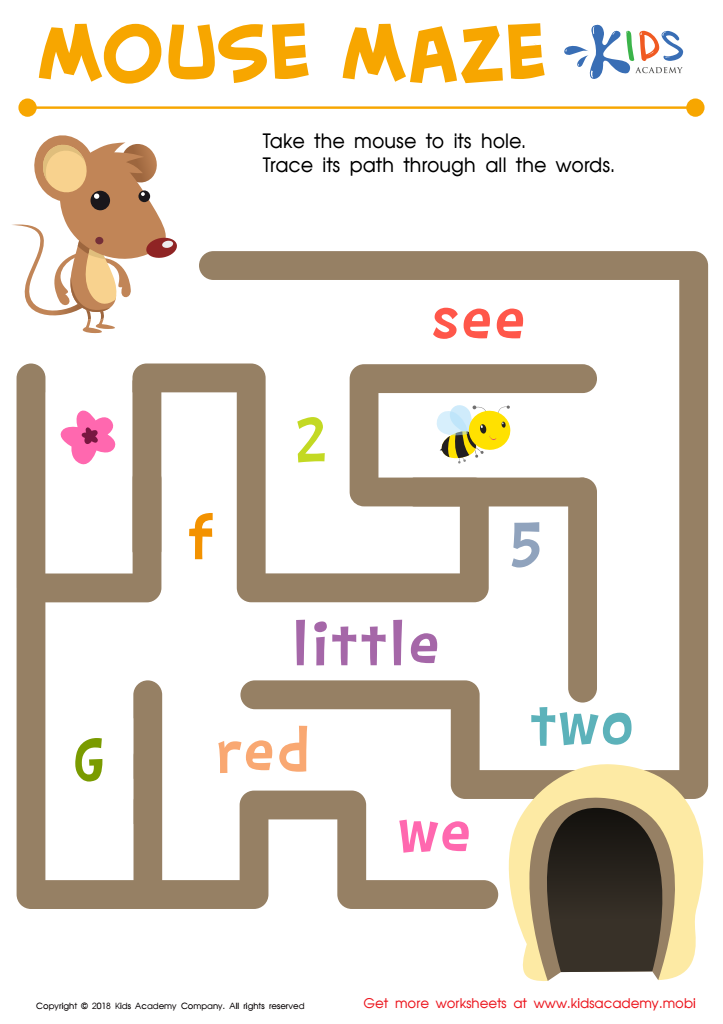
Find Words Mouse Maze Worksheet
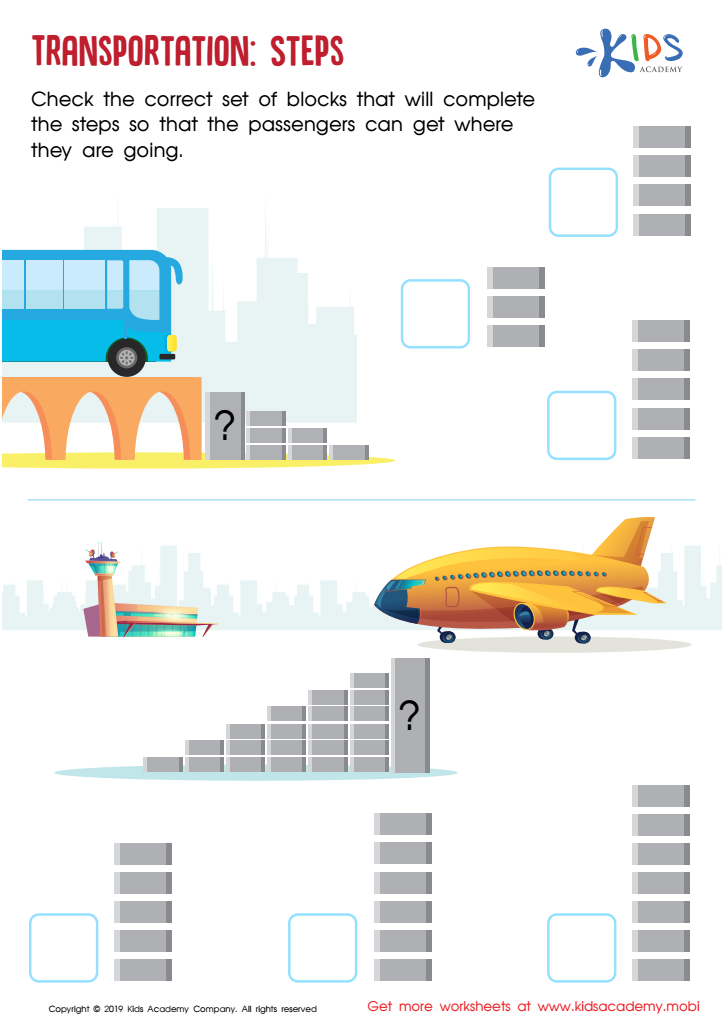
Transportation: Steps Worksheet
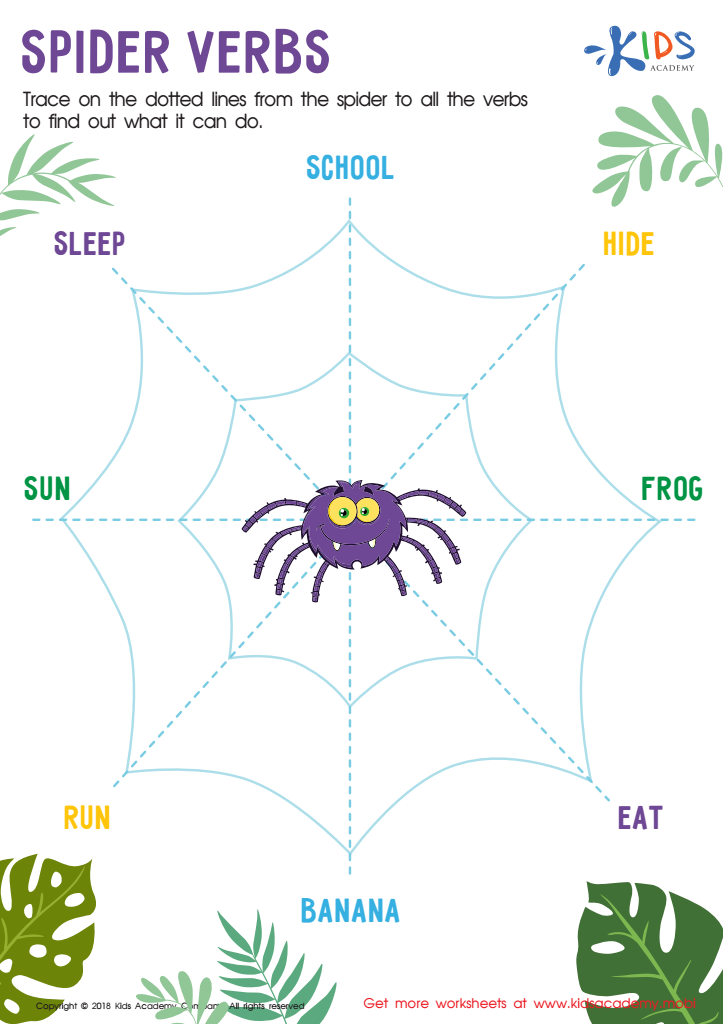
Spider Verbs Worksheet
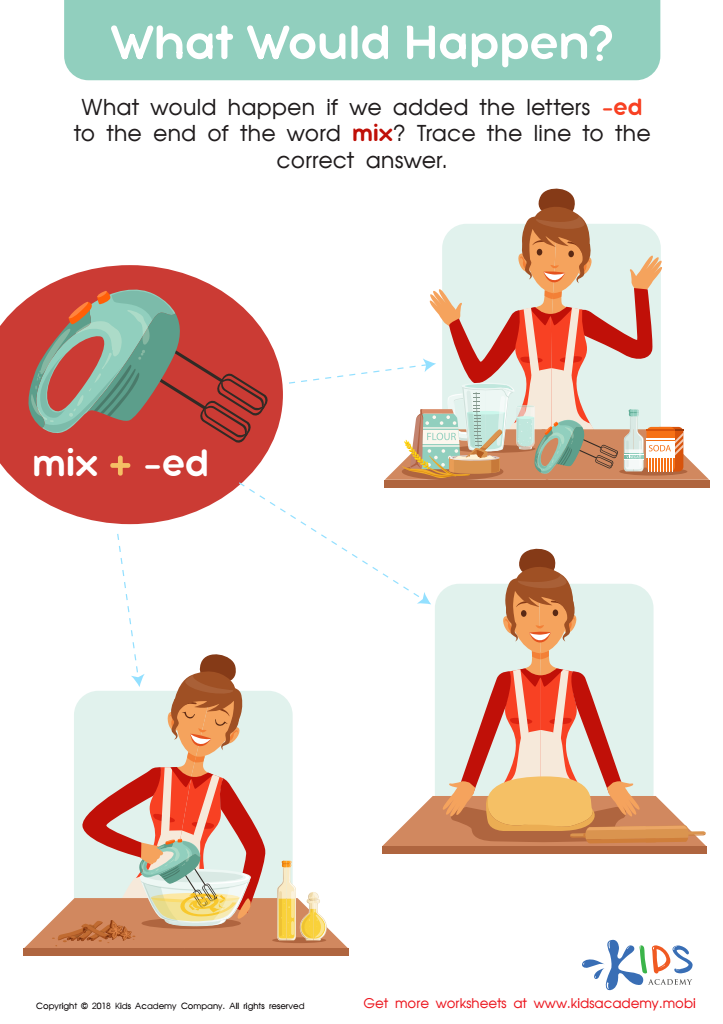
What Would Happen? Worksheet
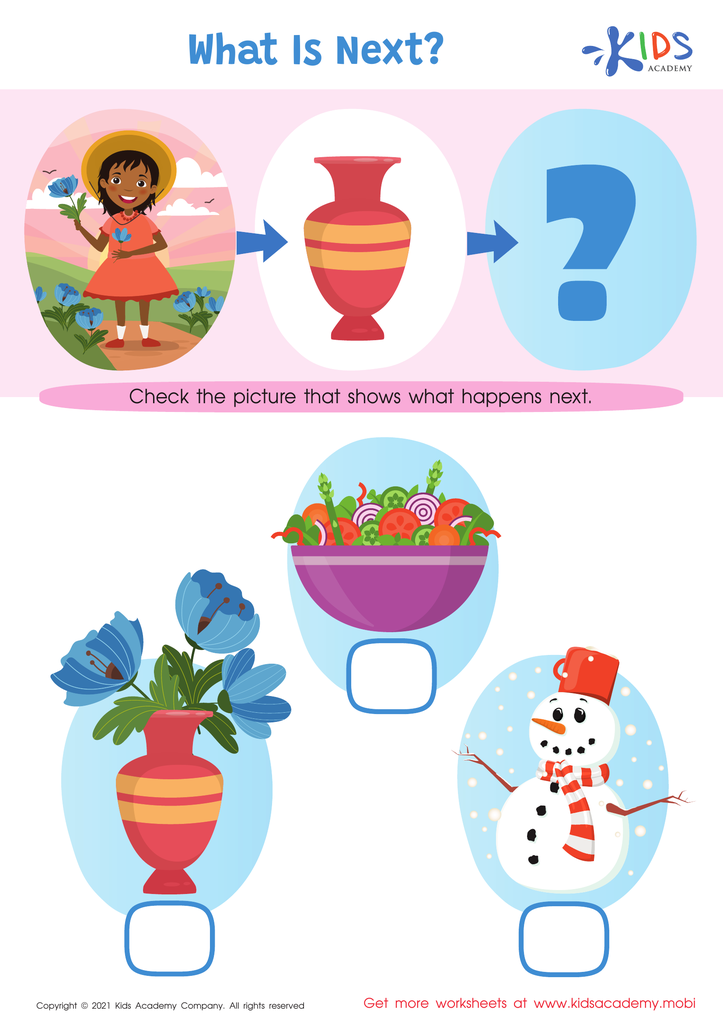
What is Next? Worksheet
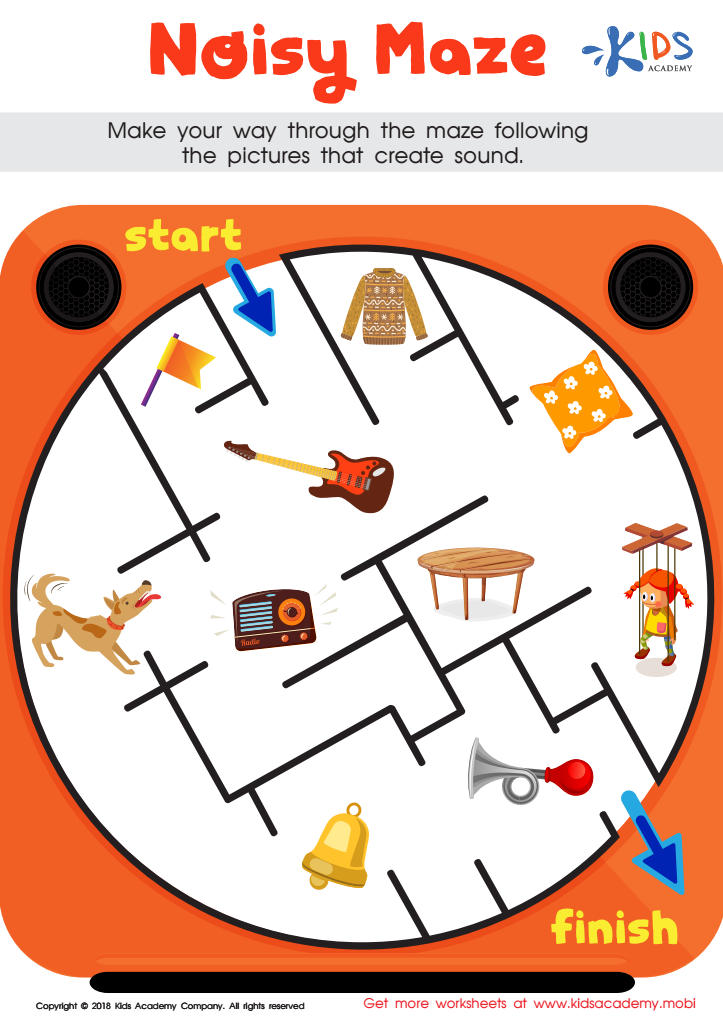
Noisy Maze Worksheet








Logical thinking is a crucial skill for children aged 3-6, as it lays the foundation for problem-solving and decision-making throughout their lives. During these formative years, children develop cognitive abilities rapidly, making it an ideal time for parents and teachers to nurture logical thinking.
Engaging in activities that promote logical thinking can enhance children's cognitive skills, helping them learn to recognize patterns, classify objects, and understand cause-and-effect relationships. These skills support early math concepts, language development, and critical reasoning. For example, puzzles, sorting games, and simple board games encourage children to think critically and make connections between different concepts.
Moreover, fostering logical thinking encourages children to express themselves clearly and confidently. It empowers them to approach challenges with a strategic mindset, promoting perseverance and resilience. In social interactions, children with well-developed logical thinking skills can better navigate conflicts, reason with peers, and articulate their needs and feelings.
For parents and teachers, facilitating environments that encourage logical thinking not only supports academic readiness but also contributes to developing a child’s emotional intelligence and independence. Overall, investing in logical thinking at this stage can set children on a path to lifelong learning and success.








