Science Worksheets for Ages 3-6 - Page 2
236 filtered results
-
From - To
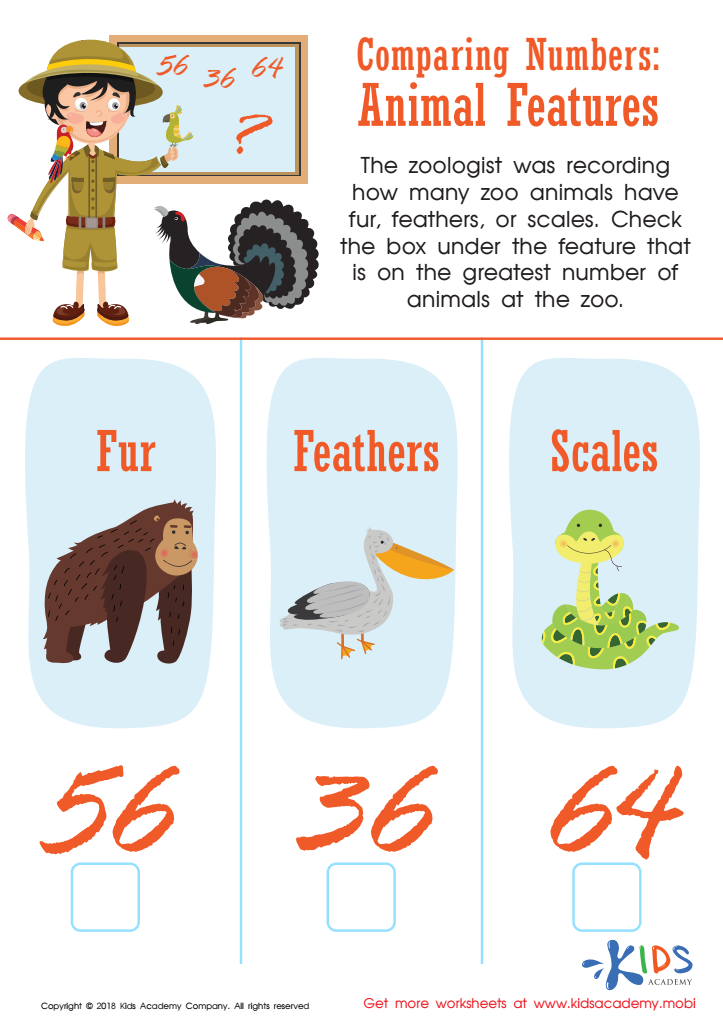
Animal Features Worksheet
 Assign to My Students
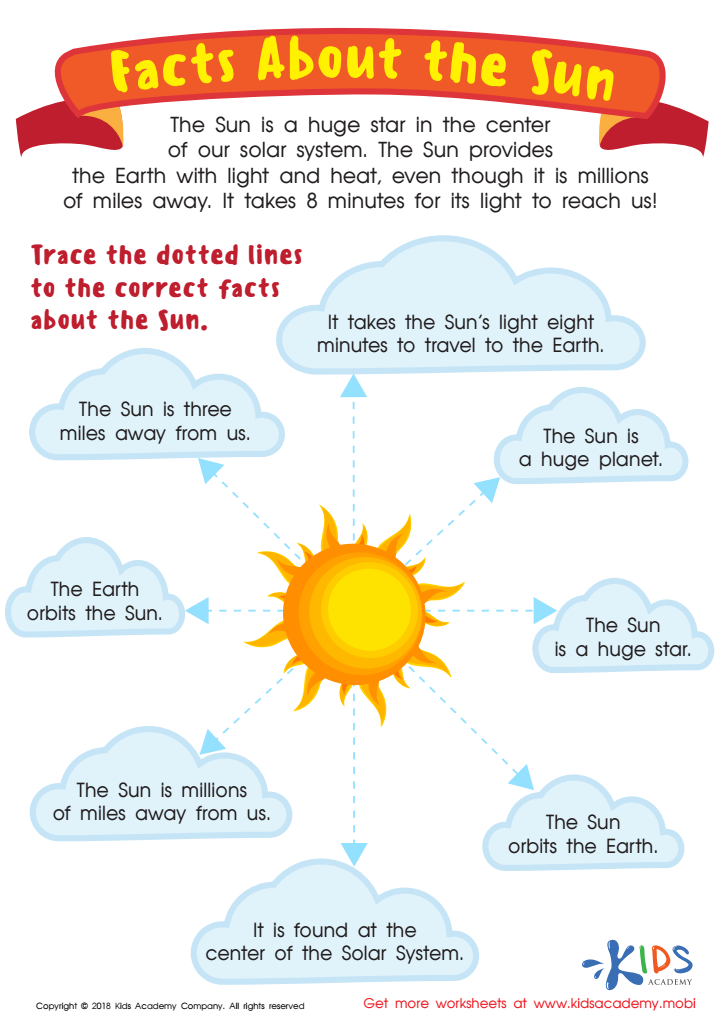
Facts About the Sun Worksheet
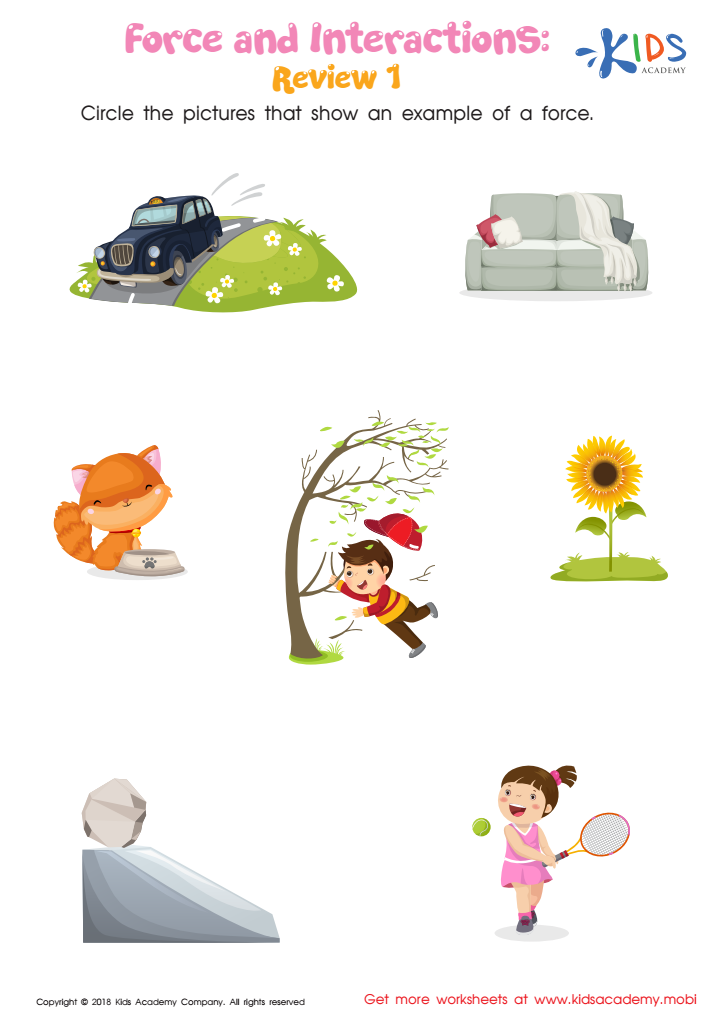
Force and Interactions: Review 1 Worksheet
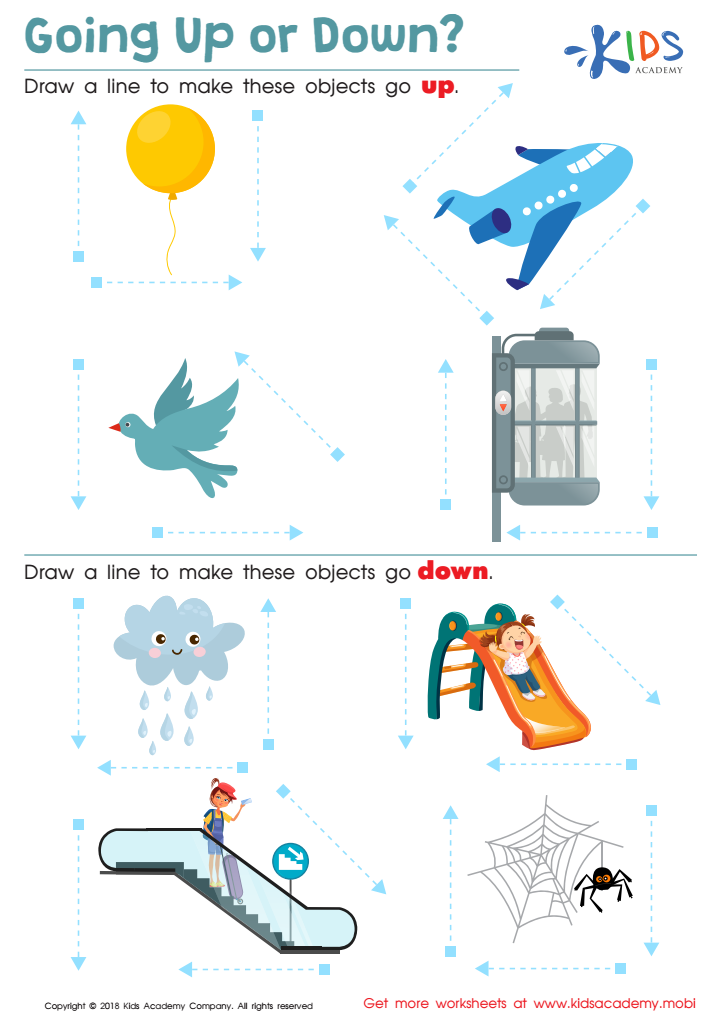
Going up or Down? Worksheet
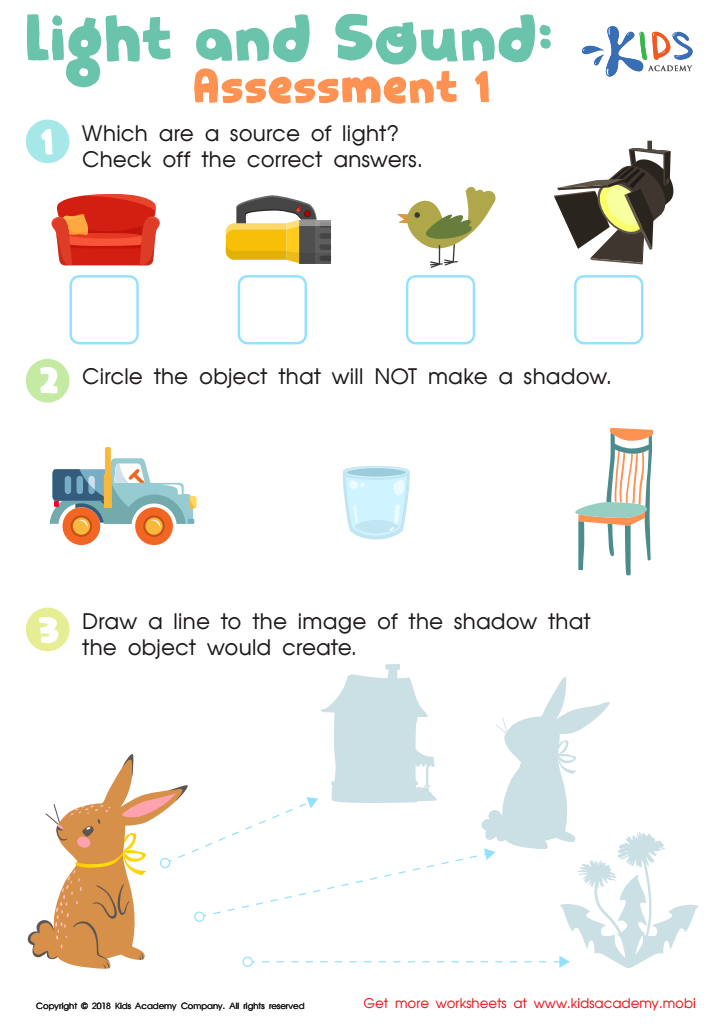
Light and Sound: Assessment 1 Worksheet
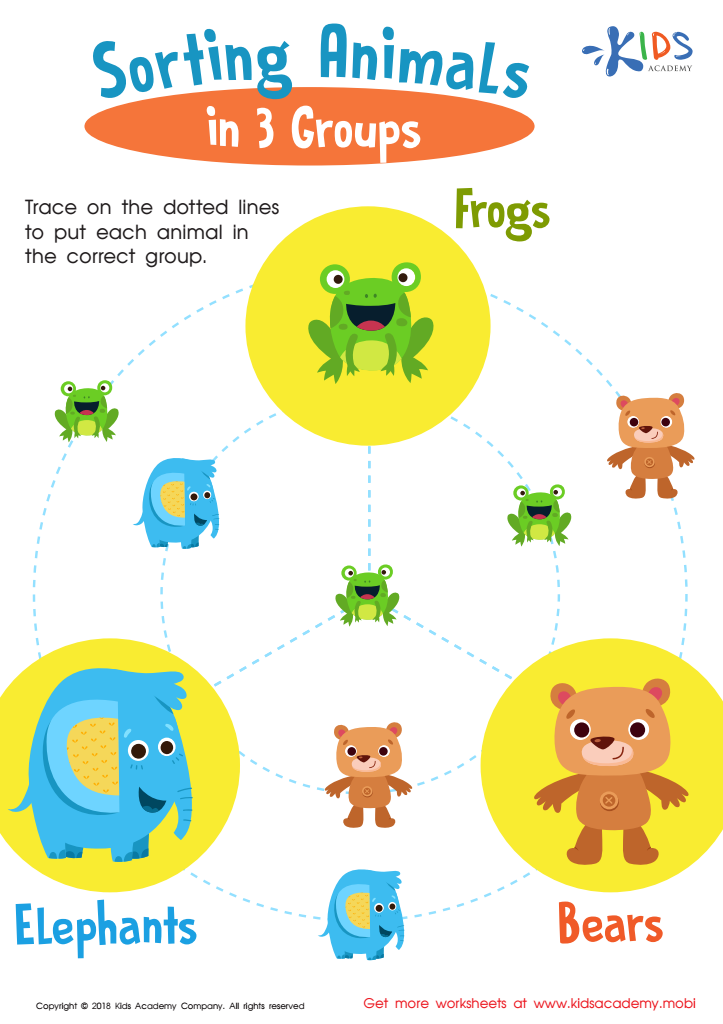
Sorting Animals in 3 Groups Worksheet
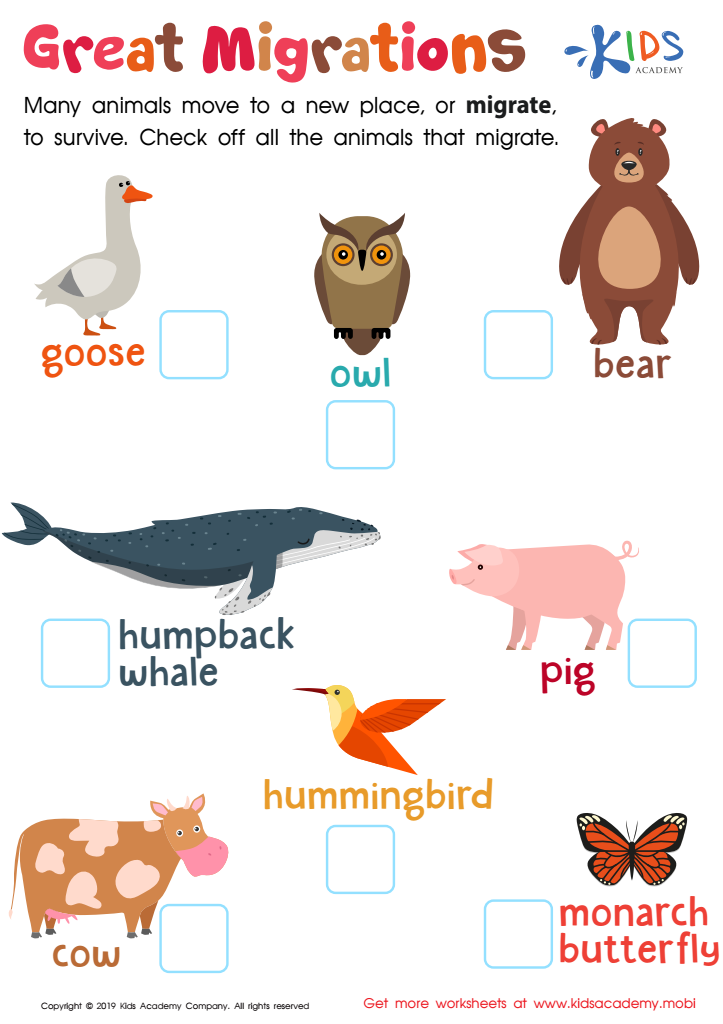
Great Migrations Worksheet
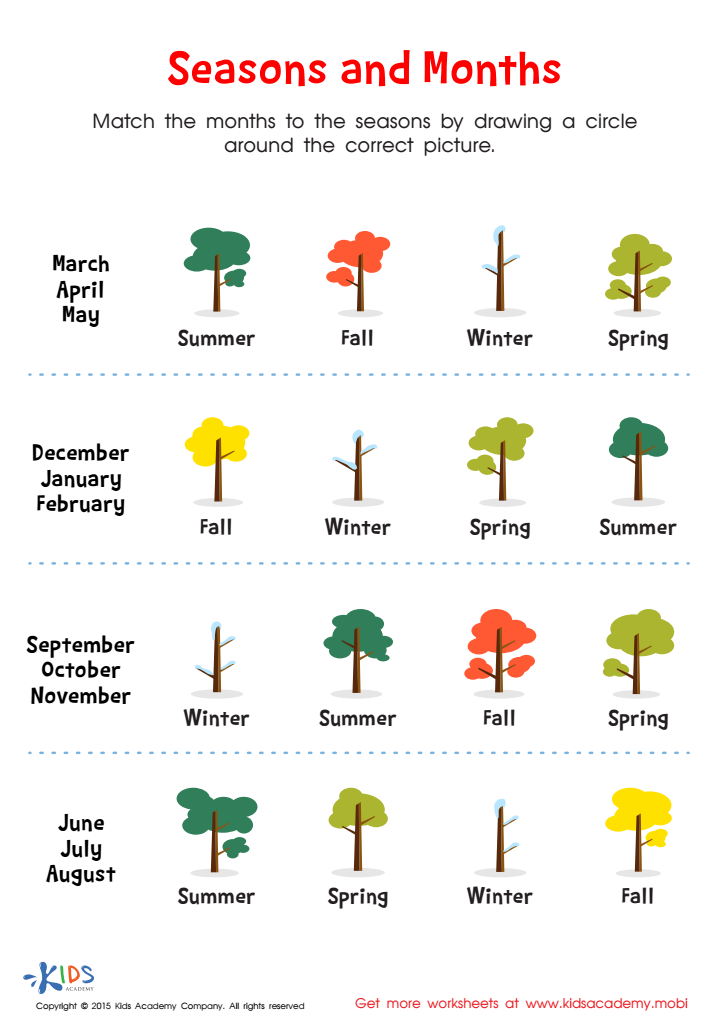
Seasons and Months Worksheet
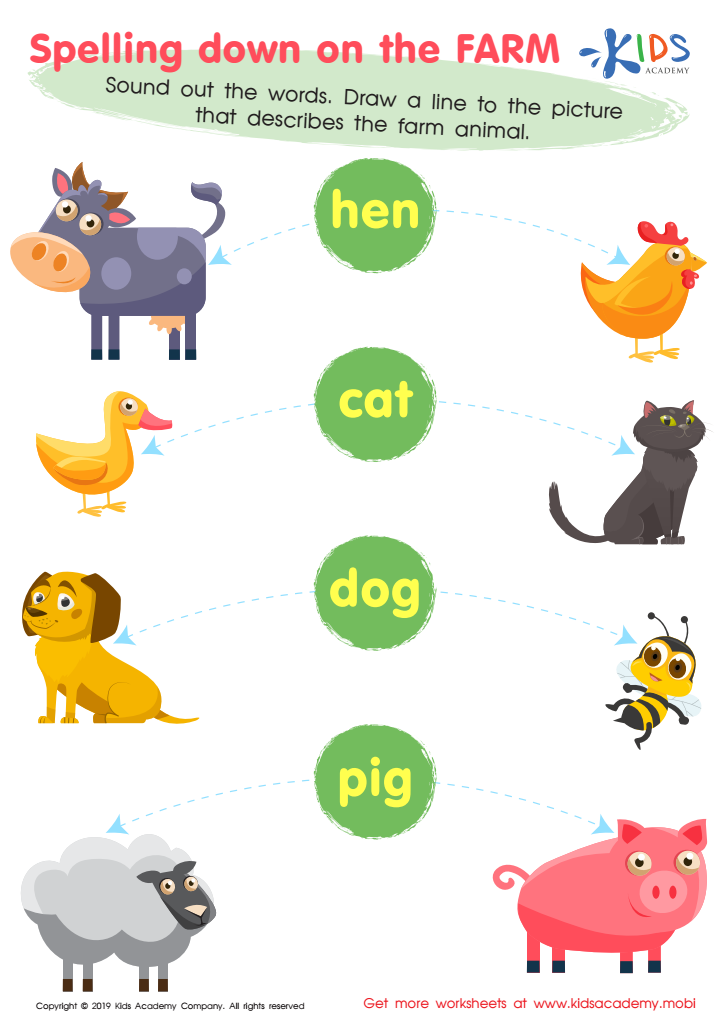
Spelling Down on the Farm Worksheet
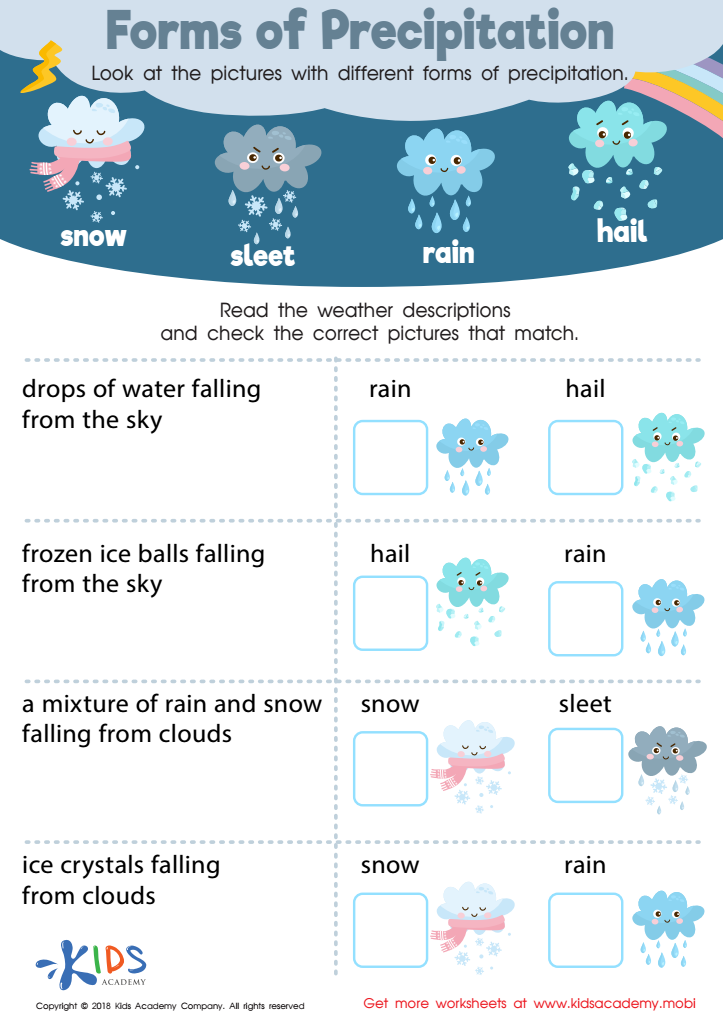
Forms of Precipitation Worksheet
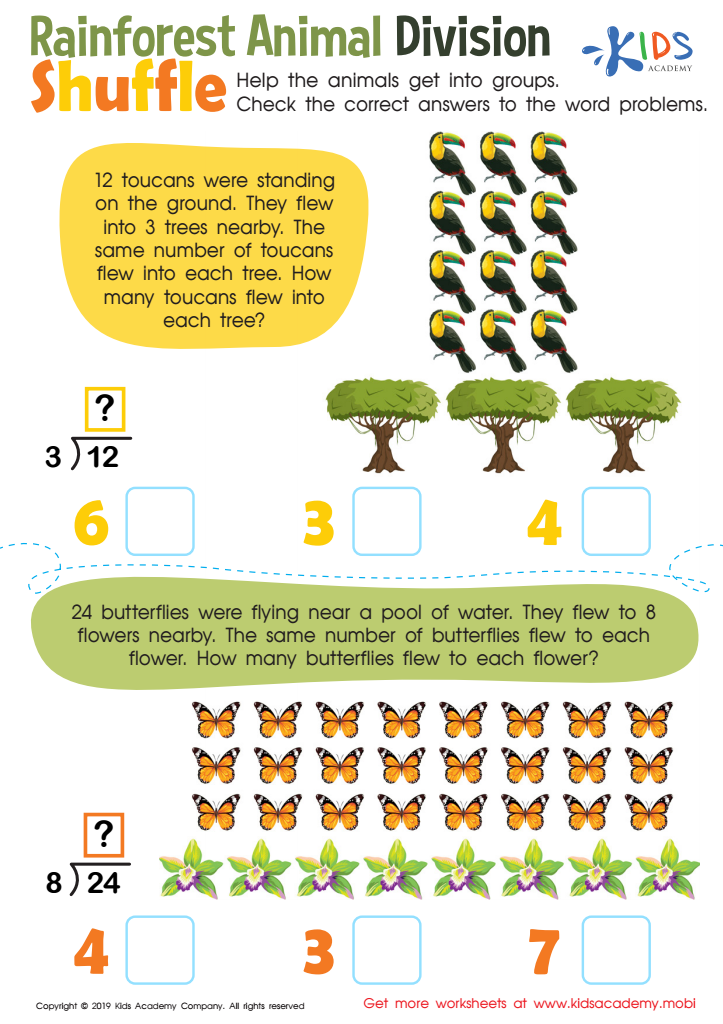
Rainforest Animal Division Worksheet
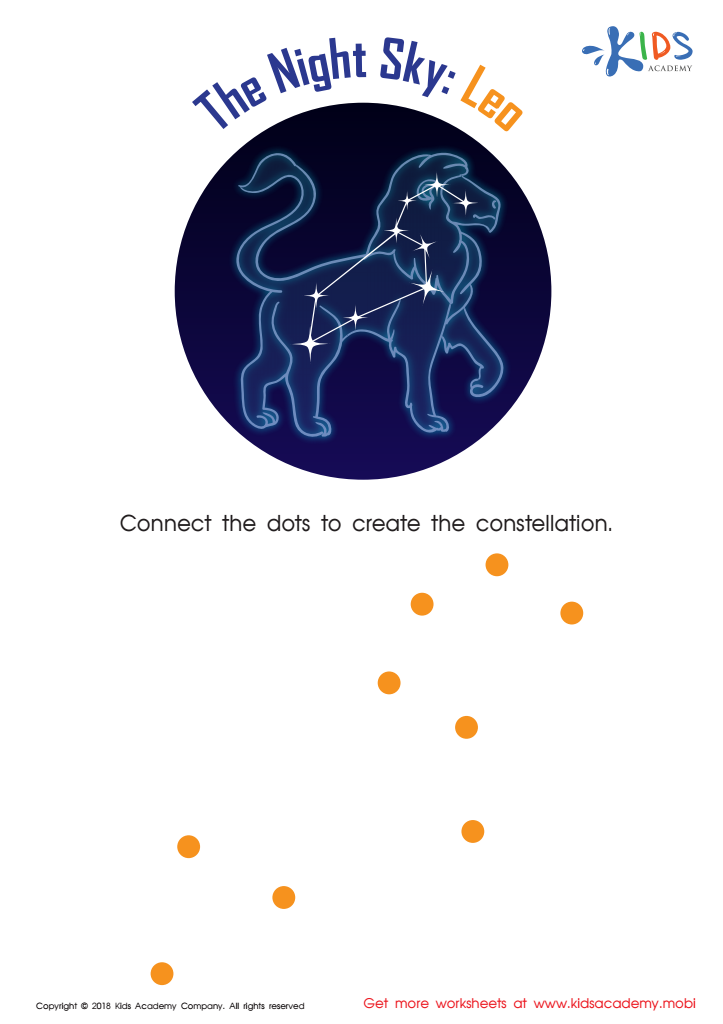
The Night Sky: Leo Worksheet
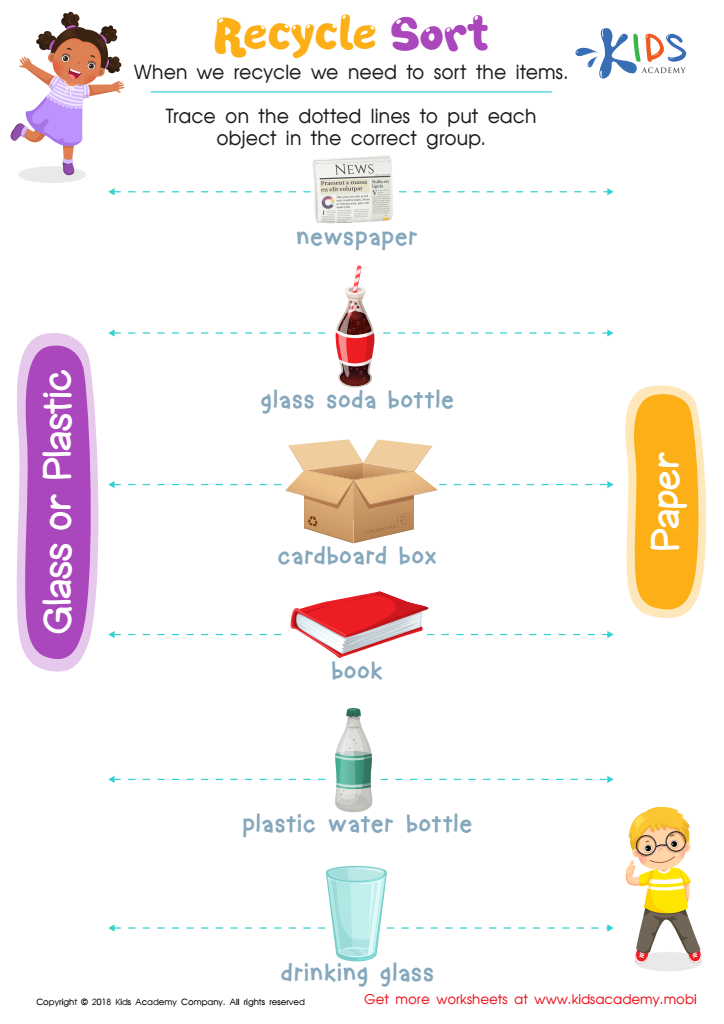
Recycle Sort Worksheet
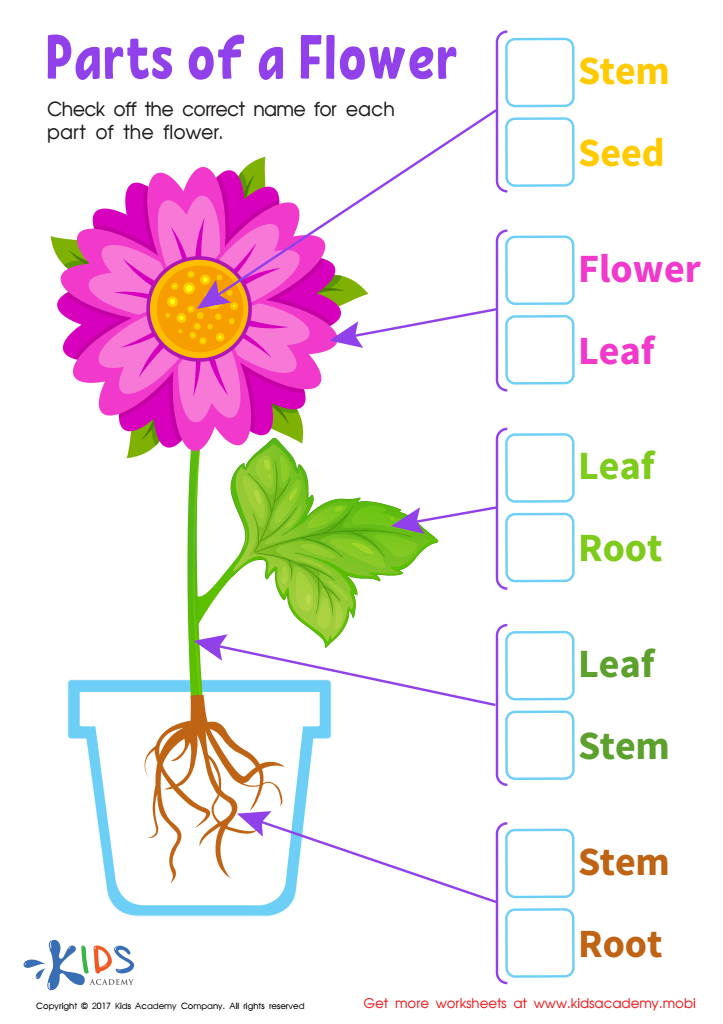
Parts Flower Printable
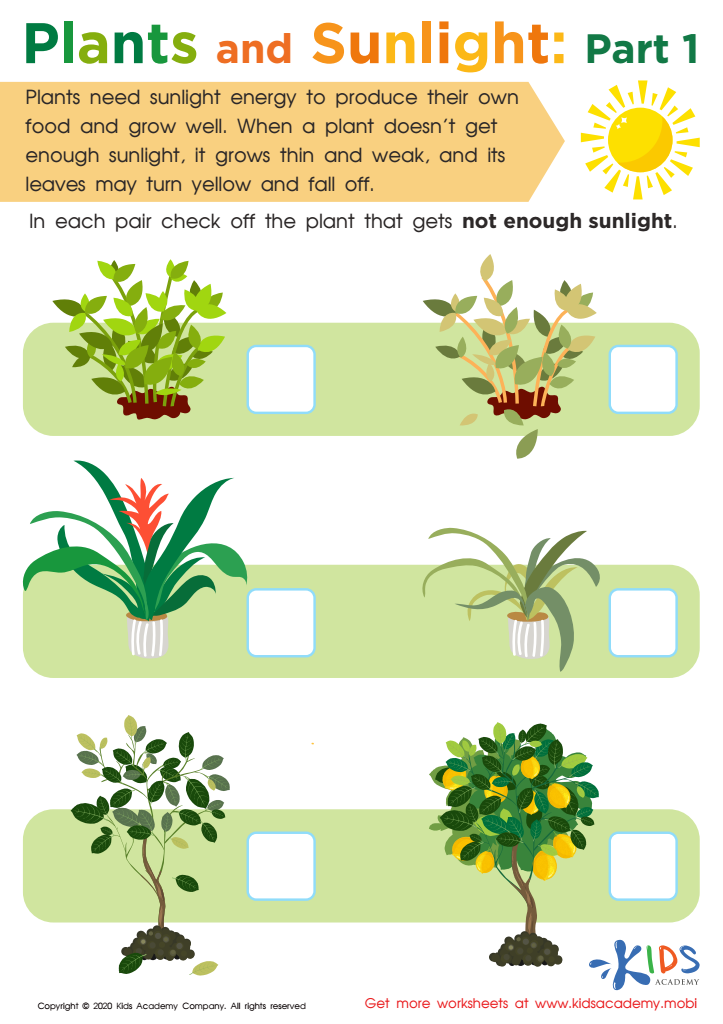
Plants and Sunlight: Part 1 Worksheet
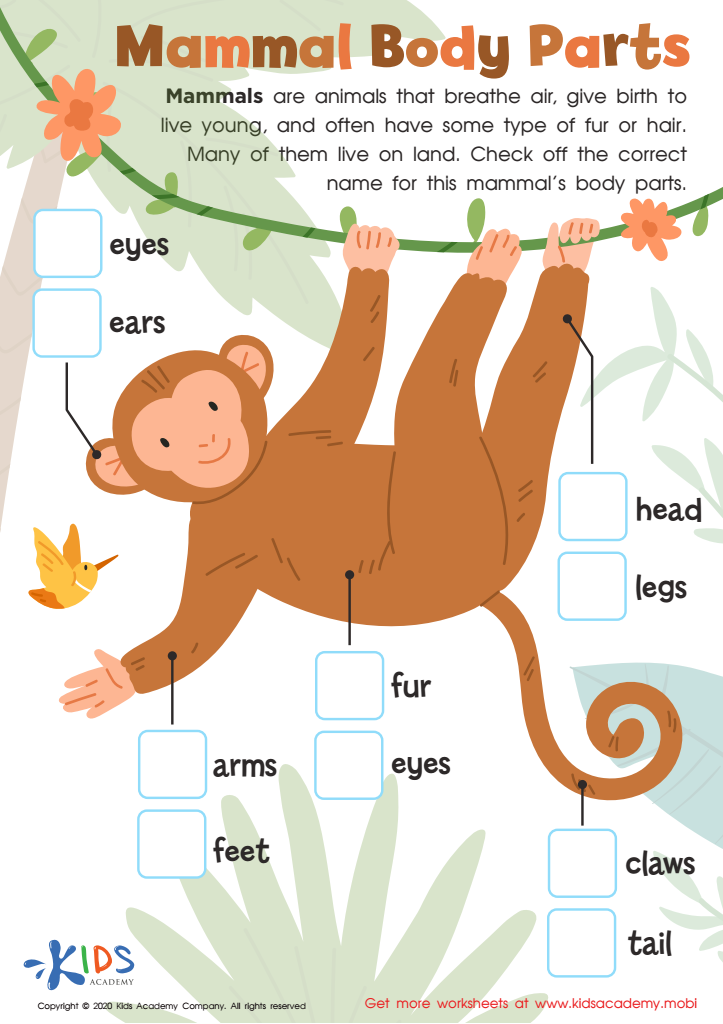
Mammal Body Parts Worksheet
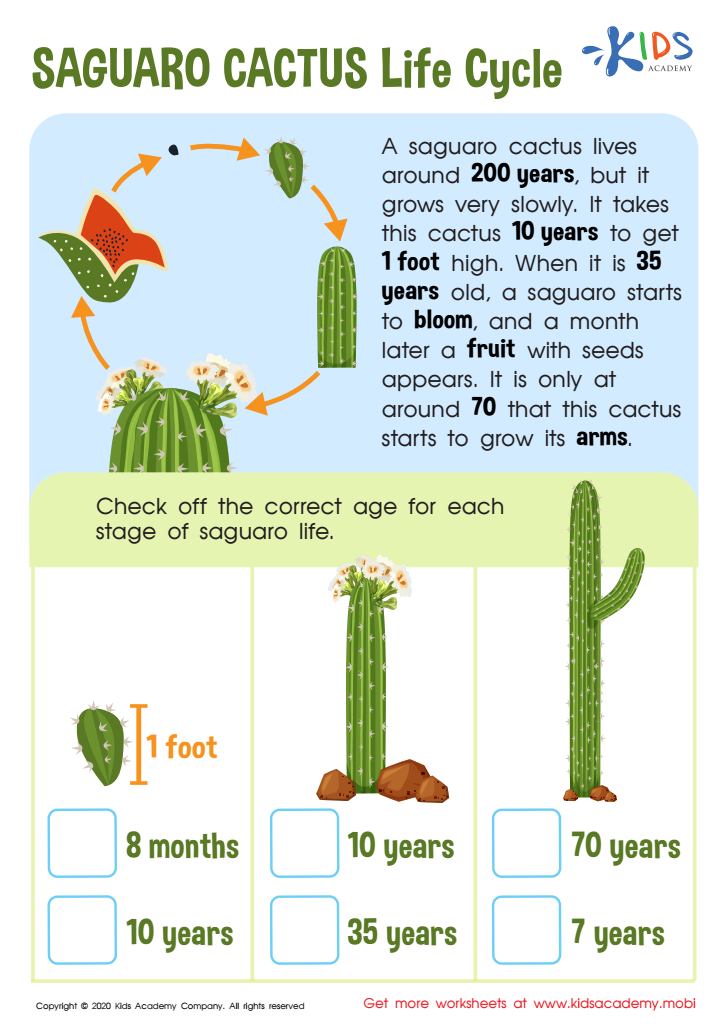
Saguaro Cactus Life Cycle Worksheet
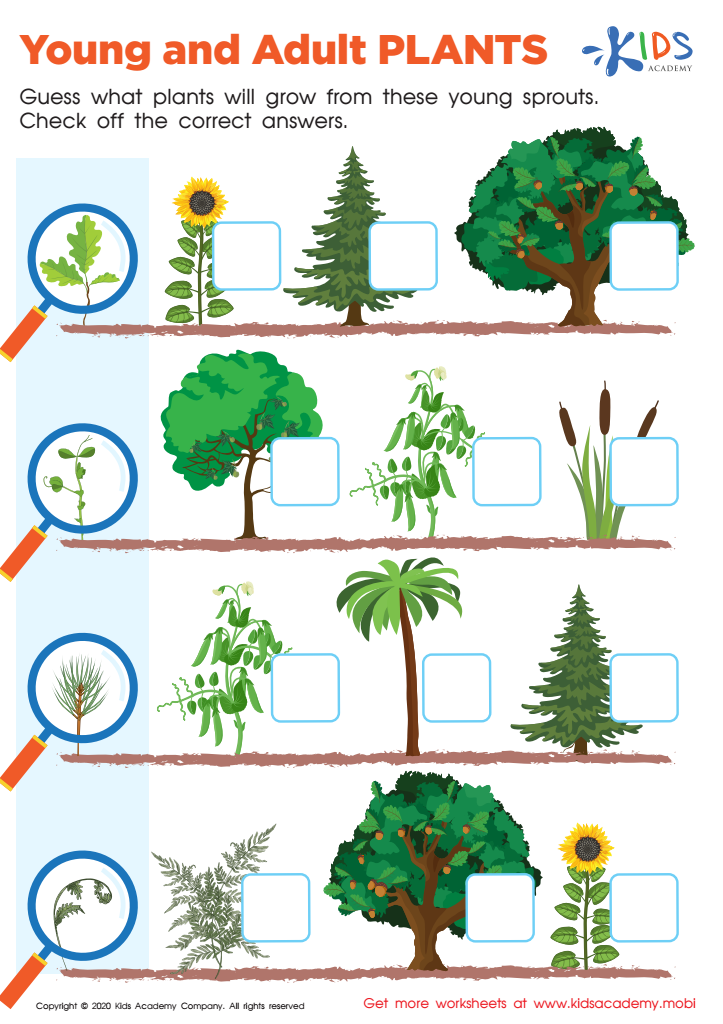
Young and Adult Plants Worksheet
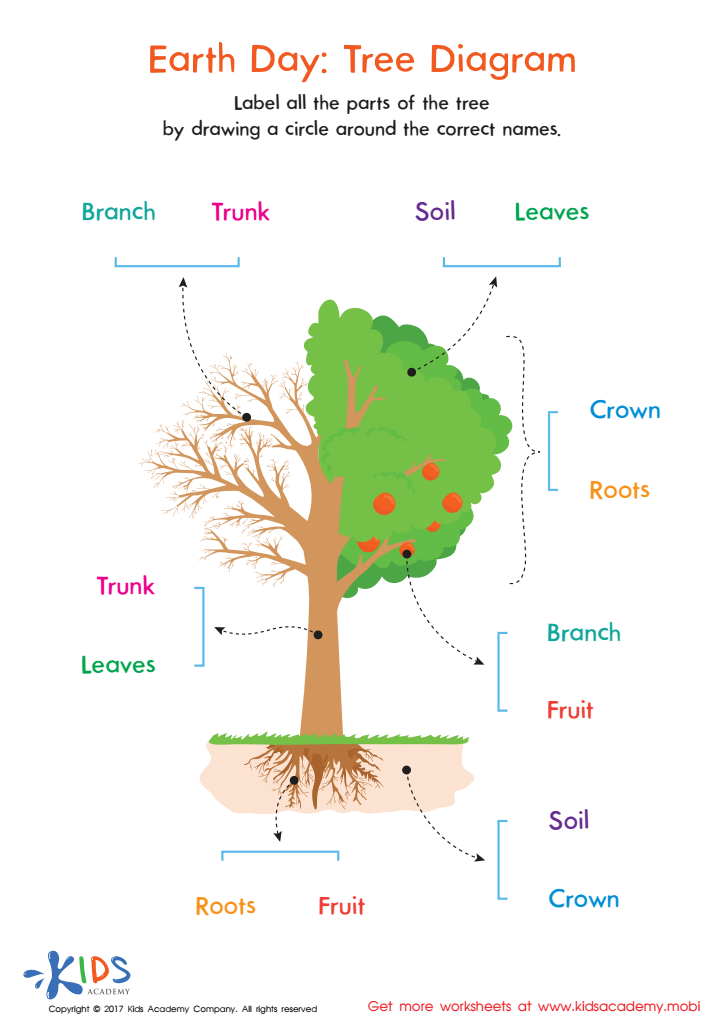
Earth Day: Tree Diagram Worksheet
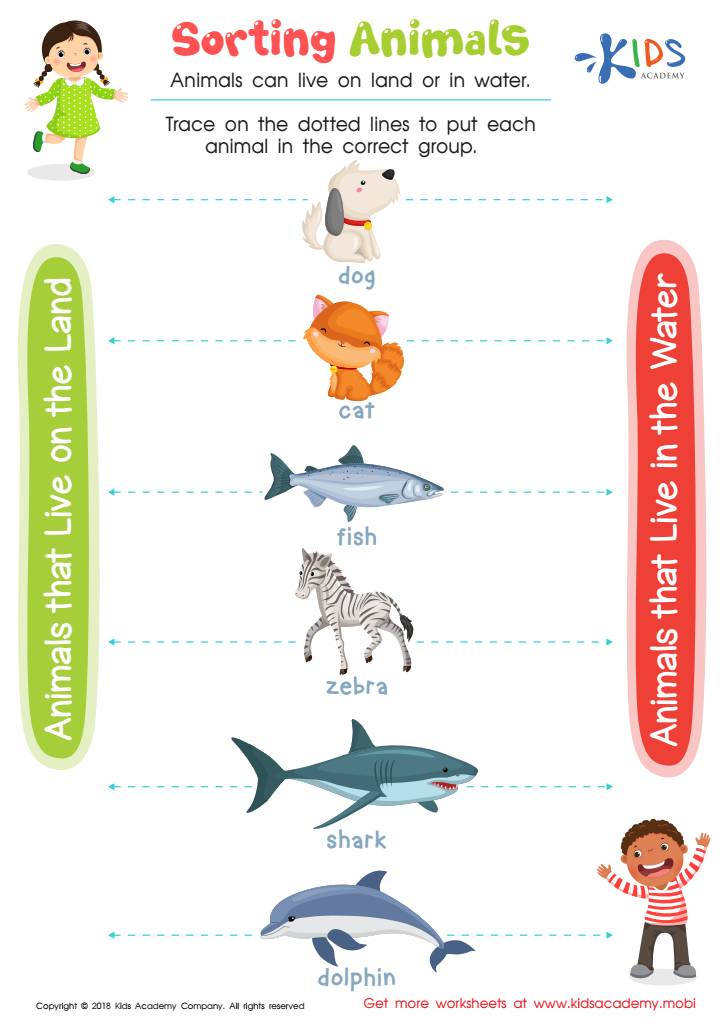
Sorting Animals Worksheet
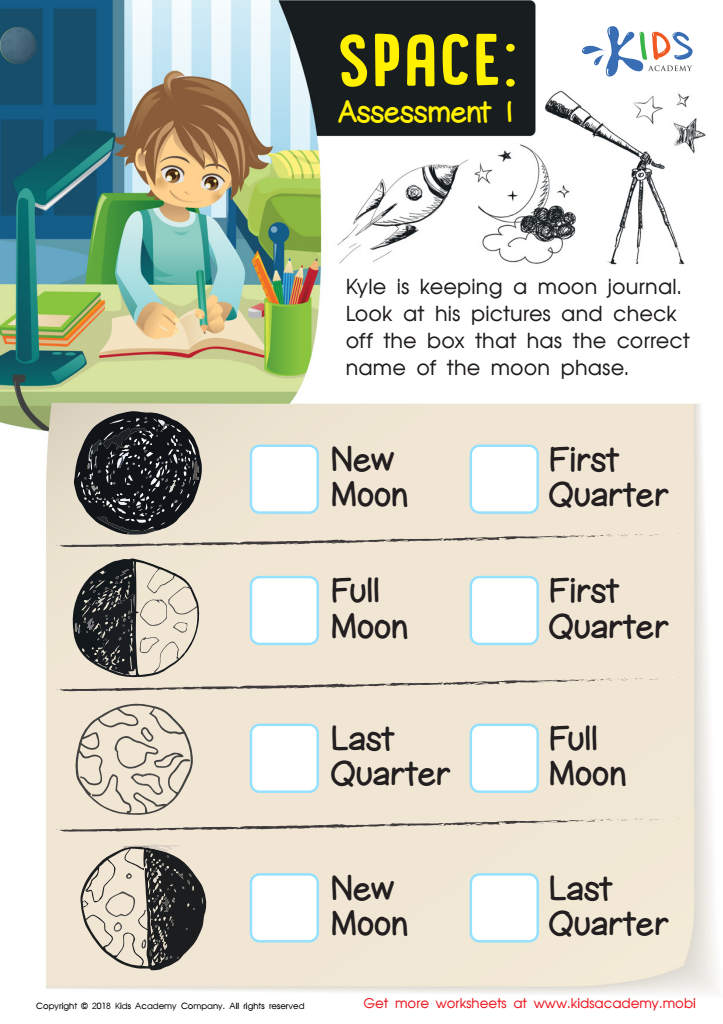
Space: Assessment 1 Worksheet
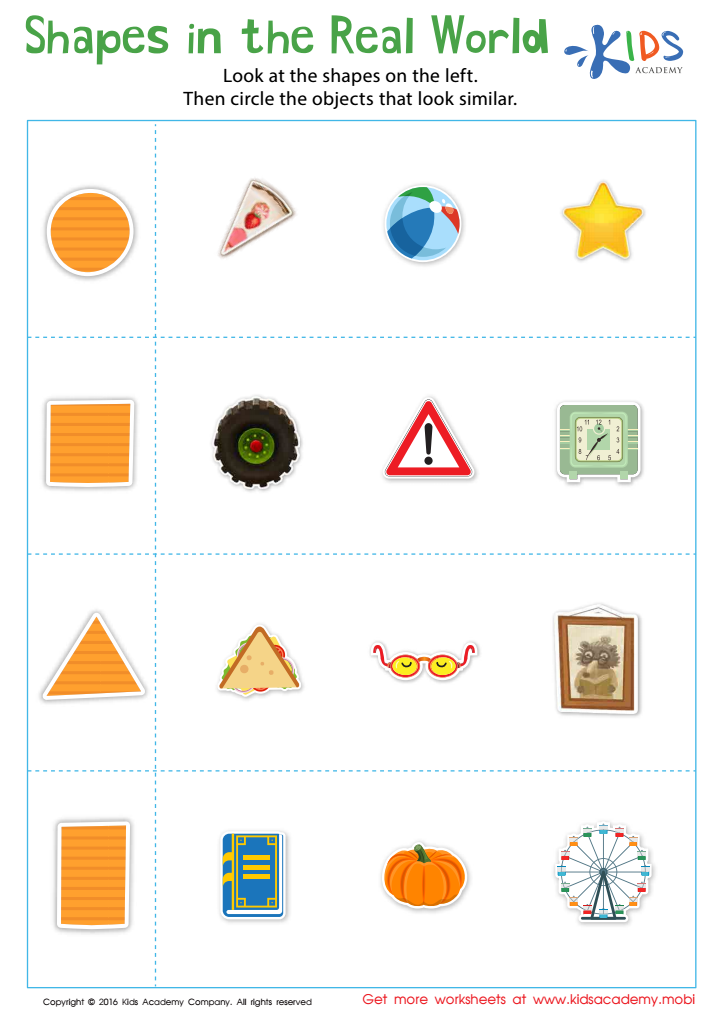
Shapes in the Real World Worksheet
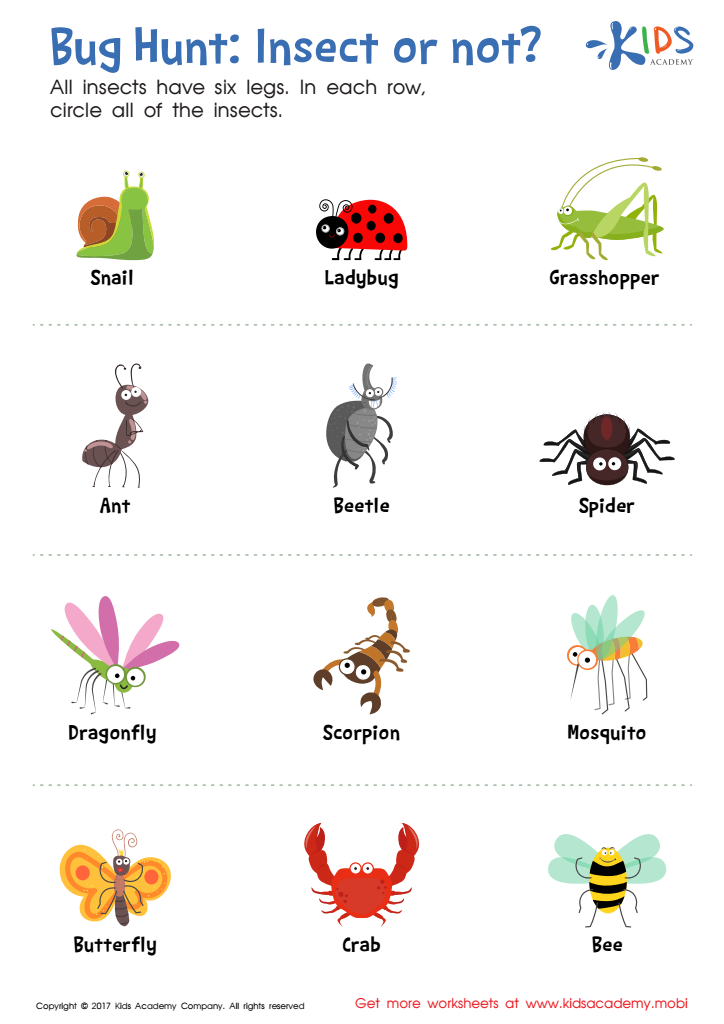






Science is a crucial area of development for children aged 3-6, fostering curiosity and critical thinking that lay the groundwork for lifelong learning. At this age, children are naturally inquisitive, constantly exploring their environment and asking questions about how things work. Introducing science early nurtures this curiosity and encourages them to engage in hands-on experimentation and observation.
Learning science helps develop essential skills such as problem-solving, reasoning, and teamwork as children work together to explore concepts. It enhances language skills through new vocabulary and communication about their findings. Incorporating science into early education also supports the development of fine and gross motor skills through activities like measuring, building, and creating.
Moreover, science education promotes awareness of the world around them, making connections to nature, health, and technology. In an increasingly complex world, fostering scientific literacy at an early age equips children to navigate challenges and opportunities in their future.
By prioritizing science education, parents and teachers not only cultivate a love for learning but also instill foundational knowledge and skills, preparing children to be informed, innovative, and engaged citizens. Through exploration and discovery, young learners build confidence, resilience, and a lifelong passion for understanding the universe.







