Filters

78 filtered results

Clear all filters
Favorites
With answer key
Interactive

78 filtered results

Difficulty Level

Grade


Subject

    Check out this FREE Trial Lesson on Plants and Animals for age 3-6!

    Behavioral Adaptations

    Favorites
    With answer key
    Interactive
    • 3-6
    • Plants and Animals
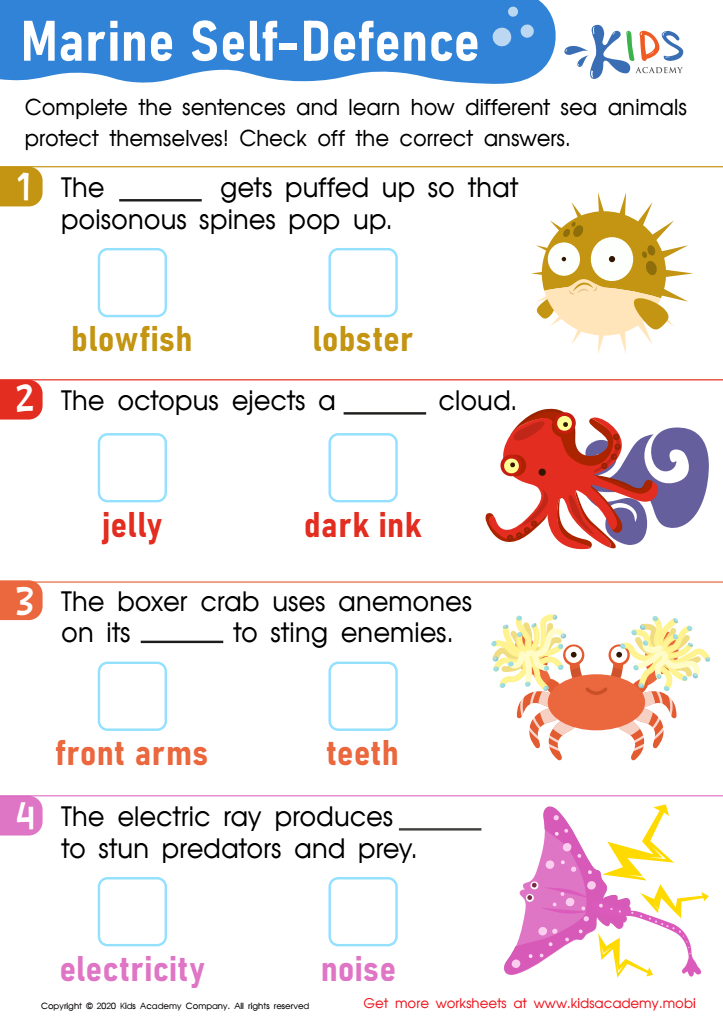
    Marine Self-Defence Worksheet
    Marine Self-Defence Worksheet

    Marine Self-Defence Worksheet

    Kids will love discovering the ingenious ways sea creatures protect themselves from predators such as sharks and whales! Let them explore the strategies with this fun science worksheet, which features vibrant illustrations. Have them fill in the blanks with each creature's defense strategy, such as shells, spikes, ink, or even electricity!
    Marine Self-Defence Worksheet
    Worksheet
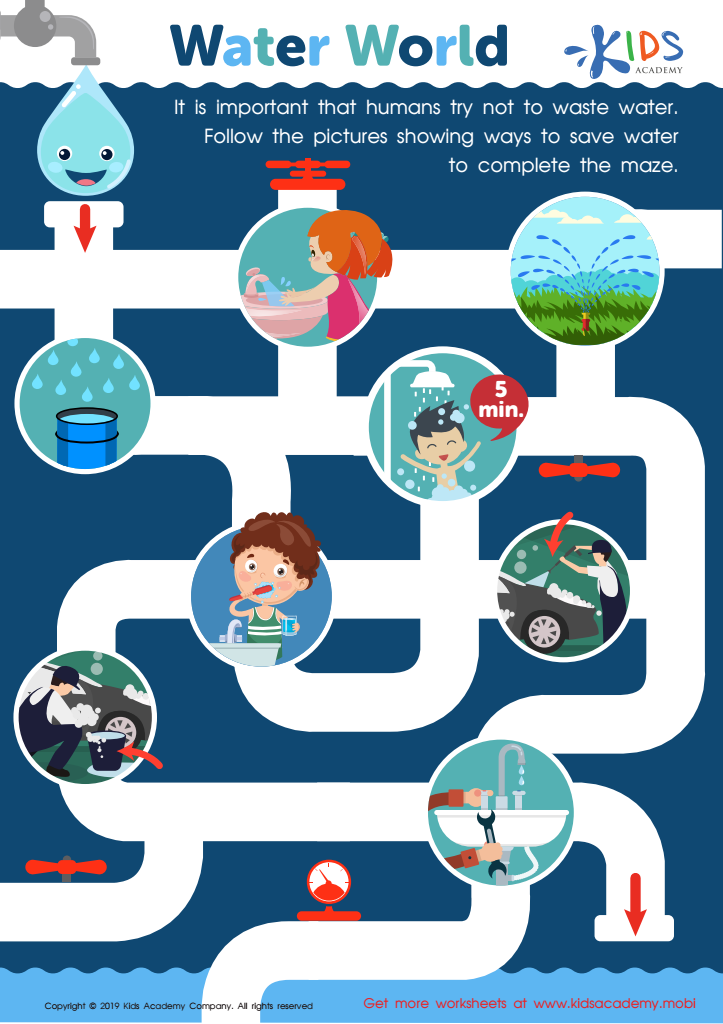
    Water World Worksheet
    Water World Worksheet

    Water World Worksheet

    Water is a vital necessity for living. Our bodies depend on it to stay healthy and survive. When we don't drink enough water, we become thirsty and run the risk of getting sick. Luckily, our planet is full of water and natural sources to stay hydrated. To prevent water waste, use this worksheet to teach your students how to conserve it and complete the maze.
    Water World Worksheet
    Worksheet
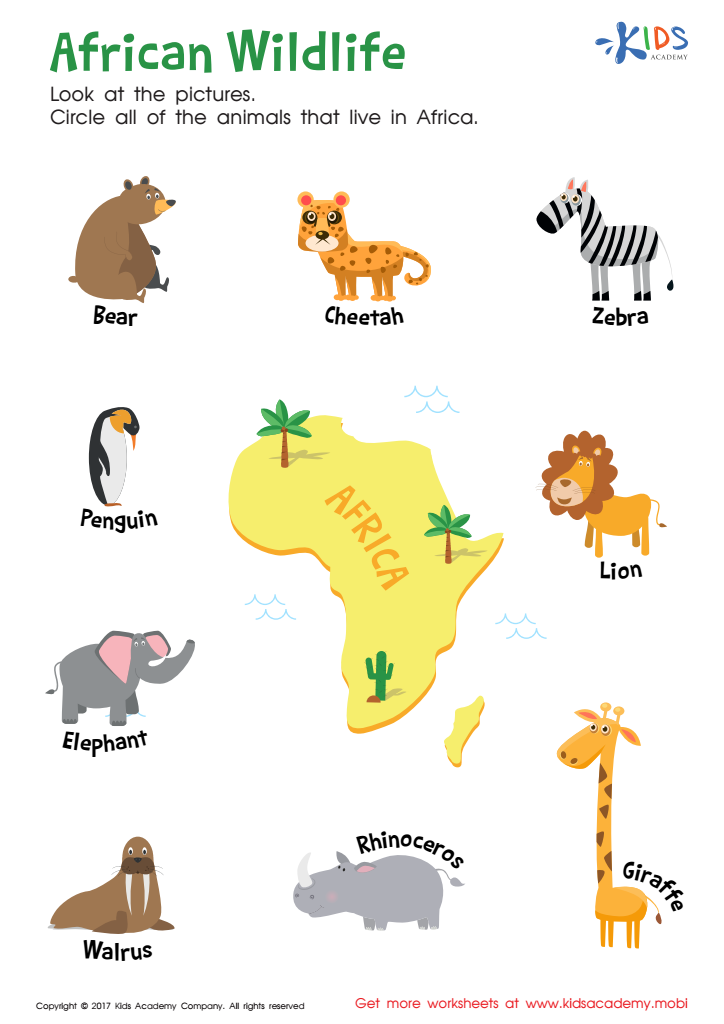
    African Wildlife Printable Worksheet
    African Wildlife Printable Worksheet

    African Wildlife Worksheet

    African Wildlife Worksheet
    Worksheet
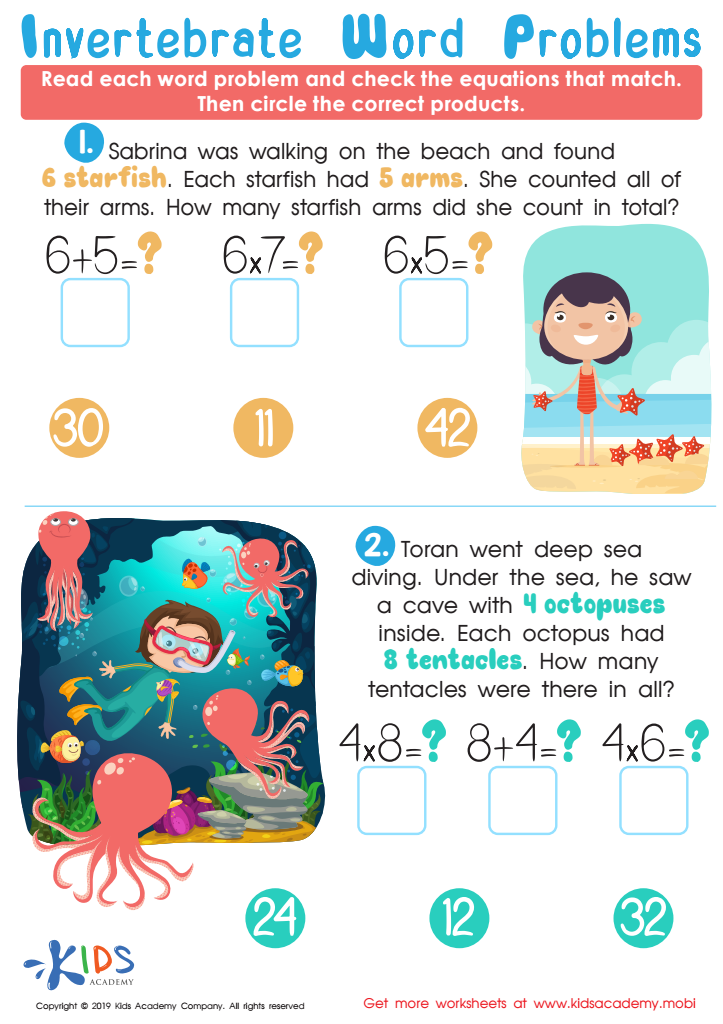
    Invertebrate Problems Worksheet
    Invertebrate Problems Worksheet

    Invertebrate Problems Worksheet

    Mix math and science with fun word problems to explore invertebrates under the sea. Animals like starfish and octopus that don't have a backbone are invertebrates. Read word problems with your kids and use multiplication to work out the answer and see how many arms or tentacles they spotted!
    Invertebrate Problems Worksheet
    Worksheet
    Match Them Up Worksheet
    Match Them Up Worksheet

    Match Them Up Worksheet

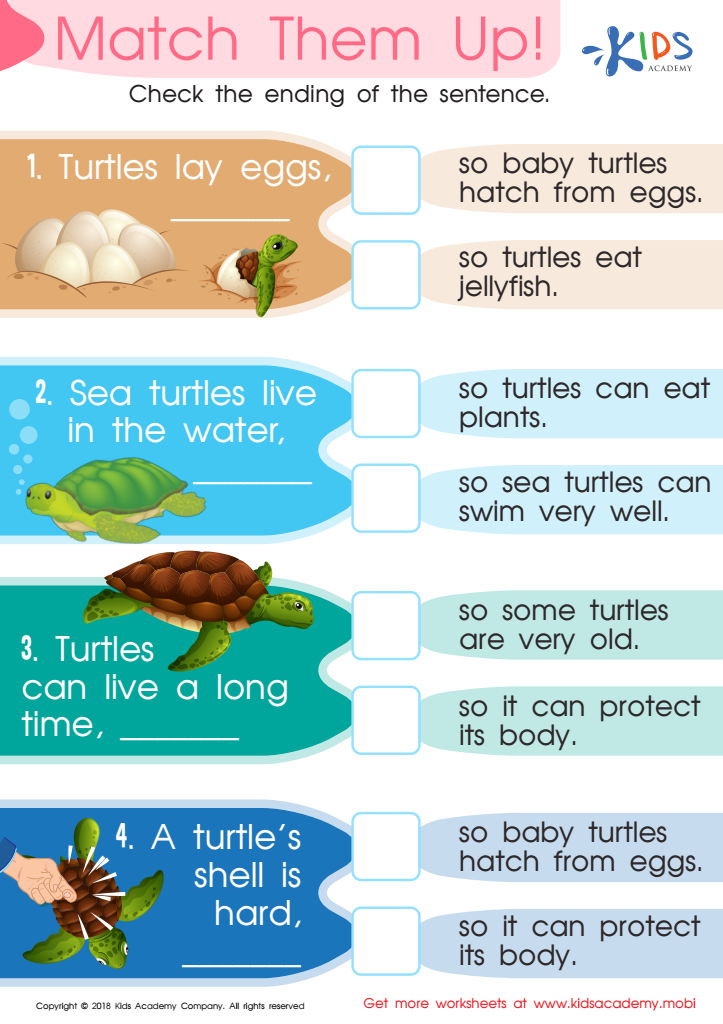
    Reading offers a wealth of knowledge, but young readers may struggle to remember info from informational texts. Help your child practice comprehension with this fun turtle-related worksheet. Just read the sentence starters and select the correct ending from the options given. Check the box to indicate the right statement!
    Match Them Up Worksheet
    Worksheet
    Check Memory Worksheet

    Check Memory Worksheet

    Check Memory Worksheet

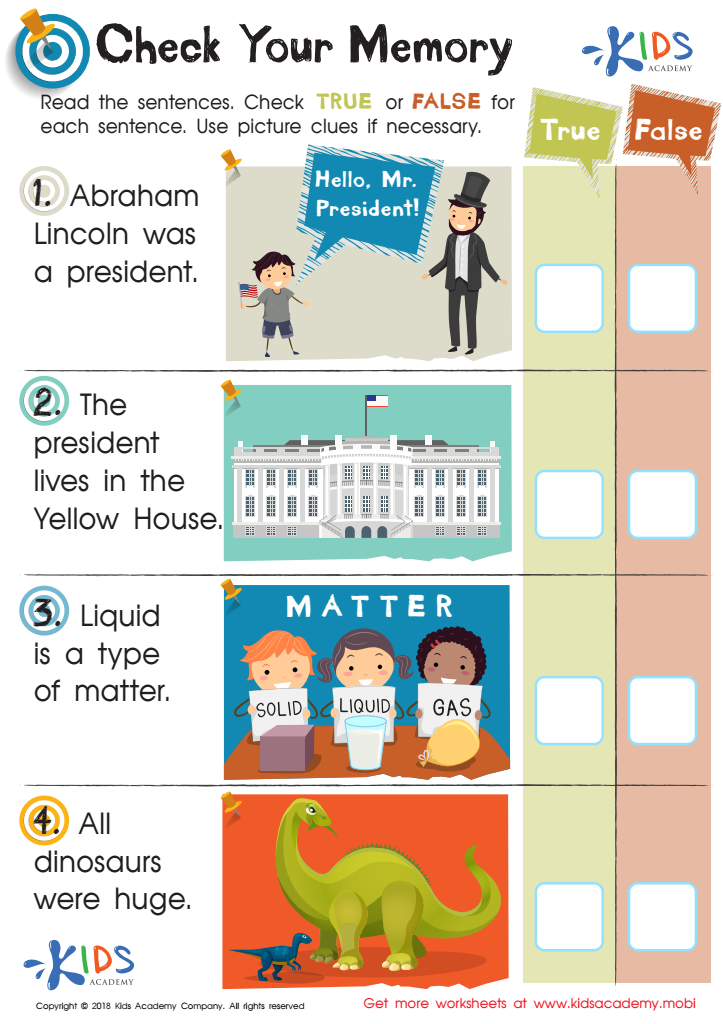
    Assisting your kids with their homework and using worksheets is a great way for them to learn. The vibrant visuals in this printout can help stimulate the mind and motivate your child. Have them read the sentences and then point to the associated images. Afterwards, ask them to state True or False for each sentence. If they are still uncertain, offer them the picture clues to assist further.
    Check Memory Worksheet
    Worksheet


    ... 3 4

    Parents and teachers play a crucial role in fostering a love and understanding of nature in children aged 3-6. This early introduction to plants and animals is valuable for several reasons. First, young children are naturally curious and more likely to learn when engaged with hands-on, living examples of the world around them. Interacting with plants and animals helps develop their observational skills, critical thinking, and empathy. They begin to understand basics of life cycles, growth, and the importance of caring for other living things.

    Learning about plants and animals also sets the foundations for scientific literacy. It promotes making connections between real-world experiences and educational content, a key component in STEM education pathways. Such knowledge fosters environmental and ecological awareness, ensuring children grow with a sense of stewardship for the planet.

    Moreover, outdoor activities related to plants and animals enhance physical health by encouraging movement, fine and gross motor skills. Additionally, spending time in nature has been linked to improved mental well-being, reducing stress, and sparking creativity.

    For parents and teachers, integrating nature into the learning journey not only nurtures a healthier, more engaged, and knowledgeable child but also promotes lifelong habits of curiosity and care for the environment.