Alphabet Worksheets for Ages 3-7 - Page 16
384 filtered results
-
From - To
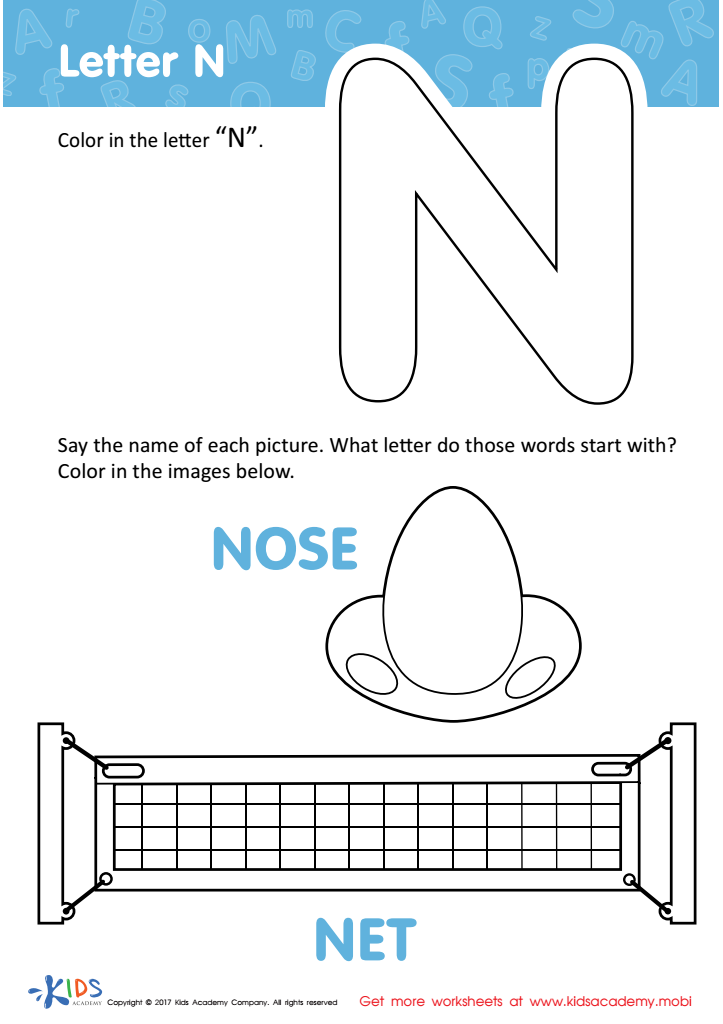
Letter N Coloring Sheet
 Assign to My Students
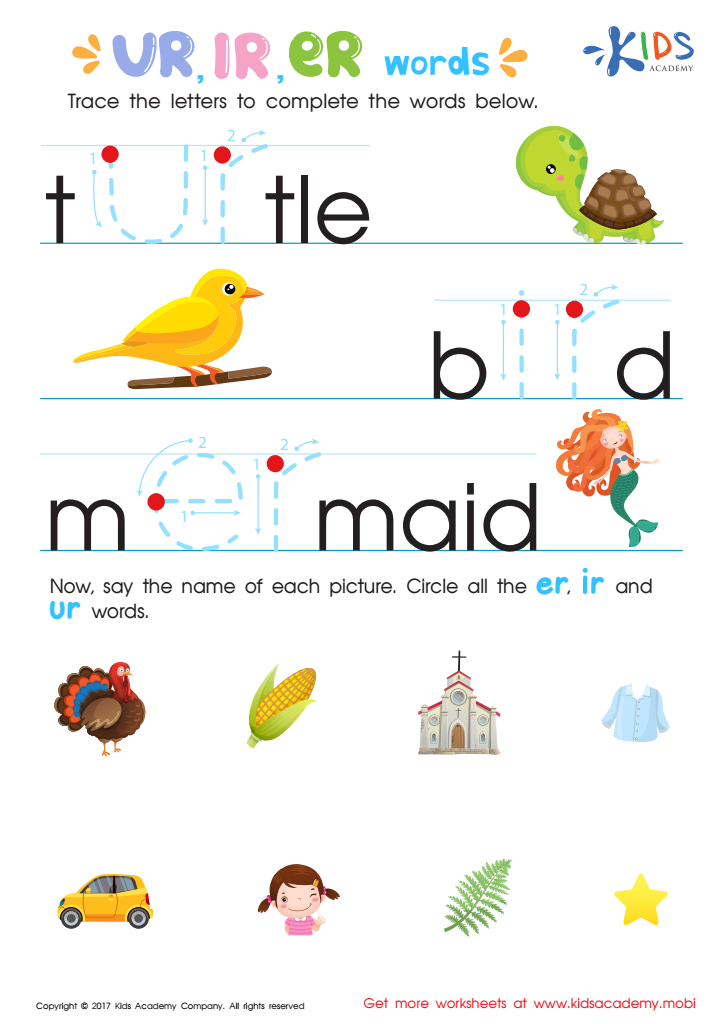
IR UR ER Words Worksheet
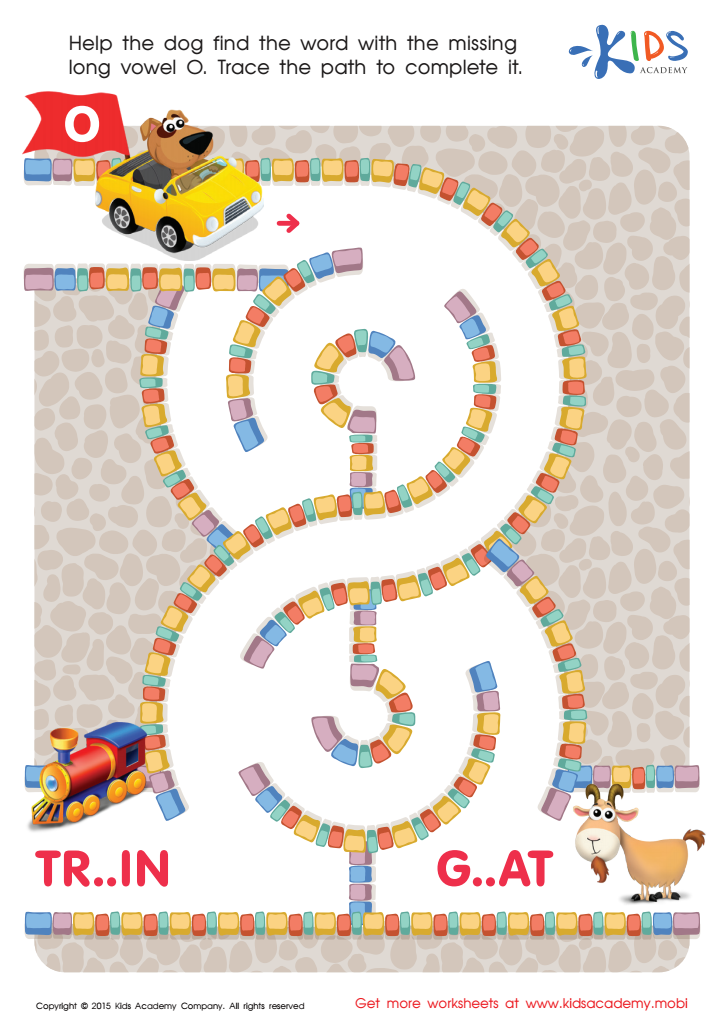
Long Vowel Sound O Worksheet
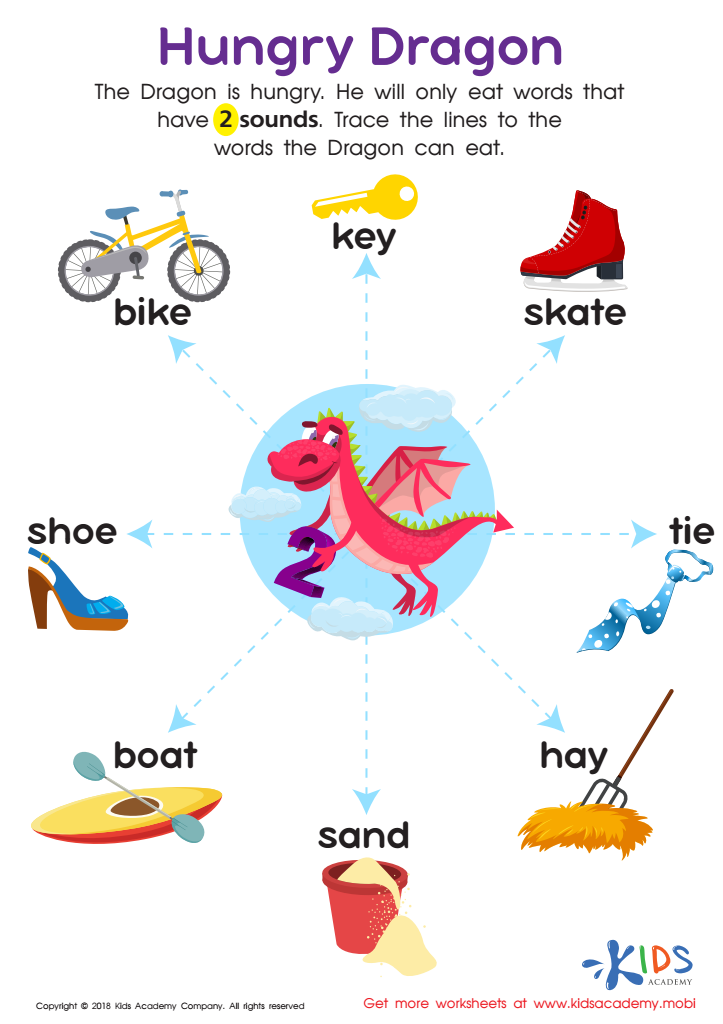
Hungry Dragon Worksheet
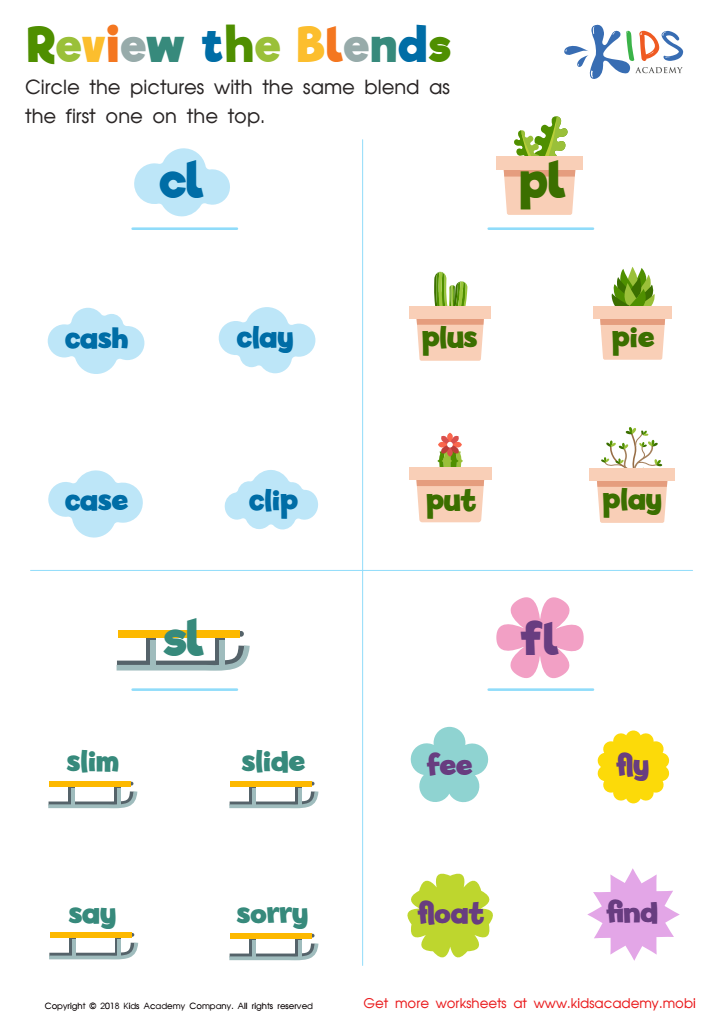
Review the Blends Worksheet
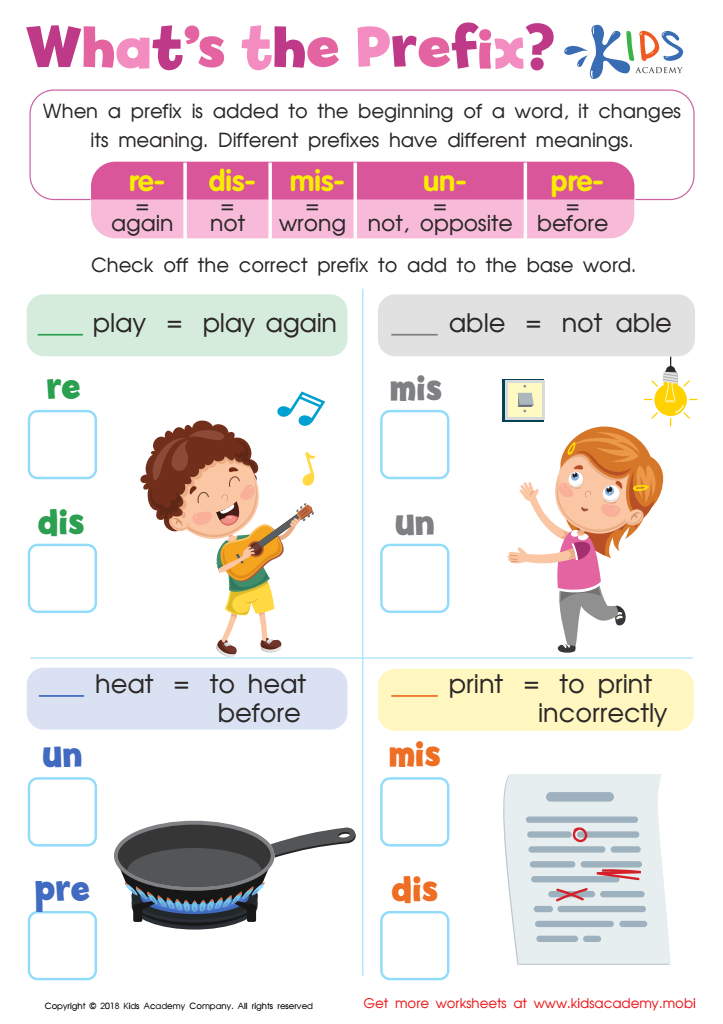
Reading: What Is the Prefix Worksheet
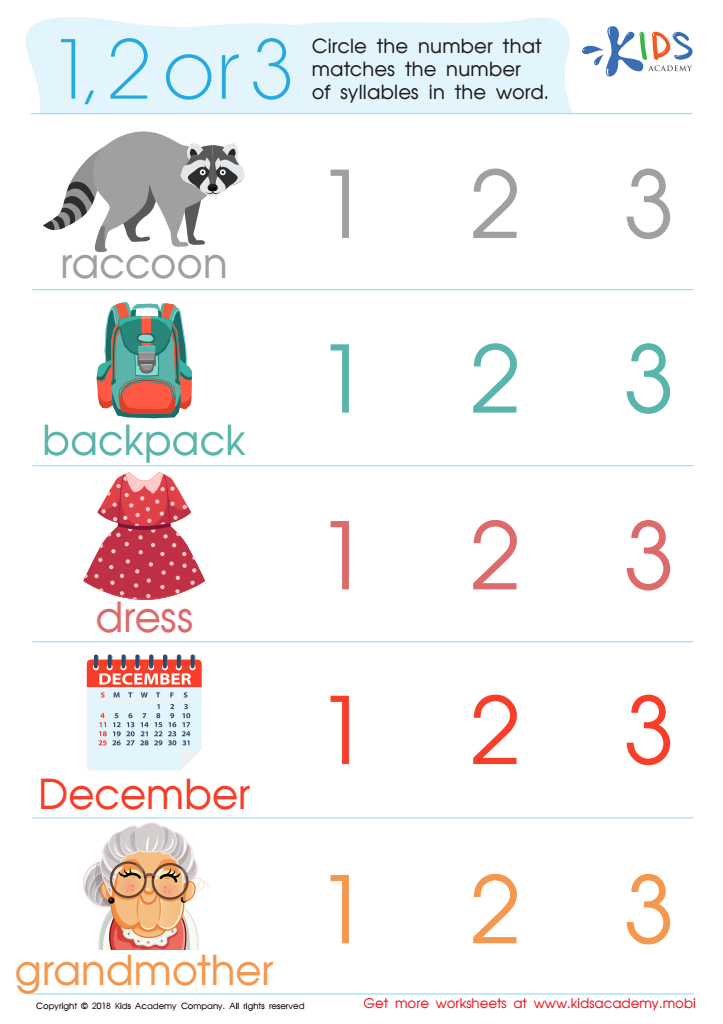
1, 2 or 3? Worksheet

Letter D Tracing Page
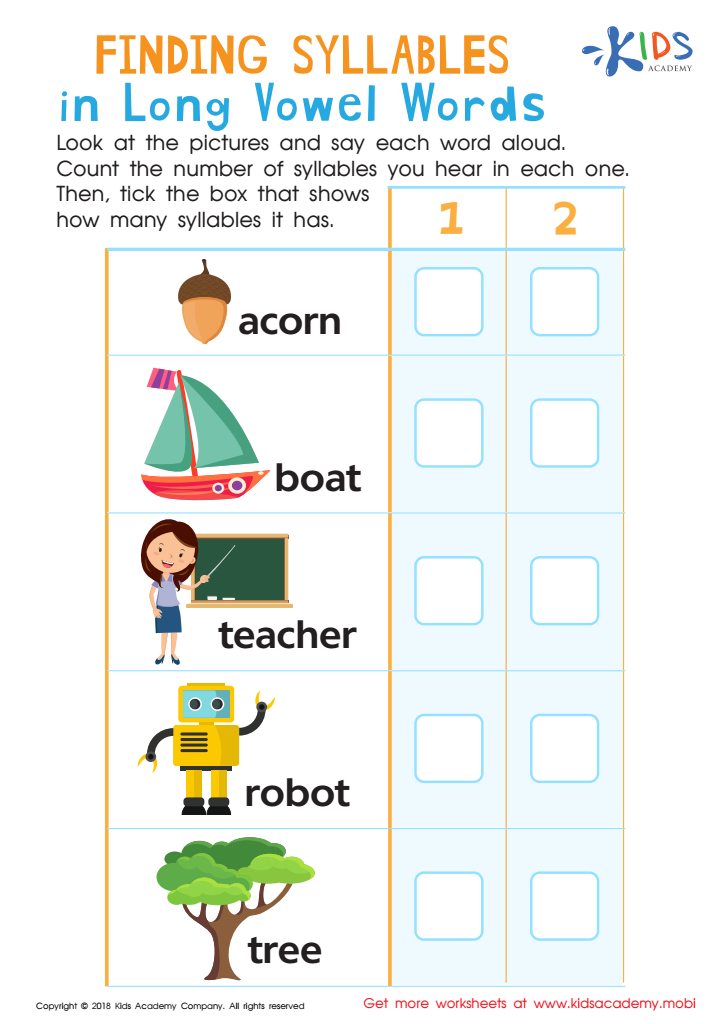
Finding Syllables in Long Vowel Words Worksheet
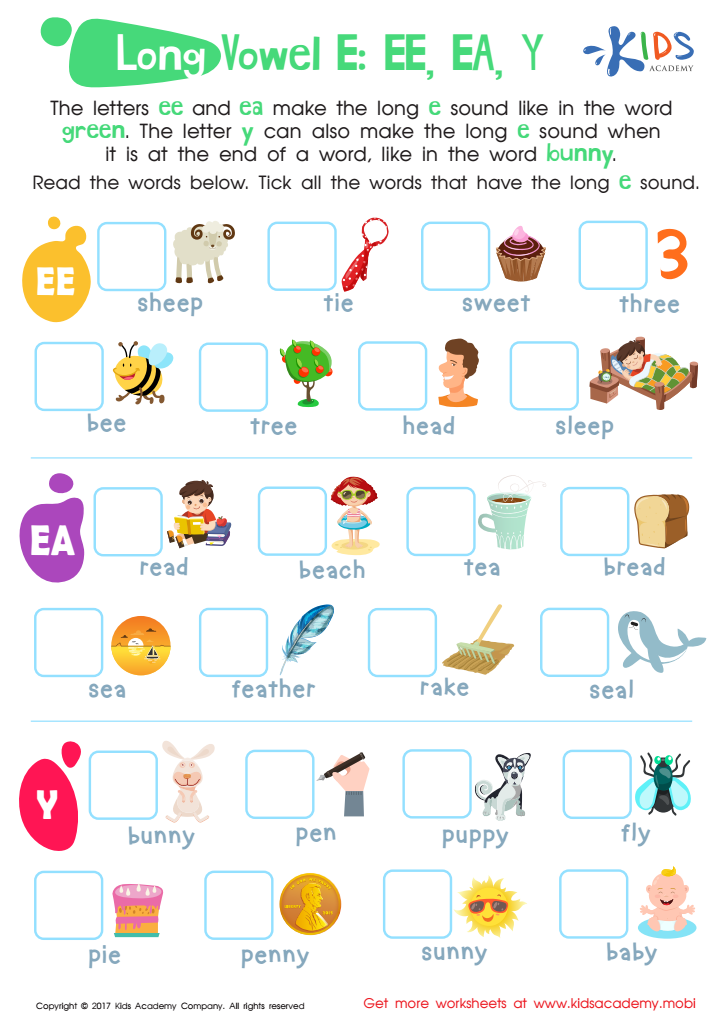
Long Vowel E Printable
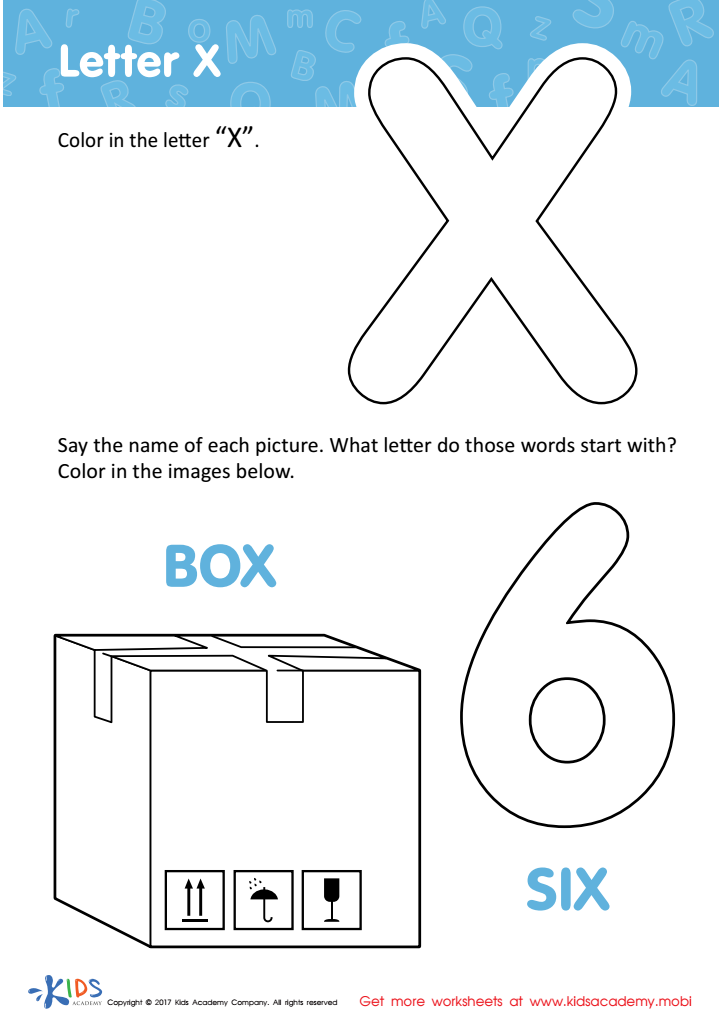
Letter X Coloring Sheet
Assign to My Students
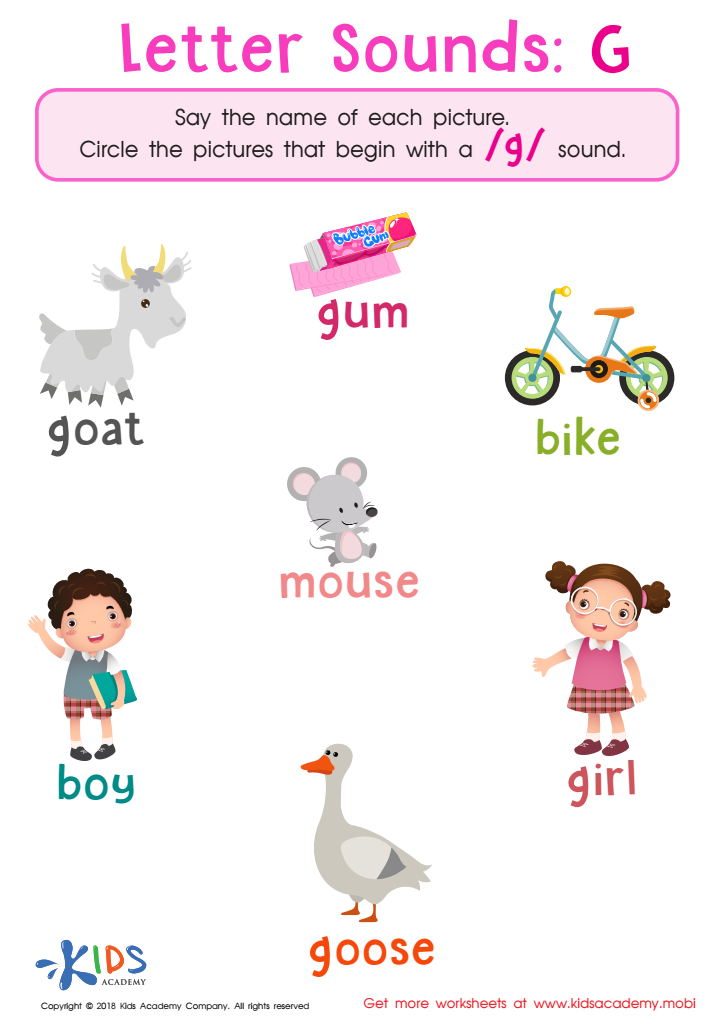
Letter G Sounds Worksheet
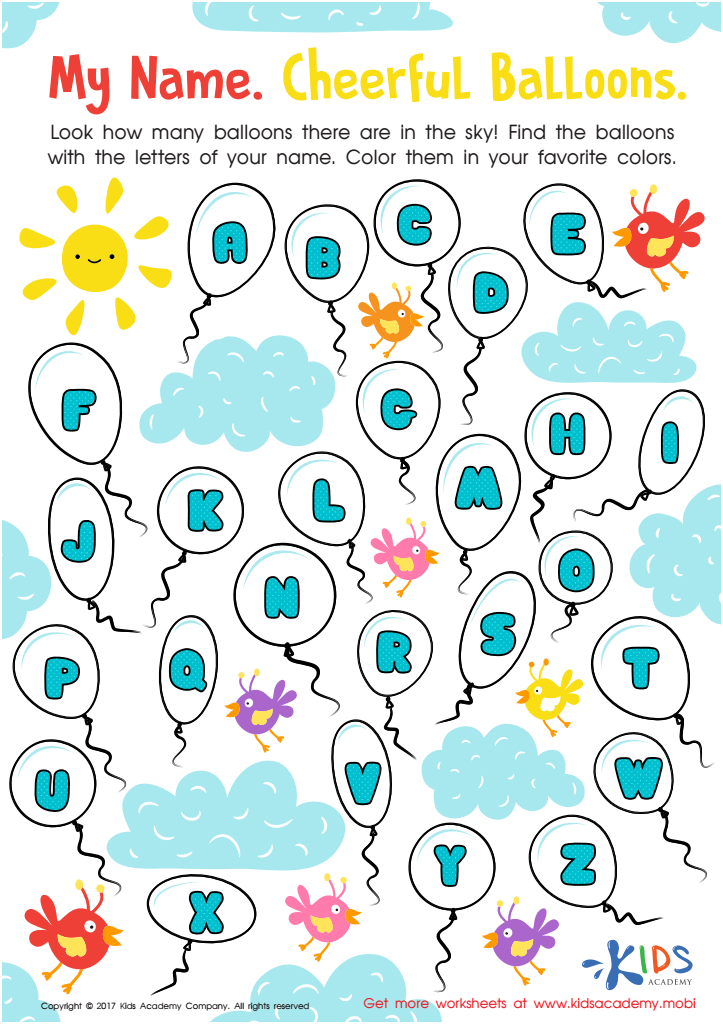
My Name: Cheerful Balloons Worksheet
Assign to My Students
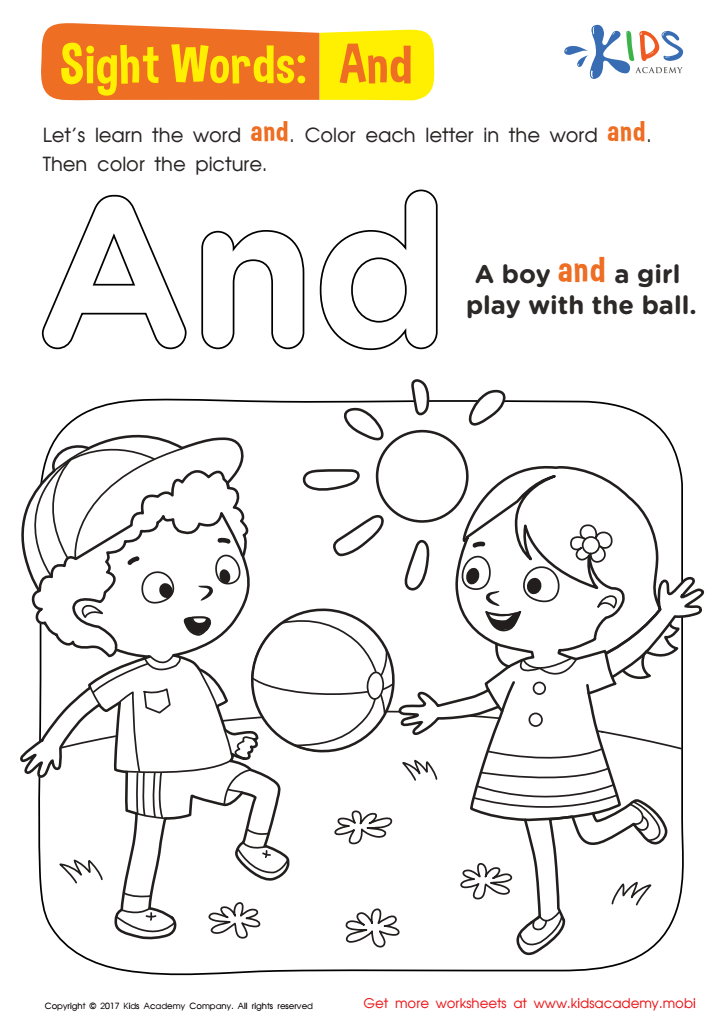
And Worksheet Sight Words Worksheet
Assign to My Students
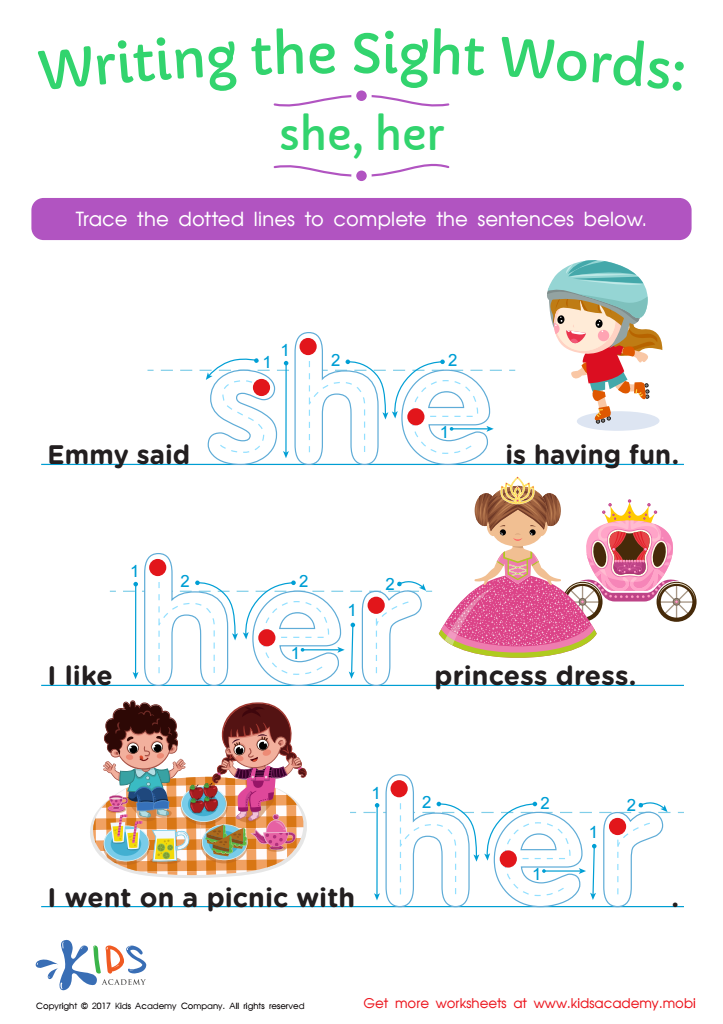
She, Her Printable Sight Words Worksheet
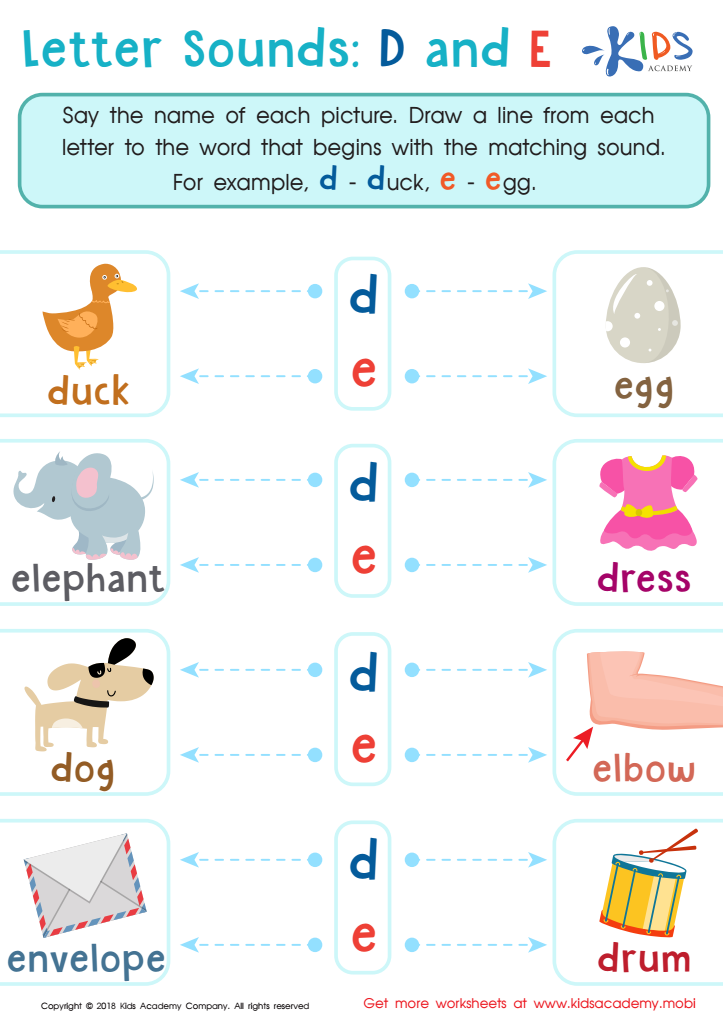
Letter D and E Sounds Worksheet
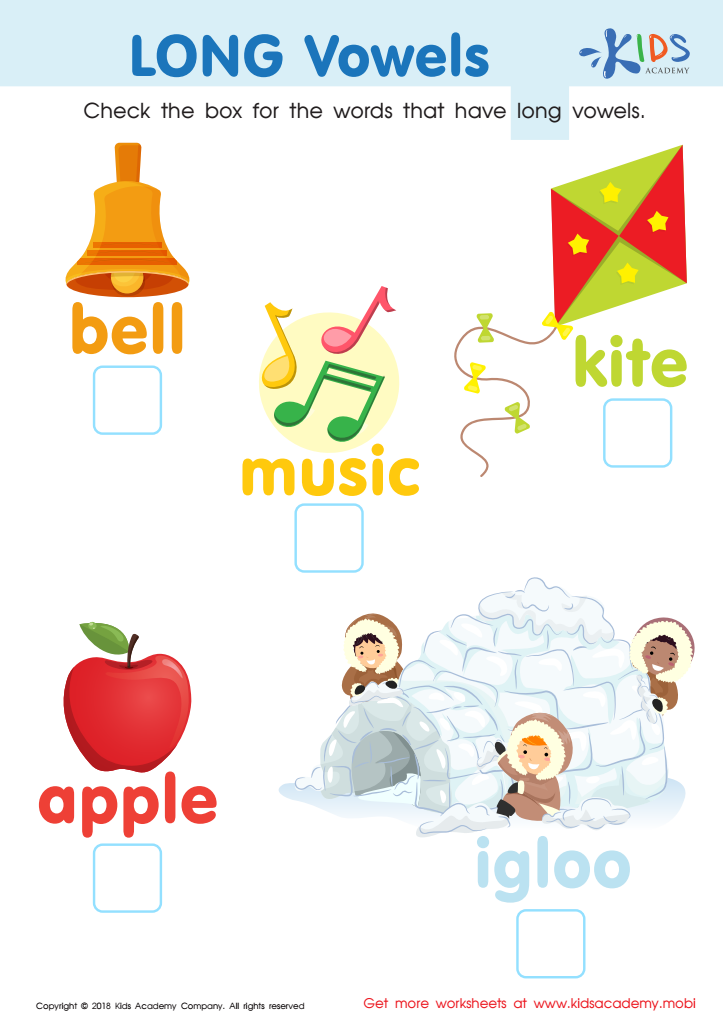
long vowels Worksheet
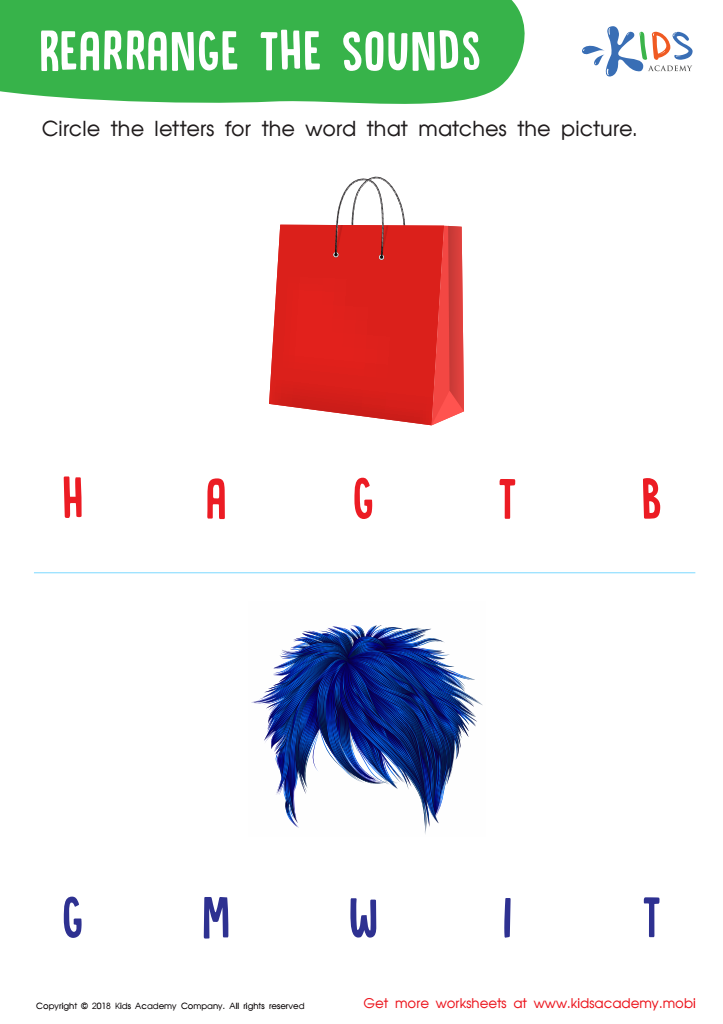
Rearrange the Sounds Worksheet
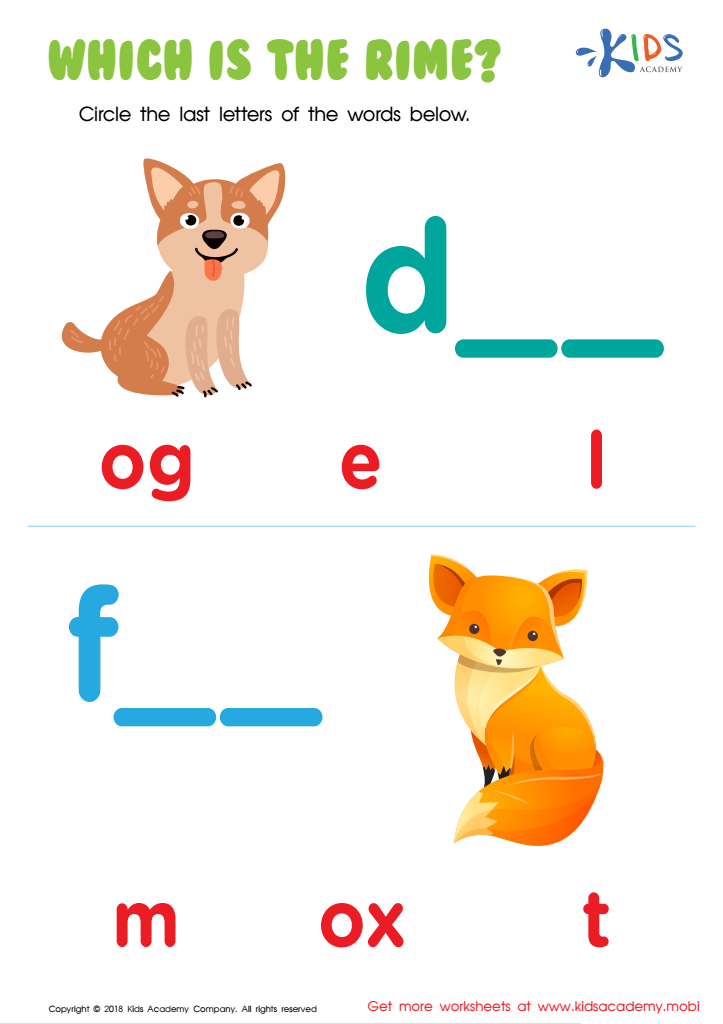
Which Is the Rime? Worksheet
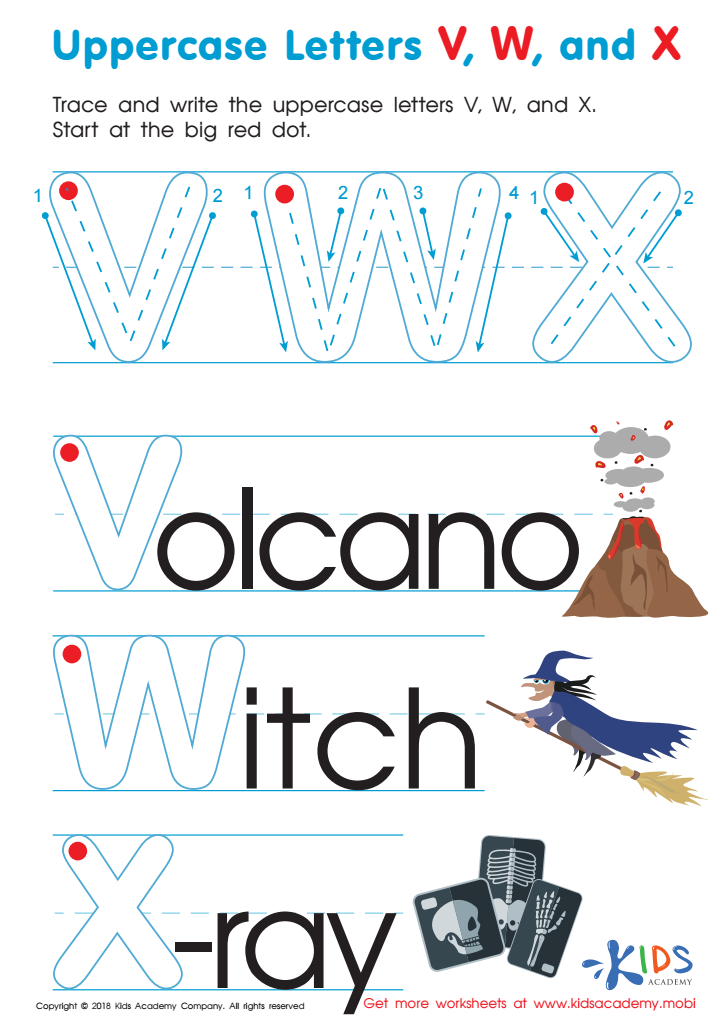
Uppercase Letters V, W, and X Worksheet
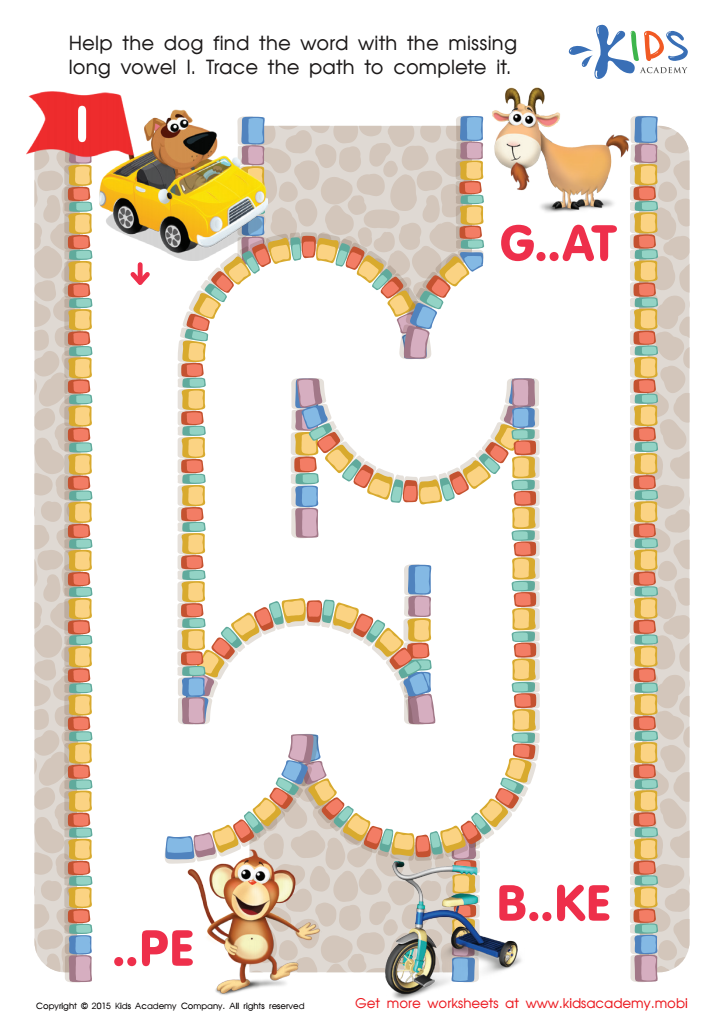
Long Vowel Sound I Worksheet
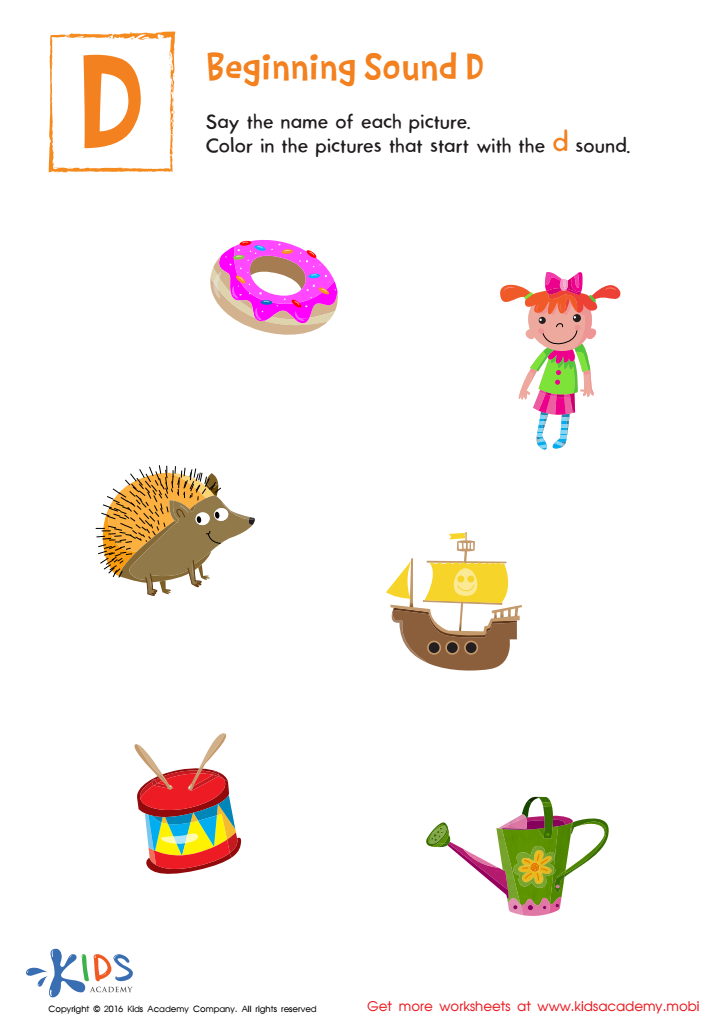
Beginning Sound D Worksheet
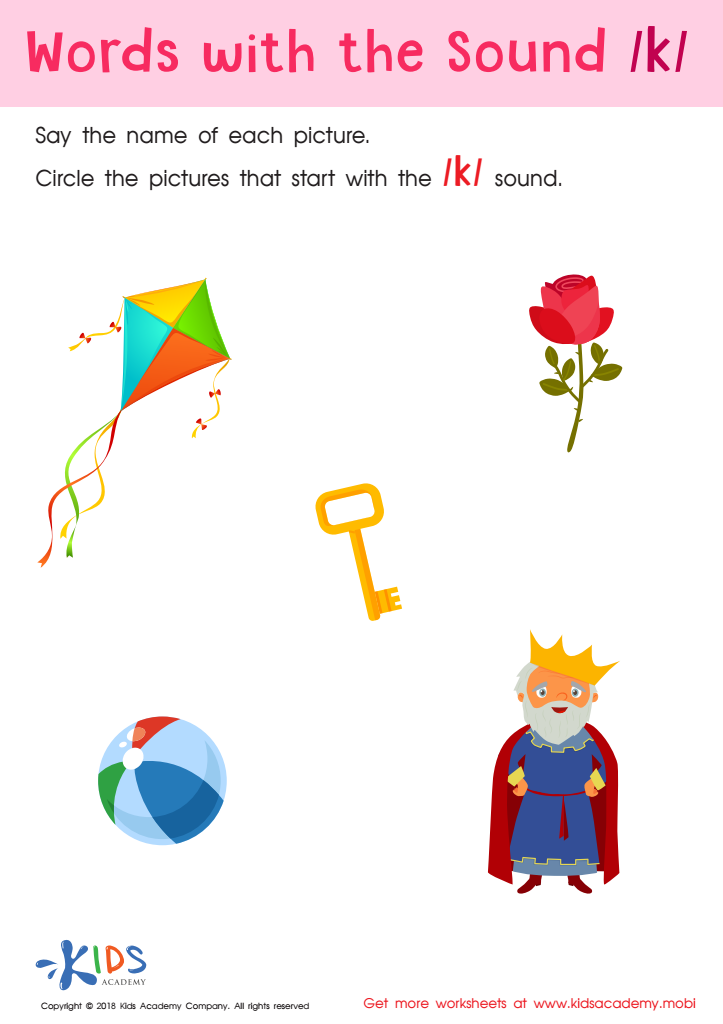
Words with sound k Reading Worksheet
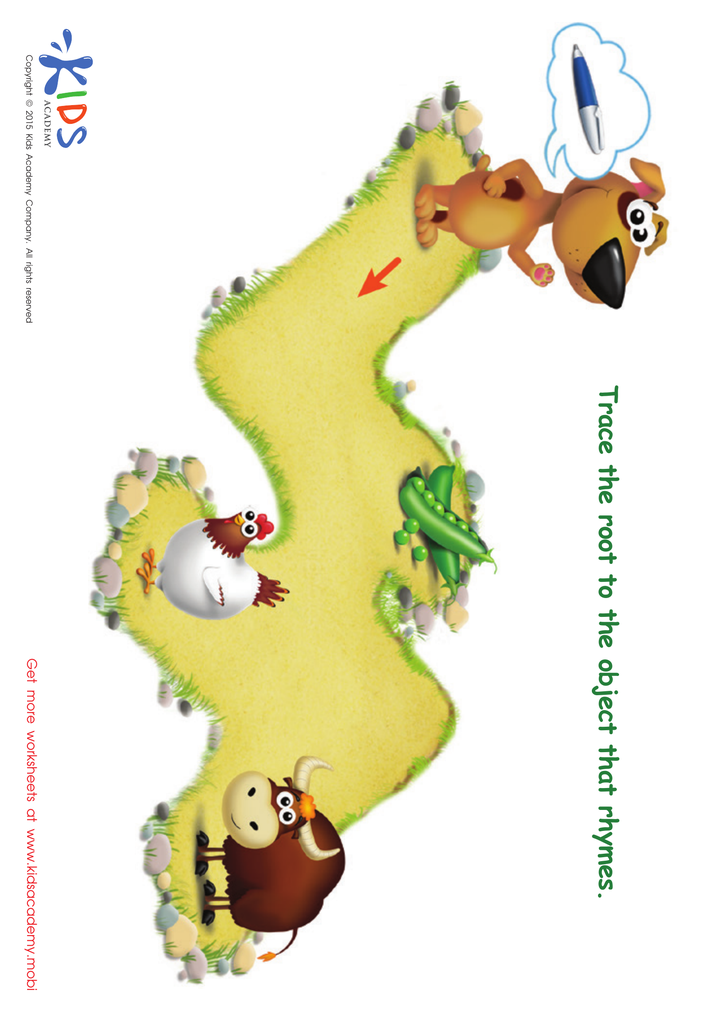
Pen Rhyming Words Worksheet








Parents and teachers should care about teaching the alphabet to children ages 3-7 because it forms the foundation of literacy skills that are crucial for lifelong learning. Understanding the alphabet helps children develop phonemic awareness, the ability to hear, identify, and manipulate sounds in spoken words, which is essential for reading success. Early mastery of letter recognition allows children to begin decoding words, a skill necessary for fluent reading.
Moreover, the alphabet is not just an academic requirement; it supports cognitive development. Engaging with letters through games, songs, and activities enhances memory and critical thinking skills. Integrating creative methods into learning makes the process enjoyable, fostering a positive attitude toward reading and writing as children grow.
Additionally, fluency in the alphabet can improve children’s communication skills. Being able to create words empowers them to express thoughts and feelings more effectively. Furthermore, as digital literacy becomes more vital in our technology-driven world, Alphabet knowledge becomes essential for navigating various platforms.
Lastly, concern for the alphabet in early education reflects the desire to equip children with the tools necessary for success in school and beyond, playing a crucial role in their overall development and future academic prospects.







