Phonics Skills Phonics Worksheets for Ages 3-7
64 filtered results
-
From - To
Discover our engaging Phonics Skills Worksheets designed specifically for children ages 3-7. These interactive resources help young learners grasp the foundational elements of phonics through entertaining and educational activities. Each worksheet focuses on essential skills such as letter recognition, sound blending, and decoding, all tailored to keep children motivated and excited about learning. Perfect for parents and educators, our printable worksheets foster an enjoyable learning experience that promotes literacy development in early years. Explore our extensive collection to empower your child with the phonics skills they need for reading success! Start your journey toward effective phonics learning today!
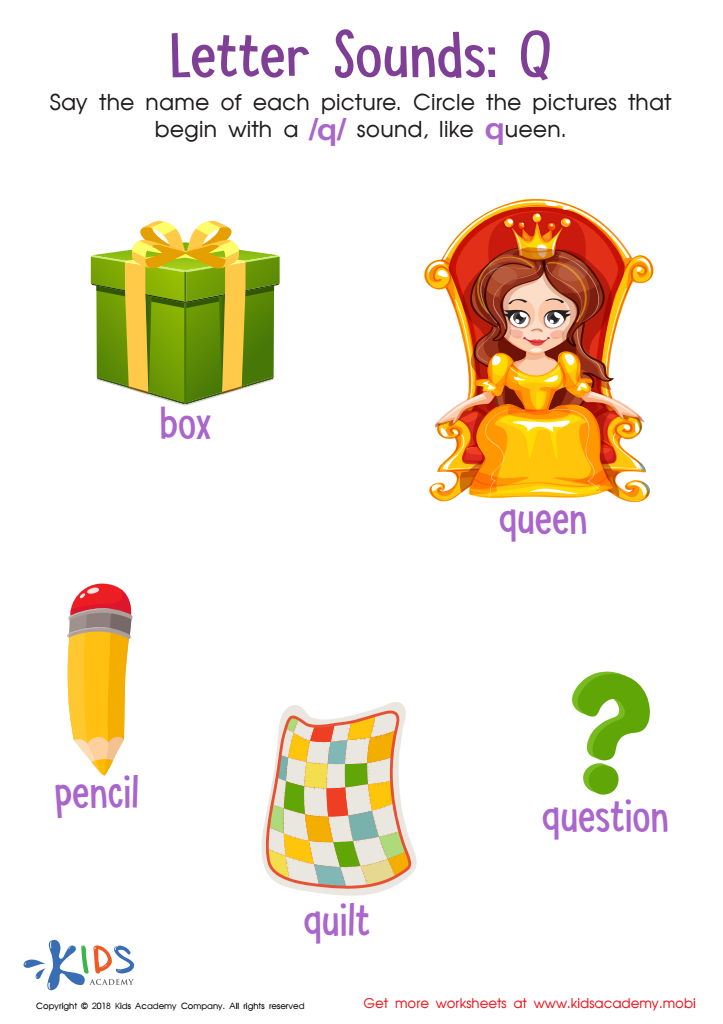
Letter Q Sounds Worksheet
 Assign to My Students
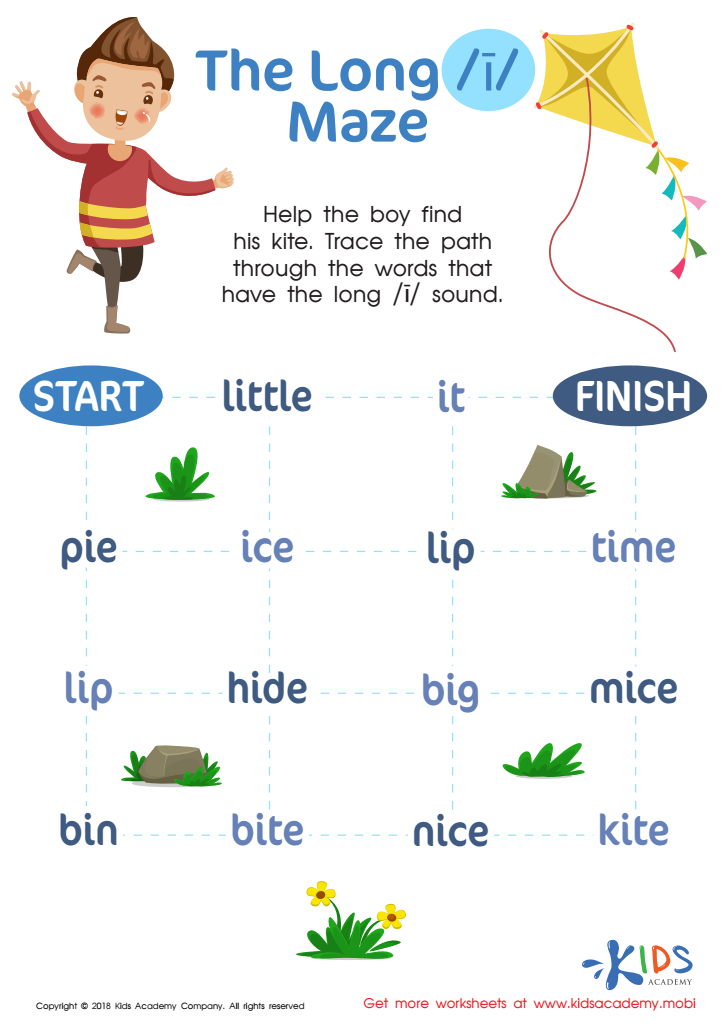
The Long I Maze Reading Worksheet
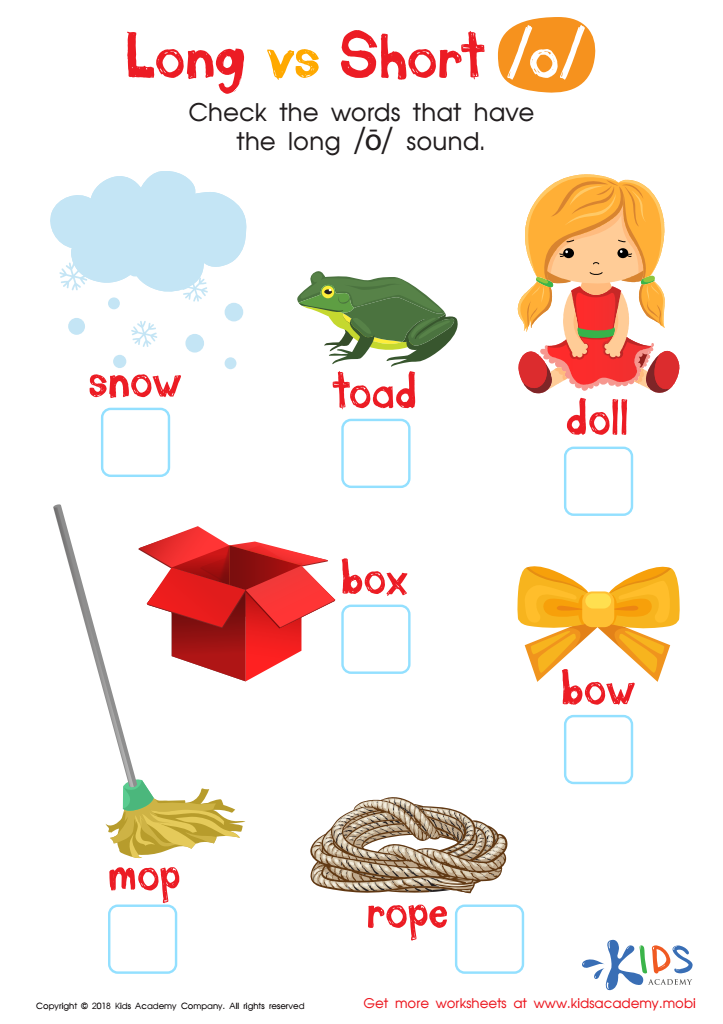
Long vs Short O Reading Worksheet
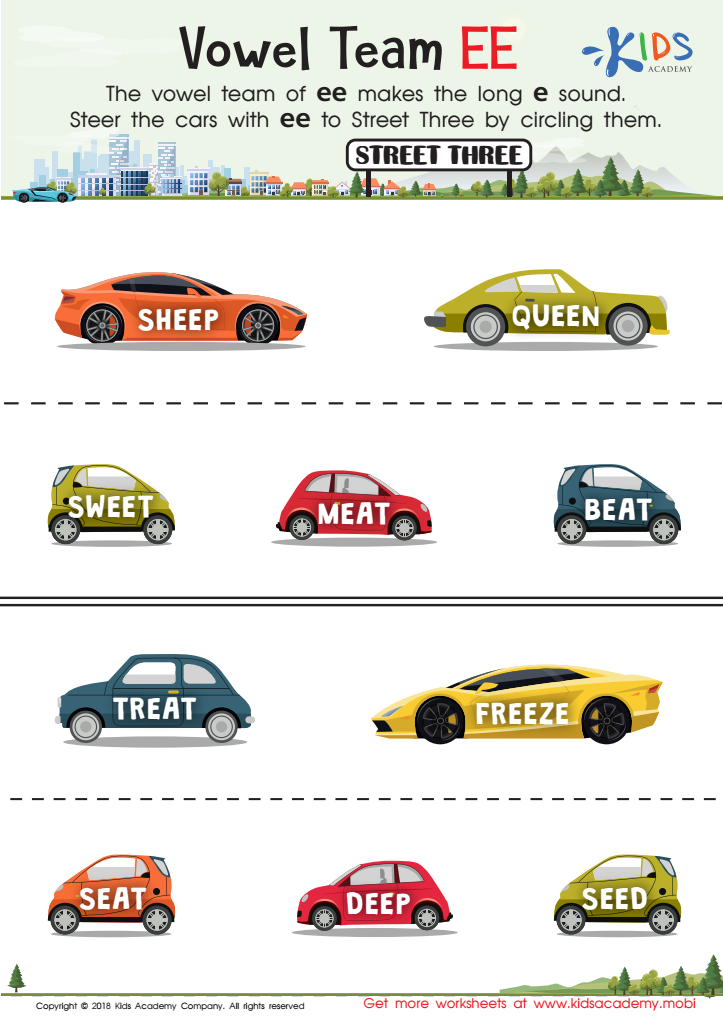
Vowel team ee Worksheet
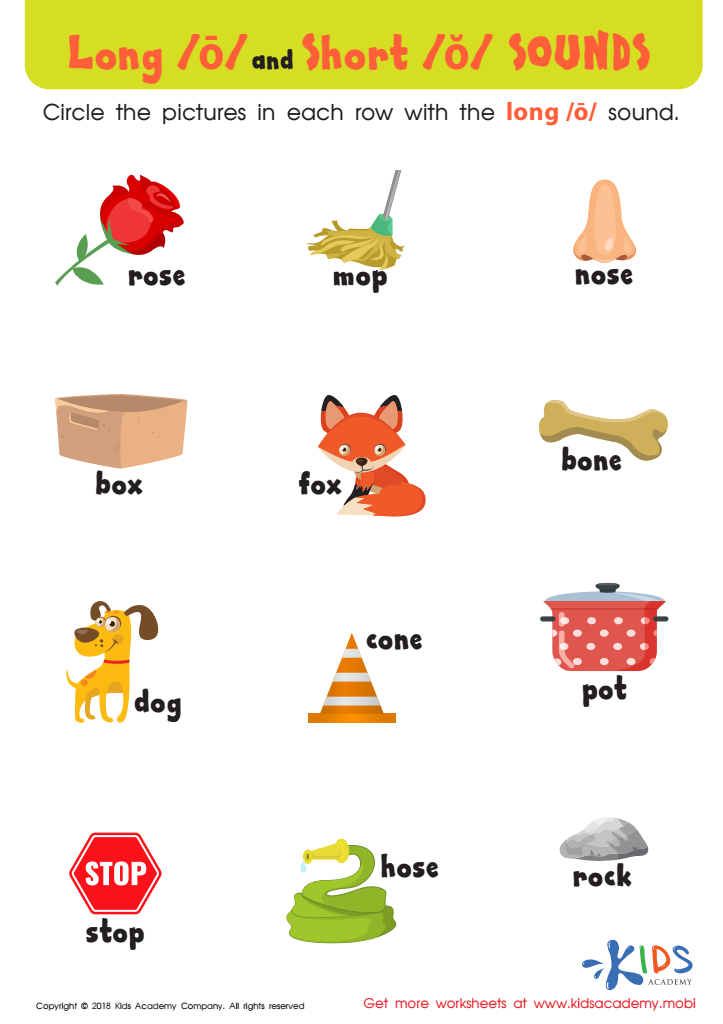
Reading: Long O and Short O Sounds Worksheet
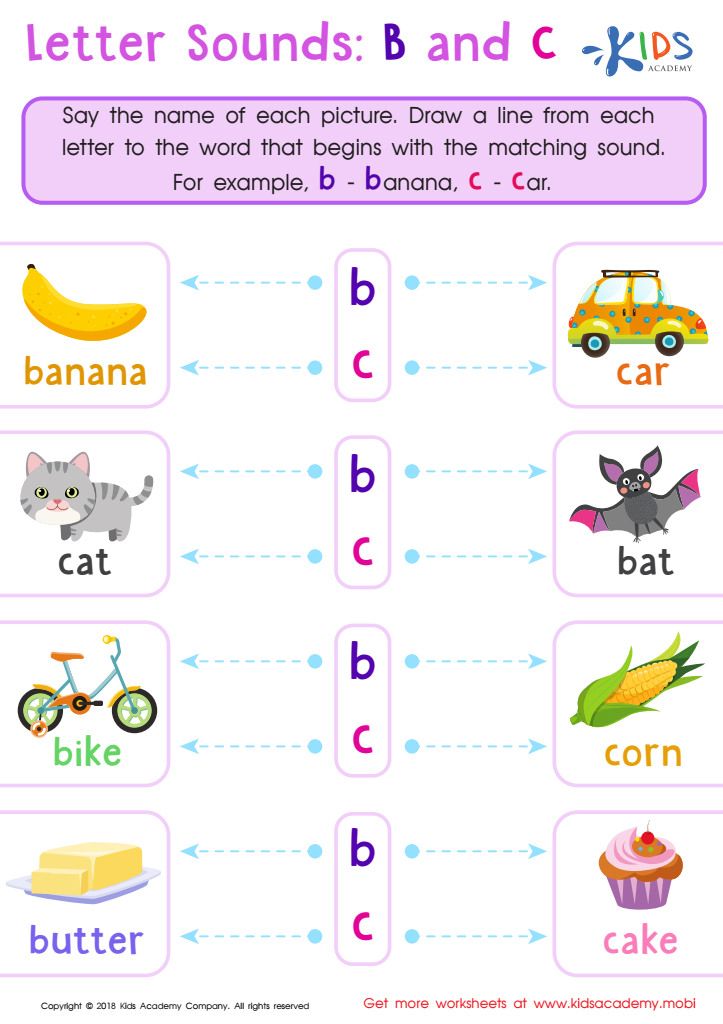
Letter B and C Sounds Worksheet
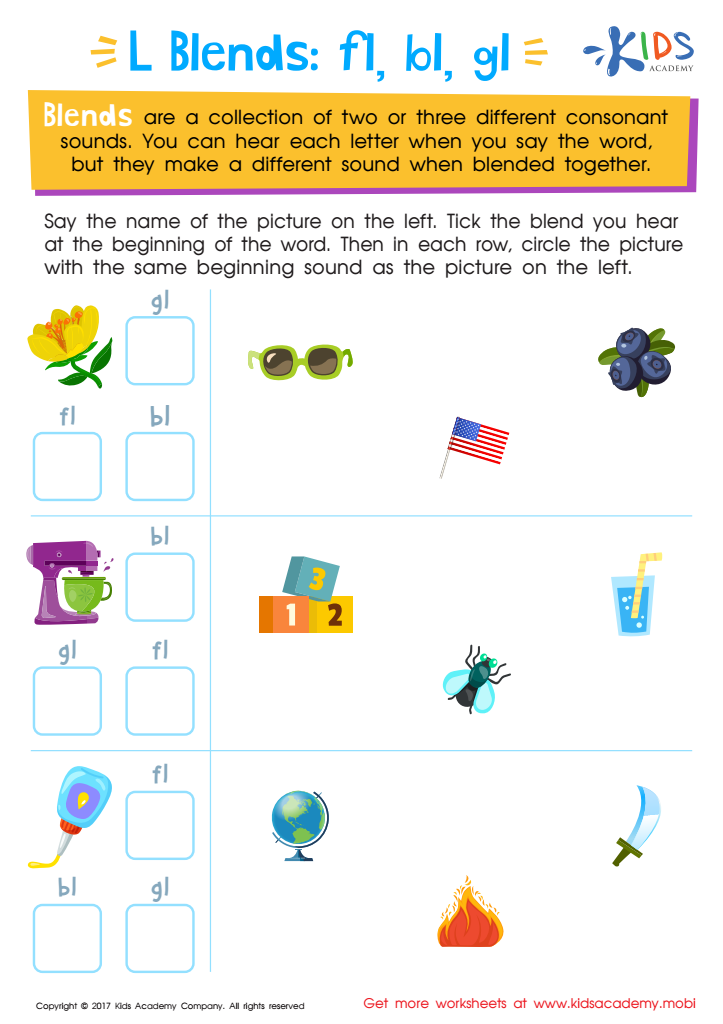
Blending Consonants: "Fl", "Bl" and "Gl" Printable
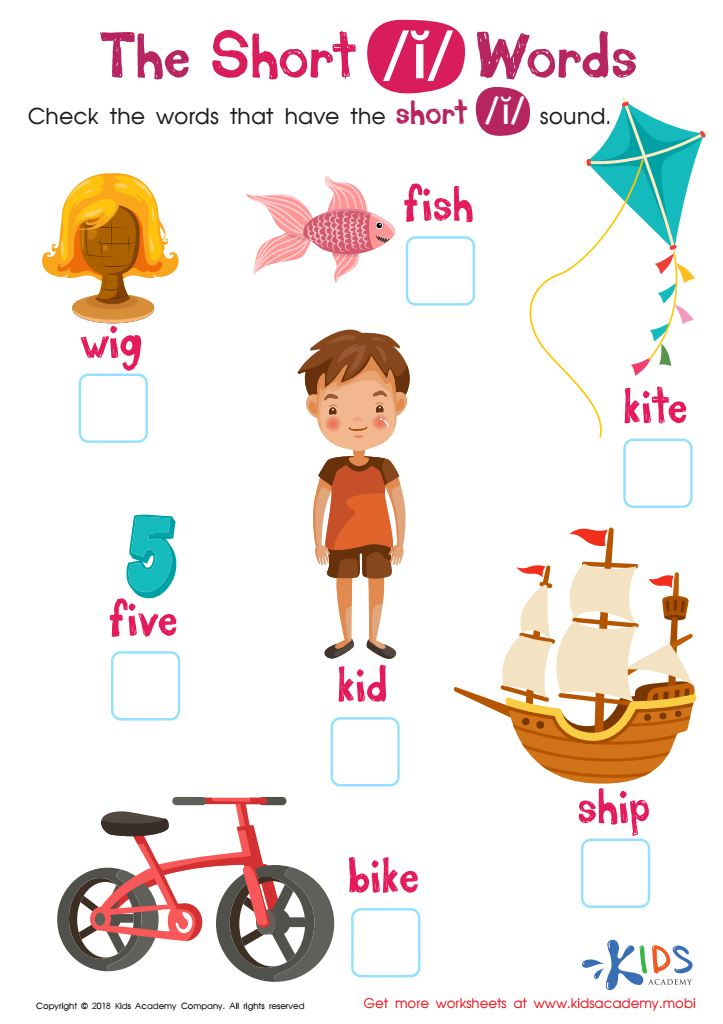
The Short I Words Reading Worksheet
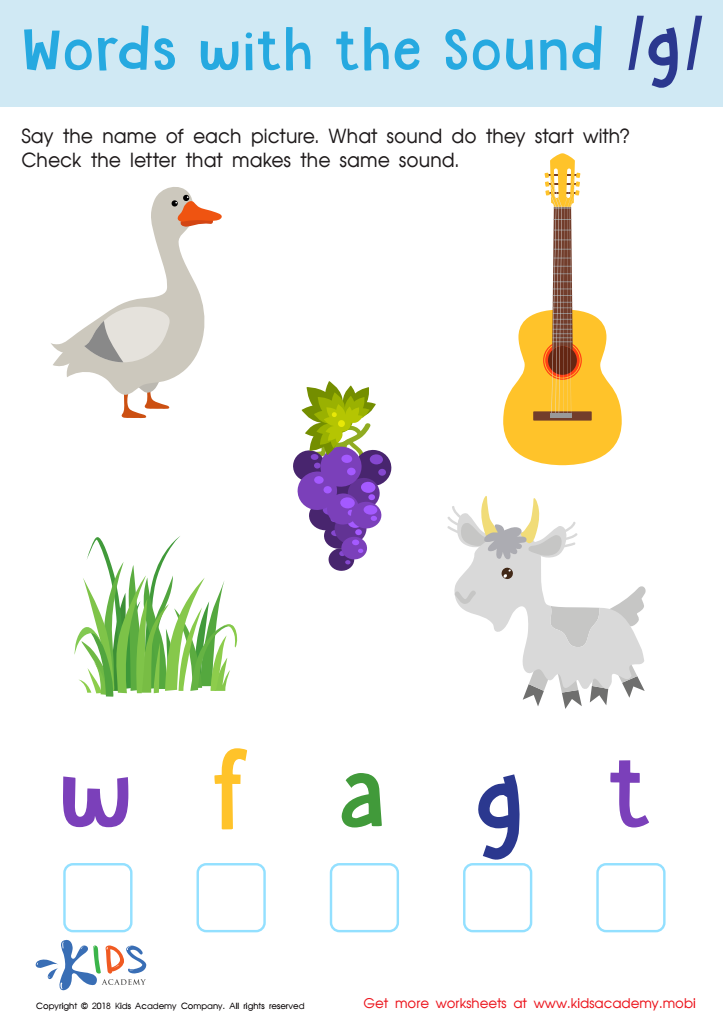
Words with sound g Reading Worksheet
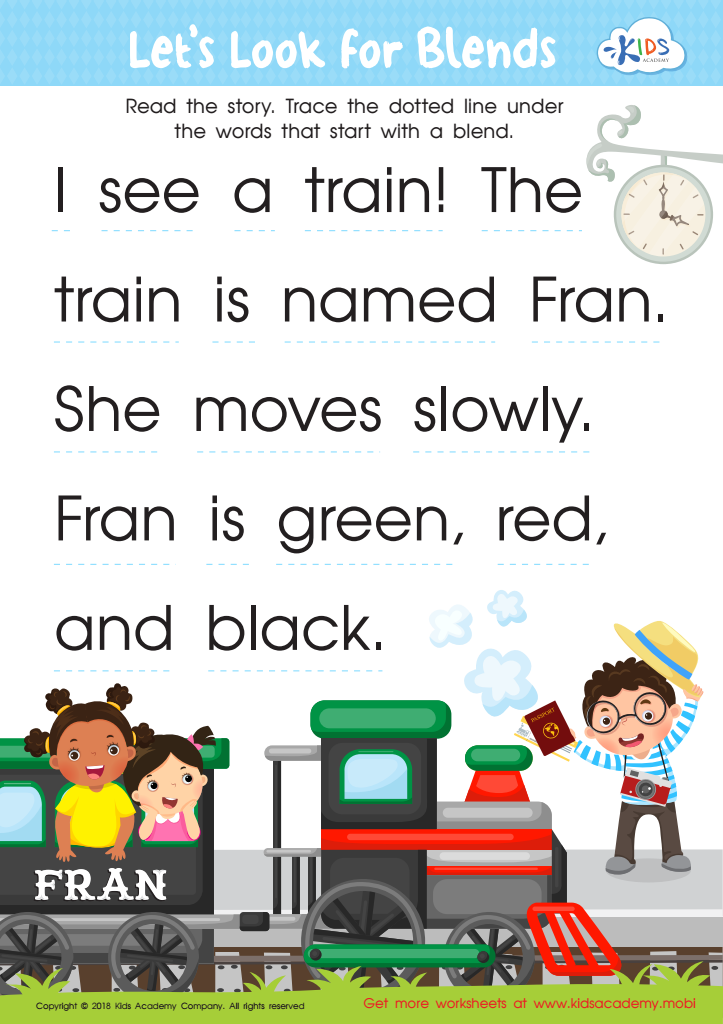
Let's Look for Blends Worksheet
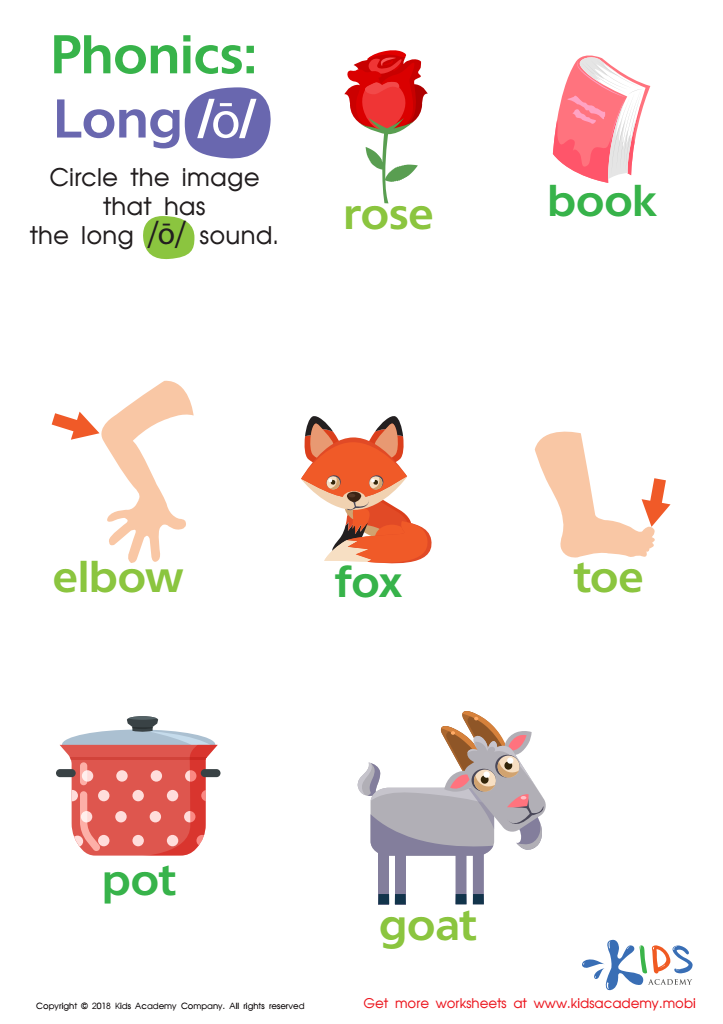
Phonics Long O Reading Worksheet
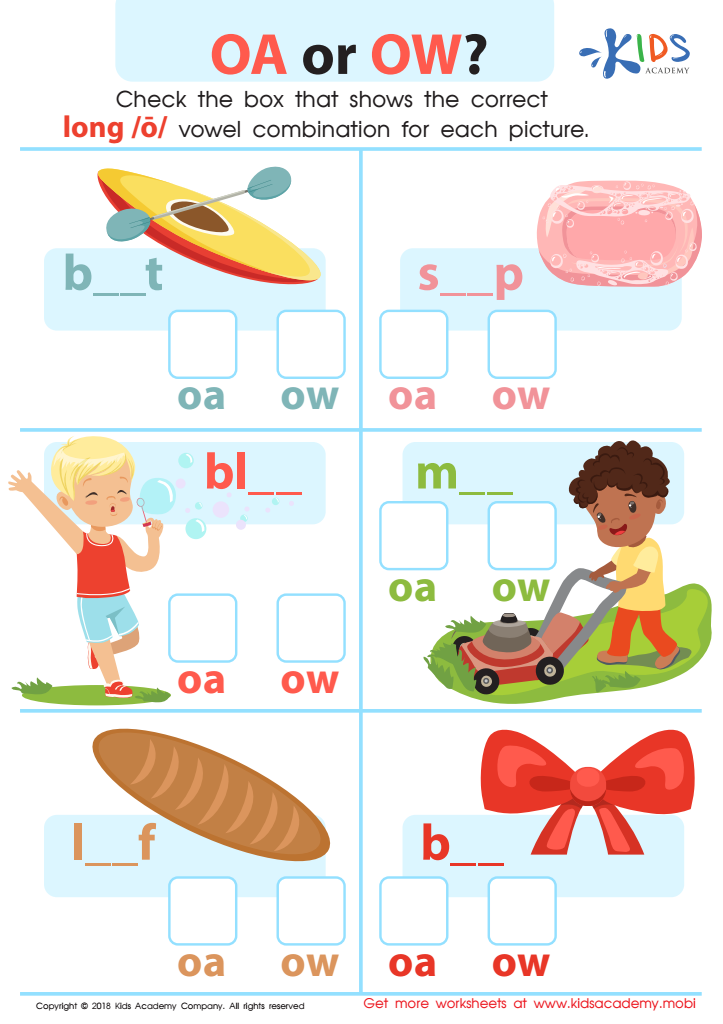
Reading: OA or OW Worksheet
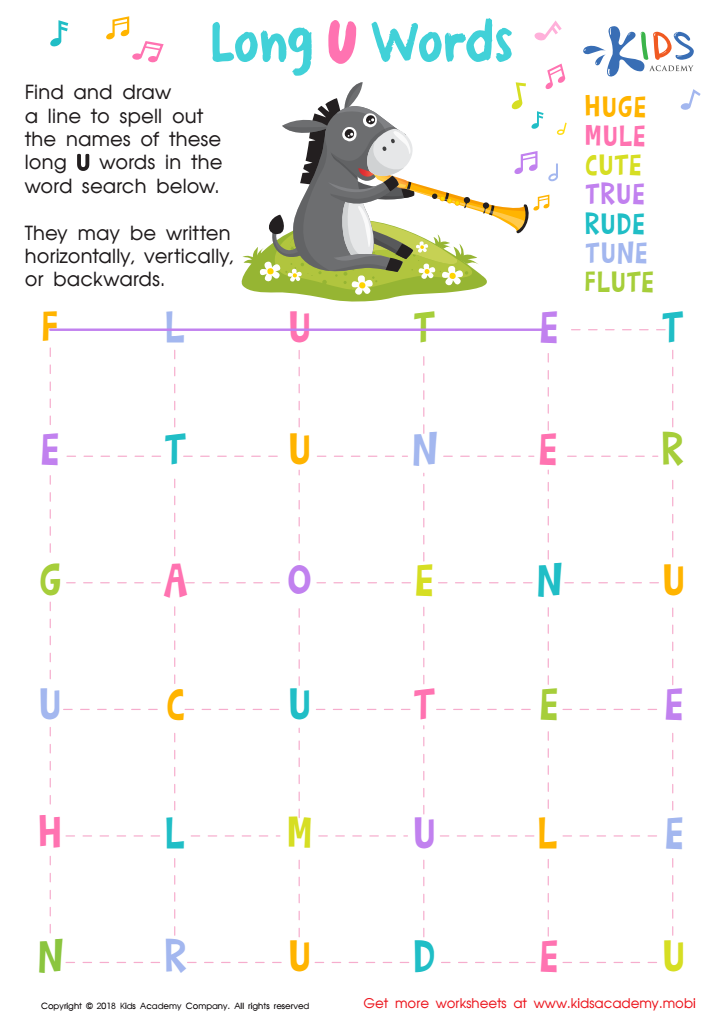
Long /u/ Words Worksheet
Short Vowel Sound U Worksheet Worksheet
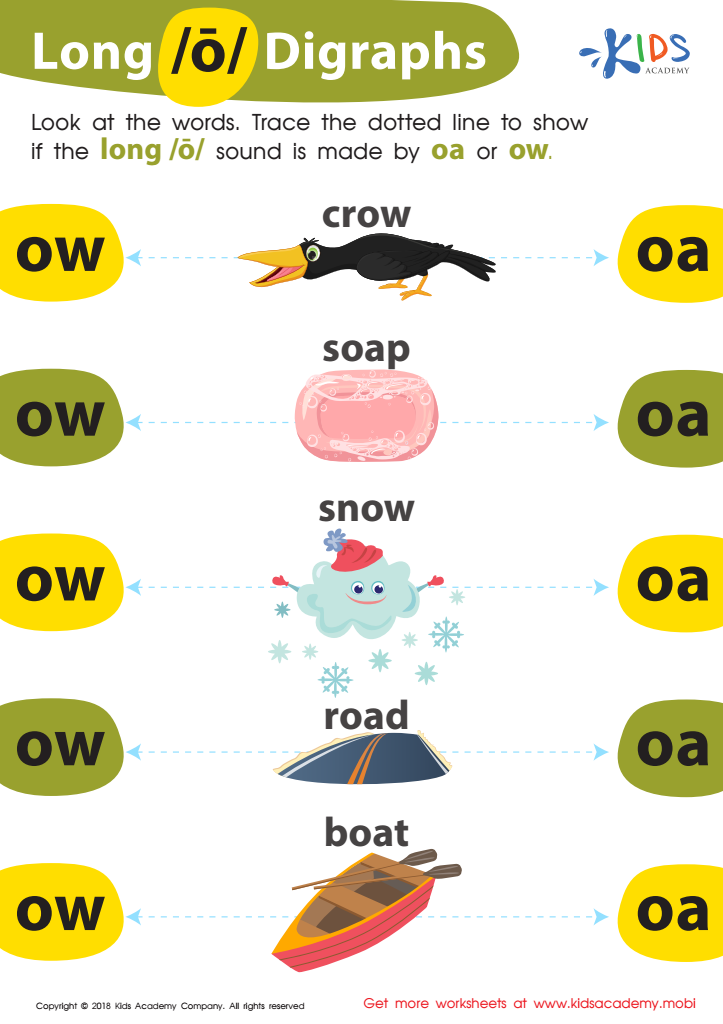
Reading: Long O Digraphs Worksheet
Long Vowel Sound A Worksheet
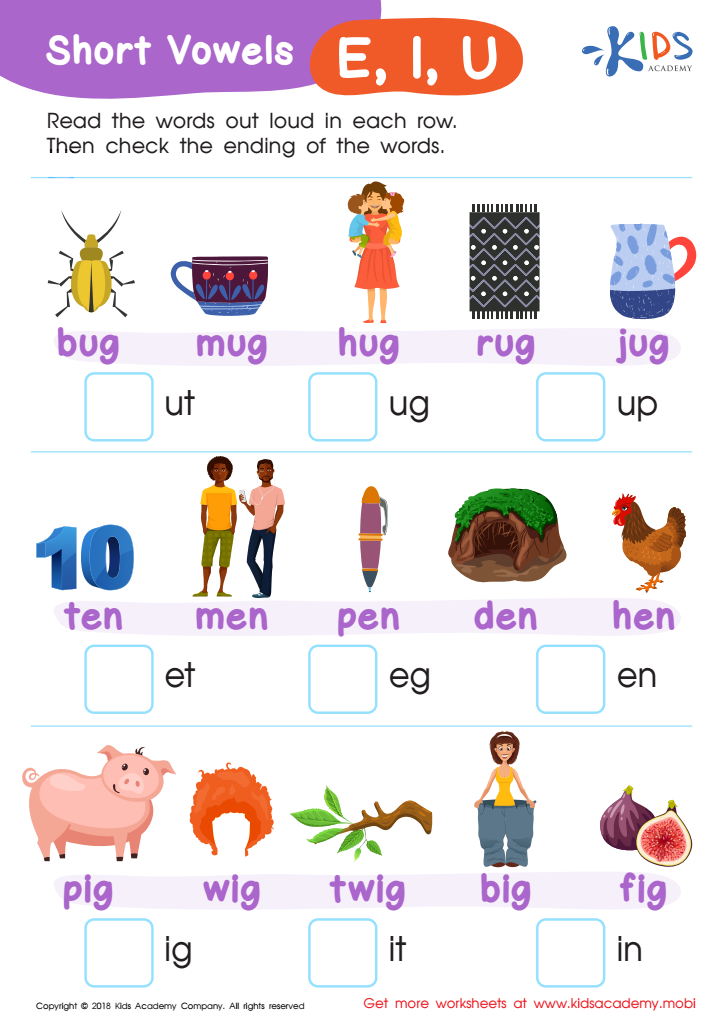
Short Vowels /e/, /i/, and /u/ Worksheet
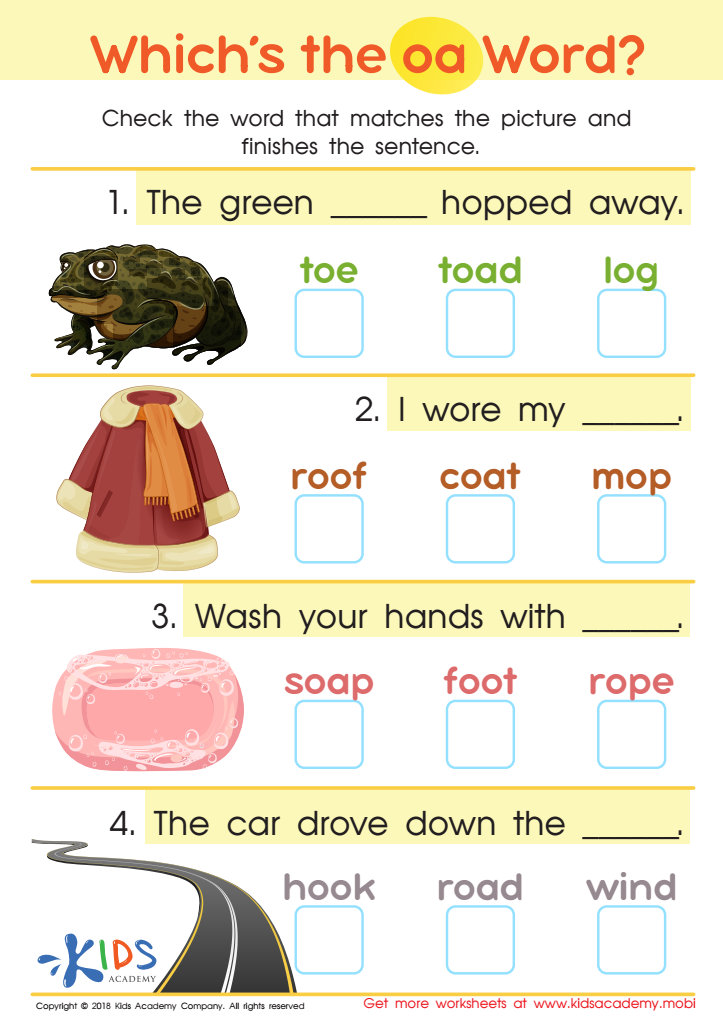
Which's the OA Word? Worksheet
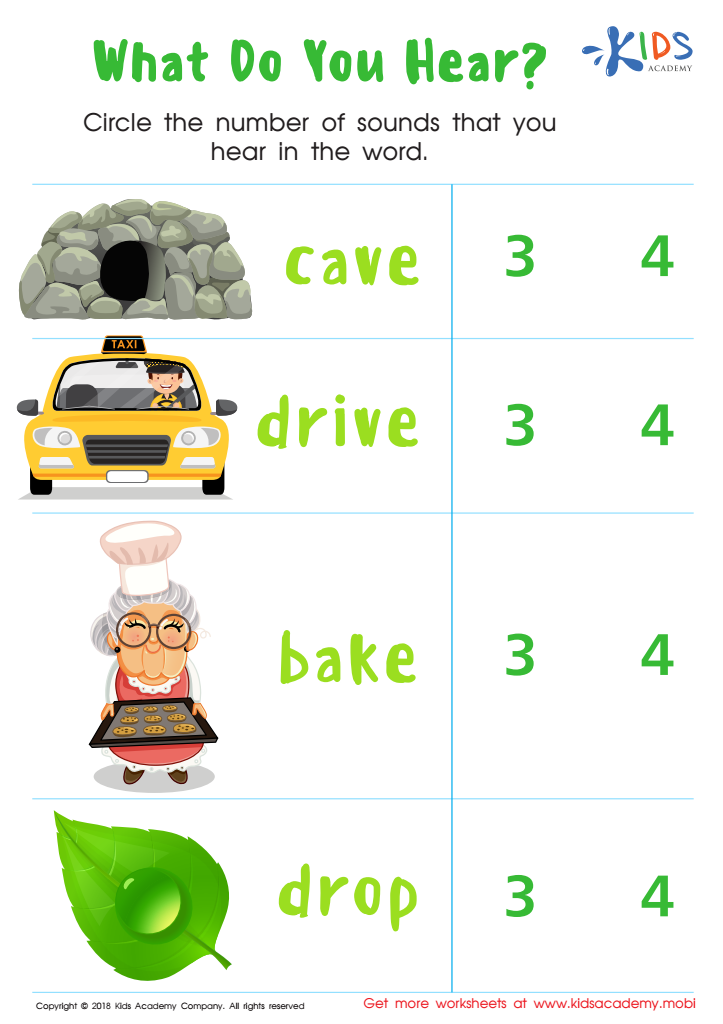
What Do You Hear? Worksheet
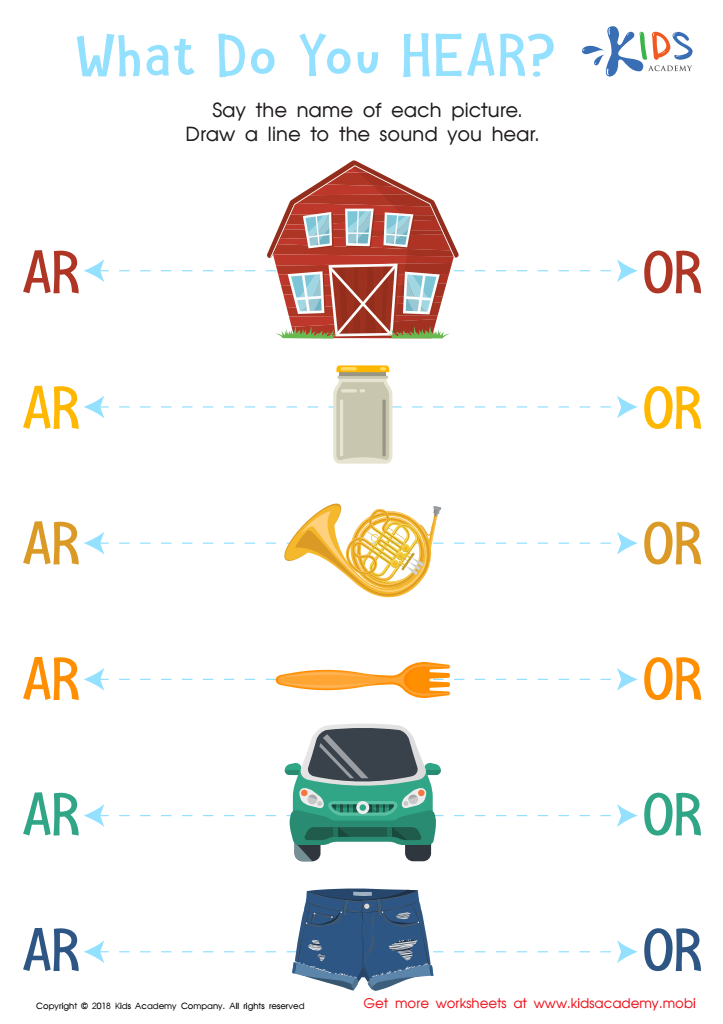
What do you hear Worksheet
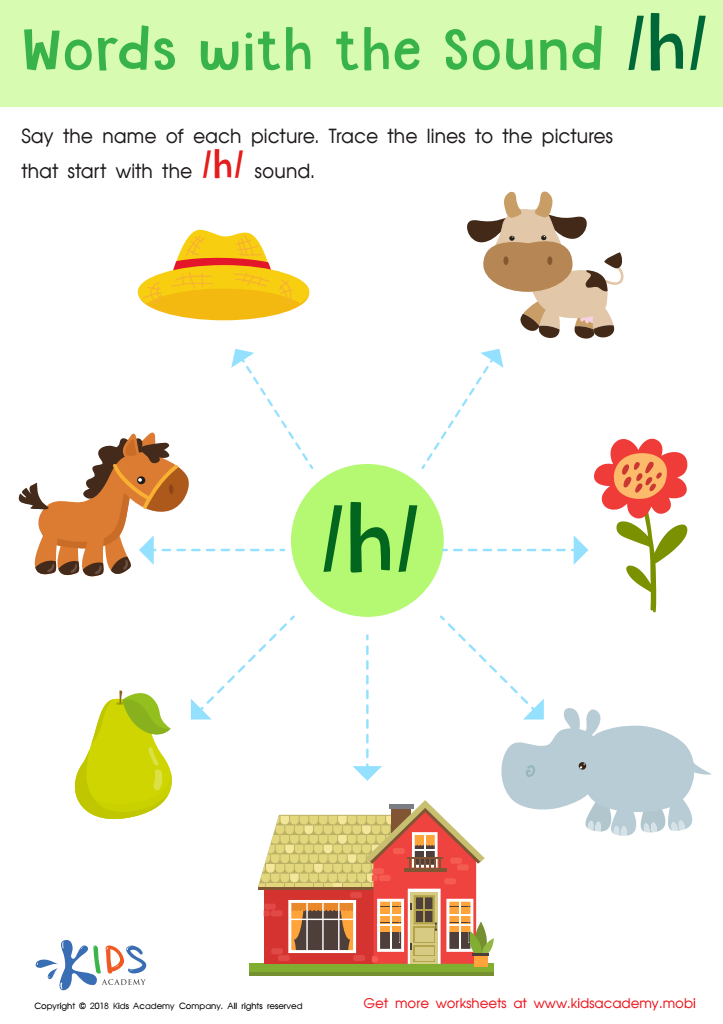
Words with sound h Reading Worksheet
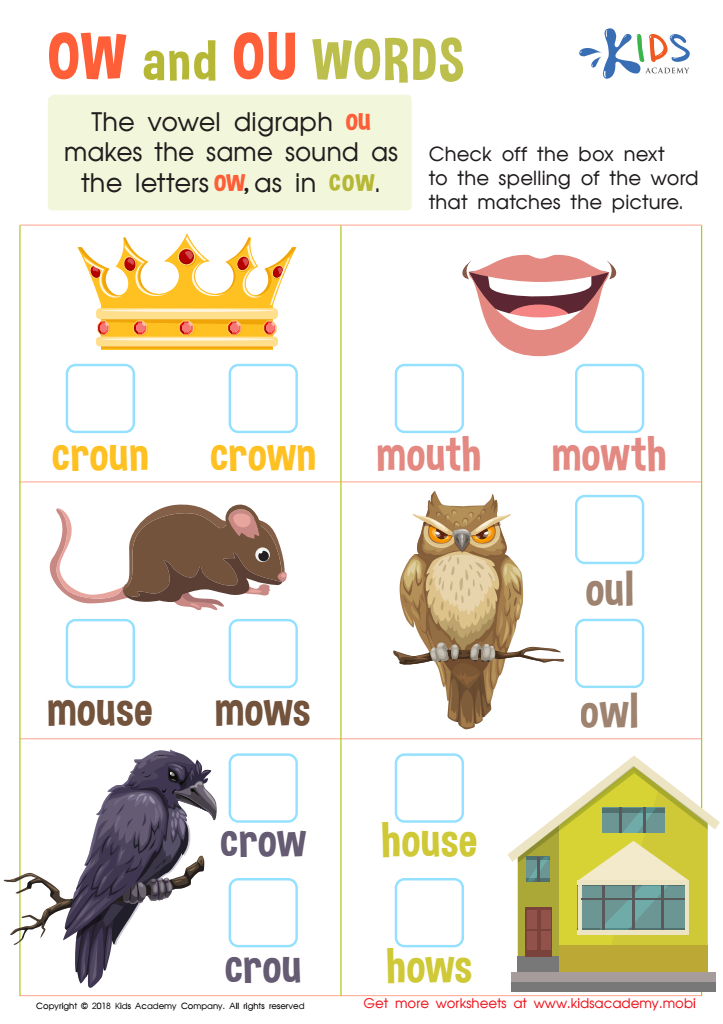
Reading: OW and OU Words Worksheet
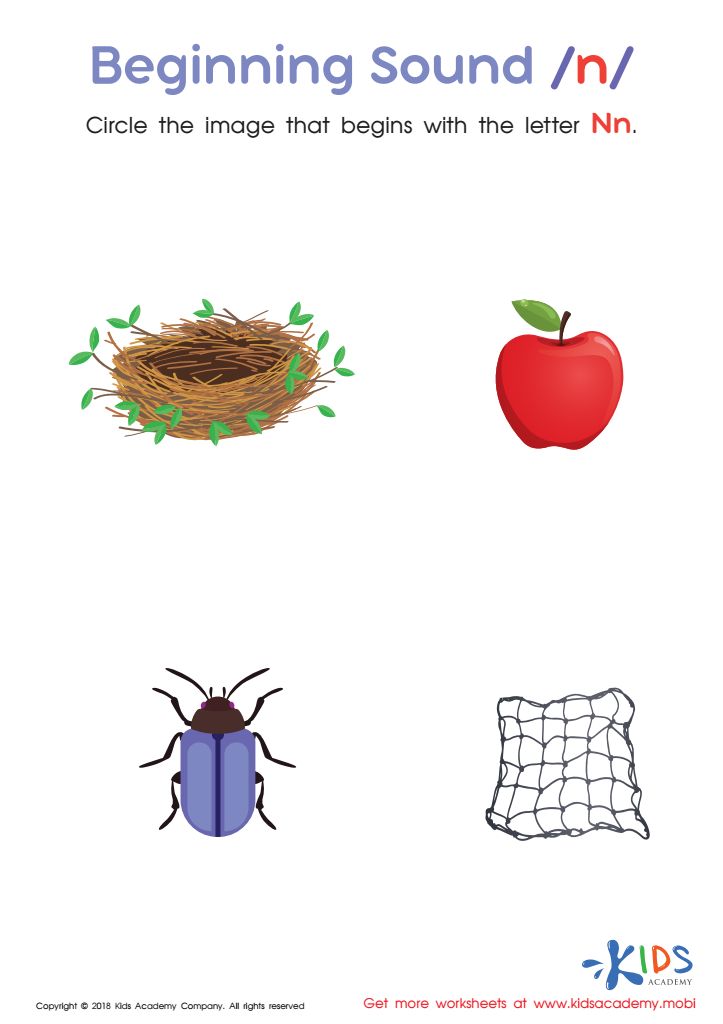
Beginning Sound «n» Worksheet
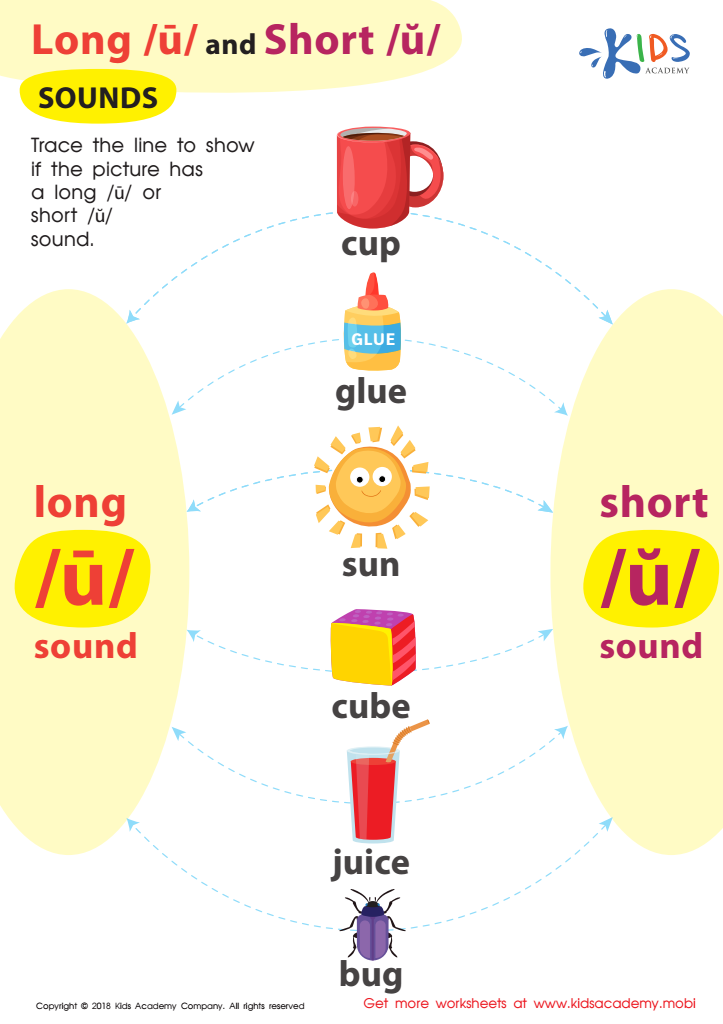
Reading: Long U and Short U Sounds Worksheet








Phonics skills are crucial for children aged 3-7 as they lay the foundation for successful reading and writing. Understanding phonics helps children decode words by linking sounds to letters and groups of letters. This skill is vital because it enhances their ability to recognize unfamiliar words, fostering greater confidence in their reading abilities.
Emerging literacy skills, developed through phonics, significantly affect students' overall academic success. Research shows that phonics instruction can improve literacy rates and promote a love for reading. In a world increasingly reliant on information processing, children with strong phonics skills can better navigate texts and emerge as effective communicators.
Moreover, early phonics instruction supports cognitive development by teaching children to analyze sounds, recognize patterns, and solve problems—all essential skills in learning and everyday life. As parents and teachers, investing time in phonics activities—like sound games, rhyming, and reading aloud—caters not only to literacy but also to critical thinking skills.
By prioritizing phonics, caregivers equip children with the necessary tools for lifelong learning, improving their prospects in school and beyond. Thus, recognizing its importance in early education serves not just the children, but society as a whole.







