Matching skills Worksheets for Ages 3-7
34 filtered results
-
From - To
Unlock your child's potential with our Matching Skills Worksheets designed for ages 3-7! These engaging and interactive worksheets help young learners develop vital cognitive abilities such as recognition, comparison, and critical thinking. Each worksheet is vibrant and stimulating, featuring captivating images and themes that keep children excited about learning. Perfect for parents and educators, these resources can be used for home practice or in the classroom to enhance early learning experiences. Start building your child's matching abilities today while fostering creativity and concentration. Discover the joy of learning through play with our expertly crafted worksheets!
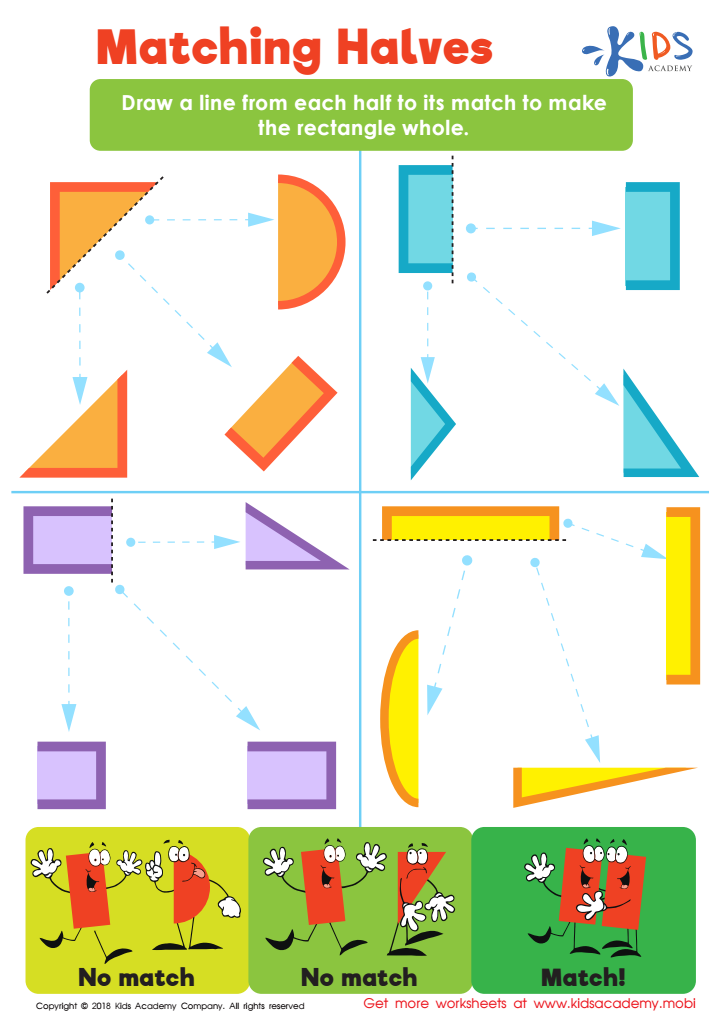
Matching Halves Worksheet
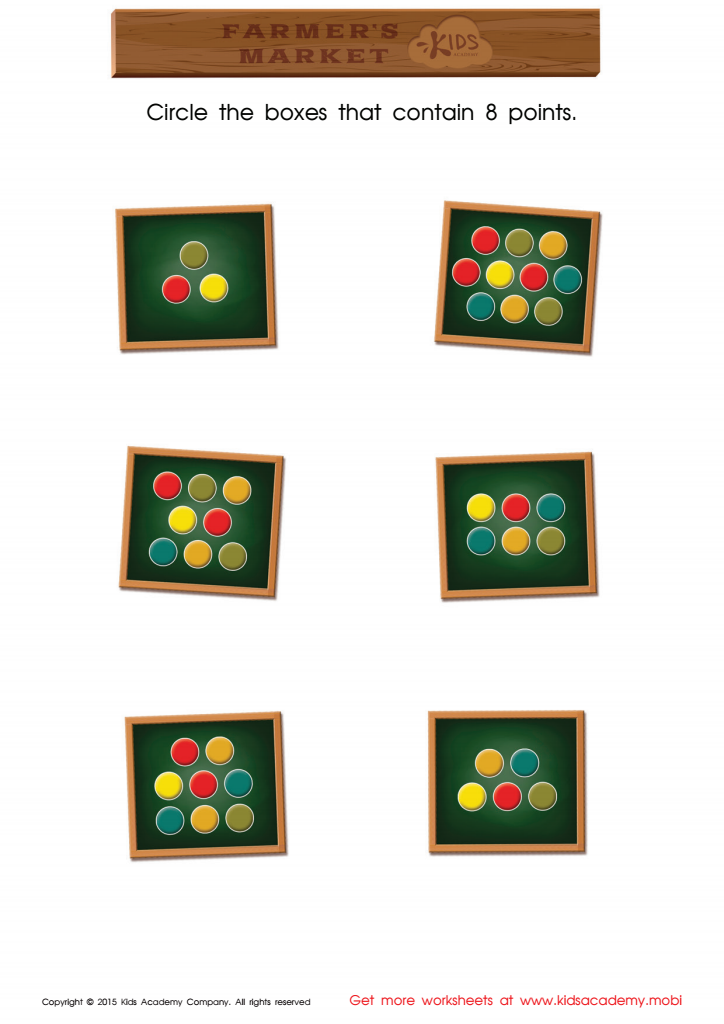
Count and Match Points 8 Math Worksheet
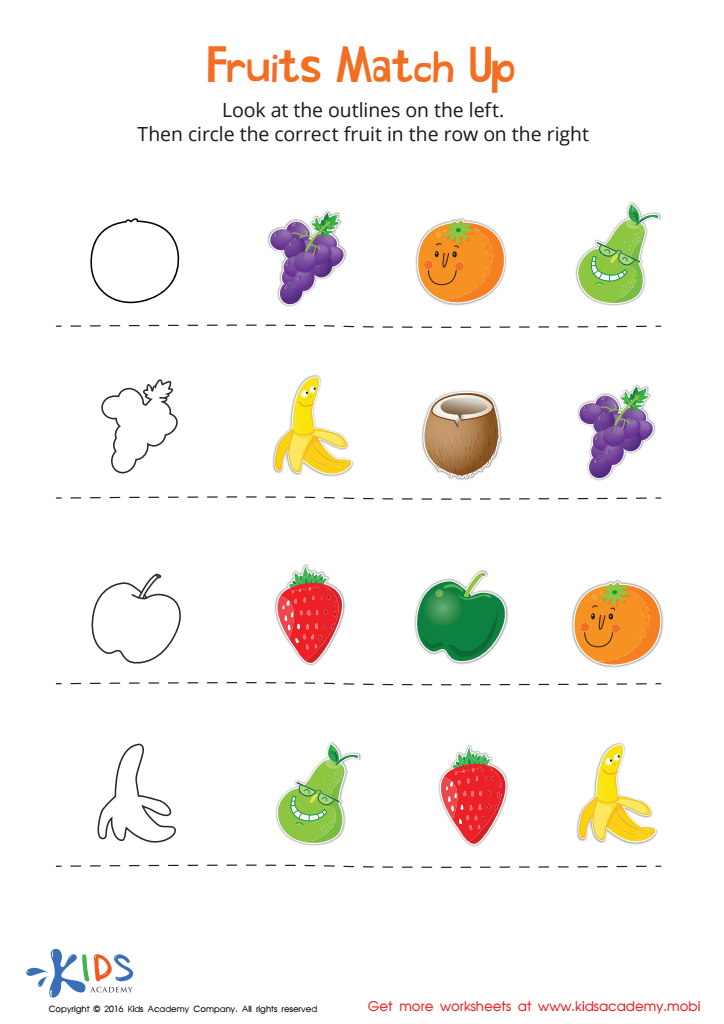
Fruits Match Up Worksheet
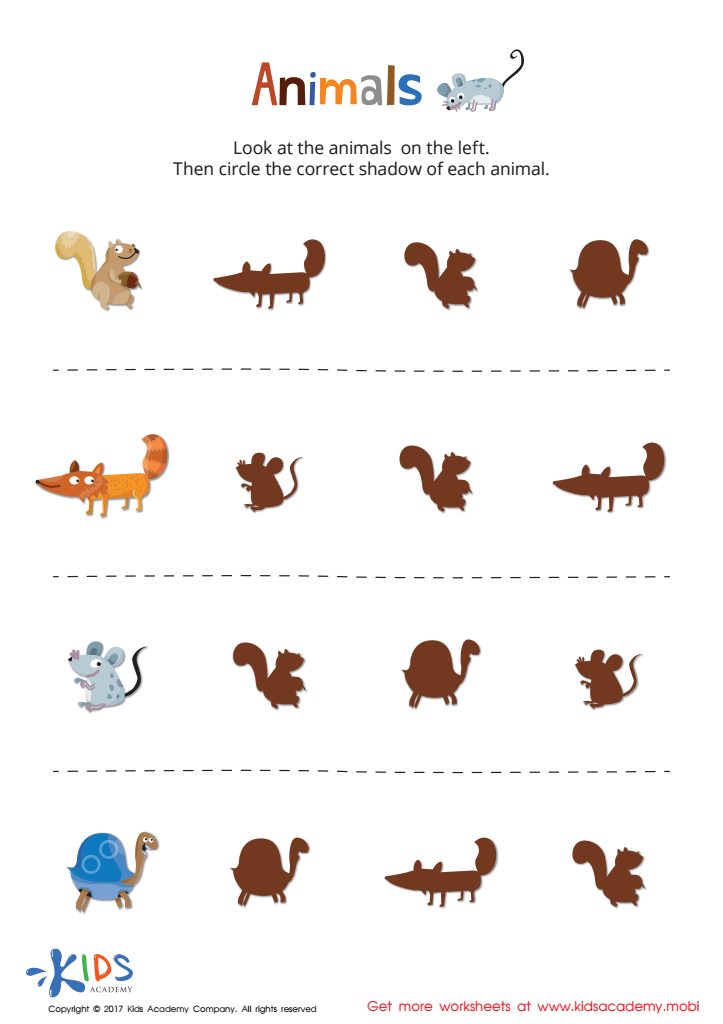
Animal Shadows Sorting Worksheet
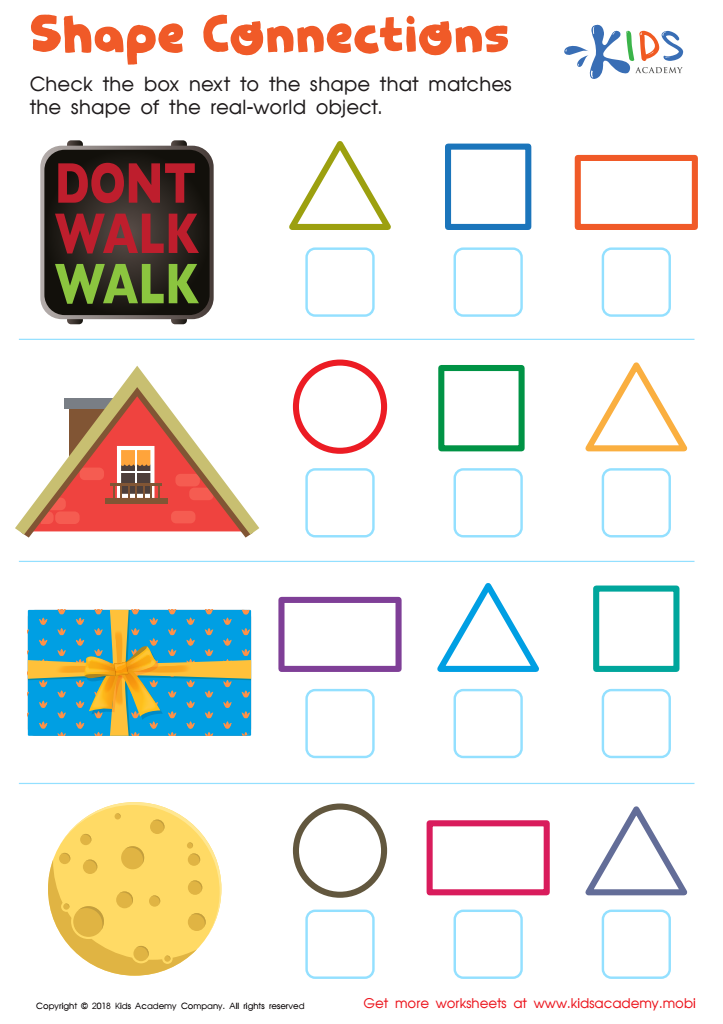
Shape Connections Worksheet
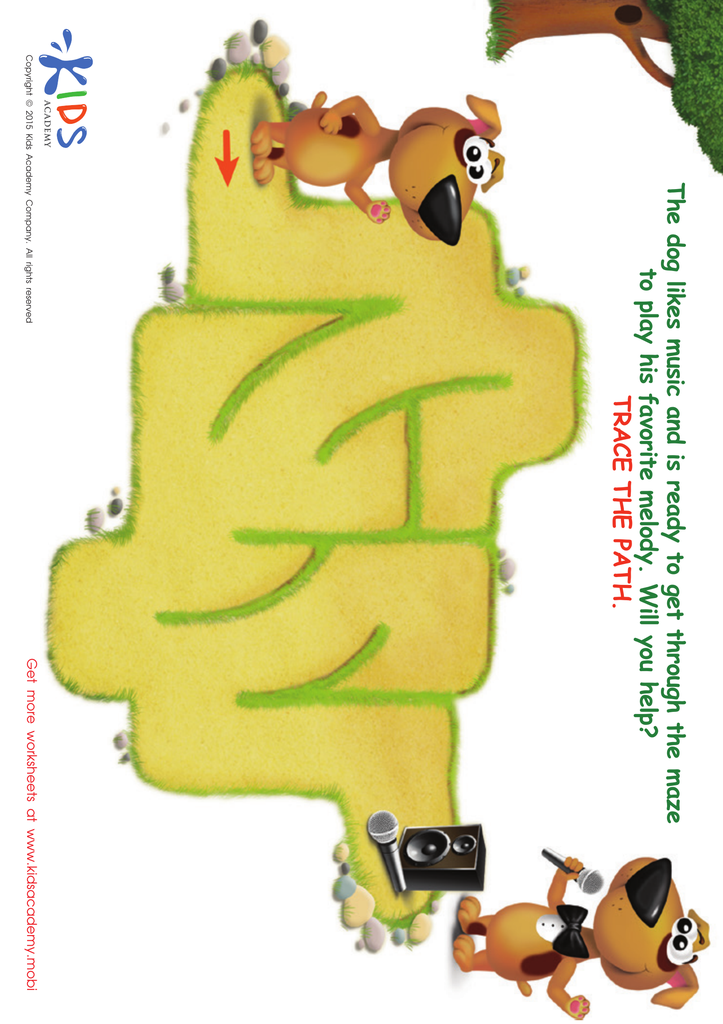
Singer Maze Worksheet
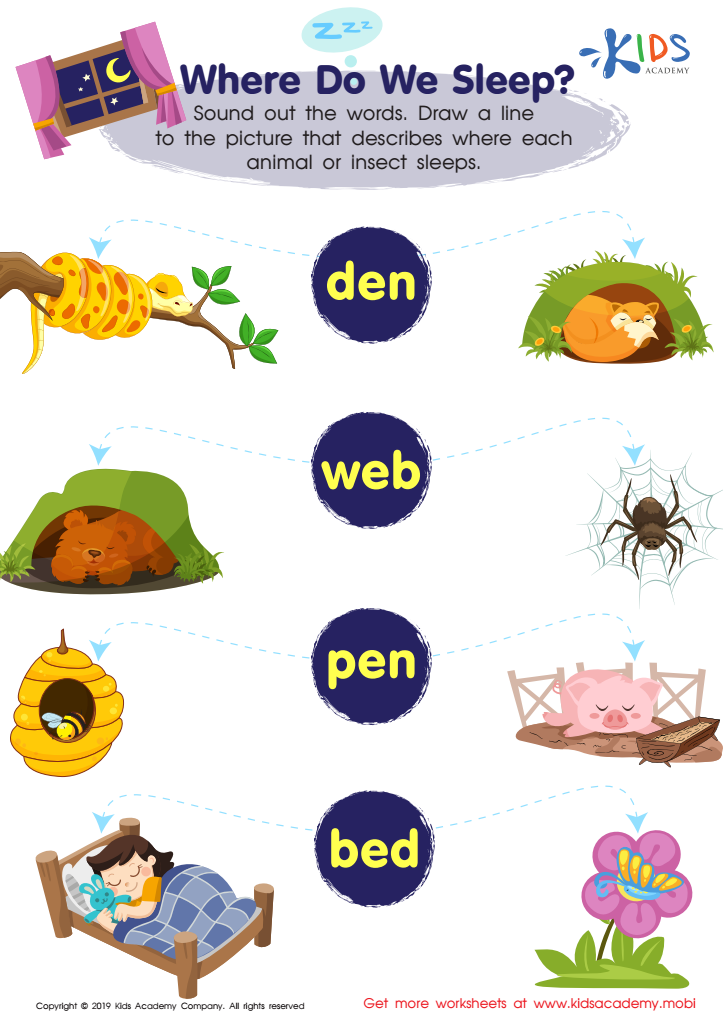
Where Do We Sleep Worksheet
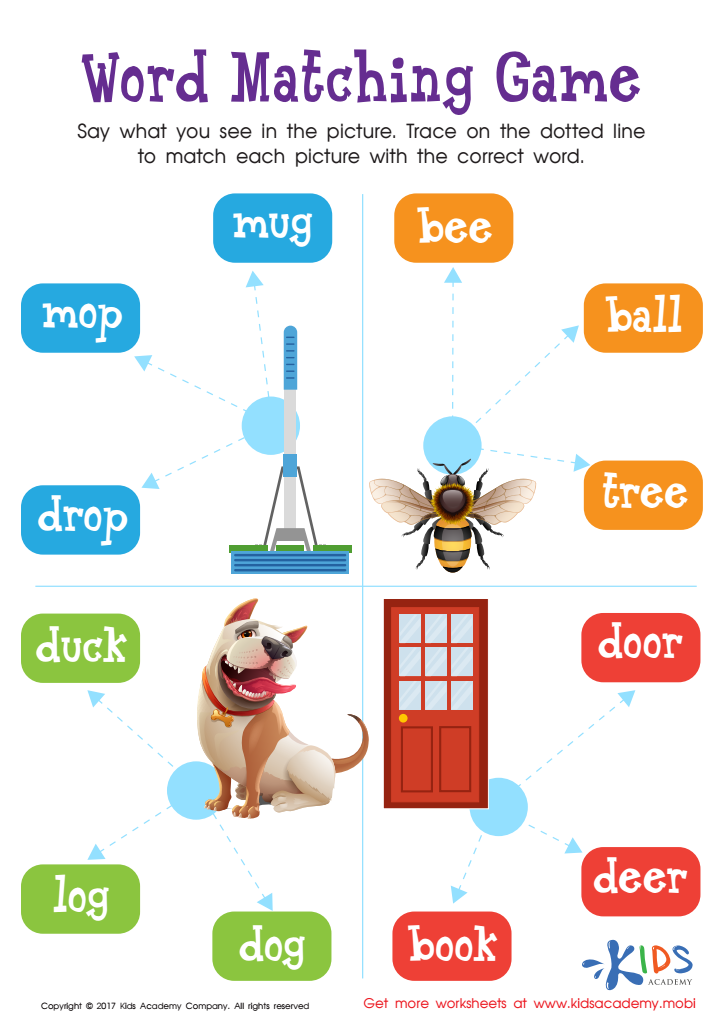
Word Matching Game Worksheet
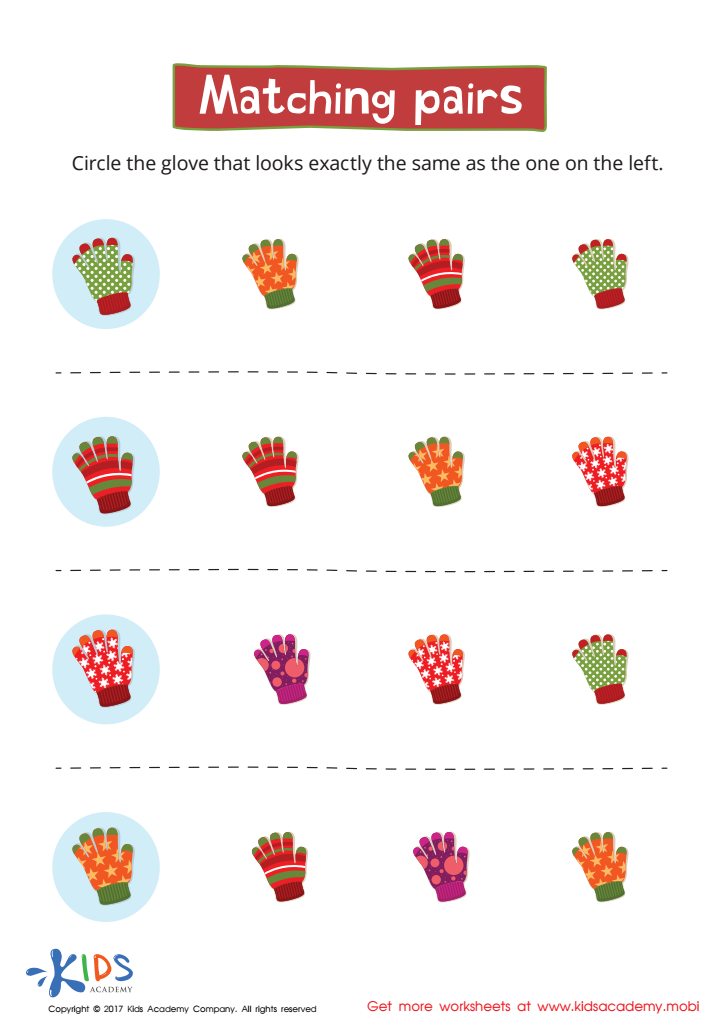
Matching: Matching Pairs Worksheet
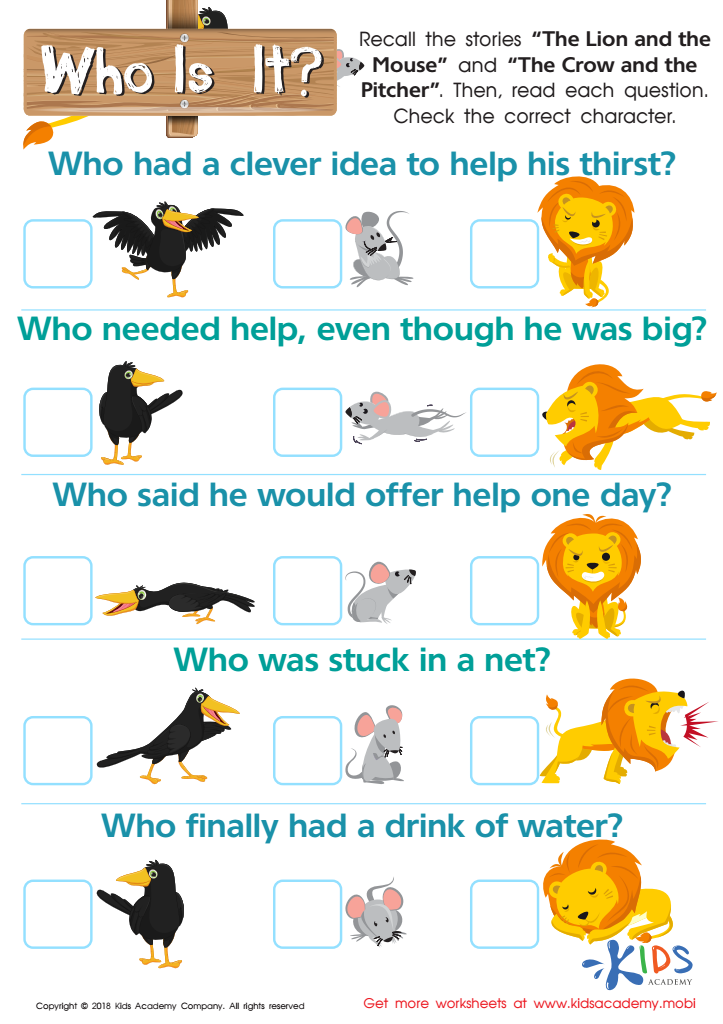
Who Is It? Worksheet
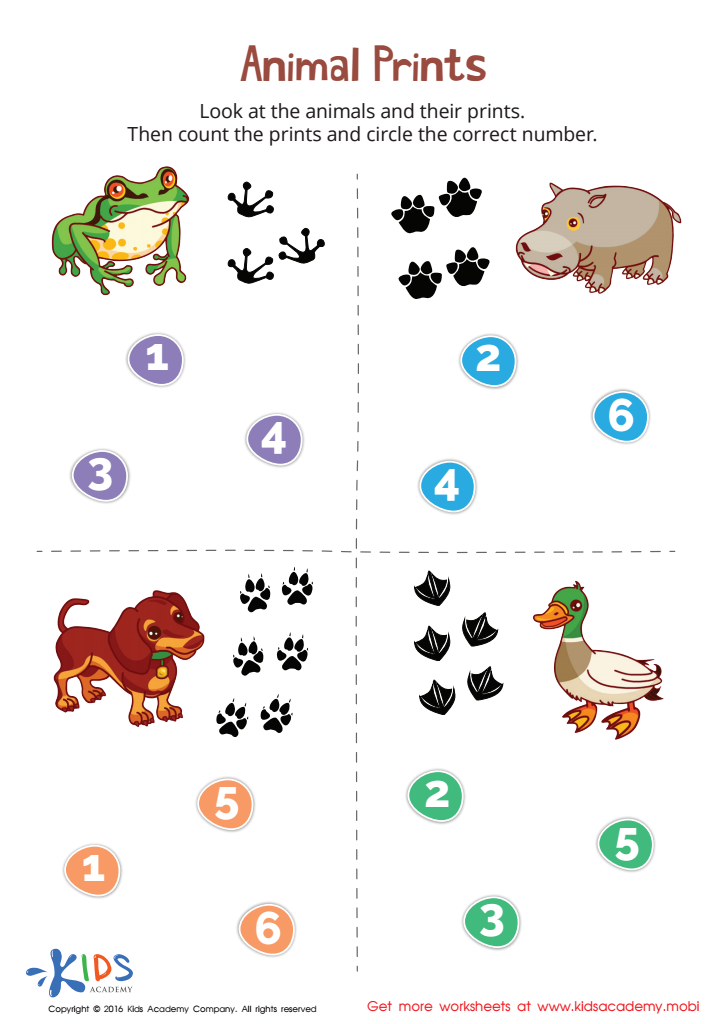
Animal Prints Match-Up Worksheet
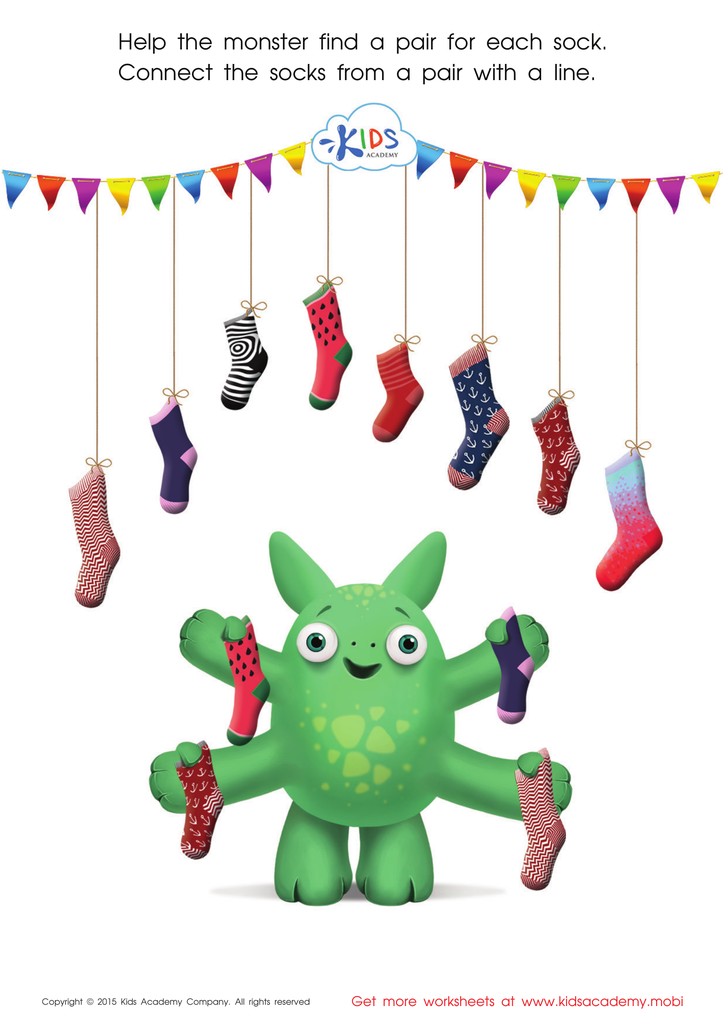
Math Matching Game: Monsterв's Socks Worksheet
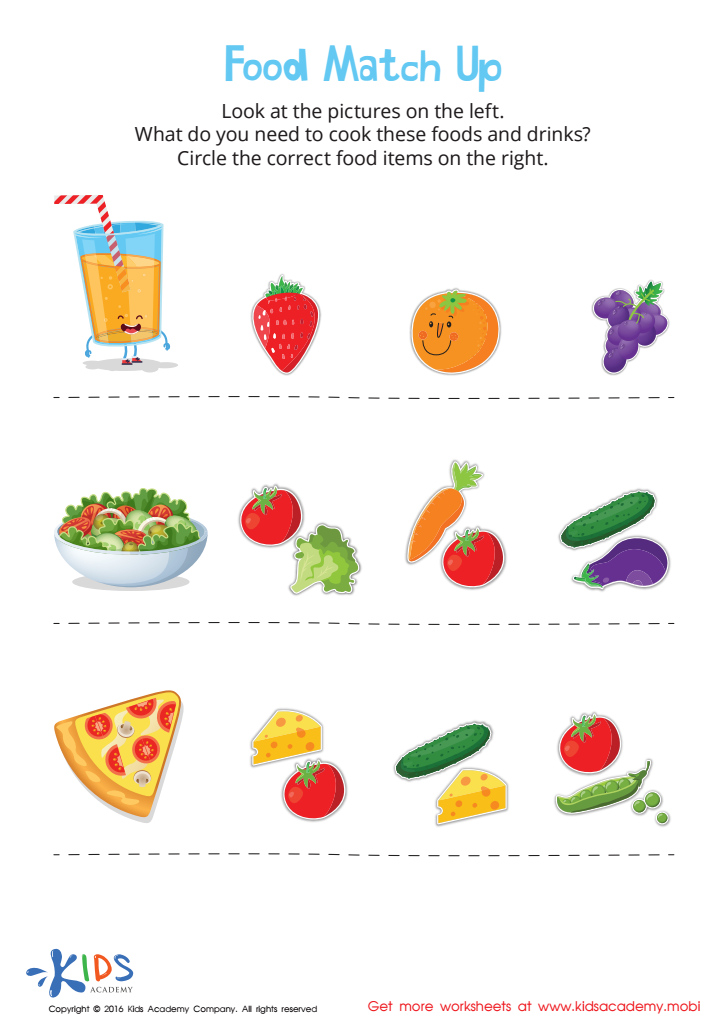
Food Match Up Worksheet
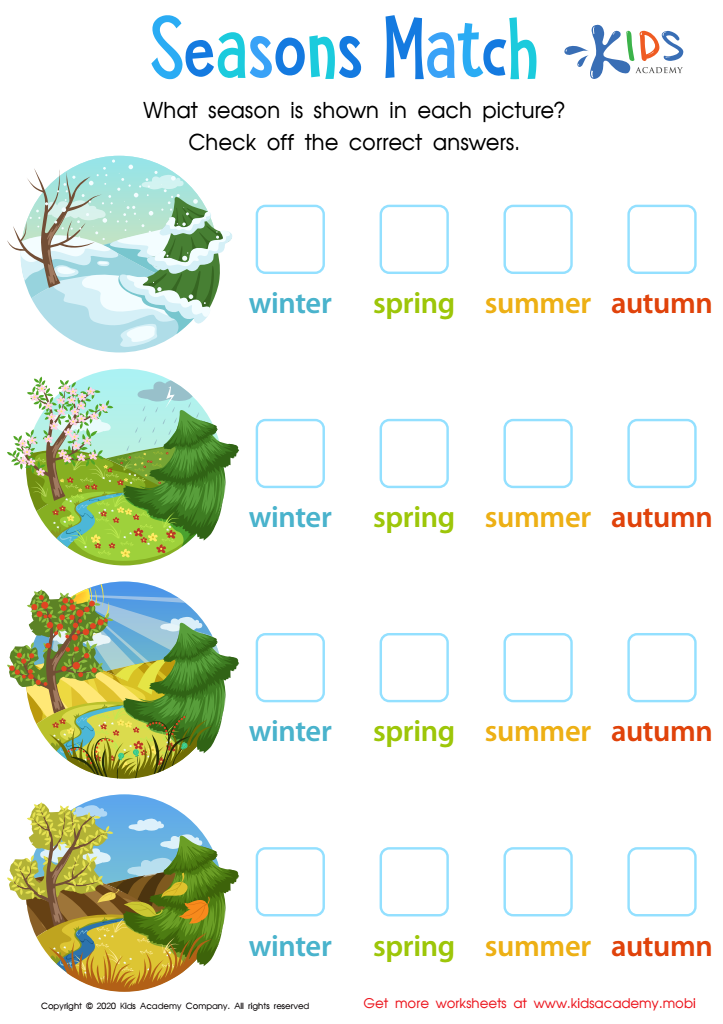
Seasons Match Worksheet
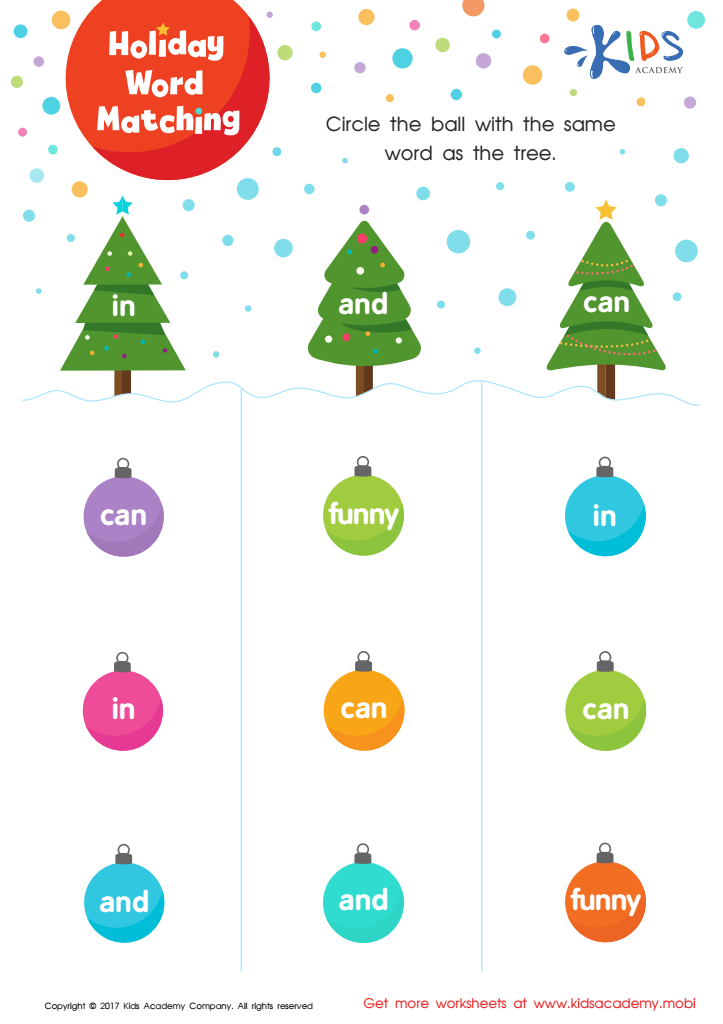
Holiday Word Matching Worksheet
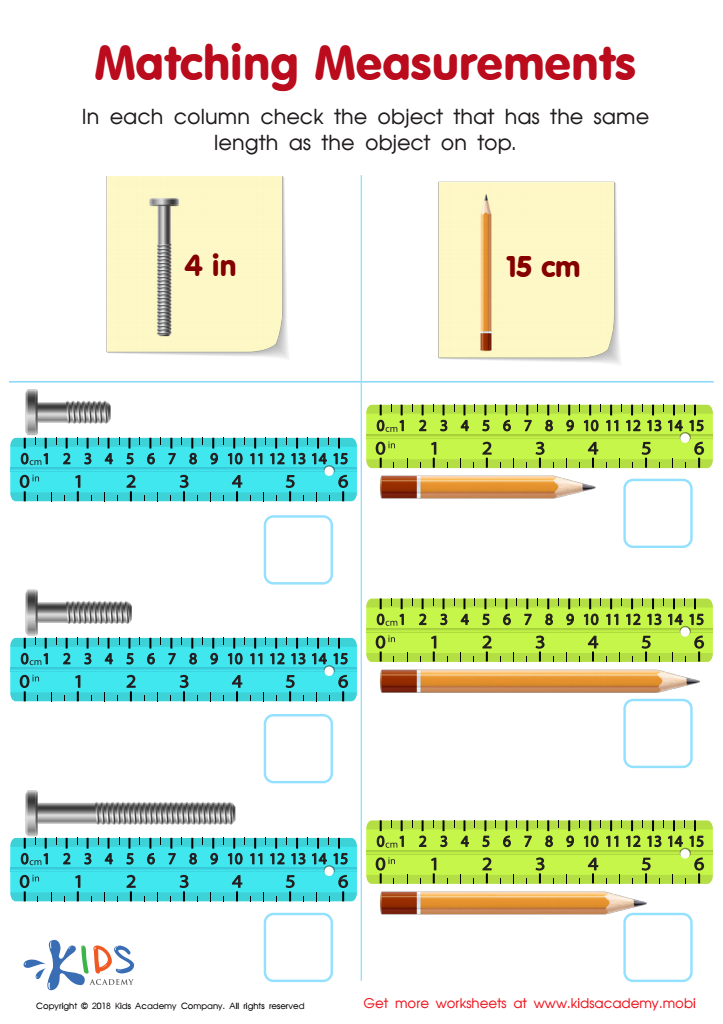
Matching Measurements Worksheet
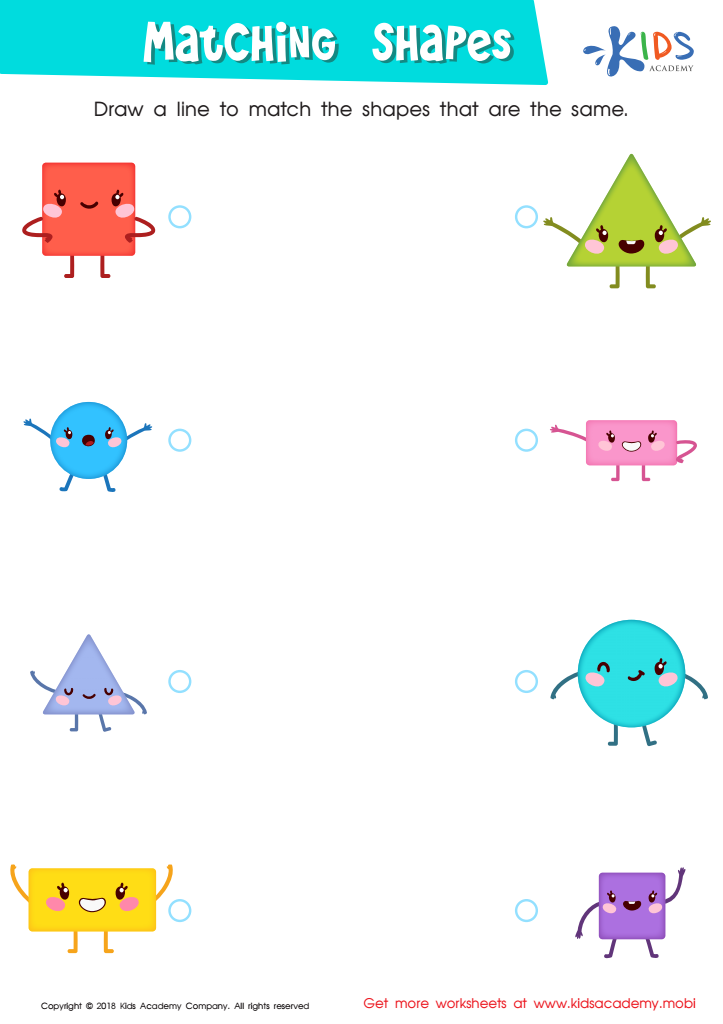
Matching Shapes Worksheet
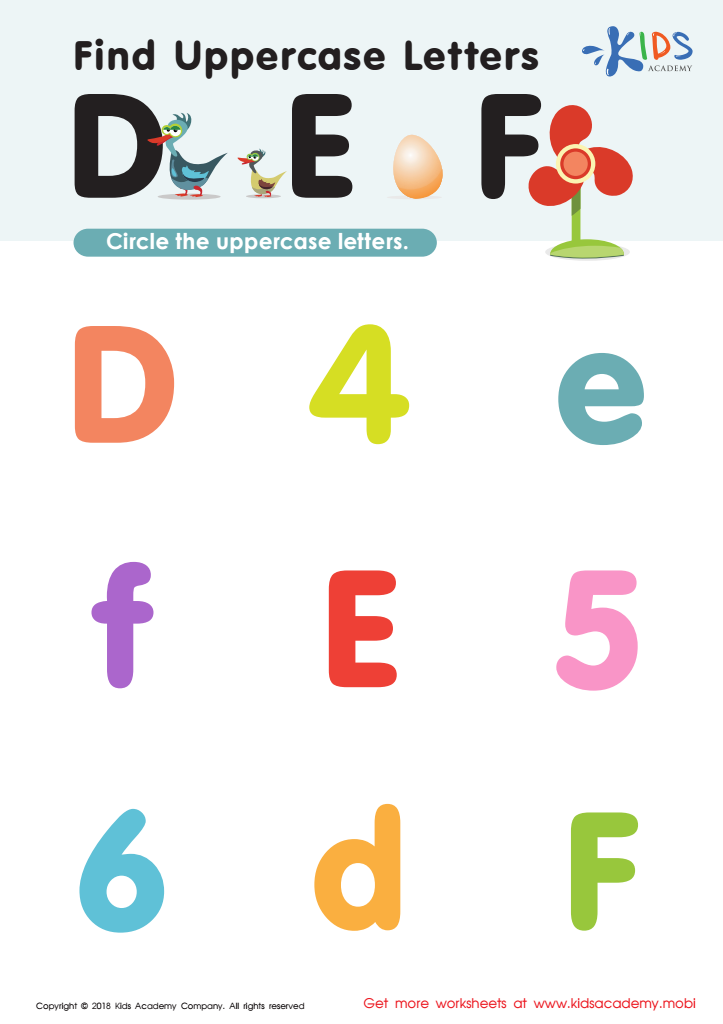
Find Uppercase Letters D, E, and F Worksheet
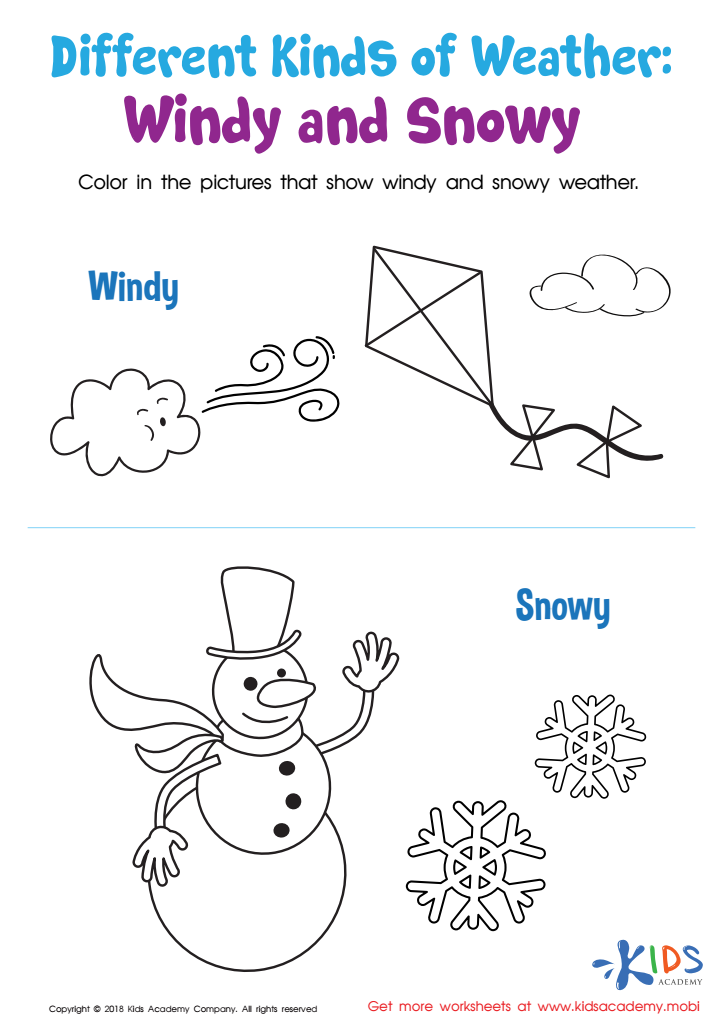
Different Kinds of Weather: Windy and Snowy Worksheet
 Assign to My Students
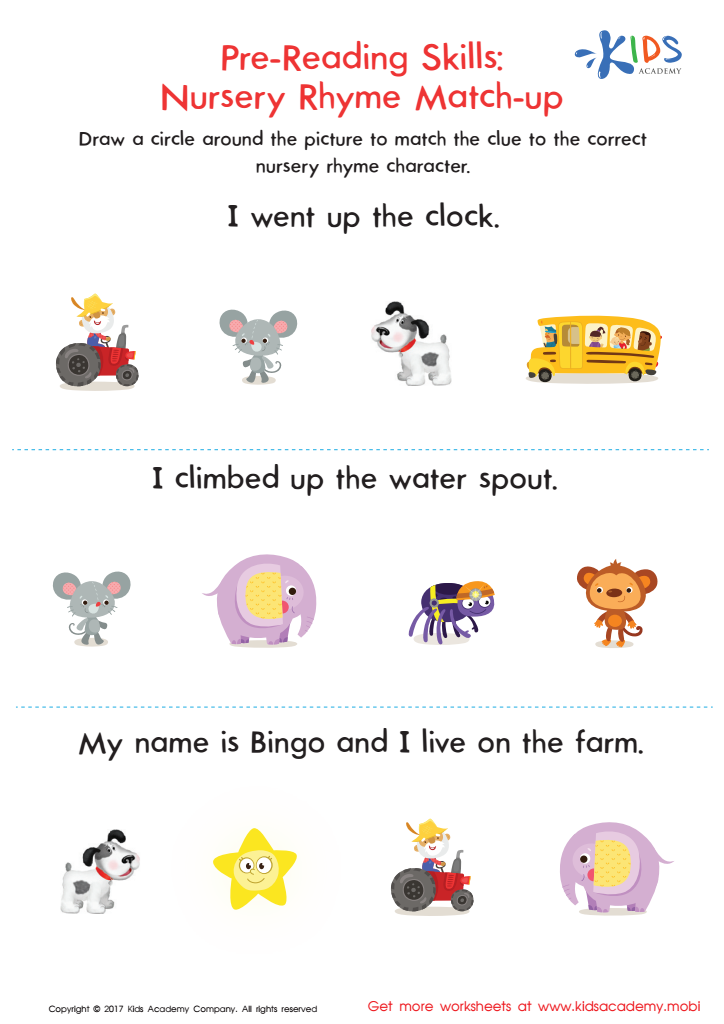
Nursery Rhyme Match–Up Worksheet



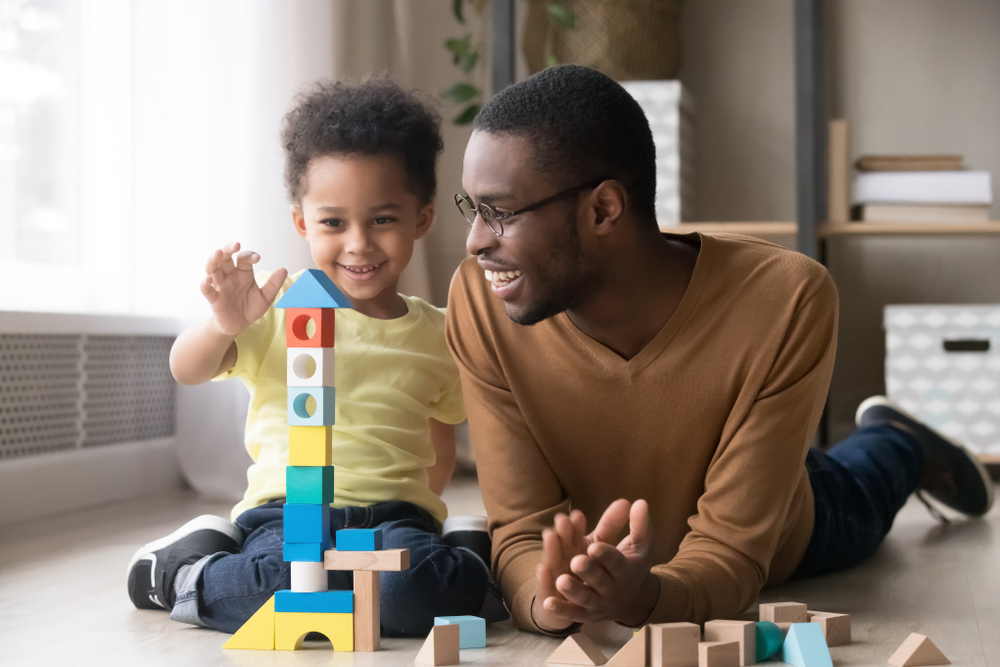

Matching skills are fundamental cognitive abilities that significantly contribute to early childhood development for children ages 3 to 7. These skills not only lay the groundwork for more complex learning but also enhance critical thinking and problem-solving abilities, which are essential lifelong skills.
When parents and teachers focus on developing matching skills, they engage children in helping them recognize similarities and differences between objects, shapes, colors, and patterns. This process aids in strengthening their visual discrimination abilities and enhances memory.
Practicing matching skills also promotes language development, as children learn to articulate their reasoning and describe attributes, which boosts vocabulary growth. Furthermore, these activities encourage social interaction, as children often work in pairs or groups to match items, fostering collaboration and communication abilities.
By nurturing these skills, parents and teachers promote readiness for school and boost children's confidence in their learning journey. Encouraging matching activities through games and interactive play helps create a stimulating environment where children can thrive intellectually and socially. Ultimately, such foundational skills can contribute significantly to academic success, making it essential for educators and caregivers to prioritize matching skills in early education.








