Subtraction practice Worksheets for Ages 3-7
95 filtered results
-
From - To
Discover our engaging subtraction practice worksheets designed specifically for children aged 3-7! These fun and interactive resources help young learners develop essential math skills through a variety of activities, including visual aids, colorful illustrations, and hands-on exercises. Our worksheets nurture early arithmetic foundations while making learning enjoyable and accessible. Perfect for home schooling or classroom settings, they are crafted to cater to different learning styles and levels of readiness. Encourage your child's confidence and independent thinking as they practice subtraction in imaginative ways. Explore our extensive collection and transform math practice into an exciting adventure today!
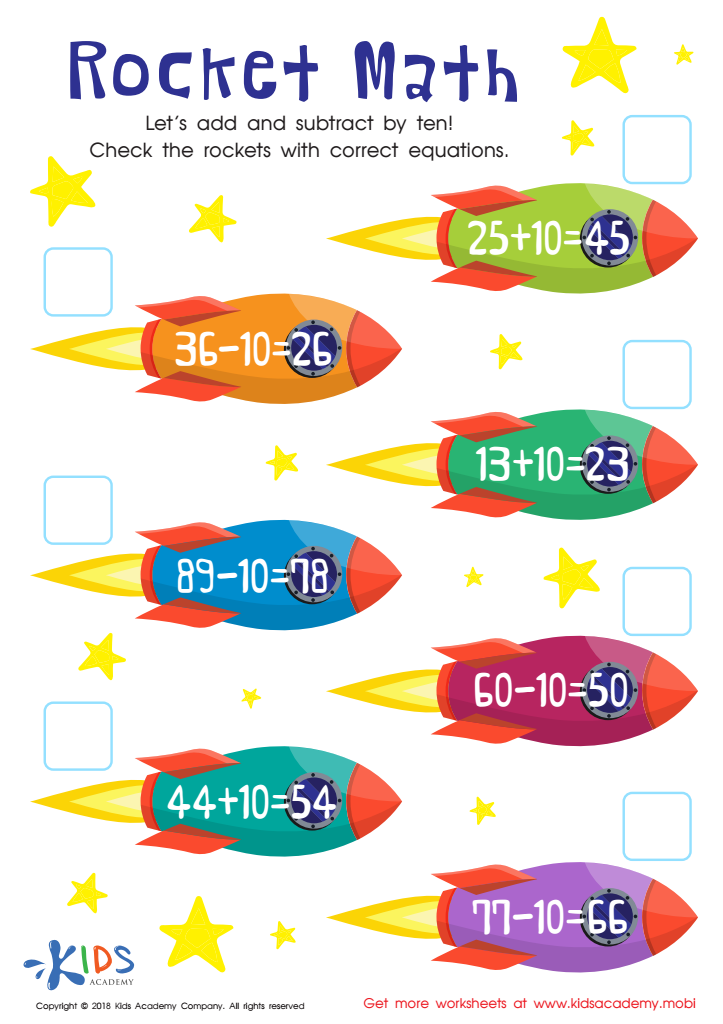
Rocket Math Worksheet
 Assign to My Students
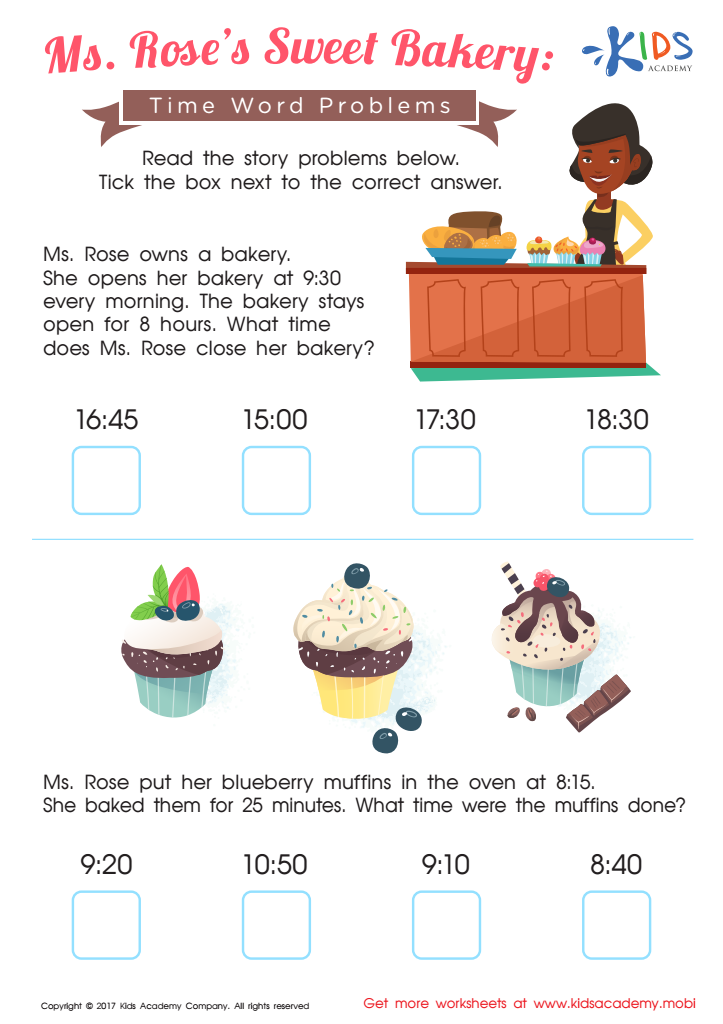
Ms. Roseв's Sweet Bakery Time Worksheet
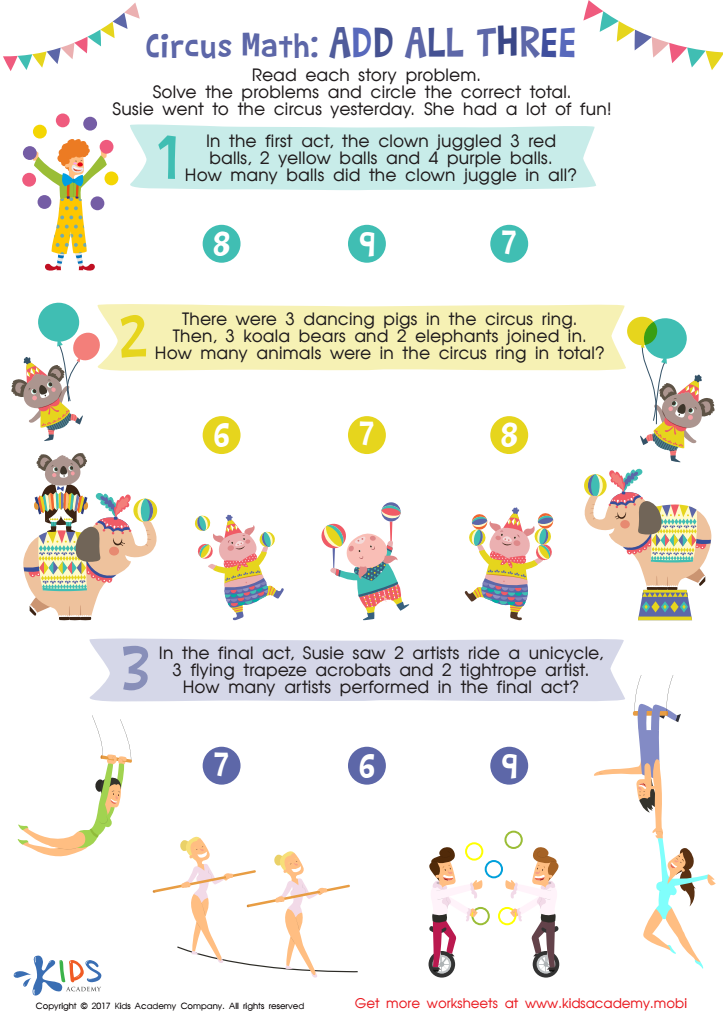
Circus Math Printable
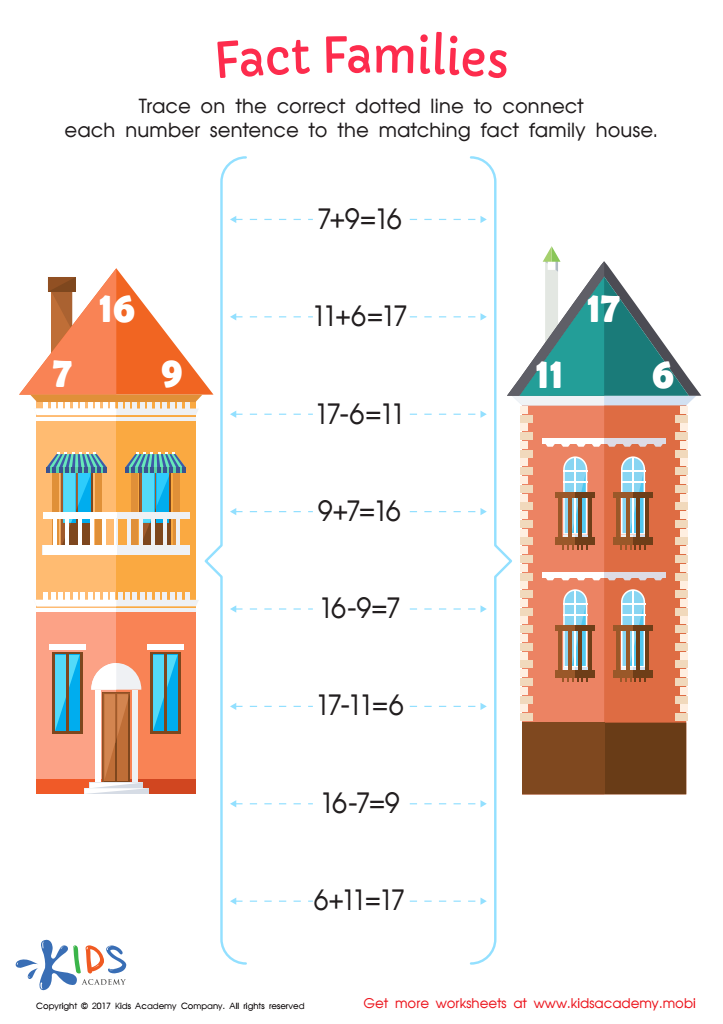
Fact Families — Add and Subtract Worksheet
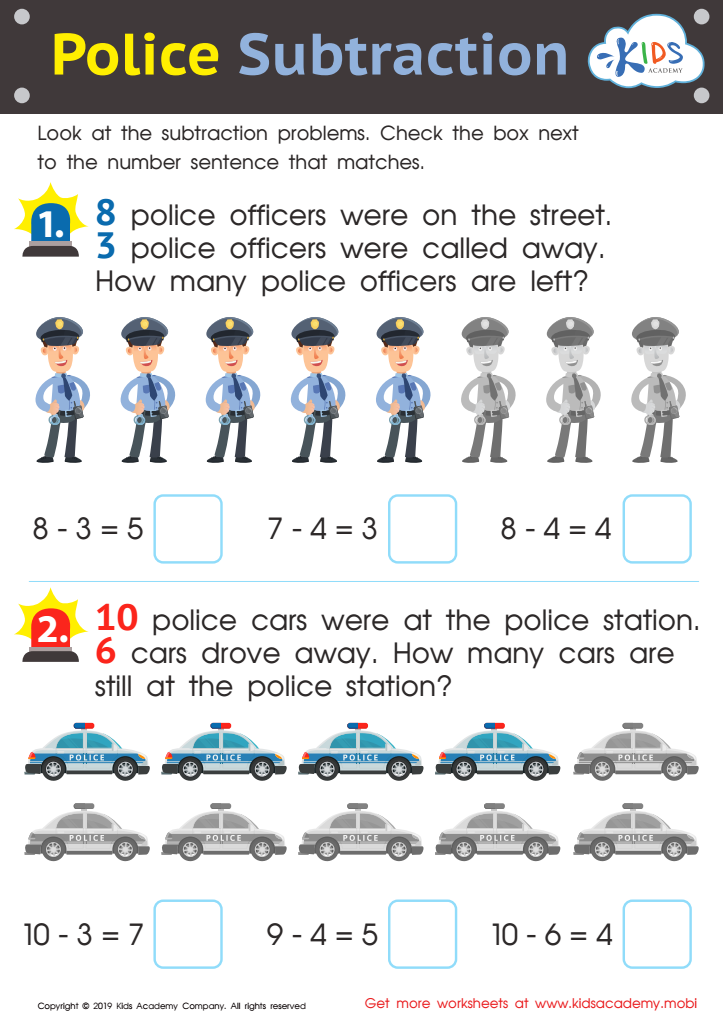
Police Subtraction Worksheet
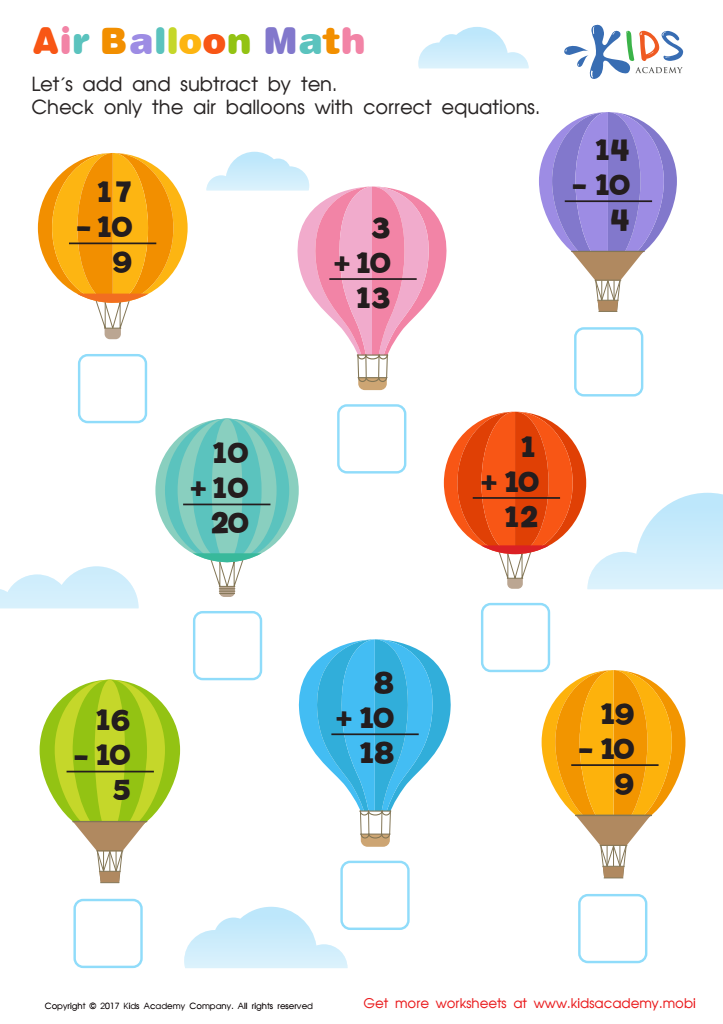
Air Balloon Math Worksheet
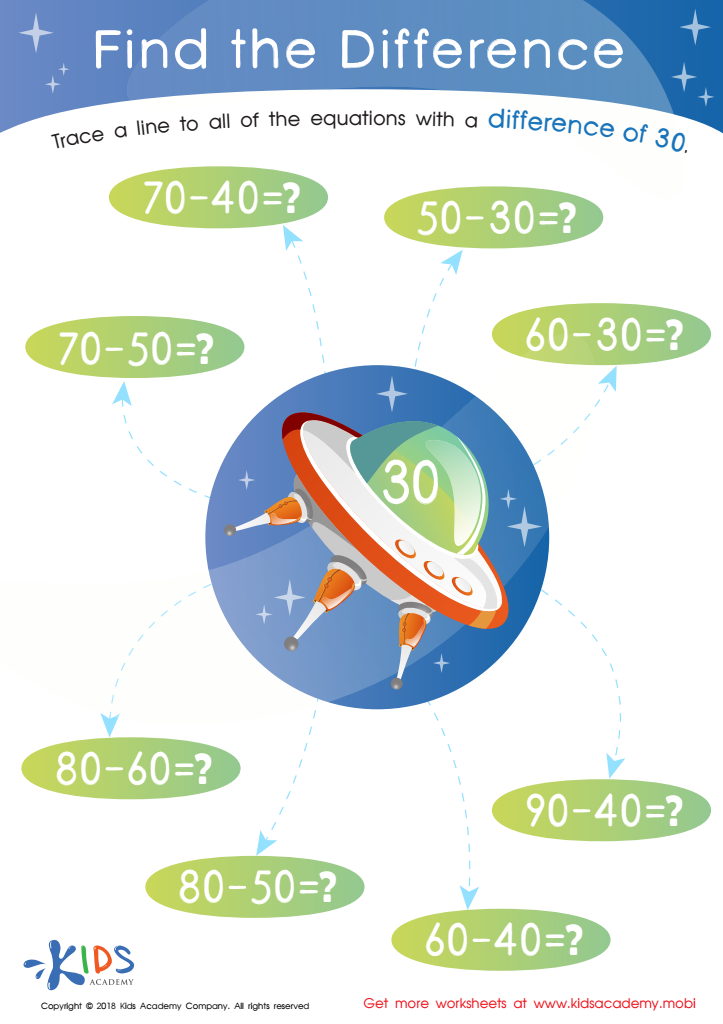
Find The Difference Worksheet
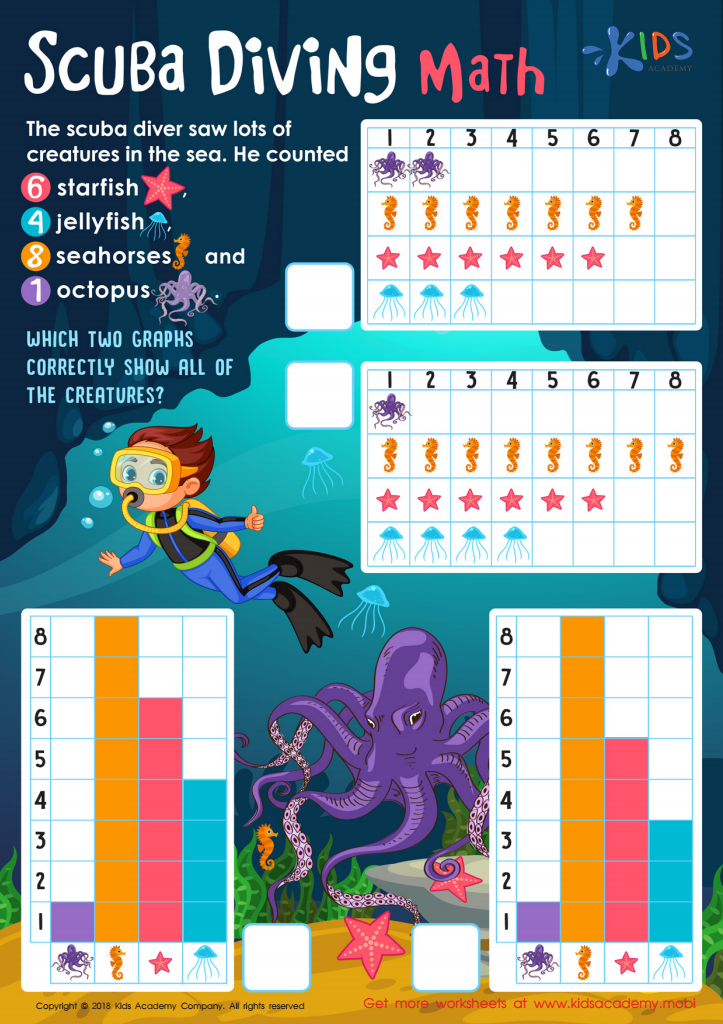
Scuba Diving Math Worksheet
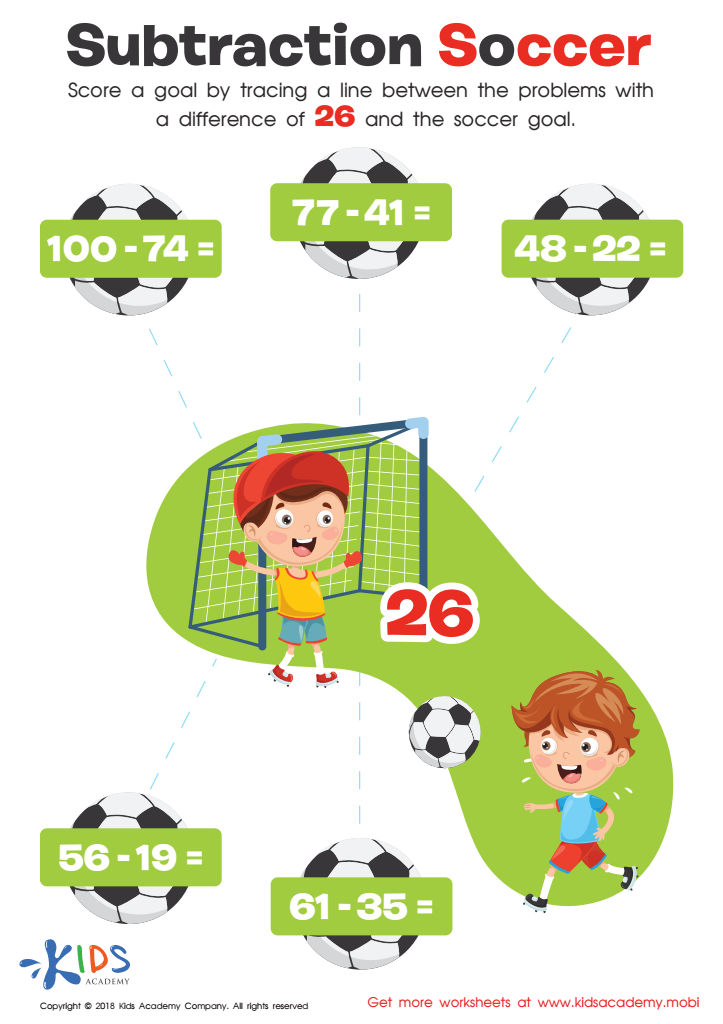
Subtraction Soccer Worksheet
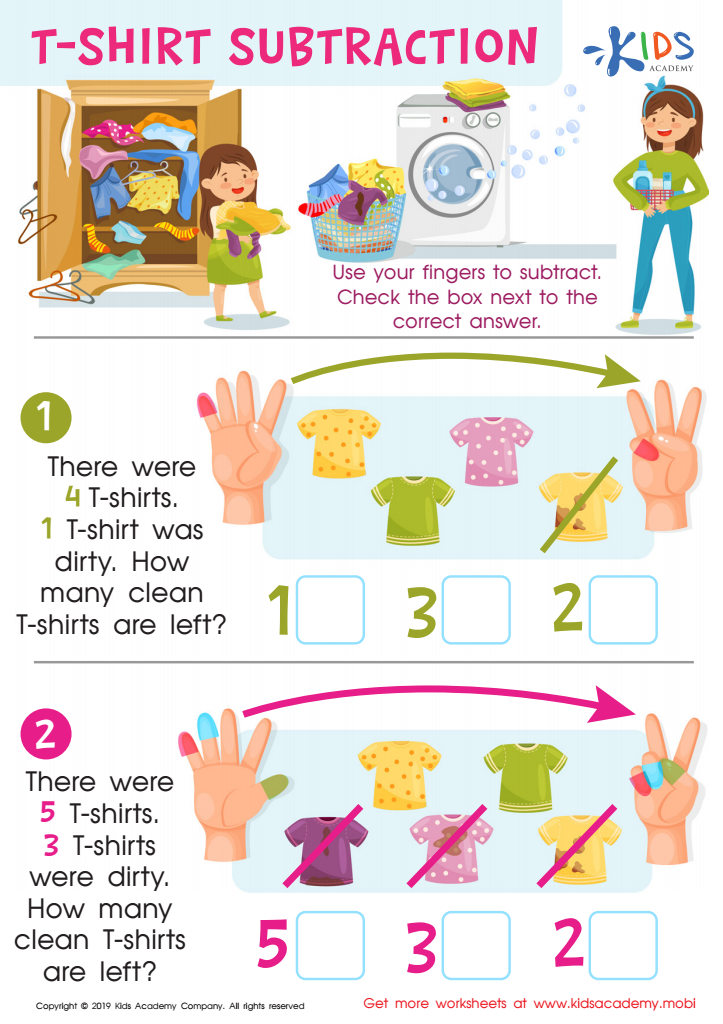
T-shirt Subtraction Worksheet
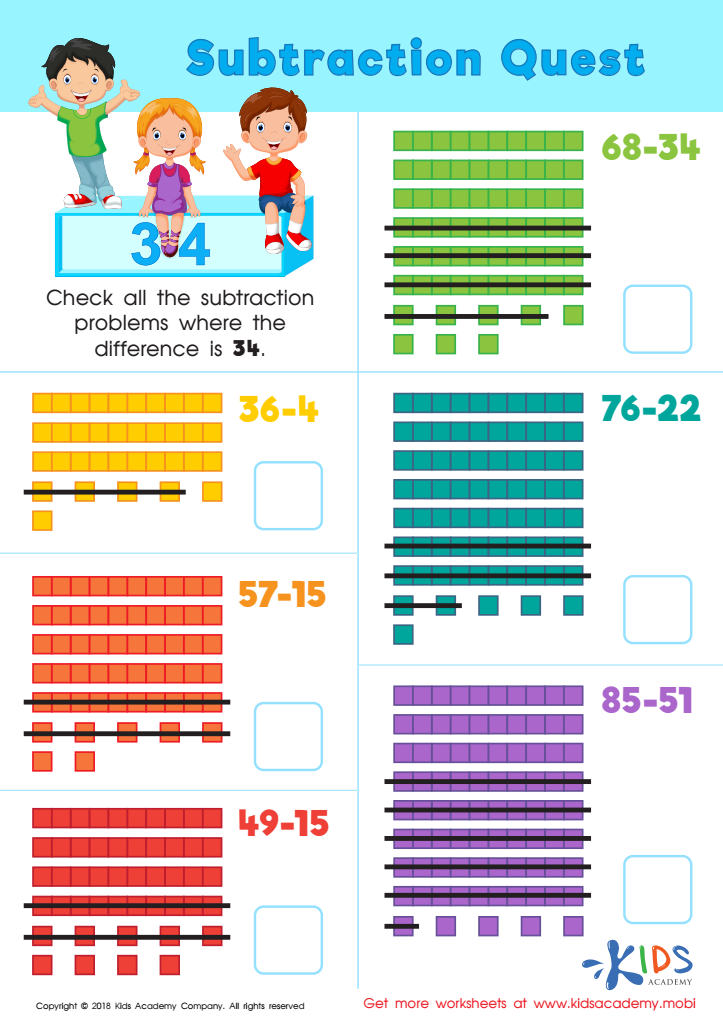
Subtraction Quest Worksheet
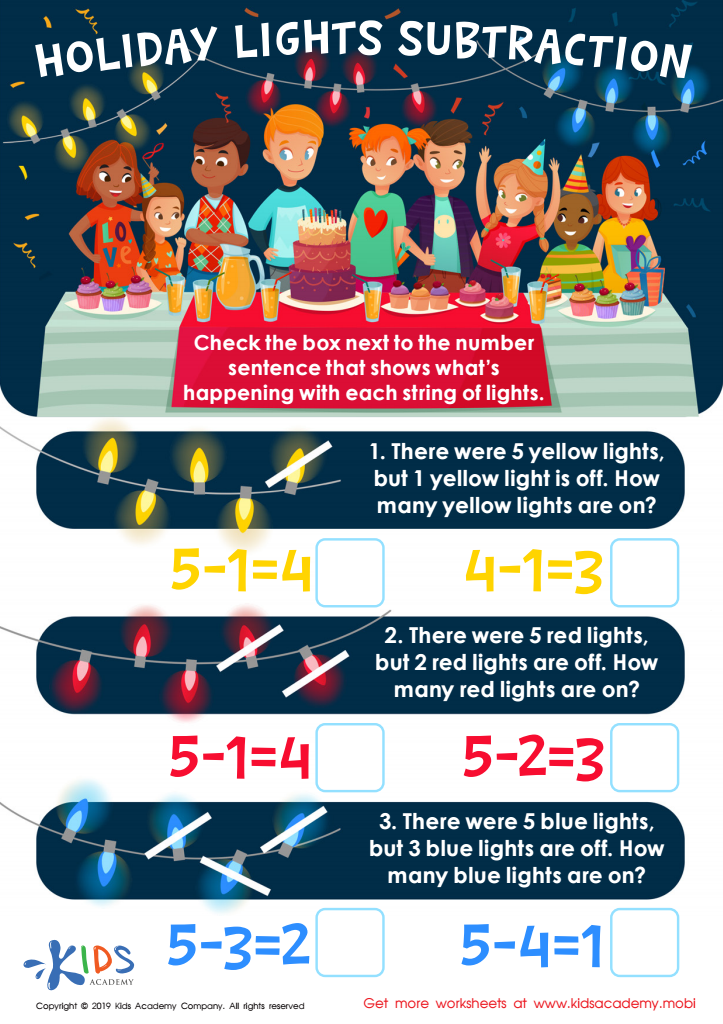
Holiday Lights Subtraction Worksheet
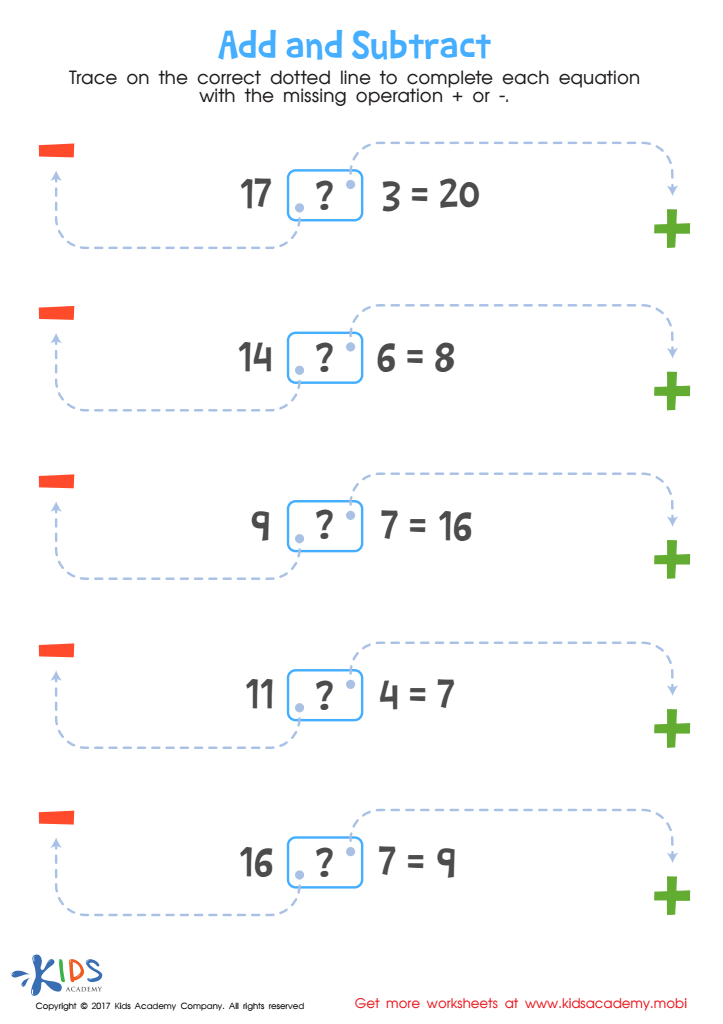
Add and Subtract Worksheet
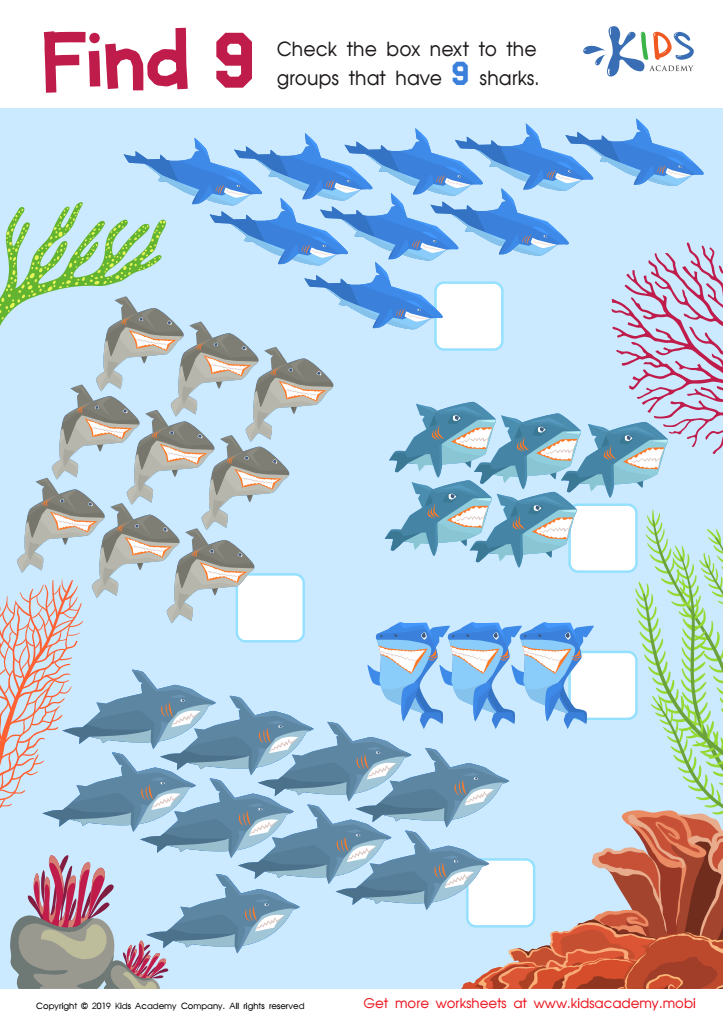
Find 9 Worksheet
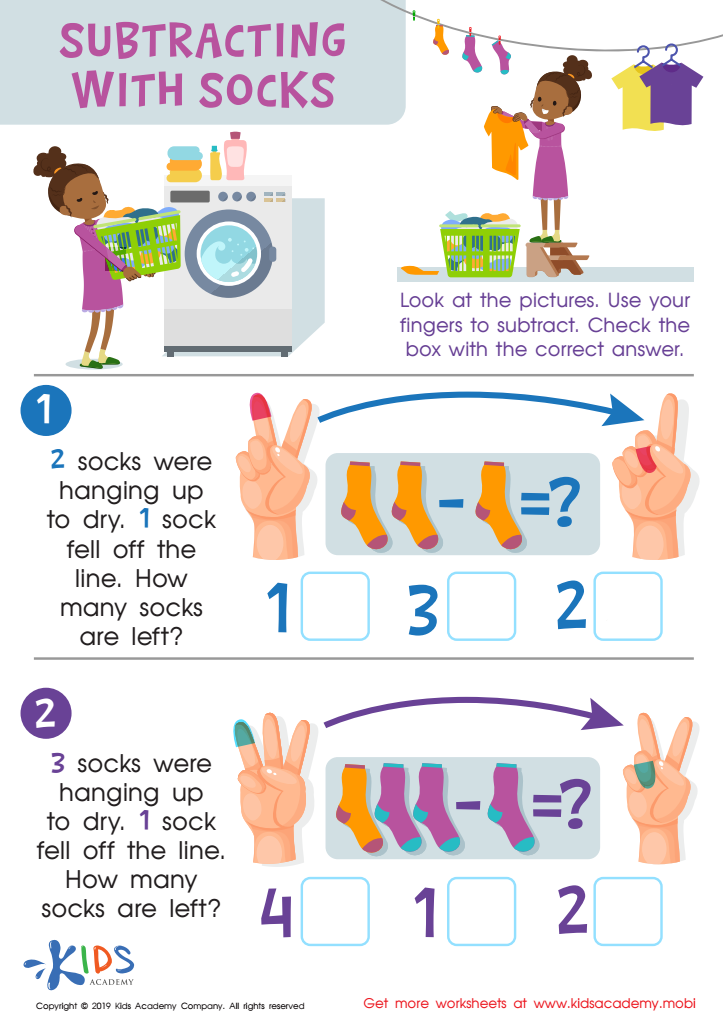
Subtracting Socks Worksheet
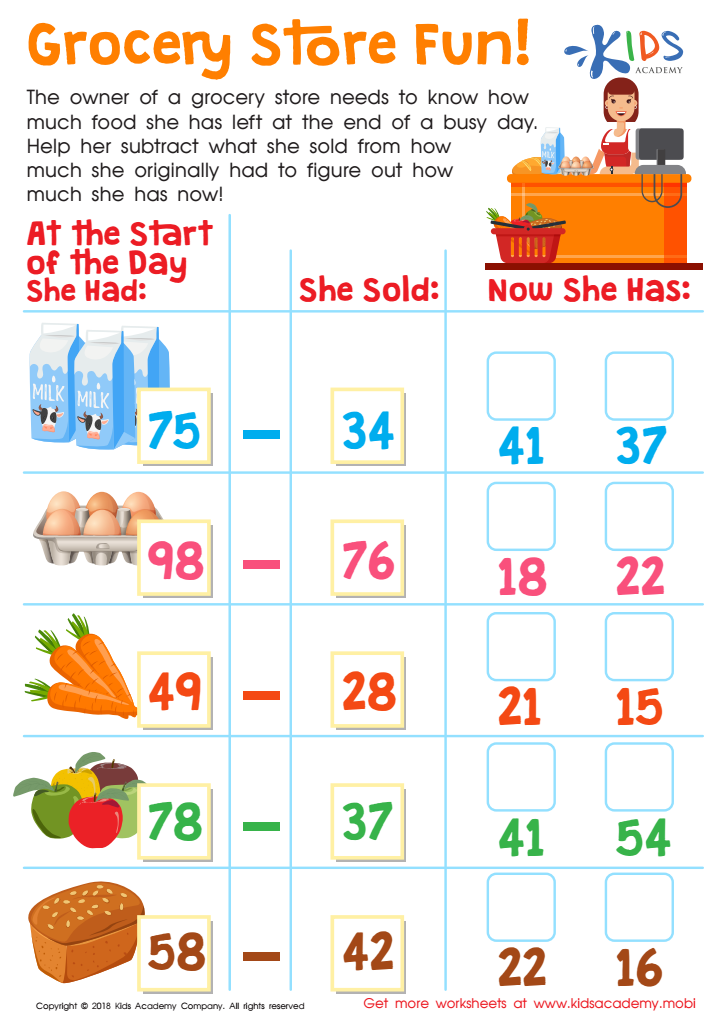
Grocery Store Fun! Worksheet
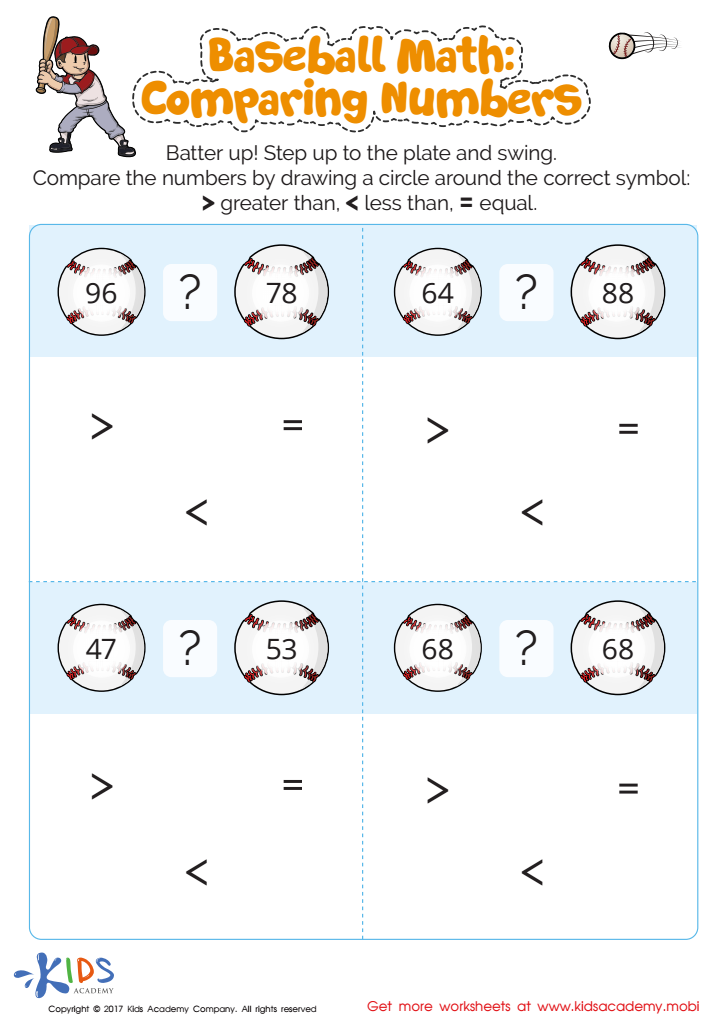
Compare Numbers Printable
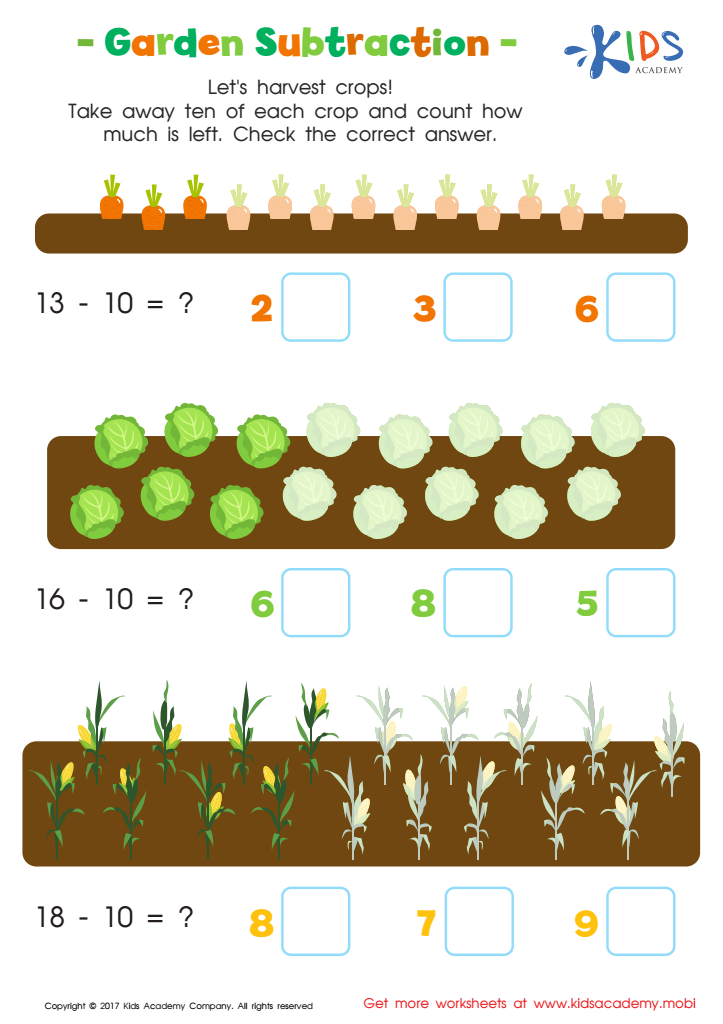
Garden Subtraction Worksheet
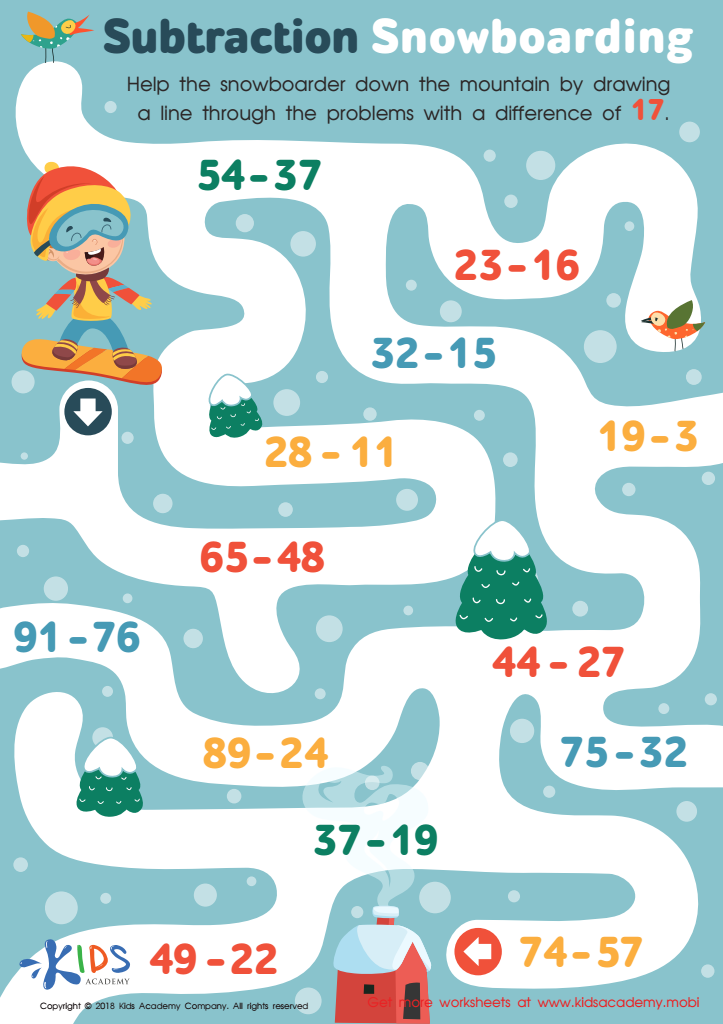
Subtraction Snowboarding Worksheet
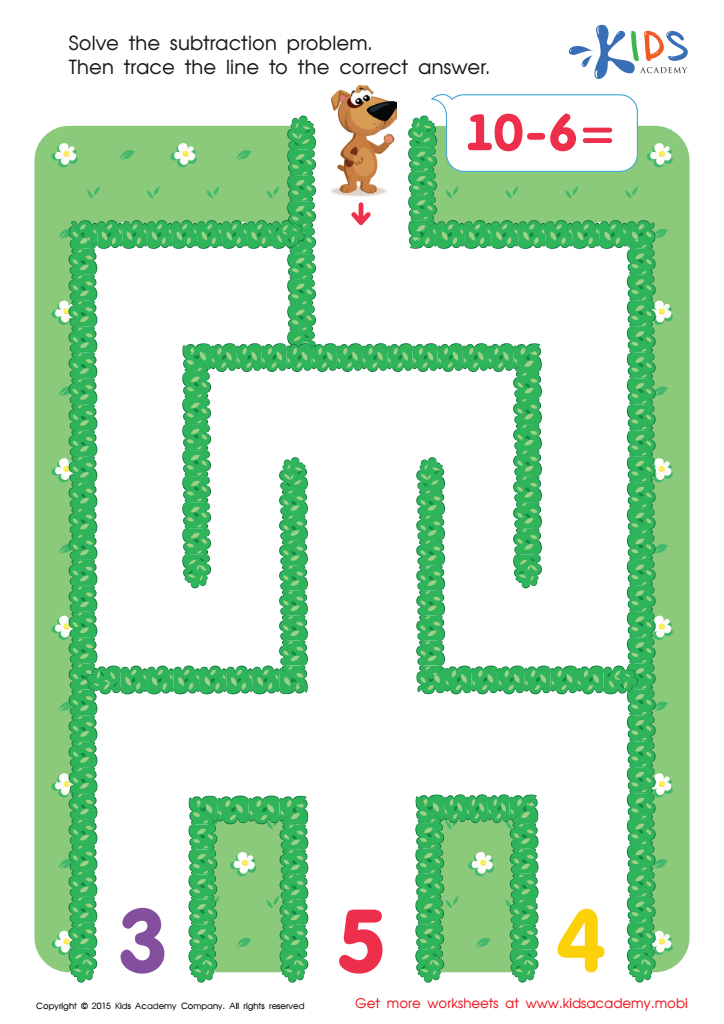
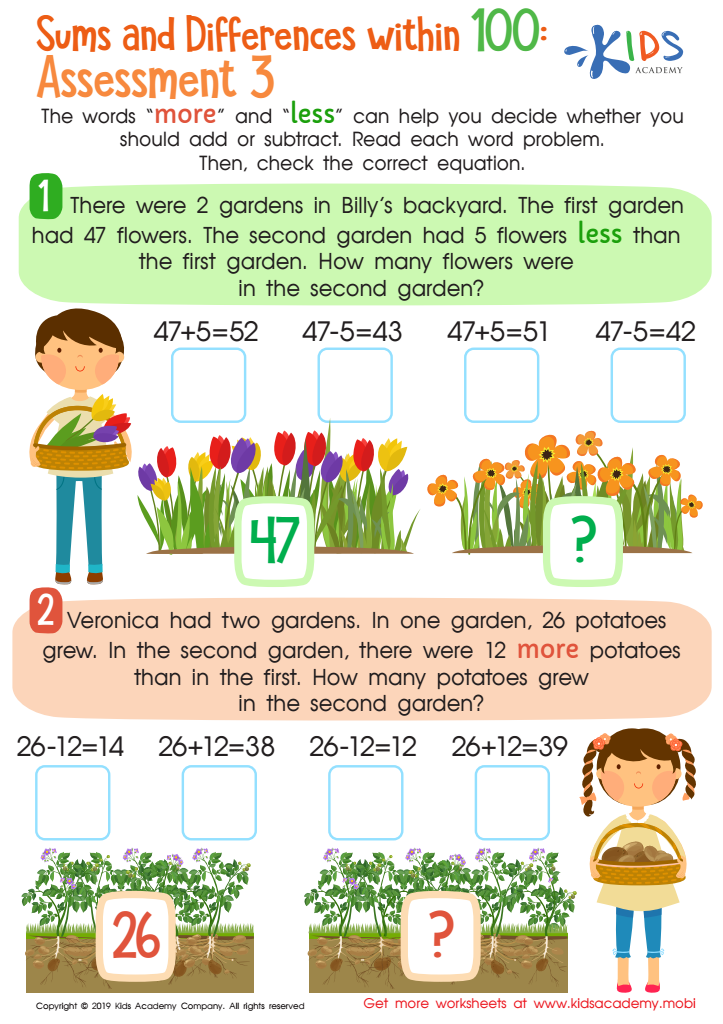
Sums and Differences Within 1 - Assessment 1 Worksheet
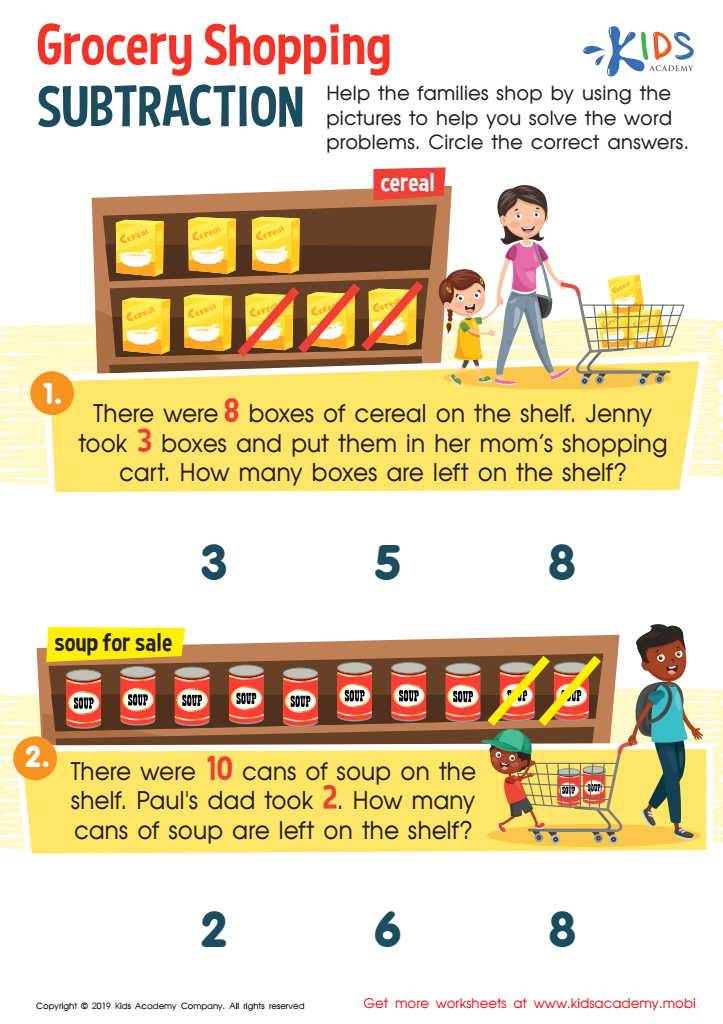
Grocery Shopping Subtraction Worksheet
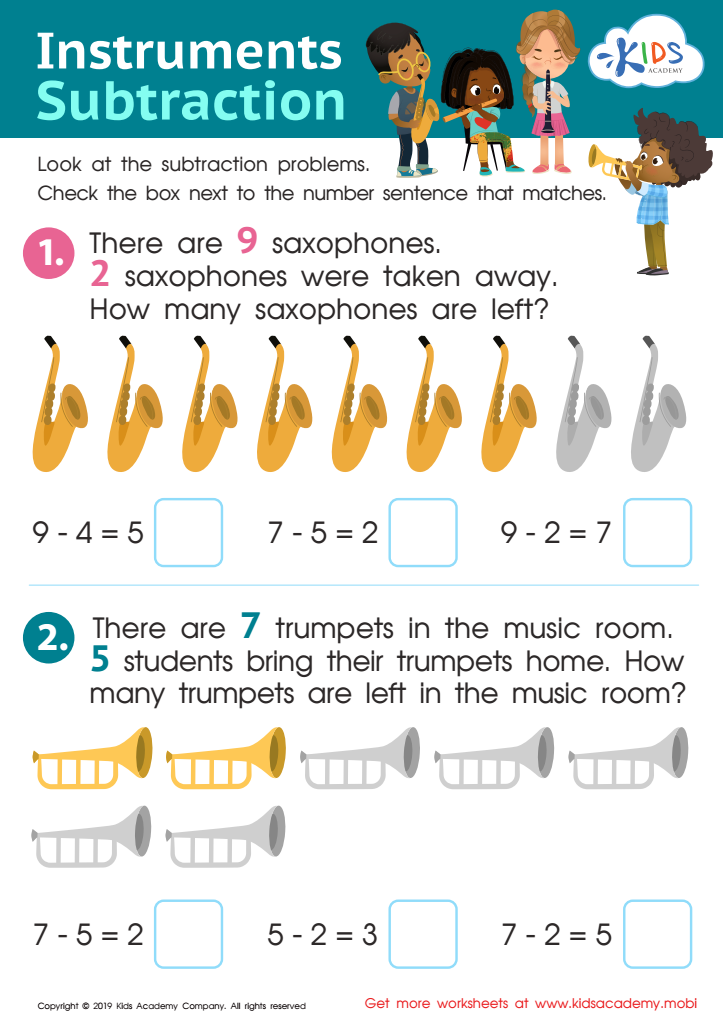
Instrument Subtraction Worksheet








Subtraction practice for children aged 3-7 is crucial for several reasons. First, mastering subtraction lays a strong mathematical foundation, enabling young learners to grasp more complex concepts in the future, such as addition, multiplication, and division. At this age, children's brains are highly receptive to new information, making it an ideal time to nurture their numerical skills. Engaging in subtraction activities not only enhances their ability to manipulate numbers but also strengthens cognitive skills, like problem-solving and critical thinking.
Additionally, subtraction practice can promote emotional and social development. Collaborating with parents or peers during these activities helps build communication skills and encourages teamwork. By mastering subtraction, children experience a sense of achievement, boosting their self-esteem and confidence, which are vital for ongoing learning.
Moreover, integrating subtraction into everyday activities—like sharing snacks or counting toys—makes learning relatable and fun, reinforcing the importance of math in real life. Ultimately, promoting subtraction skills from an early age sets the stage for lifelong learning attitudes, preparing children to navigate more advanced mathematical challenges and fostering a love for learning that extends far beyond the classroom. Parents and teachers play a key role in nurturing these essential skills.








