Vowel Recognition Worksheets for Ages 3-7
23 filtered results
-
From - To
Discover our engaging Vowel Recognition Worksheets designed for children ages 3-7! These interactive resources help young learners identify and understand vowels in a fun and colorful way. Perfect for preschool and early elementary students, our worksheets feature various activities like matching, coloring, and filling in the blanks to reinforce vowel recognition and improve phonemic awareness. Foster a love for learning while enhancing literacy skills with our playful approach. Ideal for home, classroom, or daycare settings, these worksheets provide essential practice for budding readers. Start your child's reading journey with our captivating vowel recognition activities today!
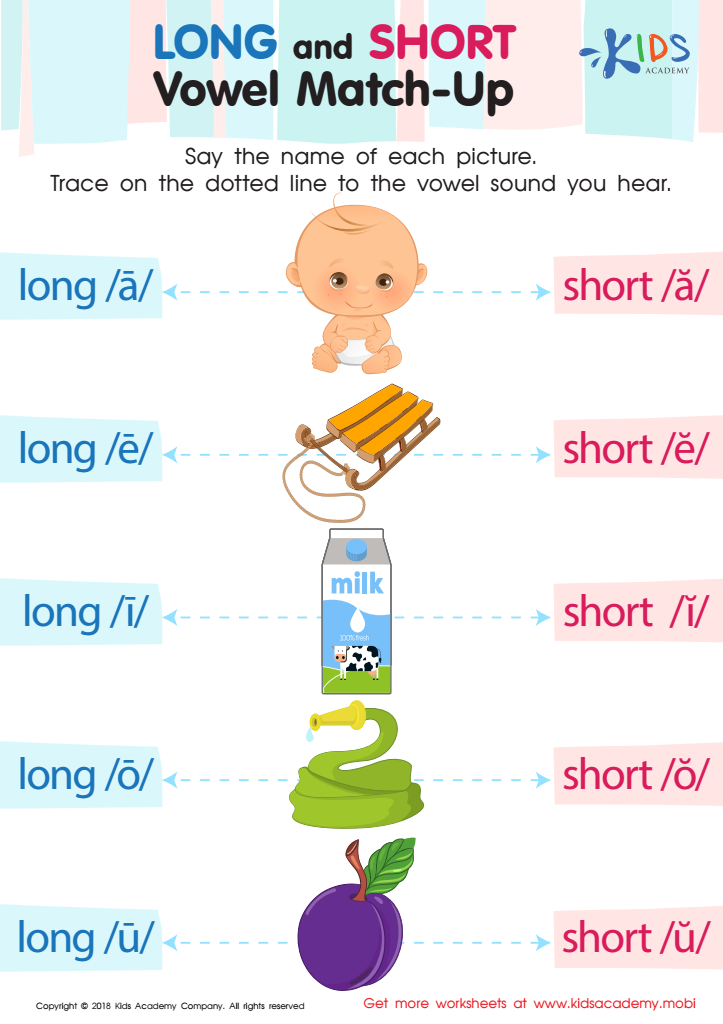
Long and Short Vowel Match up Reading Worksheet
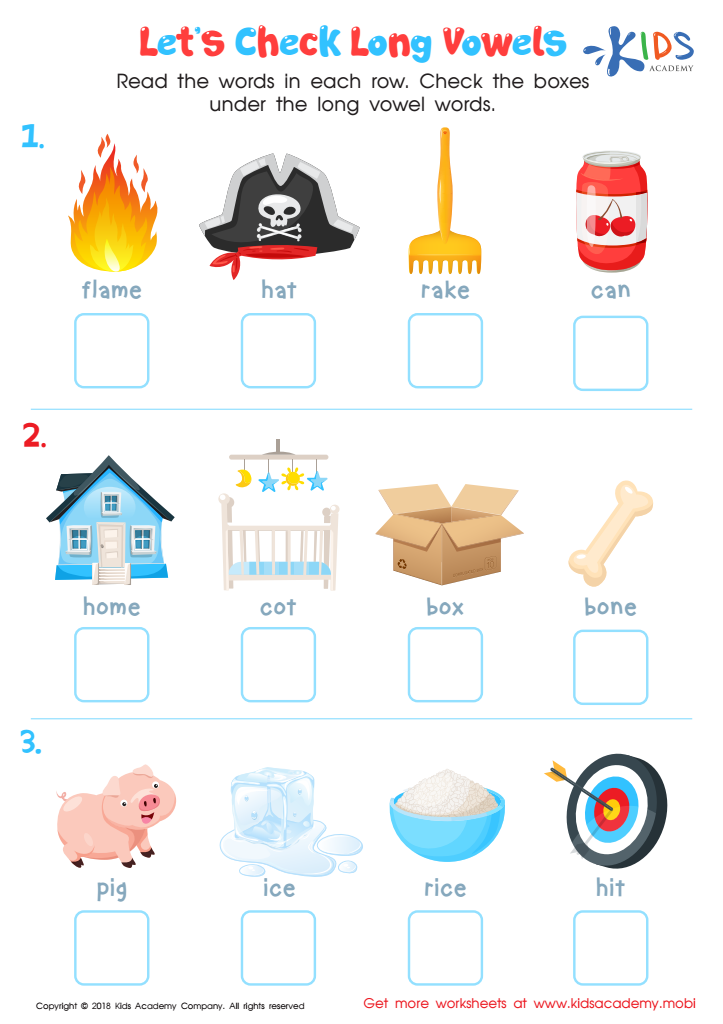
Let's Check Long Vowels: Assessment Worksheet
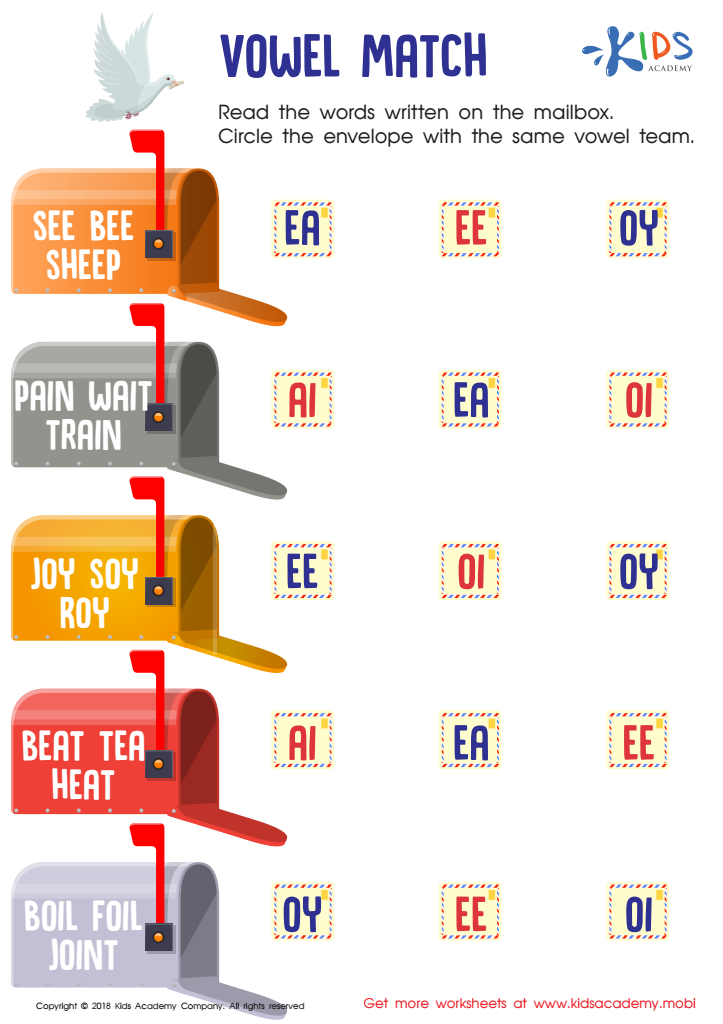
Vowel match Worksheet
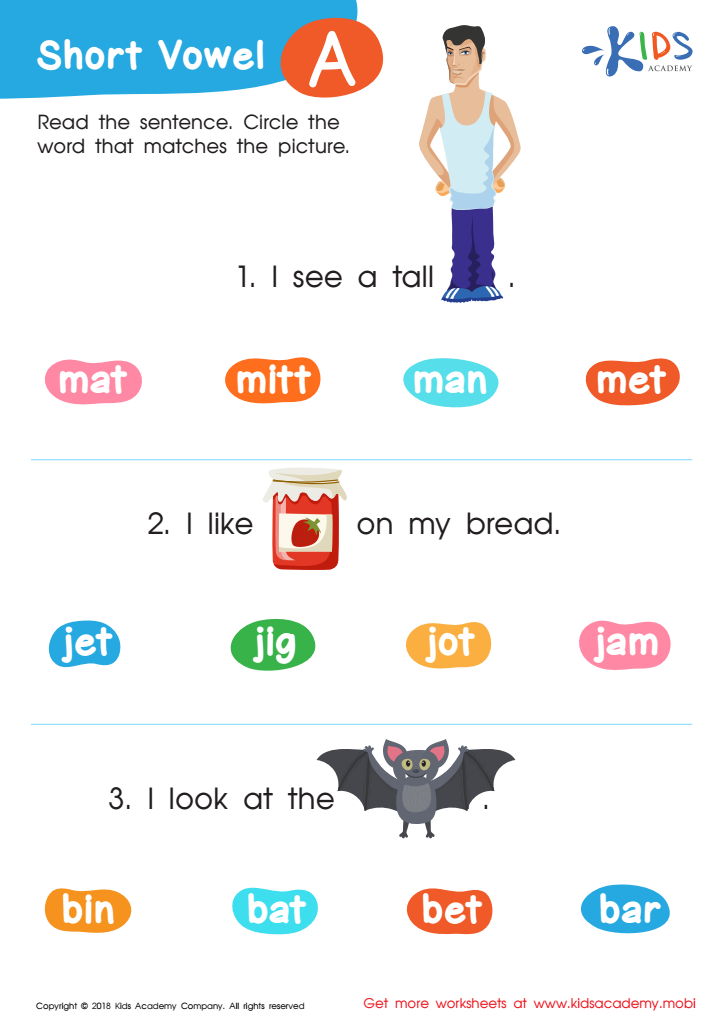
Short Vowel /a/ Worksheet
Short Vowel Sound U Worksheet Worksheet
Long Vowel Sound A Worksheet
Short Vowels /e/, /i/, and /u/ Worksheet
Reading: Long U and Short U Sounds Worksheet
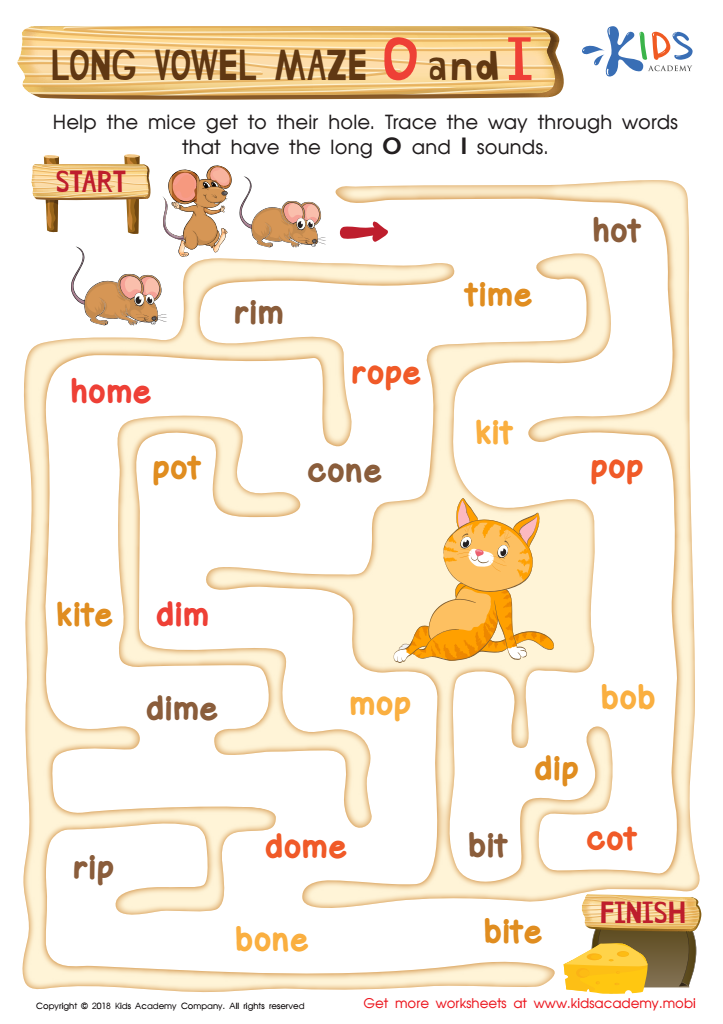
Long Vowel Maze /o/ and /i/ Worksheet
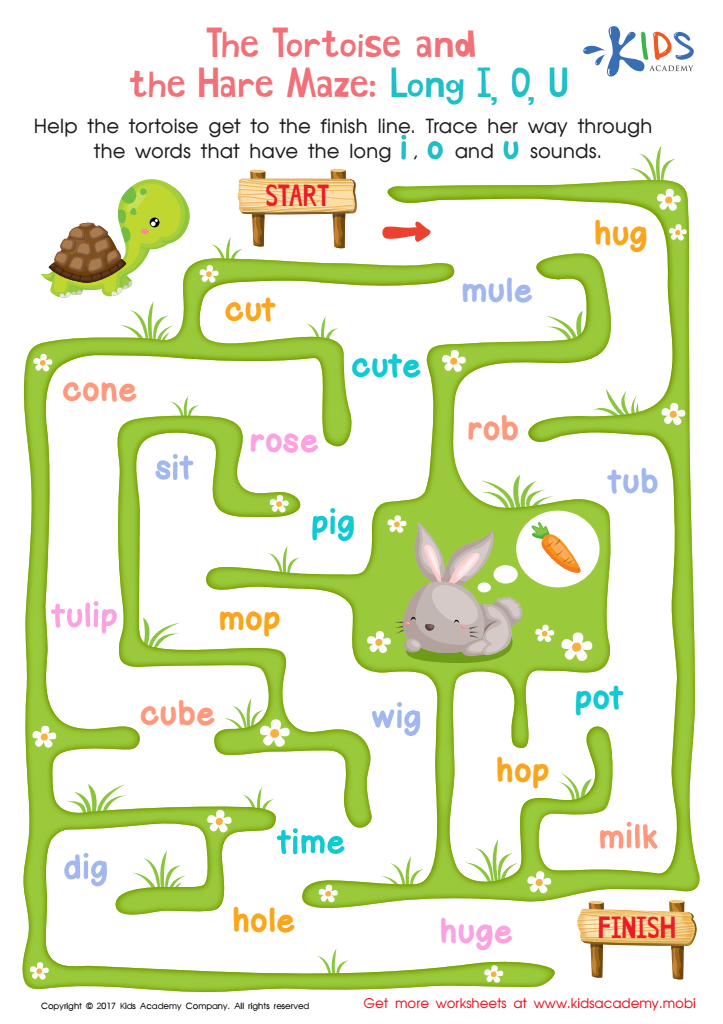
Long I, O, U Words Worksheet
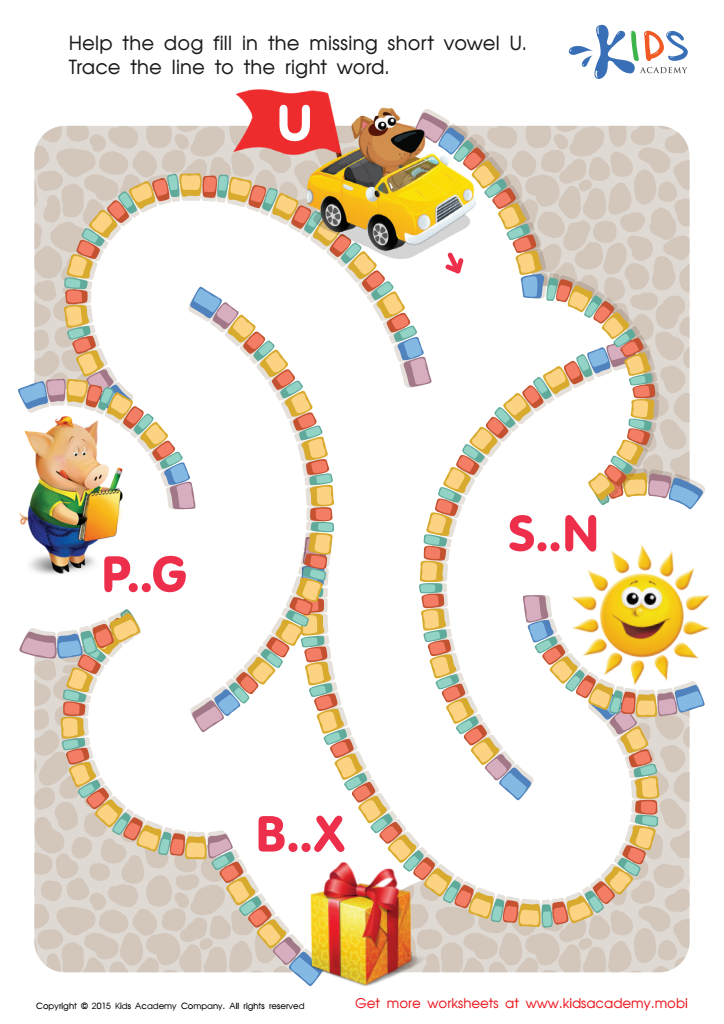
Short Vowel Sound U Worksheet
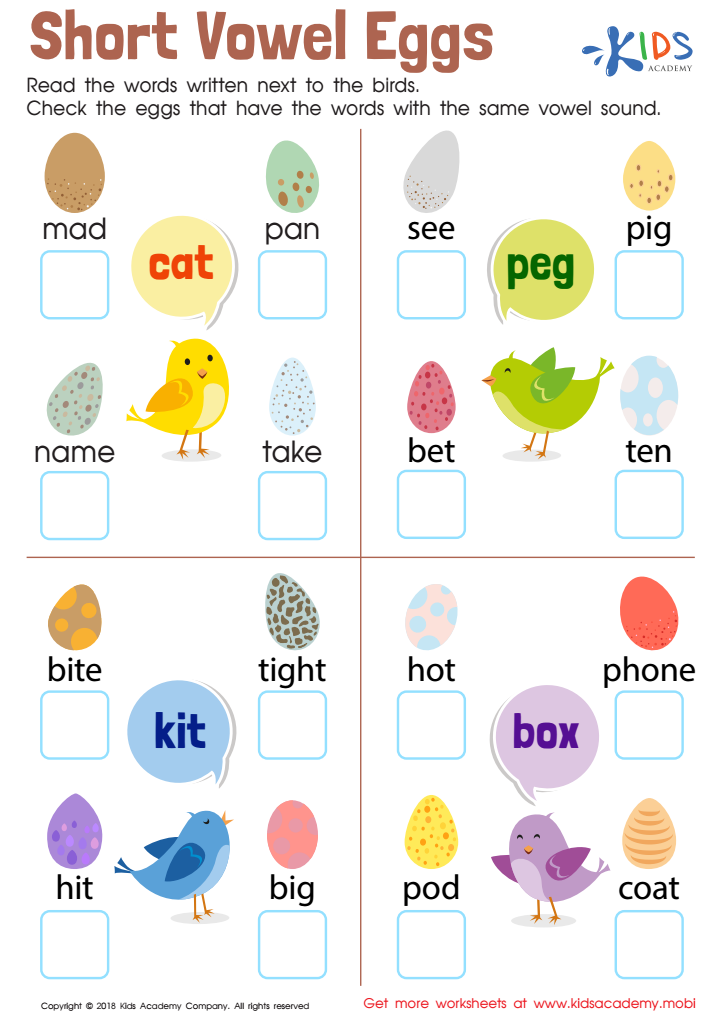
Short Vowel Eggs Worksheet
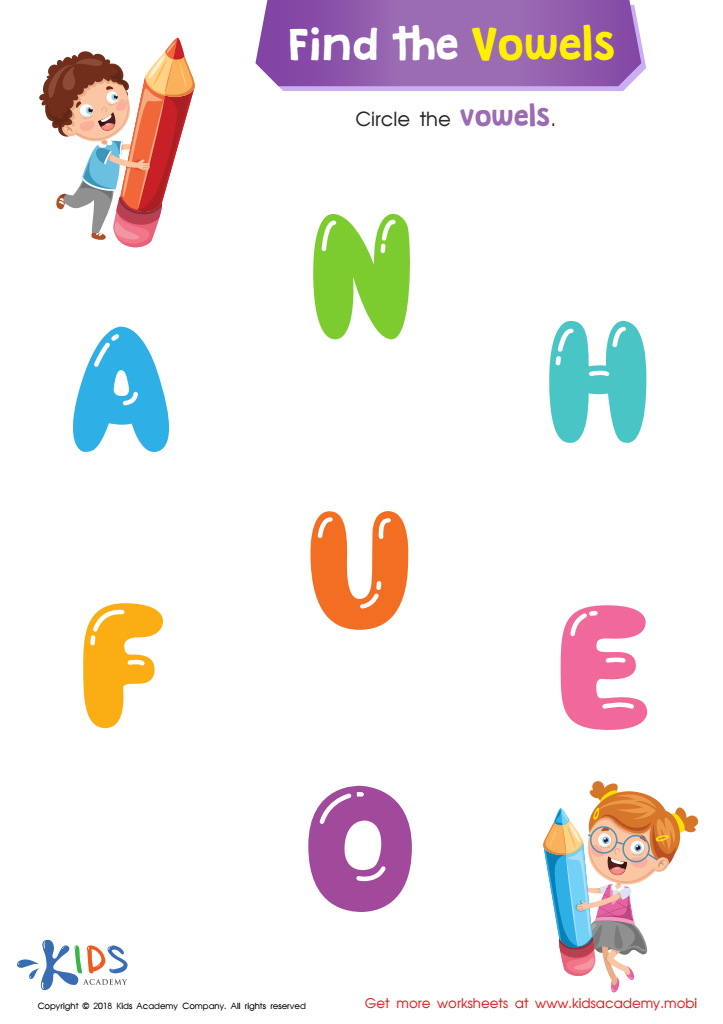
Find the Vowels Reading Worksheet
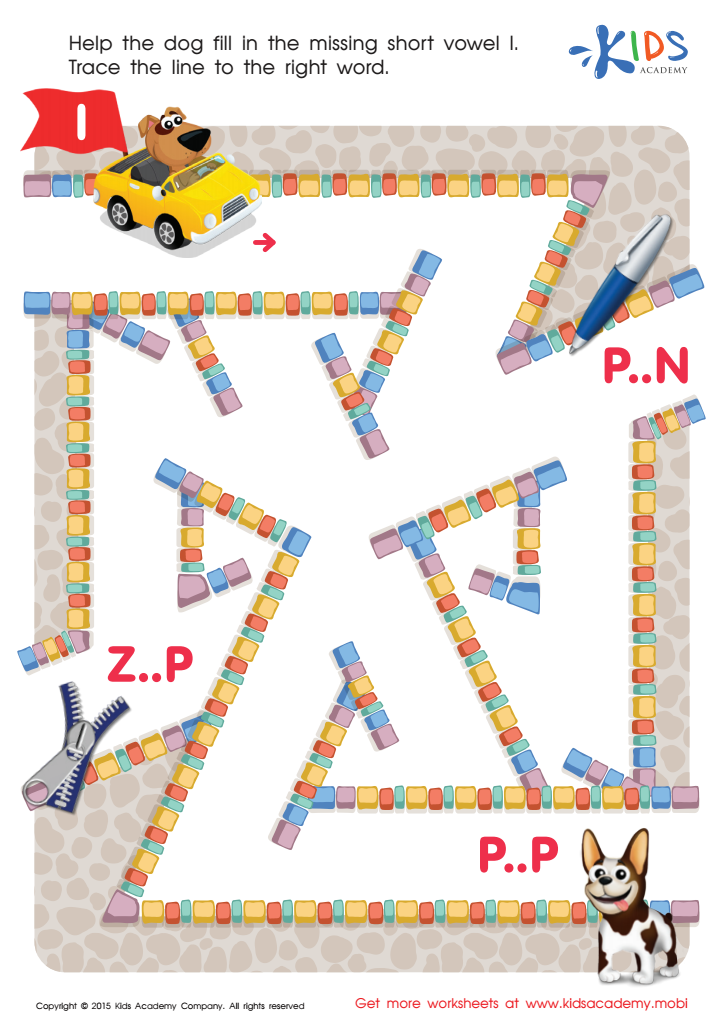
Short Vowel Sound I Worksheet
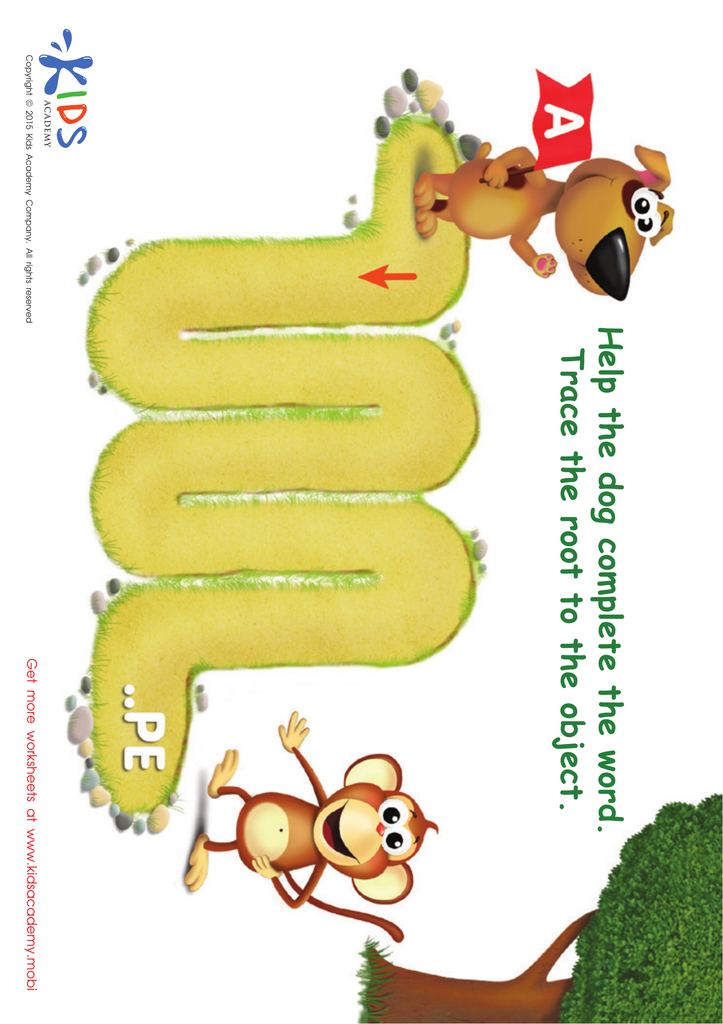
Long Vowel Sound A Worksheet Worksheet
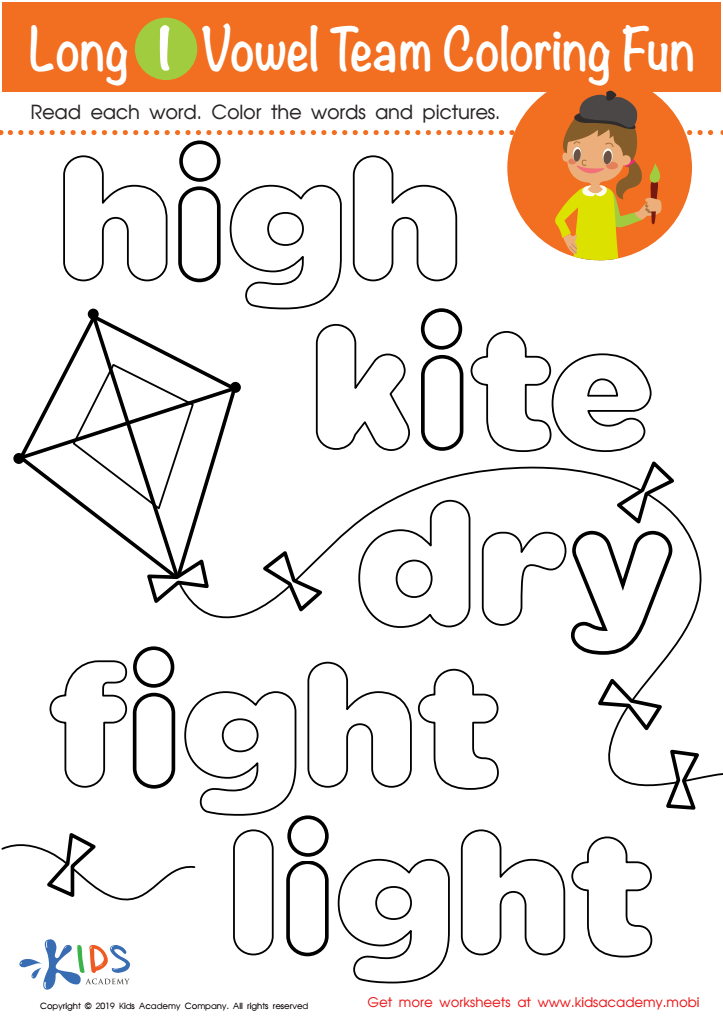
Long I Vowel Team Coloring Worksheet
 Assign to My Students
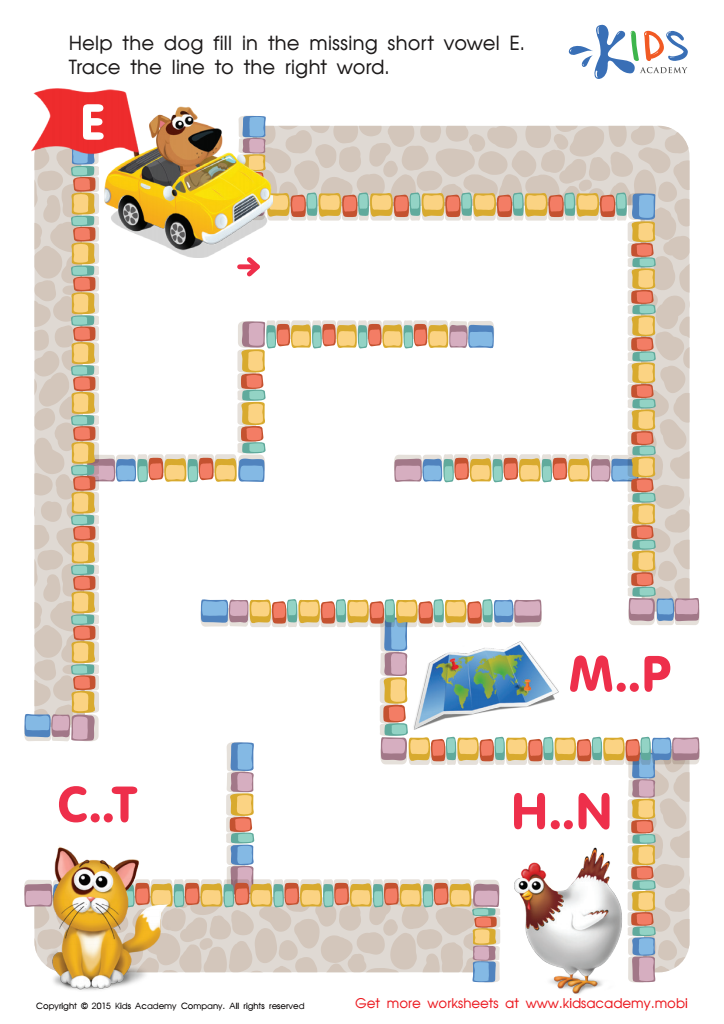
Short Vowel Sound E Worksheet
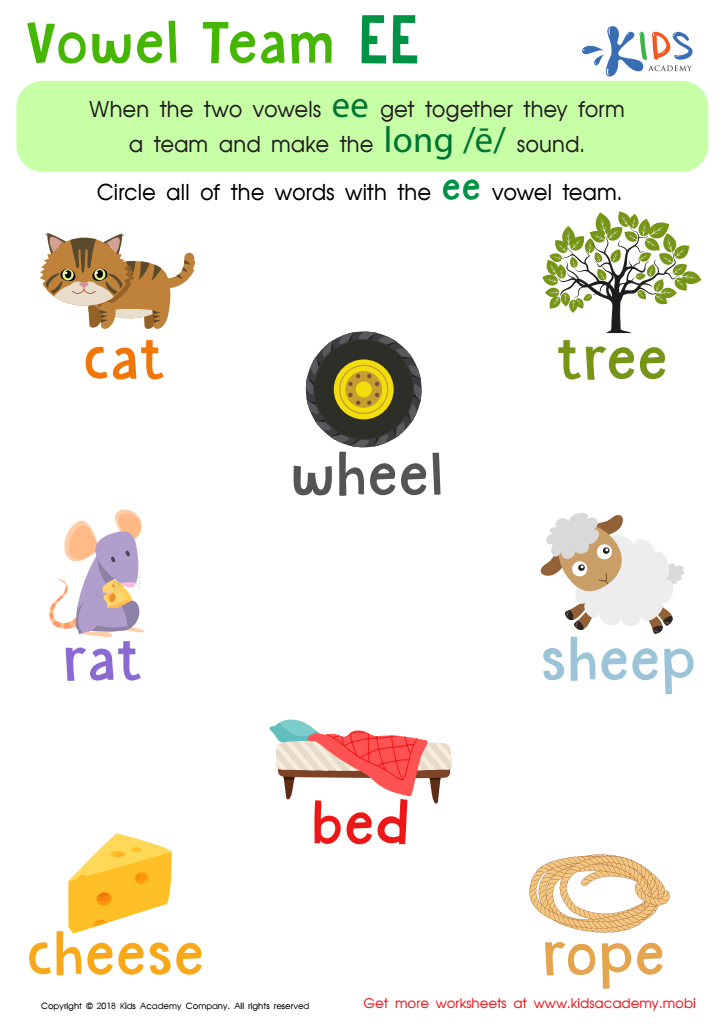
Reading: Vowel Team EE Worksheet
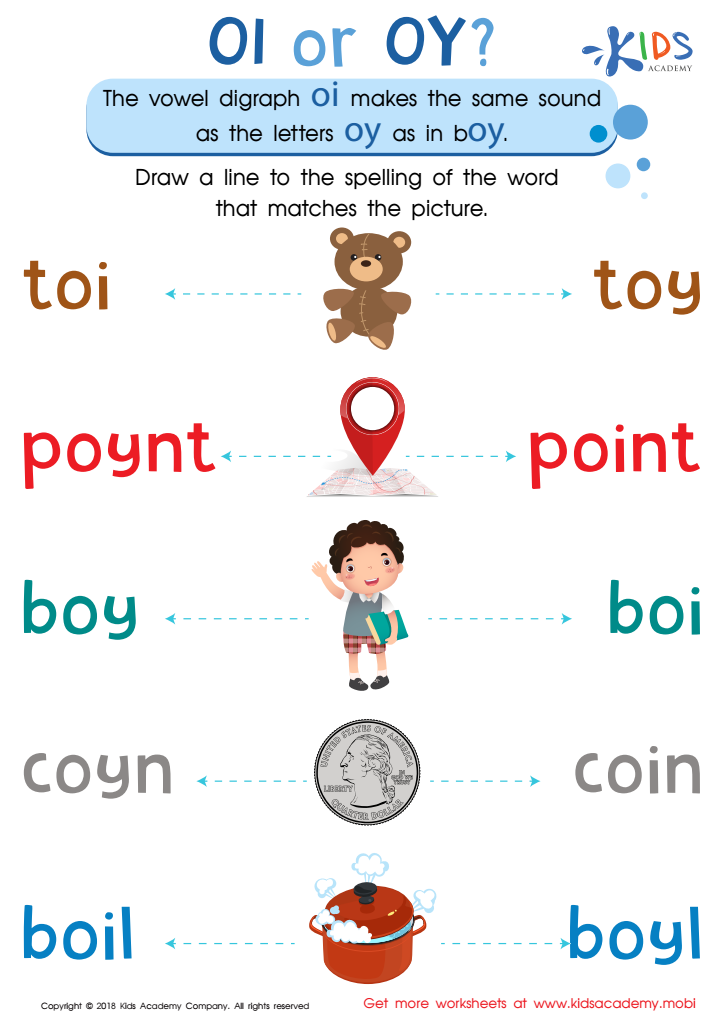
Reading: OI and OY Worksheet
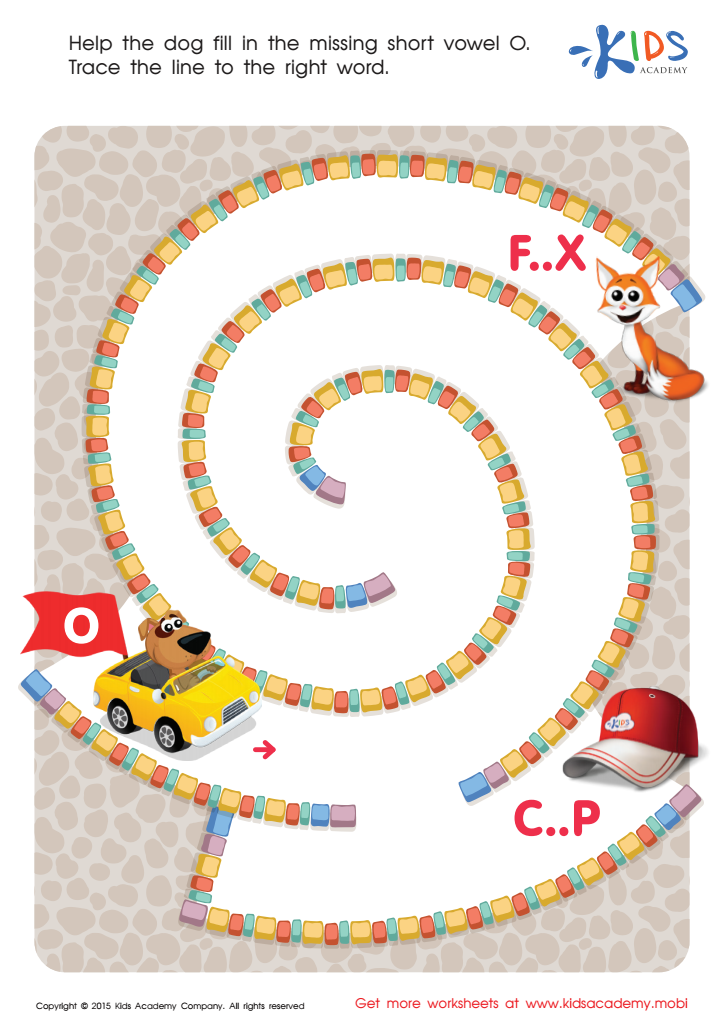
Short Vowel Sound O Worksheet
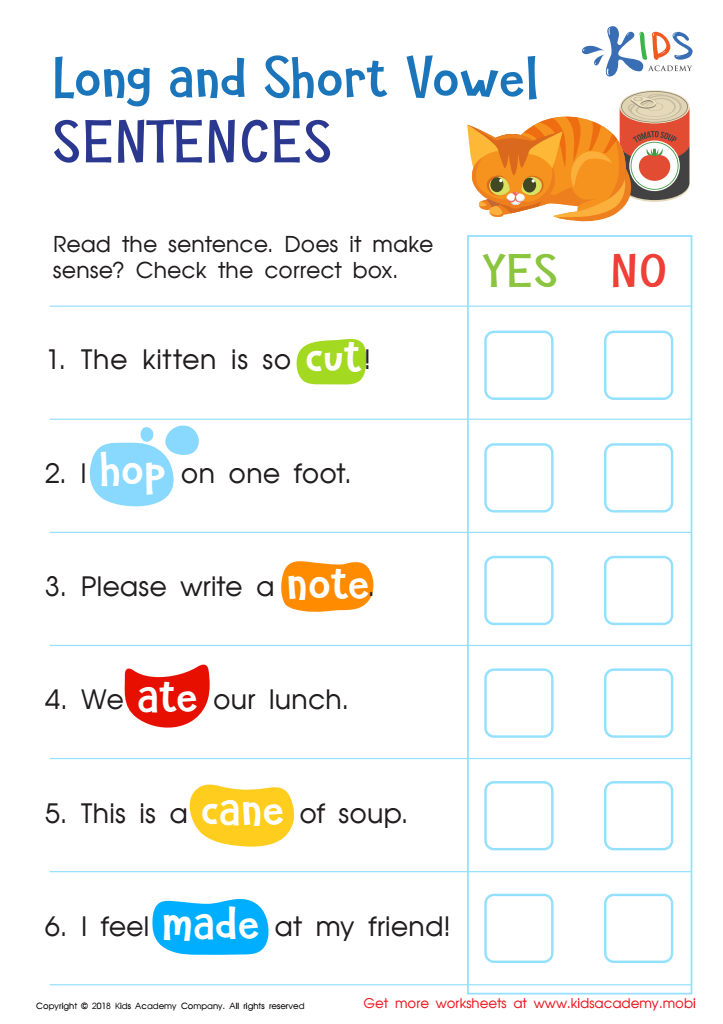
Long and Short Vowel Sentences: Assessment Worksheet
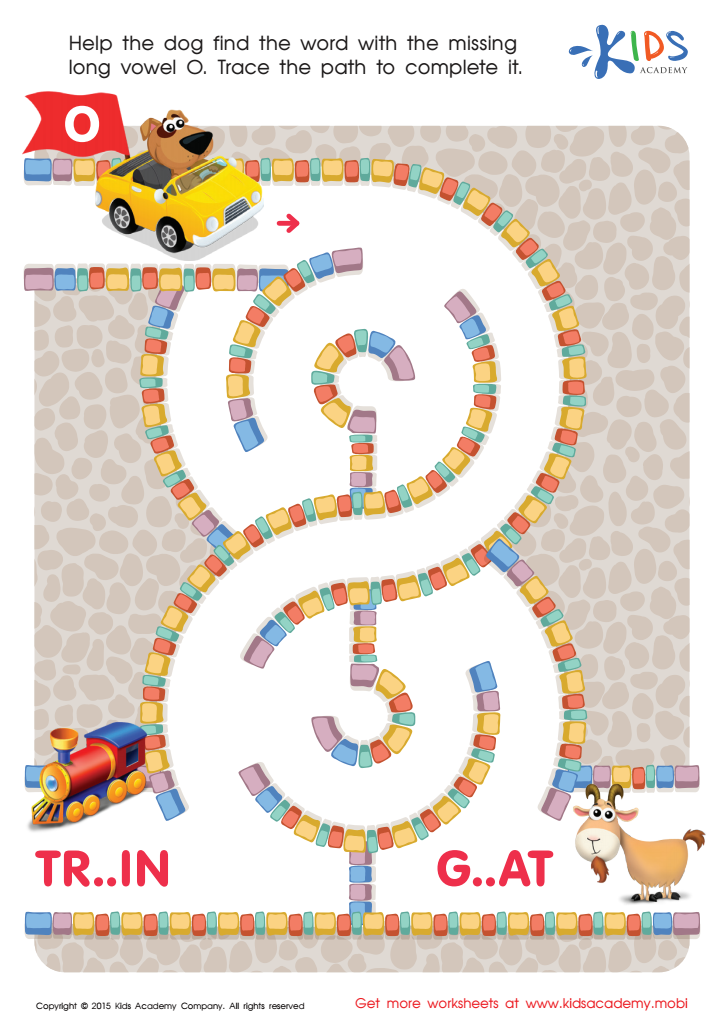
Long Vowel Sound O Worksheet
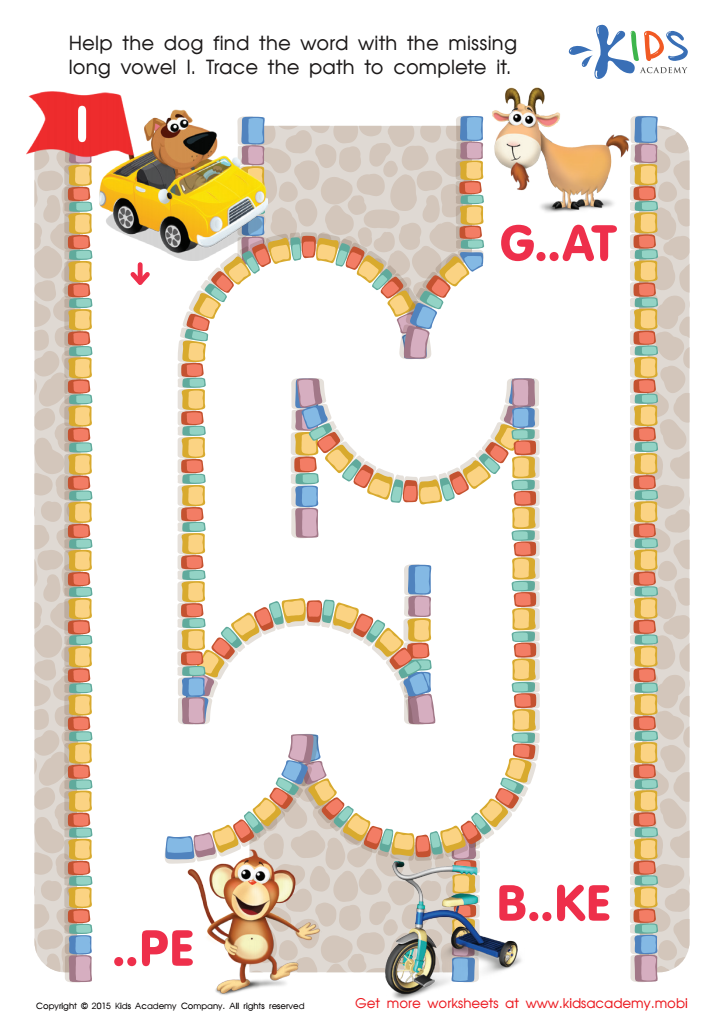
Long Vowel Sound I Worksheet




.jpg)



Vowel recognition is a crucial foundational skill for young children, especially those aged 3-7, as it significantly impacts their reading and language development. Vowels are the building blocks of words, and recognizing them enables children to decode and pronounce words accurately. Understanding vowel sounds supports phonemic awareness, an essential component of learning to read. When children can identify and articulate vowels, they gain confidence in their ability to tackle new texts, fostering a love for reading.
Moreover, vowel recognition aids in the development of spelling skills, as many spelling patterns revolve around vowel placement. Teachers and parents should care about this skill because it empowers children to make connections between sounds and letters, promoting effective communication and literacy skills. Early exposure and practice can alleviate potential reading difficulties later, setting a strong academic foundation.
In addition, fostering vowel recognition can enhance a child's overall cognitive development. It engages critical thinking as they learn to differentiate between different vowel sounds in varied words. Ultimately, prioritizing vowel recognition lays the groundwork for successful lifelong learning experiences, making it a vital focus in early education initiatives. Investing time and resources into teaching this skill can yield substantial benefits in a child’s educational journey.








