Shape Recognition Math Worksheets for Ages 3-7 - Page 2
104 filtered results
-
From - To
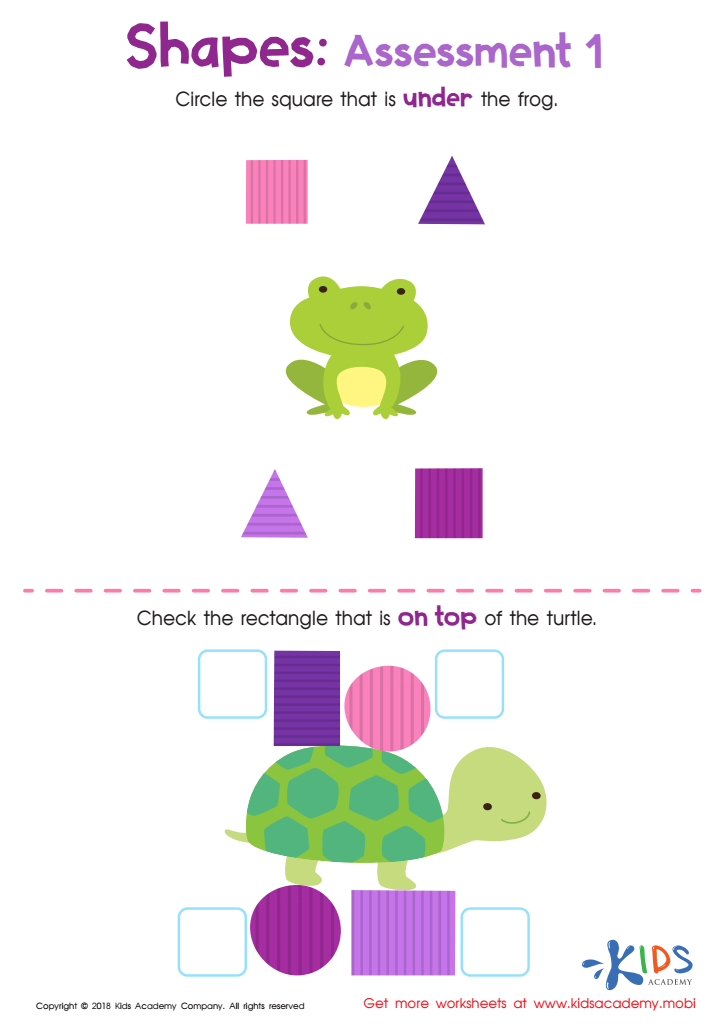
Geometry – Assessment 1 Worksheet
 Assign to My Students
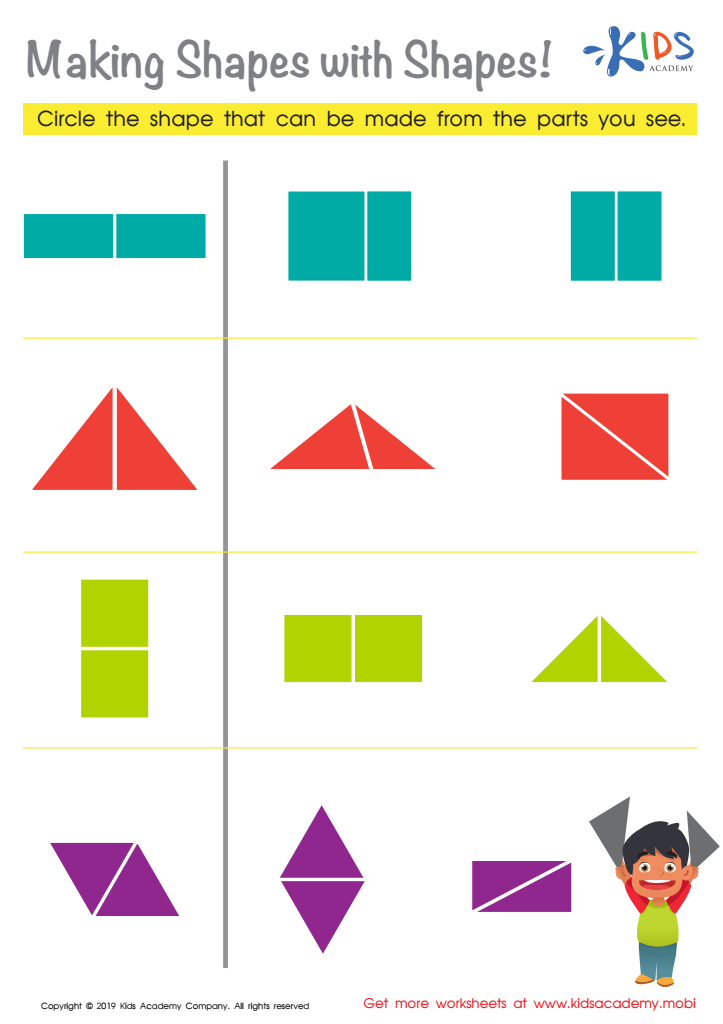
Making Shapes with Shapes Worksheet
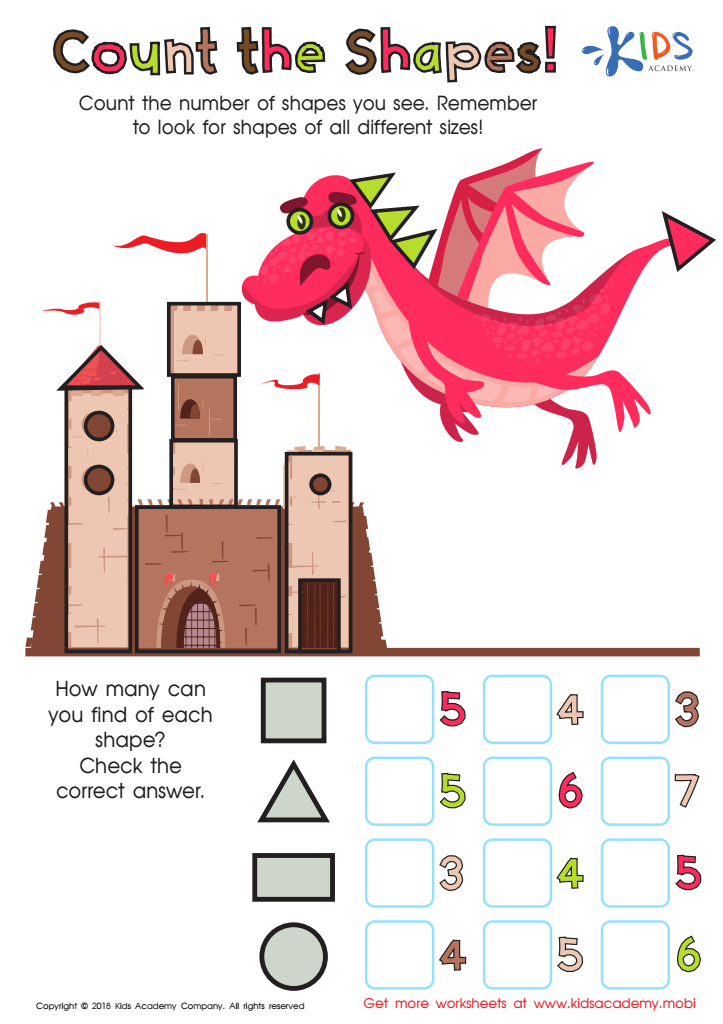
Count the Shapes Worksheet
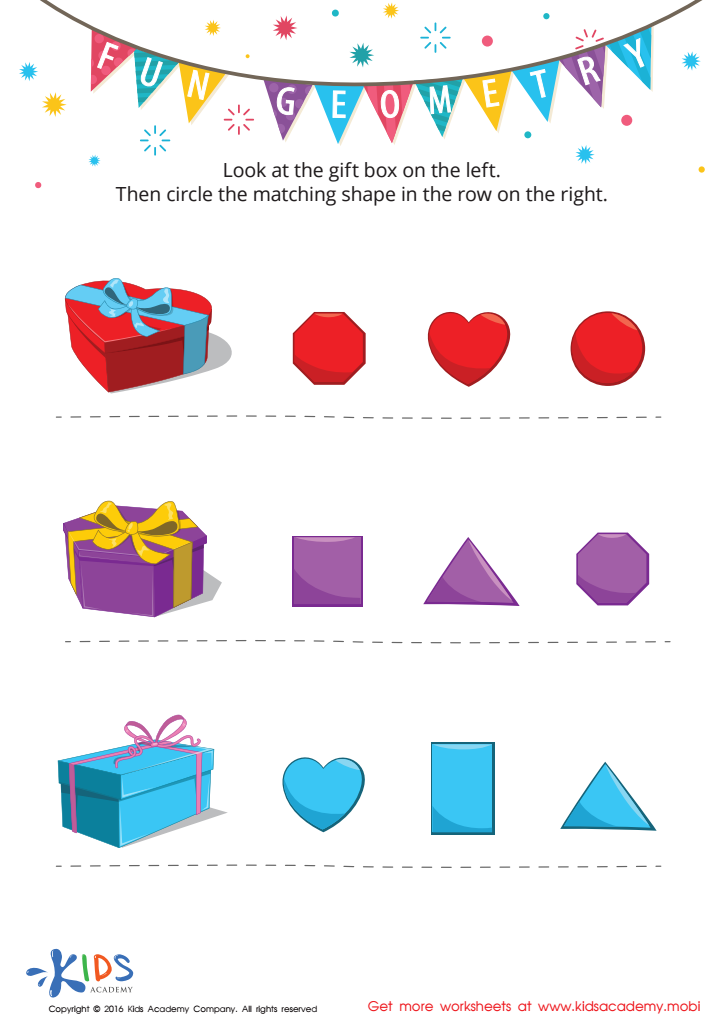
Fun Geometry Worksheet
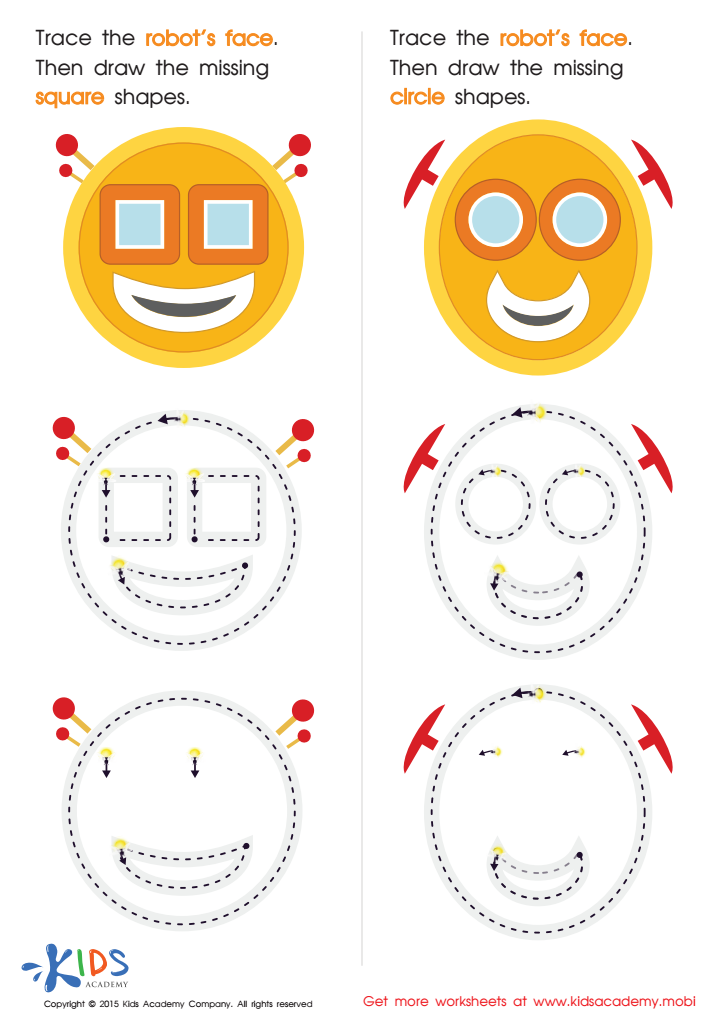
Practicing to Draw Circles And Squares Printable
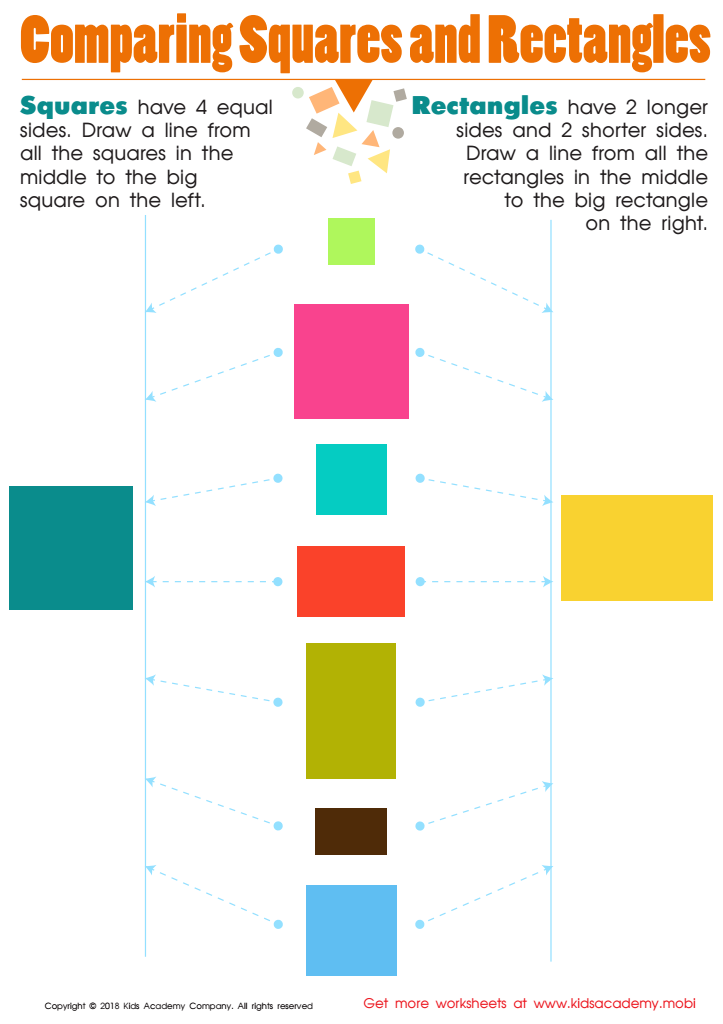
Comparing Squares Rectangles Worksheet
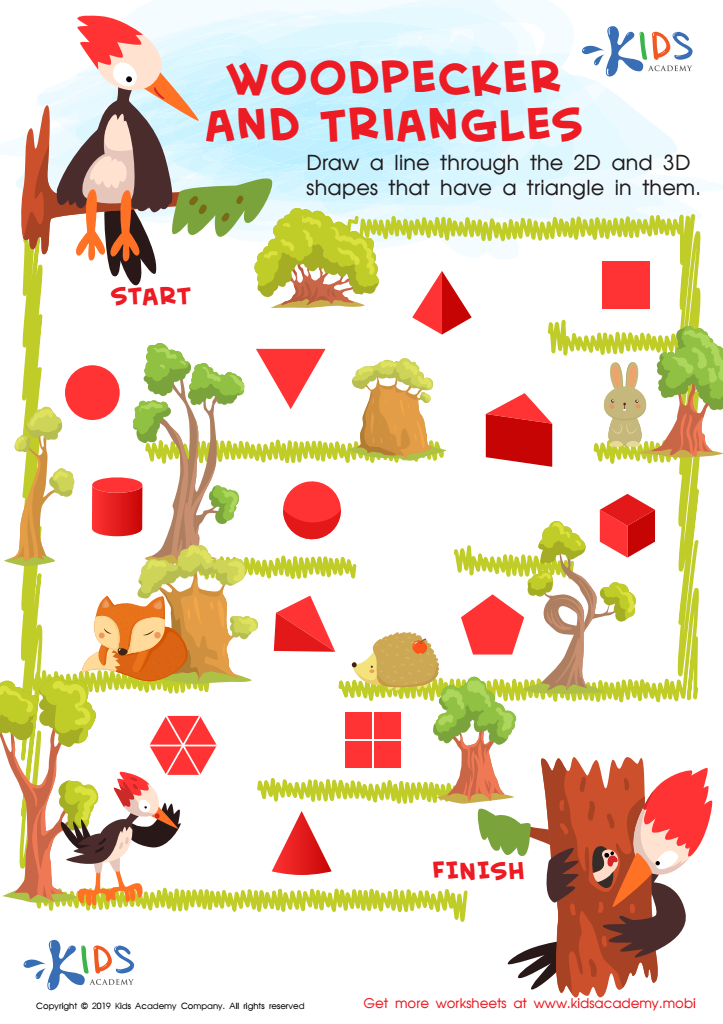
Woodpecker and Triangles Worksheet
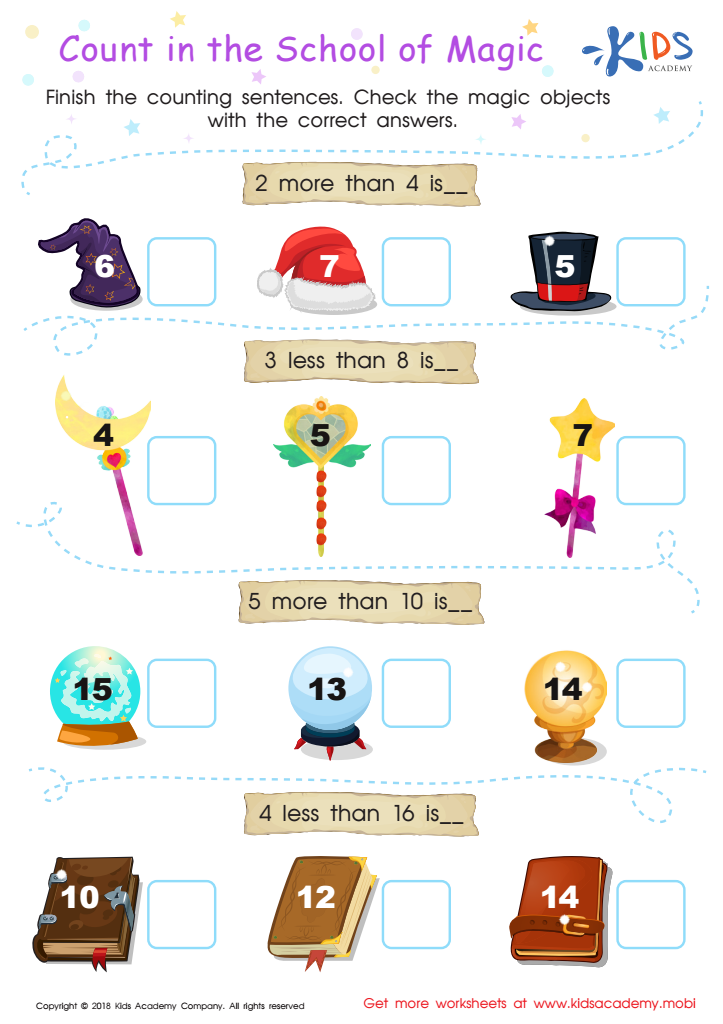
Count in the School of Magic Worksheet
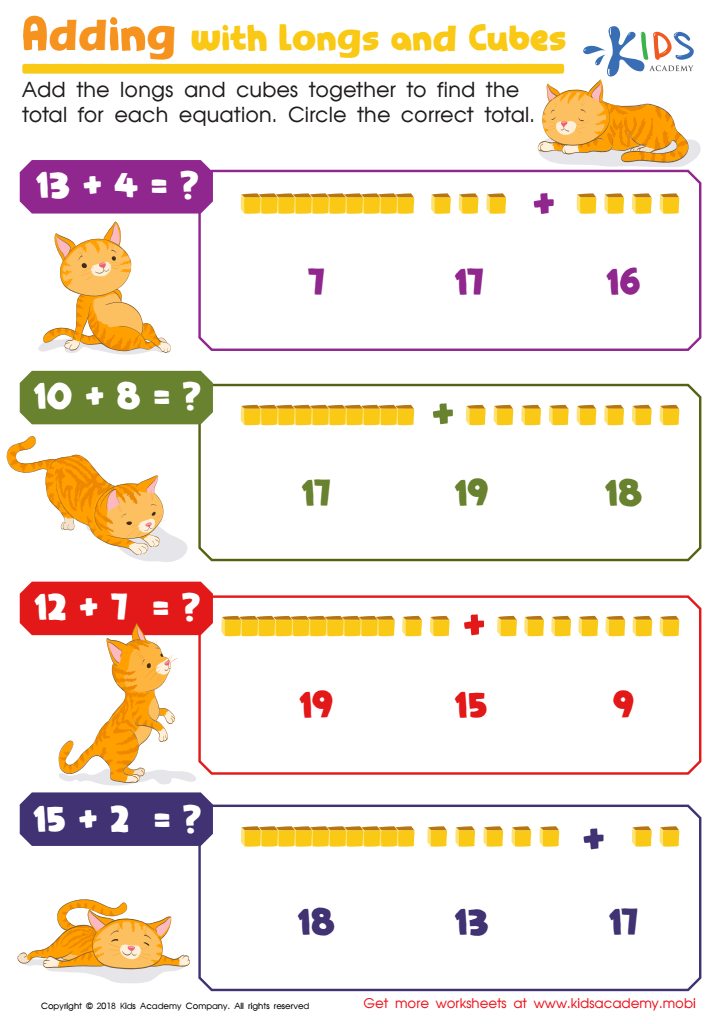
Adding With Longs and Cubes Worksheet
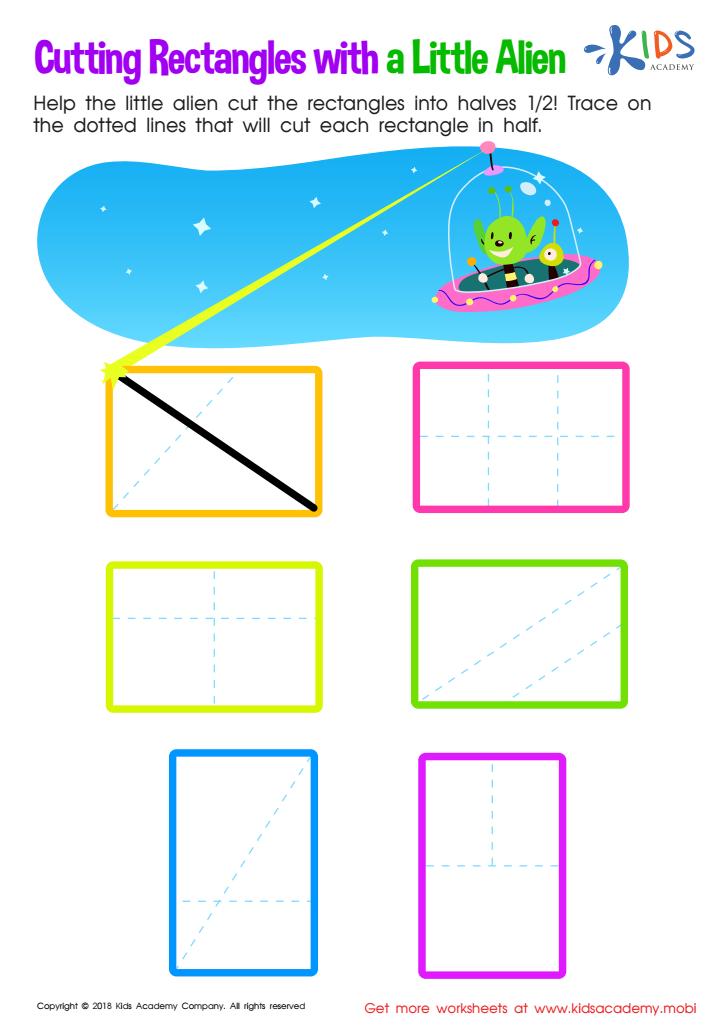
Cutting Rectangles with Alien Worksheet
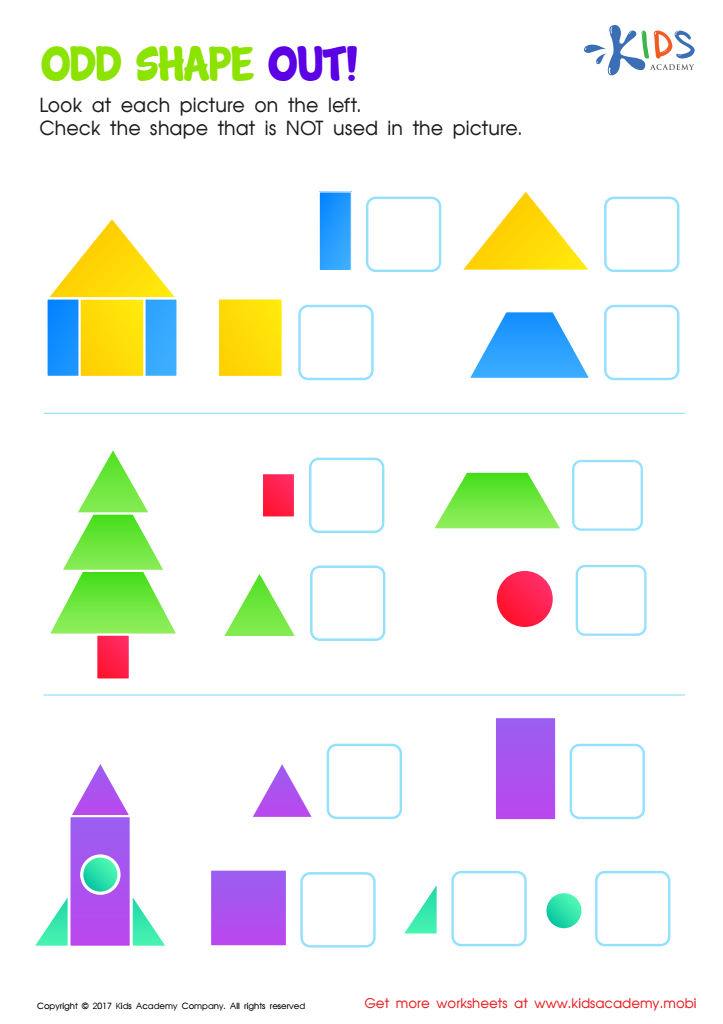
Odd Shape Out Worksheet for Grade 1
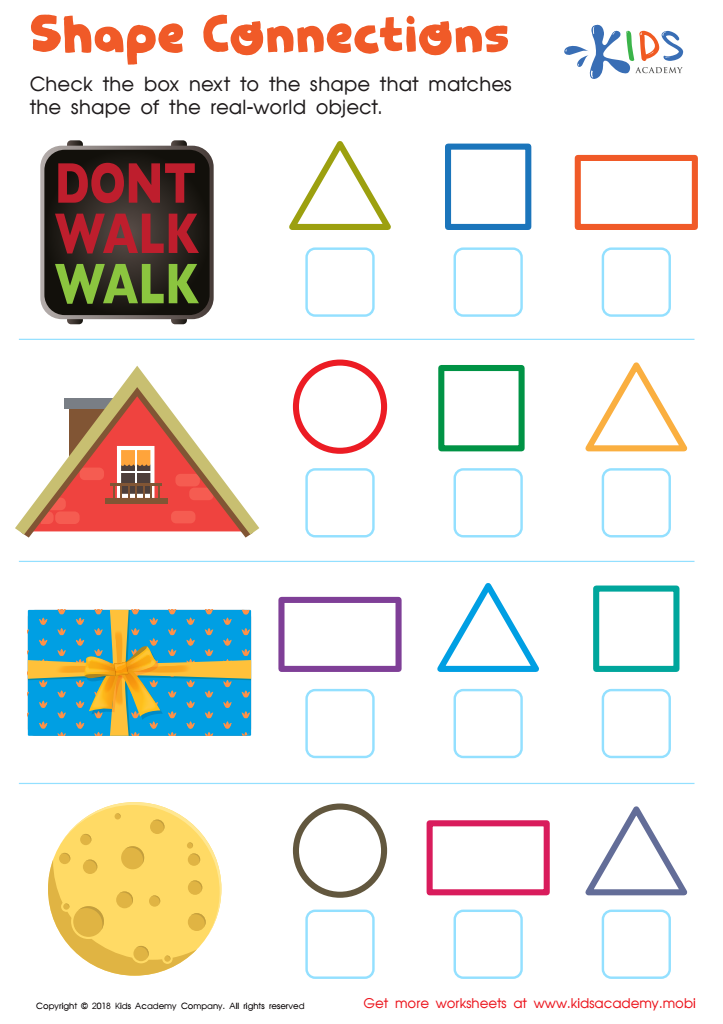
Shape Connections Worksheet
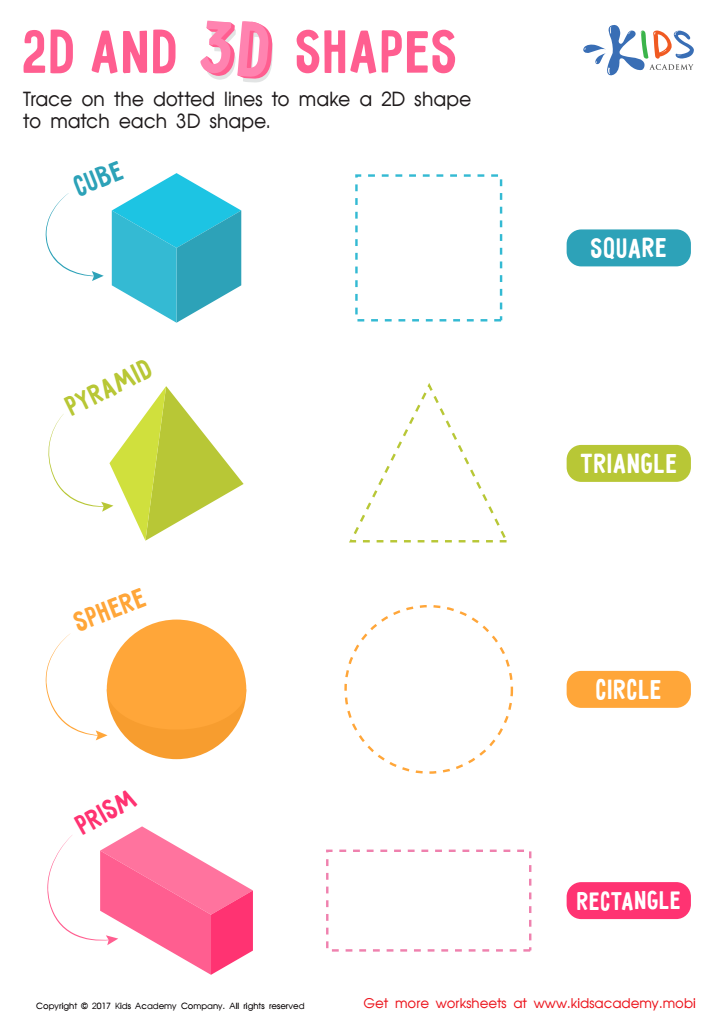
2D and 3D Shapes Worksheet
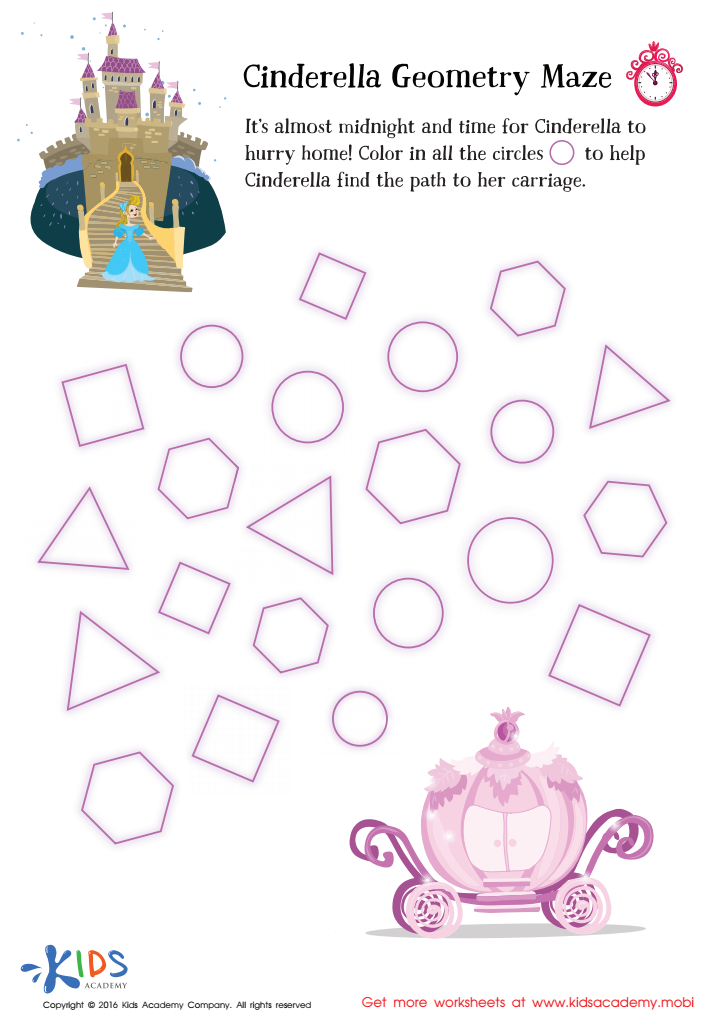
Cinderella Geometry Maze Worksheet
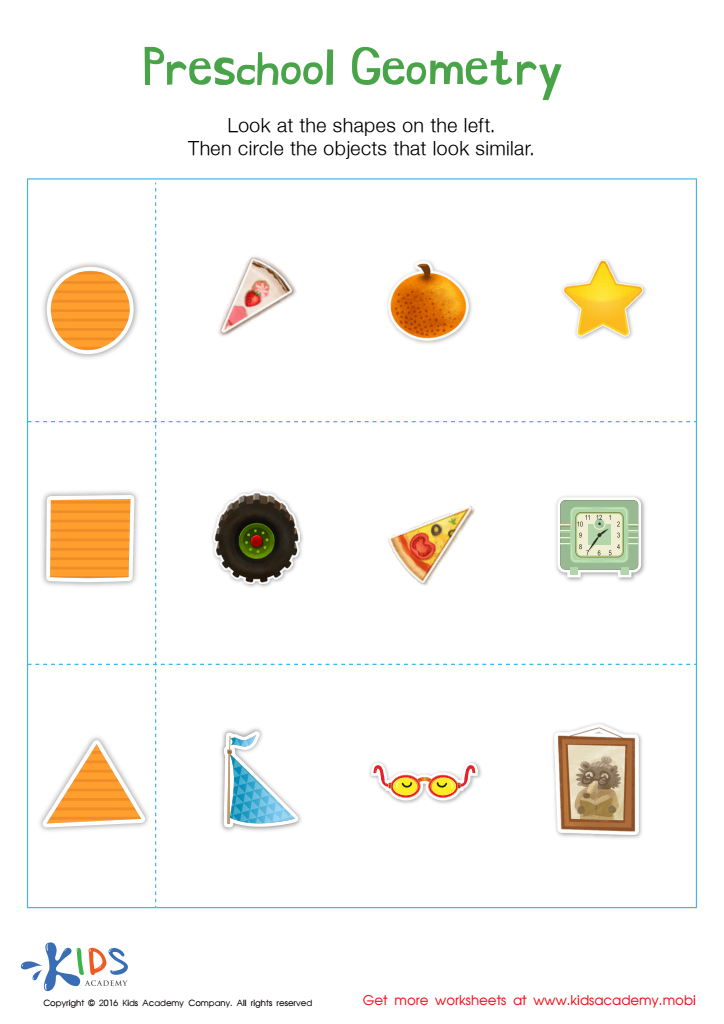
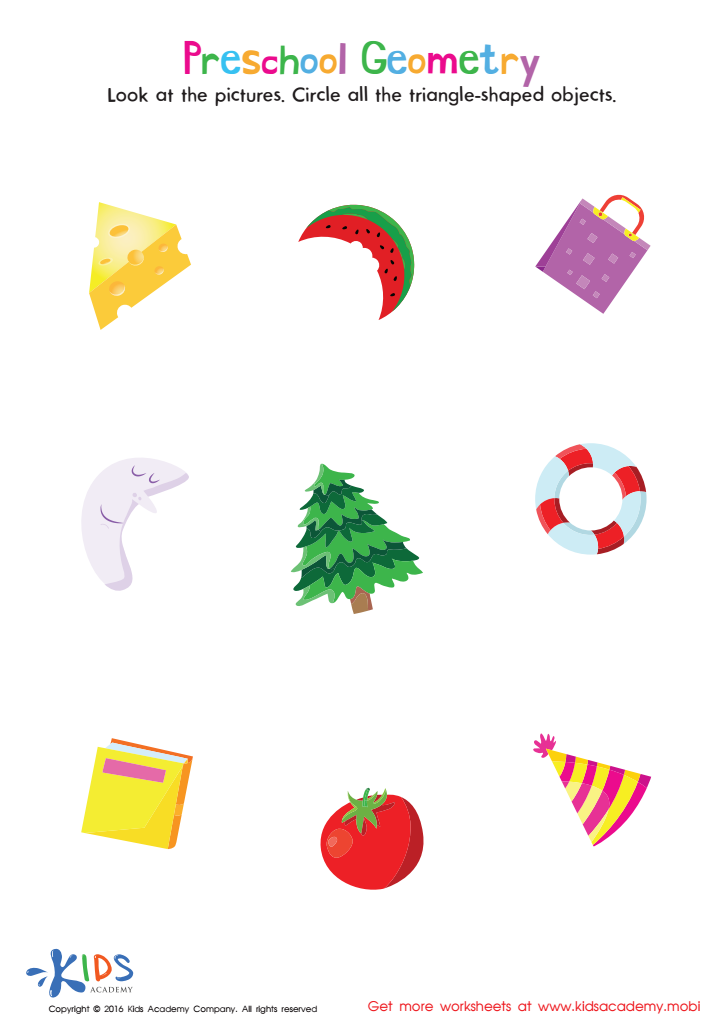
Preschool Geometry Match Up Worksheet
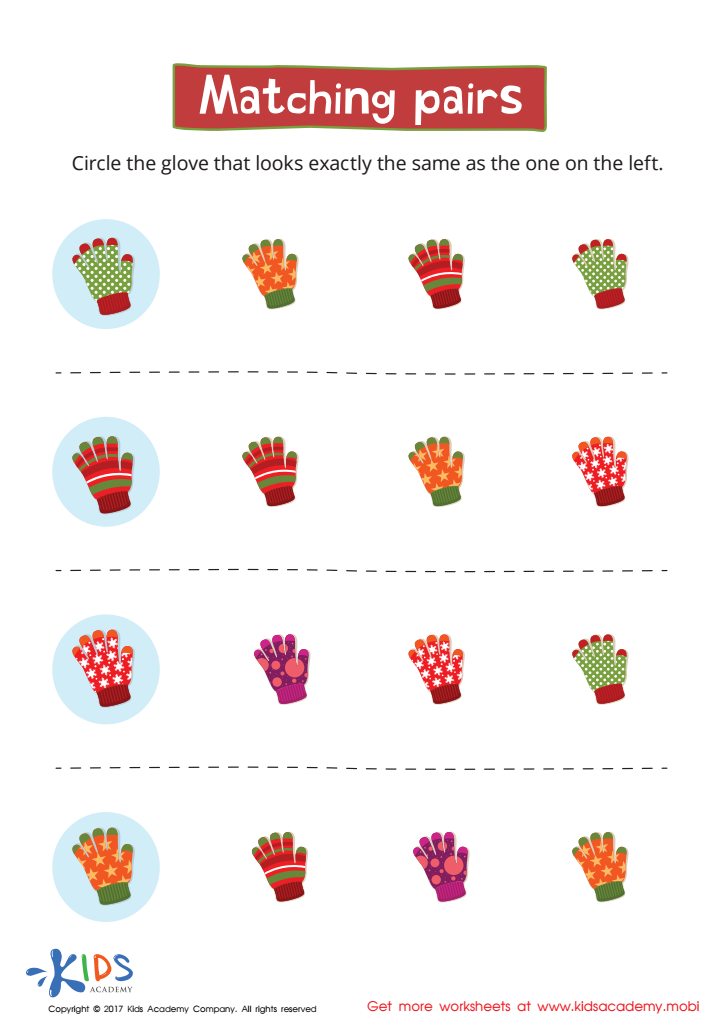
Matching: Matching Pairs Worksheet
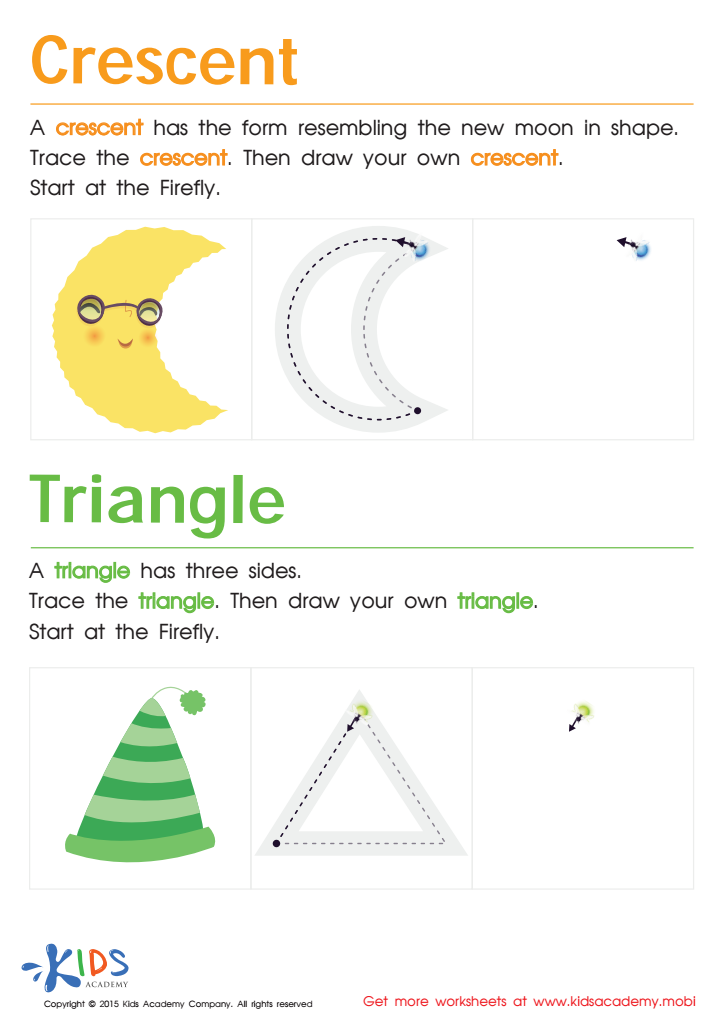
Learning to Draw Crescents And Triangles Worksheet







Shape recognition is a fundamental skill that lays the groundwork for various aspects of early mathematics and cognitive development for children aged 3-7. Parents and teachers should prioritize this learning because it fosters critical thinking and problem-solving abilities.
Understanding shapes helps children to recognize patterns and relate them to real-world objects. This recognition is integral to early geometry concepts, enhancing visual-spatial awareness, which is crucial for skills such as reading maps, solving puzzles, and even building with blocks. In addition to cognitive benefits, engaging with shapes adds an element of fun to learning. Incorporating games and hands-on activities nurtures a child’s curiosity and enthusiasm for exploration.
Moreover, shape recognition supports language development. As children identify and describe shapes, they build their vocabulary, learning terms like "triangle," "rectangle," and "curved." This enhances communication skills that are vital for their overall academic success.
Ultimately, shape recognition serves as a stepping stone to more complex mathematical concepts. By investing time in this area, parents and teachers not only boost foundational skills but also empower children with confidence and a positive attitude toward learning mathematics in the future.








