Counting skills Science Worksheets for Ages 3-7
10 filtered results
-
From - To
Discover engaging Counting Skills Science Worksheets designed specifically for children aged 3-7! These interactive worksheets promote early math skills while integrating essential science concepts, catering to young learners' curiosity and developmental needs. Through fun activities that involve counting, sorting, and comparing objects, kids will enhance their mathematical abilities and build a foundation for scientific understanding. Perfect for educators and parents alike, our printable resources encourage hands-on learning and can be easily incorporated into any lesson plan. Foster your child's love for numbers and science today with our thoughtfully crafted worksheets, helping them succeed in their academic journey!
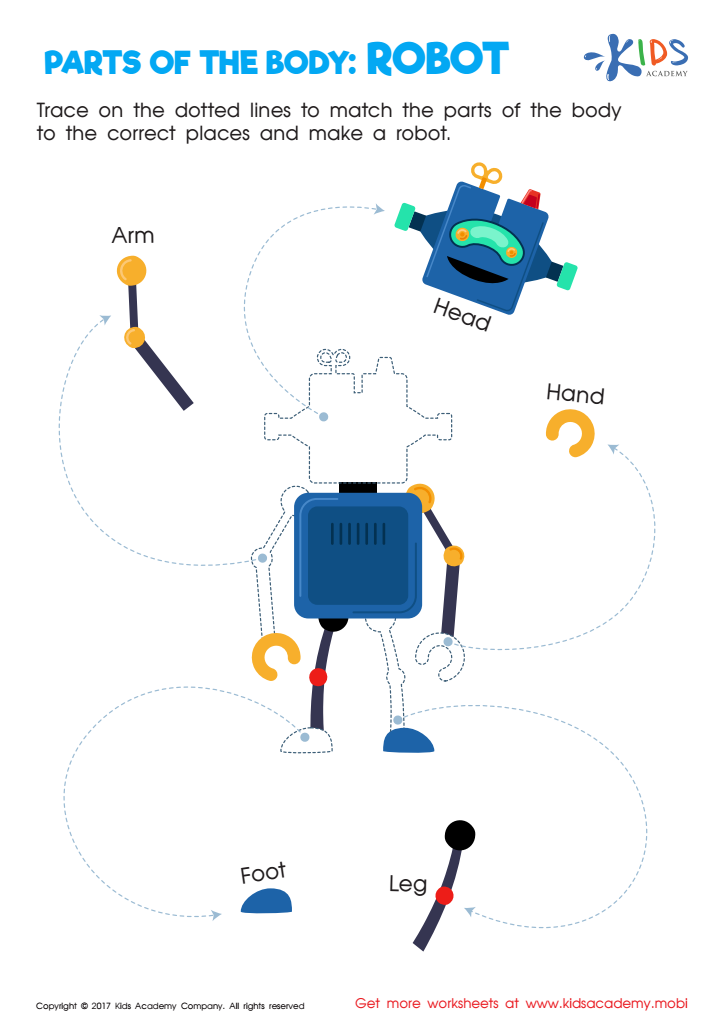
Robot Printable
 Assign to My Students
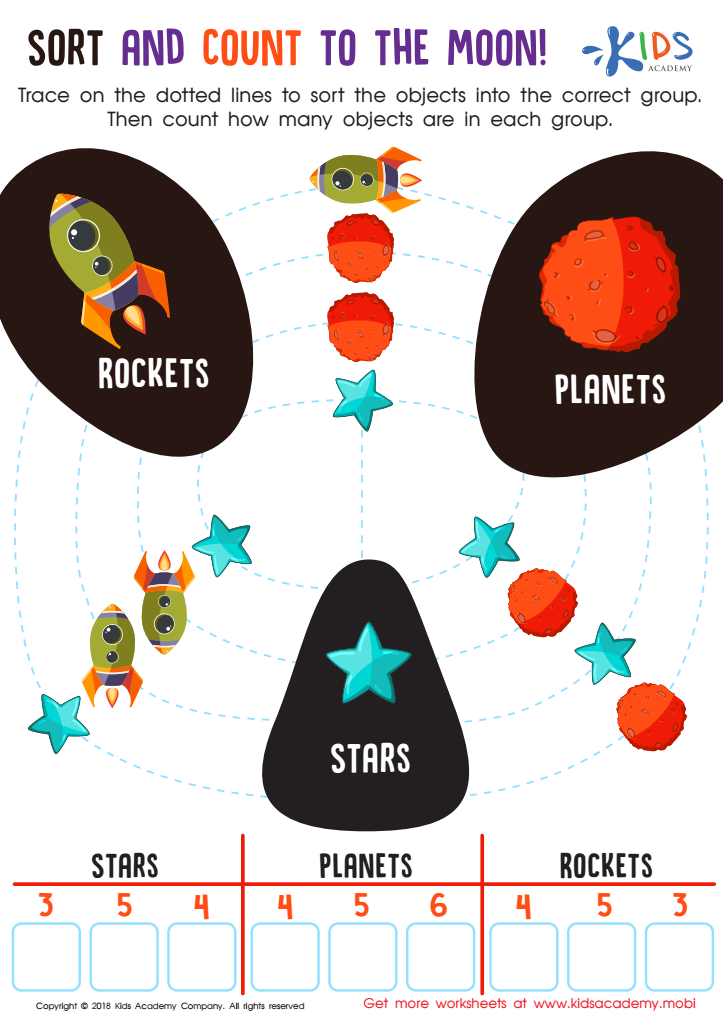
Sort and Count to the Moon Worksheet
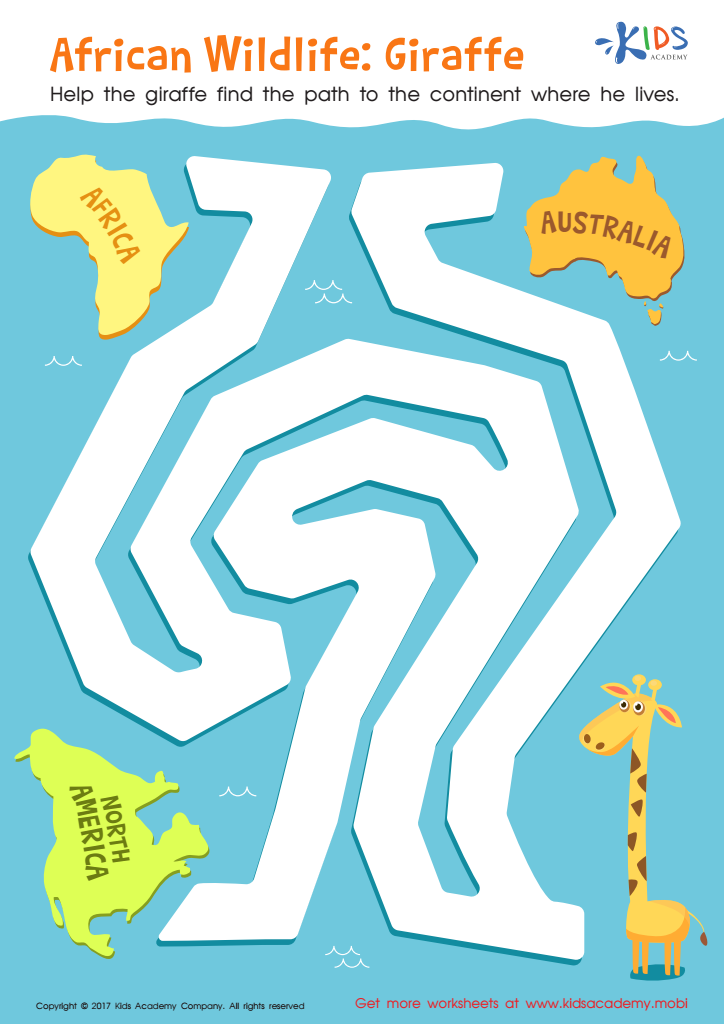
African Wildlife: Giraffe Worksheet
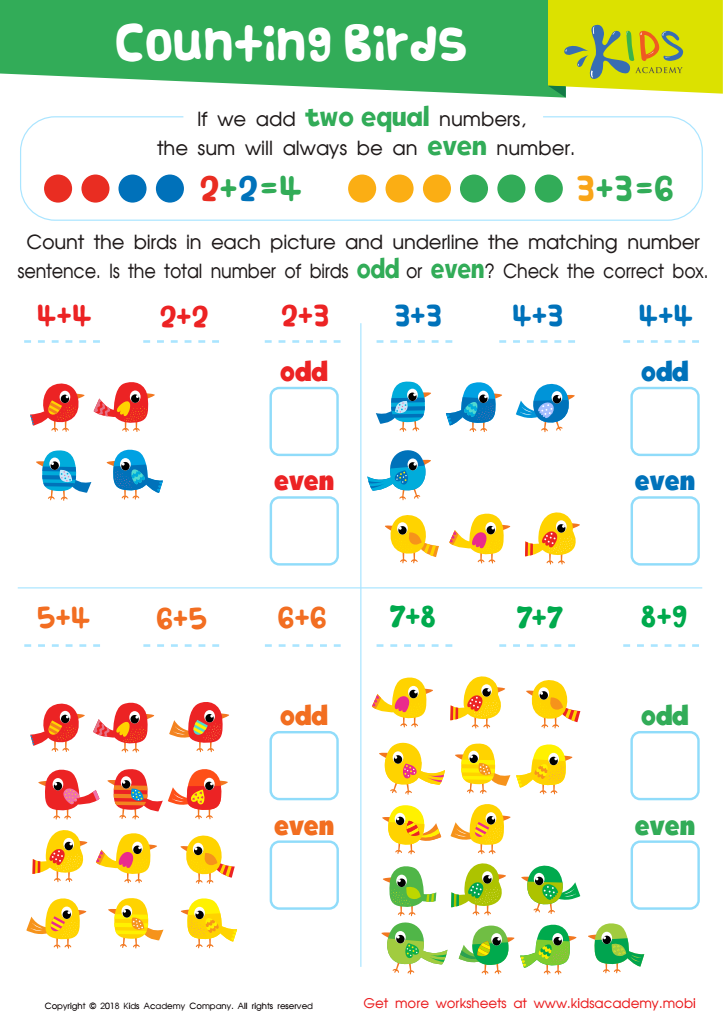
Counting Birds Worksheet
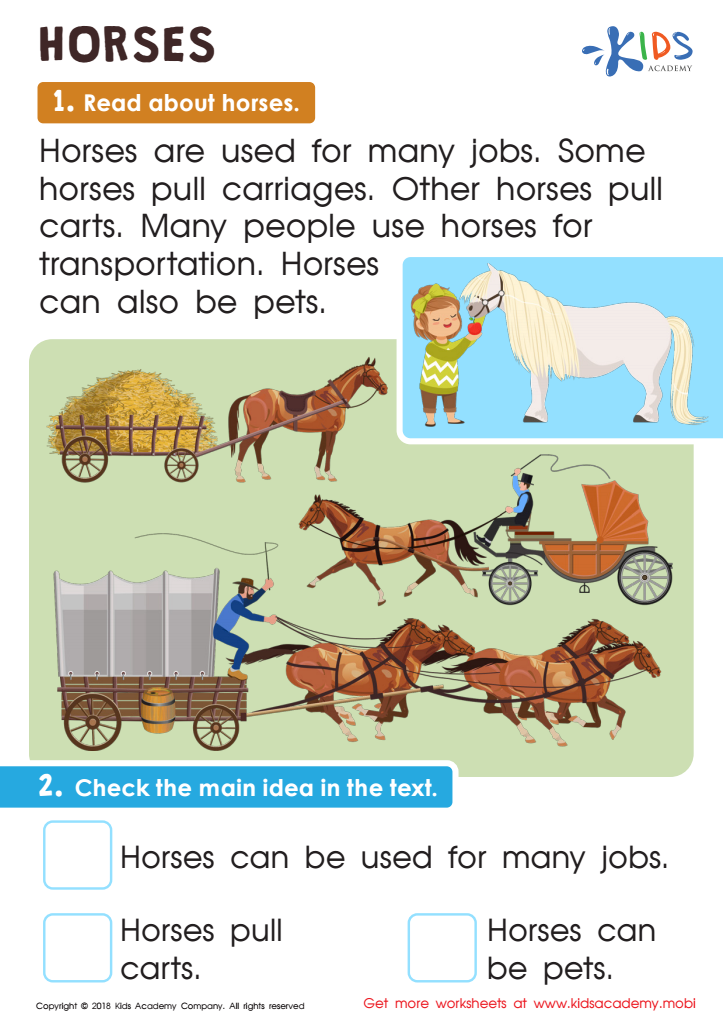
Horses Worksheet
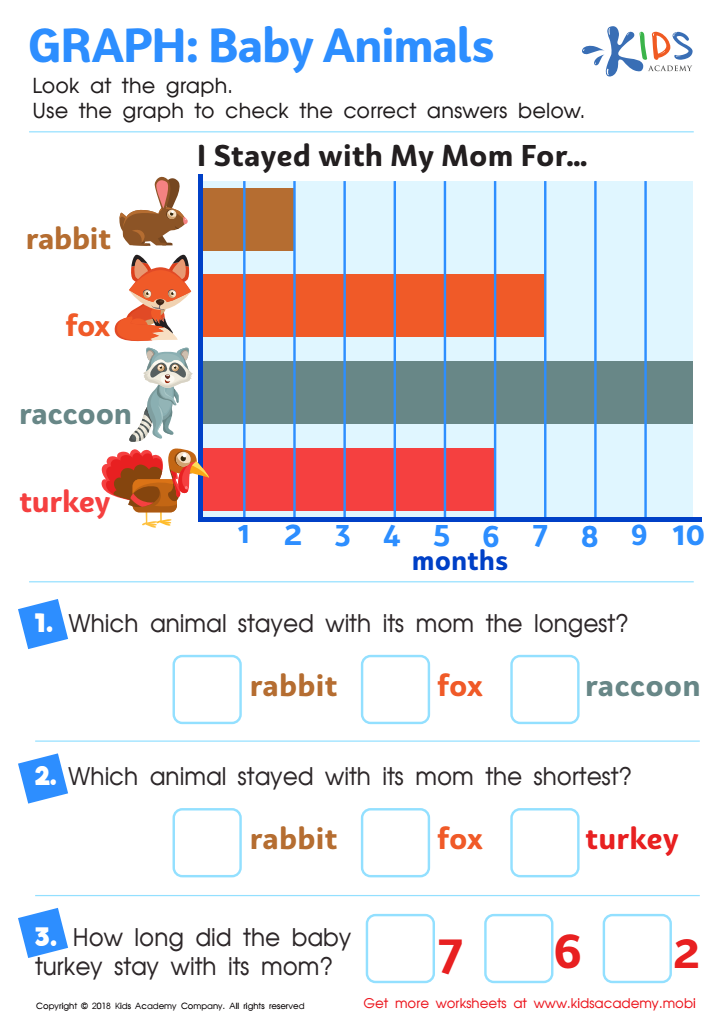
Graph: Baby Animals Worksheet
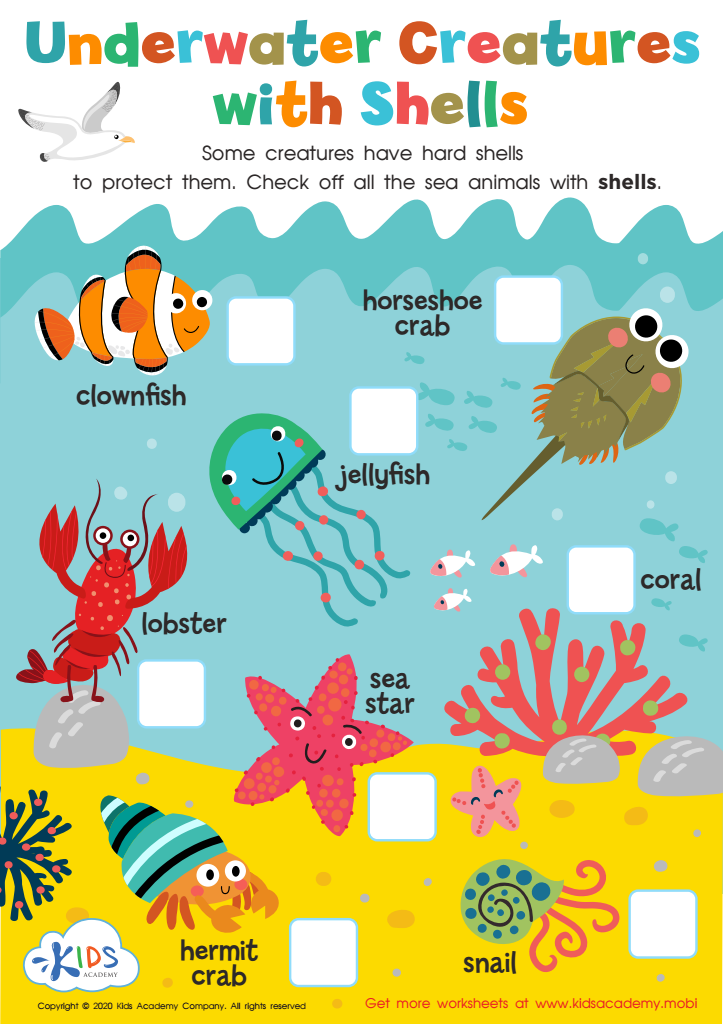
Underwater Creatures with Shells Worksheet
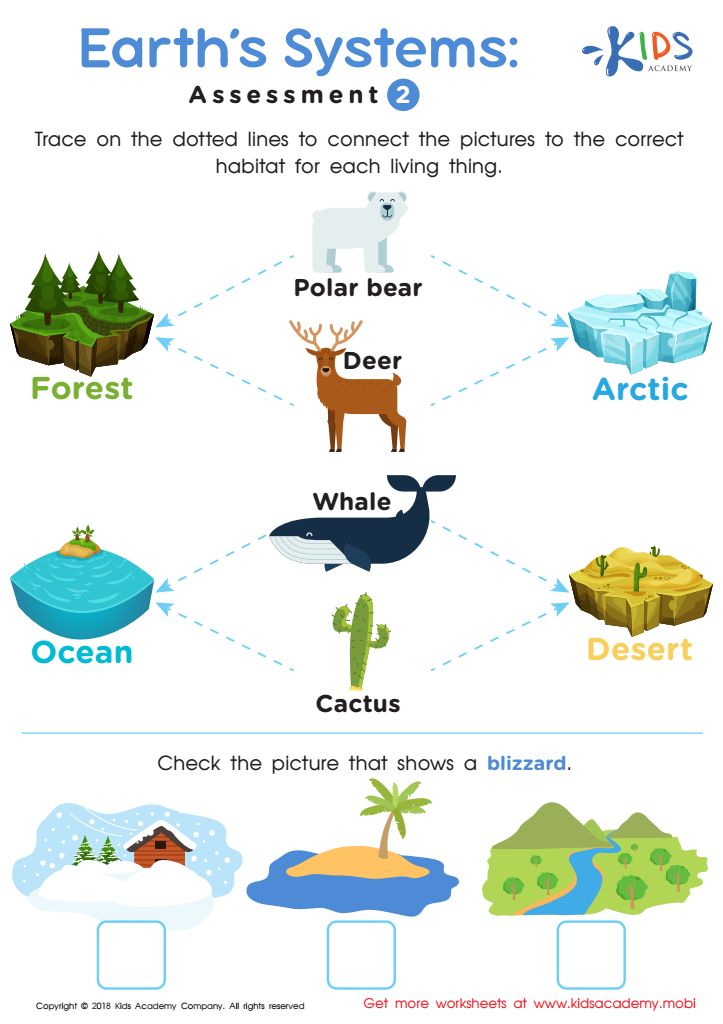
Earth's Systems: Assessment 2
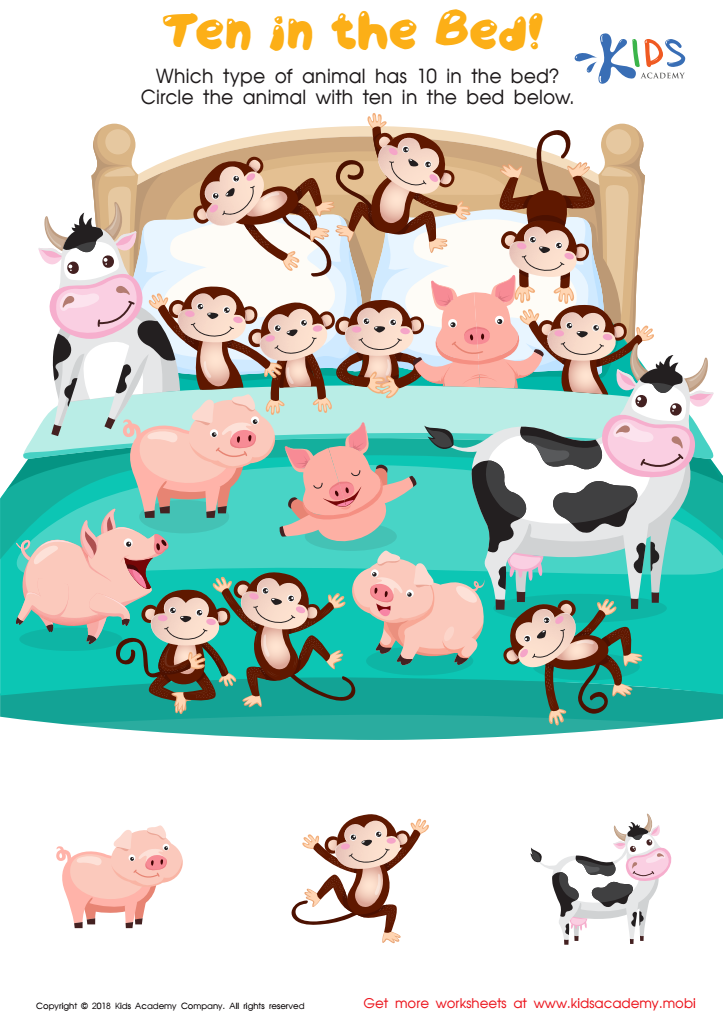
Ten in the Bed Worksheet
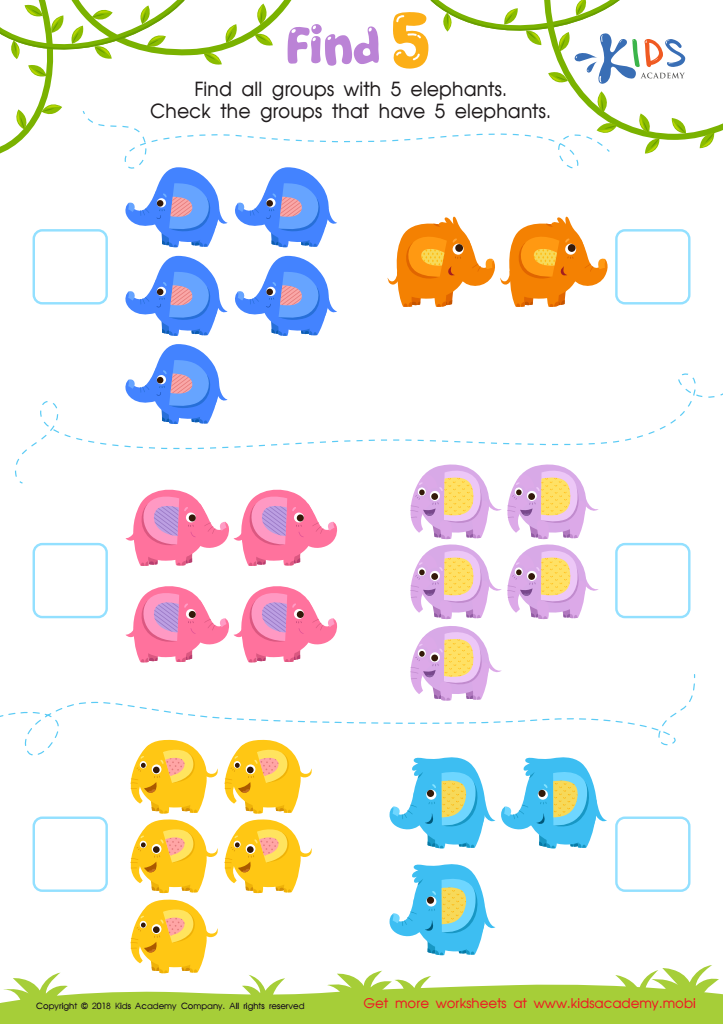
Find 5 Worksheet







Counting skills are foundational for early childhood education, significantly influencing a child's overall cognitive development. For children ages 3-7, counting isn't just about numbers; it's a gateway to critical thinking, problem-solving, and understanding mathematics concepts that form the basis for future learning.
Parents and teachers should prioritize counting skills because they enhance children’s ability to recognize patterns, categorize objects, and comprehend sequences. Engaging in counting activities also strengthens fine motor skills and fosters language development, as children learn to articulate numbers and their importance. Moreover, these skills instill a sense of confidence and accomplishment as children master new concepts.
Counting integrates STEM (science, technology, engineering, and mathematics) elements by encouraging exploration and inquiry. It allows children to experiment with different counting methods, such as one-to-one correspondence or skip counting, laying a foundation for mathematical reasoning.
Encouraging counting through playful, hands-on activities—like counting snacks, steps, or toys—makes learning enjoyable and meaningful. Ultimately, nurturing these skills early prepares children for academic success and equips them with essential life skills, fostering their curiosity and love for learning in both science and arithmetic. This investment benefits their overall education and development.







