Understanding natural resources Our Planet and Environment Worksheets for Ages 3-7
4 filtered results
-
From - To
Explore our "Understanding Natural Resources: Our Planet and Environment Worksheets" designed for children aged 3-7. These engaging resources introduce young learners to the essential resources found in nature, fostering early science education. Through interactive activities and colorful illustrations, children will discover the importance of water, air, soil, and wildlife in our ecosystem. The worksheets promote critical thinking and creativity, encouraging kids to think about how they can protect and sustain these vital resources. Perfect for parents and educators, these activities enhance understanding while making learning fun. Start your child’s journey towards environmental awareness today!
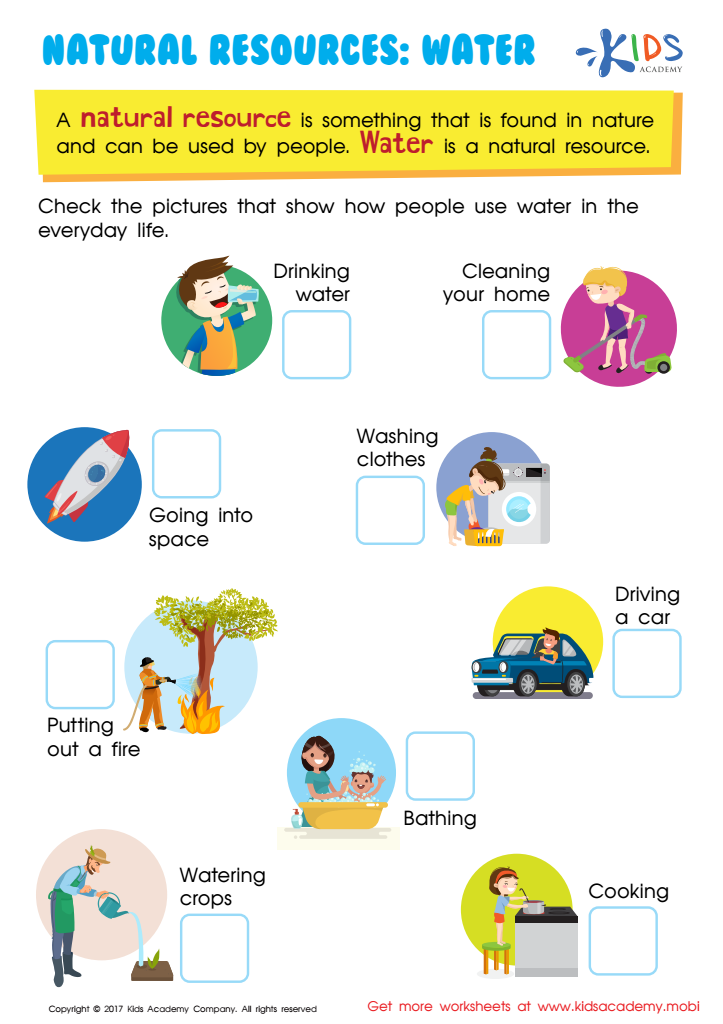
Natural Resources: Water Worksheet
 Assign to My Students
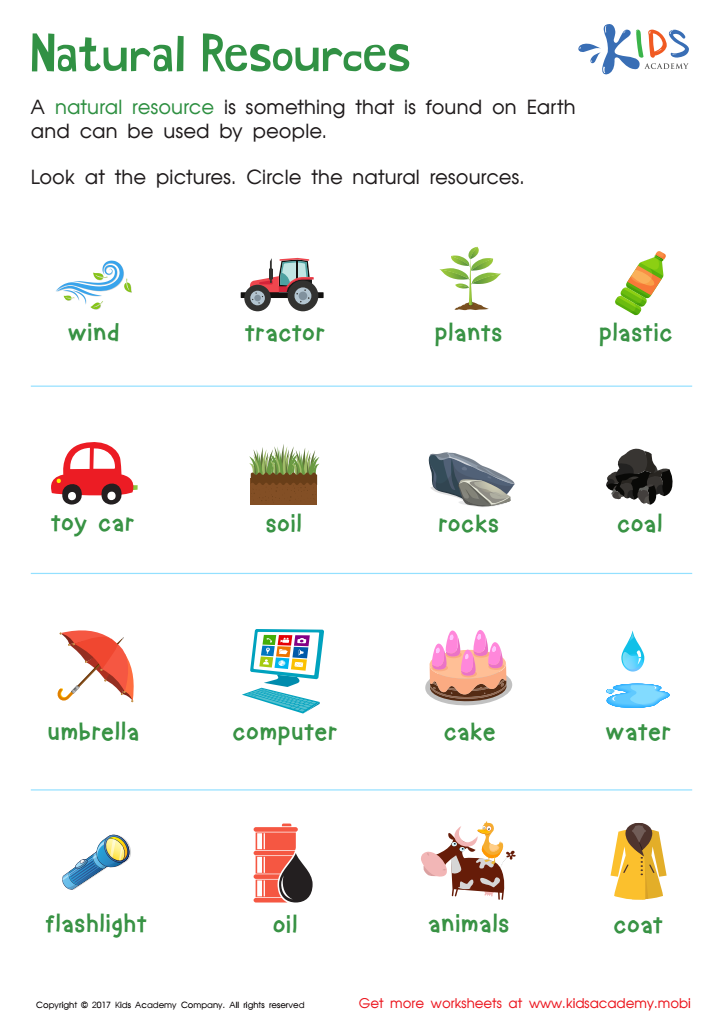
Natural Resources Worksheet
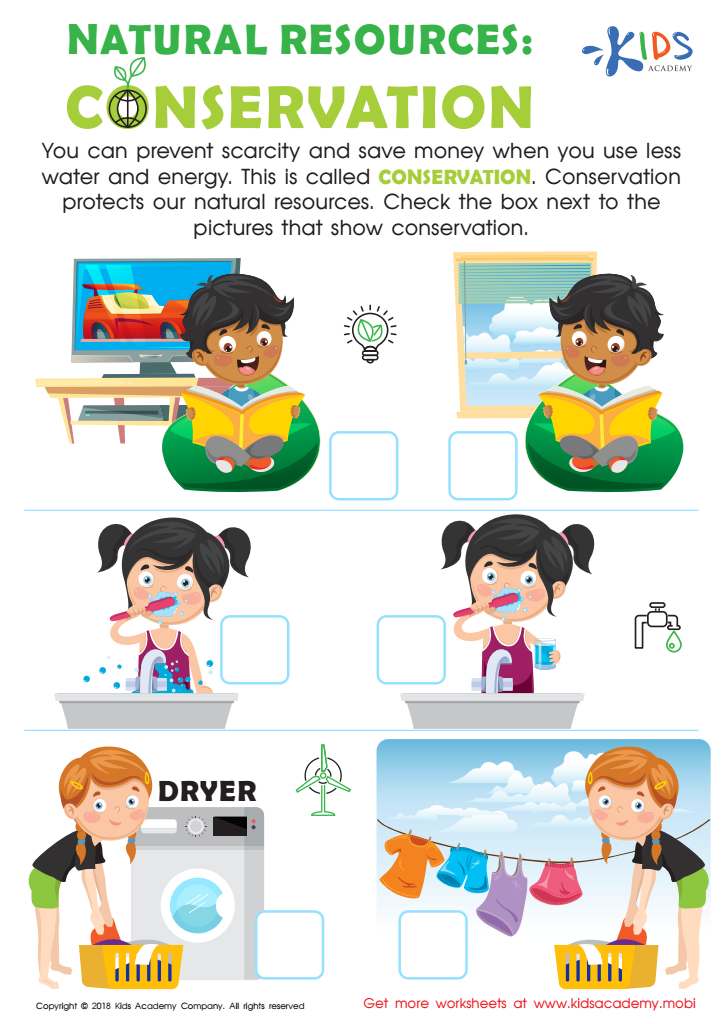
Natural Resources: Conservation Worksheet
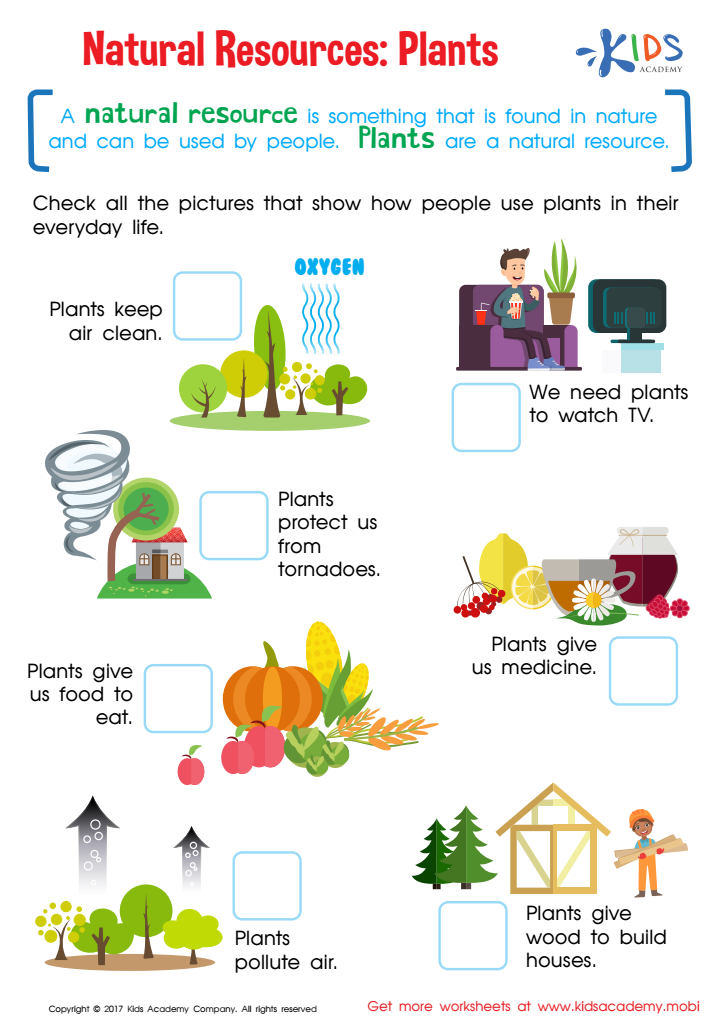
Natural Resources: Plants Worksheet


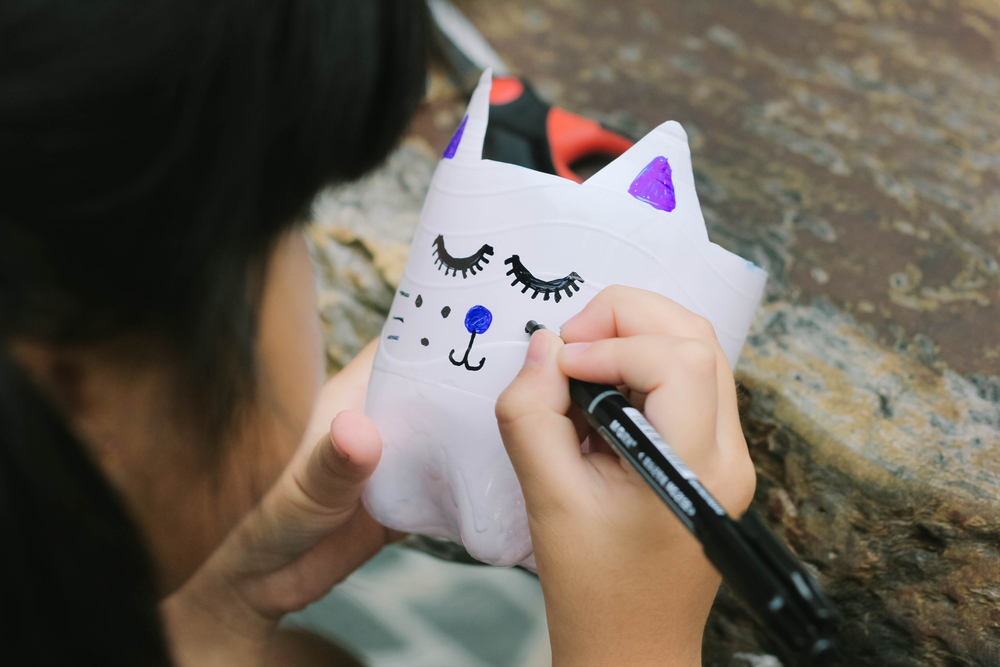

Understanding natural resources and the environment is crucial for children aged 3-7 as it lays the foundation for their awareness and appreciation of the world around them. Parents and teachers play a vital role in this learning journey.
At this age, children are naturally curious and eager to explore. By introducing them to concepts related to our planet and its resources, adults foster critical thinking and environmental awareness. Engaging children in activities about nature—like exploring parks, gardening, or even simple recycling projects—promotes social skills, responsibility, and respect for nature, instilling habits that they will carry into adulthood.
Additionally, understanding natural resources cultivates a sense of stewardship. As children learn about the importance of water, trees, and wildlife, they develop emotional connections to their environment, which can motivate them to make sustainable choices. This early education helps to shape a generation that is conscientious about conservation and sustainability.
Teachers and parents should use this critical developmental stage to discuss topics like renewable resources, the importance of biodiversity, and ways to reduce waste. By embedding these lessons into everyday conversations and play, they prepare children not just as students, but as future caretakers of their planet.







