Fine Motor Skills Plants and Animals Worksheets for Ages 3-7
4 filtered results
-
From - To
Discover engaging Fine Motor Skills Plants and Animals Worksheets designed for children ages 3-7! These interactive printables from Kids Academy combine learning with fun as young children develop essential fine motor skills. Each worksheet features captivating activities such as tracing, cutting, and coloring, focusing on plants and animals. Perfectly tailored to nurture hand-eye coordination and dexterity, these worksheets promote fine motor development while introducing the wonders of nature. Ideal for home or classroom use, our resources support early science education in an enjoyable way. Unlock your child's potential with our specialized plant and animal-themed worksheets today!
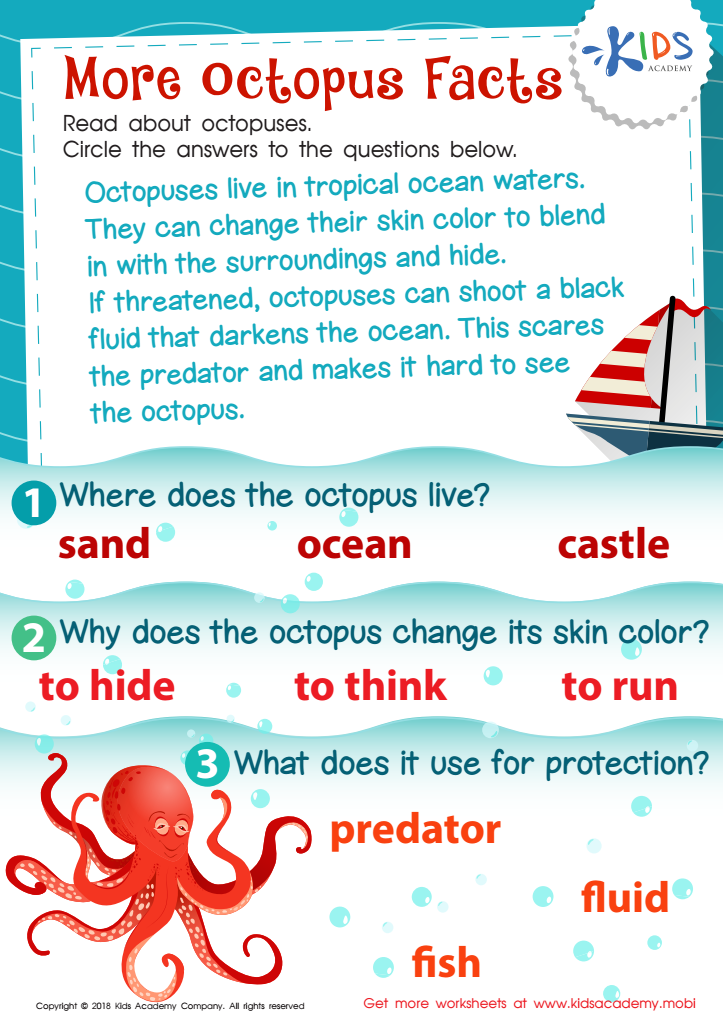
More Octopus Facts Worksheet
 Assign to My Students











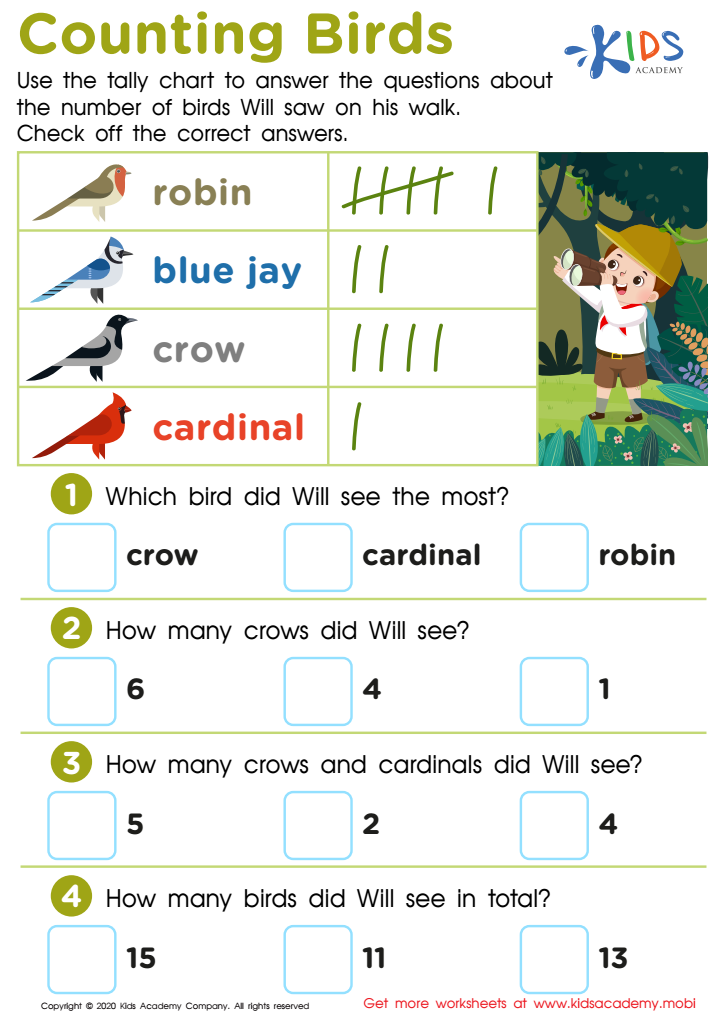
Counting Birds Worksheet
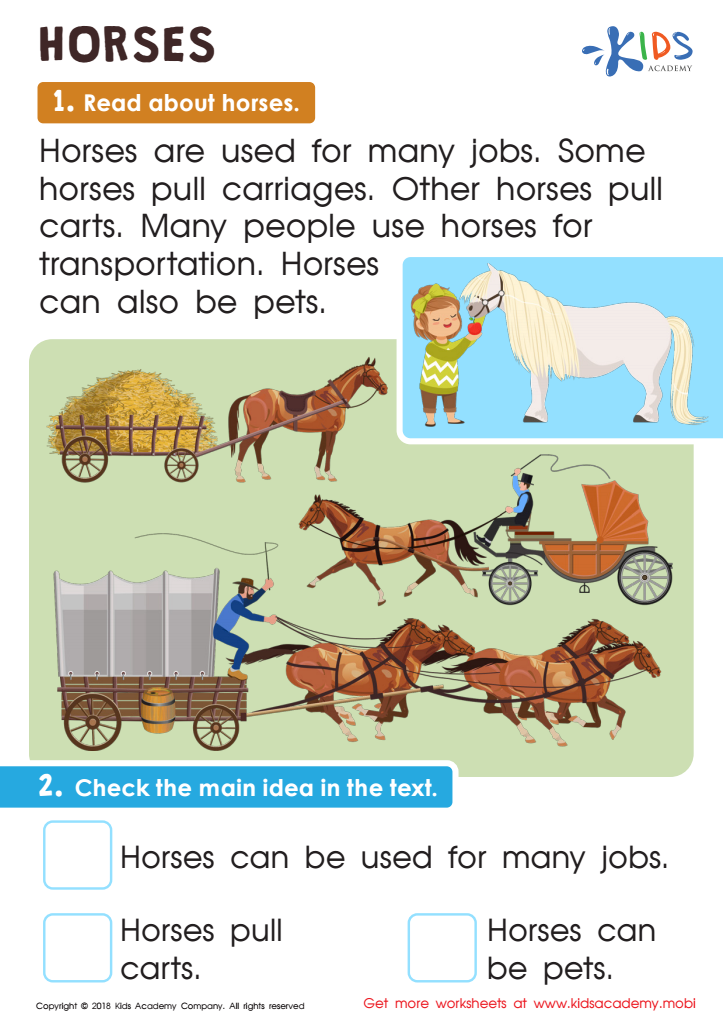
Horses Worksheet
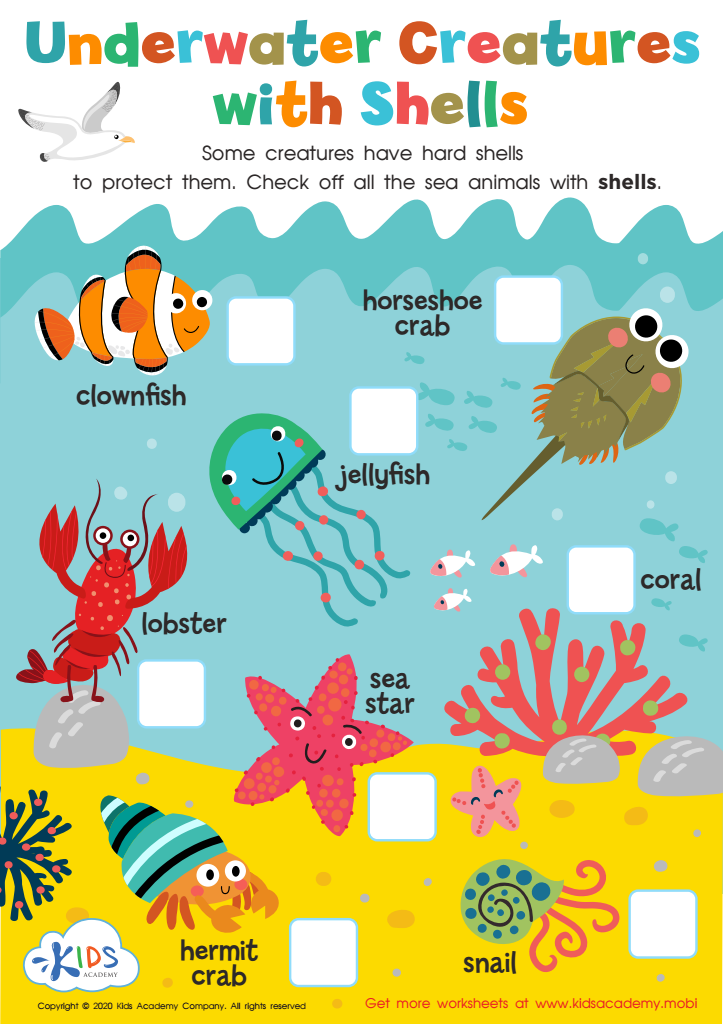
Underwater Creatures with Shells Worksheet








Fine motor skills are crucial for young children, typically within the ages of 3 to 7, as they represent foundational motor abilities that significantly affect daily activities and later academic performance. These skills involve the coordination of small muscles, particularly those in the hands and fingers, and are essential for tasks such as writing, cutting, and buttoning clothes.
When parents and teachers facilitate fine motor skill development through engaging activities themed around plants and animals, they make learning both enjoyable and educational. For example, children can practice pinching and grasping by picking up seeds or crafting animal shapes with modeling clay. Sorting activities, like pairing animal figures or leaves, enhance hand-eye coordination while offering opportunities to learn about biology and nature.
Additionally, the context of plants and animals can spark children's curiosity and foster a connection to the natural world. Planting seeds can endure focus and patience as children dig, plant, water, and observe growth, enhancing their dexterity and offering lessons about botanical life cycles. Similarly, caring for animals or simulating animal habitats through activities supports empathetic and observational skill development.
Integrating fine motor skill practices with engaging, theme-based content encourages holistic learning, driving motor competency while promoting intellectual curiosity and a love for nature, making this approach invaluable for early childhood education.








