Grammar Worksheets for Ages 3-7 - Page 6
163 filtered results
-
From - To
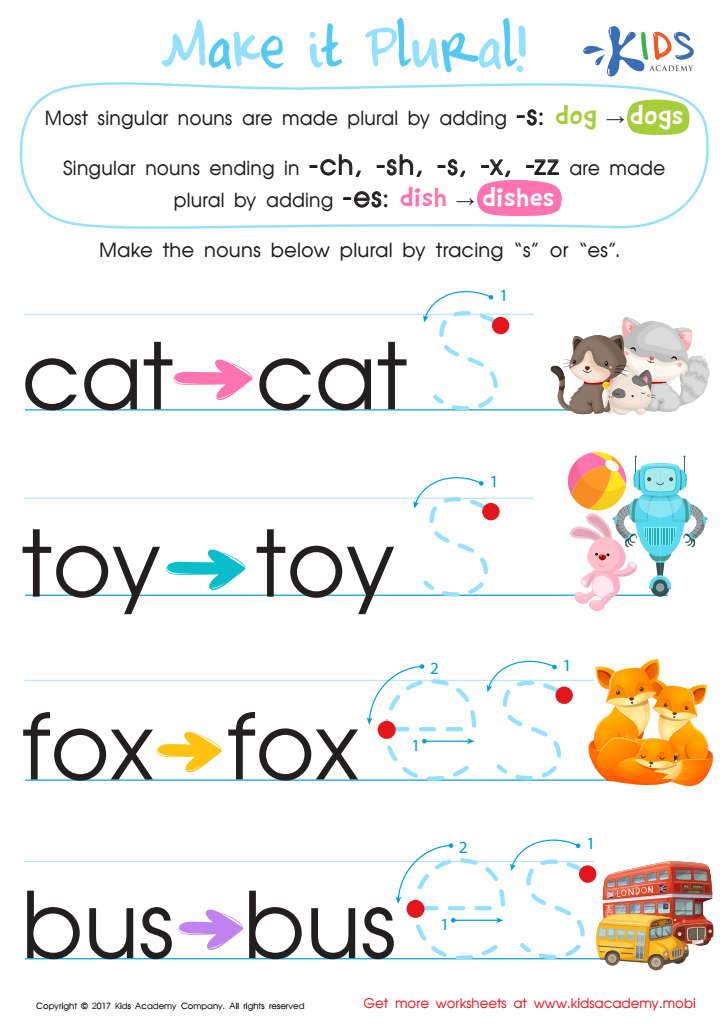
Make it Plural Worksheet
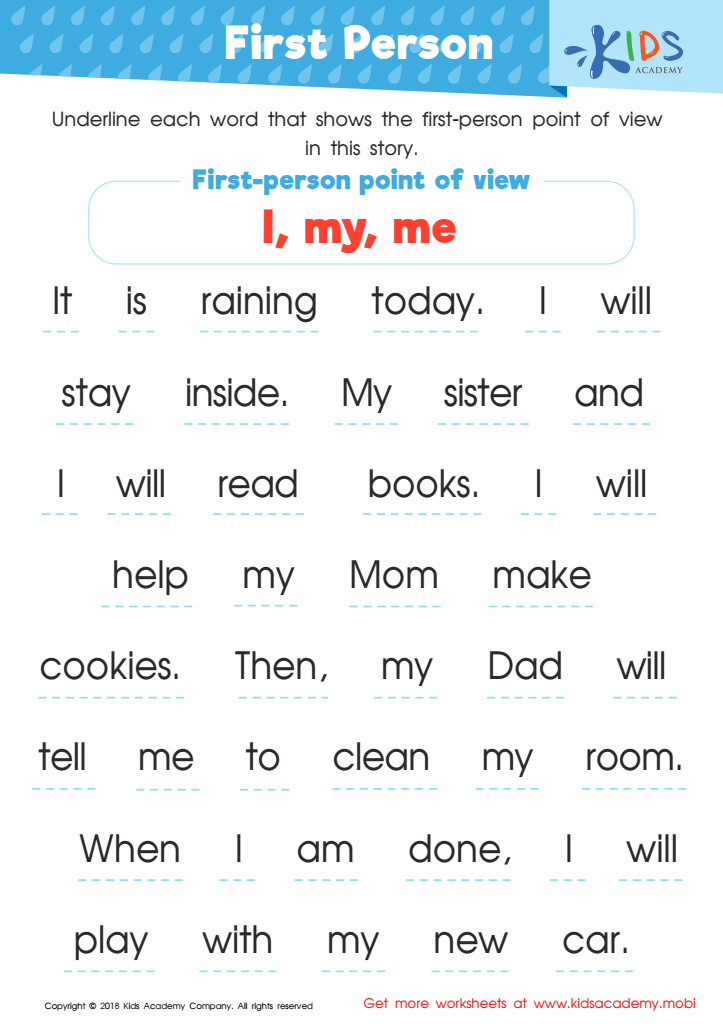
First Person Worksheet
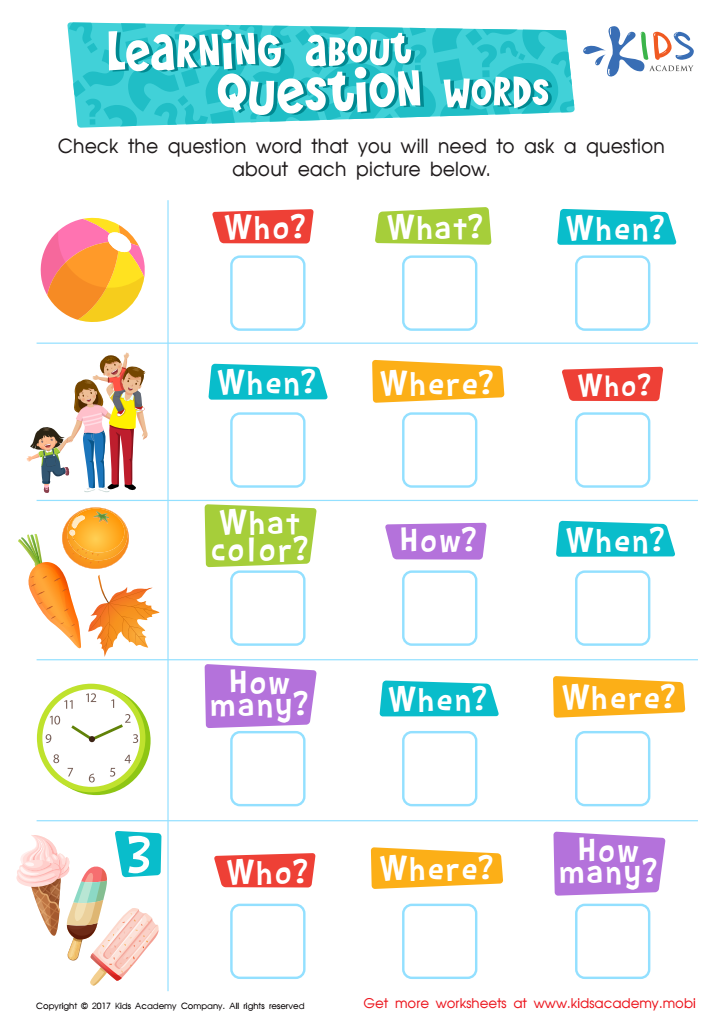
Learning about Question Words Worksheet
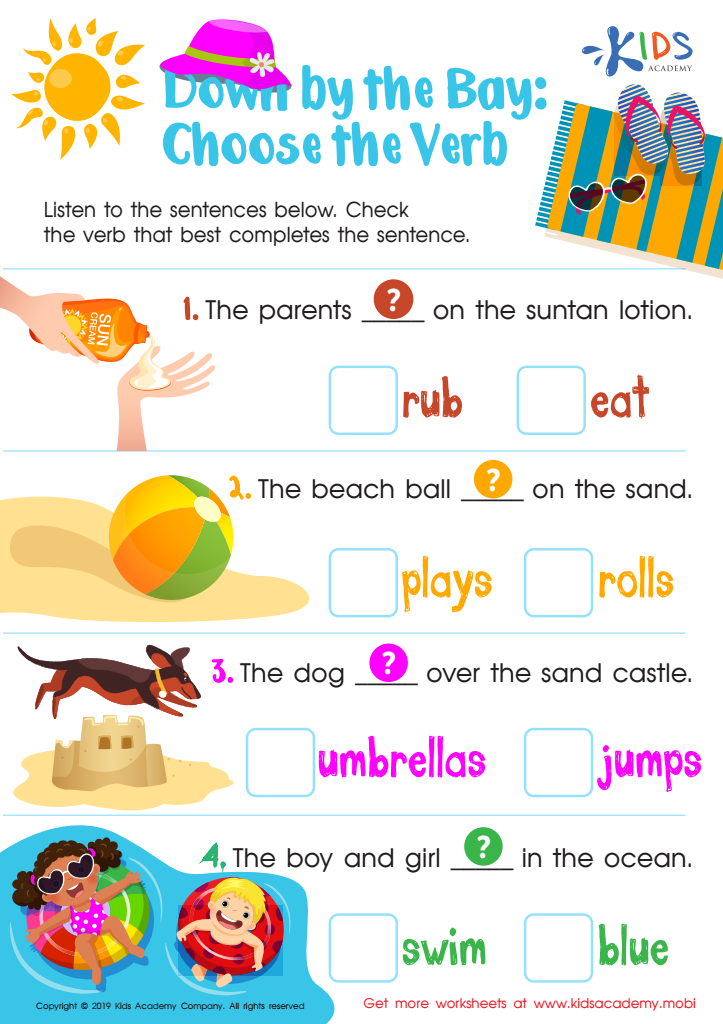
Down by the Bay: Choose the Verb Worksheet
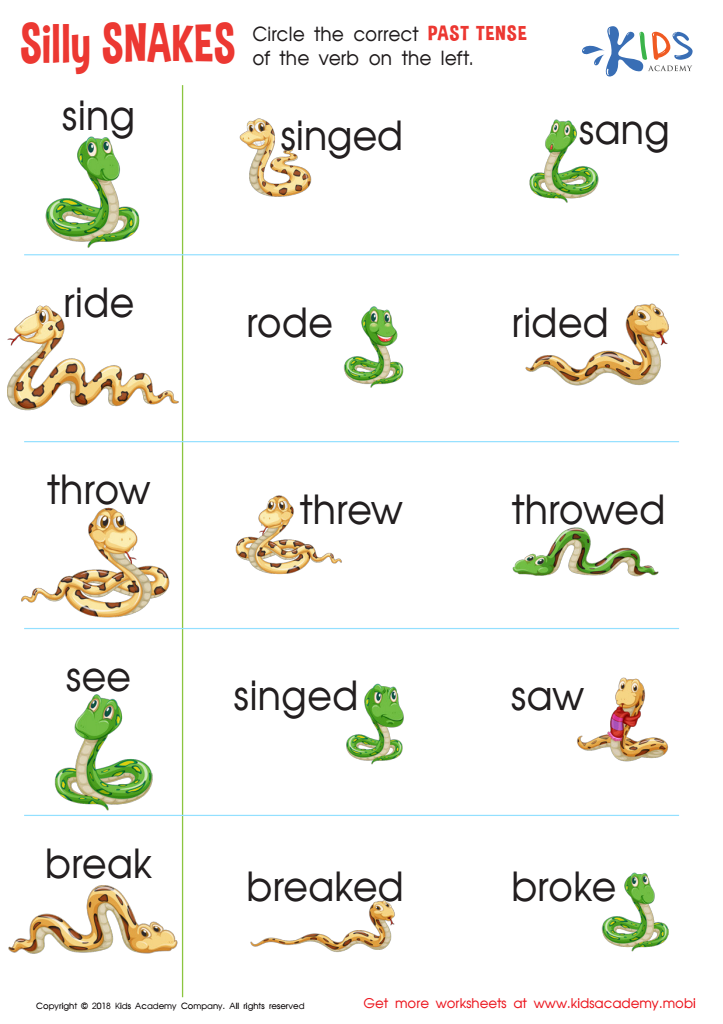
Silly Snakes Worksheet
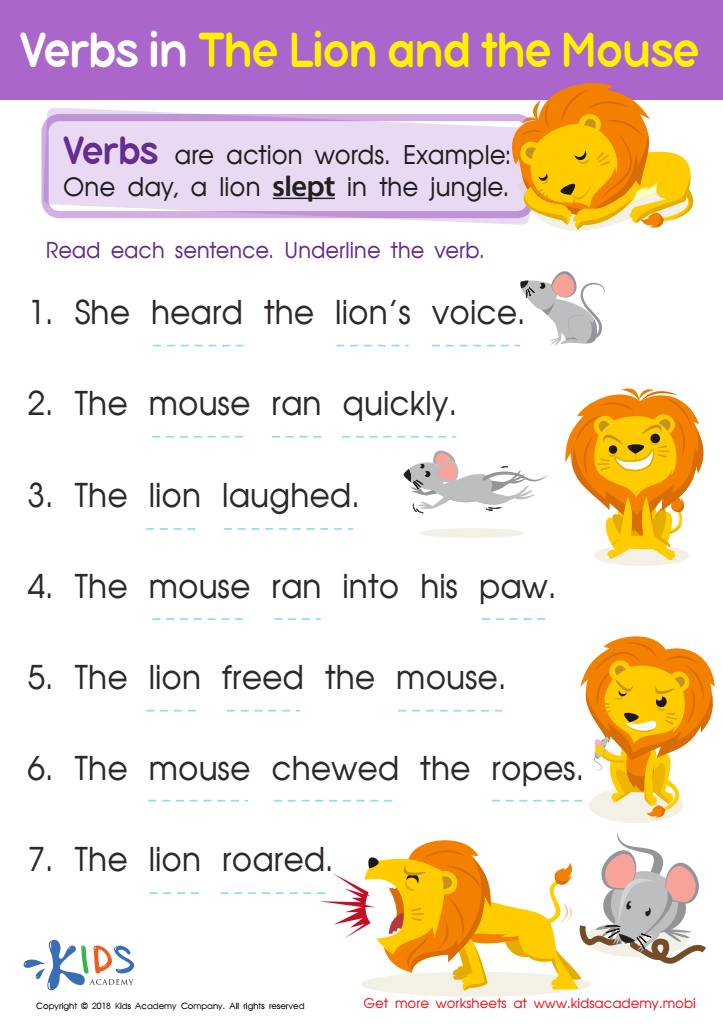
Verbs in The Lion and the Mouse Worksheet
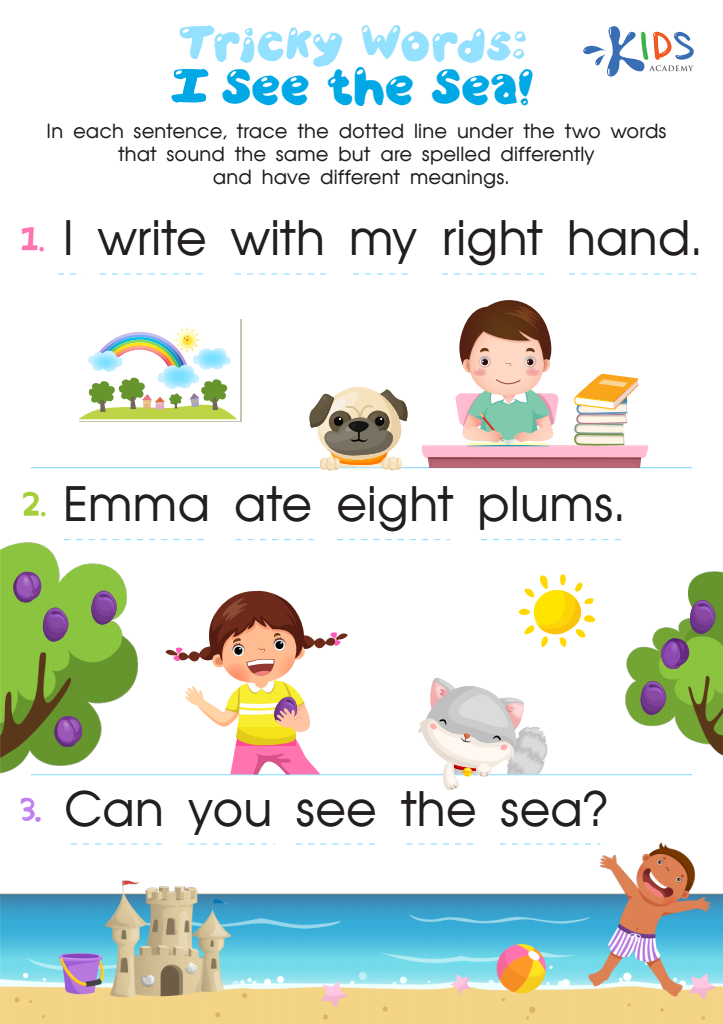
Tricky Words Worksheet
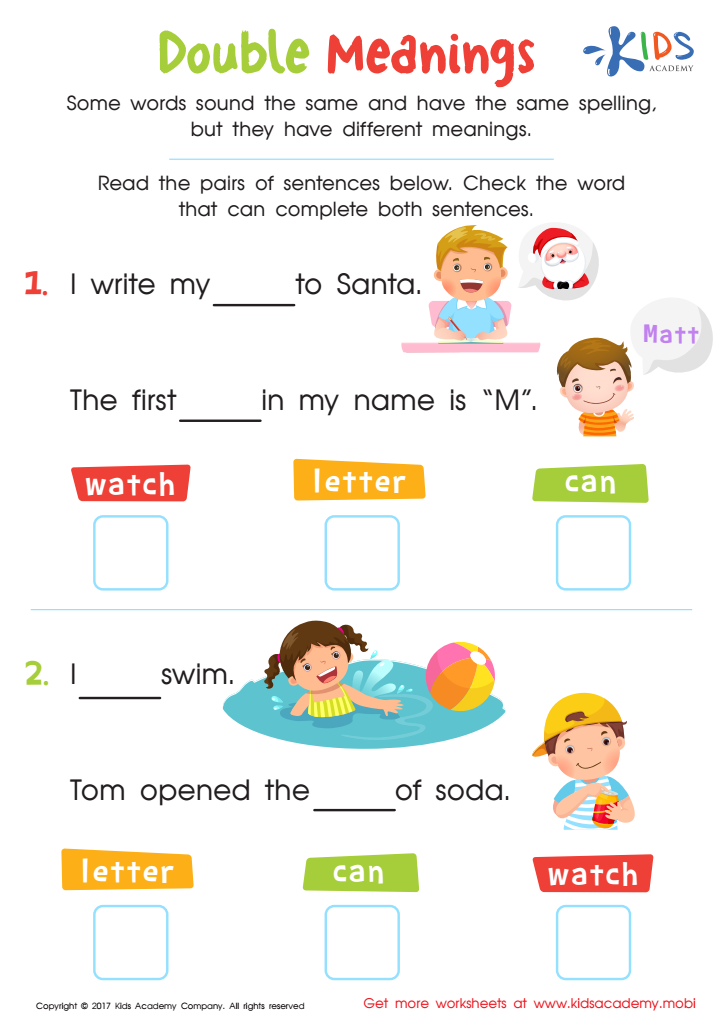
Double Meanings Worksheet
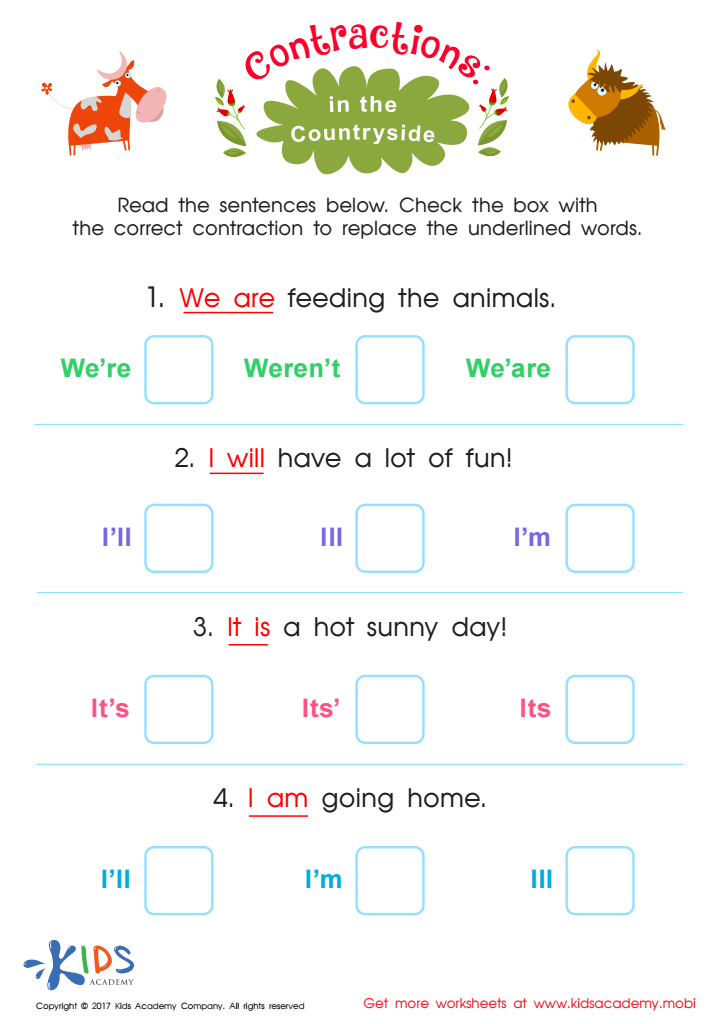
Contractions: In the Countryside Worksheet
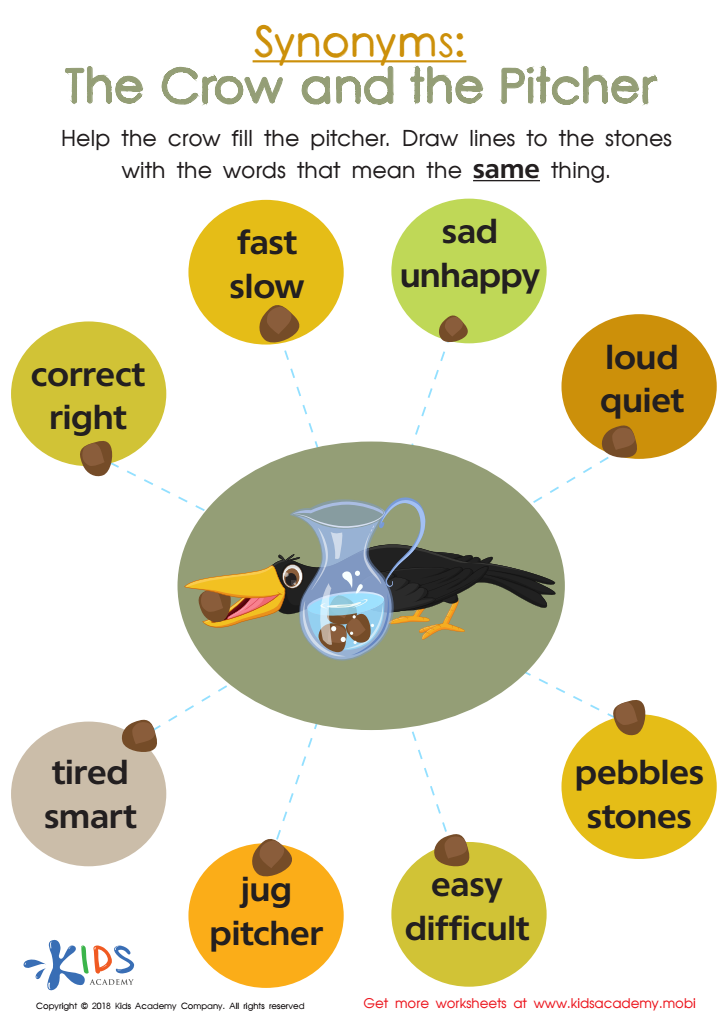
The Crow and the Pitcher Synonyms Worksheet
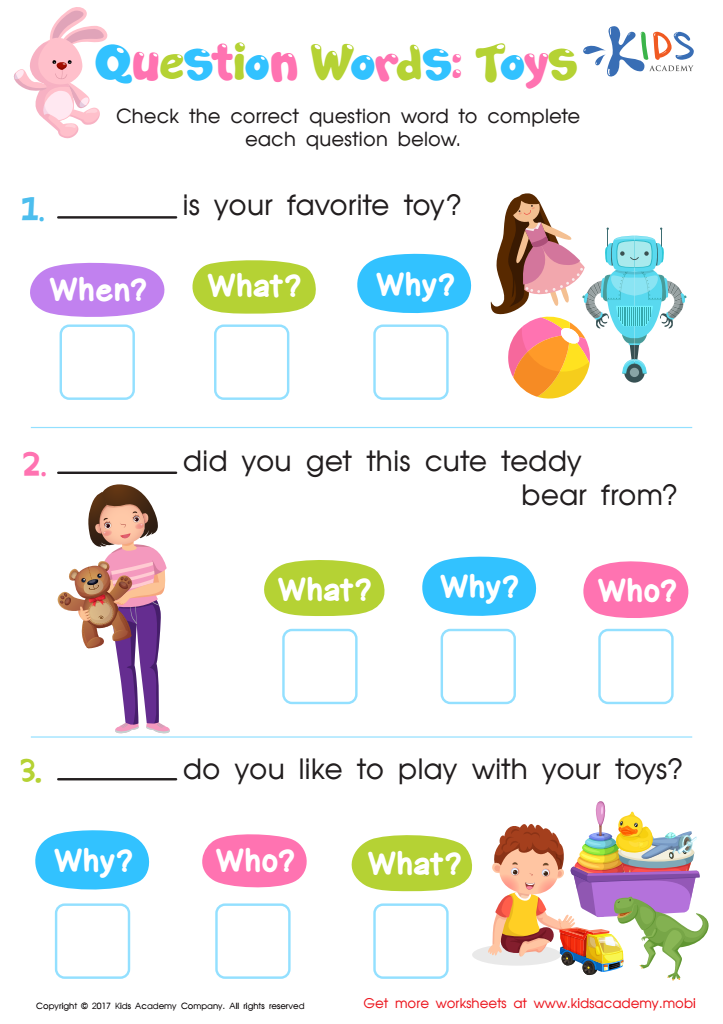
Question Words: Toys Worksheet
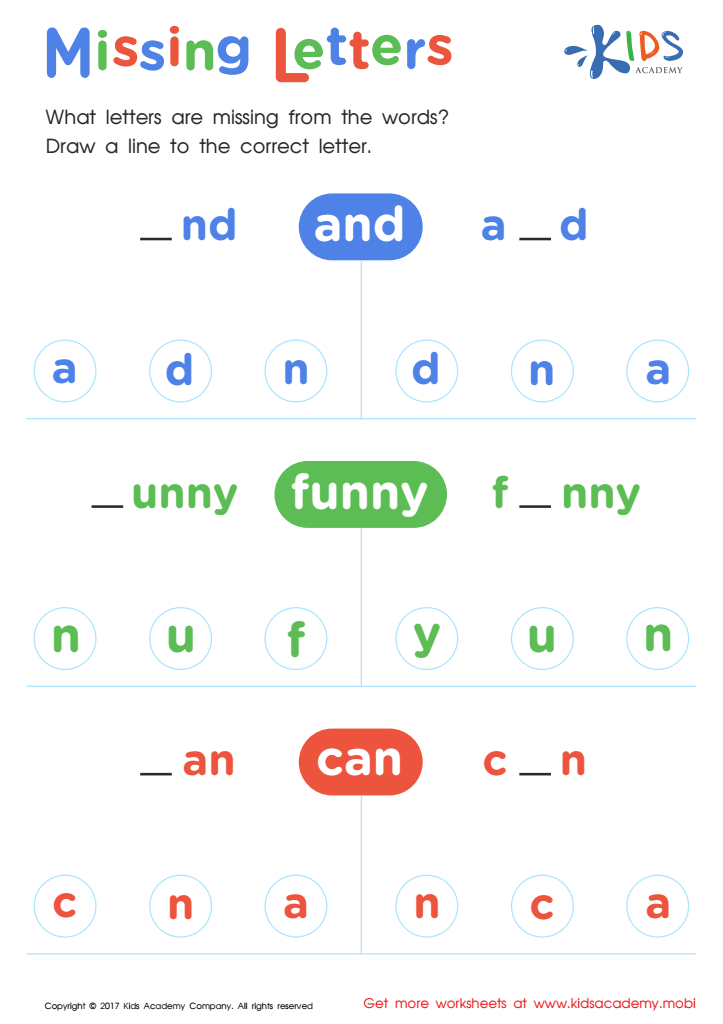
Missing Letters Worksheet
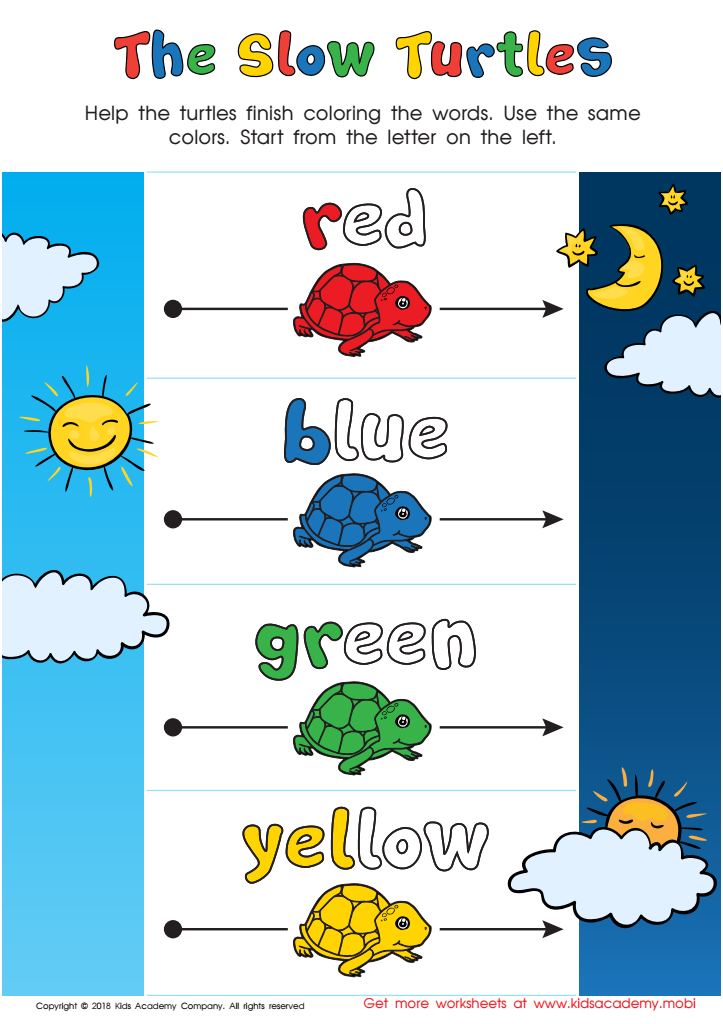
Read from Left to Right: Slow Turtles Worksheet
 Assign to My Students
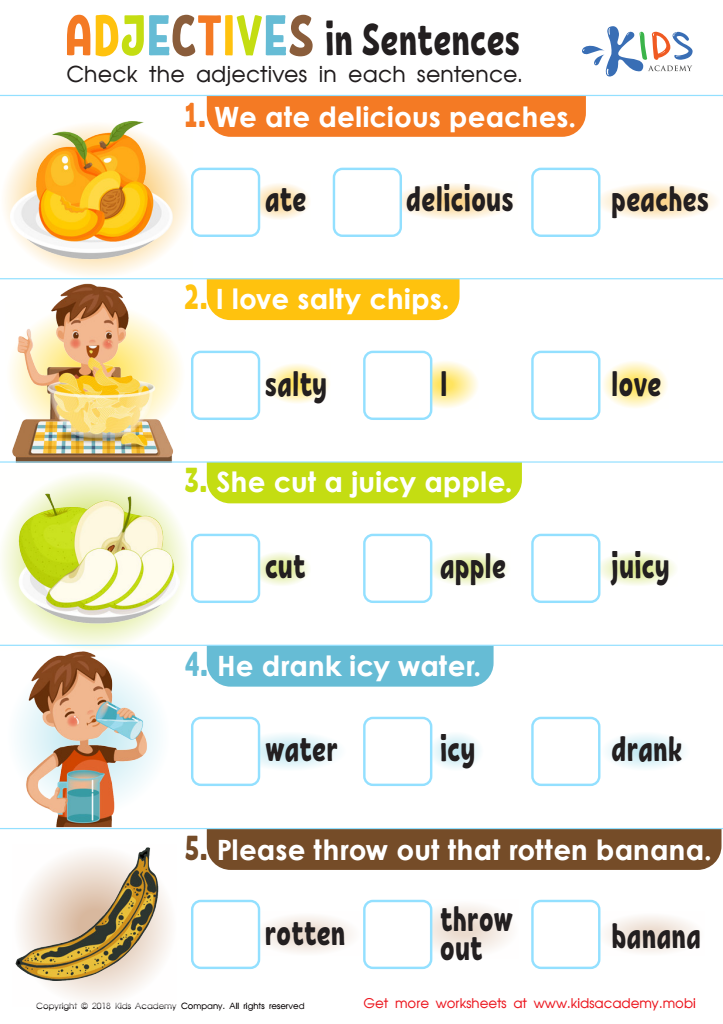
Adjectives in Sentences Worksheet
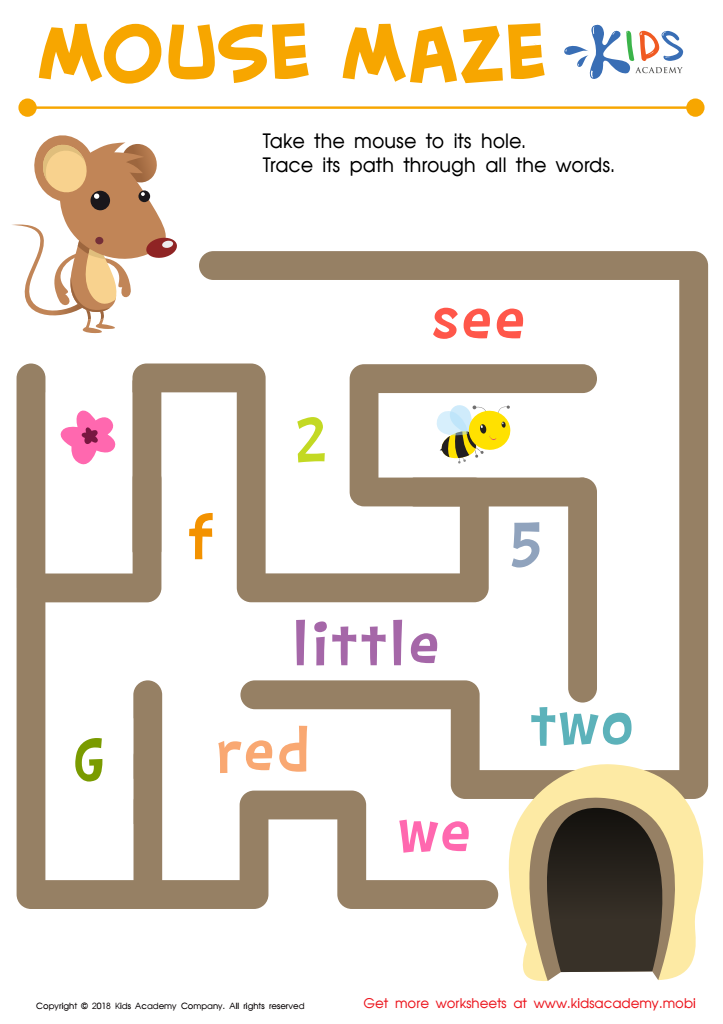
Find Words Mouse Maze Worksheet
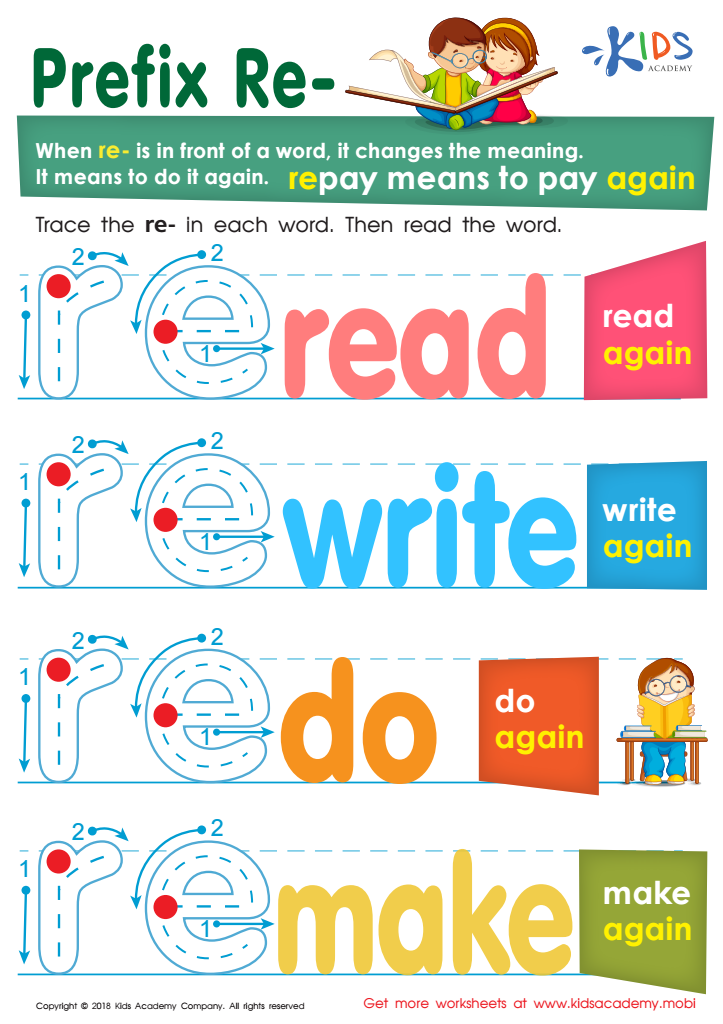
Prefix Re- Worksheet
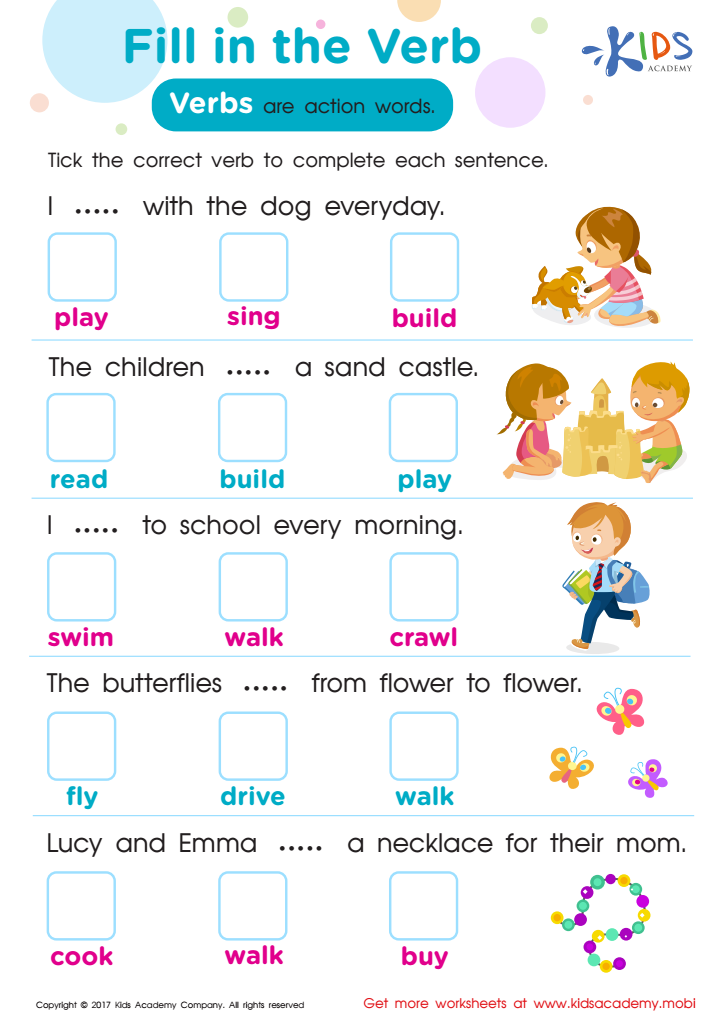
Fill in the Verb Printable
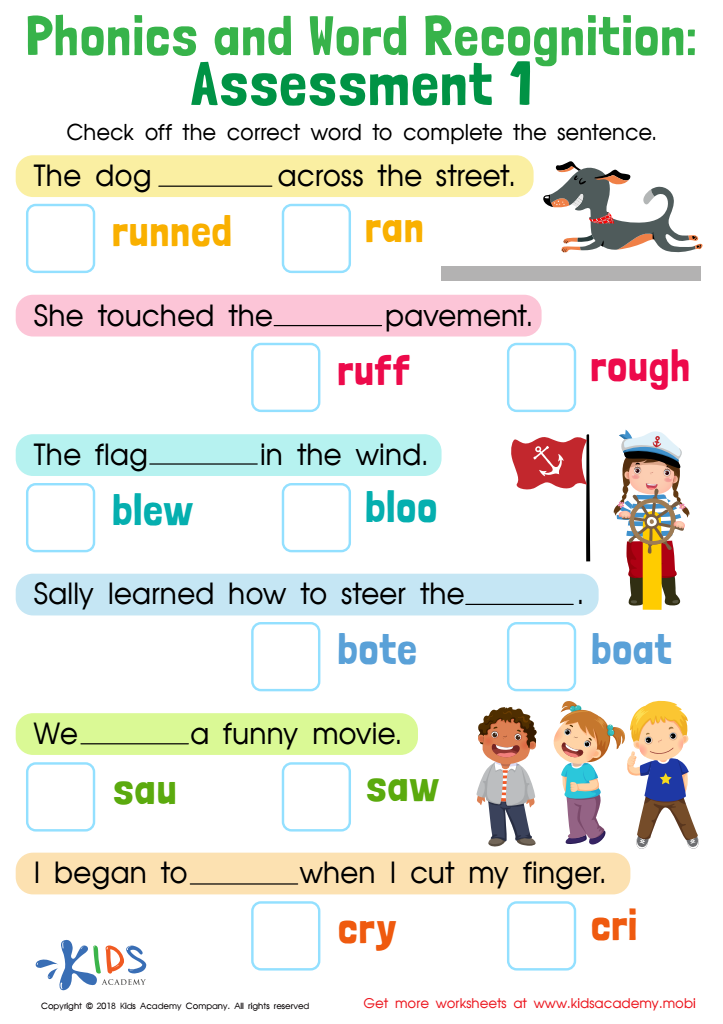
Phonics and Word Recognition: Assessment 1 Worksheet
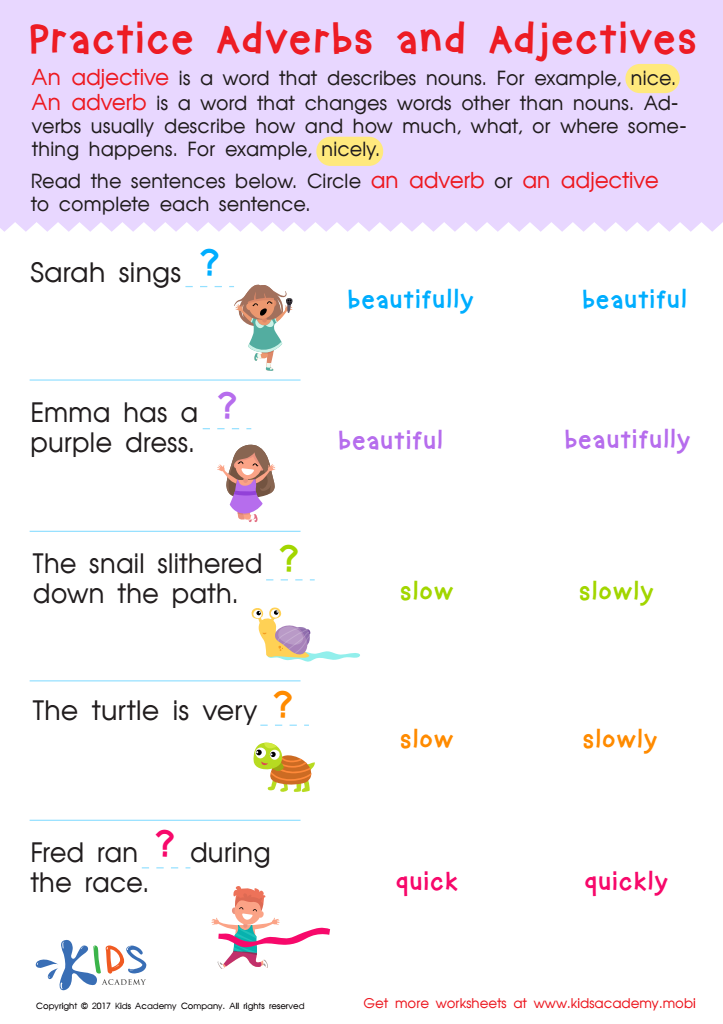
Adverbs and Adjectives Worksheet
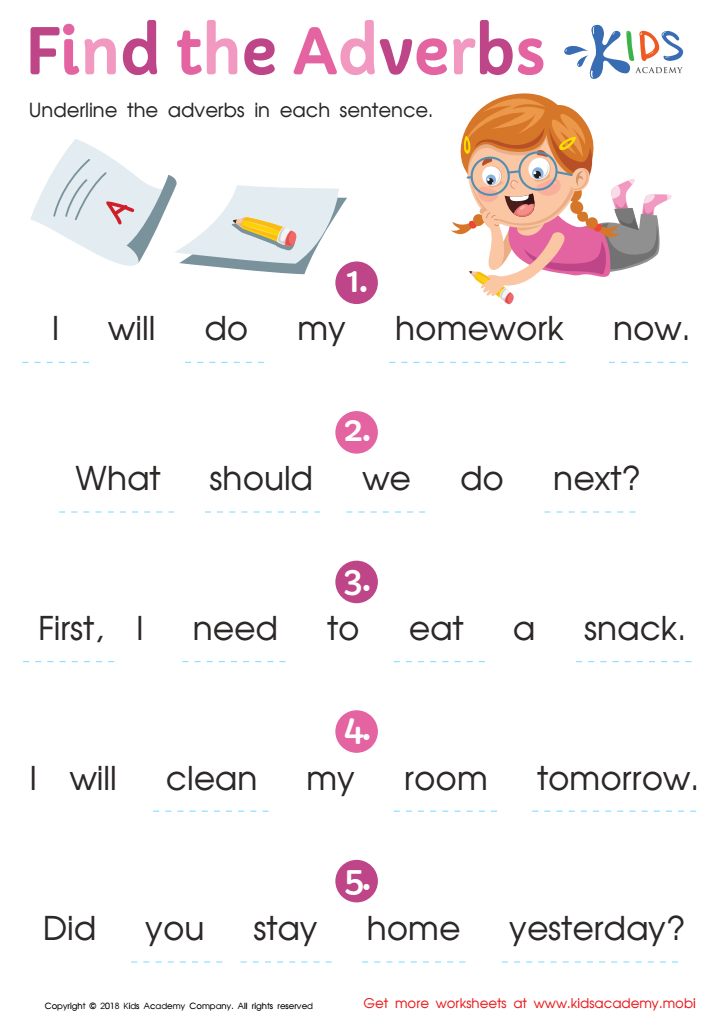
Finding the Adverbs Worksheet
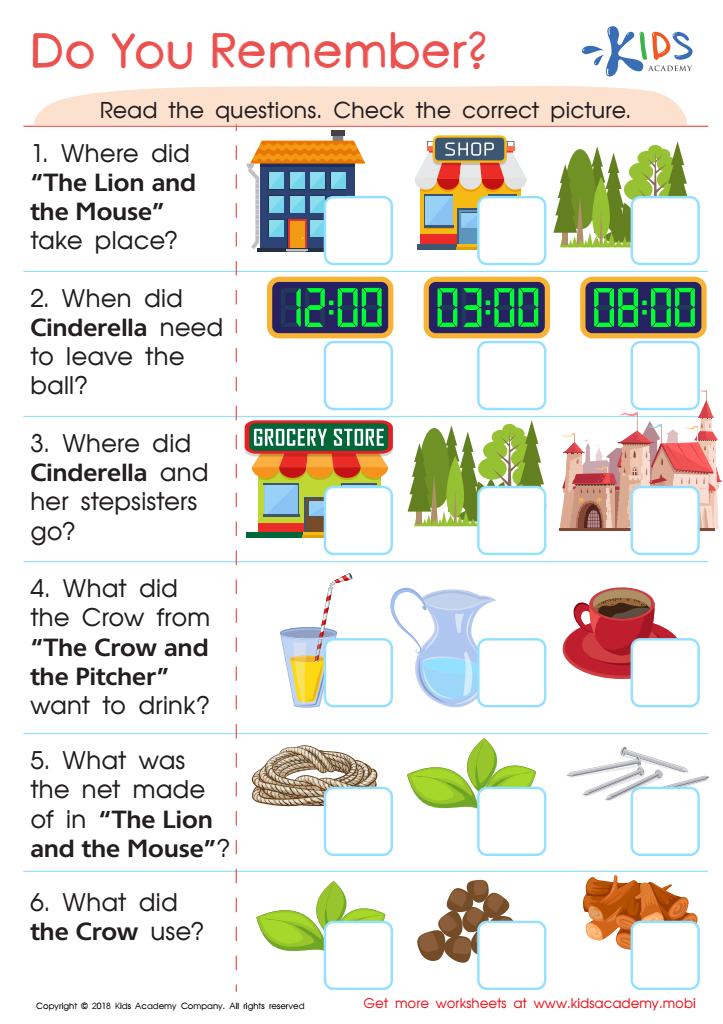
Do You Remember? Worksheet
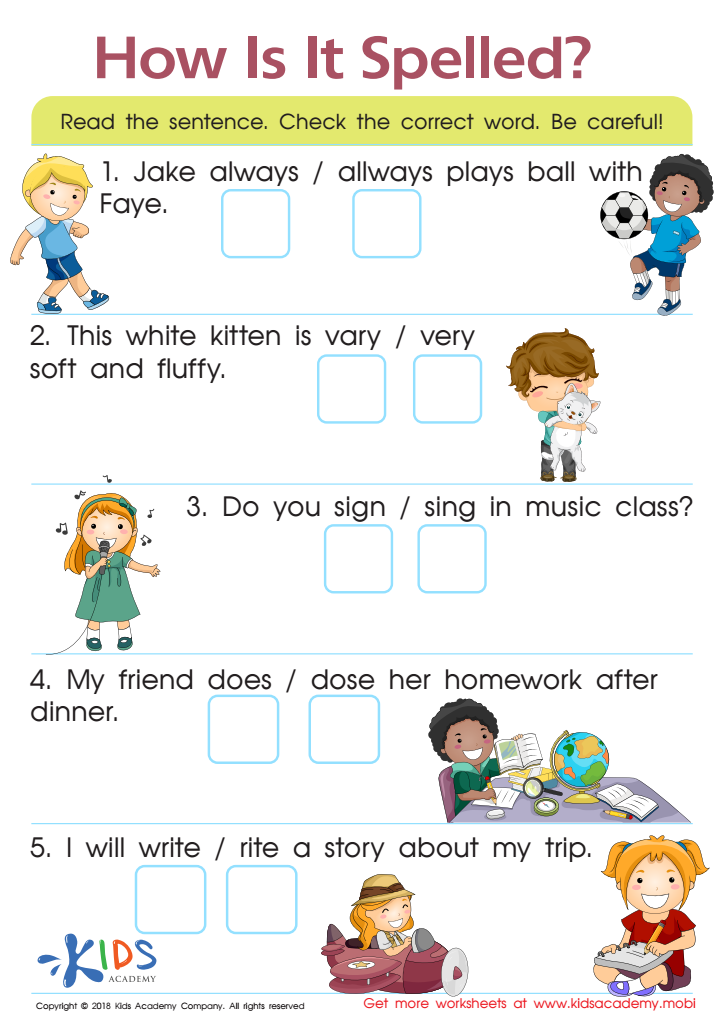
How is it spelled? Worksheet
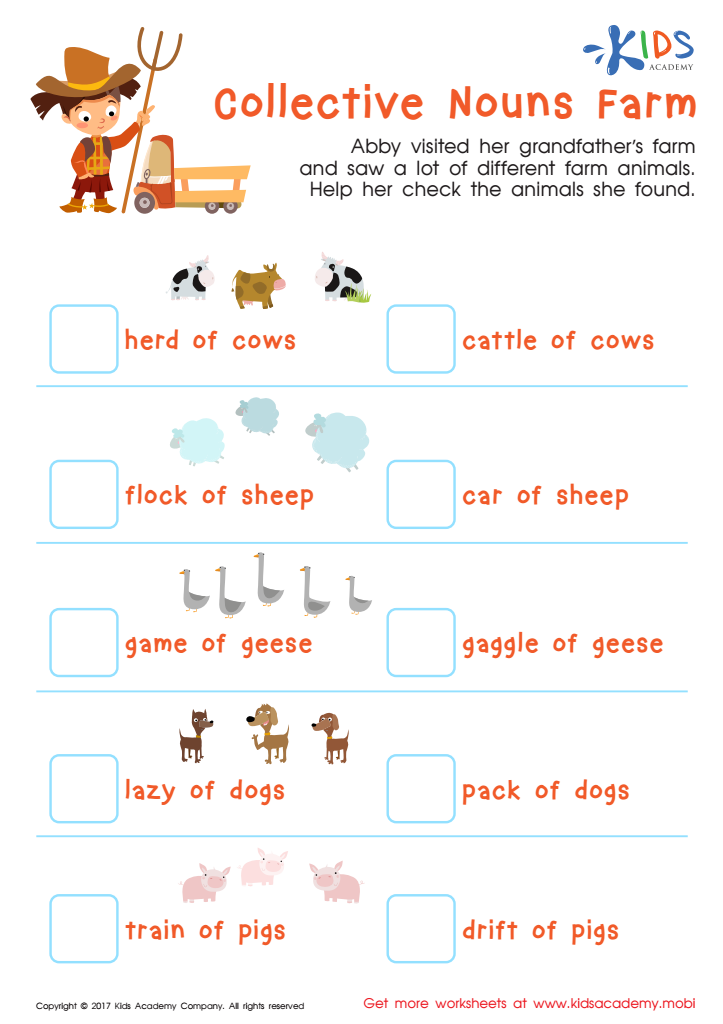
Collective Nouns Worksheet
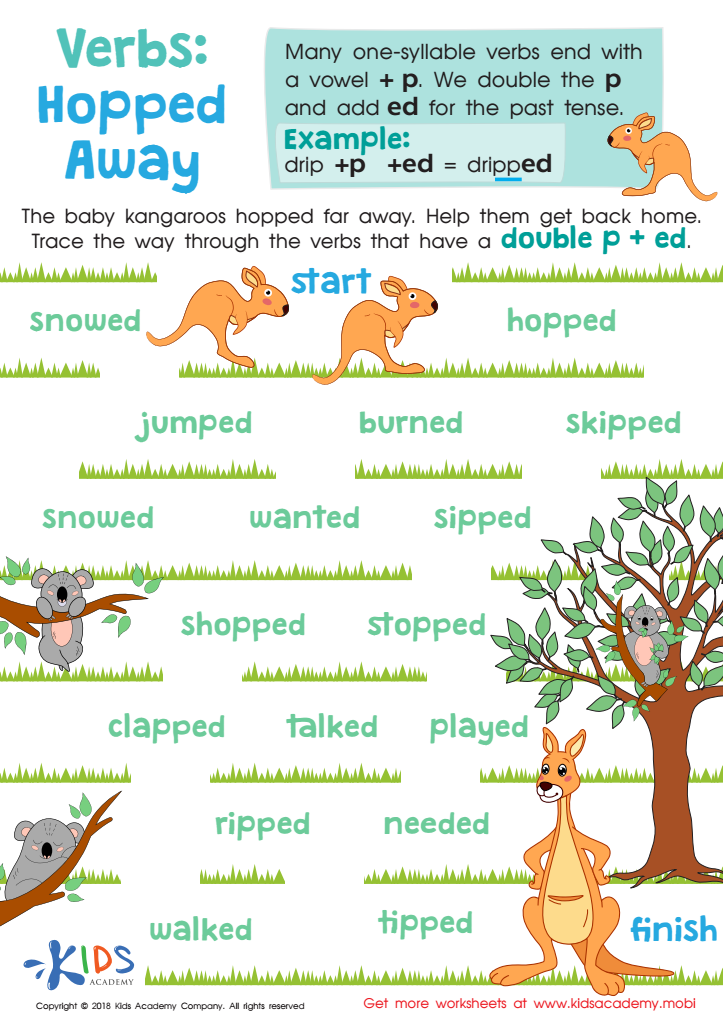
Verbs: Hopped Away Worksheet








Grammar is a fundamental component in a child's early development, serving as the structure upon which effective communication is built. For children aged 3-7, this stage is critical as their brains are highly receptive to new information, rapidly processing and internalizing the rules of language.
Firstly, a solid grasp of grammar helps children articulate their thoughts clearly and accurately. It enables them to express their needs, feelings, and ideas in a meaningful way, which is crucial for both social interactions and academic success. Misunderstandings and frustrations caused by unclear communication can often be mitigated with strong grammatical foundations.
Secondly, exposure to proper grammar enhances reading abilities. Understanding sentence structure aids in decoding new words and comprehending stories, fostering a love for reading. Good reading skills are predictive of future academic achievements across all subjects, not just language arts.
Moreover, when parents and teachers emphasize correct grammar, they are not just teaching rules; they are developing a child’s critical thinking and cognitive skills. Identifying patterns, differentiating between tenses, and constructing coherent narratives all engage the brain in beneficial ways.
Finally, language proficiency boosts self-confidence. When children speak or write accurately, they are more likely to participate in discussions and enjoy learning activities. Therefore, investing time in teaching grammar at a young age sets the foundation for lifelong communication skills.
By prioritizing grammar for ages 3-7, parents and teachers play a pivotal role in a child’s holistic educational journey, supporting their social, cognitive, and academic development.








