Fine Motor Skills Worksheets for Ages 3-8 - Page 2
401 filtered results
-
From - To
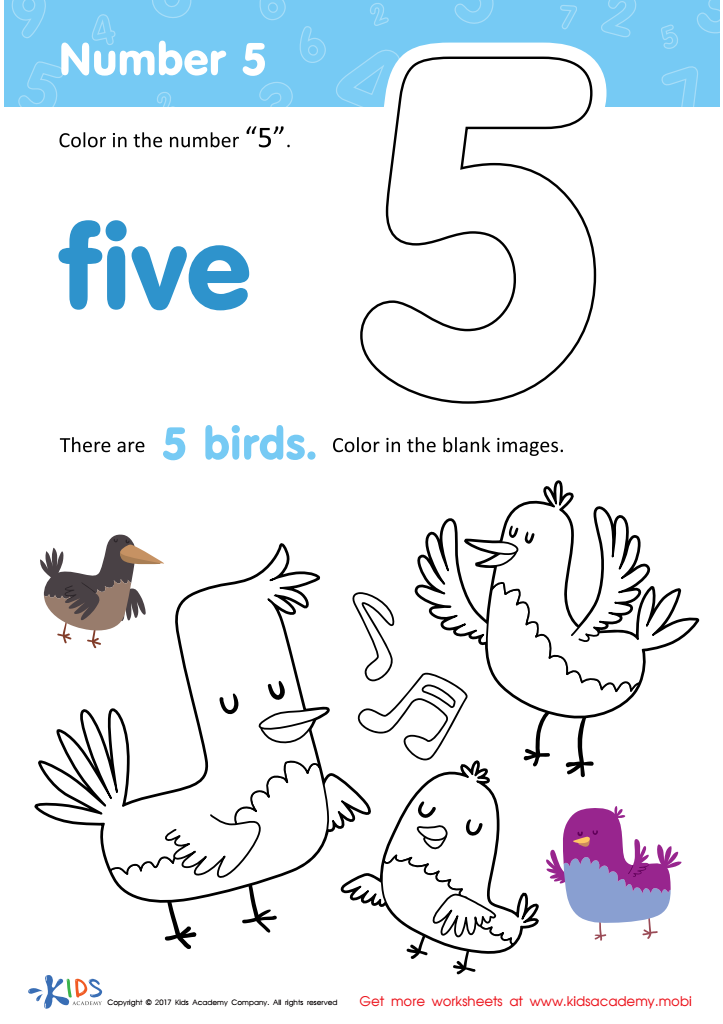
Number 5 Printable
 Assign to My Students
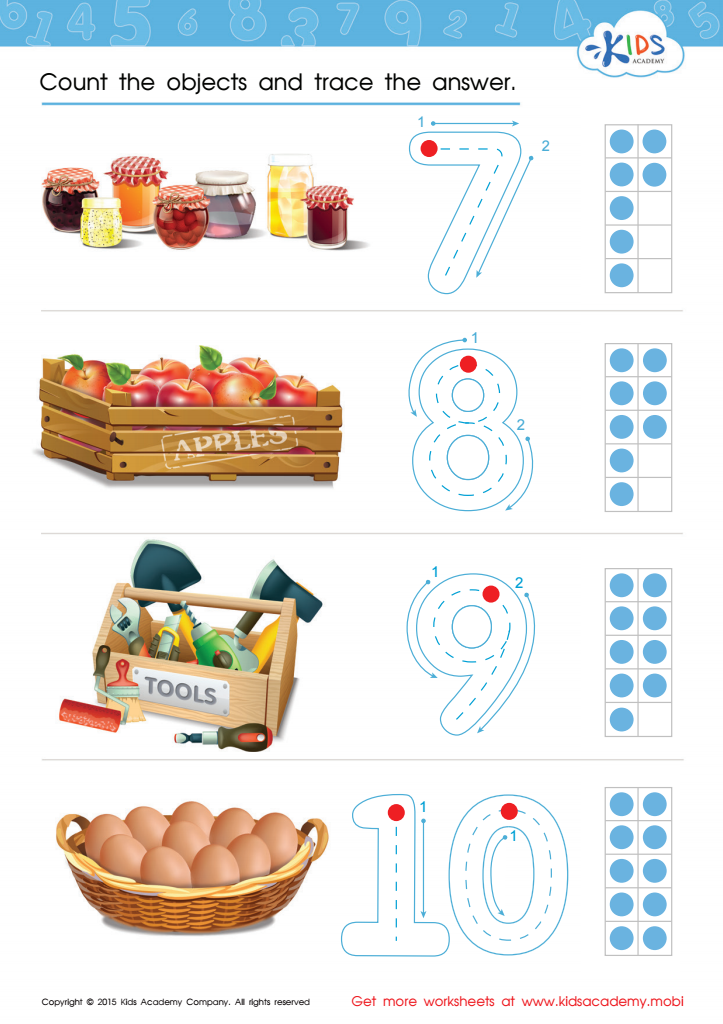
Count and Trace 7 – 10 Worksheet

Baa Baa Black Sheep Printable

Trumpeter Maze Worksheet
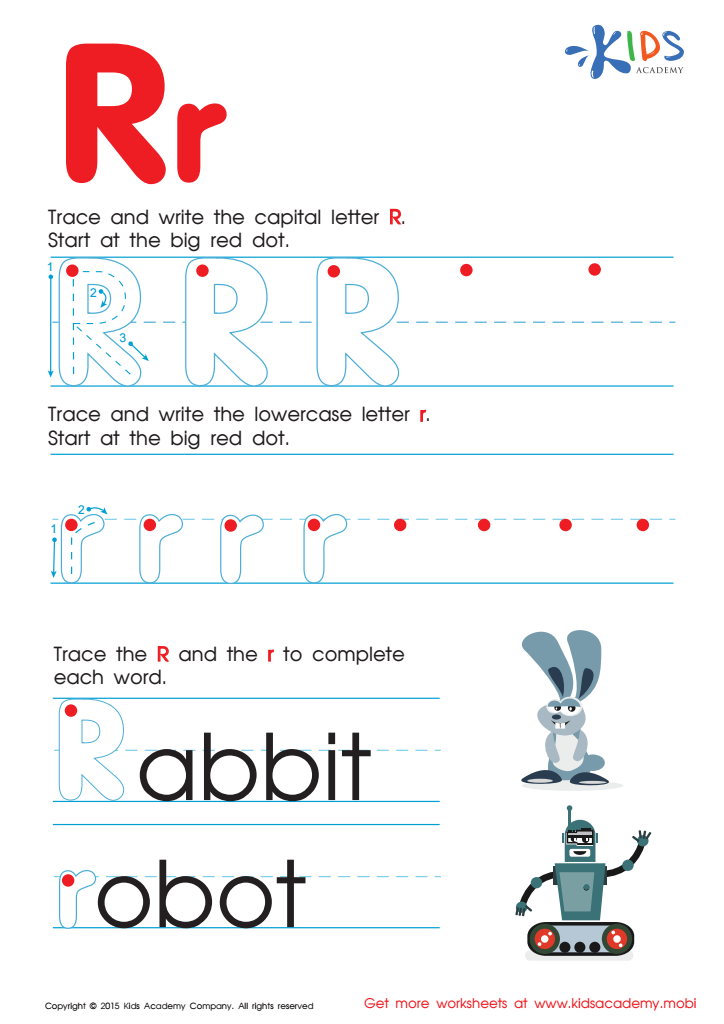
Letter R Tracing Page
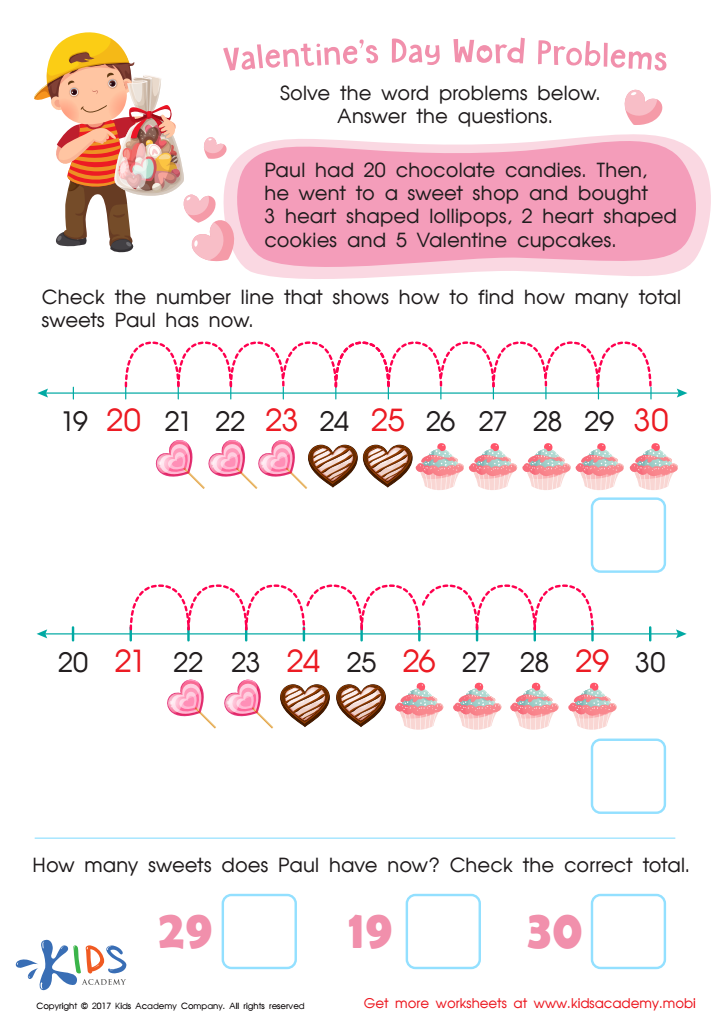
Valentines Day 2 Printable
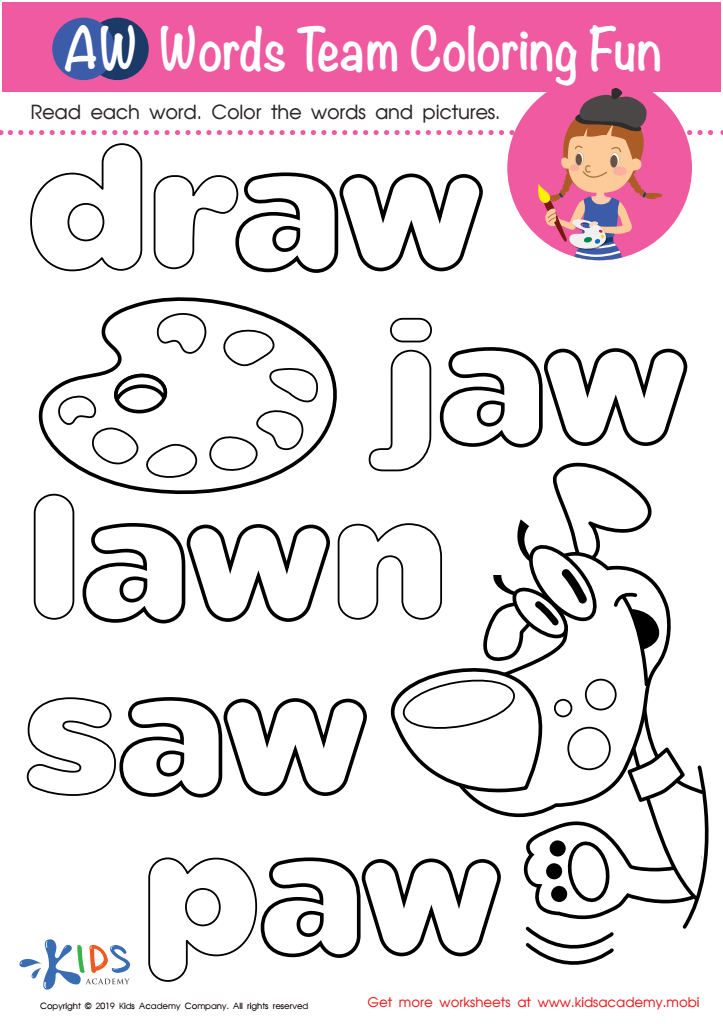
AW Words Team Coloring Fun Worksheet
Assign to My Students

The Story of the Three Little Pigs Coloring Worksheet
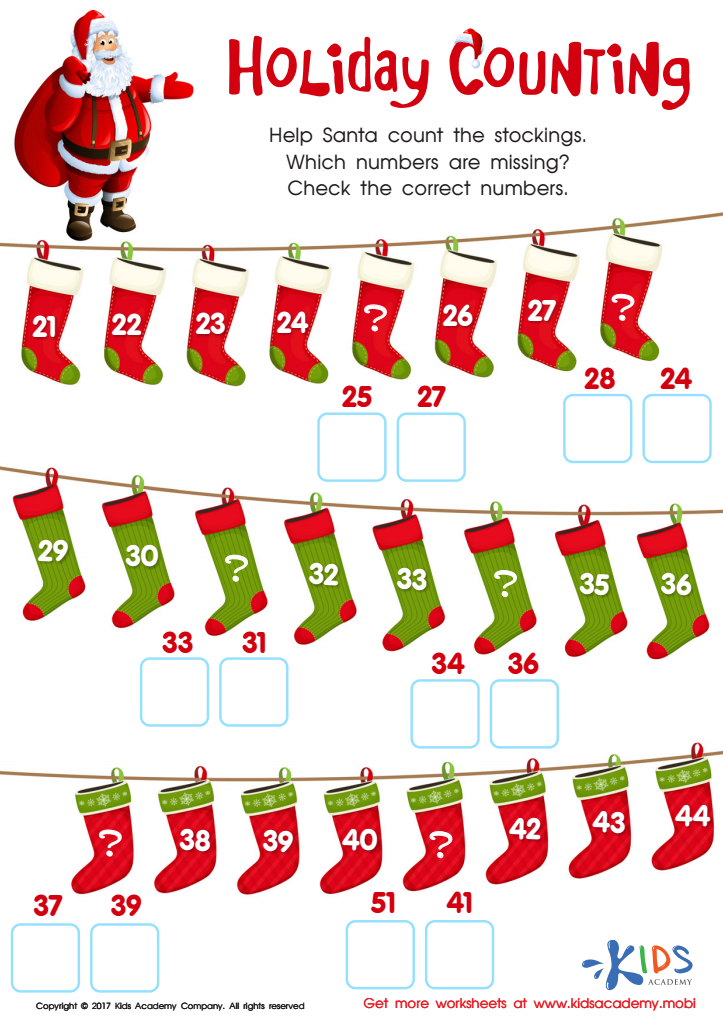
Holiday Counting Worksheet

Find Lowercase Letters g h i Worksheet
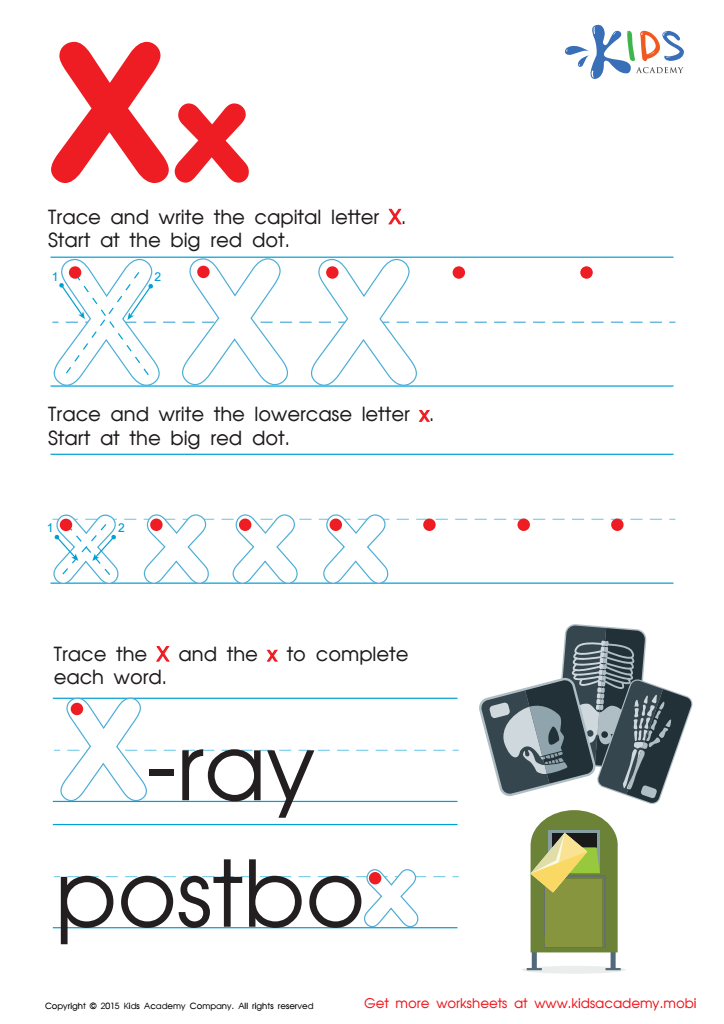
Letter X Tracing Page
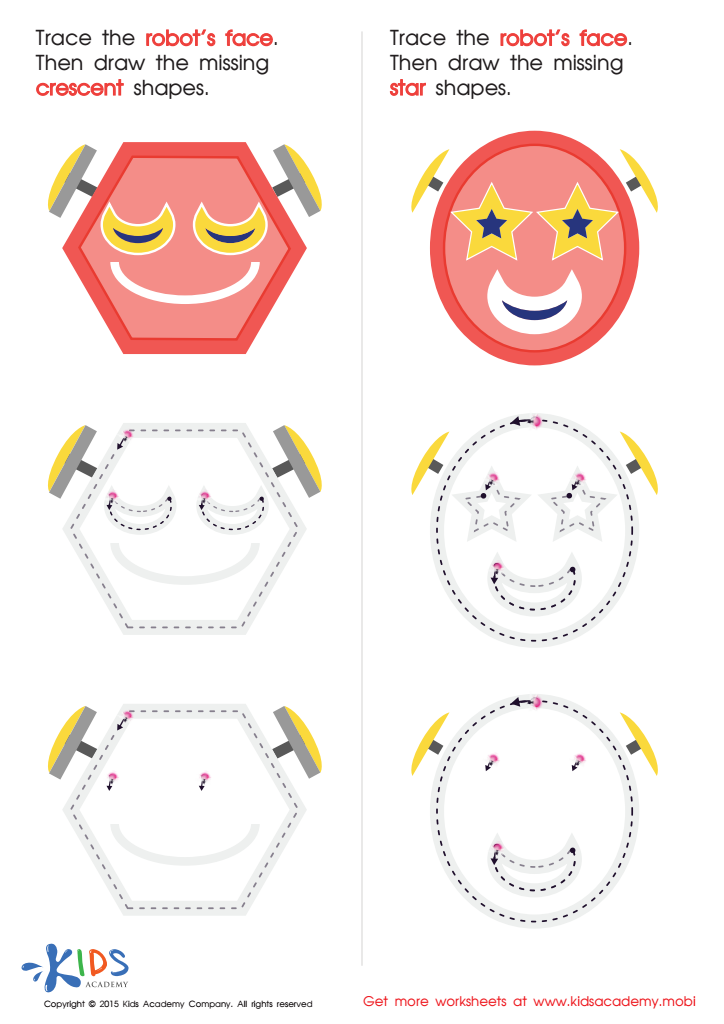
Composing a Robot's Face of Crescents And Stars Worksheet
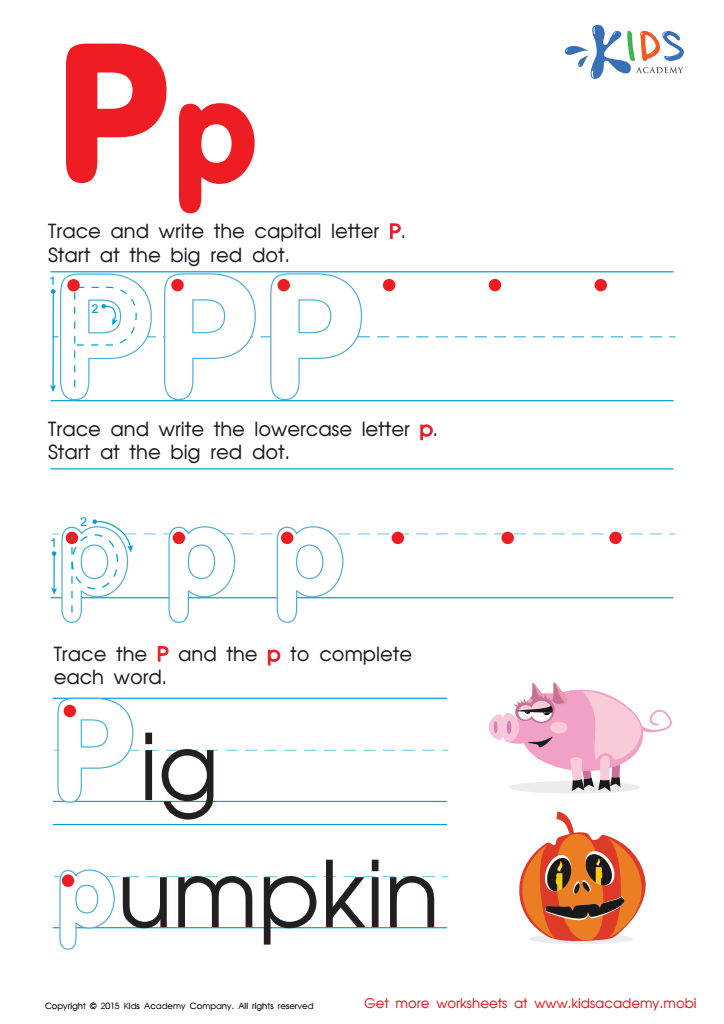
Letter P Tracing Page
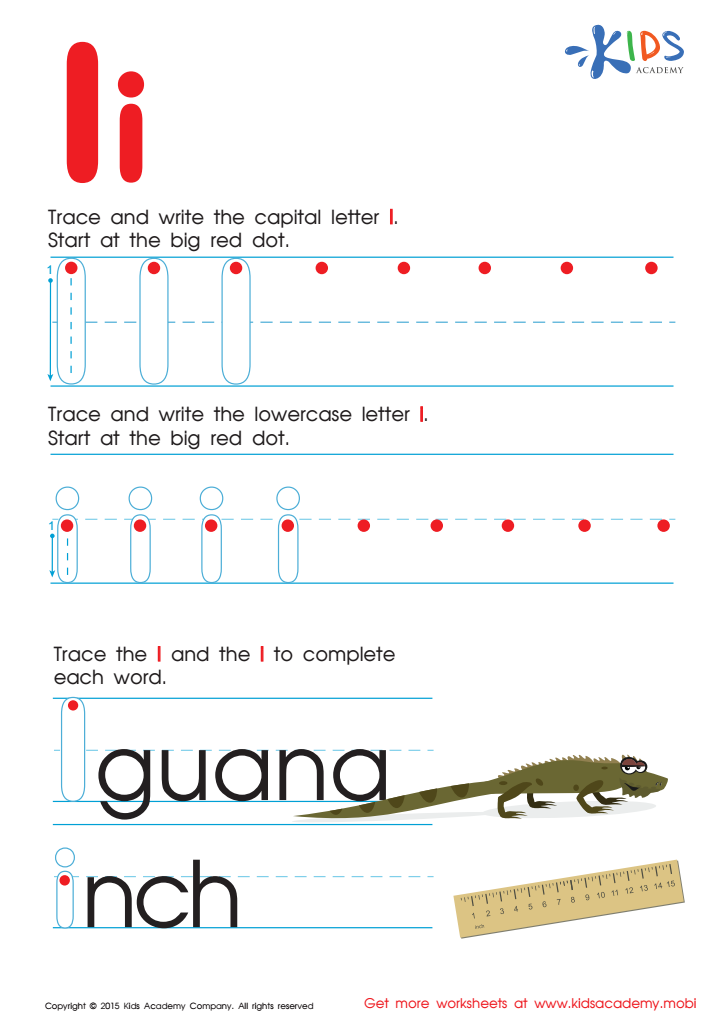
Letter I Tracing Page
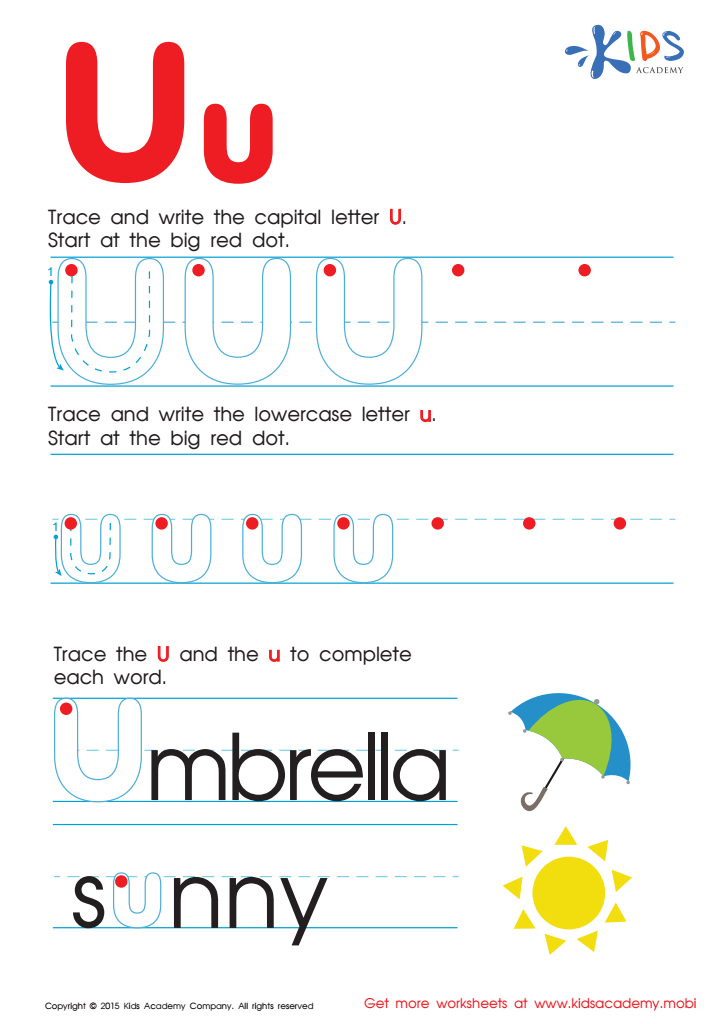
Letter U Tracing Page
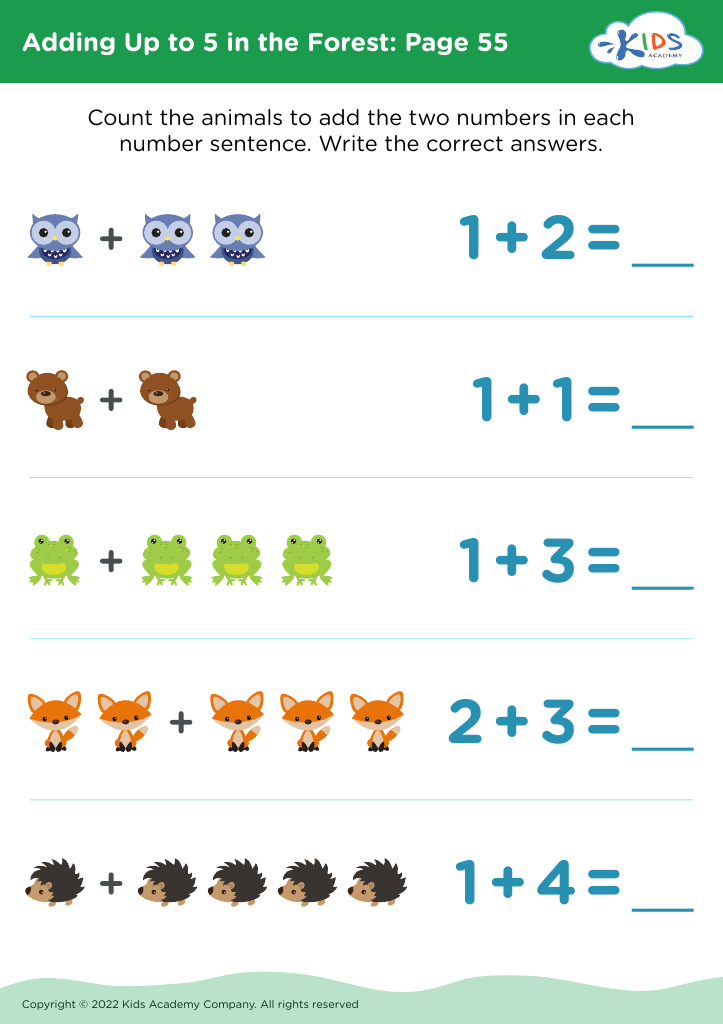
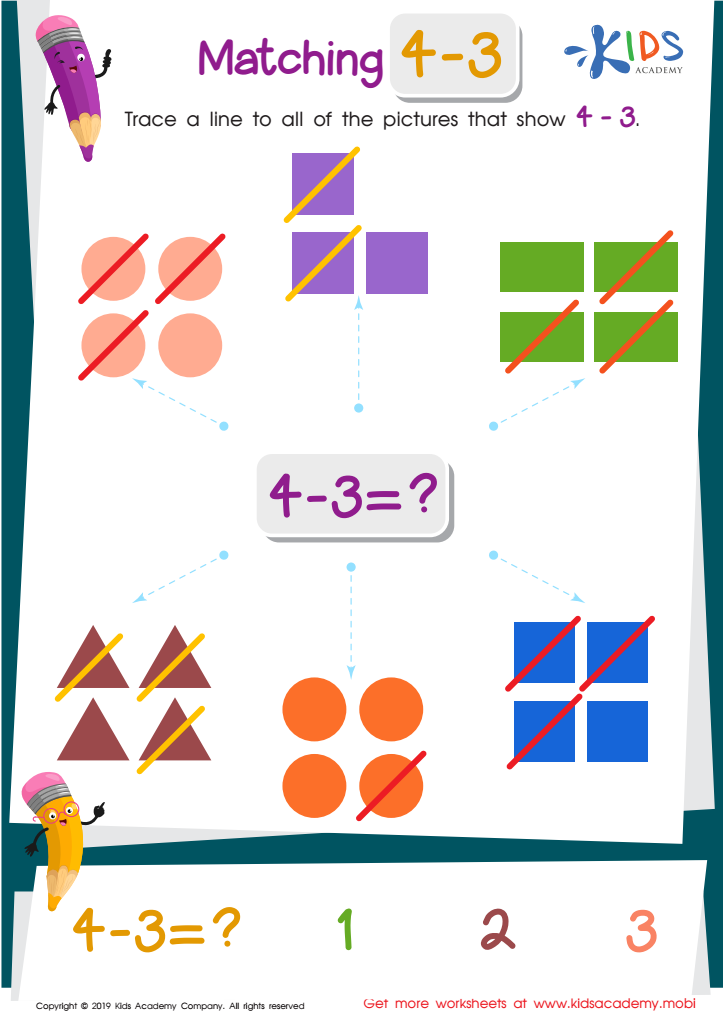
Matching 4 – 3 Worksheet
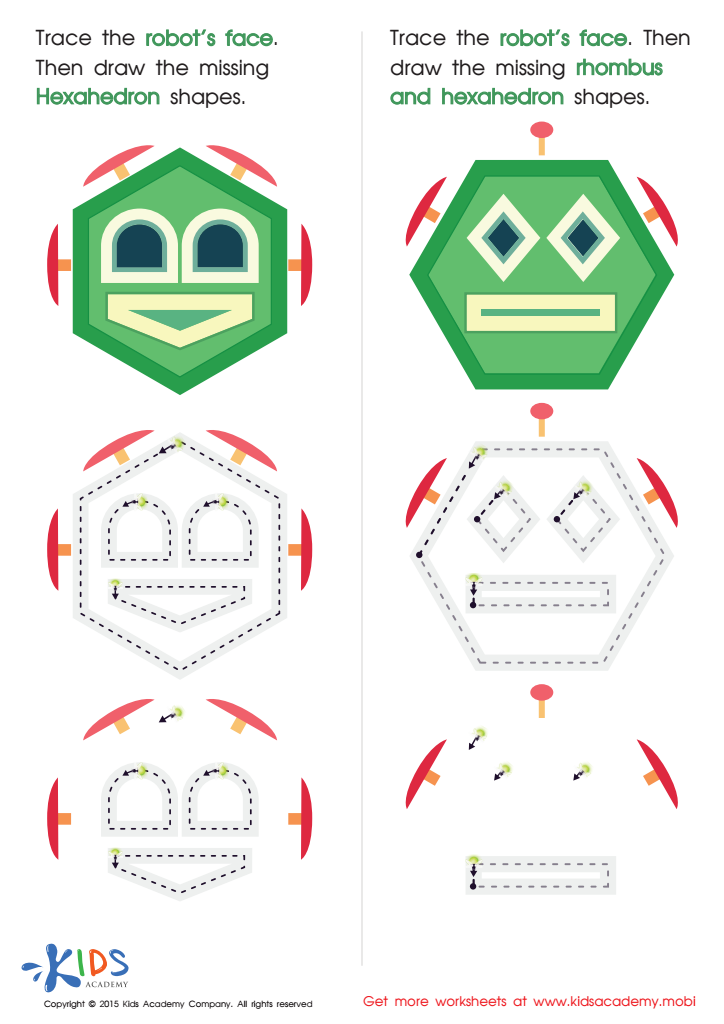
Practice Drawing Hexahedrons And a Rhombus Worksheet
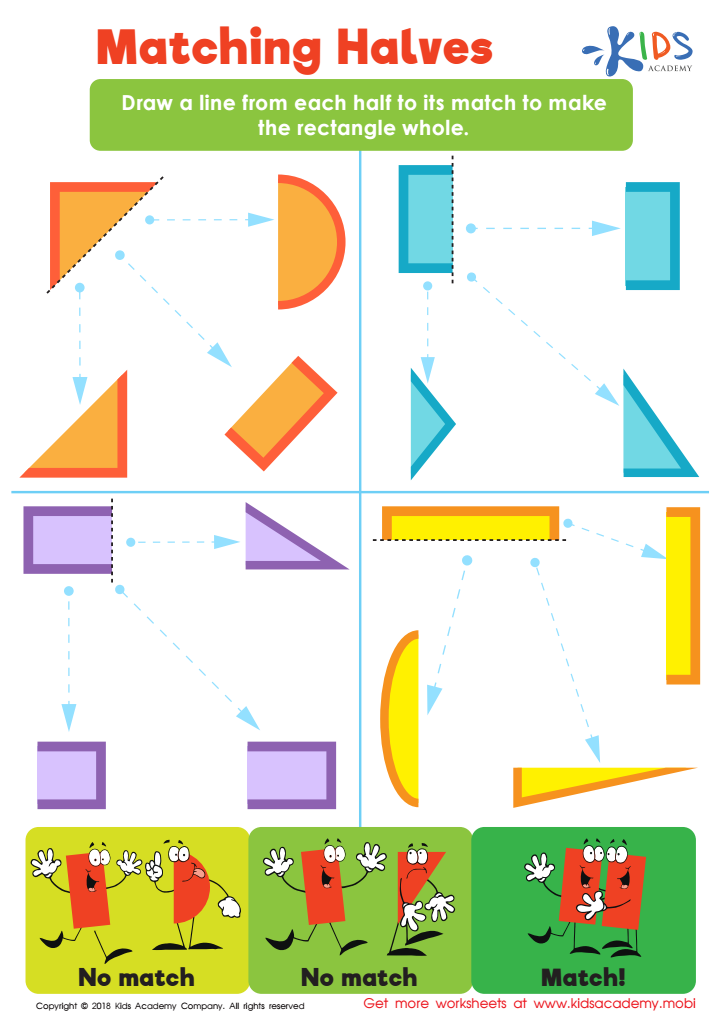
Matching Halves Worksheet
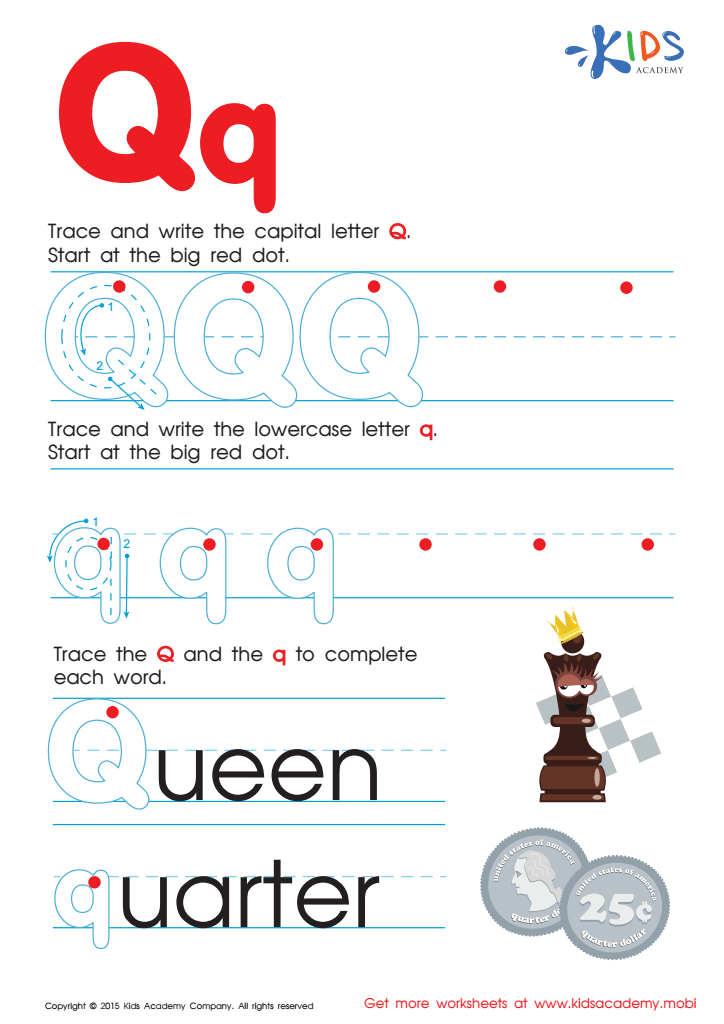
Letter Q Tracing Page

Superman Maze Worksheet








Fine motor skills for ages 3-8 are crucial for a child's overall development and success in both academic and everyday activities. These skills involve the coordinated movement of small muscles in the hands and fingers, enabling children to perform essential tasks such as writing, buttoning clothes, and manipulating small objects.
For parents and teachers, paying attention to the development of fine motor skills is essential for several reasons. First, well-developed fine motor skills are directly related to a child’s ability to succeed in school. Children with strong fine motor abilities can handle pencils, crayons, and scissors more effectively, positively influencing their participation in class activities and their academic progress.
Additionally, fine motor skills contribute to a child's independence and self-care abilities. Tasks like tying shoelaces, zipping jackets, and using utensils require precise hand-eye coordination and dexterity. When children can perform these tasks confidently, their self-esteem and confidence grow, allowing them to feel more competent and self-reliant.
Moreover, practicing fine motor activities has cognitive benefits. Engaging in activities like puzzles or playing with building blocks enhances a child’s problem-solving skills, attention to detail, and spatial awareness. Parents and teachers who encourage the development of these skills are providing children with a strong foundation for both academic and life success.








