Subtraction practice Addition & Subtraction Worksheets for Ages 3-8 - Page 2
77 filtered results
-
From - To
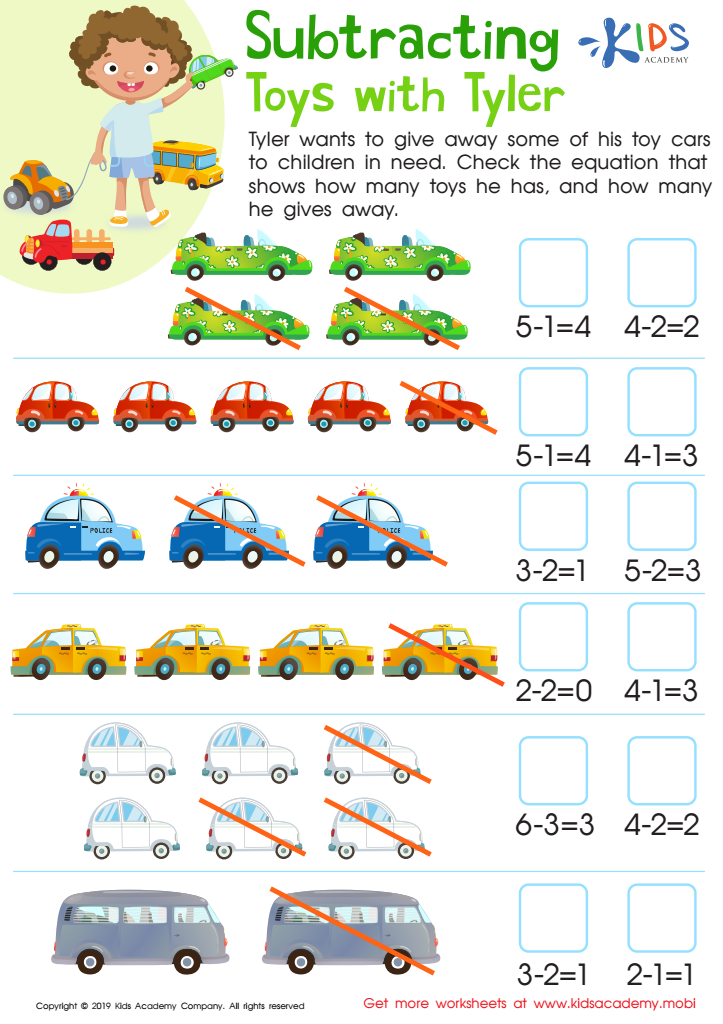
Subtracting Toys with Tyler Worksheet
 Assign to My Students
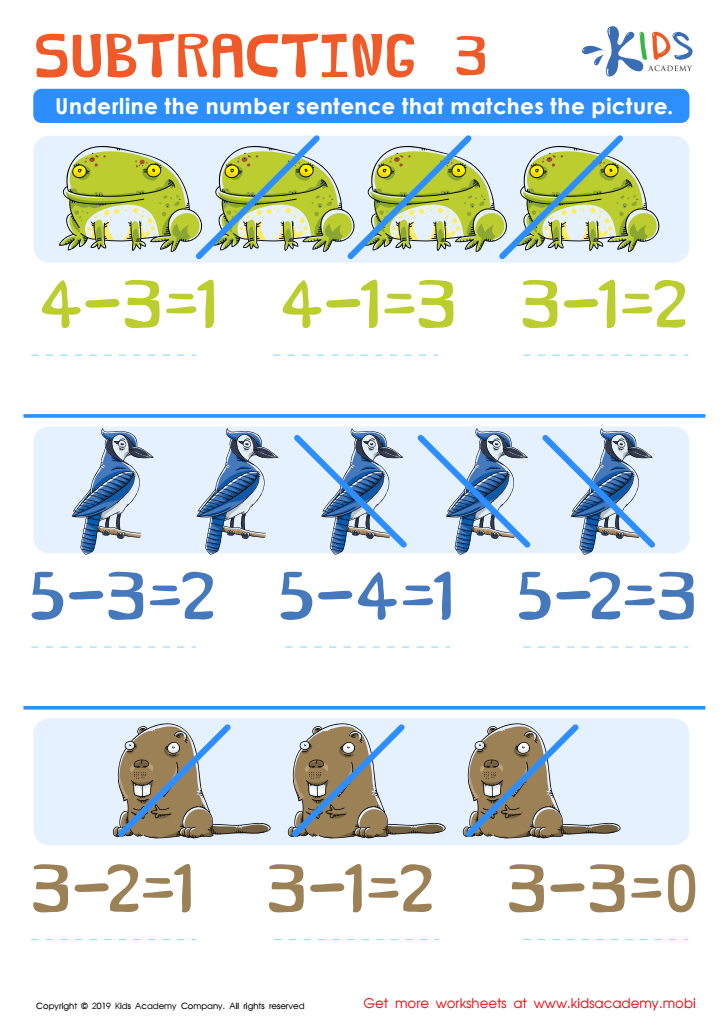
Subtracting 3 Worksheet
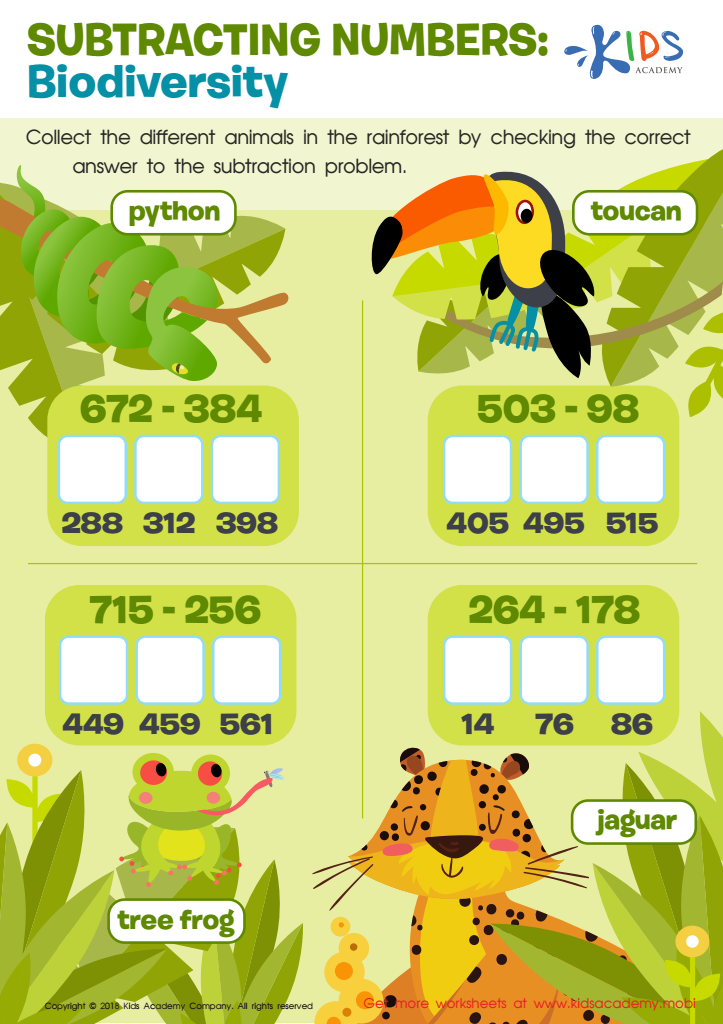
Subtracting Numbers: Biodiversity Worksheet
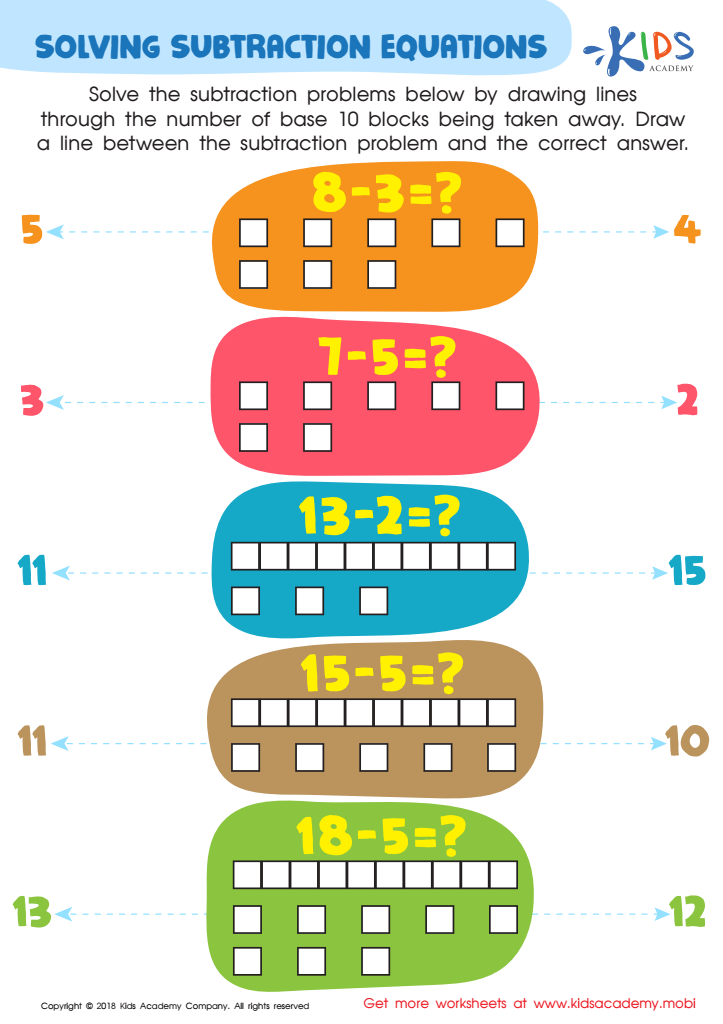
Solving Subtraction Equations Worksheet
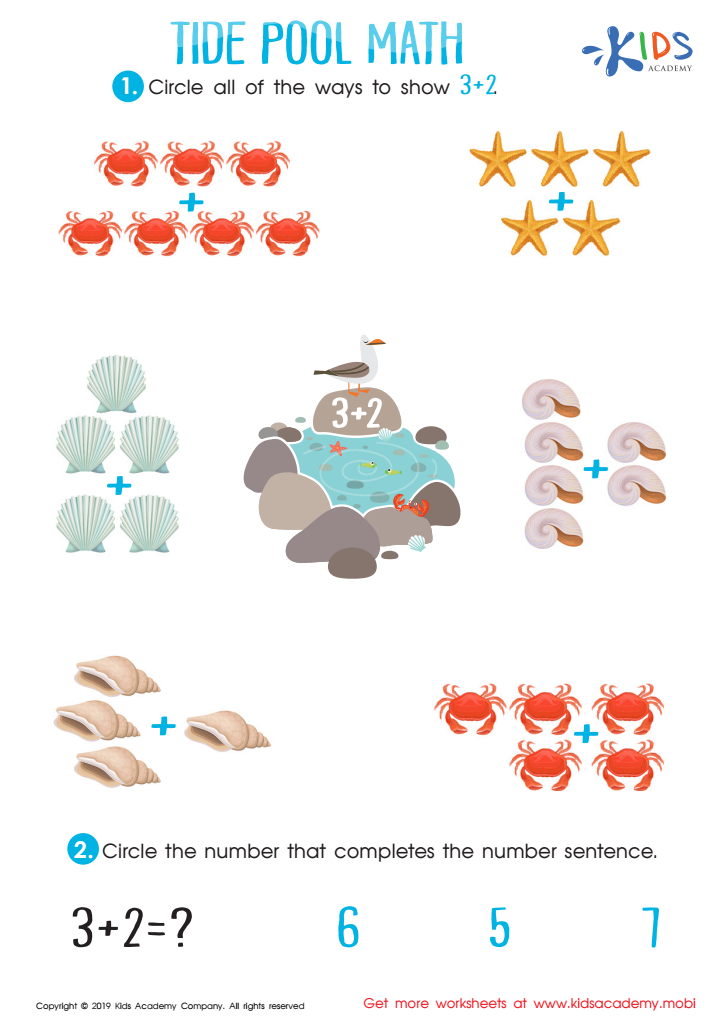
Tide Pool Math Worksheet
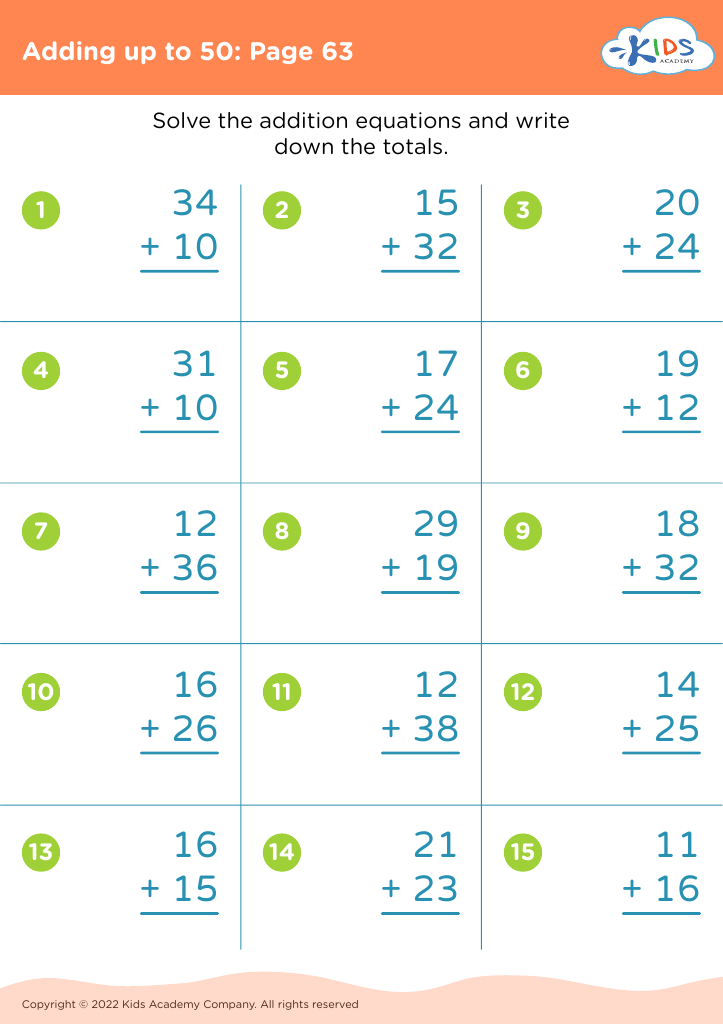
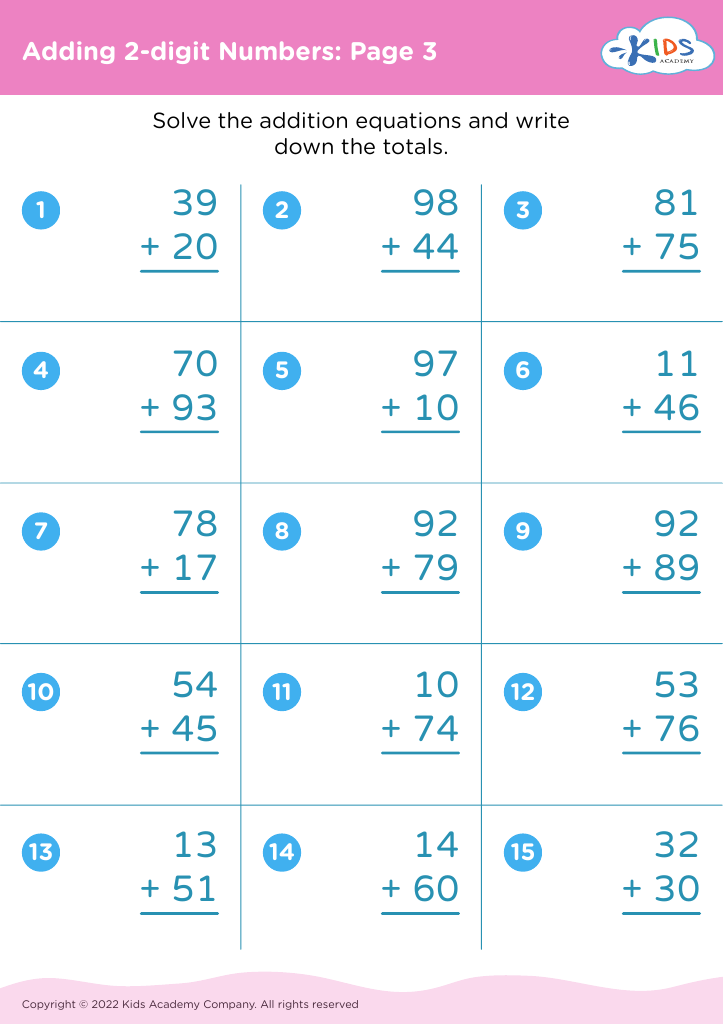
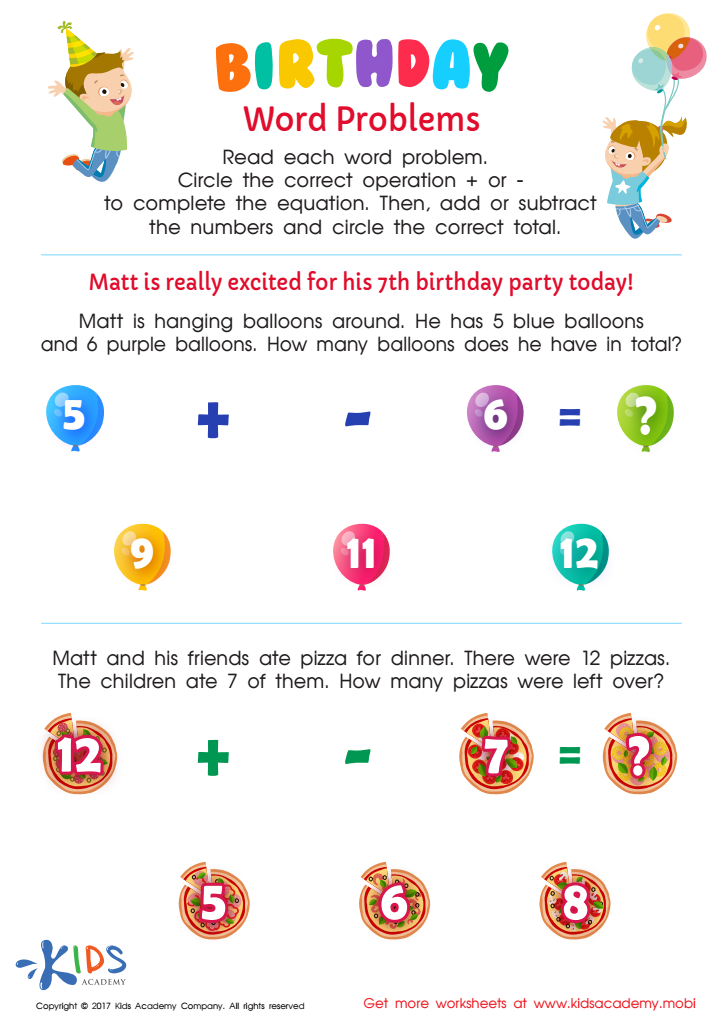
Birthday Word Problems Substraction Worksheet
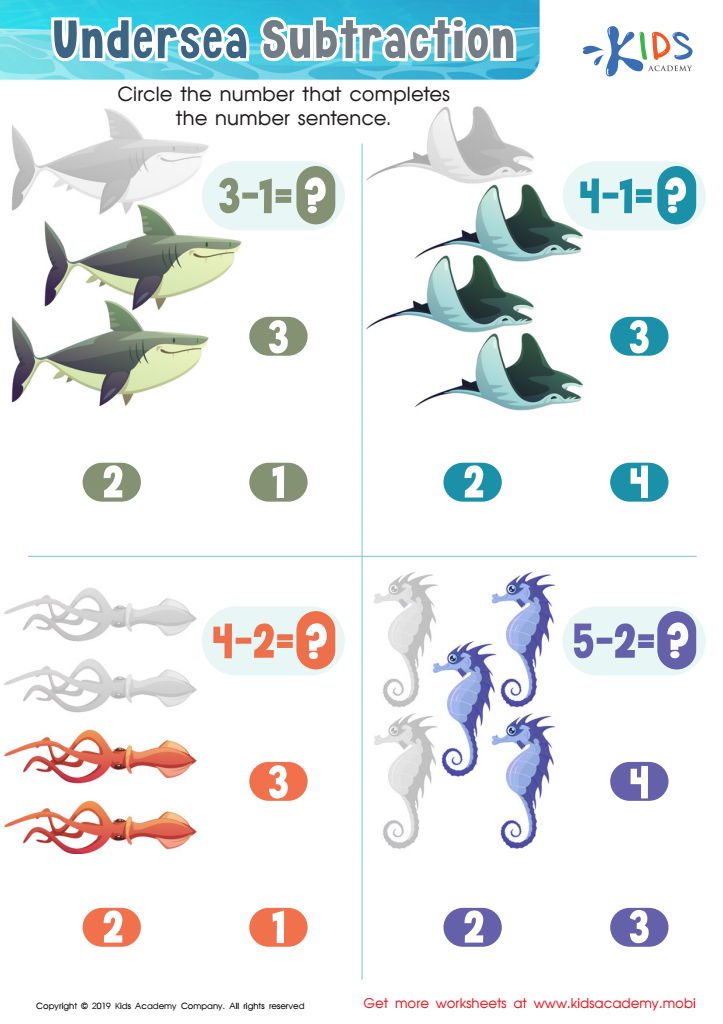
Undersea Subtraction Worksheet
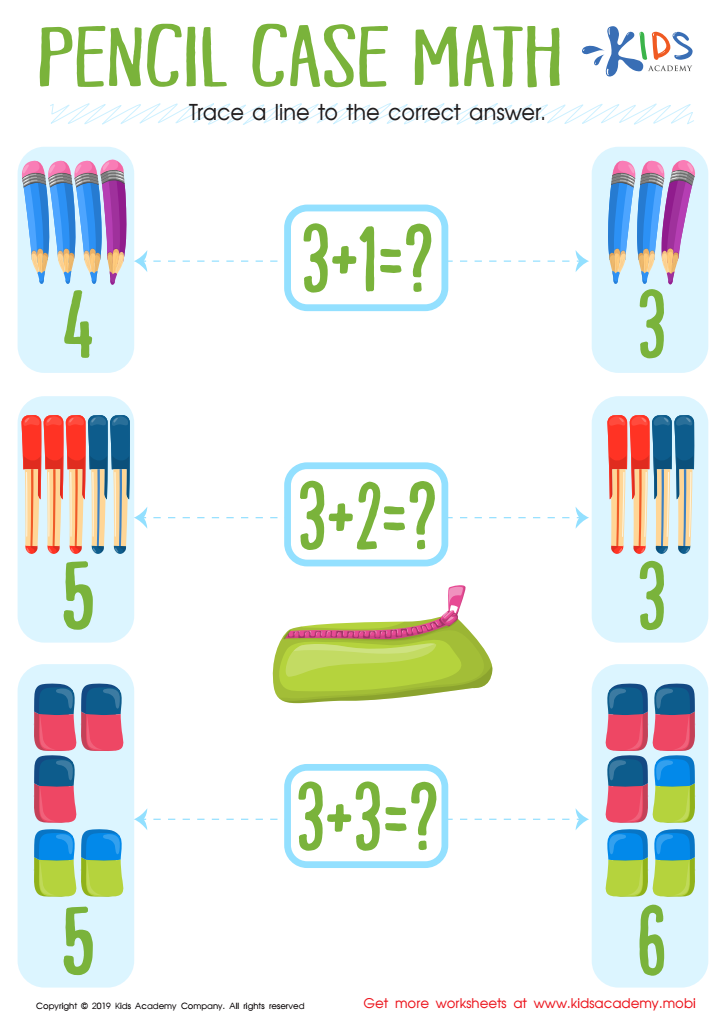
Pencil Case Math Worksheet
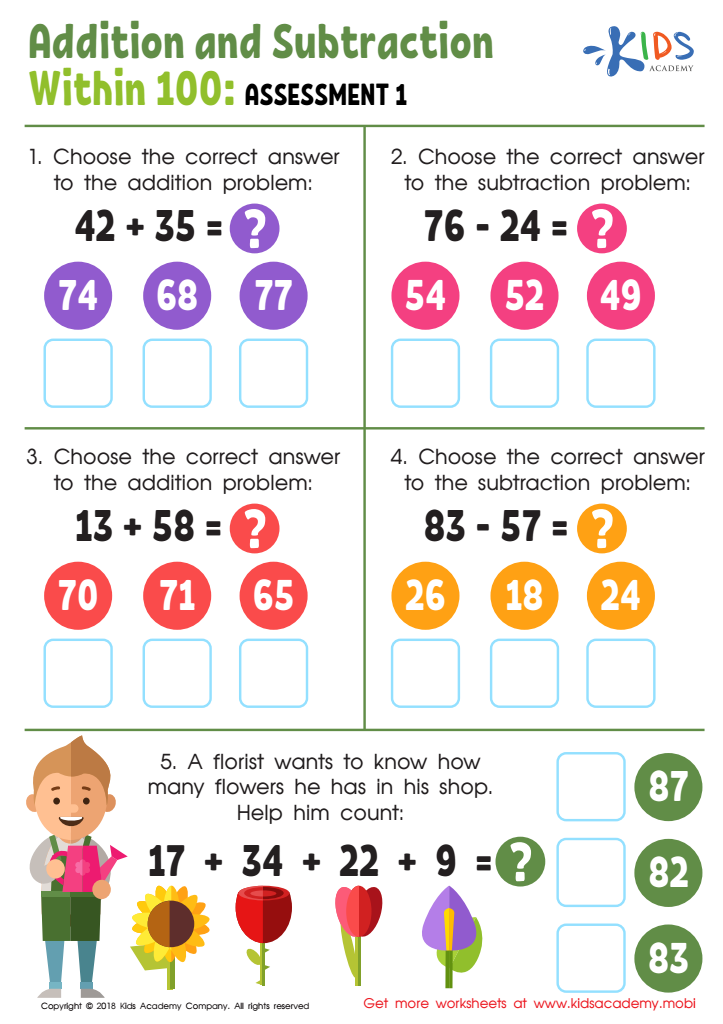
Addition and Subtraction Within 100 Worksheet
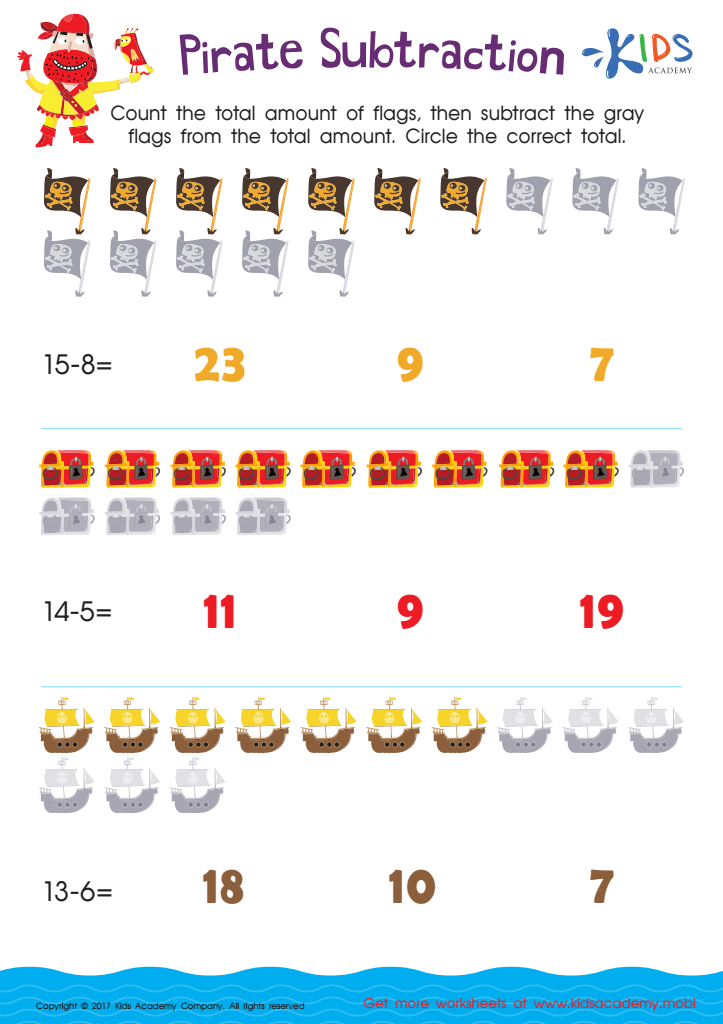
Pirate Subtraction Substraction Worksheet
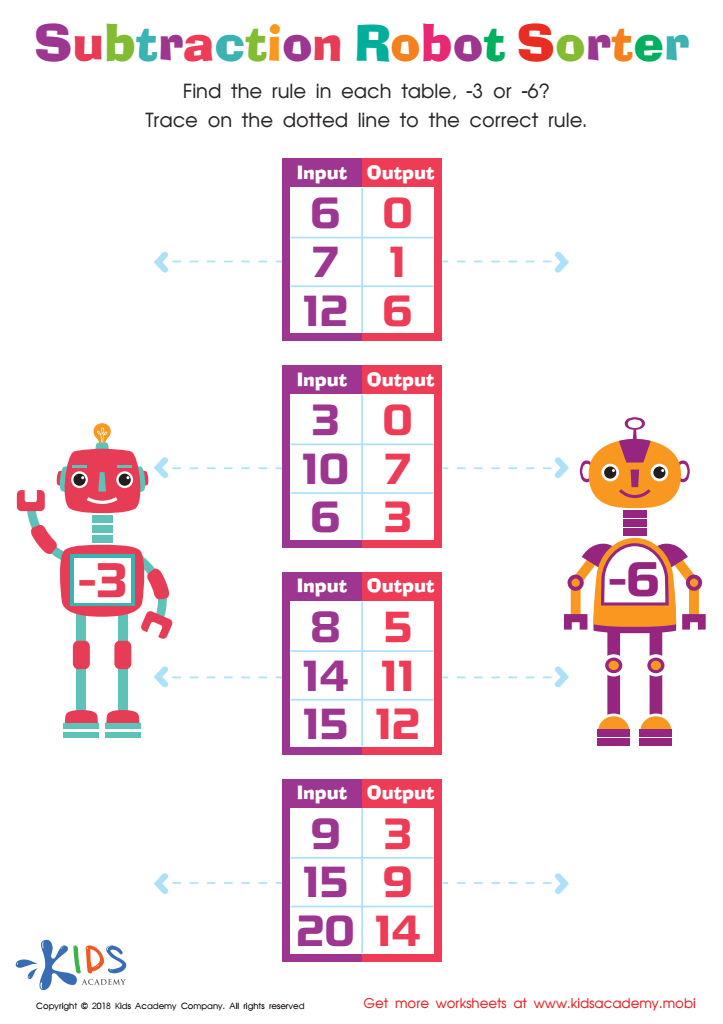
Subtraction Robot Sorter Worksheet
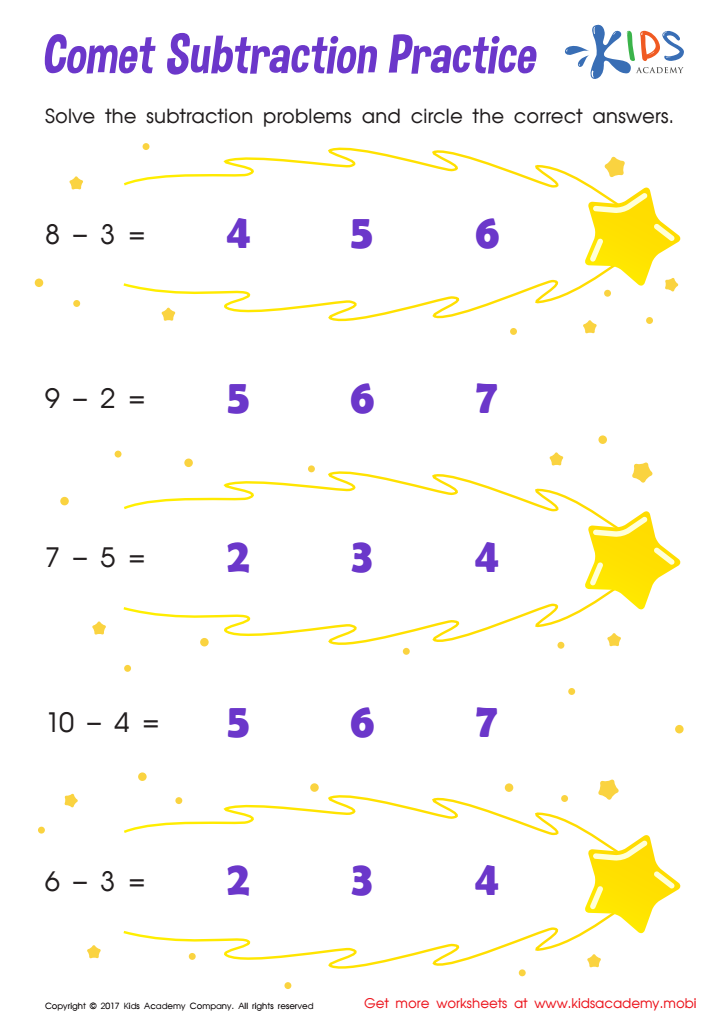
Comet Subtraction Practice Substraction Worksheet
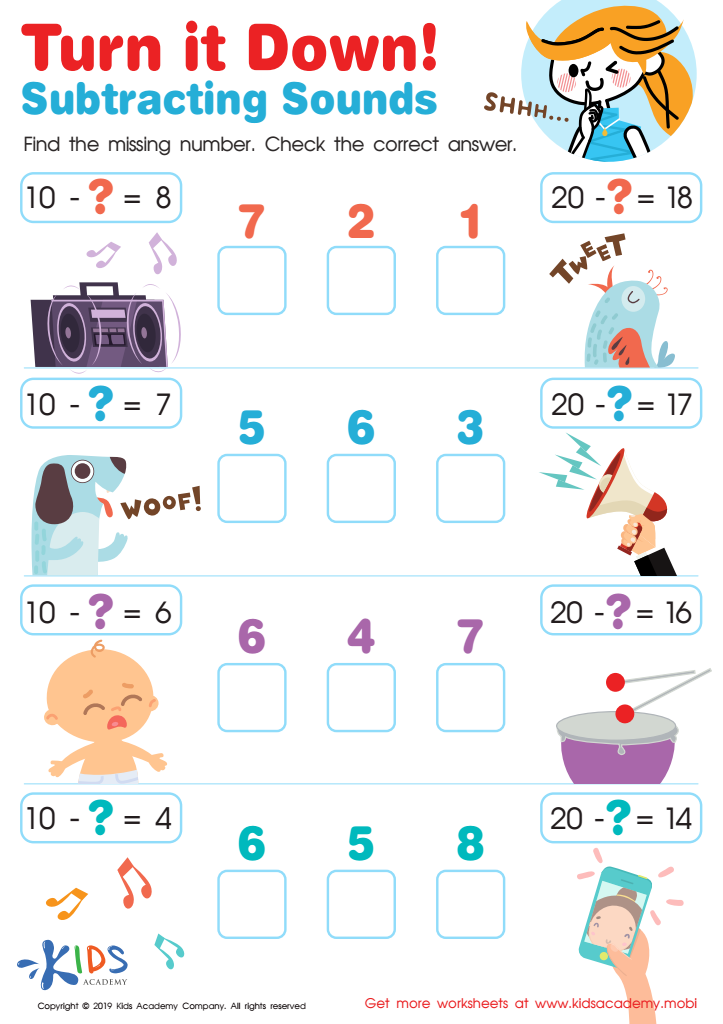
Turn It down! Subtracting Sounds Worksheet
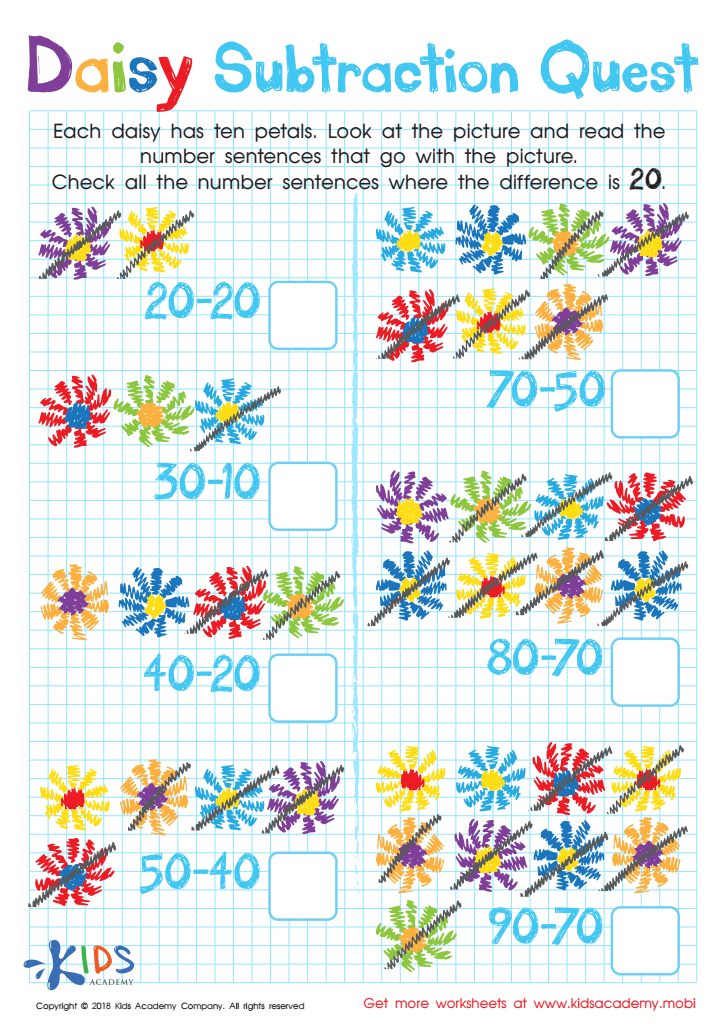
Daisy Subtraction Quest Worksheet
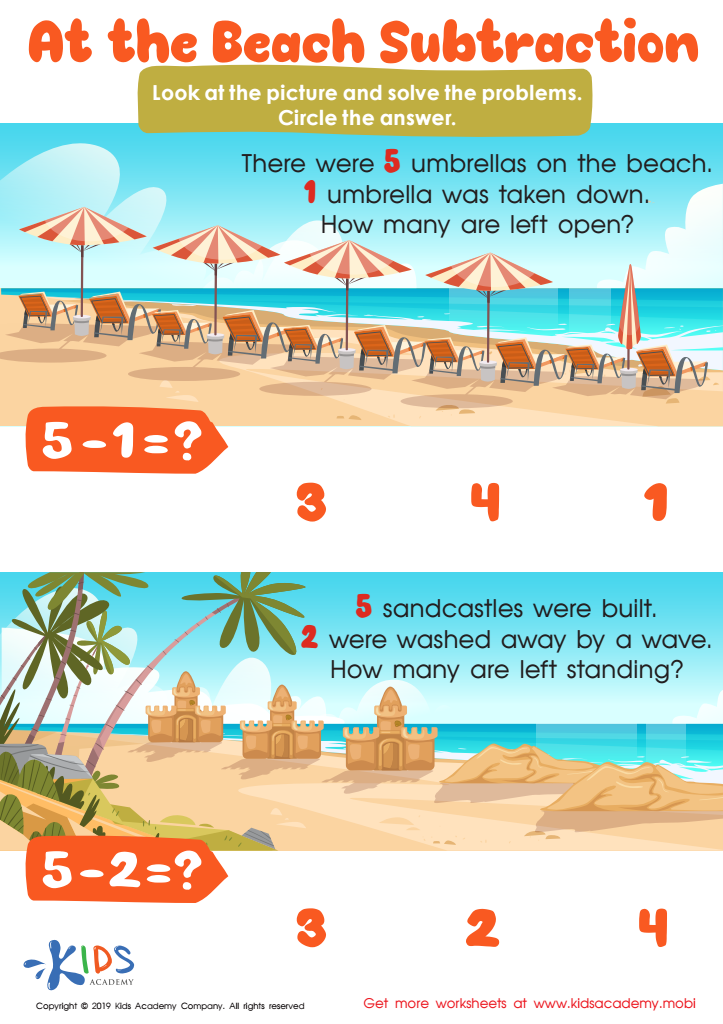
At the Beach Subtraction Worksheet
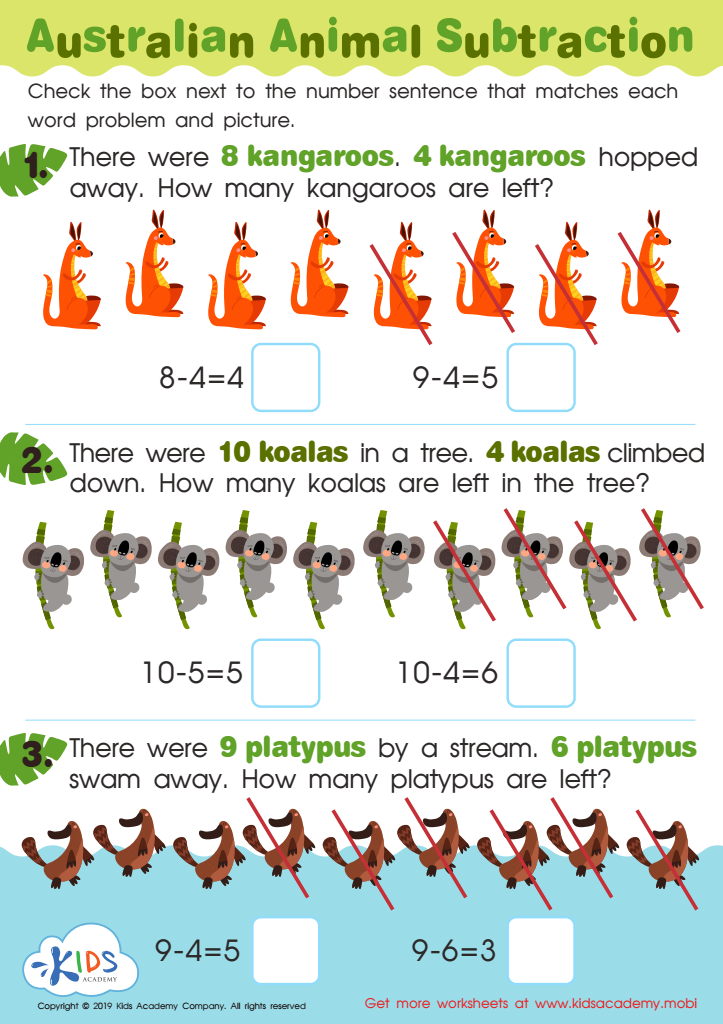
Australian Animal Subtraction Worksheet
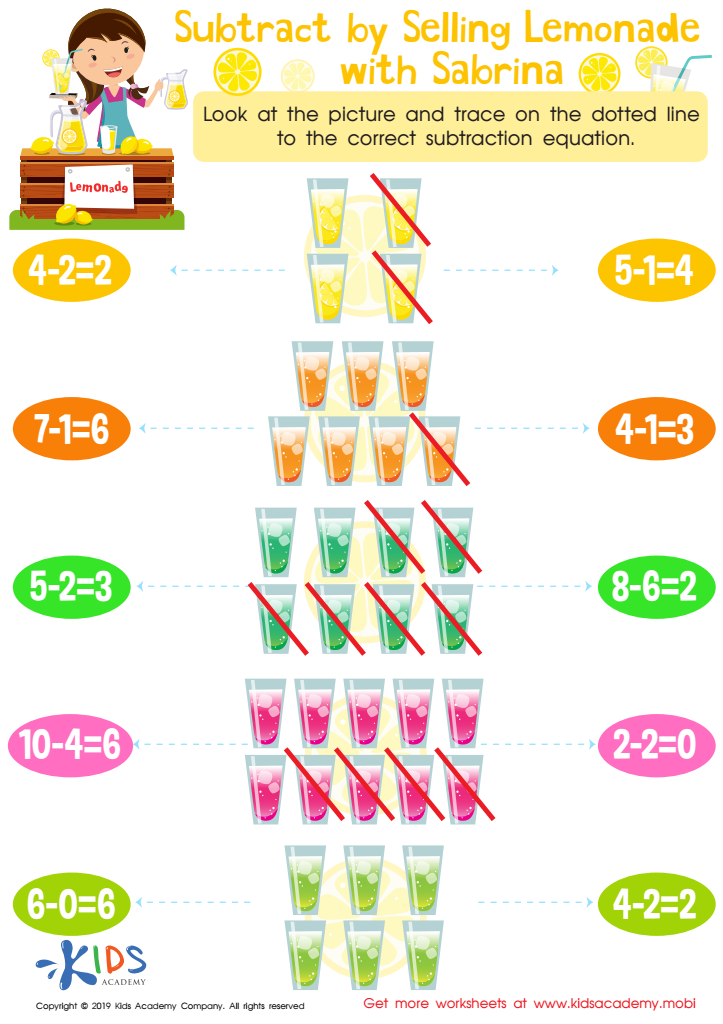
Subtract by Selling Lemonade with Sabrina Worksheet
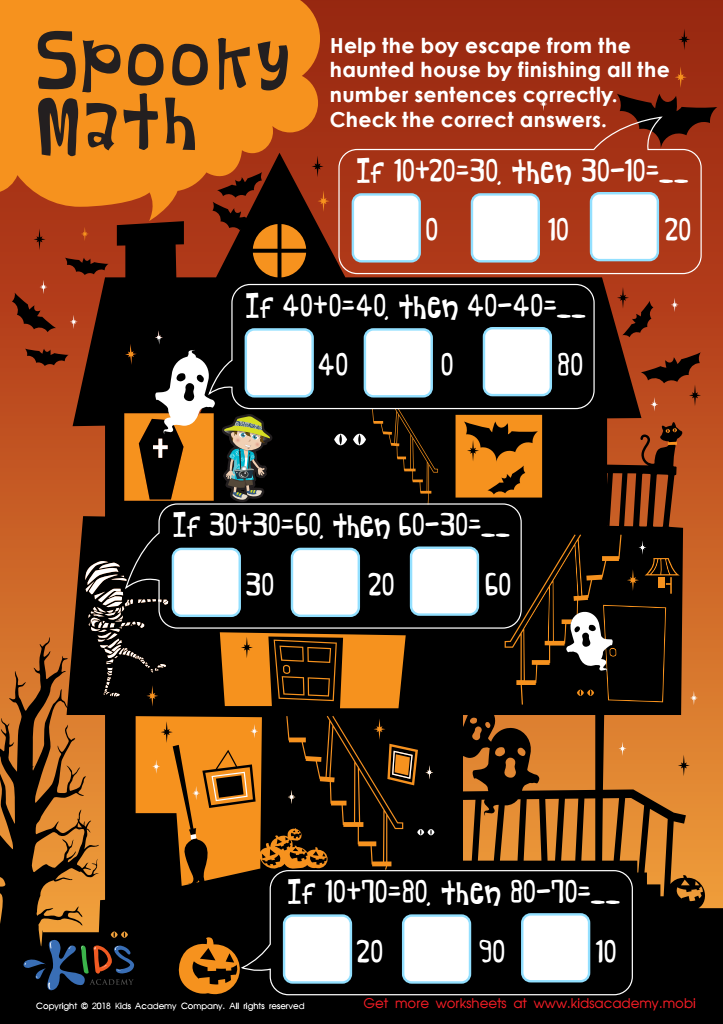
Subtract Tens: Spooky Math Worksheet
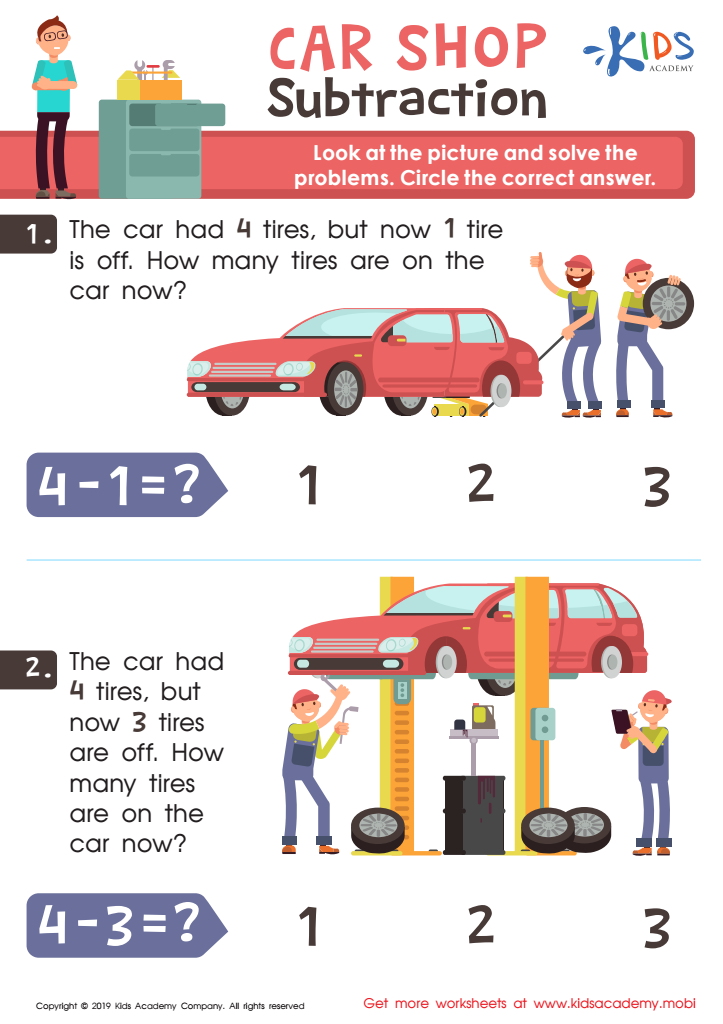
Car Shop Subtraction Worksheet
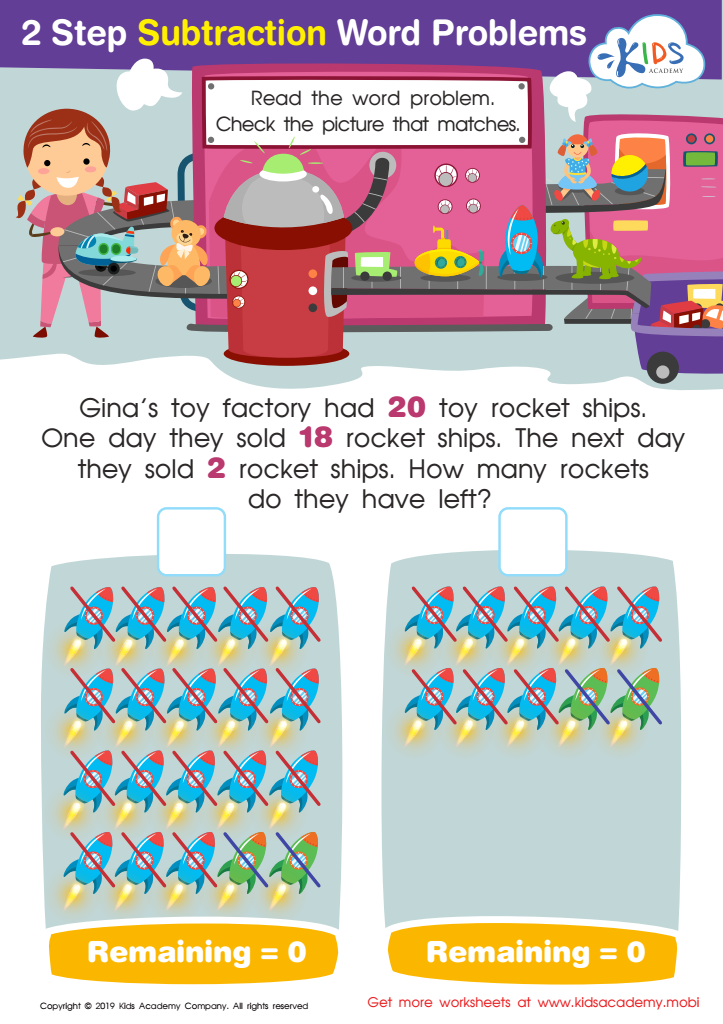
Step Subtraction Word Problems Worksheet
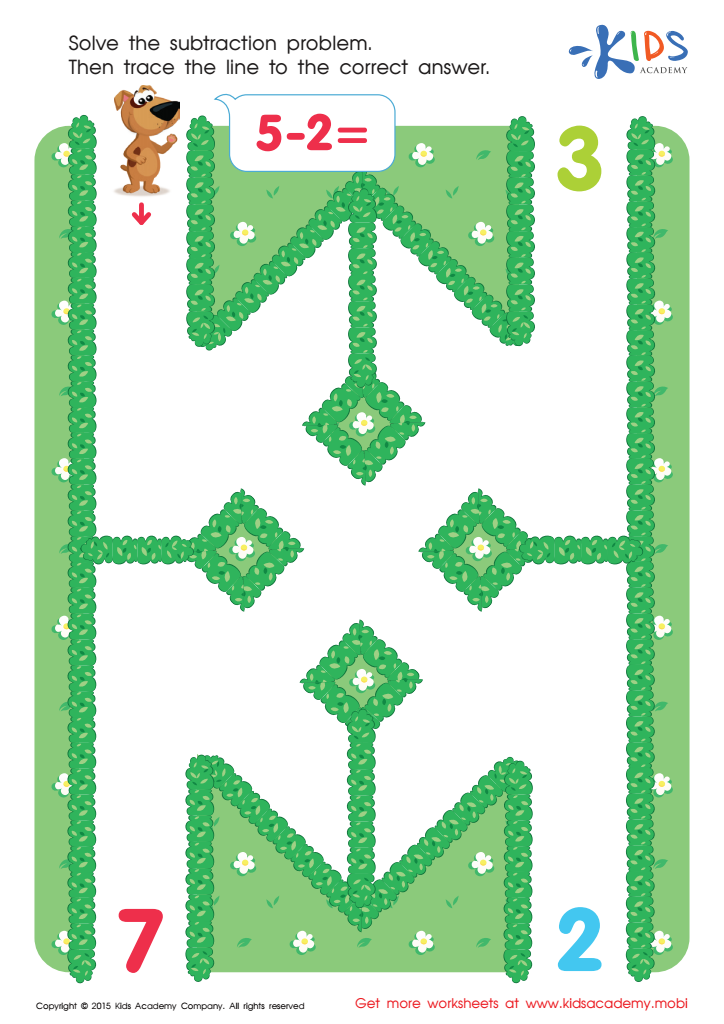
Five Minus Two Worksheet
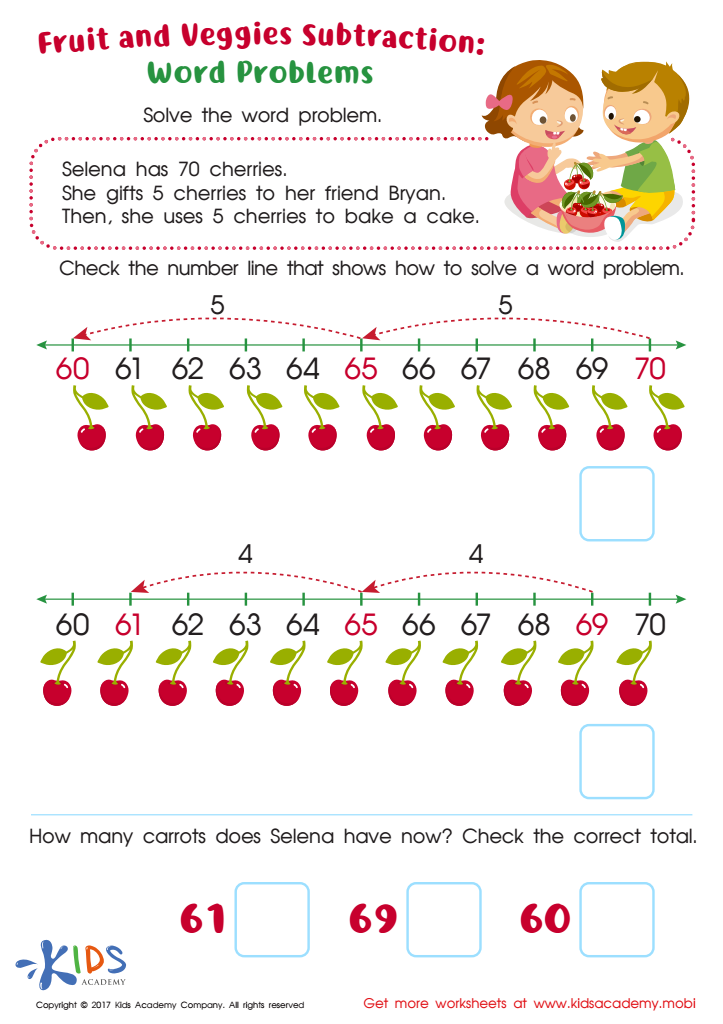
Subtraction Word Problems Free Printable








Parents and teachers should prioritize subtraction and addition practice for children ages 3-8 because these foundational math skills are crucial for their cognitive development and future academic success. At this young age, children's brains are highly receptive to learning, and mastering basic arithmetic sets the stage for more complex mathematical concepts. By practicing addition and subtraction, children improve their number sense, understanding of quantity, and ability to solve problems, which are essential competencies not just in math but in everyday life.
Moreover, early math skills are strongly linked to later academic achievement across various subjects. Children who develop proficiency in addition and subtraction tend to fare better in higher-level math and related disciplines, including science and technology. These early skills also enhance logical thinking and reasoning abilities, which are vital for solving problems methodically.
In addition to cognitive benefits, practicing these skills in a supportive environment can boost children's confidence and foster a positive attitude towards learning. Games, hands-on activities, and engaging exercises make learning fun and help maintain children's interest and motivation.
Ultimately, investing time in practicing subtraction and addition for young children prepares them for future educational challenges, helping to ensure their long-term success and interest in learning.








