Measurement Worksheets for Ages 3-8
110 filtered results
-
From - To
Discover our engaging Measurement Worksheets tailored for children ages 3-8 at Kids Academy! These interactive, printable worksheets foster critical thinking and fun exploration as kids learn to measure length, weight, volume, and more. Vibrant illustrations and age-appropriate challenges make concepts easy to grasp, helping young learners develop essential math skills. Perfect for home or classroom use, our resources ensure a strong foundation in measurement while nurturing a love for learning. Visit Kids Academy to empower your child with the tools they need to excel in math and beyond! Start measuring the fun and success today!
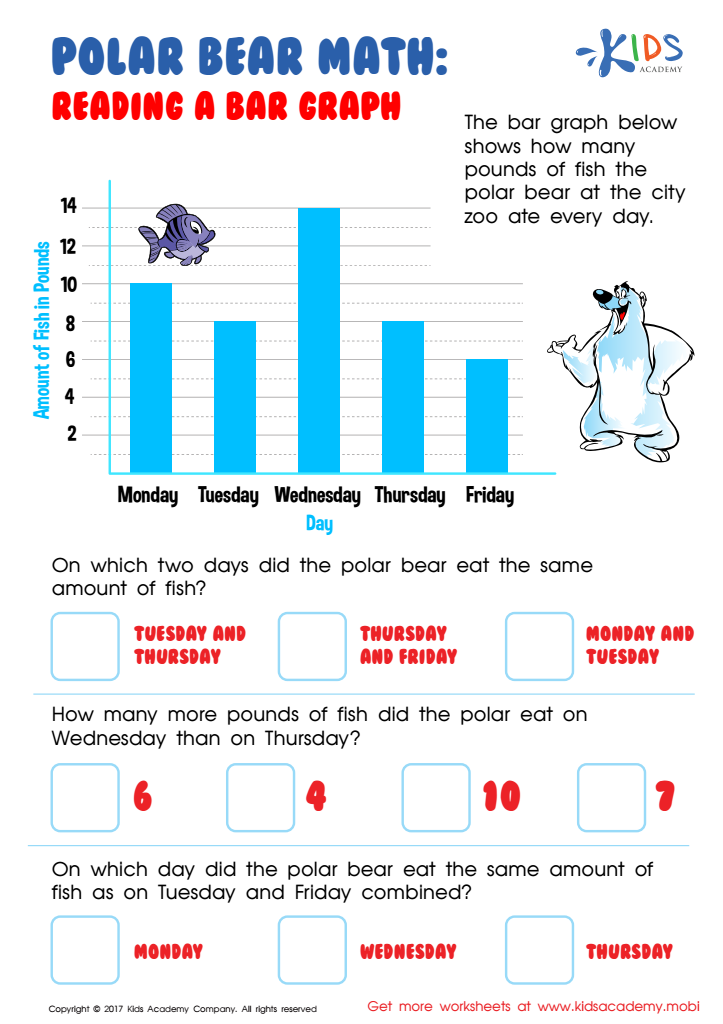
Reading Bar Graph Worksheet
 Assign to My Students
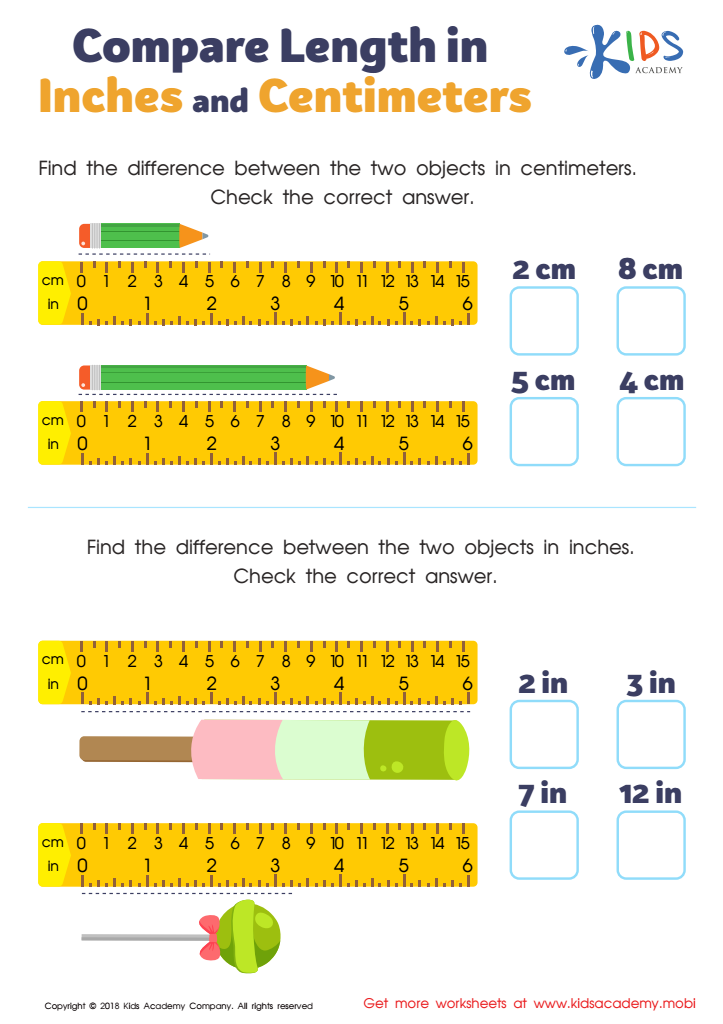
Compare Length in Inches and Centimeters Worksheet
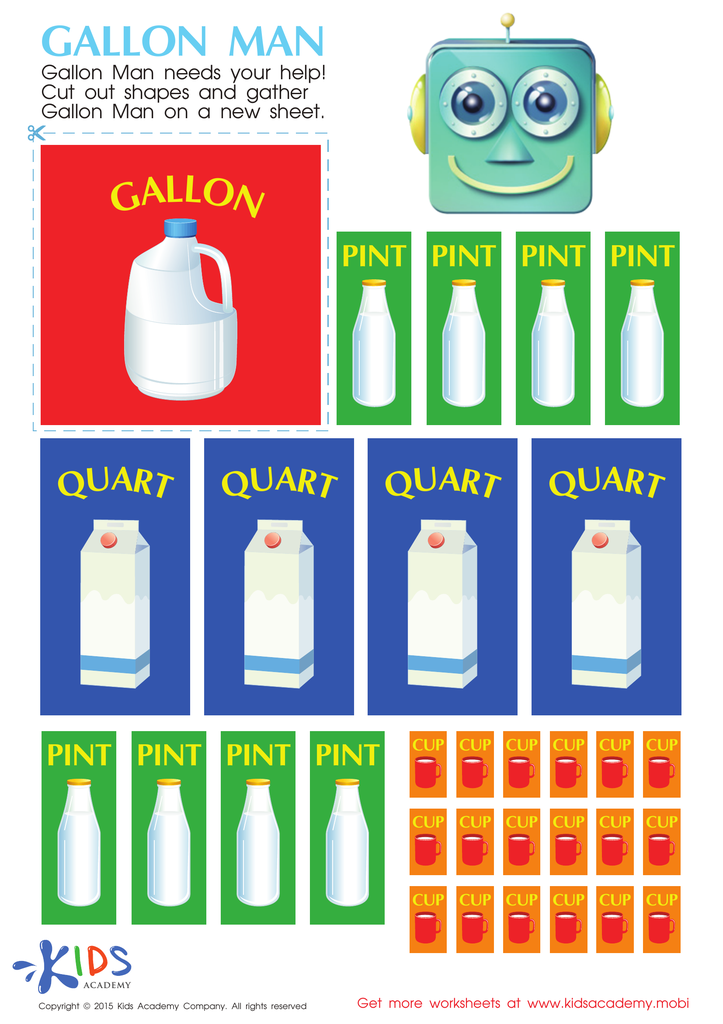
Cups, Pints and Quarts With Gallon Man Worksheet
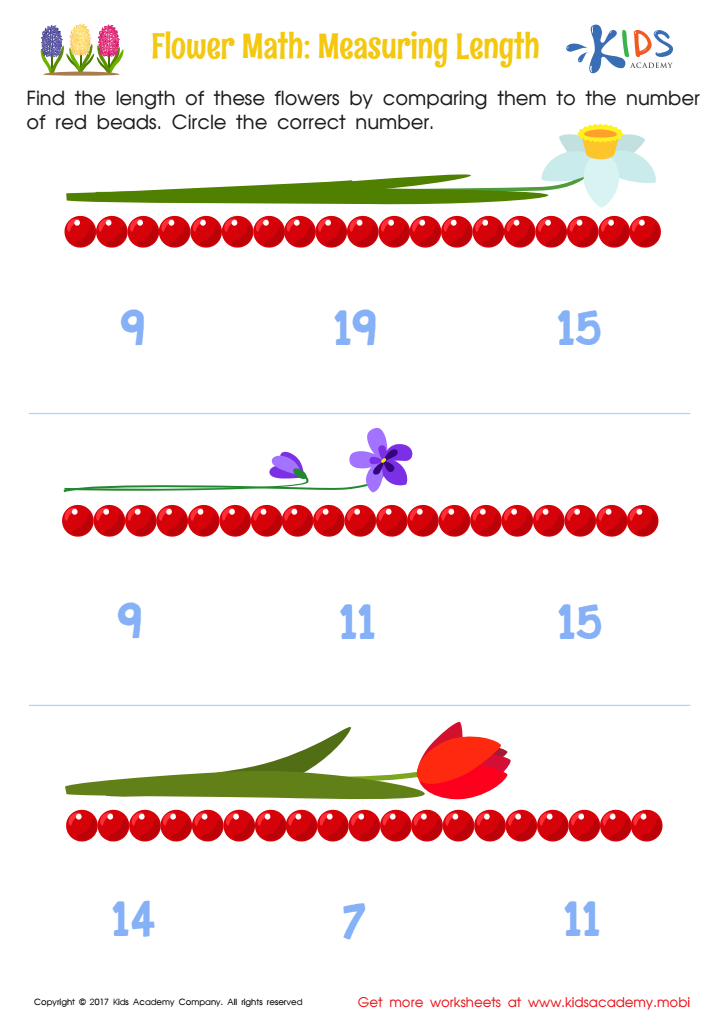
Flower Math: Measuring Height Worksheet
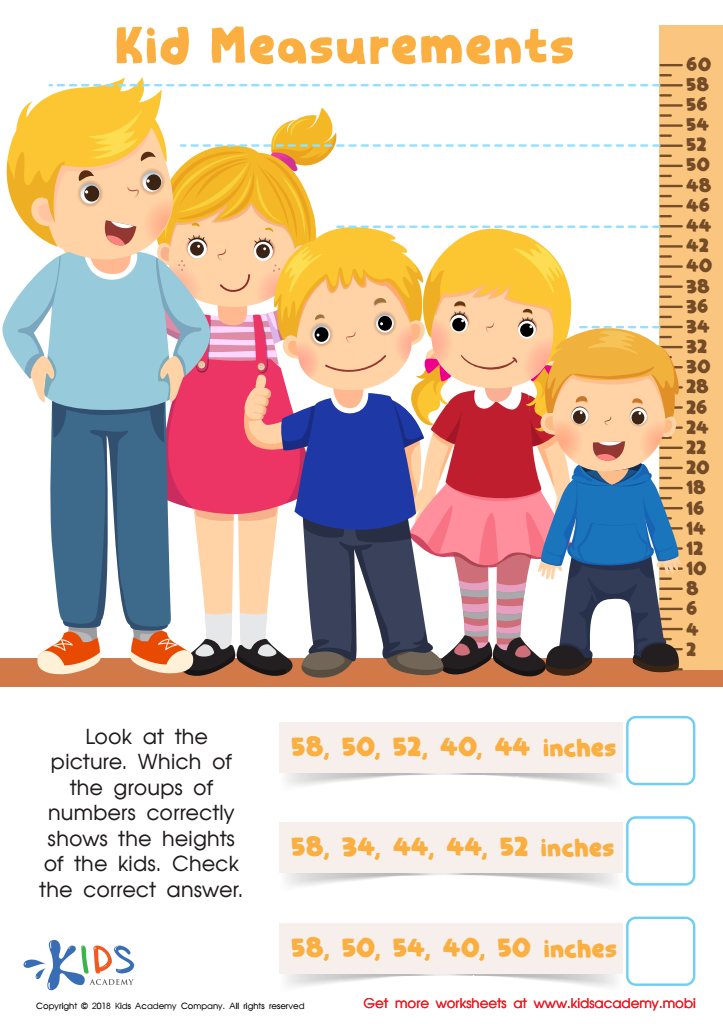
Kids Measurements Worksheet
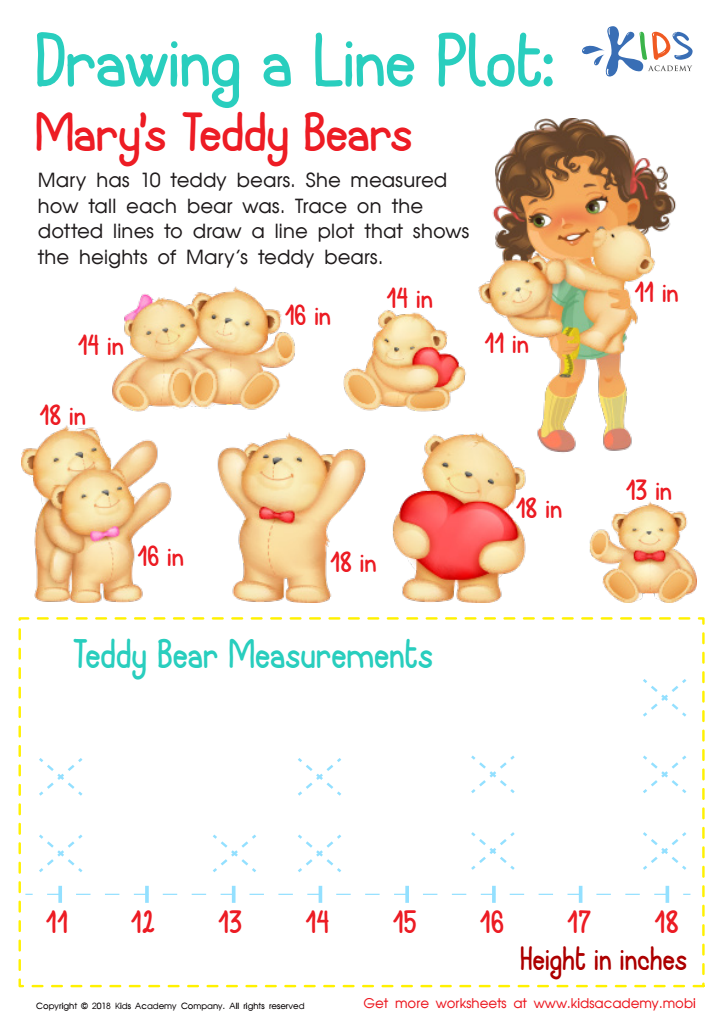
Drawing and Line Plot: Mary's Teddy Bears Worksheet
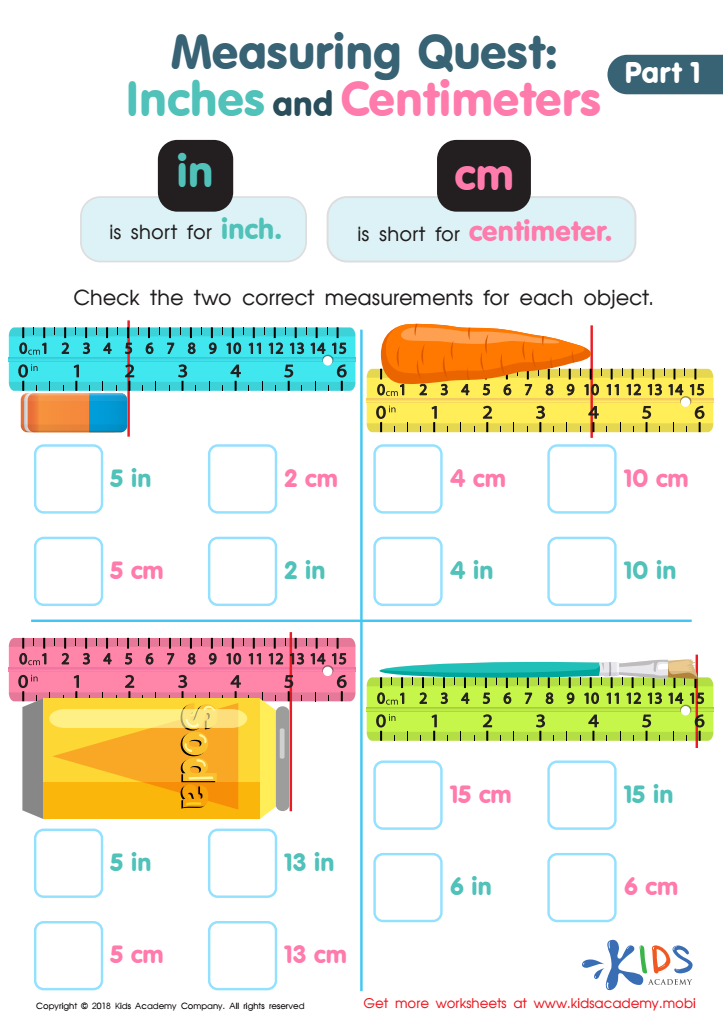
Measuring Quest: Inches and Centimeters Worksheet
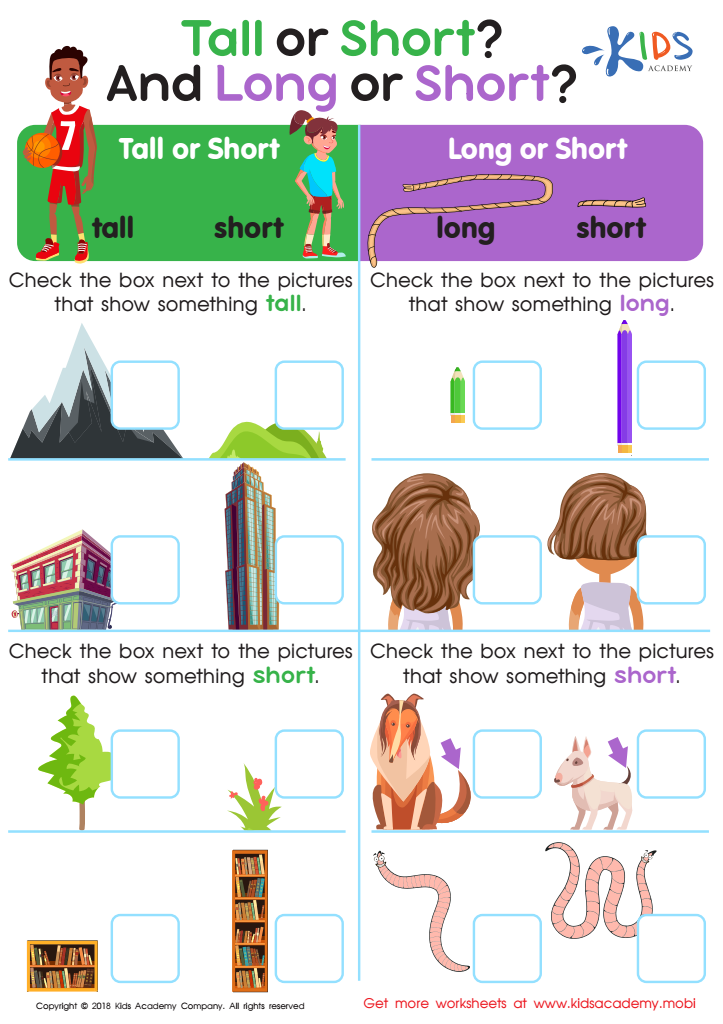
Tall or Short and Long or Short? Worksheet
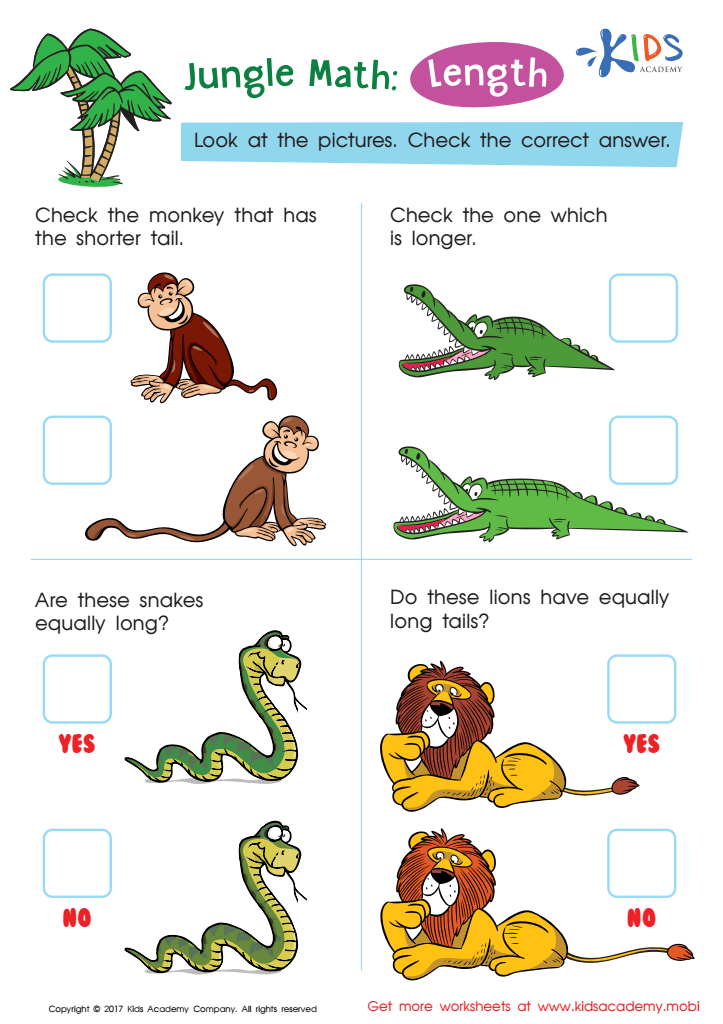
Which One Is Longer - Length Worksheet
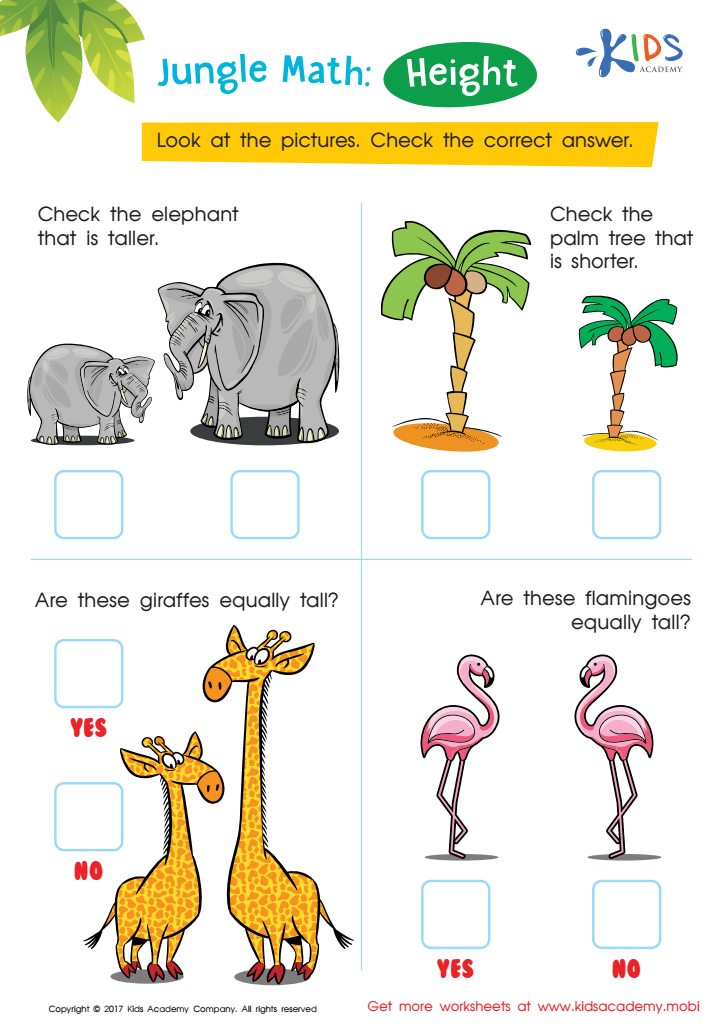
Which Is Taller Worksheet
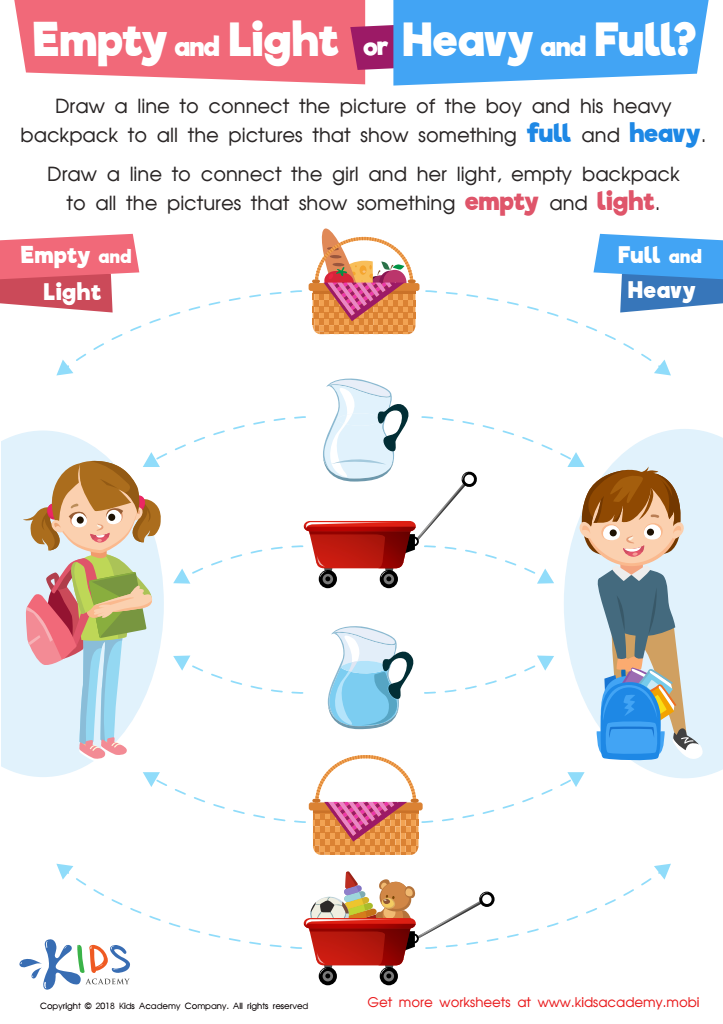
Empty and Light or Heavy and Full? Worksheet
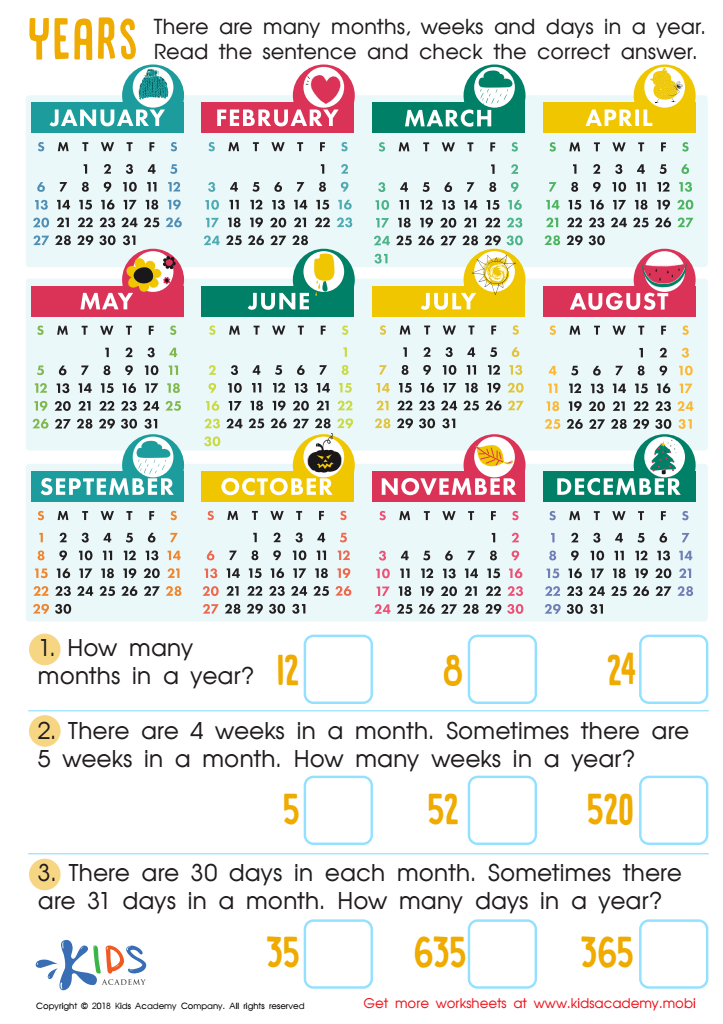
Years Worksheet
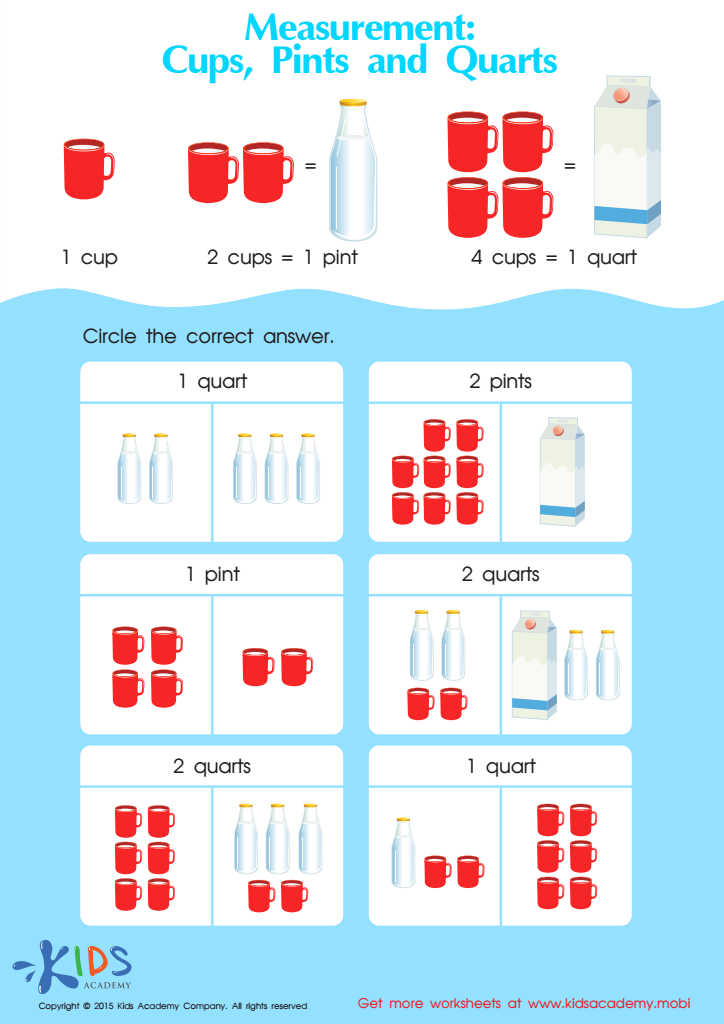
Cups, Pints and Quarts Worksheet
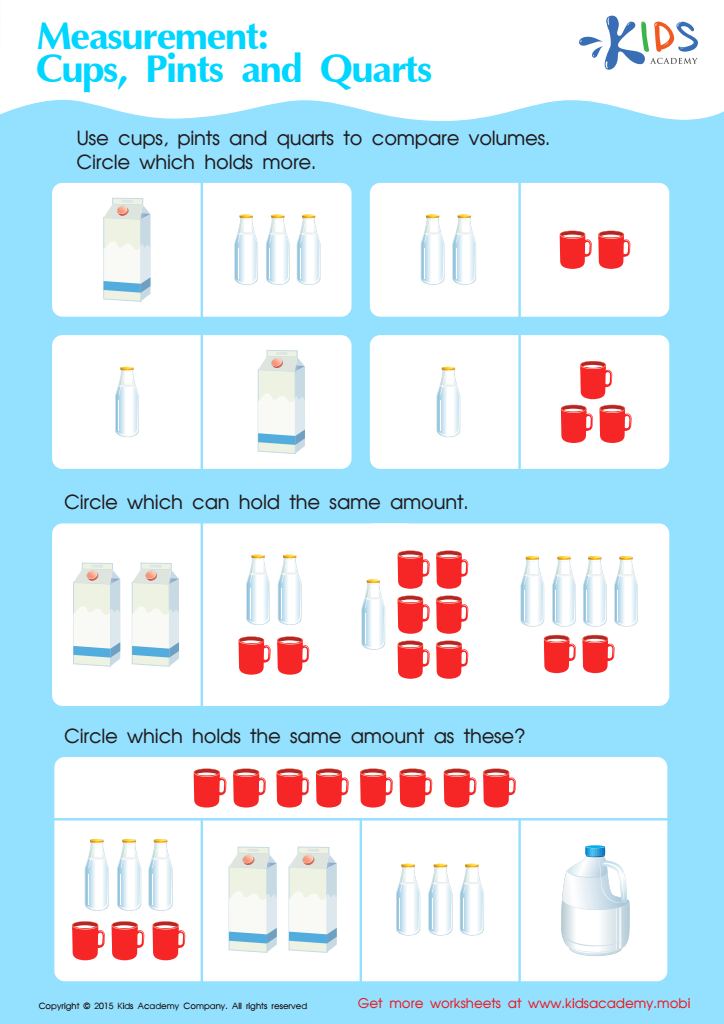
Measurement: Compare Volumes Worksheet
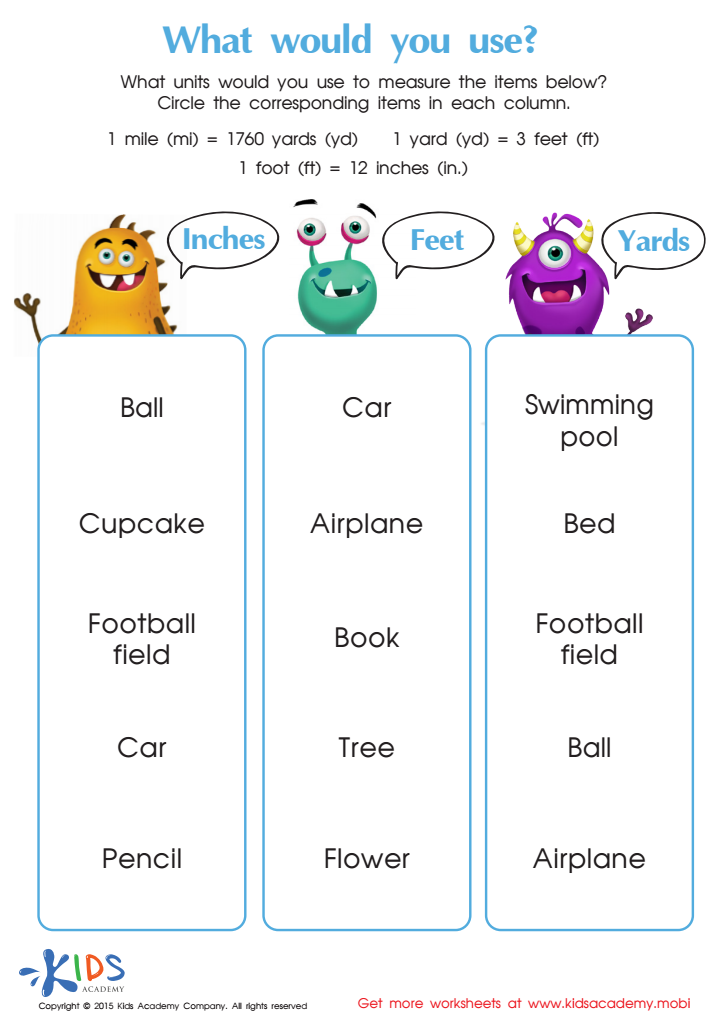
Learning about measuring objects in inches, feet and yards Worksheet
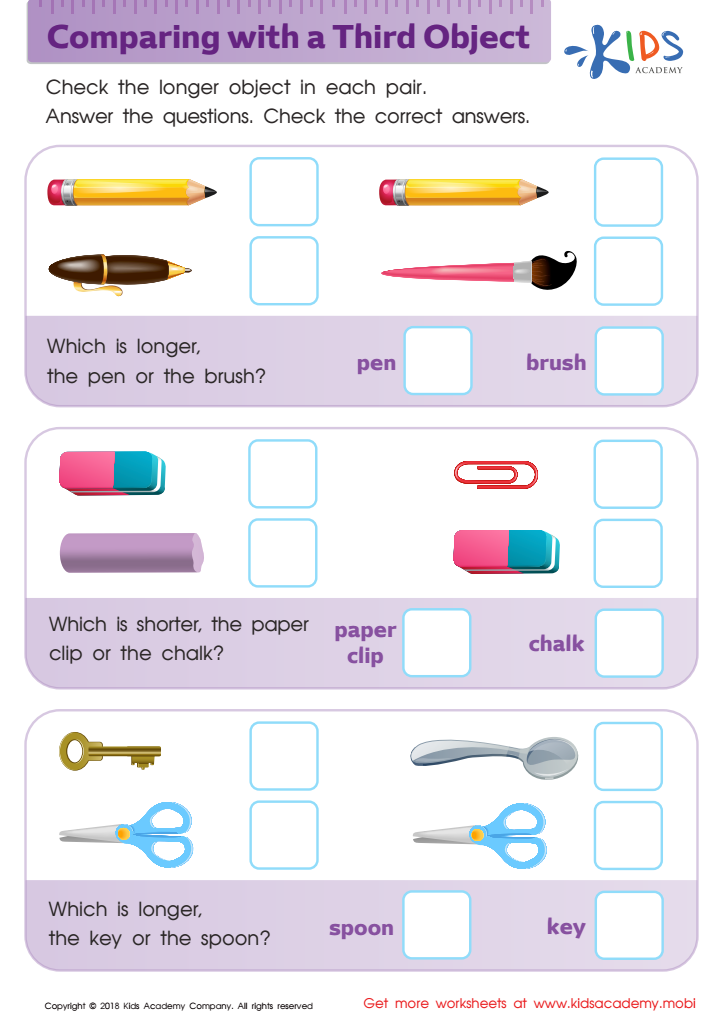
Comparing with a Third Object Worksheet
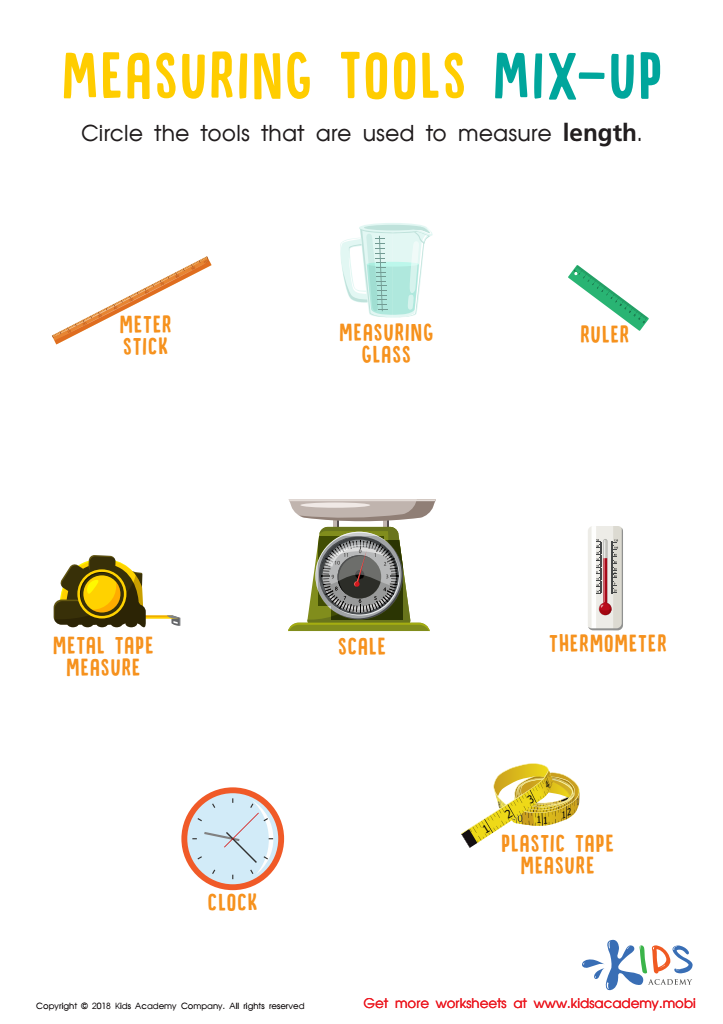
Measuring Tools Mix–up Worksheet
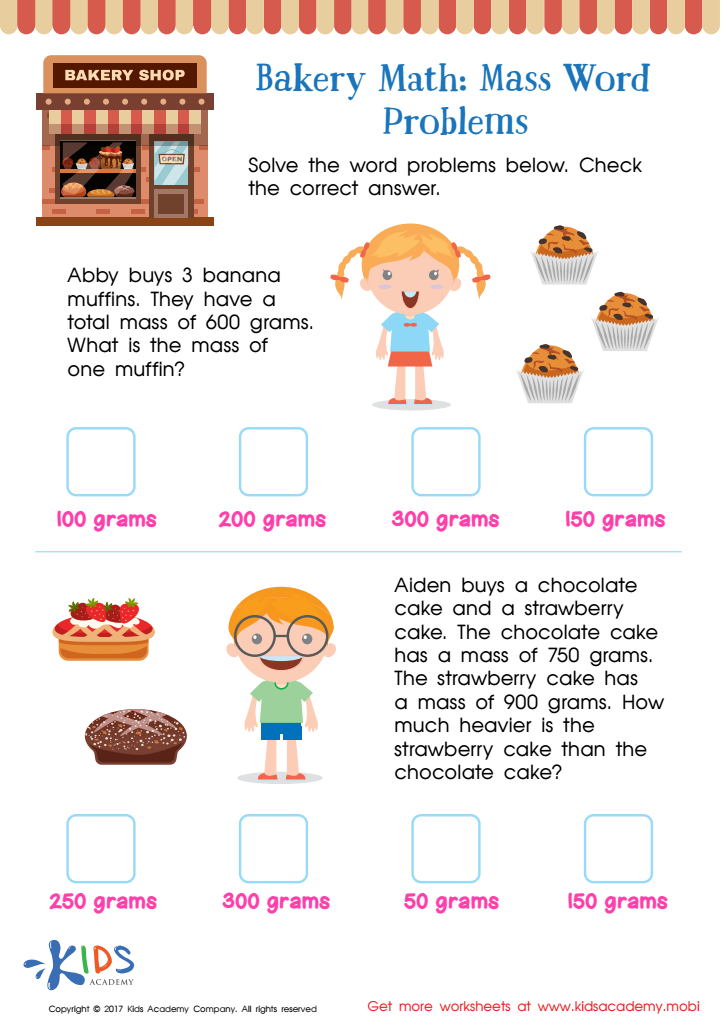
Mass Word Problems Worksheet
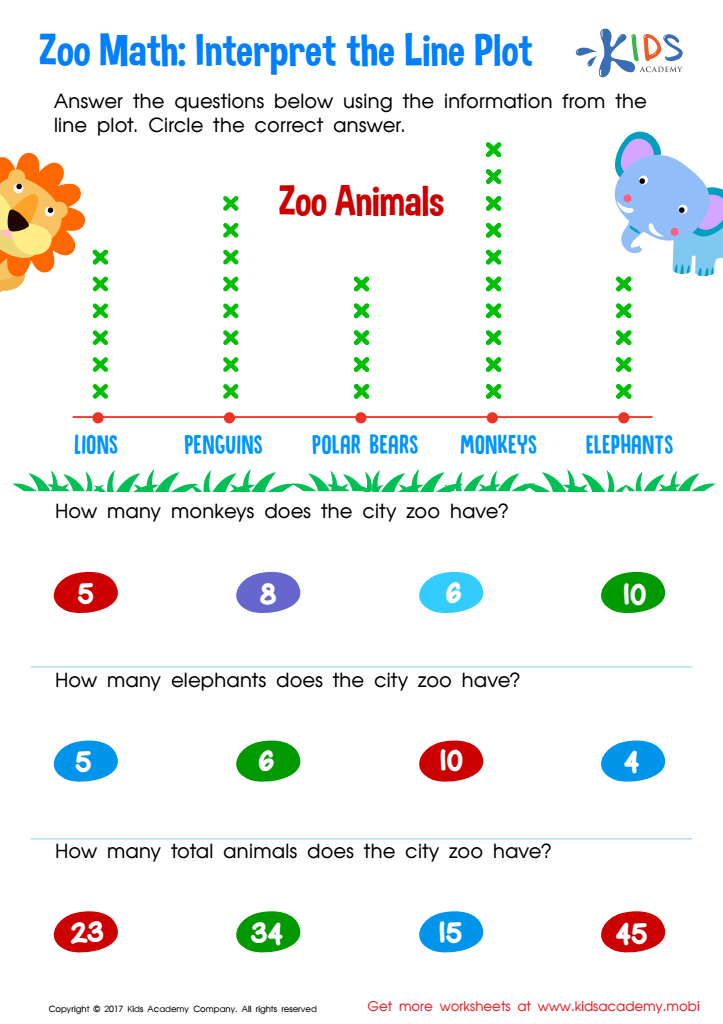
Interpret Line Plot Worksheet
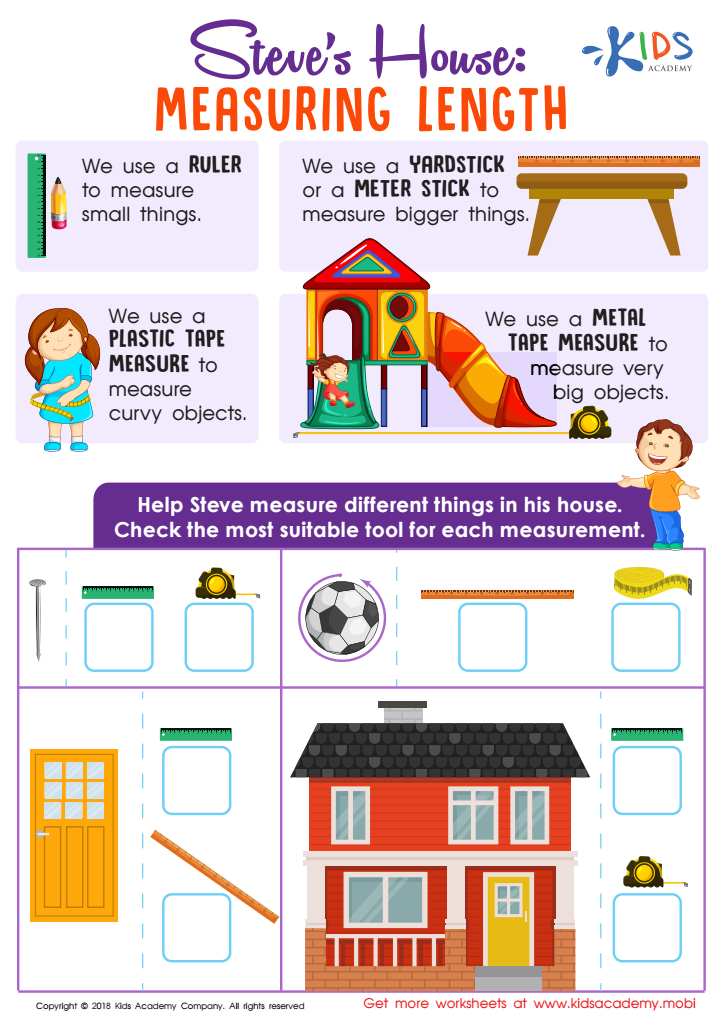
Steve's House: Measuring Length Worksheet
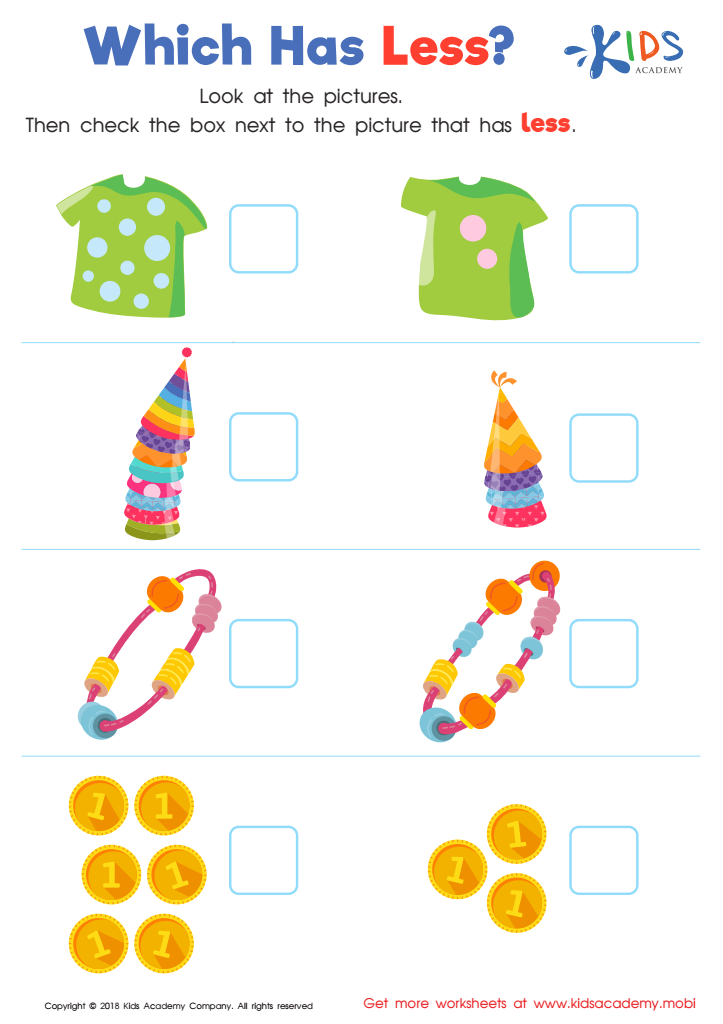
Which Has Less? Worksheet
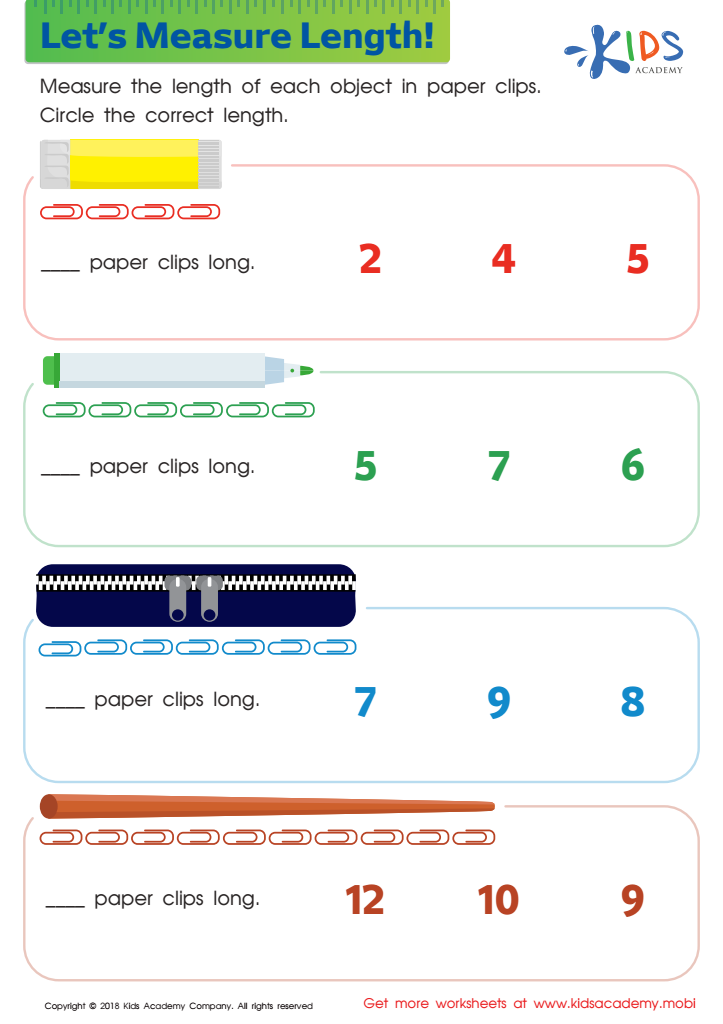
Lets Measure Length Worksheet
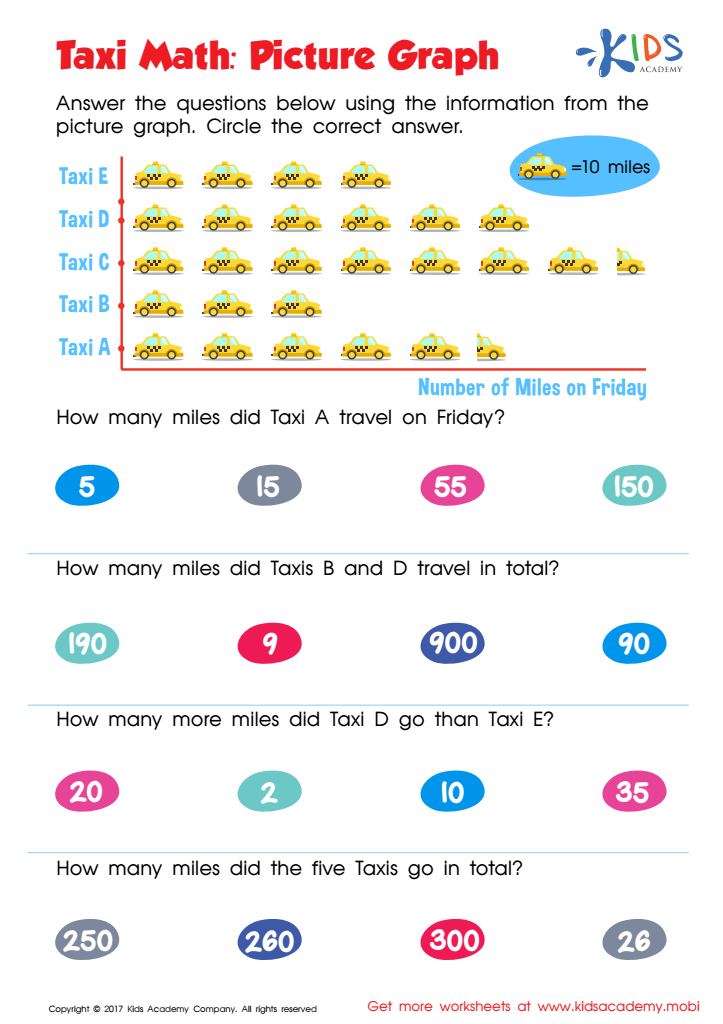
Taxi Math Worksheet
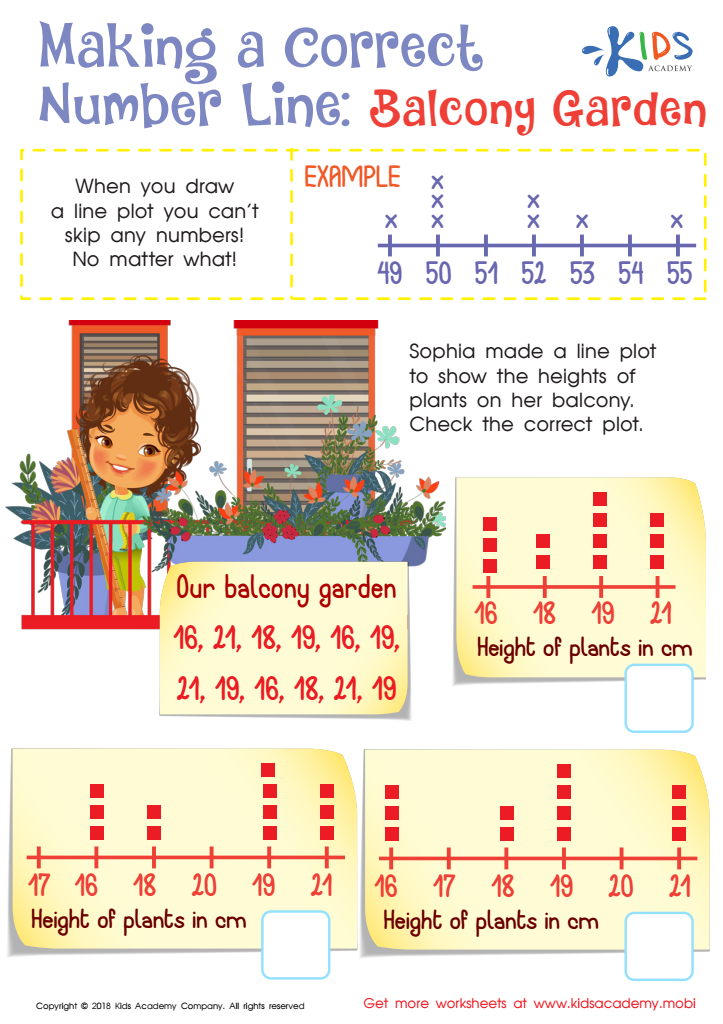
Making a Correct Number Line: Balcony Garden Worksheet








Measurement is a fundamental skill for children ages 3-8 that extends far beyond the classroom. Parents and teachers should care about developing these skills early because they lay the groundwork for more complex mathematical concepts and everyday decision-making. Introducing measurement helps children understand and quantify the world around them, whether they are comparing the lengths of different objects, tracking growth, or learning about time and money.
Through measurement activities, children develop critical thinking and problem-solving skills. For example, they learn to ask questions, make predictions, and use tools to find answers. These experiences contribute to their cognitive development, encouraging logic and reasoning that will be essential in their future learning.
Additionally, measurement integrates naturally with other subjects. It enriches language skills through the vocabulary needed to describe quantities and differences, and it enhances social skills as children communicate their findings and collaborate on activities. Moreover, the process of measuring helps children develop fine motor skills, as they manipulate tools like rulers, measuring cups, and scales.
By embedding measurement into daily routines and educational activities, parents and teachers help children develop a robust understanding of the concept, promoting lifelong competence and confidence in both academic and real-world settings. This foundational knowledge empowers children to succeed across various disciplines and practical scenarios.








