Community Worksheets for Ages 3-8 - Page 3
126 filtered results
-
From - To
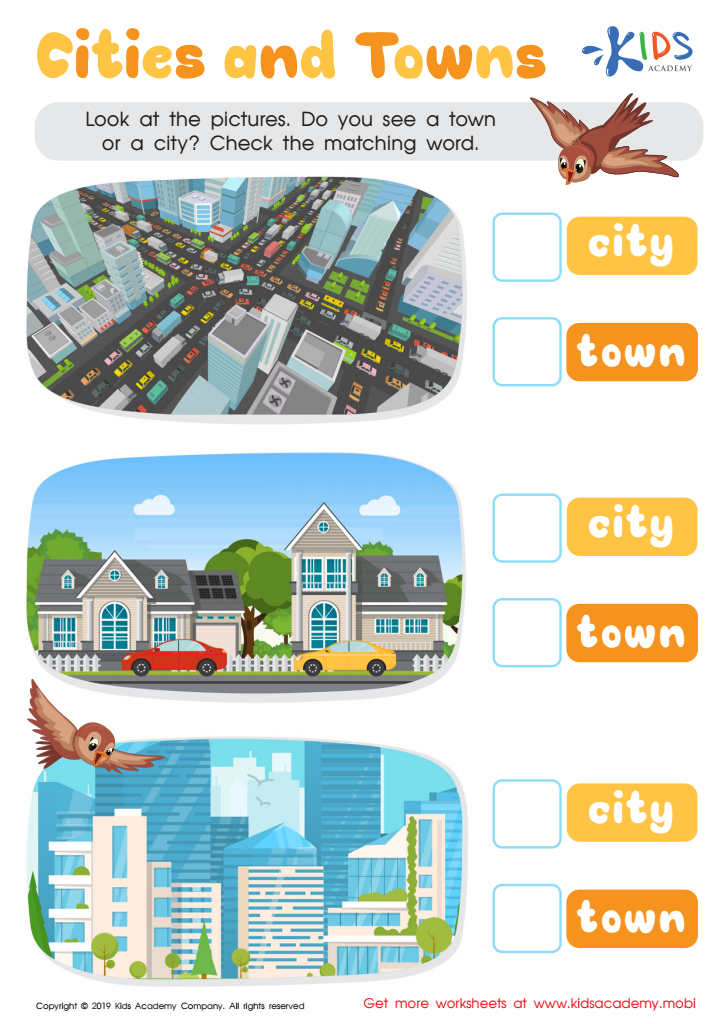
Cities and Towns Worksheet
 Assign to My Students
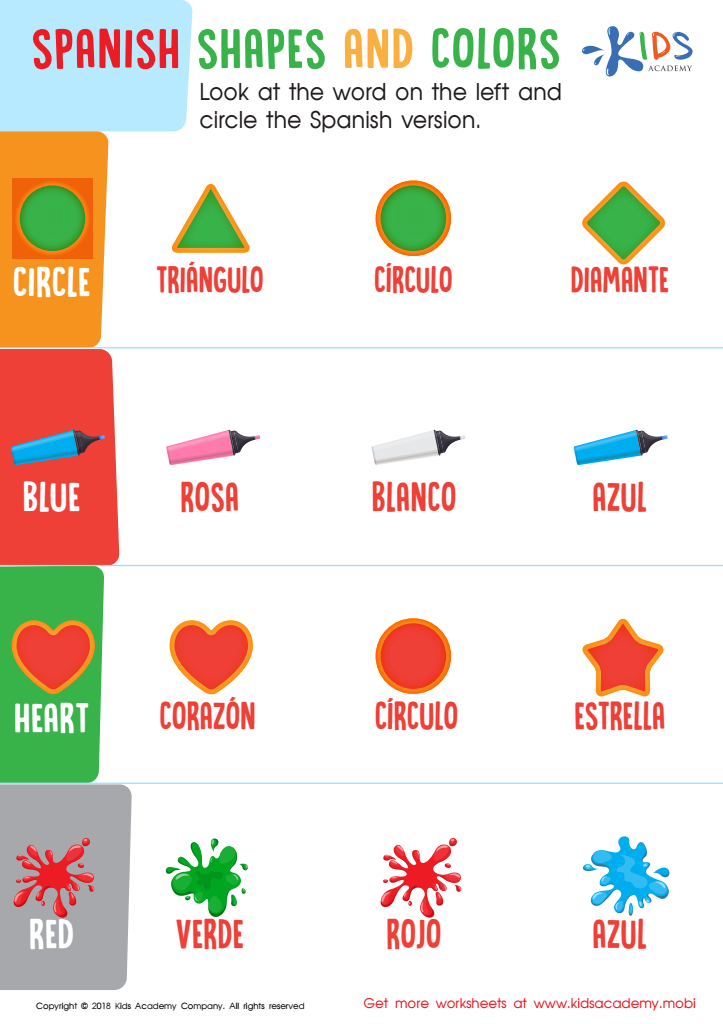
Spanish Shapes and Colors Worksheet
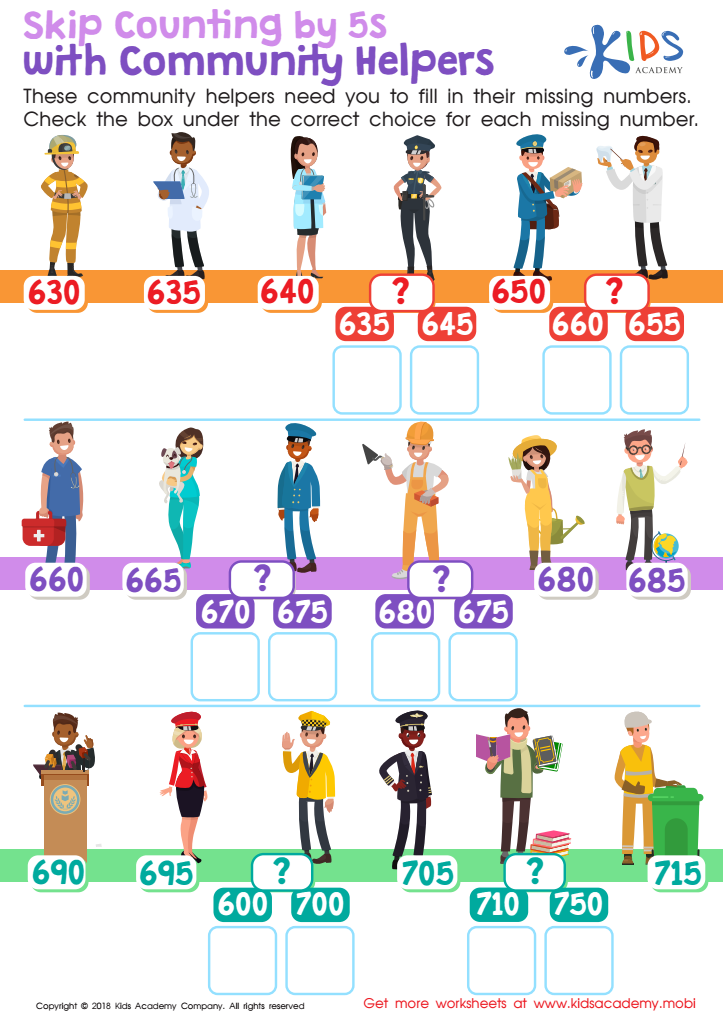
Skip Counting by 5s With Community Helpers Worksheet
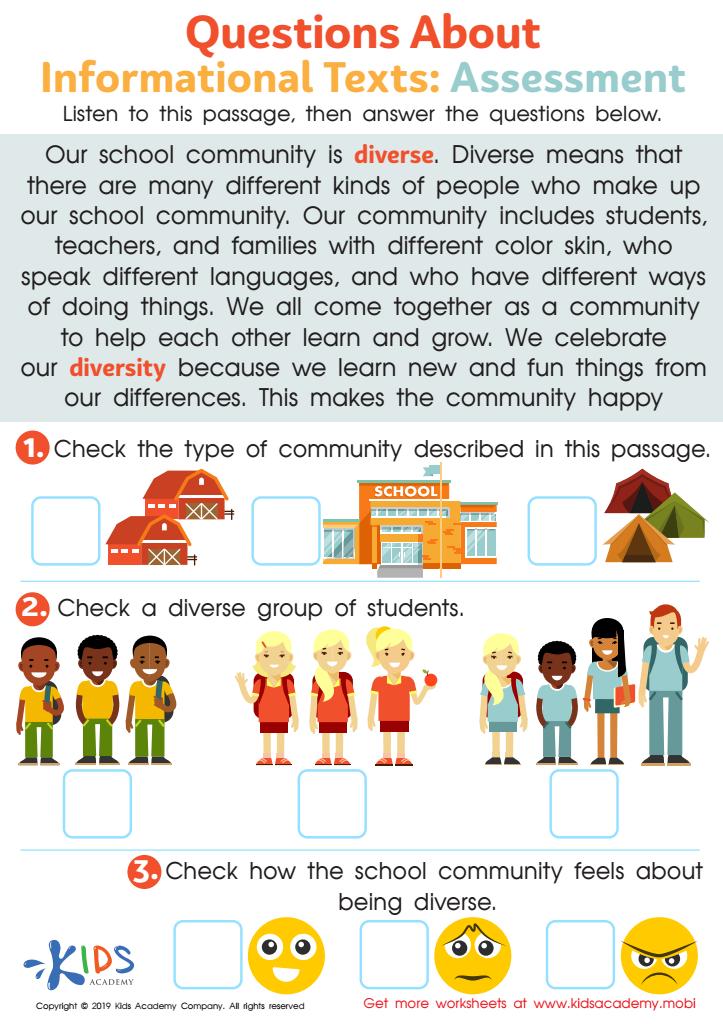
Questions About Informational Texts: Assessment 1 Worksheet
My Bedroom Worksheet
What Needs Electricity Printable

What Do you See at the Library? Worksheet
Cities Worksheet

Let's Check! Assessment Worksheet
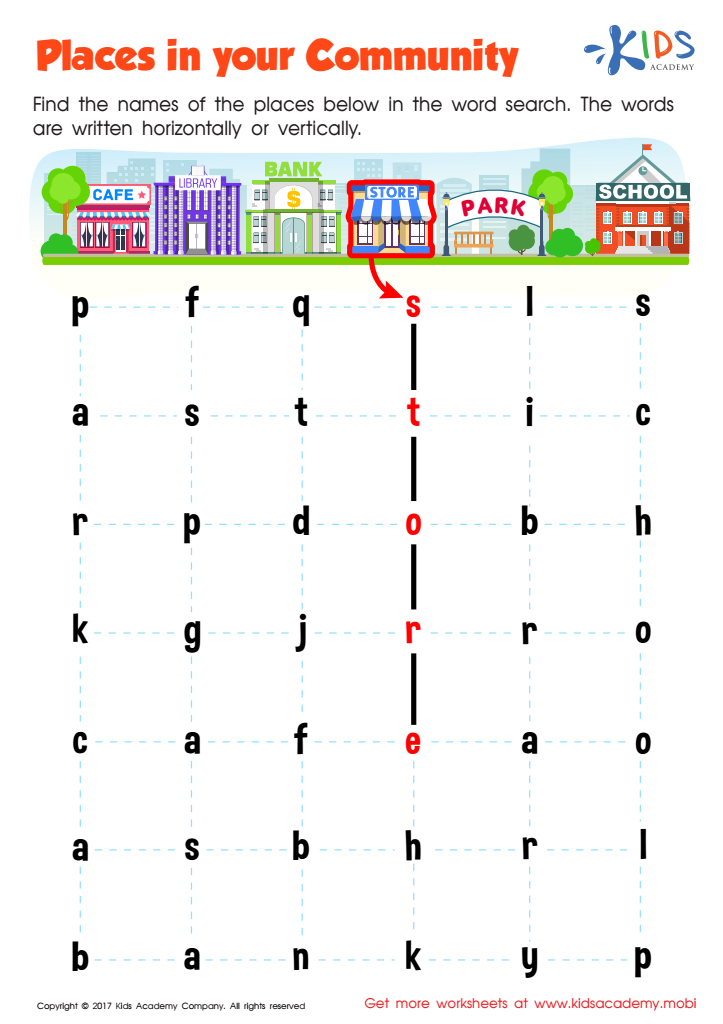
Places in Your Community Worksheet
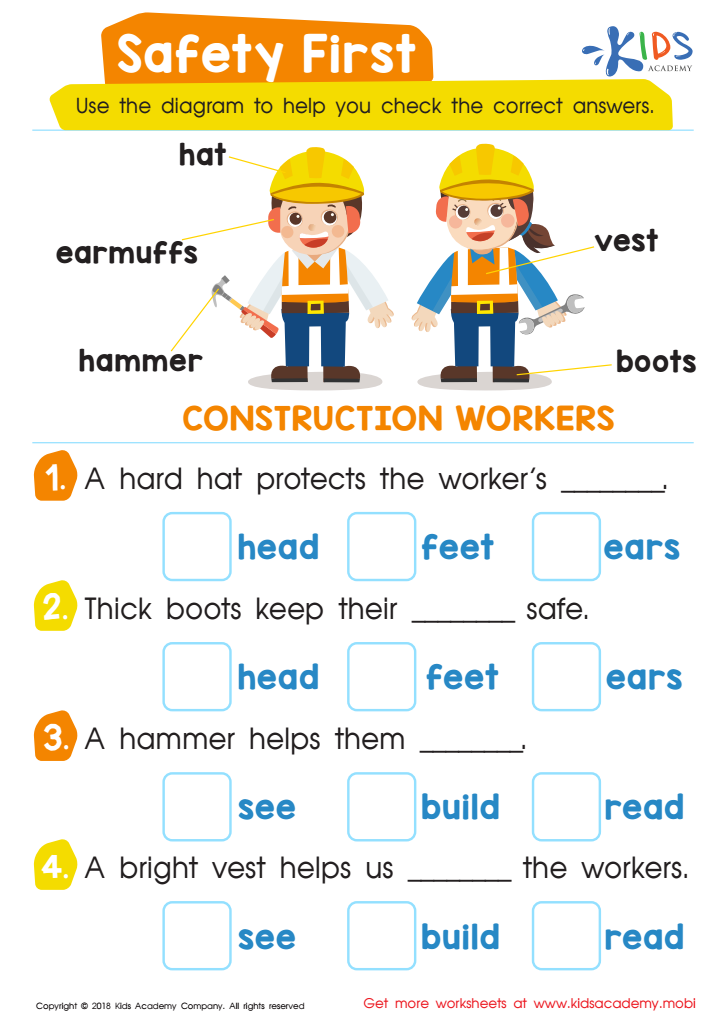
Safety First Worksheet
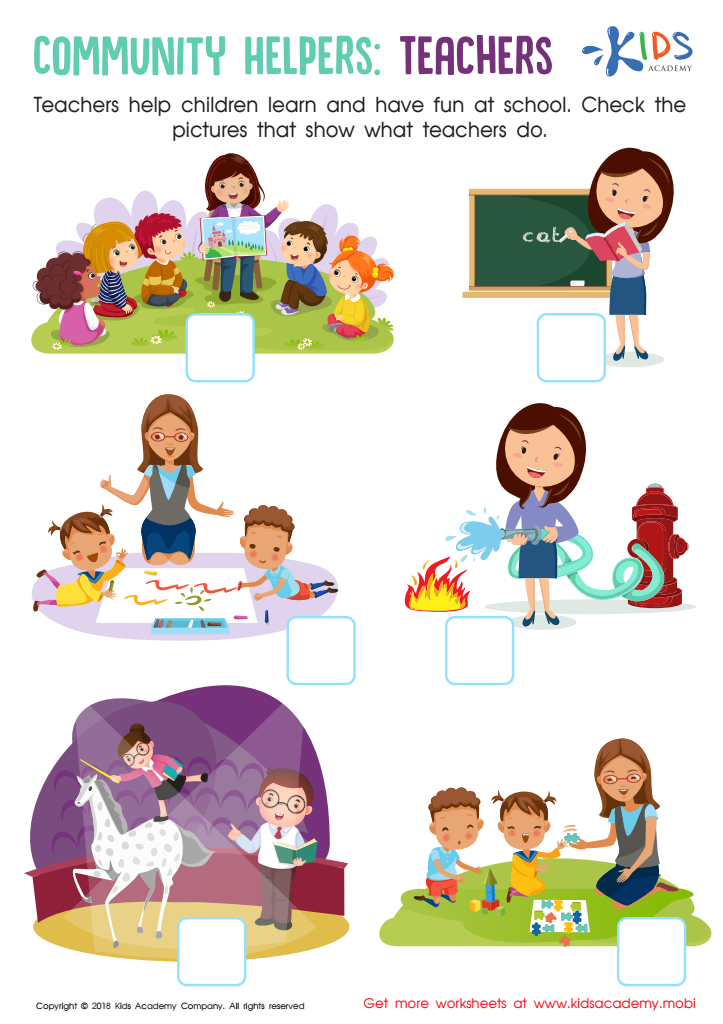
Teachers Community Helpers Worksheet
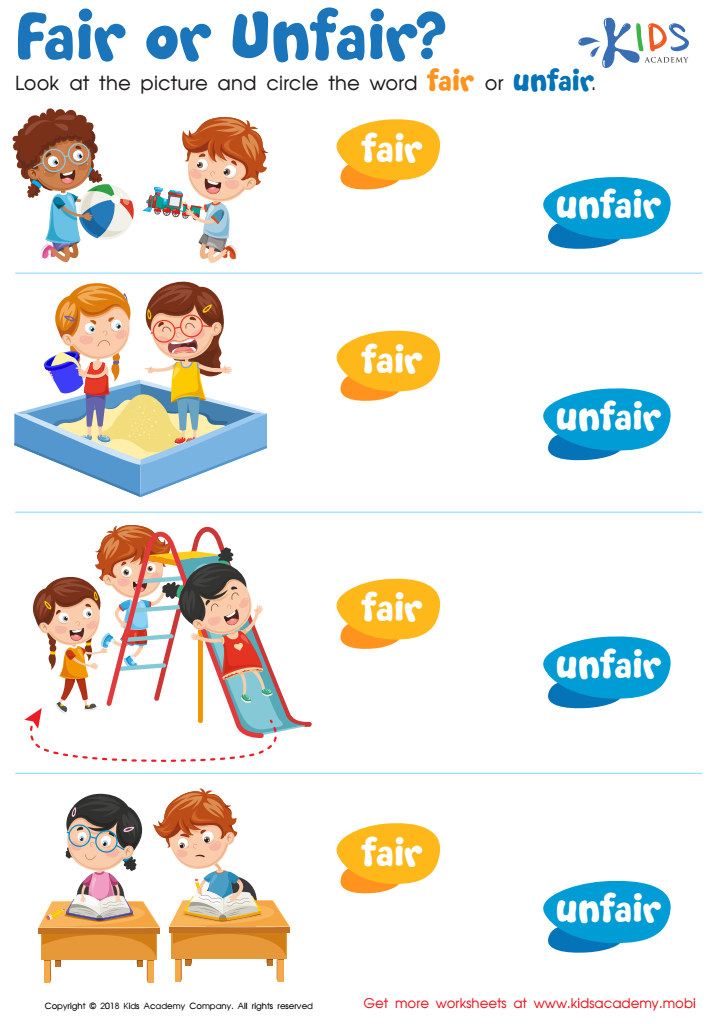
Fair or Unfair Worksheet
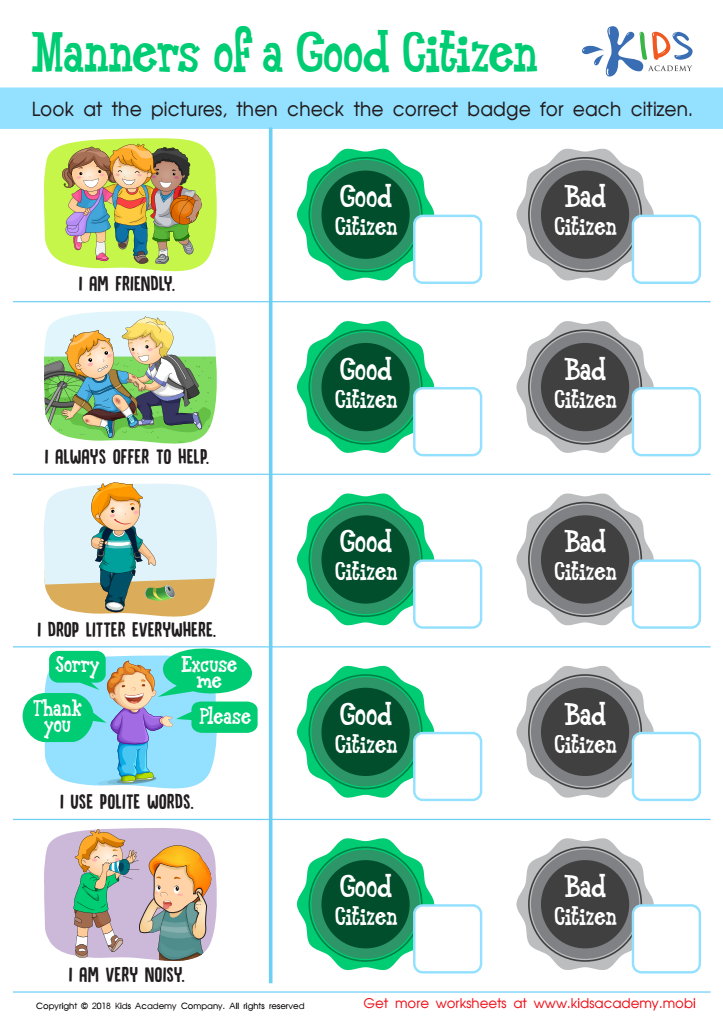
Manners of a Good Citizen Worksheet
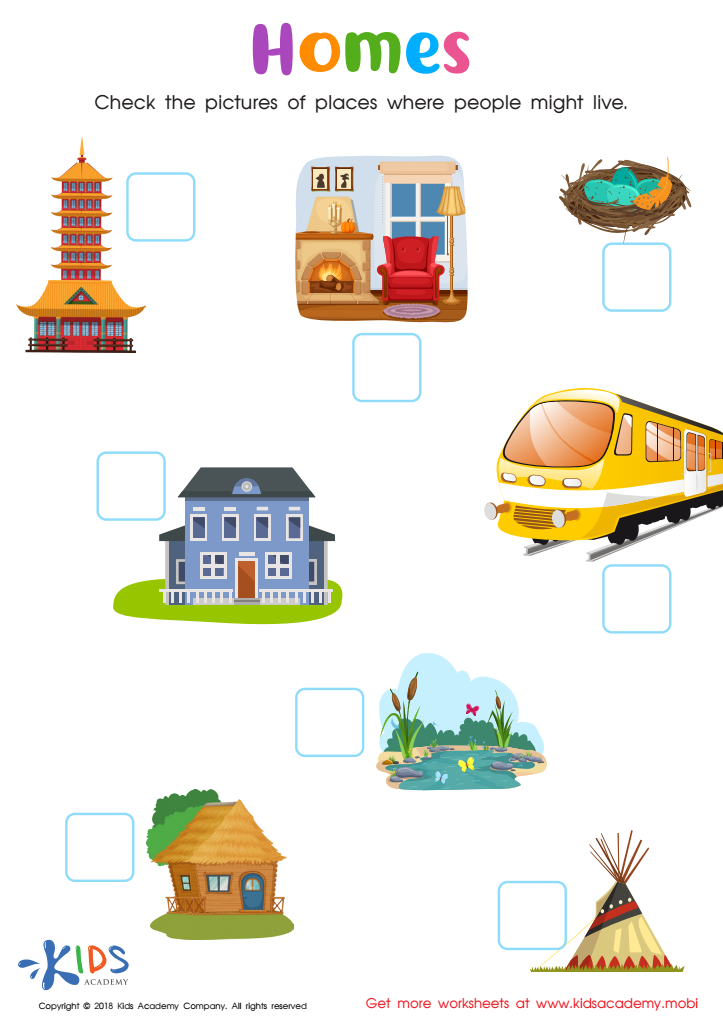
Homes Worksheet
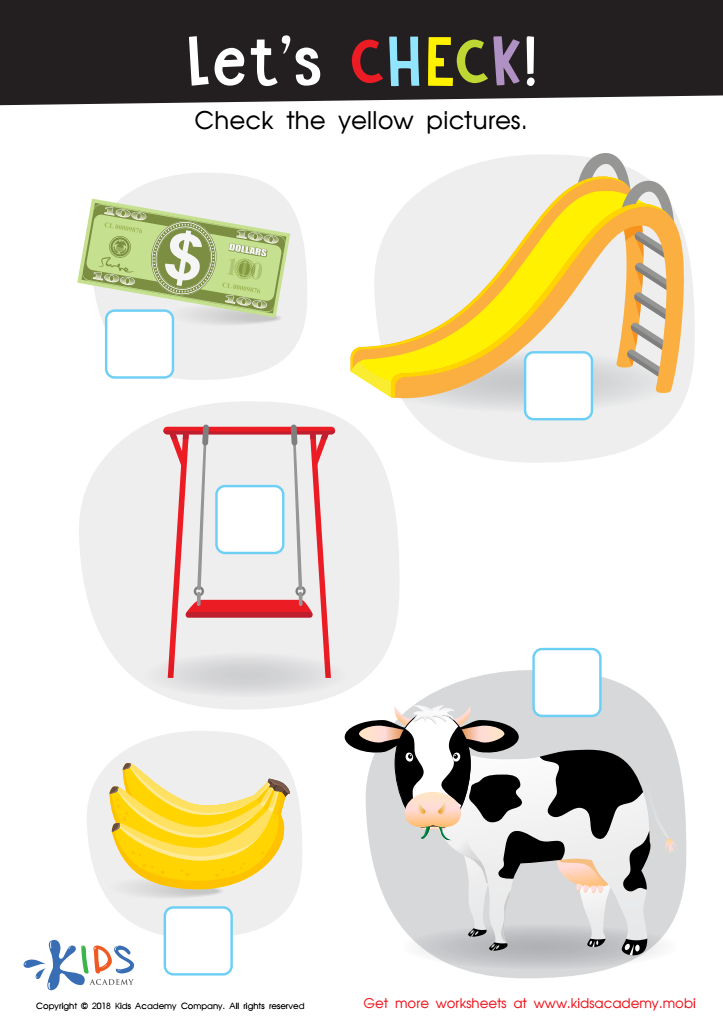
Let's Check! Worksheet
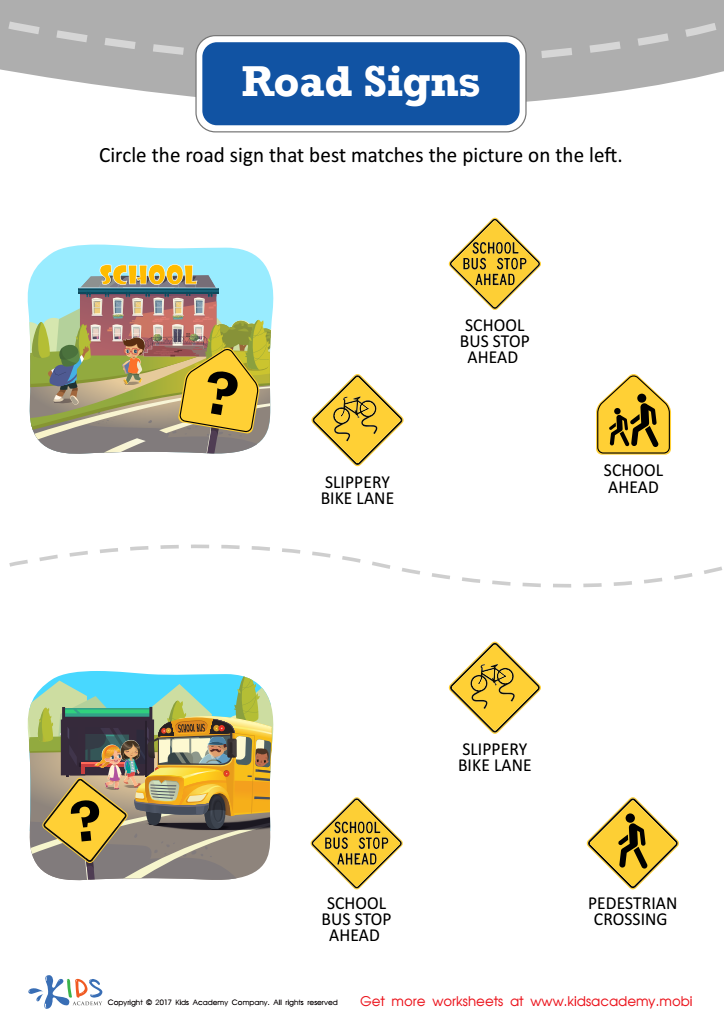
Road Signs (Part 1) Worksheet
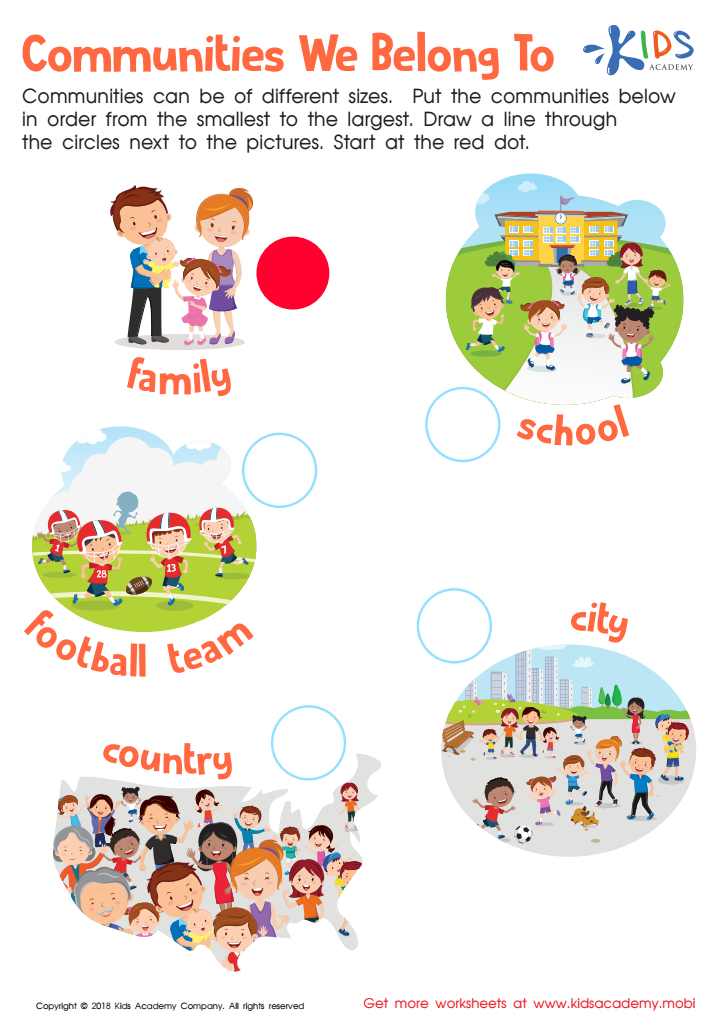
Communities We Belong to Worksheet
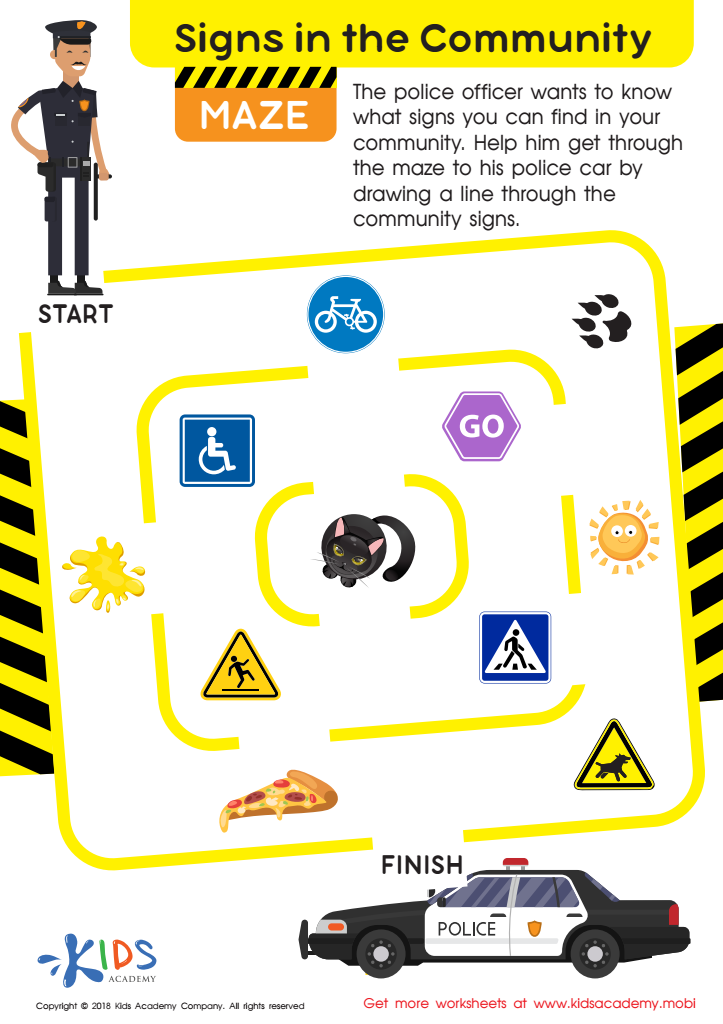
Signs in the Community: Maze Worksheet
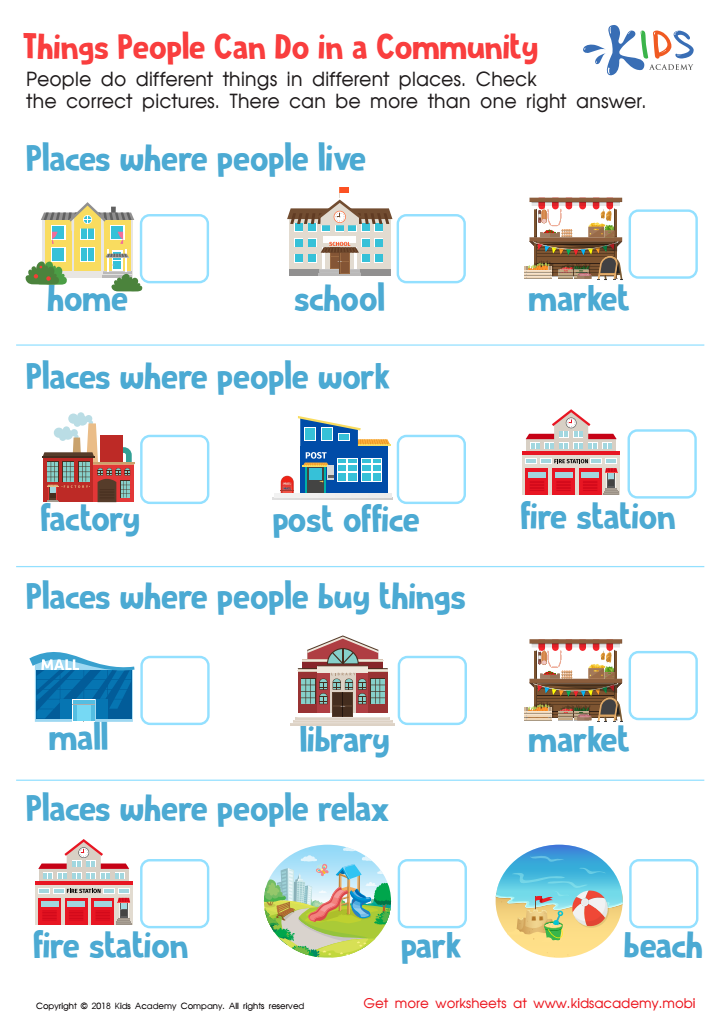
Things People Can Do in a Community Worksheet
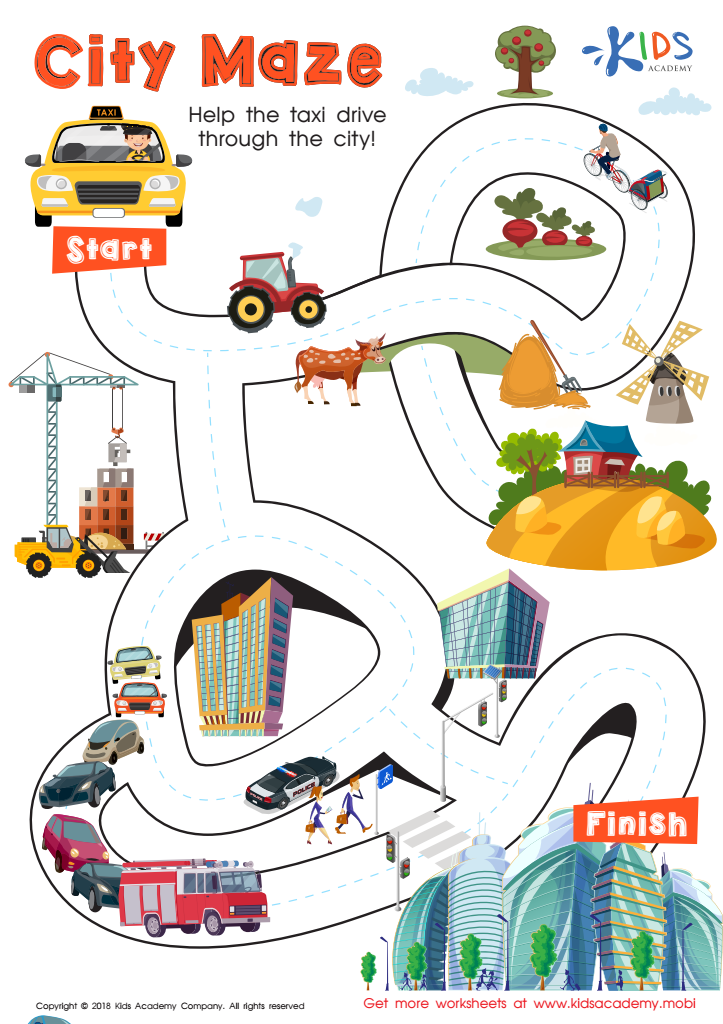
City Maze Worksheet
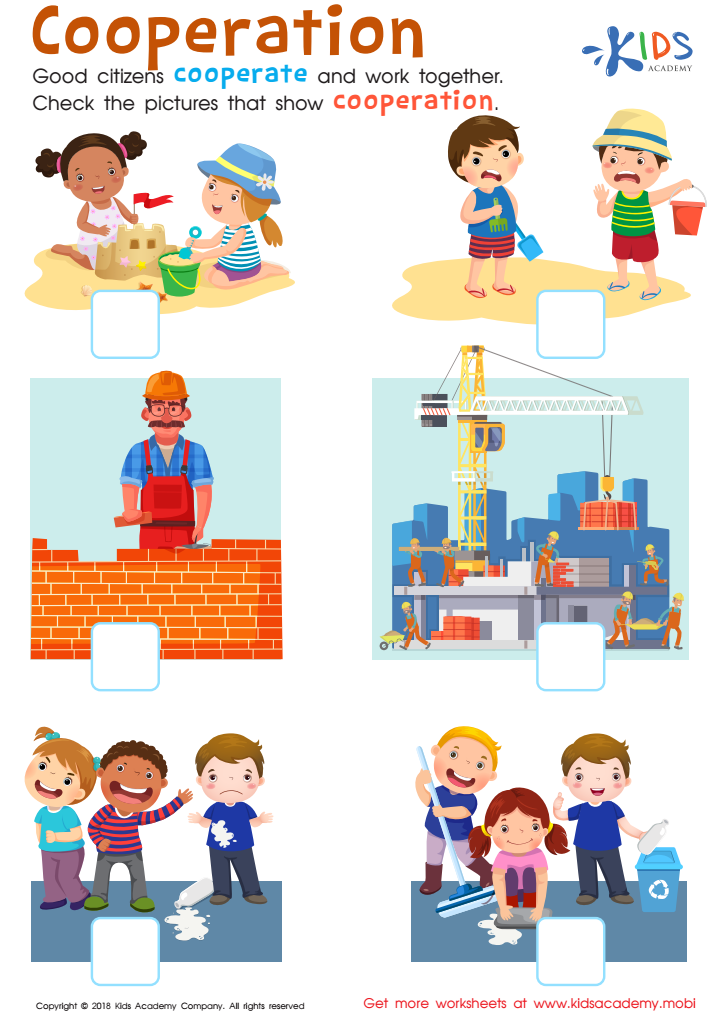
Cooperation Worksheet
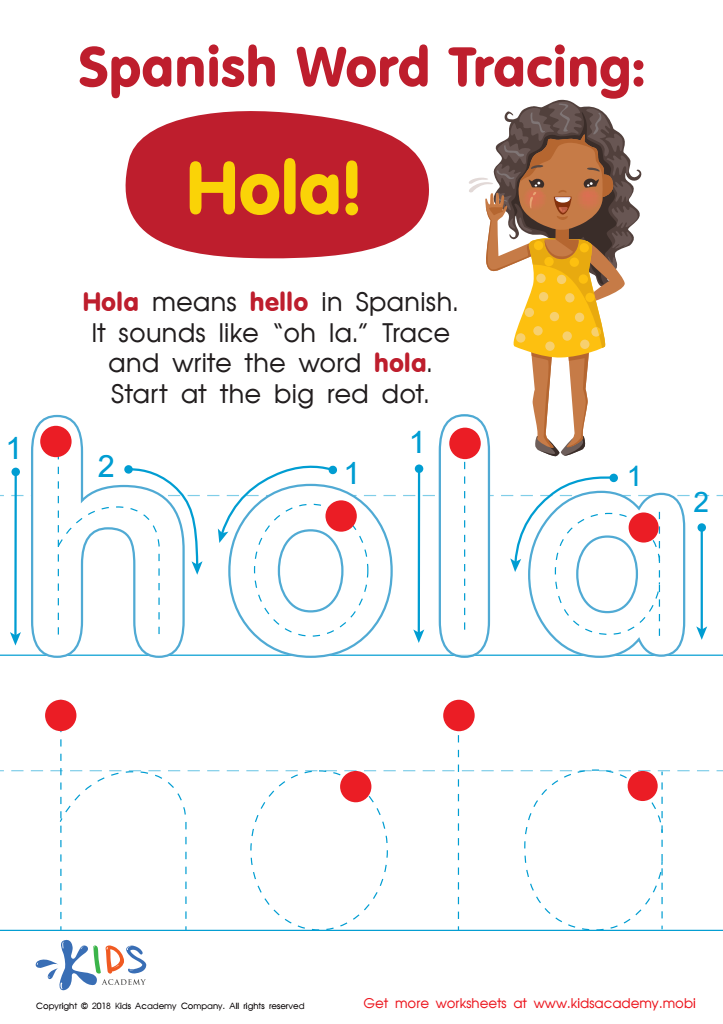
Spanish Word Tracing: Hola Worksheet







Parents and teachers should care about community for children aged 3-8 because it plays a crucial role in their social, emotional, and cognitive development. At this early stage, children are highly impressionable and learn best through interaction and engagement with others. A strong community fosters a sense of belonging, promotes self-esteem, and encourages positive relationships among peers.
In a nurturing community, children develop essential social skills such as empathy, cooperation, and communication. They learn to share, respect differences, and resolve conflicts, all of which are foundational for their future interactions. Furthermore, community-based activities often provide rich learning experiences that complement formal education, such as storytelling, arts, and cultural celebrations.
Additionally, a supportive community connects families and educators, creating a network where parents feel empowered to collaborate in their children's learning. When teachers and parents work together within the community, they can better address children's needs and promote a holistic approach to their education.
Ultimately, a strong community helps children feel secure and valued, setting the stage for lifelong learning and personal growth. Therefore, investing time and effort into community-building activities benefits everyone involved, especially the children.








