Animals Worksheets for Ages 3-9 - Page 2
26 filtered results
-
From - To
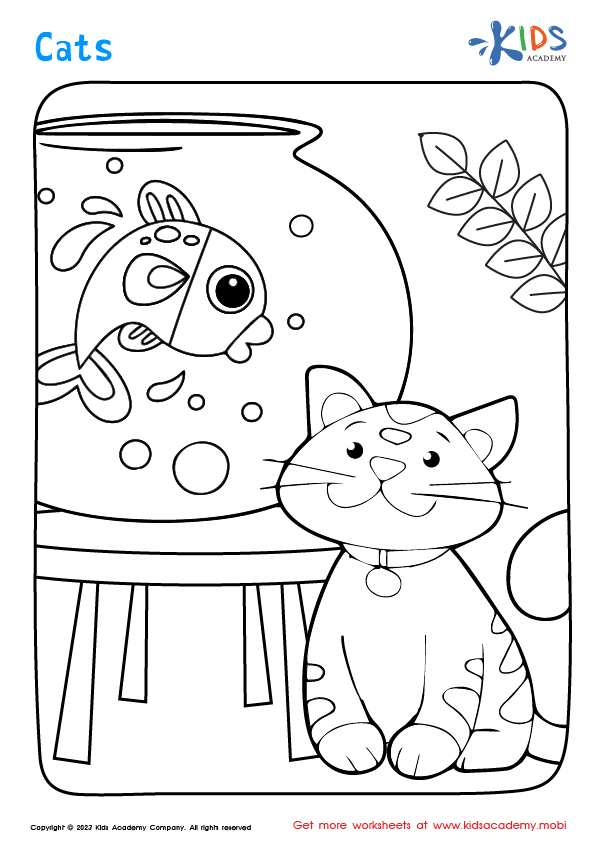
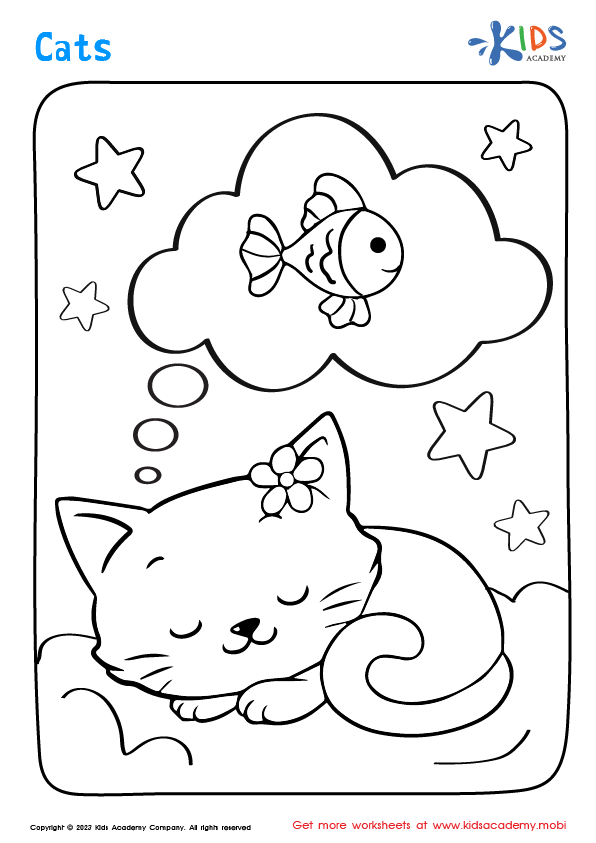








Parents and teachers should care about animals for children aged 3-9 because introducing young learners to the natural world fosters compassion, curiosity, and responsibility. At this developmental stage, children are incredibly impressionable and eager to understand their environment. Animals serve as excellent educational tools, providing opportunities for lessons in biology, ecology, and conservation.
Learning about animals helps children develop empathy as they recognize that all living beings have needs and feelings. Stories and activities involving animals can spark their imagination, encourage creativity, and enhance literacy skills. Moreover, discussions about habitats, behaviors, and diets help build critical thinking skills and boost cognitive development.
Understanding animals also instills a sense of environmental stewardship. Educating children about endangered species and ecosystems encourages them to appreciate nature and inspires a commitment to protect it. Additionally, experiences such as visiting zoos, farms, or nature reserves strengthen community ties and create lasting memories.
Incorporating animals into early education doesn’t only benefit the children; it also fosters a culture of care in families and classrooms, teaching vital life lessons about cooperation and coexistence. Overall, engaging with animals enriches children's lives and complements their educational journey.