Shape Recognition Worksheets for Ages 3-9 - Page 2
142 filtered results
-
From - To
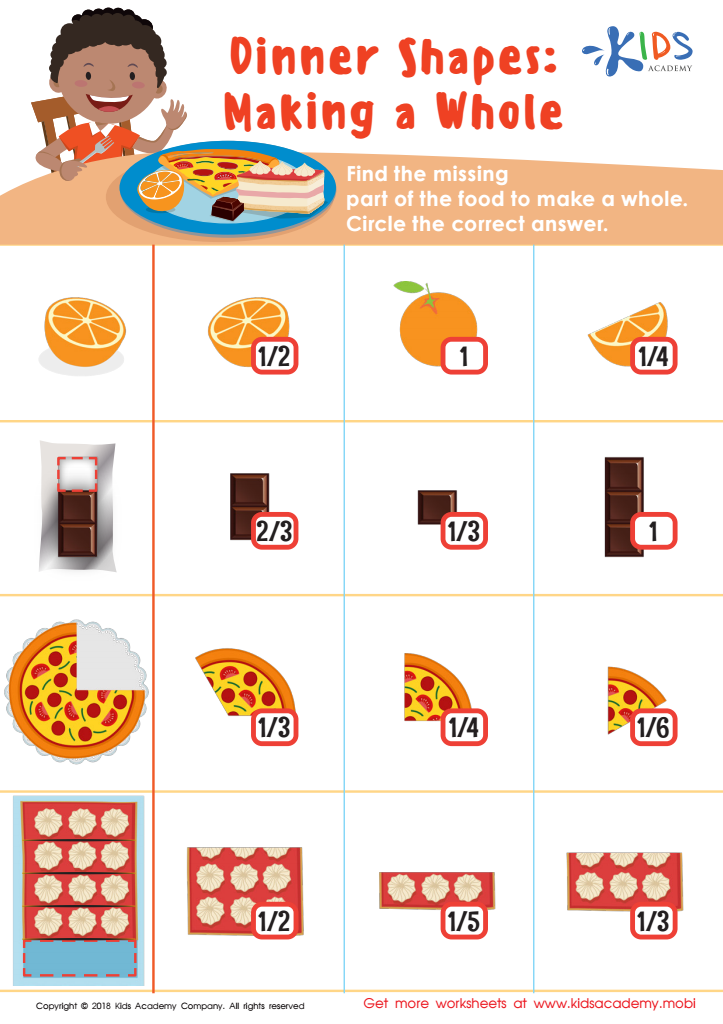
Dinner Shapes: Making a Whole Worksheet
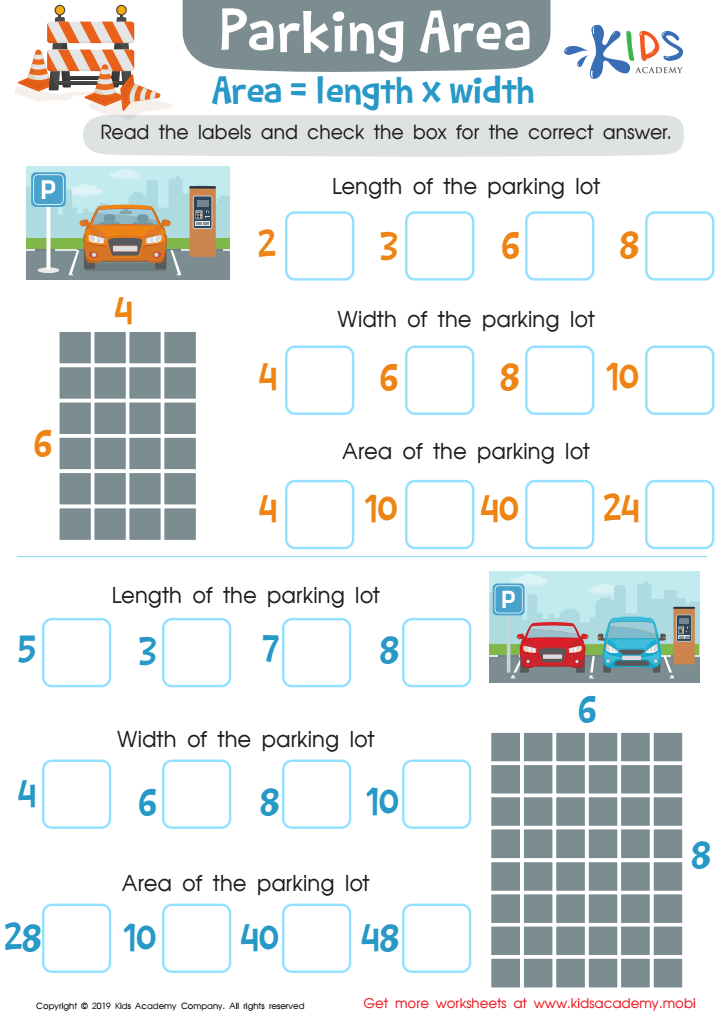
Parking Area Worksheet
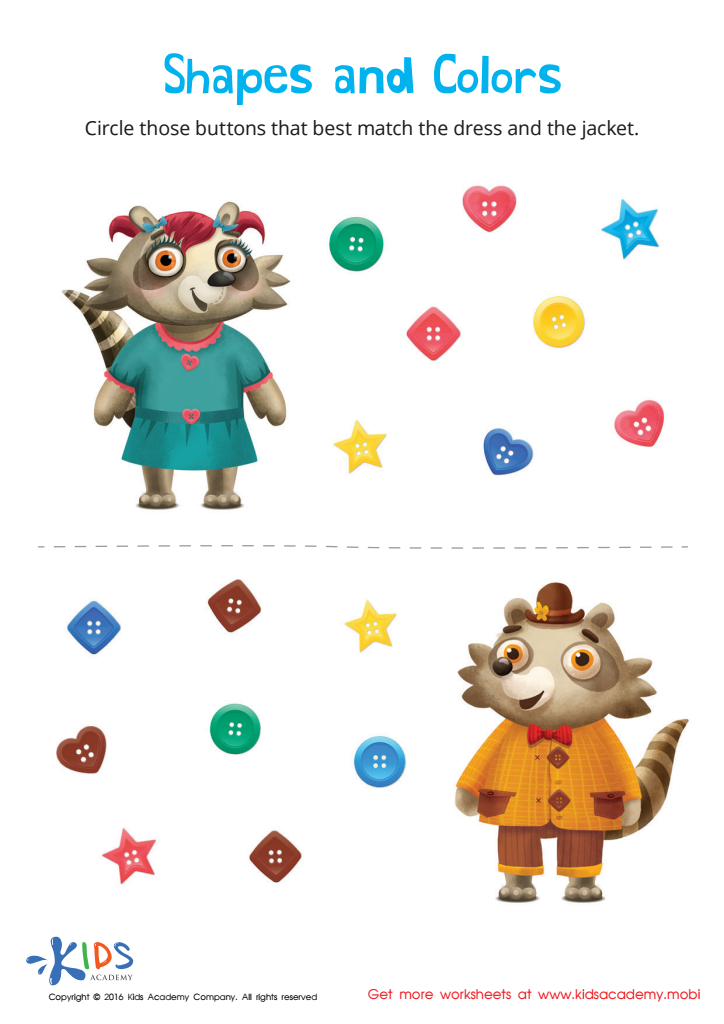
Matching: Shapes and Colors Worksheet
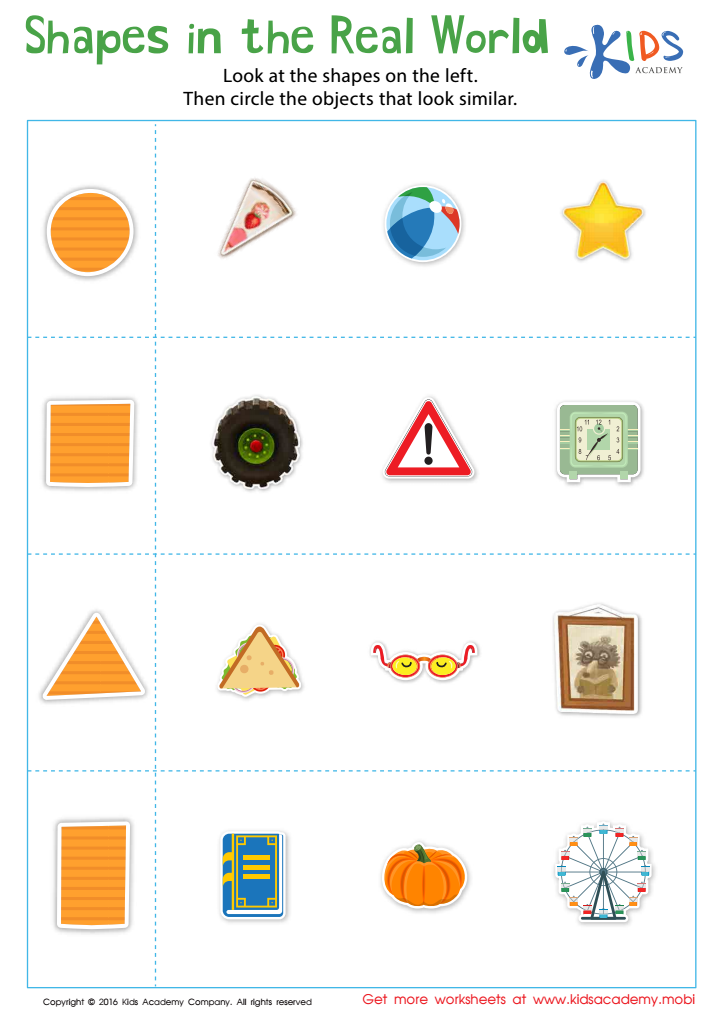
Shapes in the Real World Worksheet
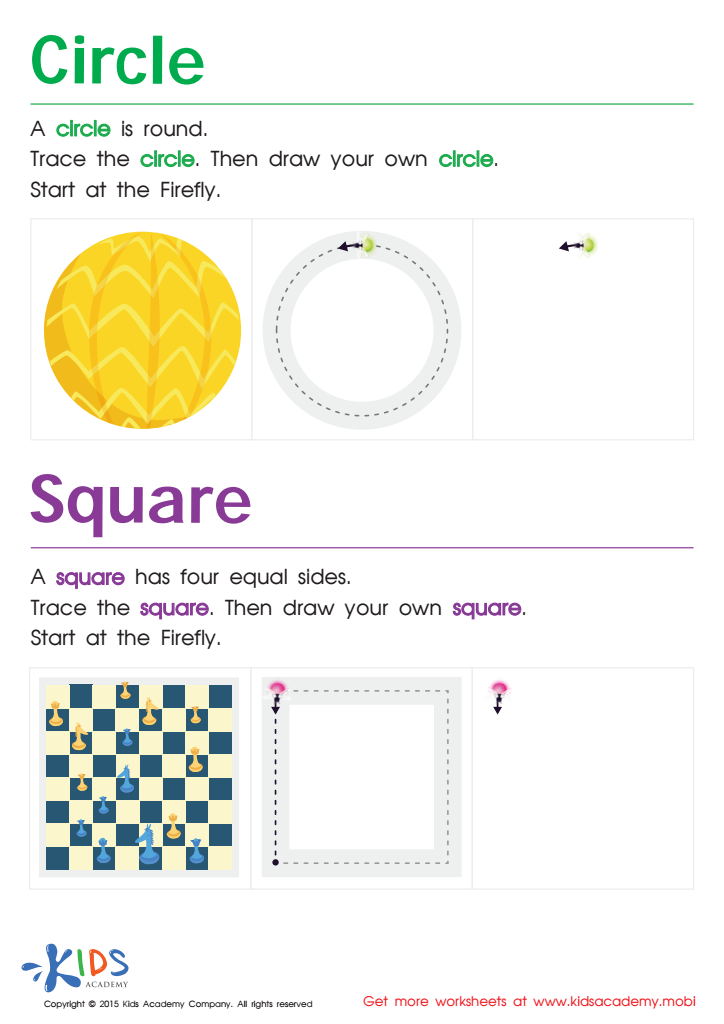
Trace And Draw a Circle And a Square Worksheet
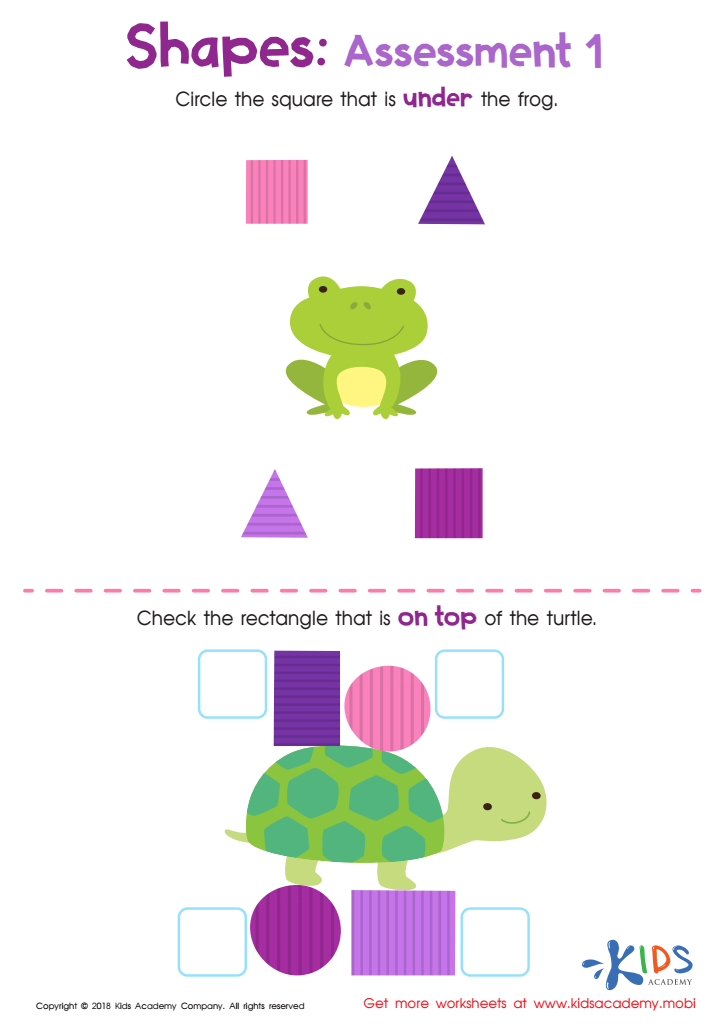
Geometry – Assessment 1 Worksheet
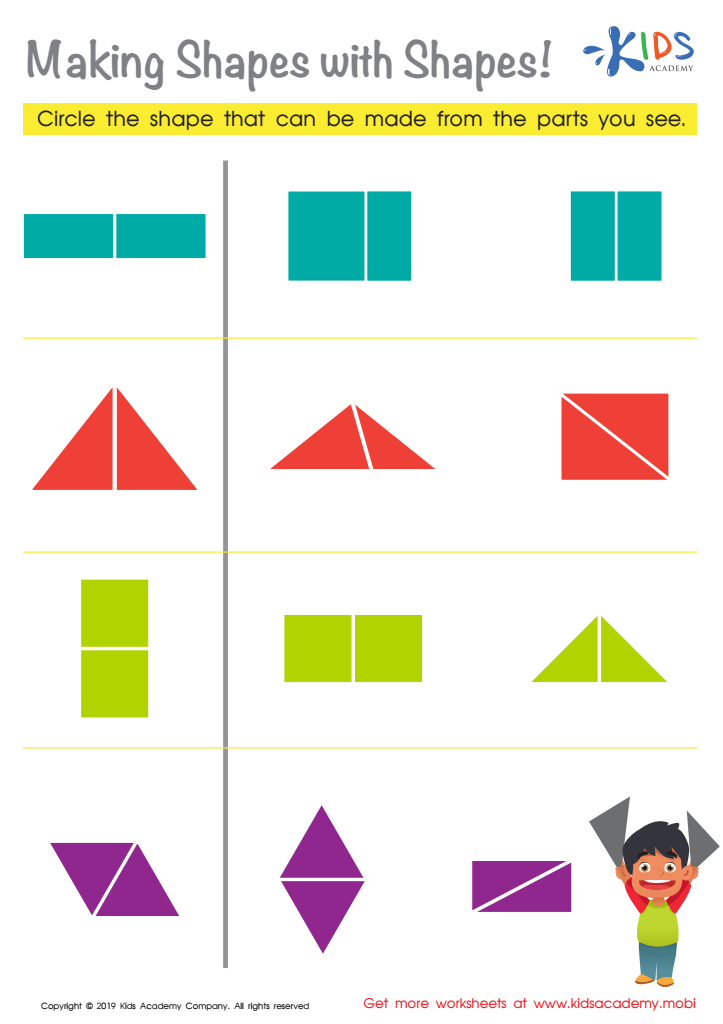
Making Shapes with Shapes Worksheet
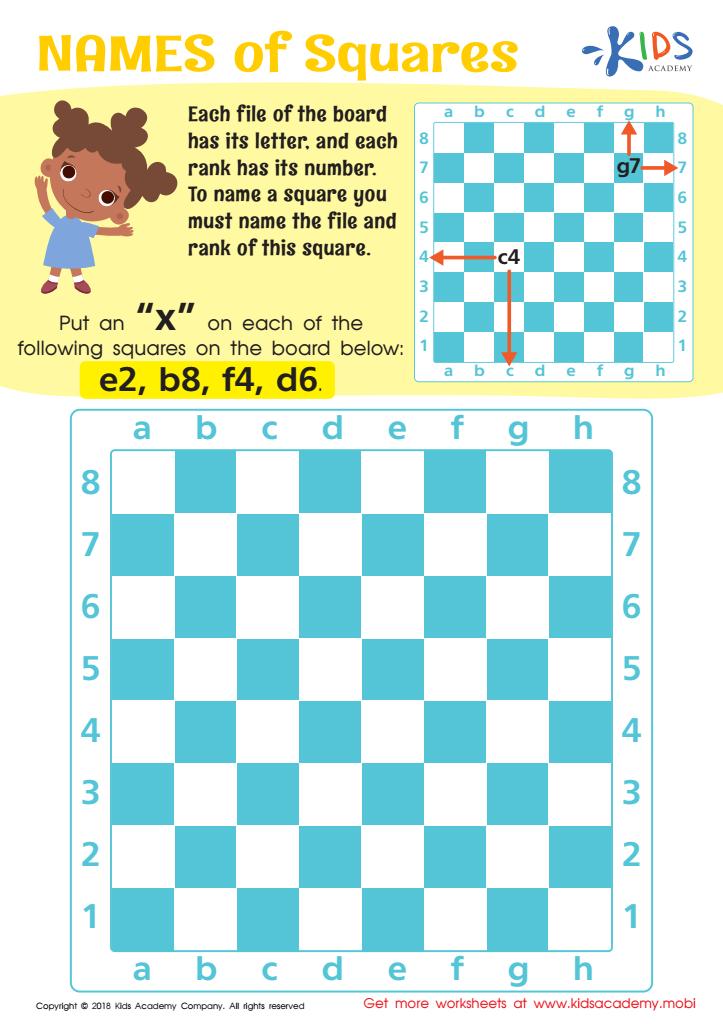
Names of Squares Worksheet
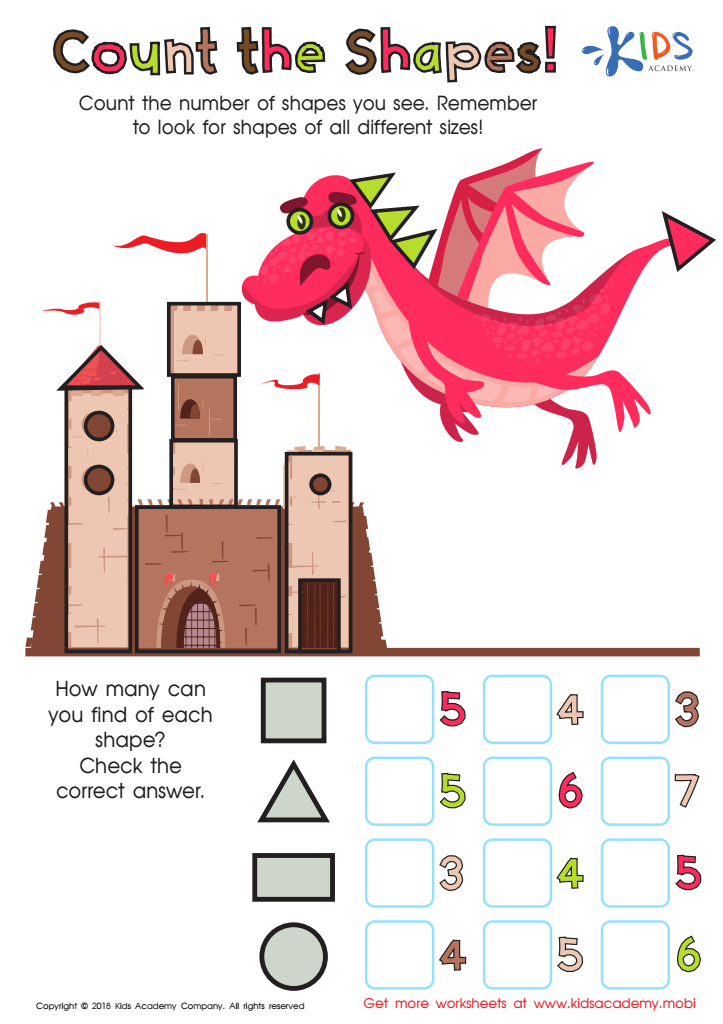
Count the Shapes Worksheet
Halloween: A Funny Monster Worksheet
 Assign to My Students
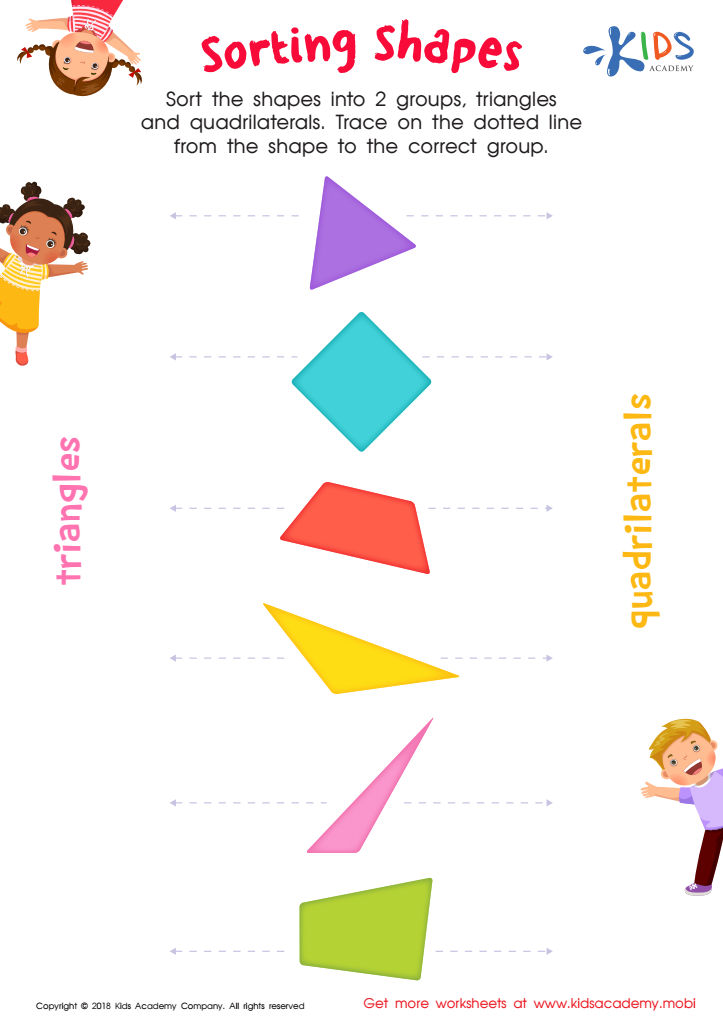
Sorting Shapes Worksheet
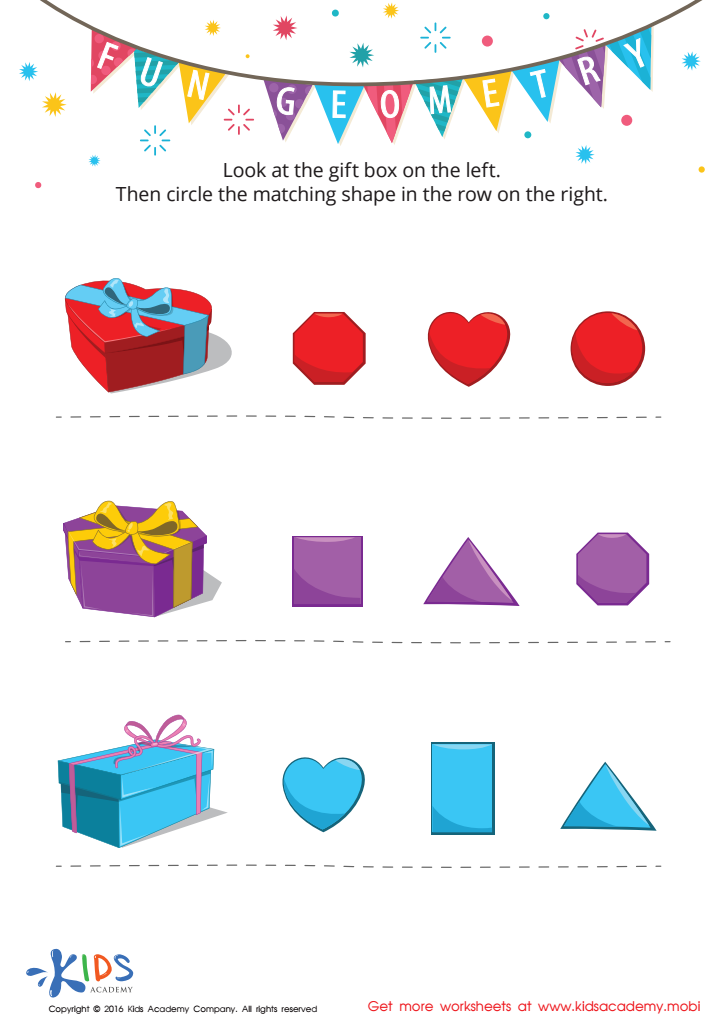
Fun Geometry Worksheet
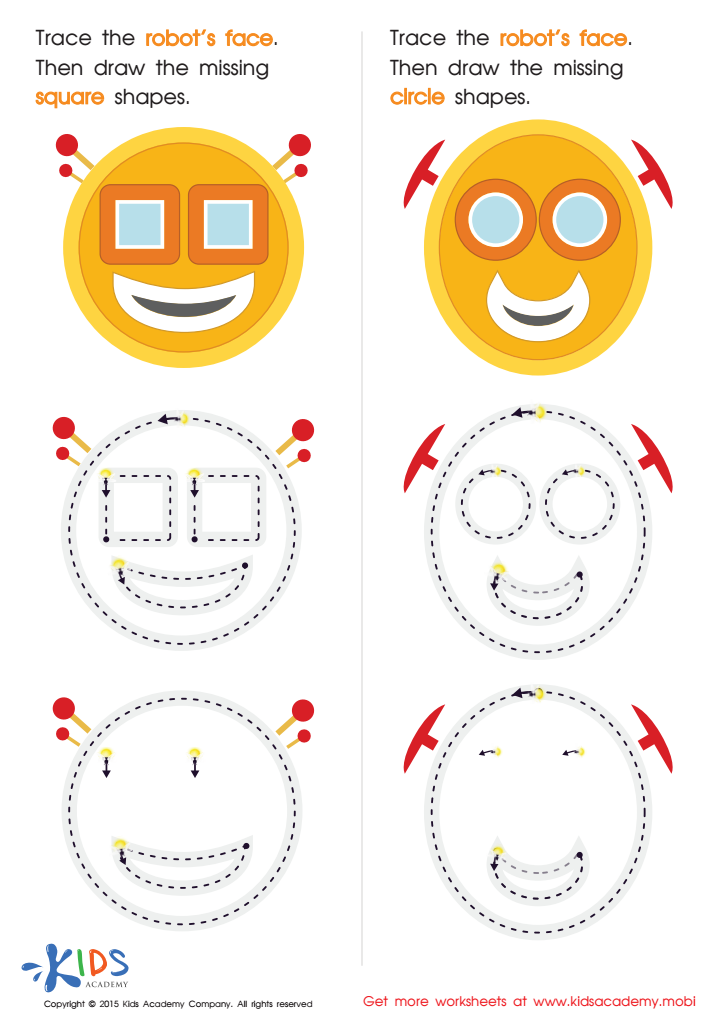
Practicing to Draw Circles And Squares Printable
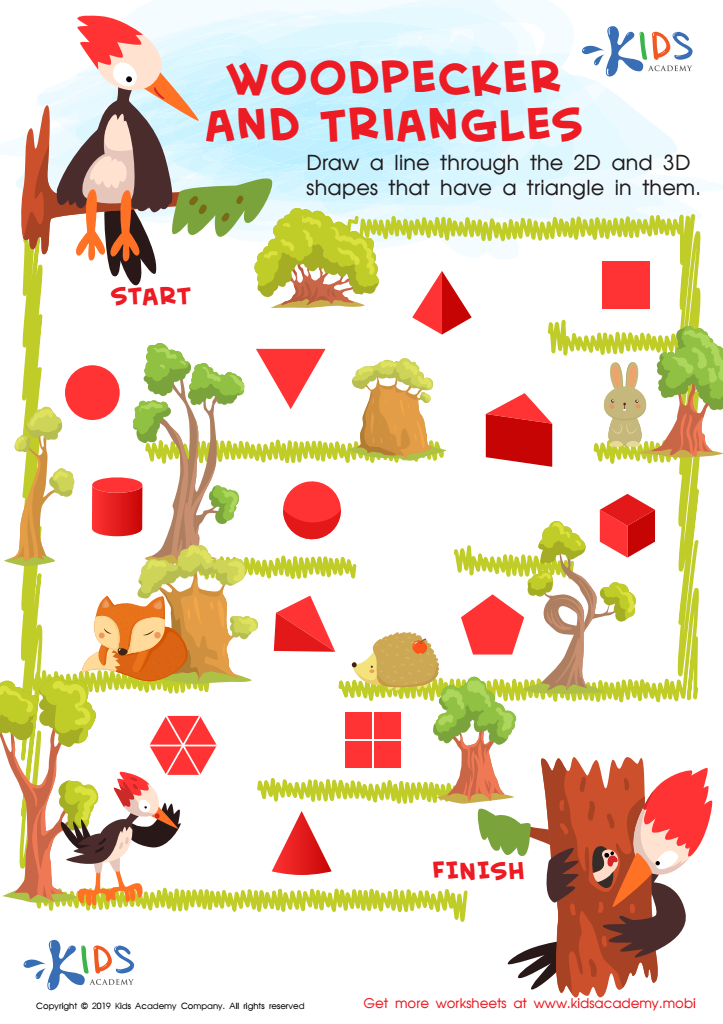
Woodpecker and Triangles Worksheet
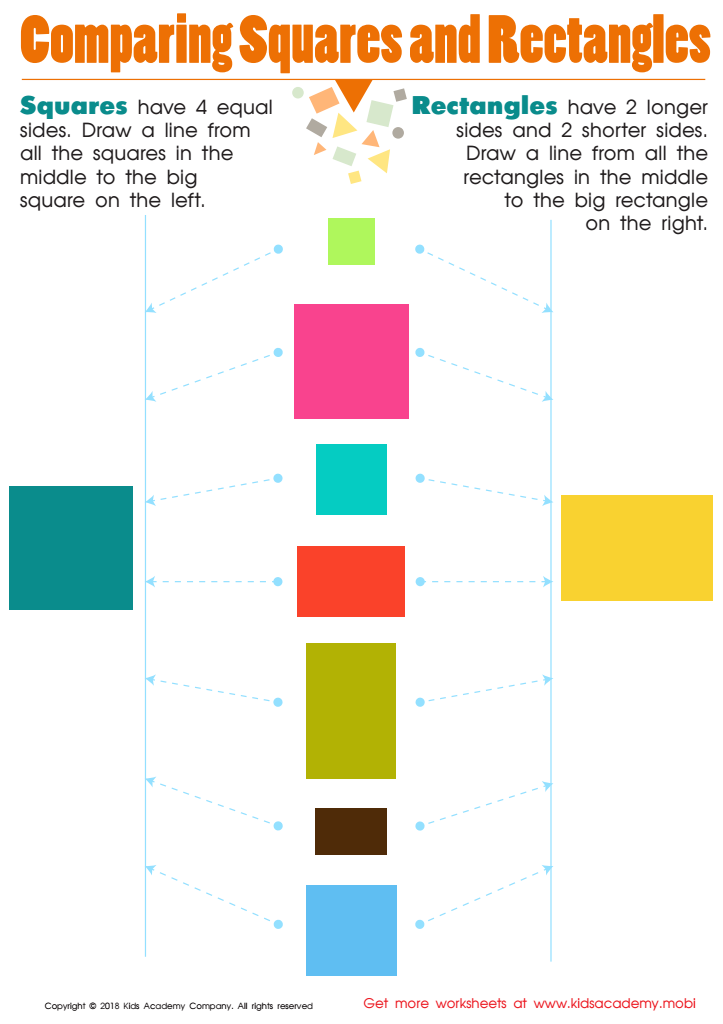
Comparing Squares Rectangles Worksheet
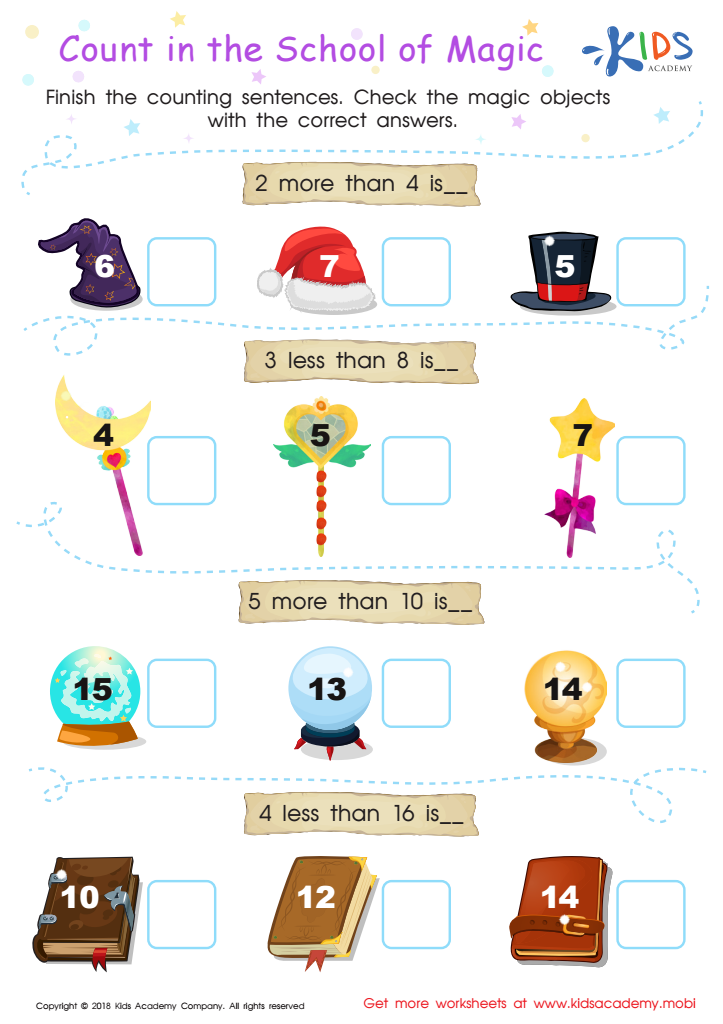
Count in the School of Magic Worksheet
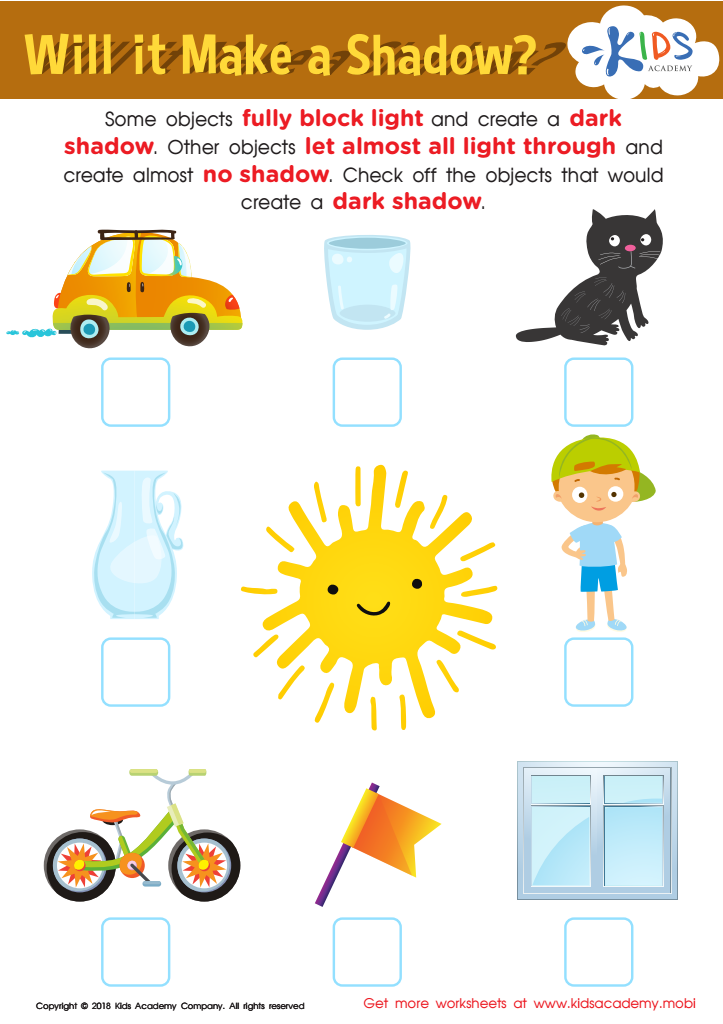
Will It Make a Shadow? Worksheet
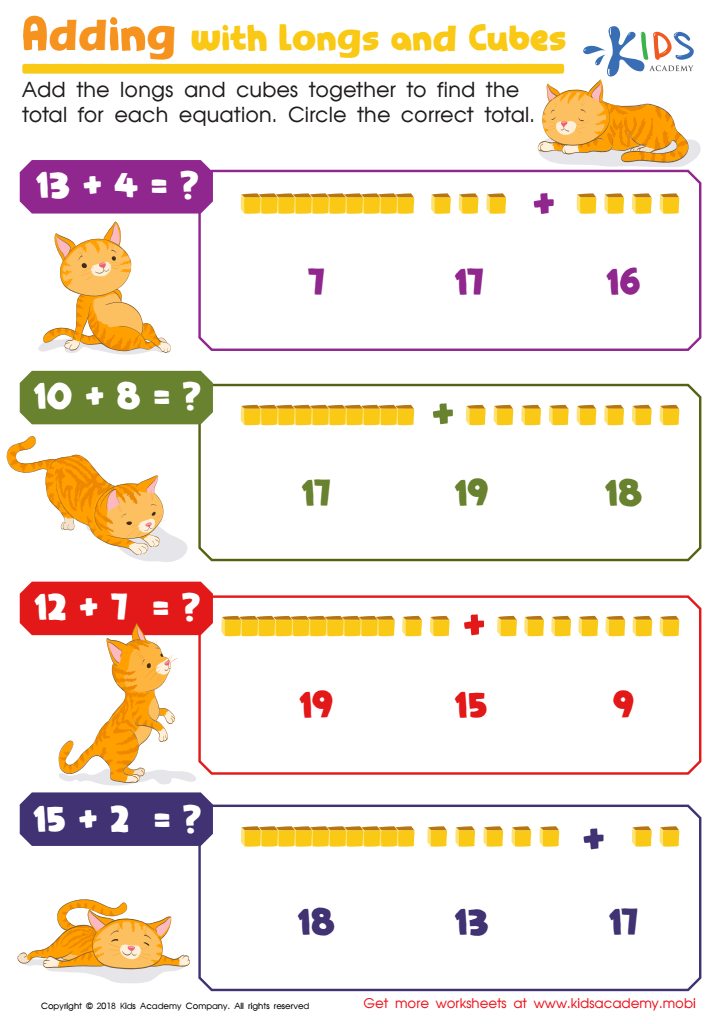
Adding With Longs and Cubes Worksheet
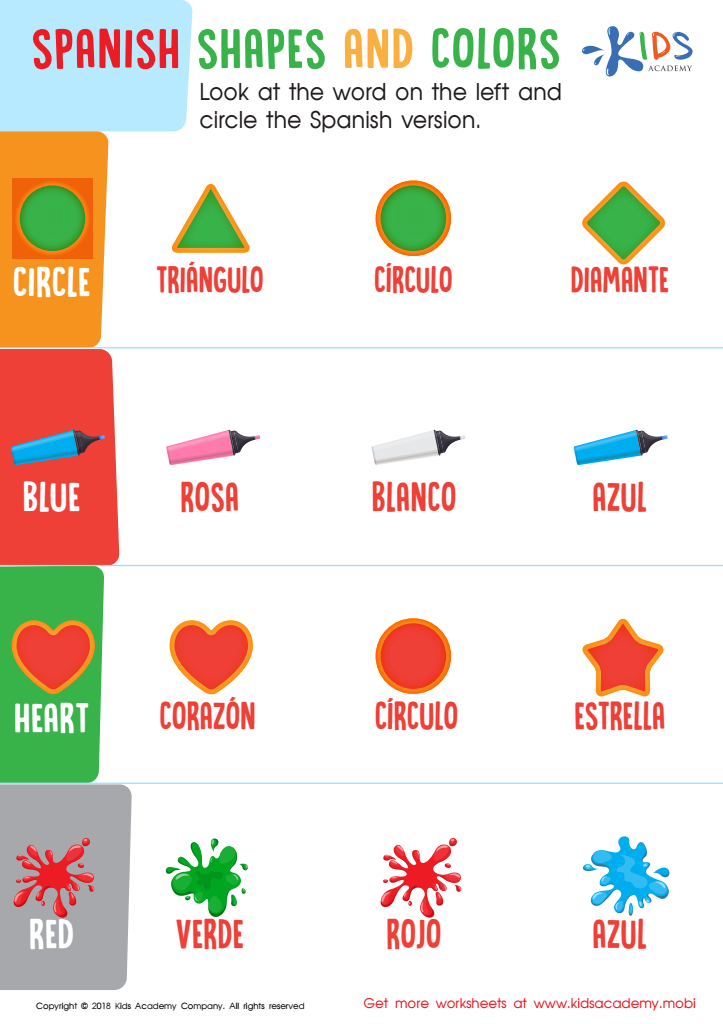
Spanish Shapes and Colors Worksheet
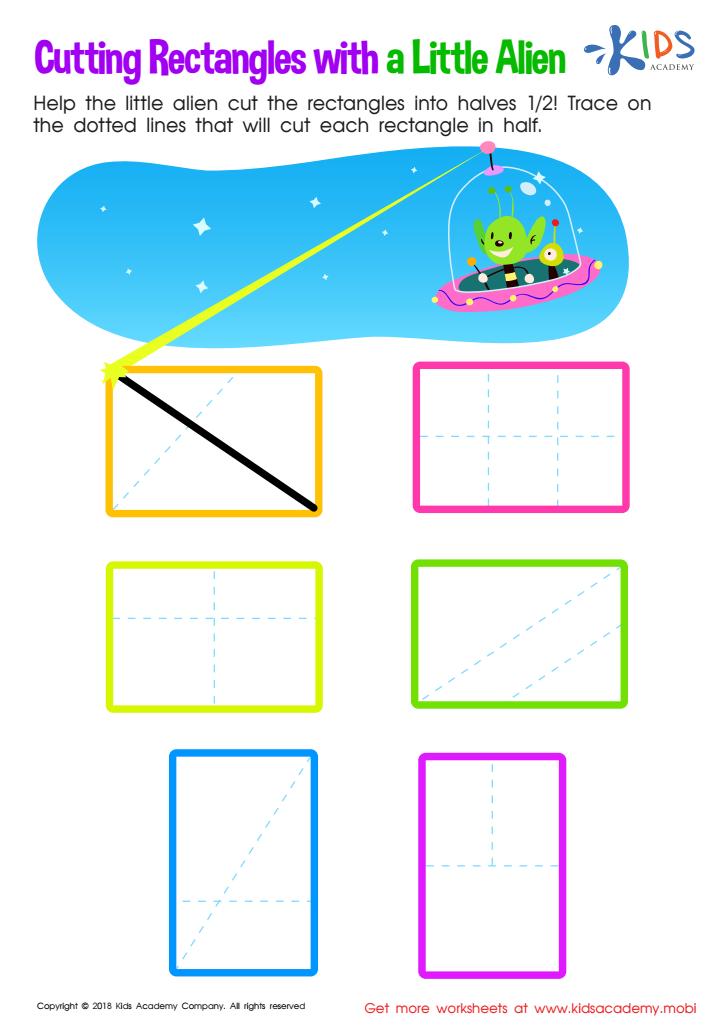
Cutting Rectangles with Alien Worksheet






Shape recognition is a fundamental skill that plays a vital role in early childhood development. For children aged 3 to 9, grasping shape recognition paves the way for their understanding of math, spatial reasoning, and geometric concepts. Early exposure to shapes fosters critical cognitive abilities, enhancing problem-solving skills and analytical thinking.
Parents and teachers should care about shape recognition as it lays the groundwork for future academic success. Recognizing shapes helps children with counting, sorting, and classifying objects, which are essential in math lessons. Furthermore, children who are proficient in identifying shapes can better comprehend patterns and symmetry, making advanced mathematical concepts more accessible in later years.
Shape recognition is also intertwined with language development. As children learn to identify and name shapes, they simultaneously expand their vocabulary and communication skills, fostering discussions about space and relationships between objects.
Moreover, recognizing shapes contributes to a child’s ability to interpret the world around them, promoting creativity through art and design activities. By prioritizing shape recognition, parents and teachers can equip children with essential life skills that extend beyond academics, preparing them for the challenges of the future both in school and everyday life.








