Story sequencing Reading Comprehension Worksheets for 3-Year-Olds
8 filtered results
-
From - To
Enhance your 3-year-old’s reading comprehension with our engaging Story Sequencing Worksheets! Designed to develop early literacy skills, these interactive worksheets feature fun stories and vibrant illustrations that captivate young learners. Children will practice organizing events in the correct order, fostering their critical thinking and narrative skills. Each worksheet encourages active participation, allowing kids to connect stories with visuals and understand the flow of narratives. Perfect for parents and educators, our resources make learning enjoyable and interactive. Start your child’s journey to becoming a confident reader today! Download and explore our Story Sequencing worksheets for a fun learning experience!
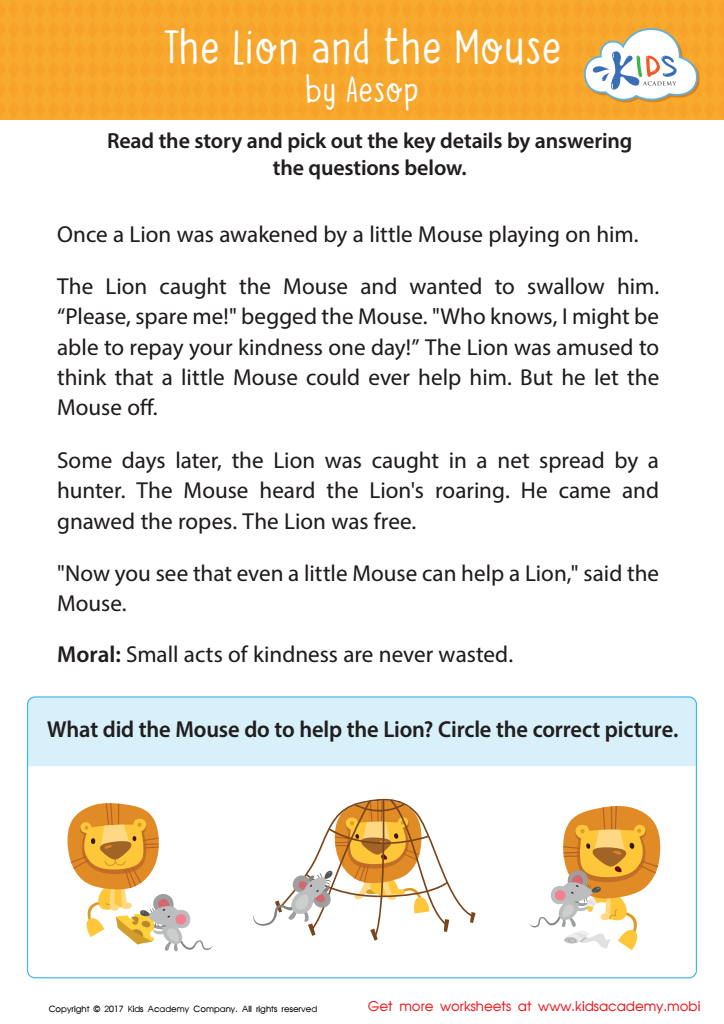
The Lion and The Mouse Sequencing Worksheet
Folktales Printable PDF Worksheet: The 3 Little Pigs
 Assign to My Students
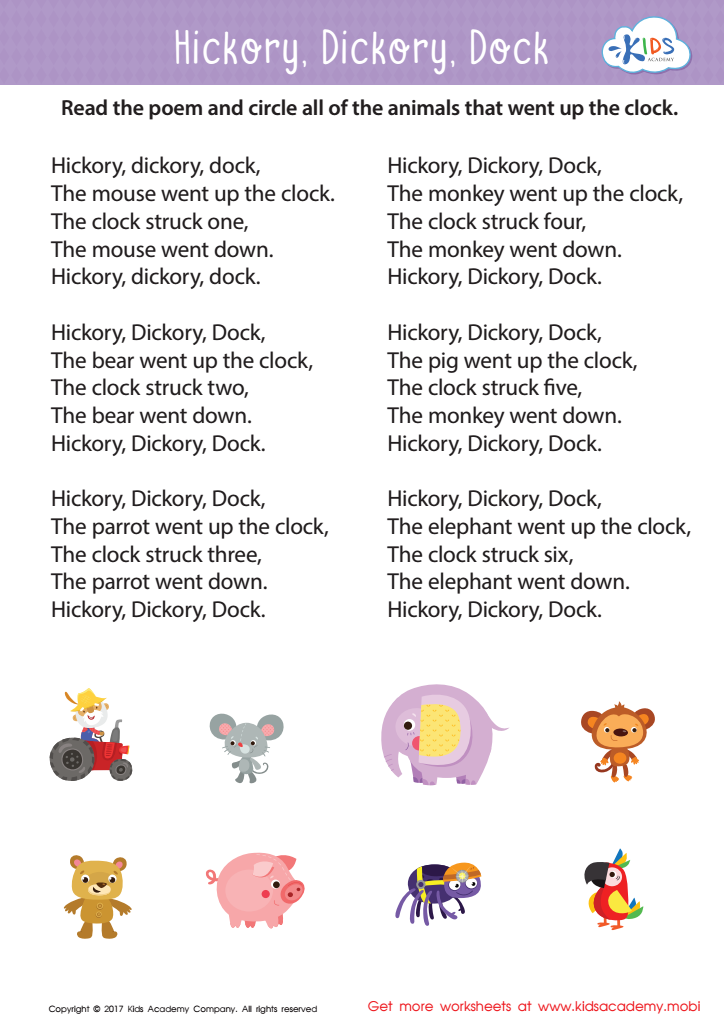
Hickory Dickory Dock Sequencing Worksheet
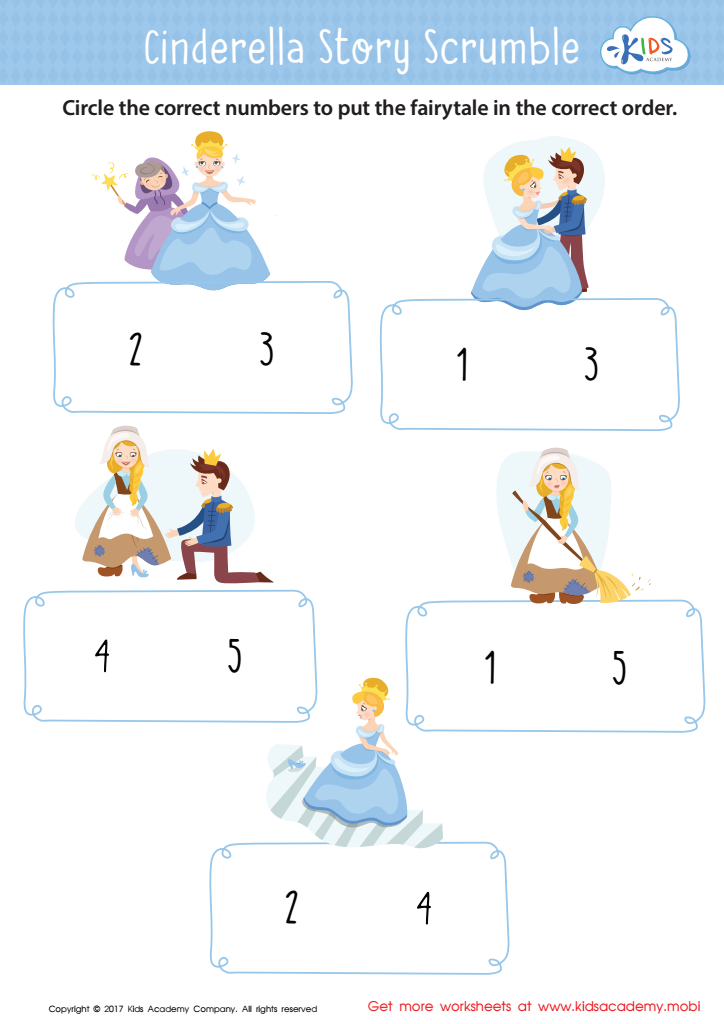
Cinderella Story Sequencing Worksheet
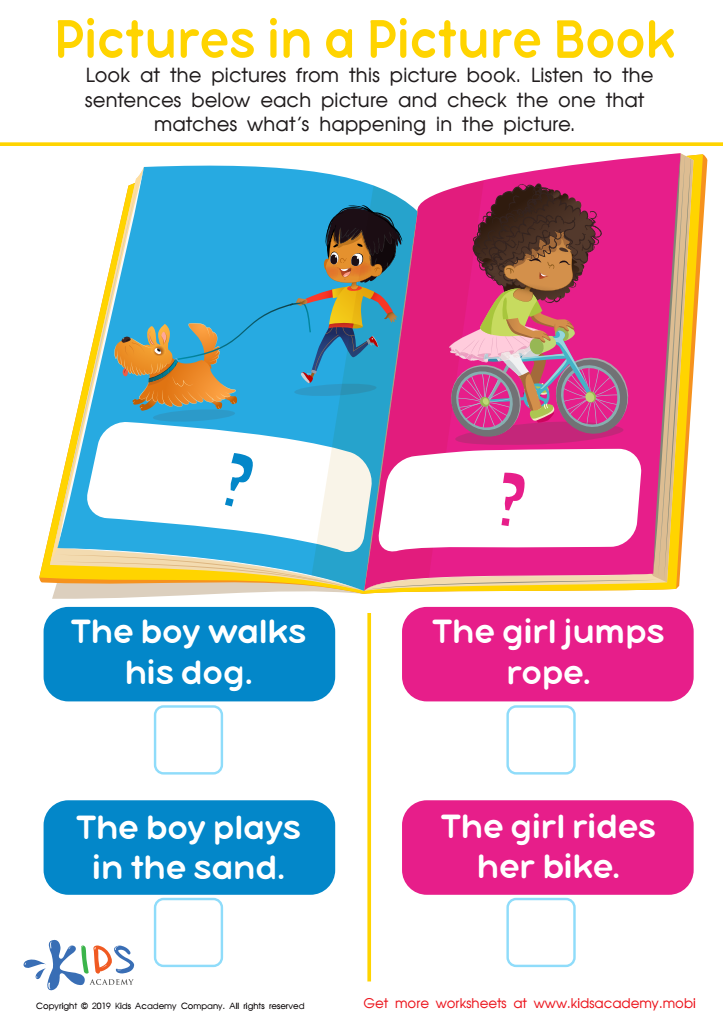
Picture in Books Worksheet
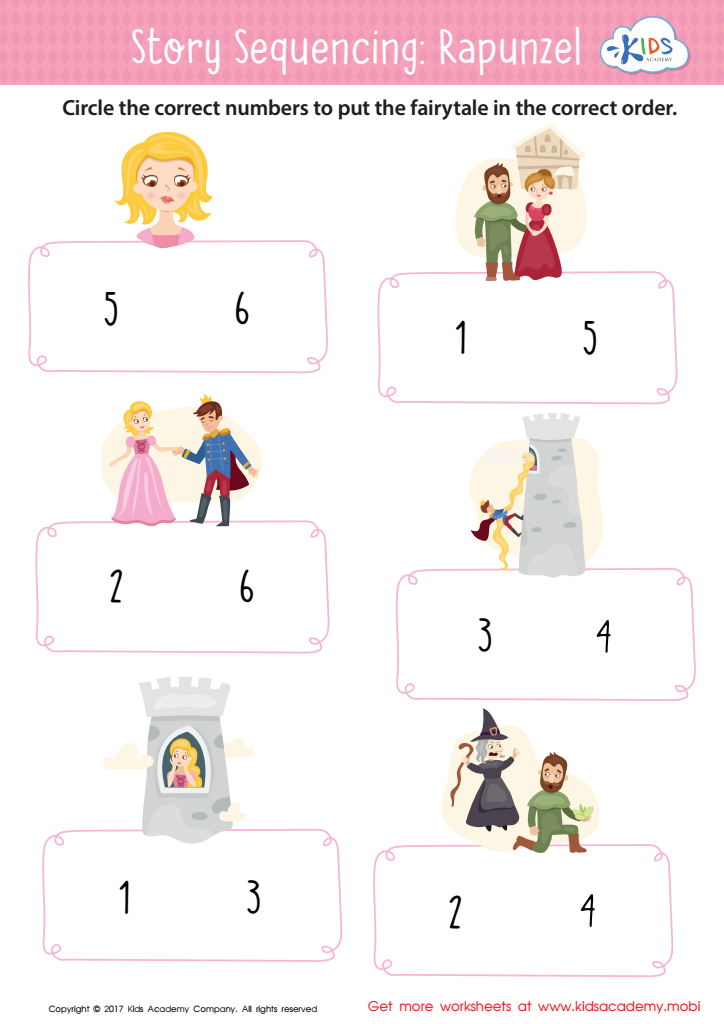
Rapunzel Story Sequencing Worksheet
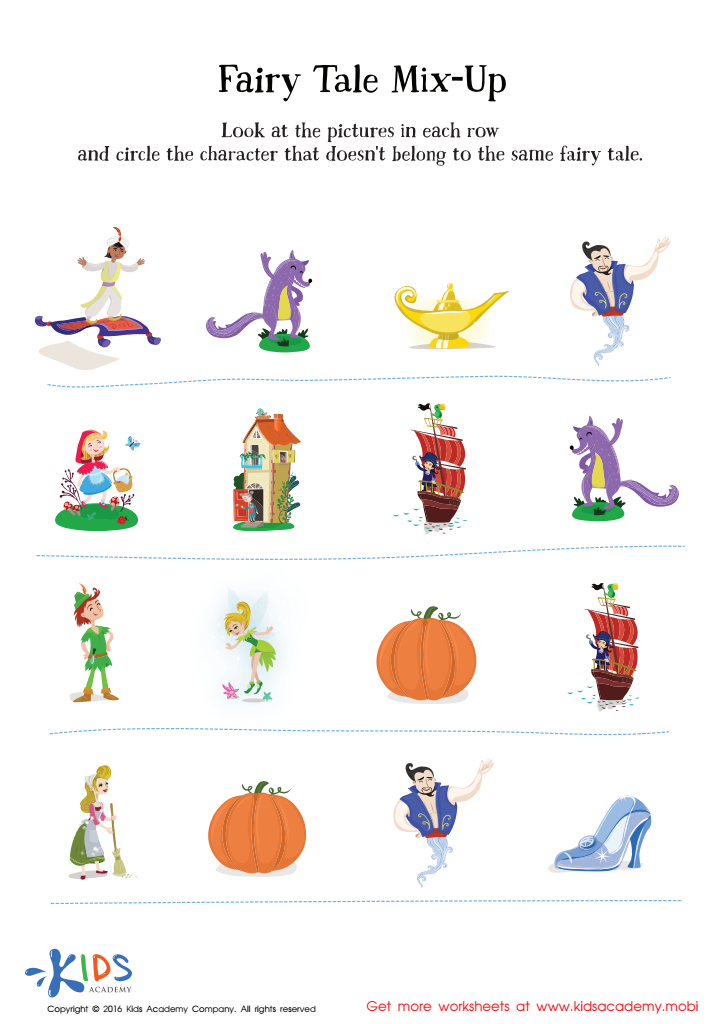
Fairy Tale Worksheet: Story Mix Up
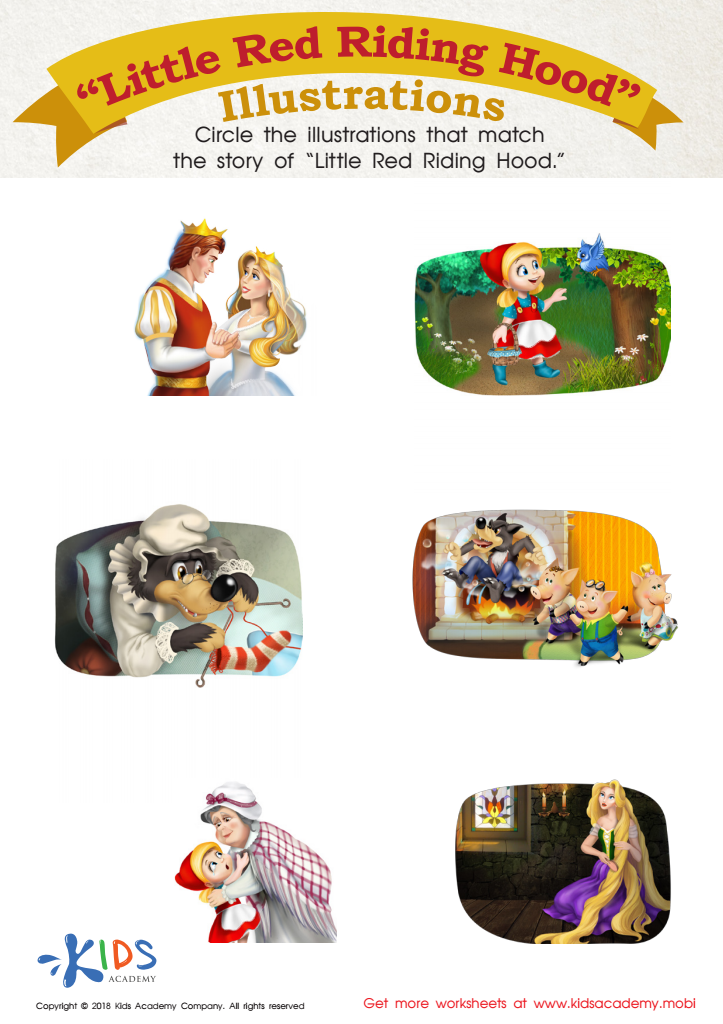
Little Red Riding Hood: Illustrations Worksheet








Story sequencing is a crucial component of reading comprehension, especially for 3-year-olds. At this stage of development, children are beginning to understand the structure of stories, including the beginning, middle, and end. Careful attention to story sequencing helps foster critical thinking and narrative skills, enabling young learners to make connections between events and understand cause-and-effect relationships.
By engaging in story sequencing activities, parents and teachers can support language development and improve vocabulary. As children discuss the order of events, they learn to express themselves more clearly and gain confidence in their storytelling abilities. This foundational skill not only enhances comprehension but also encourages creativity and imagination.
Additionally, story sequencing promotes active listening and boosts memory skills. When children understand the flow of a narrative, they are better equipped to predict outcomes and answer questions, deepening their overall engagement with the text. Moreover, these activities can lay the groundwork for later literacy skills, including summarization and analysis.
Ultimately, nurturing story sequencing skills in young children promotes a lifelong love of reading, enhances social skills through shared storytelling experiences, and prepares them for success in academic settings, making it a vital focus for caregivers and educators alike.








