Fine Motor Skills Alphabet Worksheets for Ages 4-5 - Page 2
79 filtered results
-
From - To
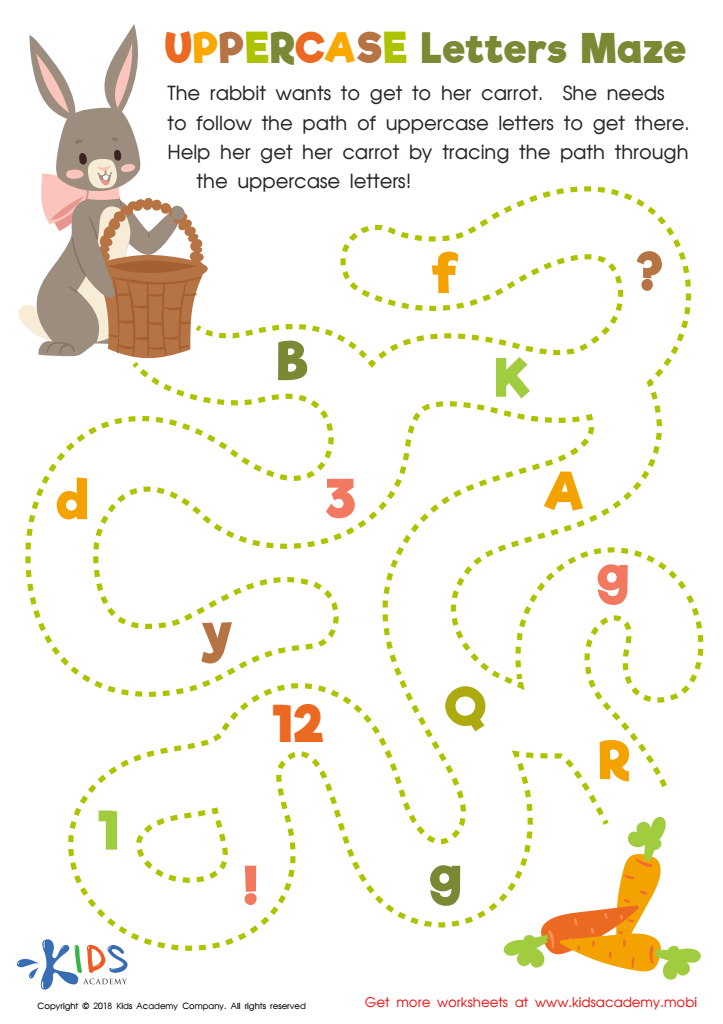
Uppercase Letters Maze Worksheet
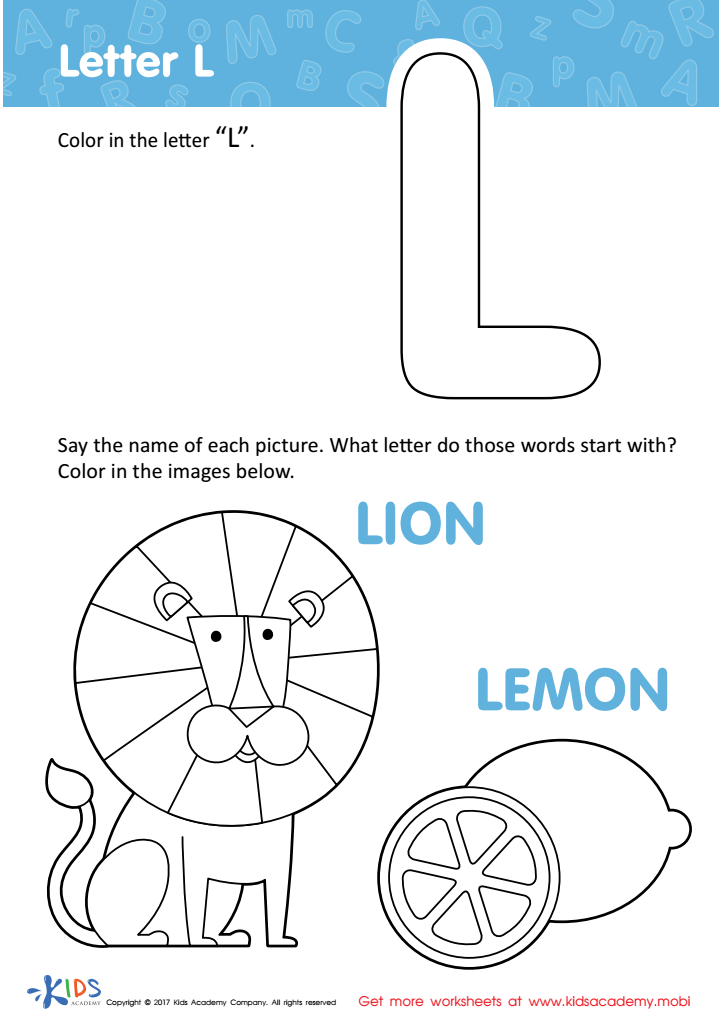
Letter L Coloring Sheet
 Assign to My Students
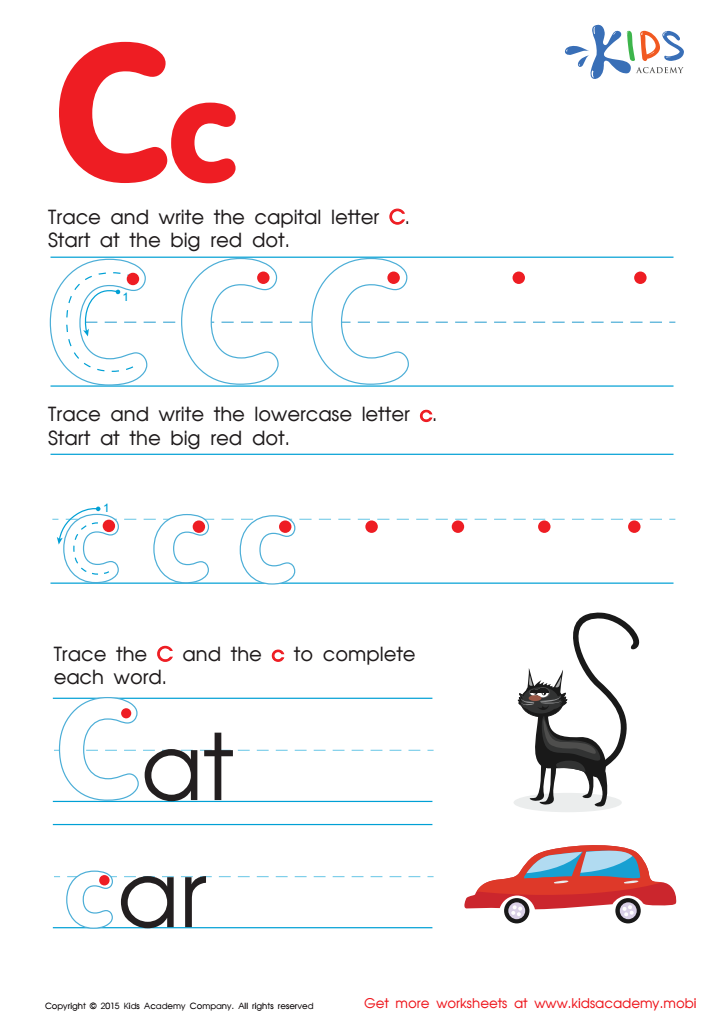
Letter C Tracing Page
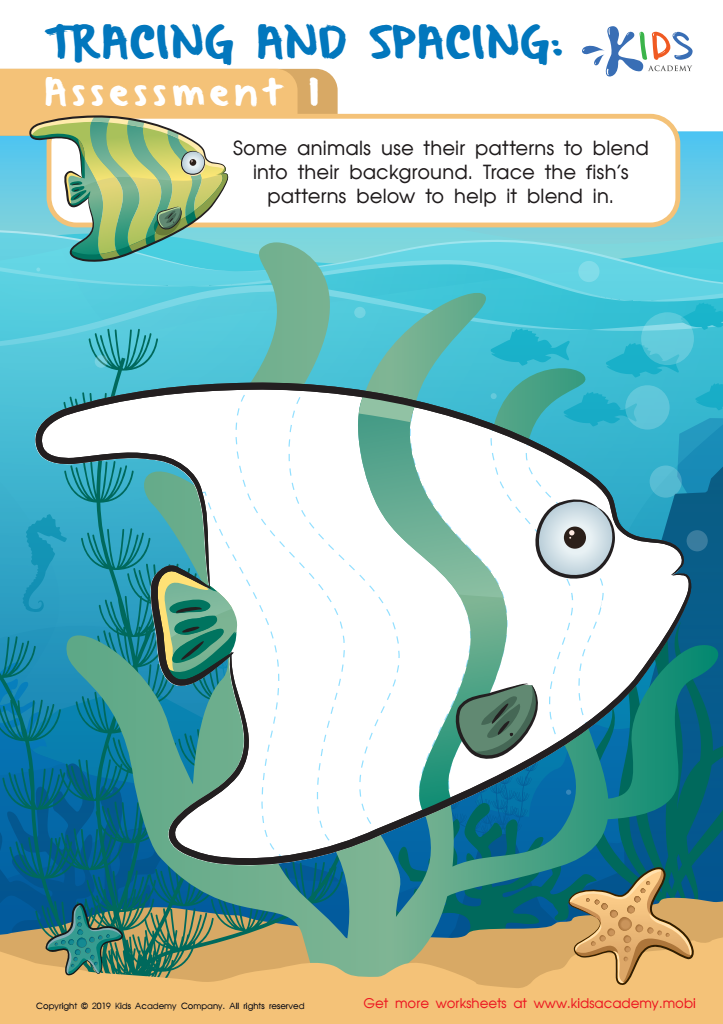
Tracing and Spacing: Assessment 1 Worksheet
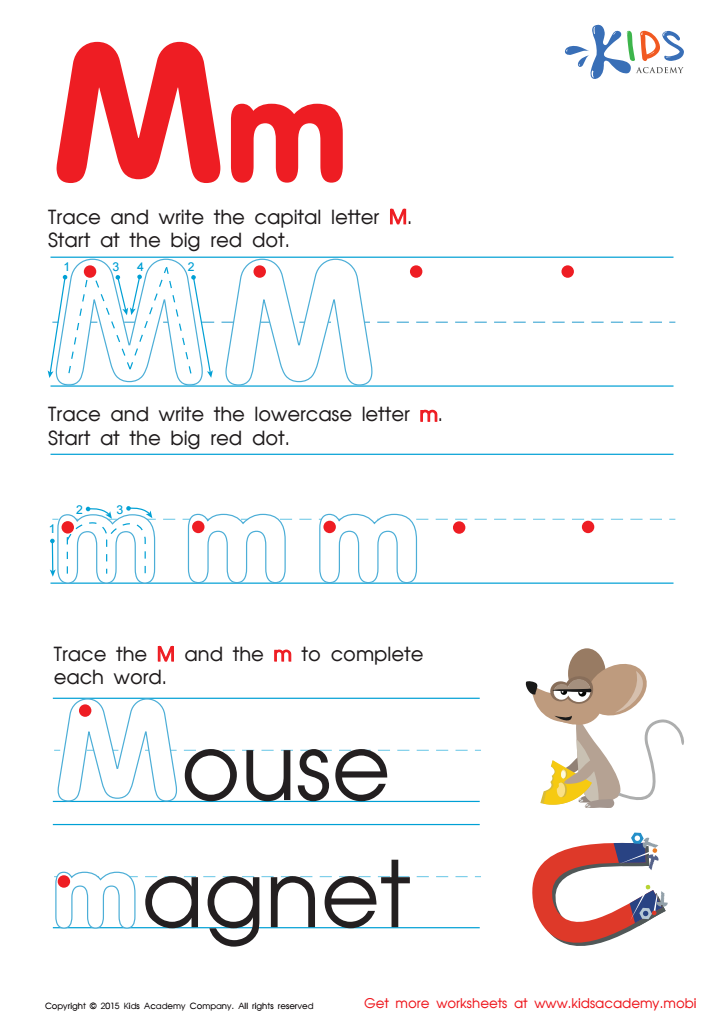
Letter M Tracing Page
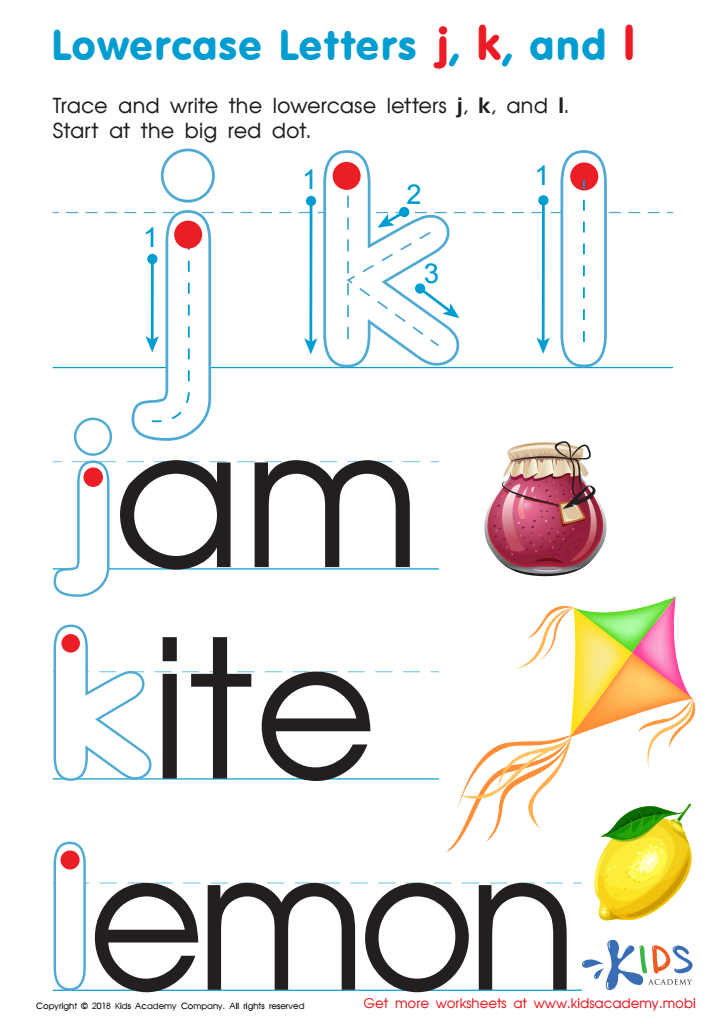
Lowercase Letters j k l Worksheet

Find lowercase Letters s t u Worksheet
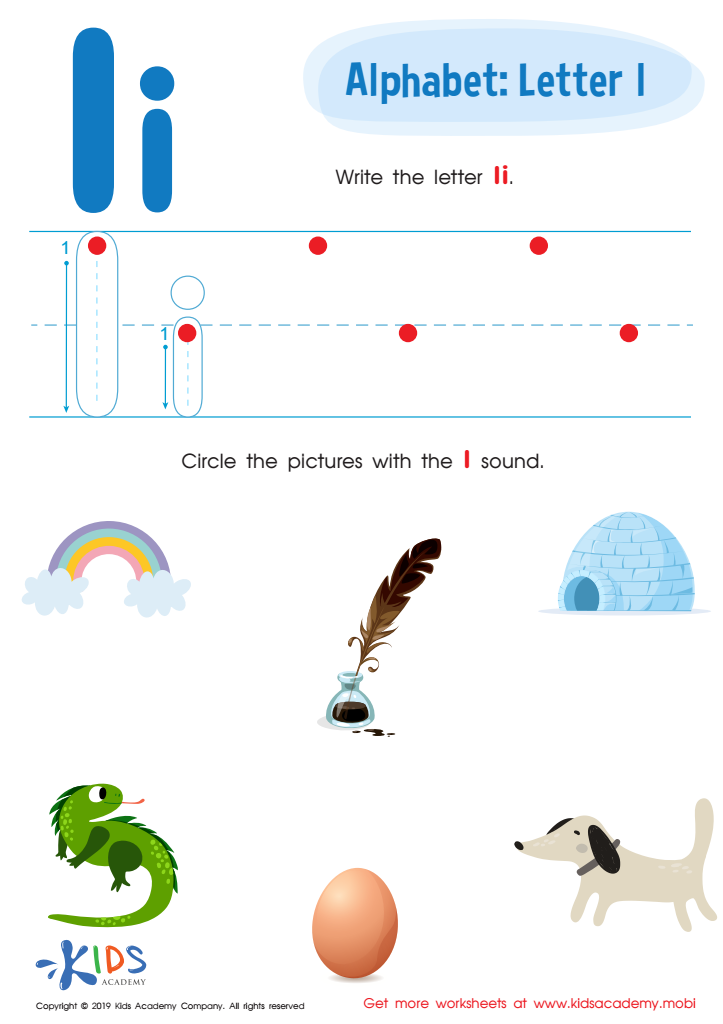
Letter I Tracing Worksheet
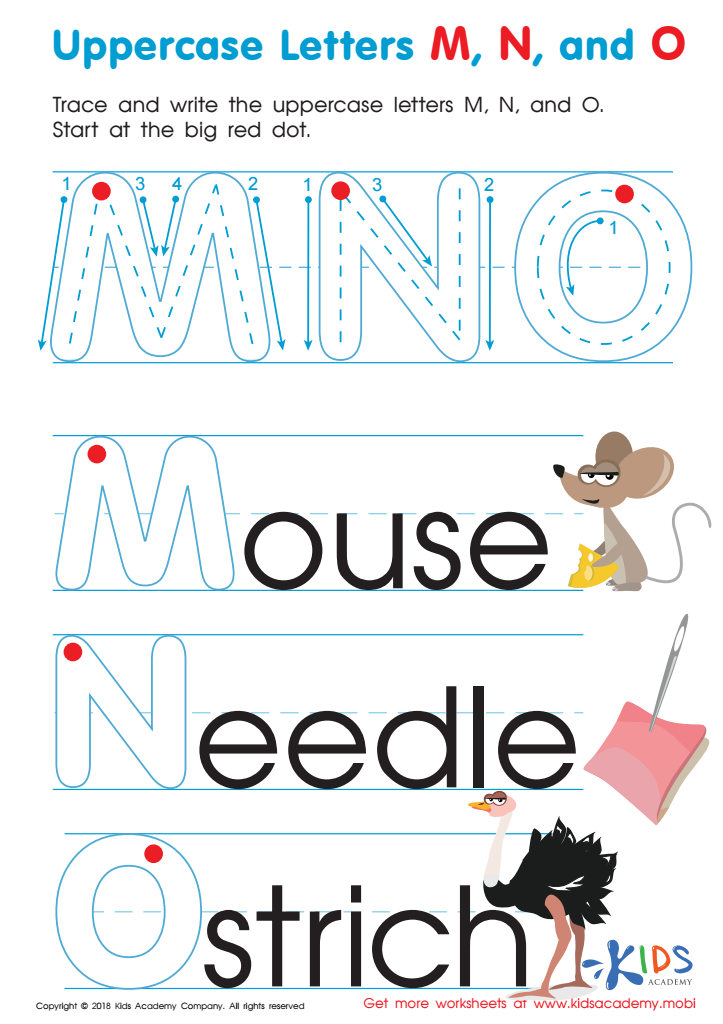
Uppercase Letters M, N, and O Worksheet
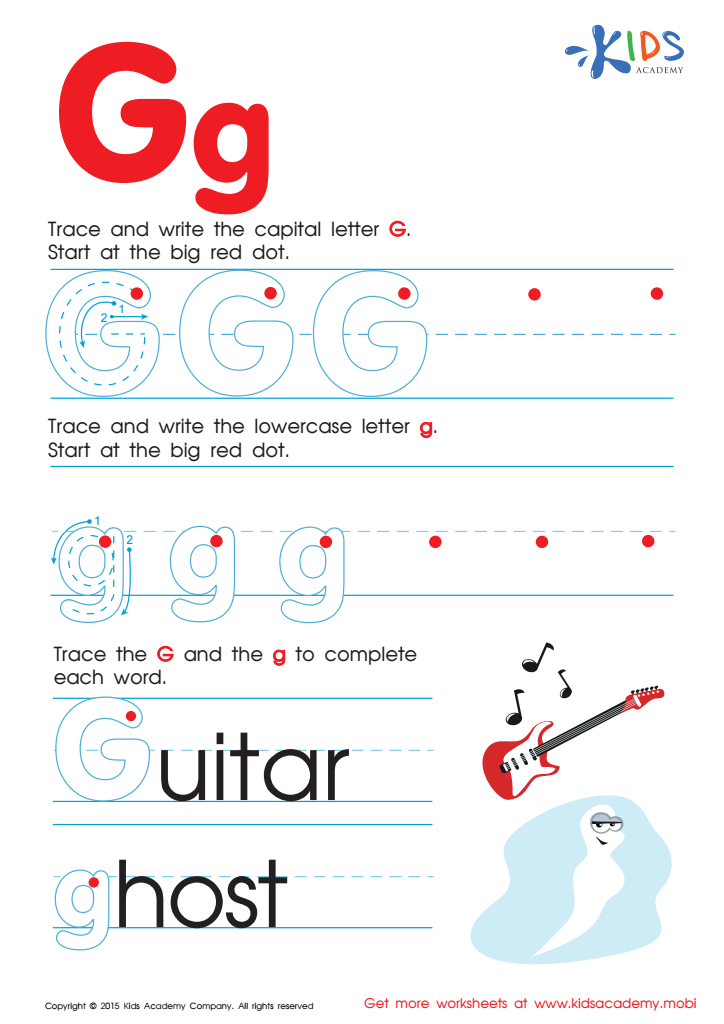
Letter G Tracing Page
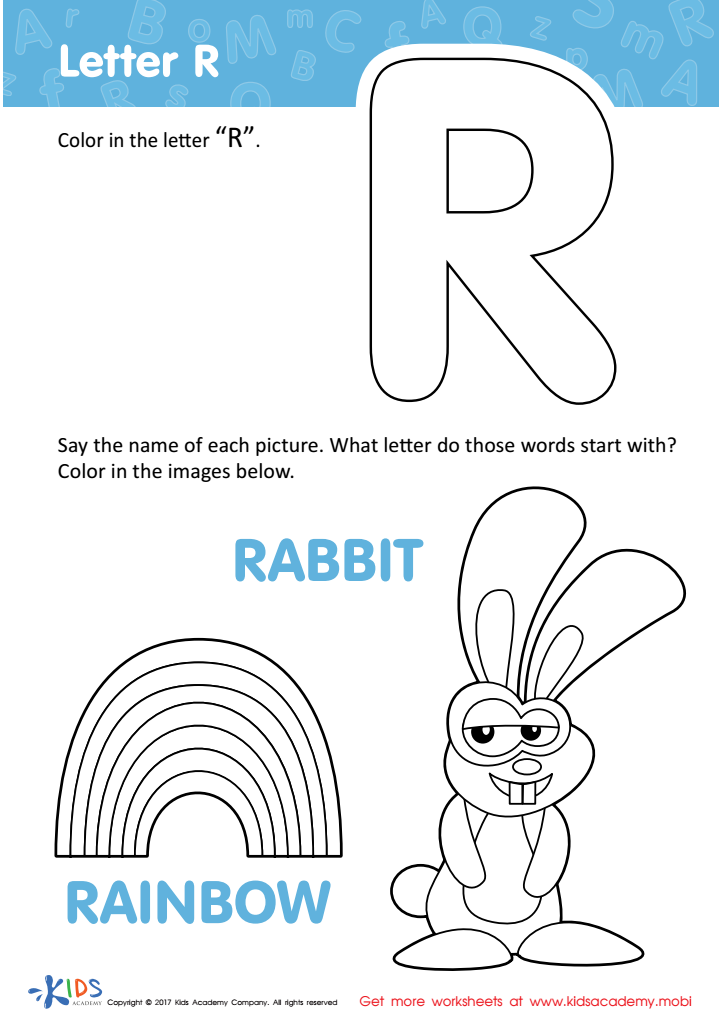
Letter R Coloring Sheet
Assign to My Students
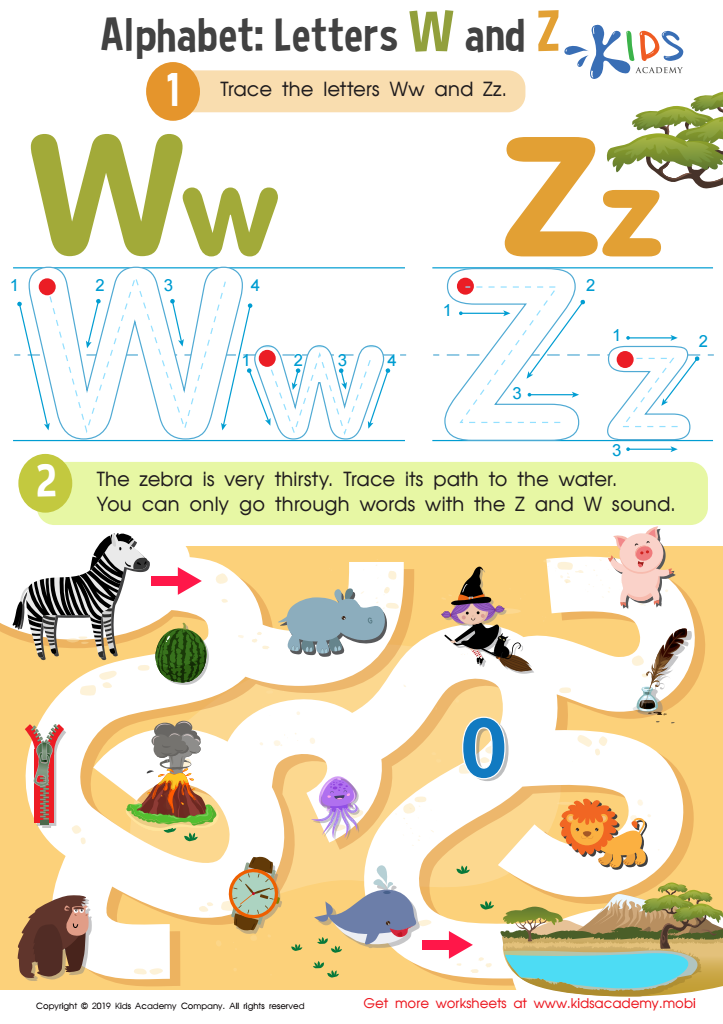
Letters W and Z Tracing Worksheet
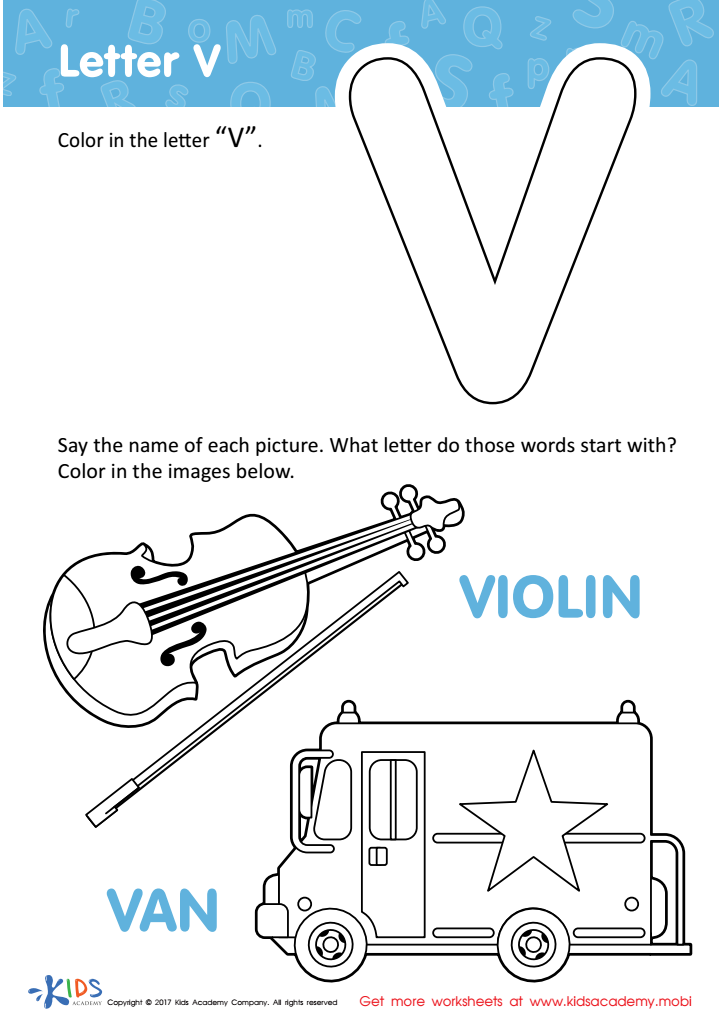
Letter V Coloring Sheet
Assign to My Students
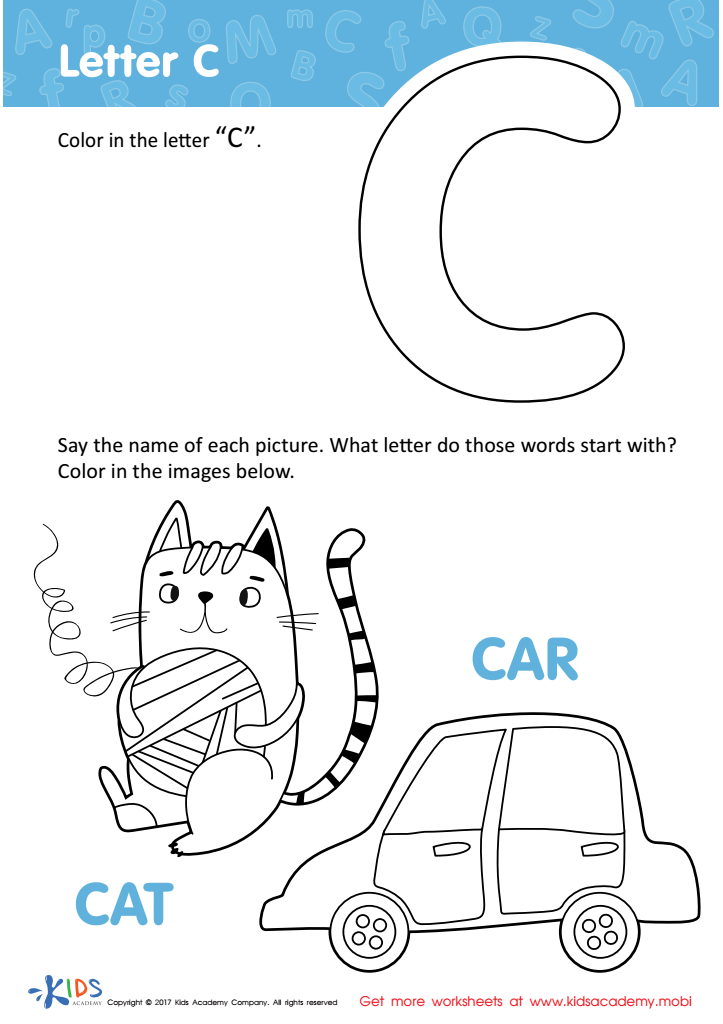
Letter C Coloring Sheet
Assign to My Students
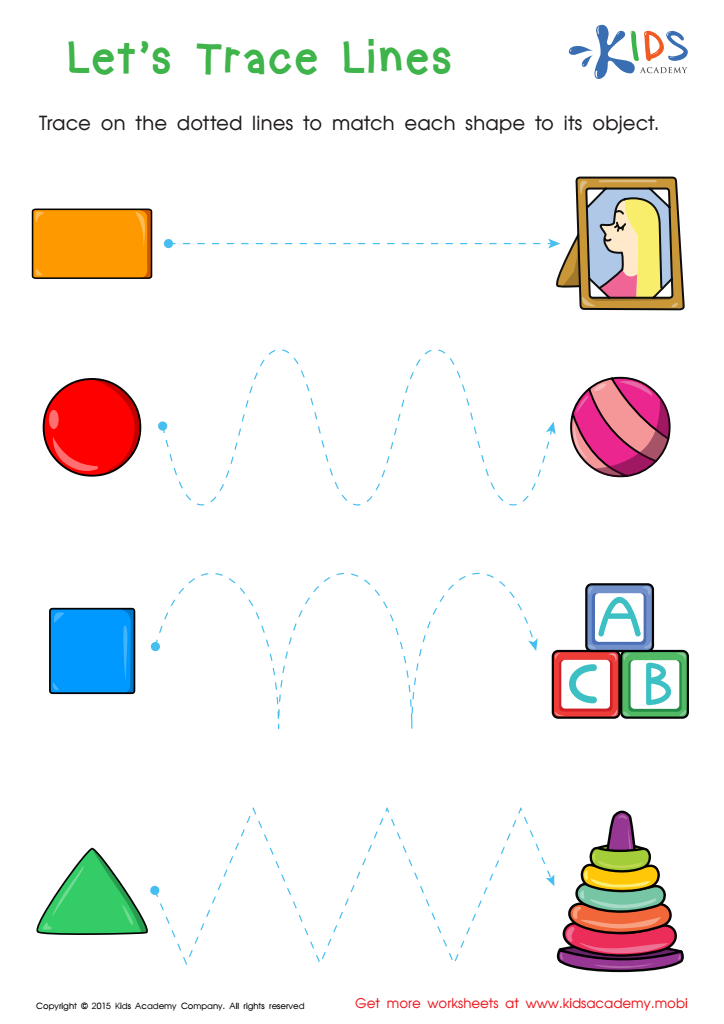
First Words: Let's Trace Lines Worksheet
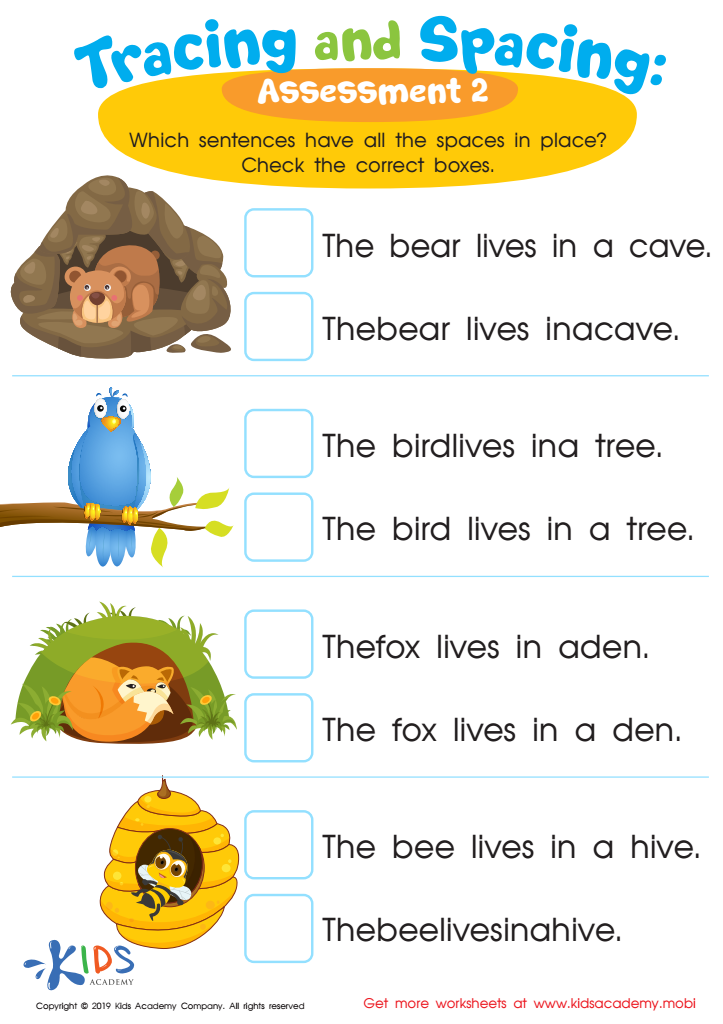
Tracing and Spacing: Assessment 2 Worksheet
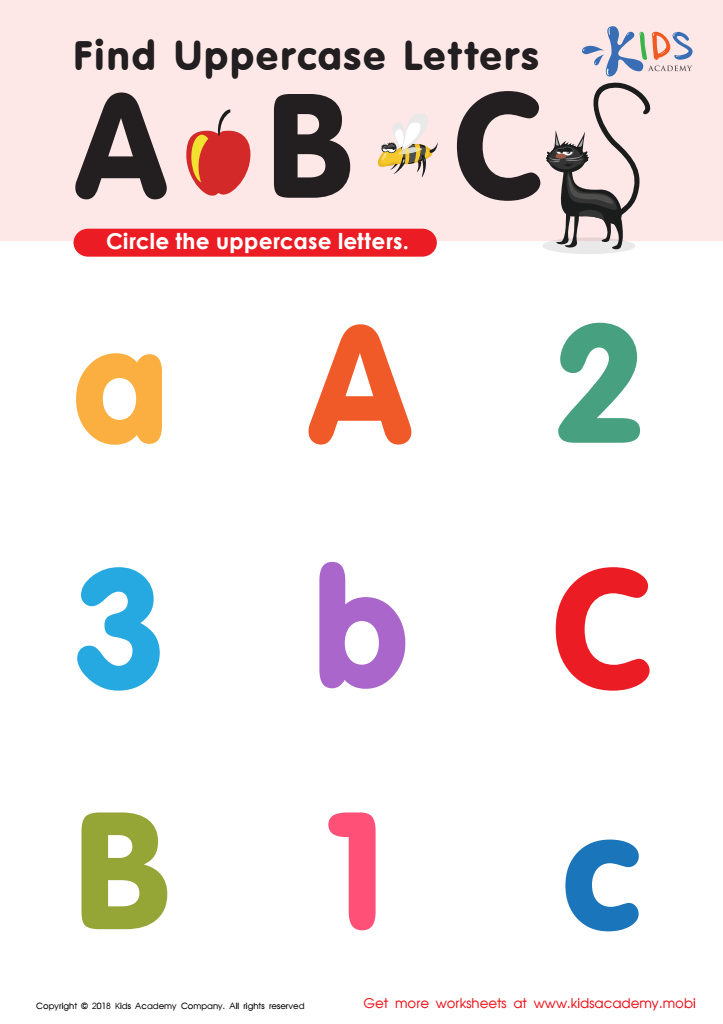
Find Uppercase Letters A, B, and C Worksheet
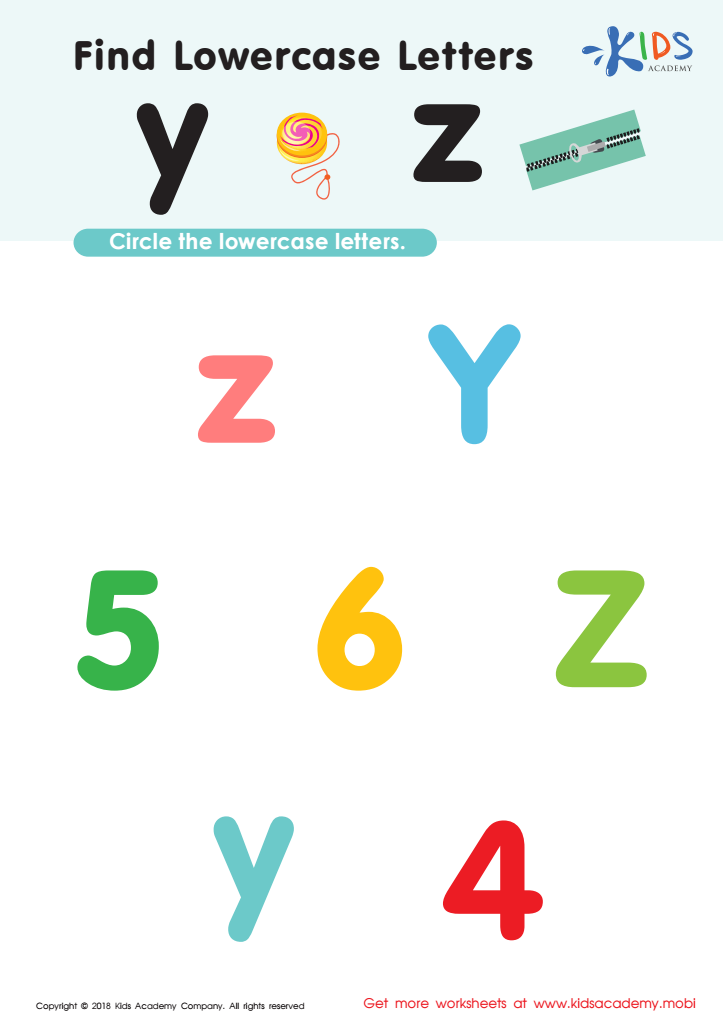
Find Lowercase Letters y z Worksheet
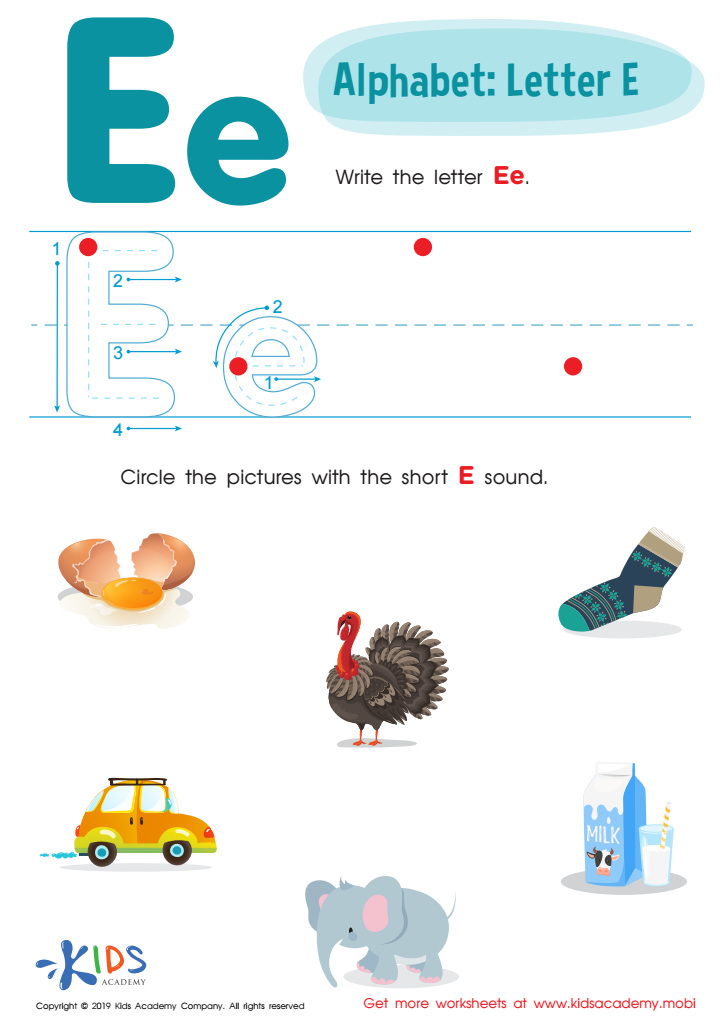
Letter E Tracing Worksheet
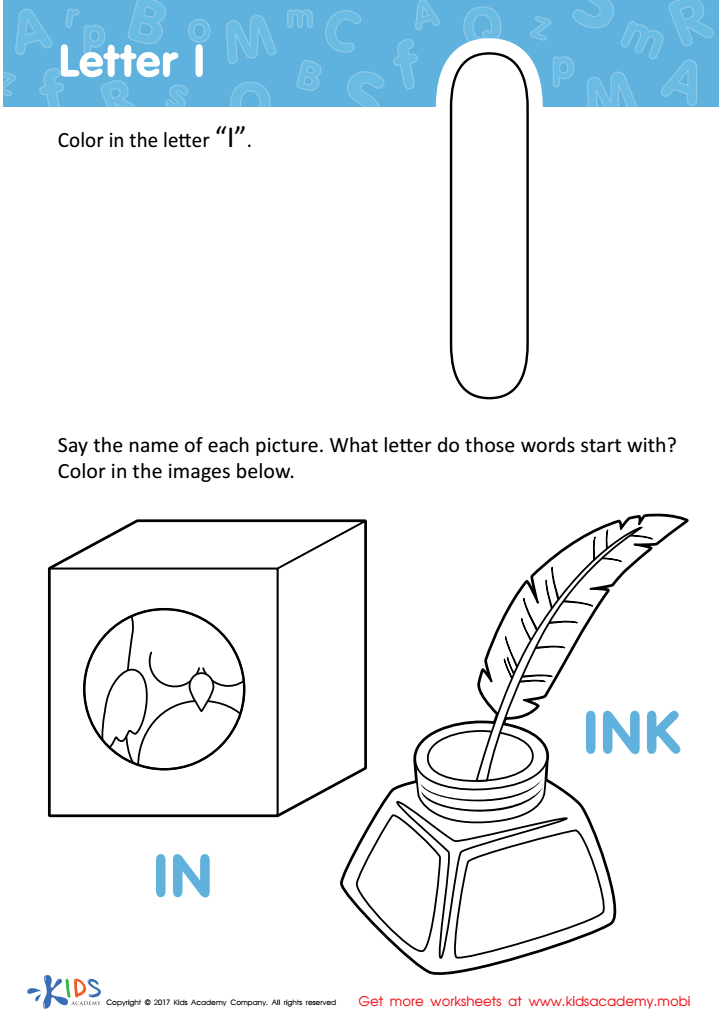
Letter I Coloring Sheet
Assign to My Students
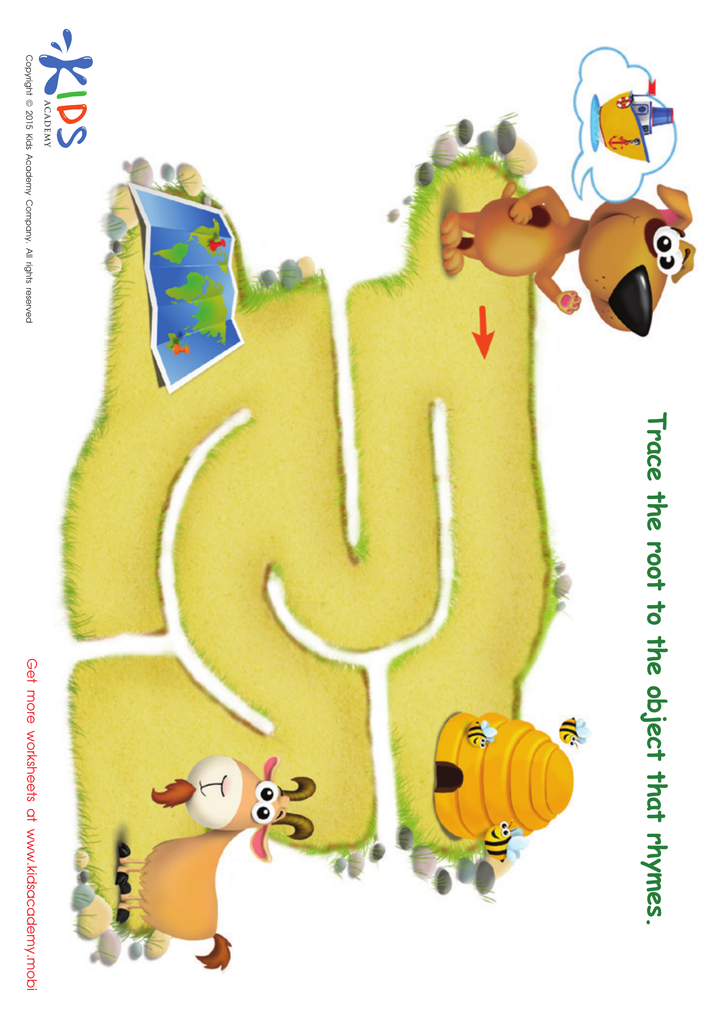
Boat Rhyming Words Worksheet
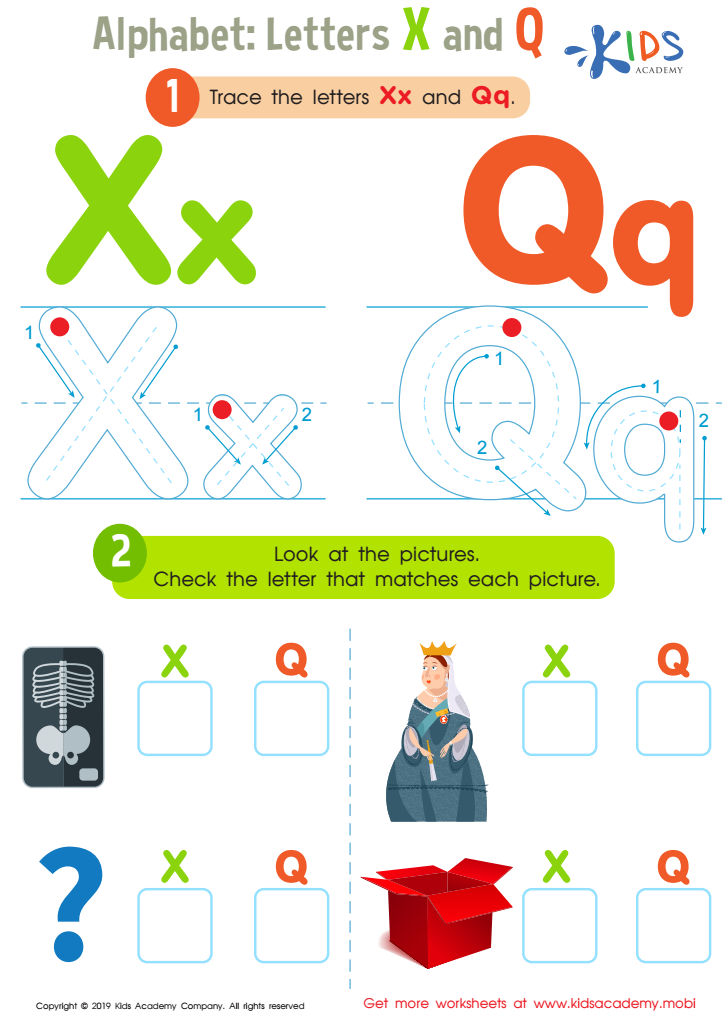
Letters X and Q Tracing Worksheet
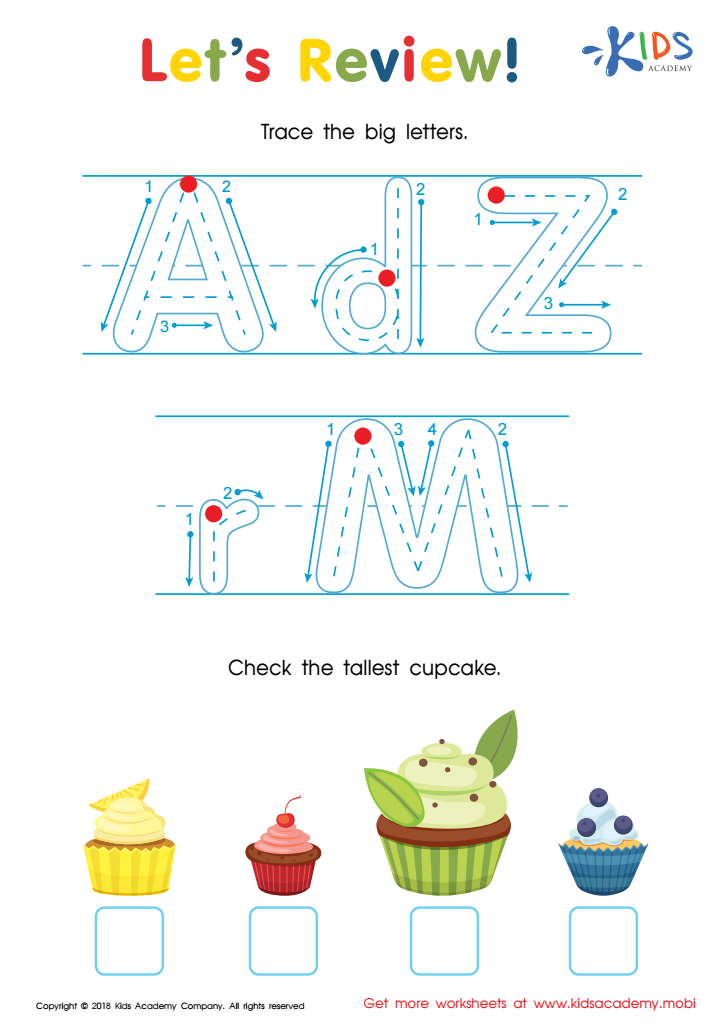
Let's Review! Big Letters Worksheet

Long and Short U Worksheet
Assign to My Students








Parents and teachers play a crucial role in a child's early development, and focusing on fine motor skills, especially in an activity like learning the alphabet, provides a strong foundation for future academic success. For ages 4-5, the development of fine motor skills is critical as children prepare for tasks like writing, cutting with scissors, and buttoning clothes. Quality time dedicated to Fine Motor Skills Alphabet work enhances hand-eye coordination, finger strength, and dexterity, all of which are essential for handwriting.
Engaging in these activities also boosts cognitive development. As children practice forming letters, they are not only becoming familiar with the alphabet but also improving their ability to concentrate, visualize patterns, and follow sequential steps. These related cognitive skills are fundamental for later learning in reading, mathematics, and problem-solving.
Additionally, accomplishing tasks that require fine motor precision fosters increased self-confidence and independence in young children. For parents and teachers, supporting fine motor skills acquisition through alphabet games, tracing letters, and other hands-on activities, paves the way for smoother transitions into more complex tasks encountered in school. With strong fine motor skills, children are better prepared to meet educational challenges and achieve developmental milestones successfully.







