Letter recognition Phonics Worksheets for Ages 4-5
22 filtered results
-
From - To
Discover our engaging Letter Recognition Phonics Worksheets, specifically designed for children ages 4 to 5. These worksheets provide a fun and interactive way to help young learners recognize letters and develop essential phonics skills. Each page features colorful illustrations and activities that encourage exploration and retention. Your child will enjoy practicing letter identification through tracing, matching, and coloring exercises that reinforce learning through play. These resources are perfect for parents and teachers seeking to enhance early literacy skills. Equip your child with a strong foundation in reading and writing through our thoughtfully crafted worksheets. Get started today and watch their confidence grow!
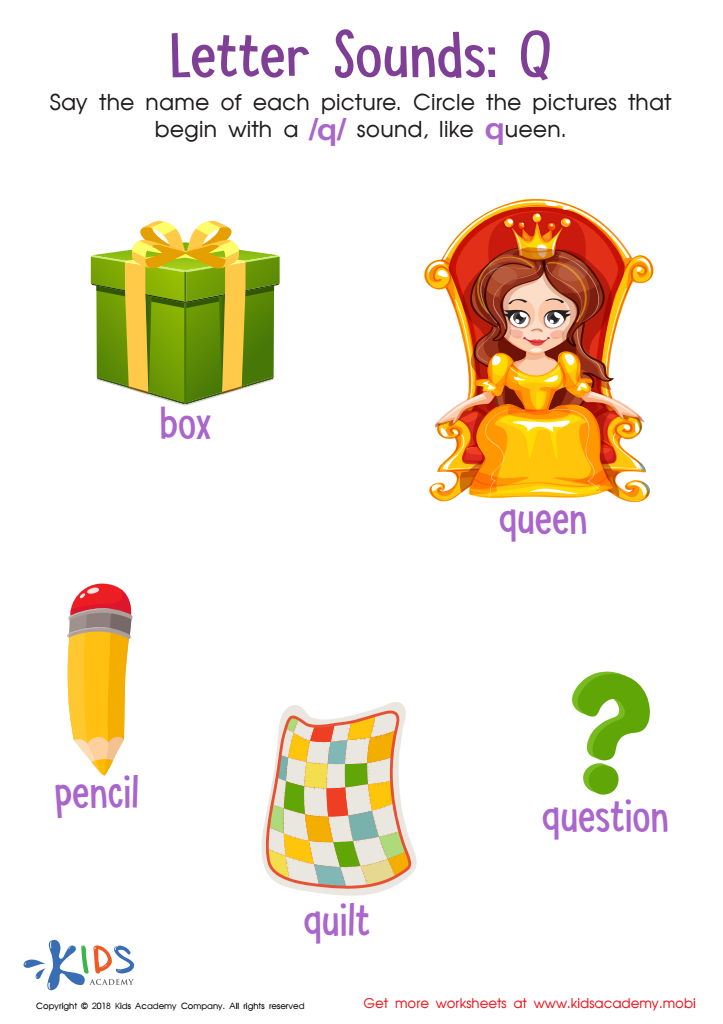
Letter Q Sounds Worksheet
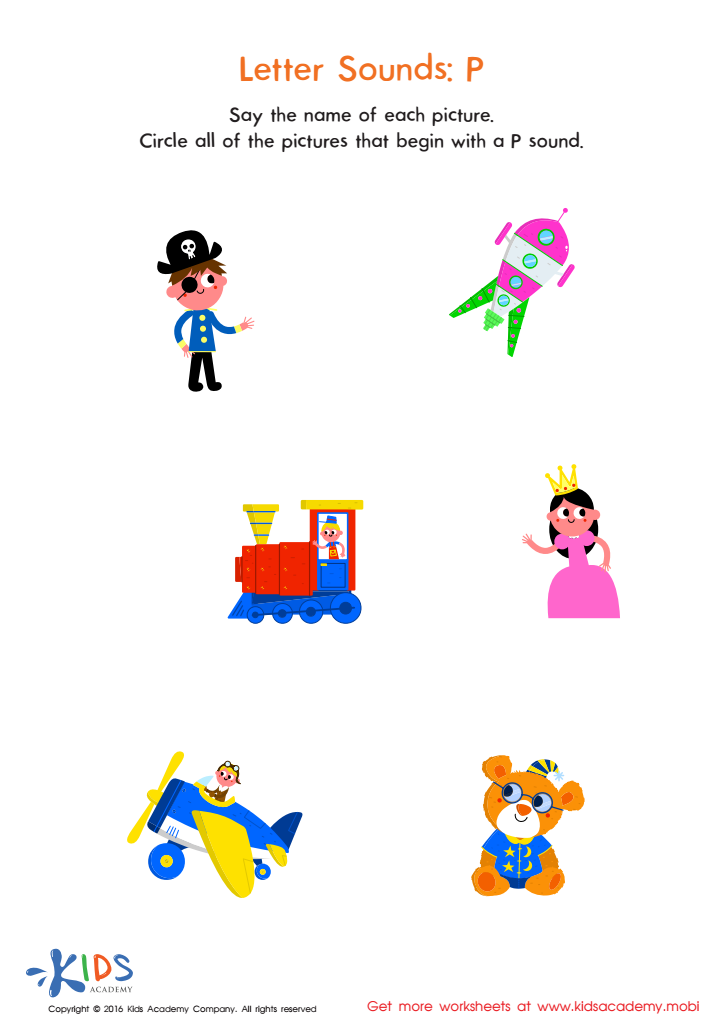
Letter P Sound Worksheet
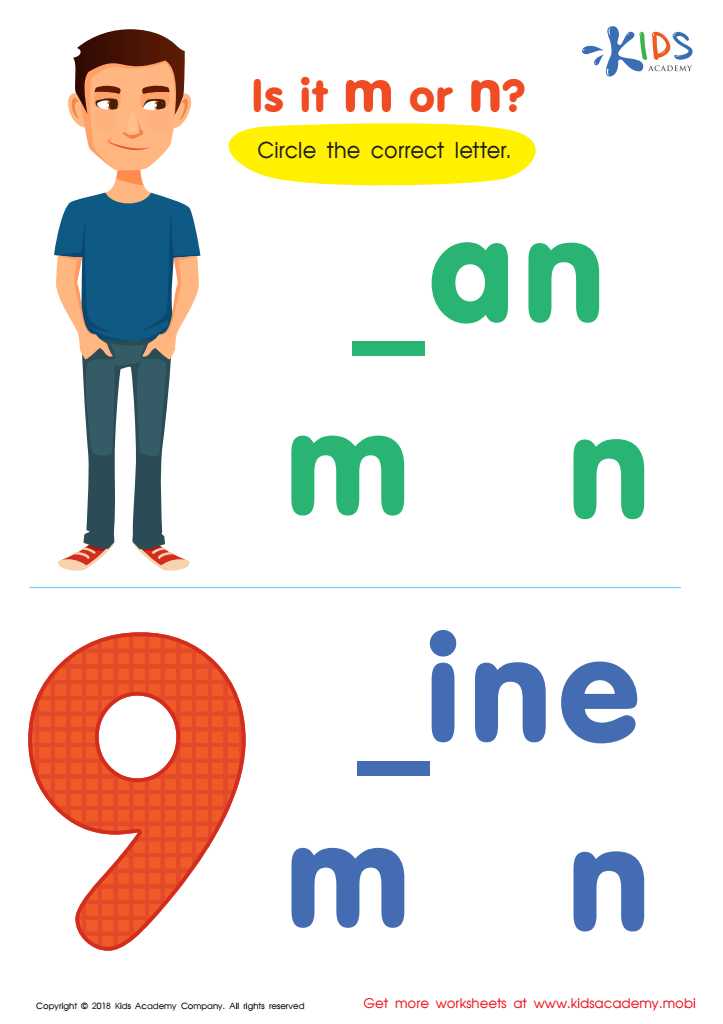
Is It m or n? Worksheet
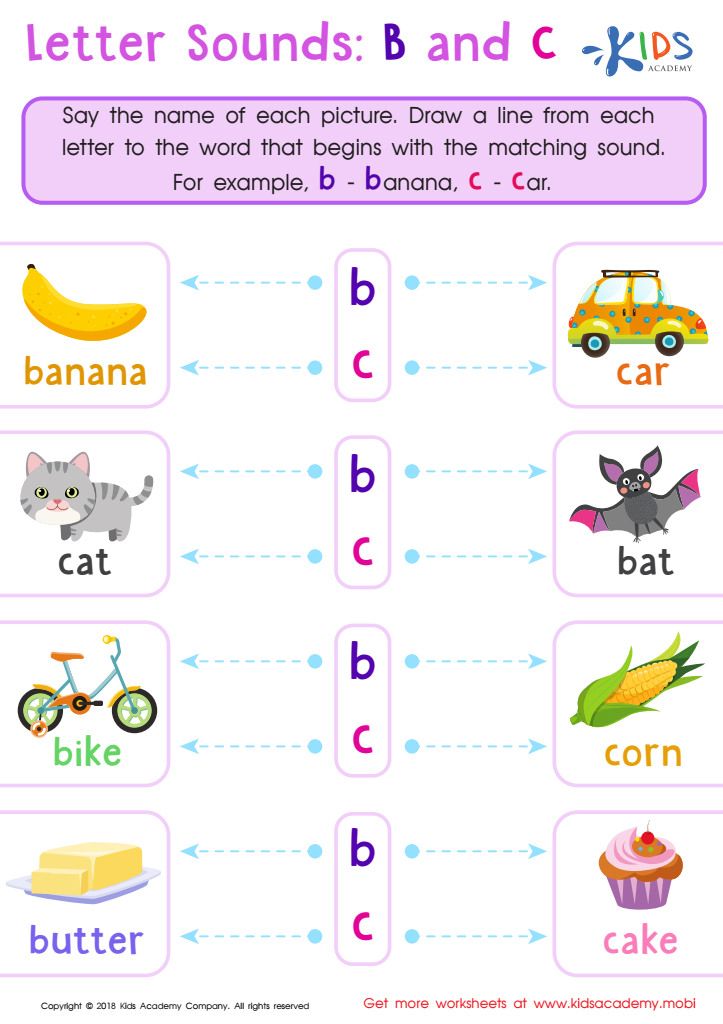
Letter B and C Sounds Worksheet
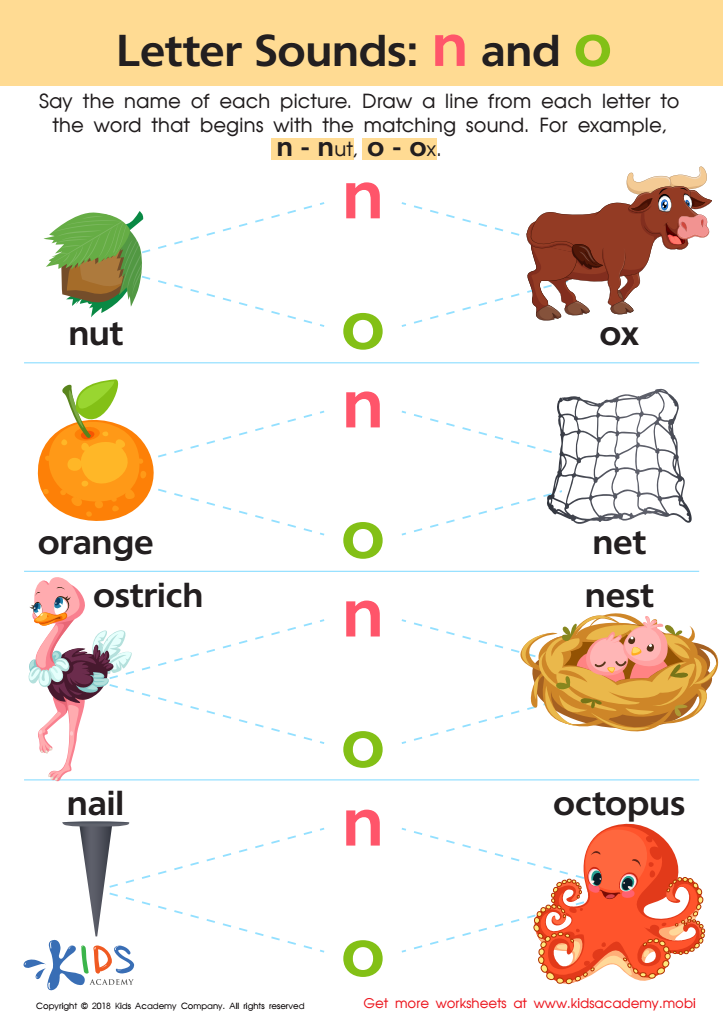
Letter N and O Sounds Worksheet
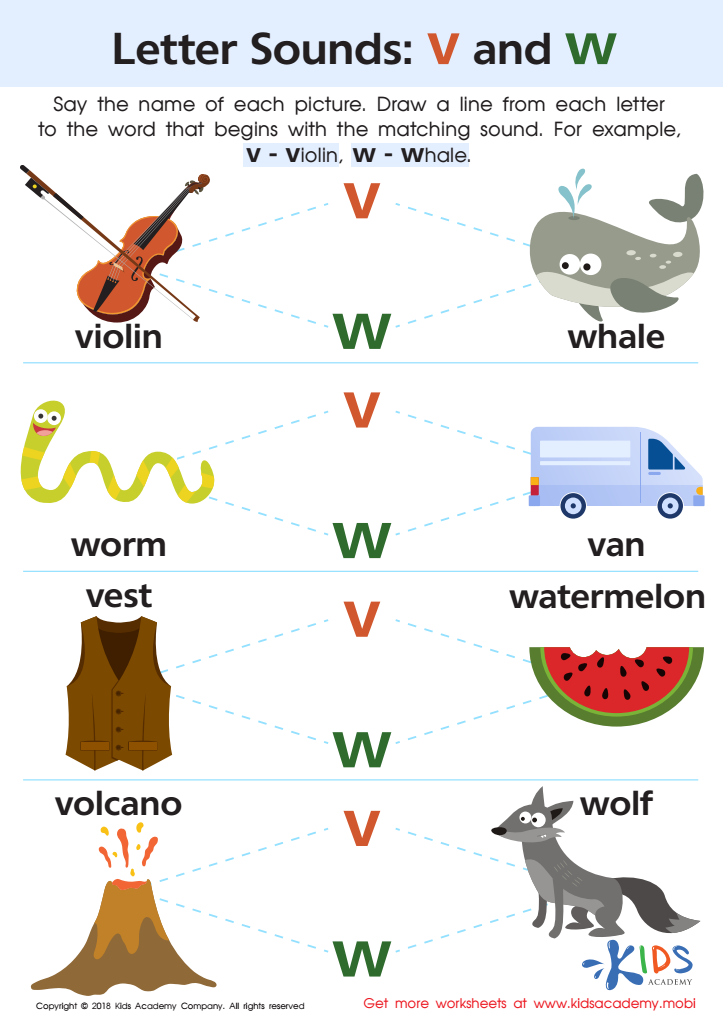
Letter V and W Sounds Worksheet
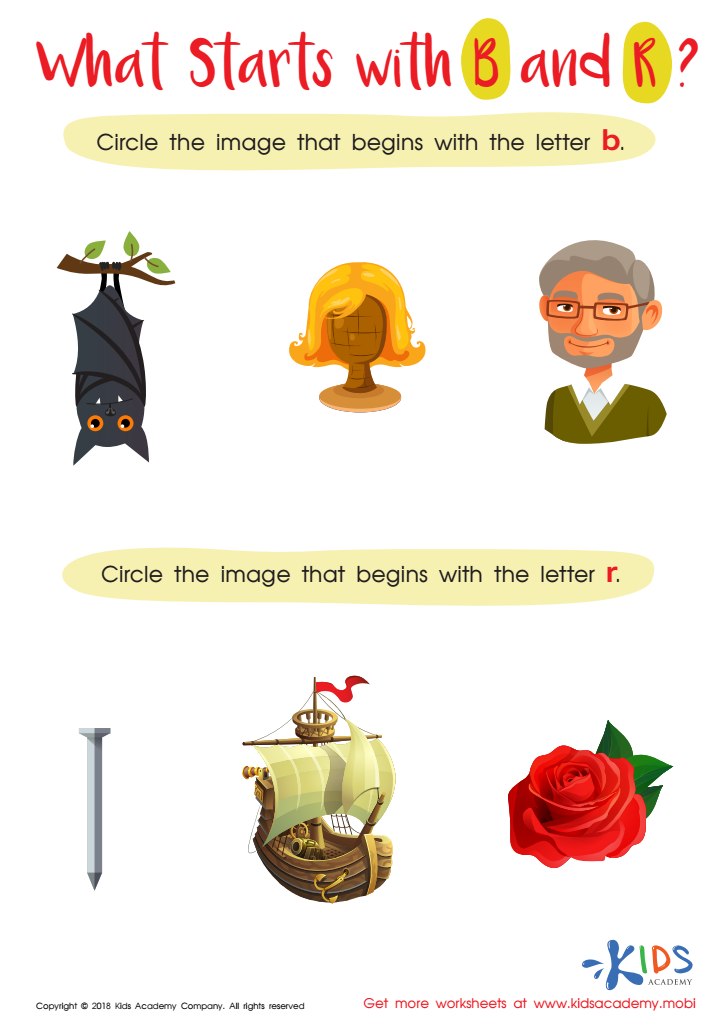
What Starts with B and R? Worksheet
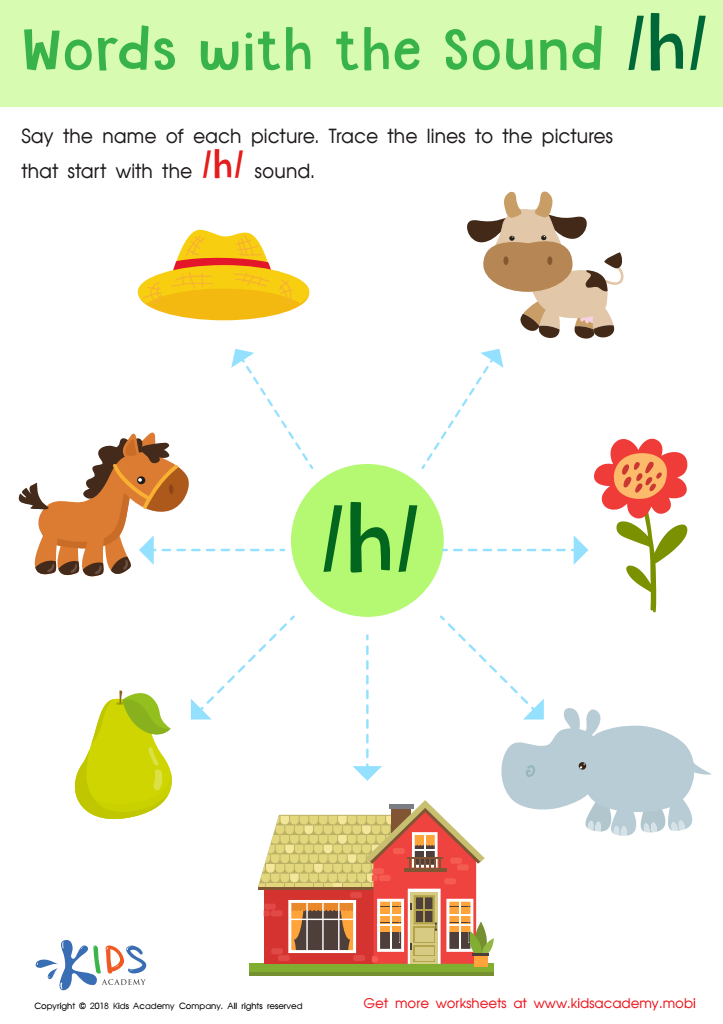
Words with sound h Reading Worksheet
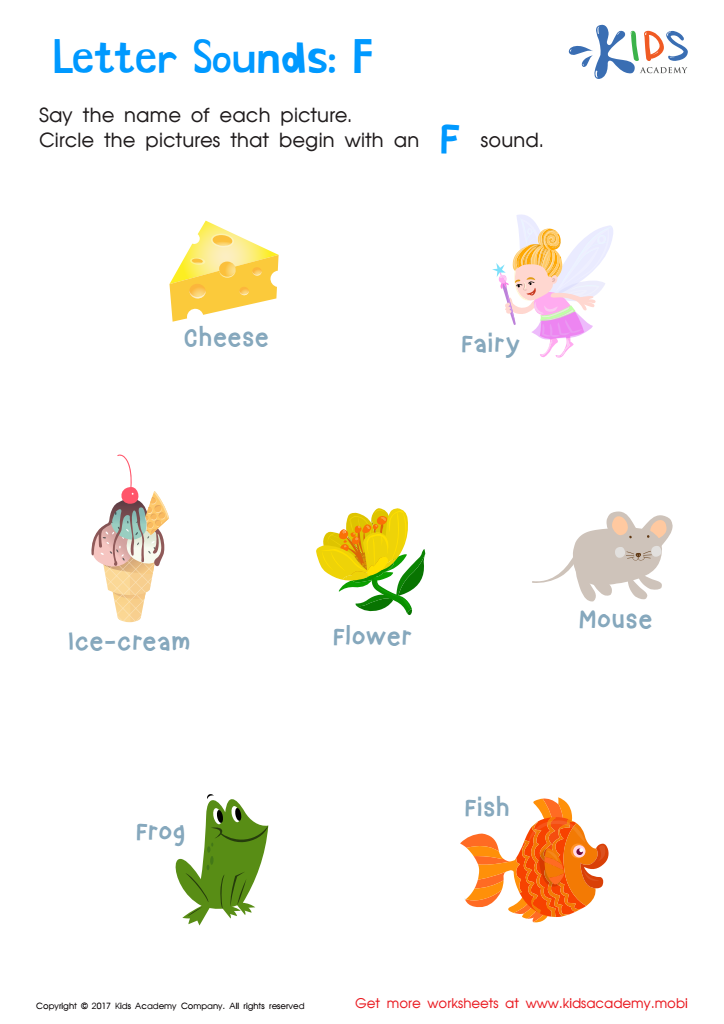
Letter F Sounds Worksheet
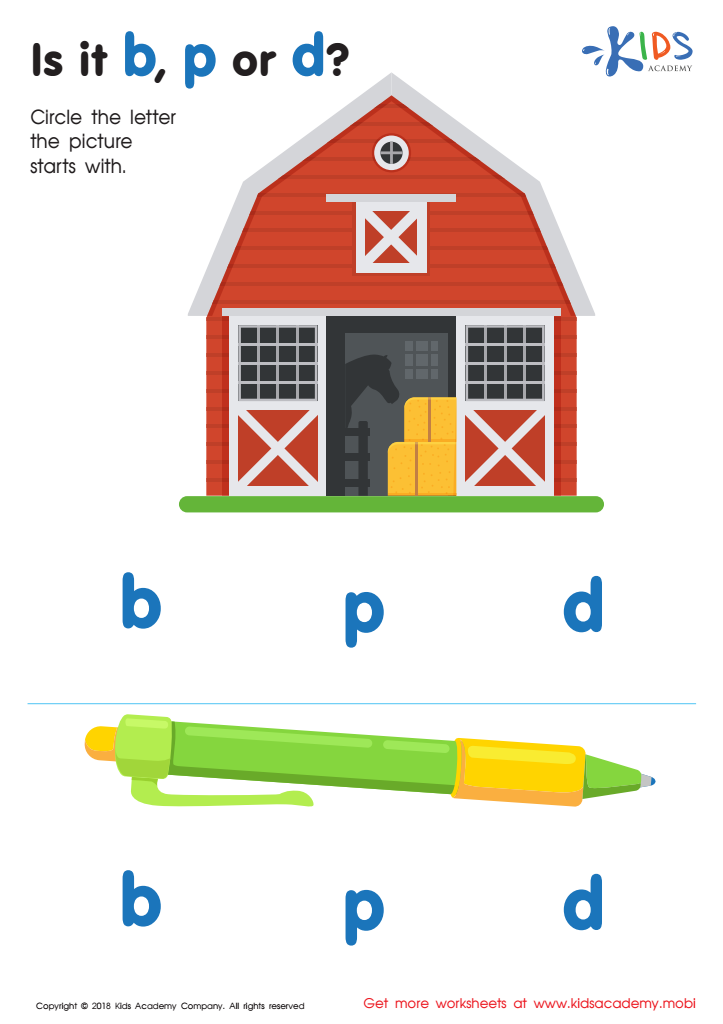
Is it b, p or d? Worksheet
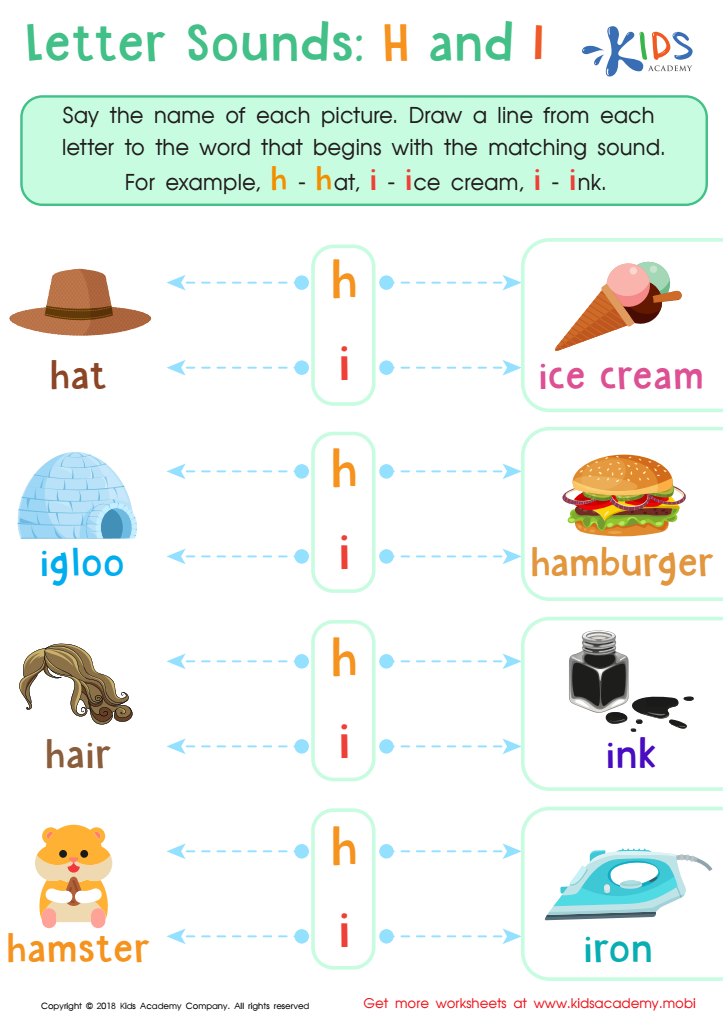
Letter H and I Sounds Worksheet

Long and Short U Worksheet
 Assign to My Students
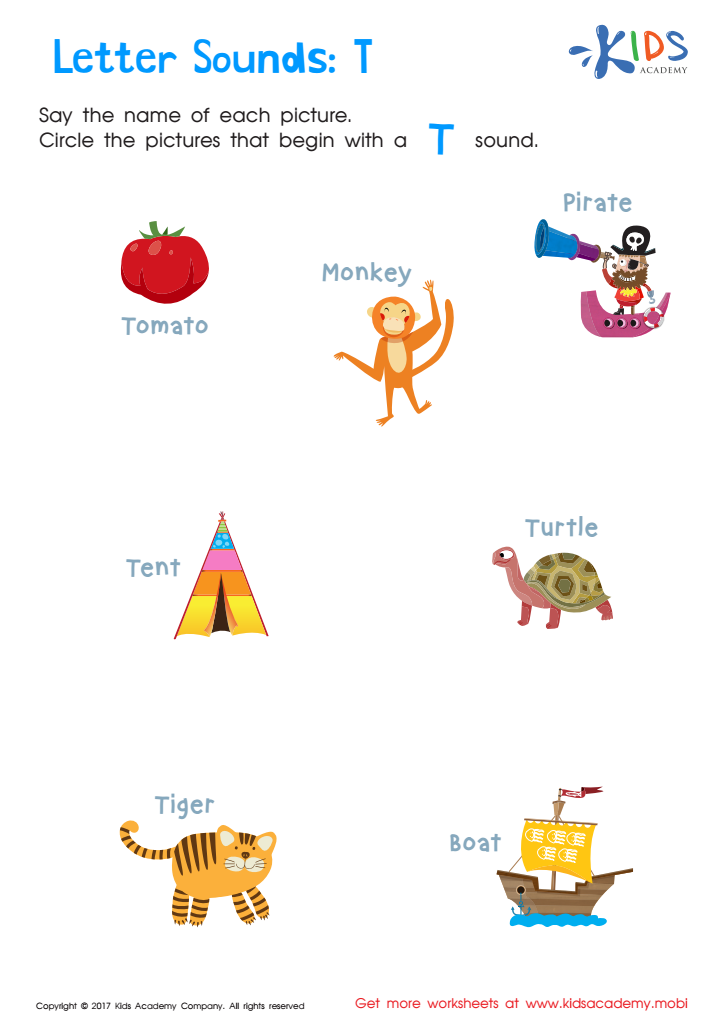
Letter T Sounds Worksheet
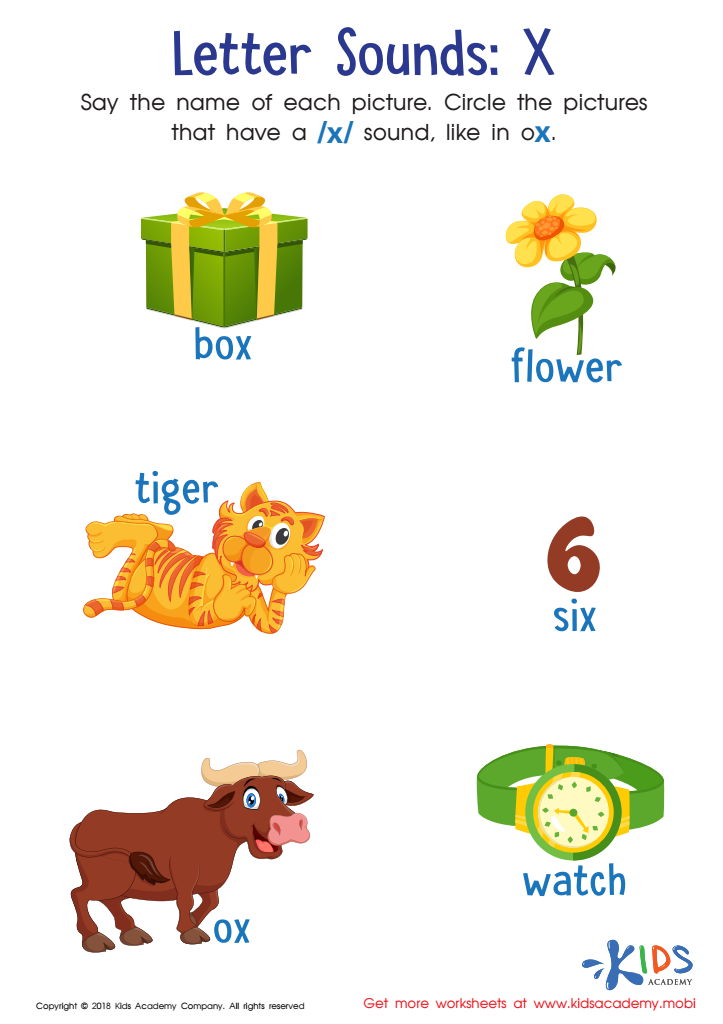
Letter X Sounds Worksheet
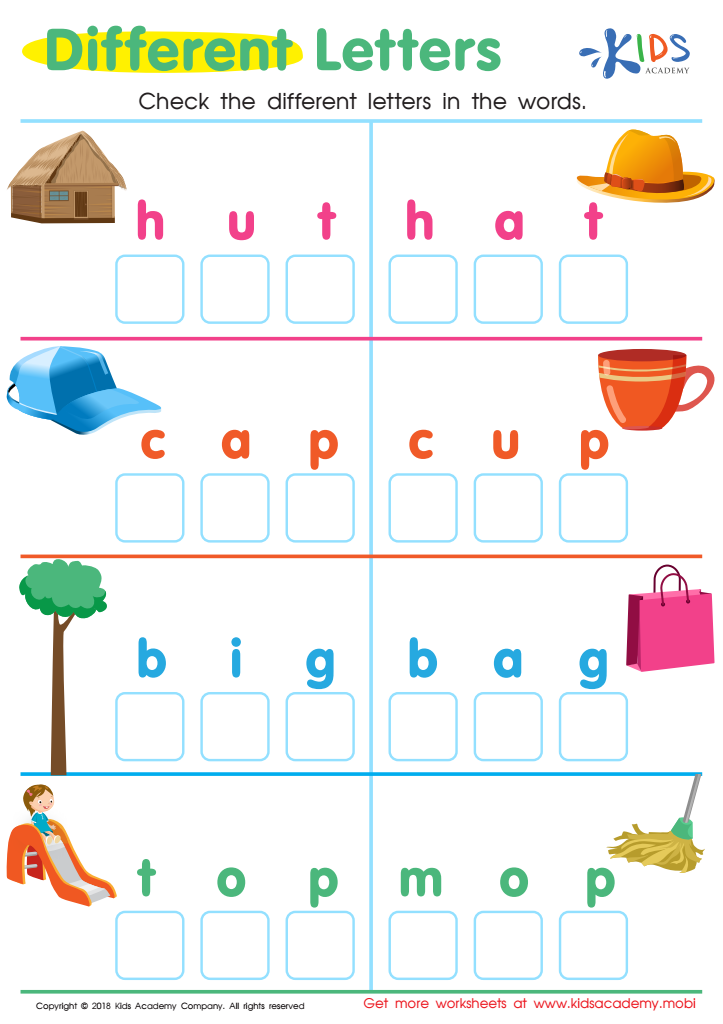
Different Letters Reading Worksheet
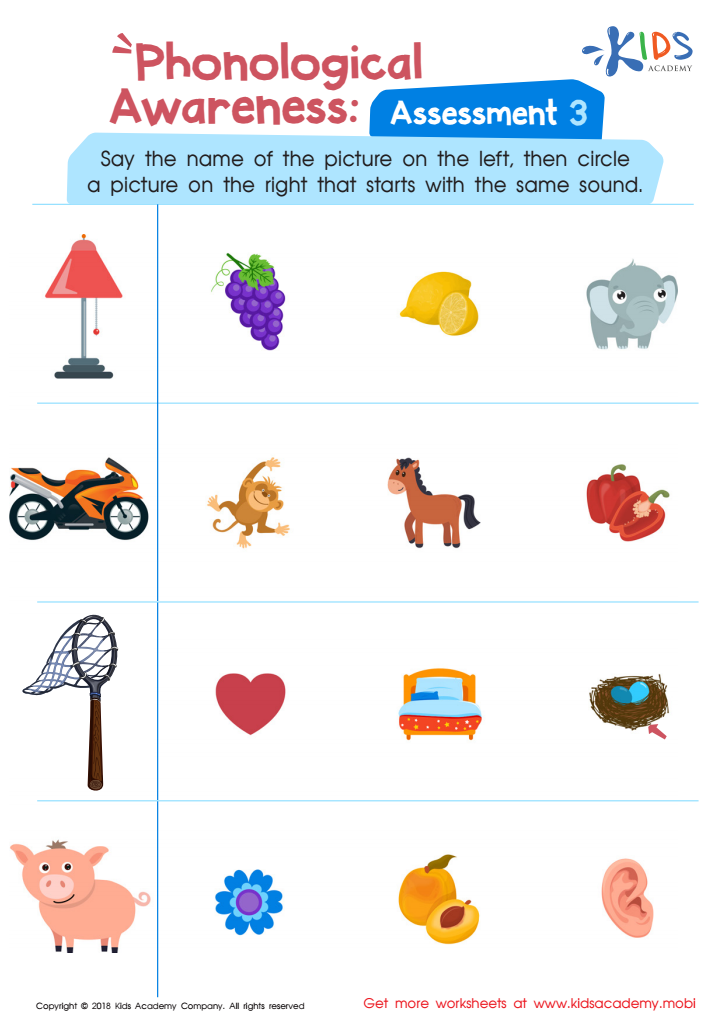
Phonological Awareness: Assessment 3 Worksheet
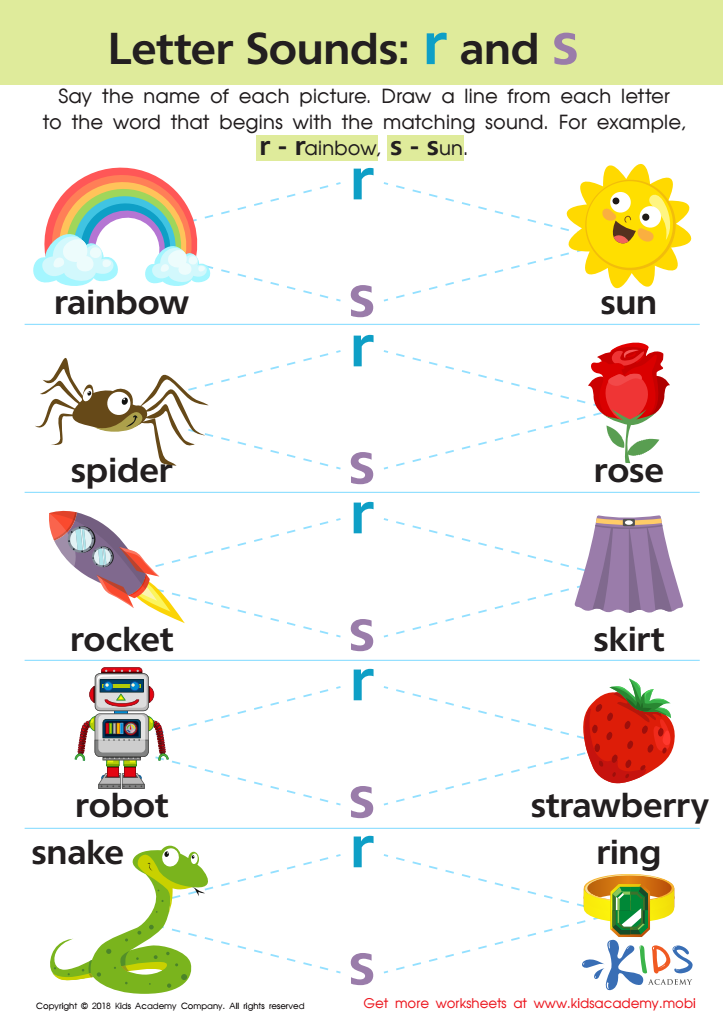
Letter R and S Sounds Worksheet
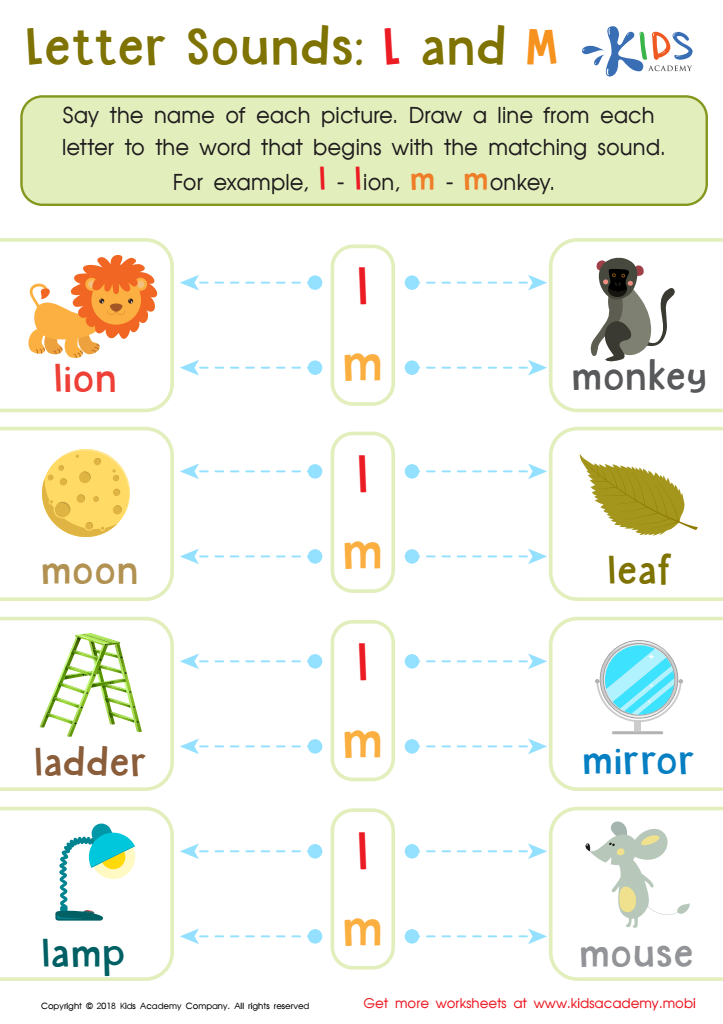
Letter l and M Sounds Worksheet
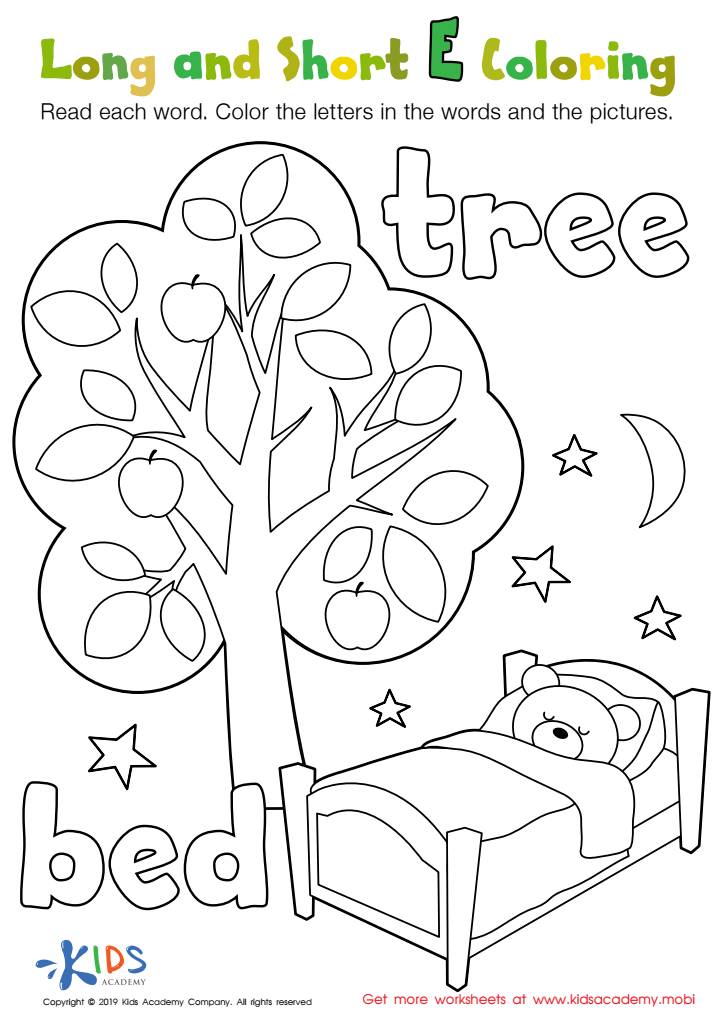
Long and Short E Worksheet
Assign to My Students
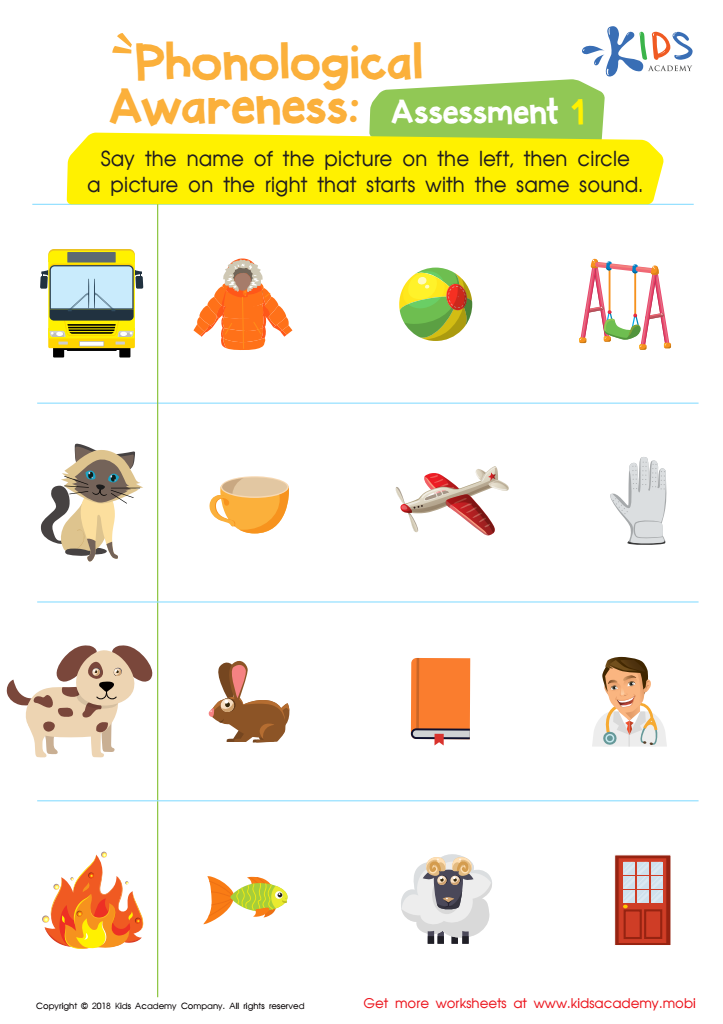
Phonological Awareness: Assessment 1 Worksheet
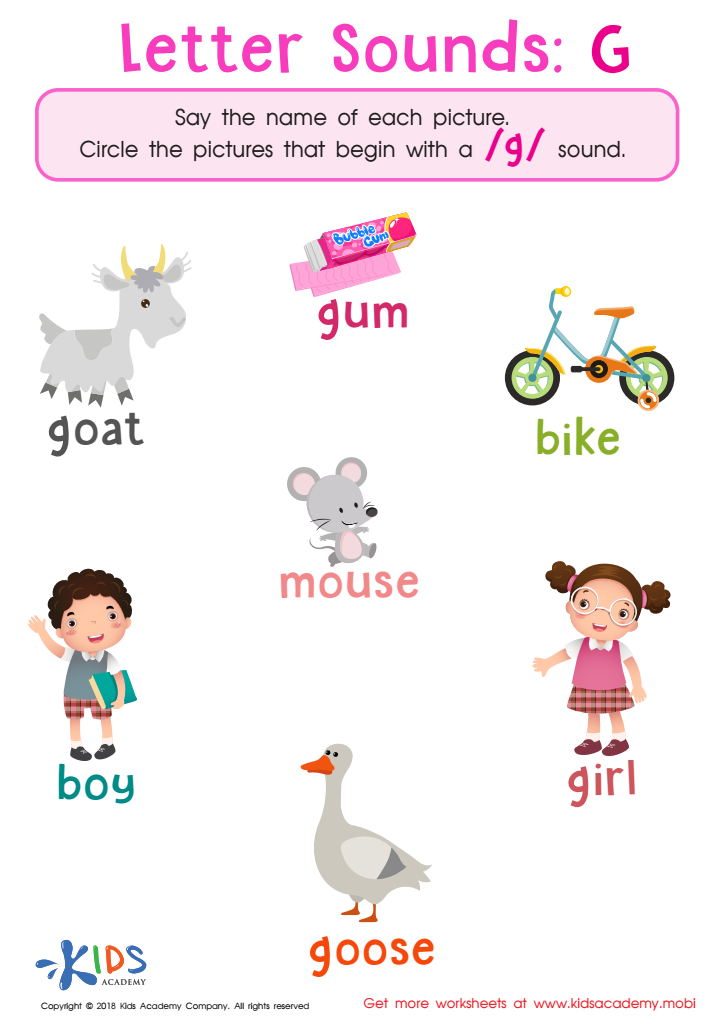
Letter G Sounds Worksheet
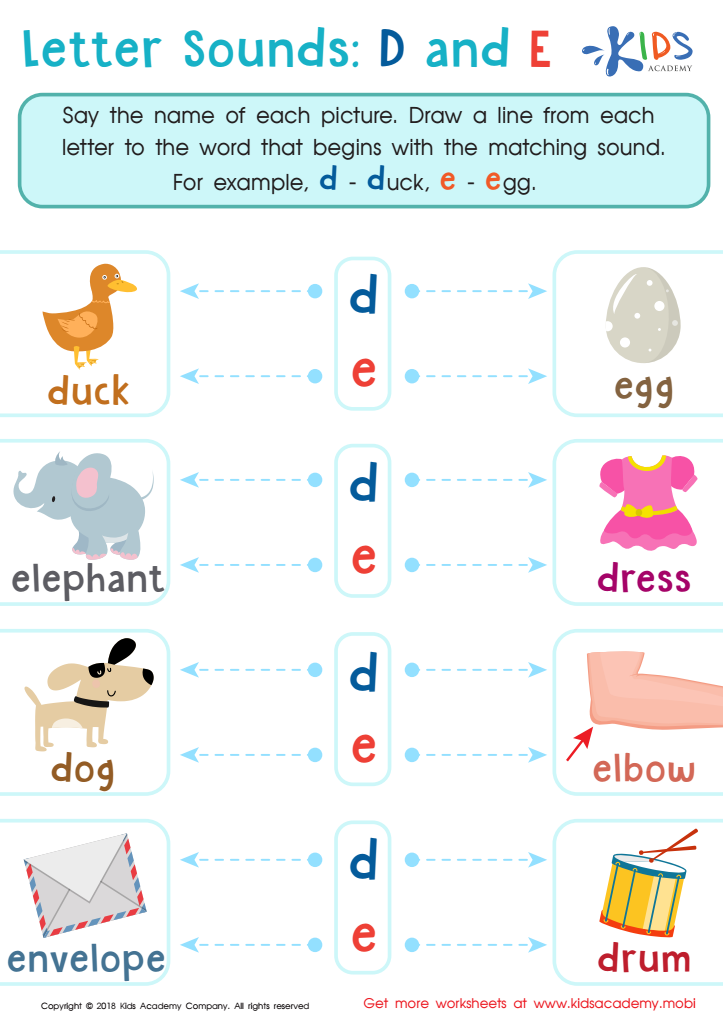
Letter D and E Sounds Worksheet








Letter recognition and phonics at ages 4-5 are foundational skills essential for literacy development. During this crucial stage, children begin to understand that letters represent sounds, forming the basis for reading and writing. Mastering letter recognition allows children to identify letters quickly, paving the way for them to decode words.
Teachers and parents should prioritize these skills as they significantly impact a child's future learning experiences. Early phonics instruction not only enhances a child's ability to read but also supports spelling and vocabulary development. Children who struggle with letter recognition may experience challenges in literacy, affecting their confidence and academic performance later on.
Moreover, engaging children in activities that promote letter recognition and phonics fosters a love for reading. When children feel proficient in identifying letters and their associated sounds, they are more likely to enjoy and engage with books. This enthusiasm encourages further exploration of language, enhancing overall cognitive development.
By integrating letter play, songs, and interactive games, parents and teachers can make learning enjoyable and effective. Investing time in these skills lays a solid foundation for a child's educational journey, ensuring they become competent readers and lifelong learners.







