Handwriting practice Tracing Letters Worksheets for Ages 4-5
28 filtered results
-
From - To
Discover the perfect tool to enhance your child's handwriting skills with our "Handwriting Practice Tracing Letters Worksheets for Ages 4-5". These engaging worksheets from Kids Academy are designed to help young learners develop fine motor skills, letter recognition, and proper letter formation. Each worksheet provides ample space for children to trace both uppercase and lowercase letters, ensuring they learn to write letters correctly and legibly. Our innovative, fun approach keeps kids motivated and excited about practicing their handwriting. Turn learning into an enjoyable adventure with our expertly crafted tracing letters worksheets, paving the way for academic success!
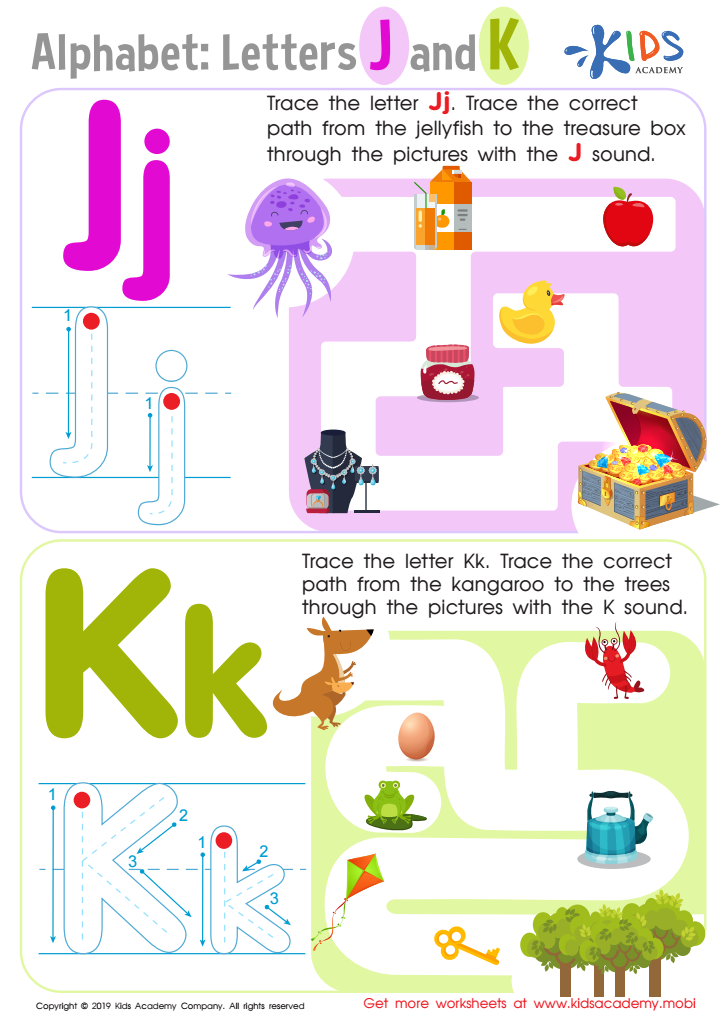
Letters J and K Tracing Worksheet
 Assign to My Students
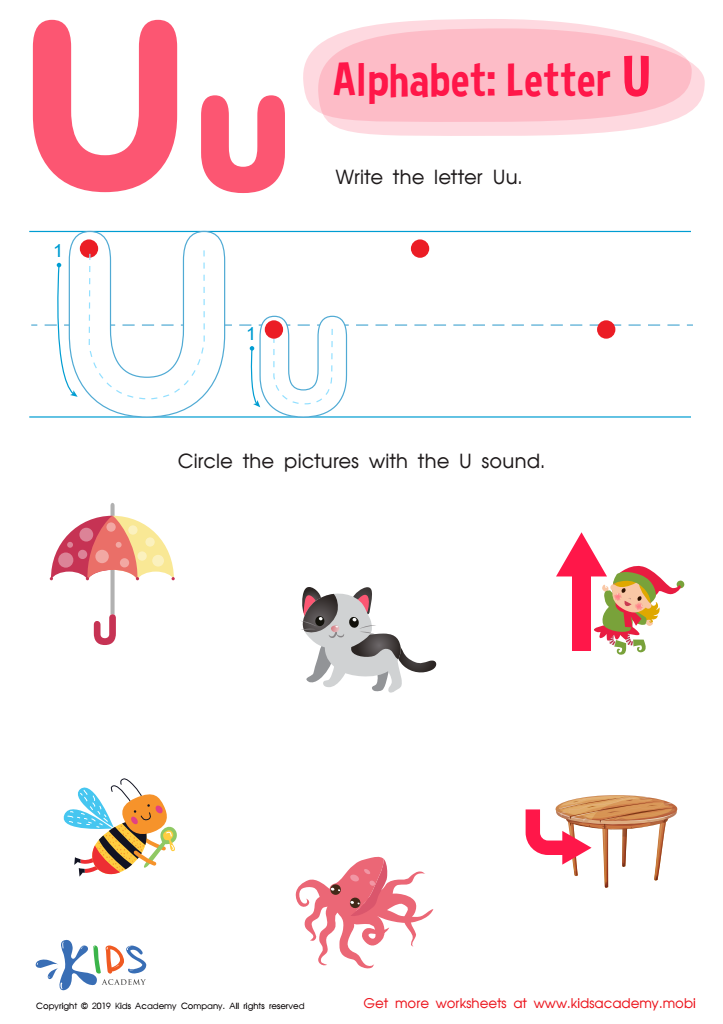
Letter U Tracing Worksheet
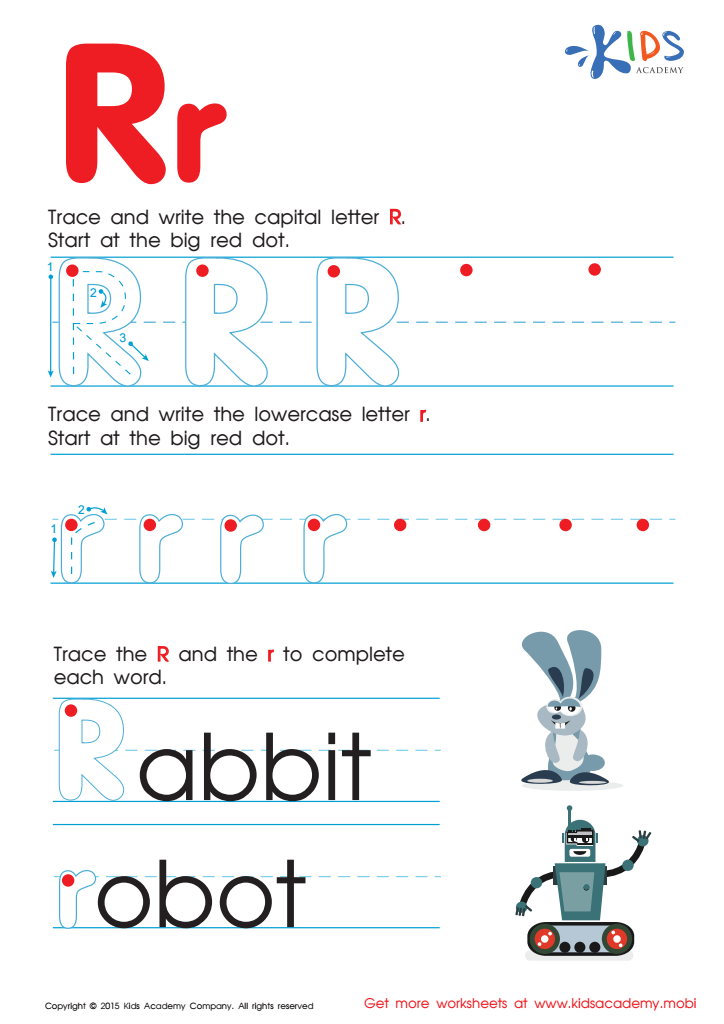
Letter R Tracing Page
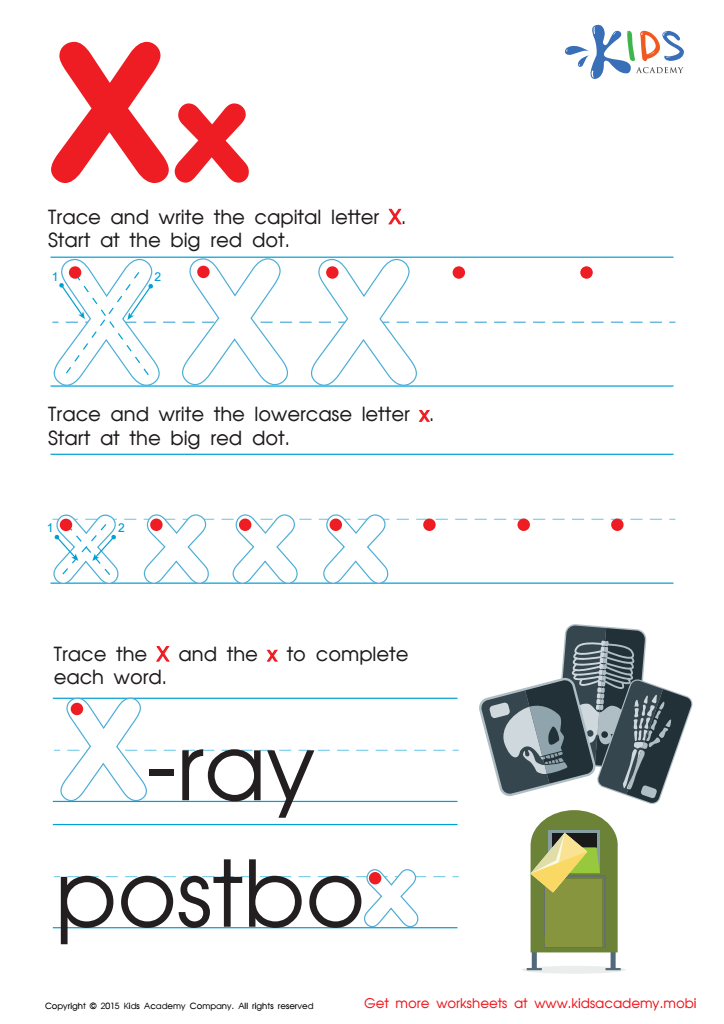
Letter X Tracing Page
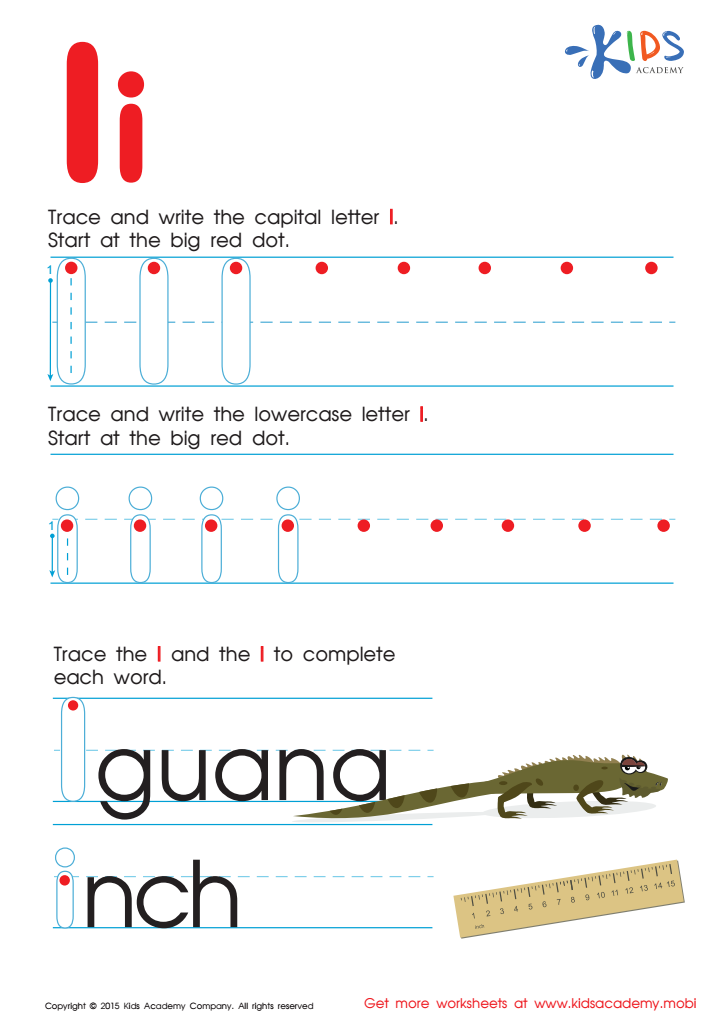
Letter I Tracing Page
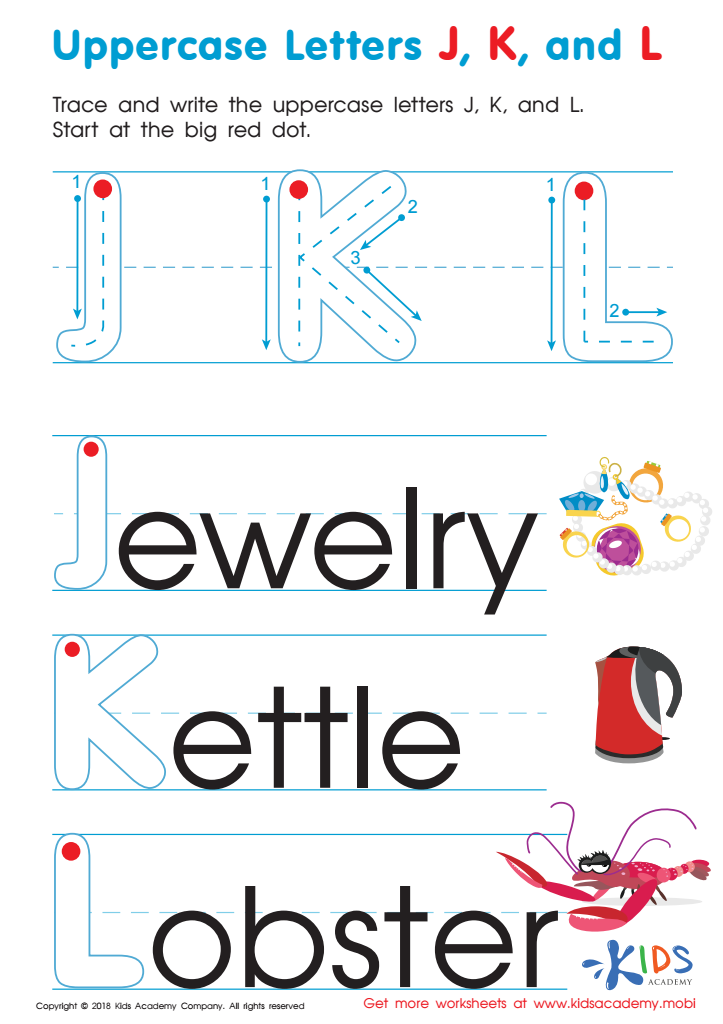
Uppercase Letters J, K, and L Worksheet
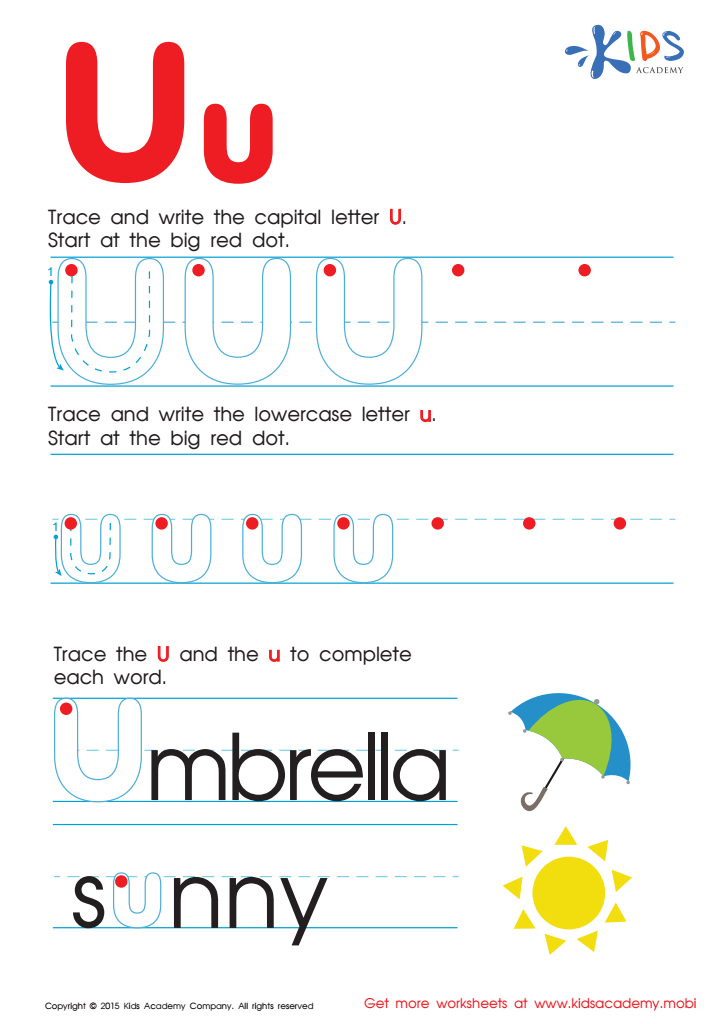
Letter U Tracing Page
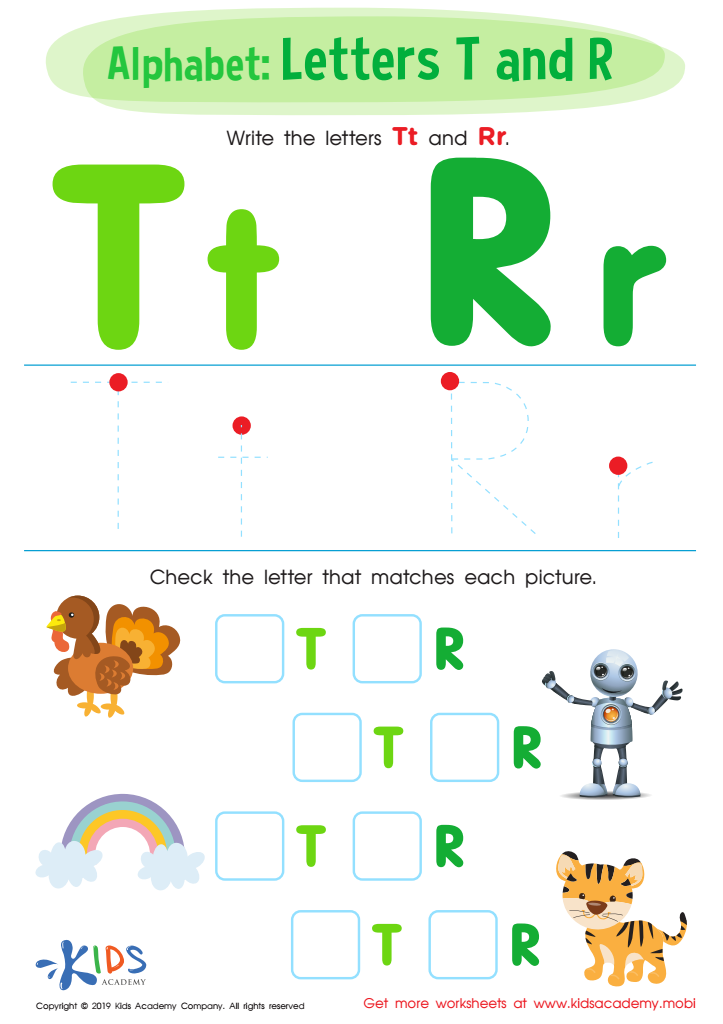
Letters T and R Worksheet
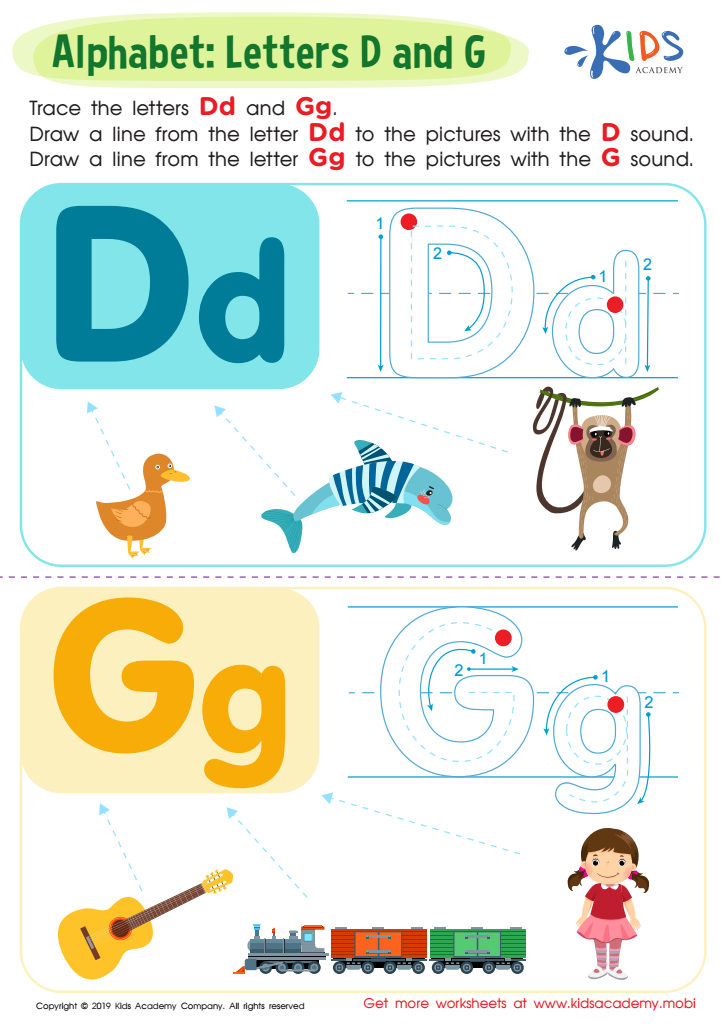
Letter D and G Tracing Worksheet
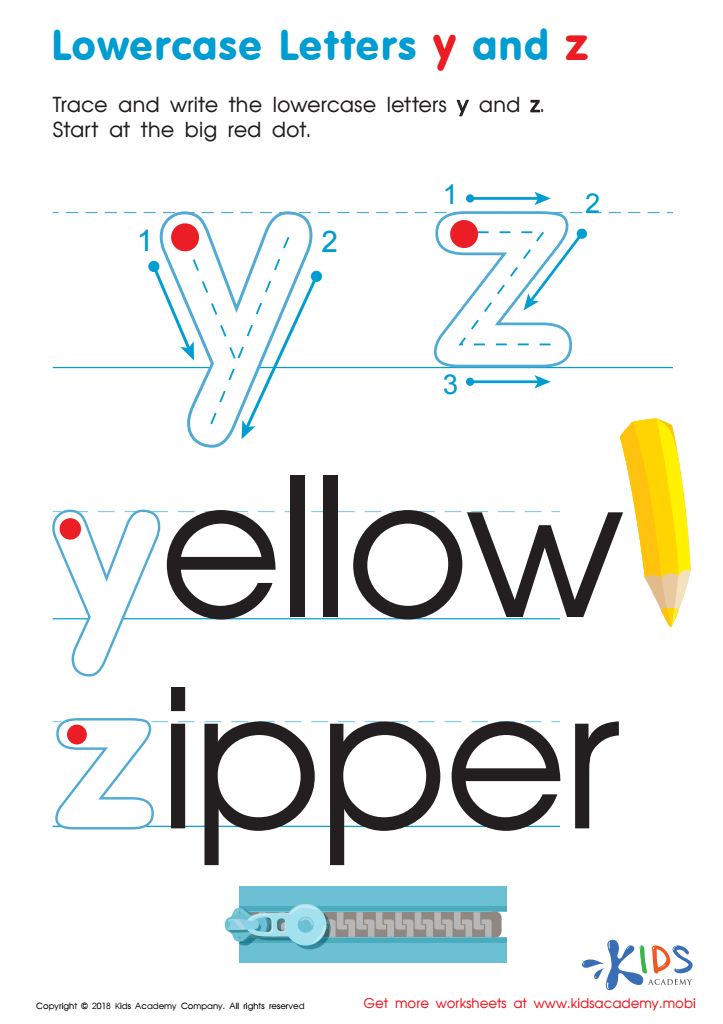
Lowercase Letters y z Worksheet

Letter C Tracing Page
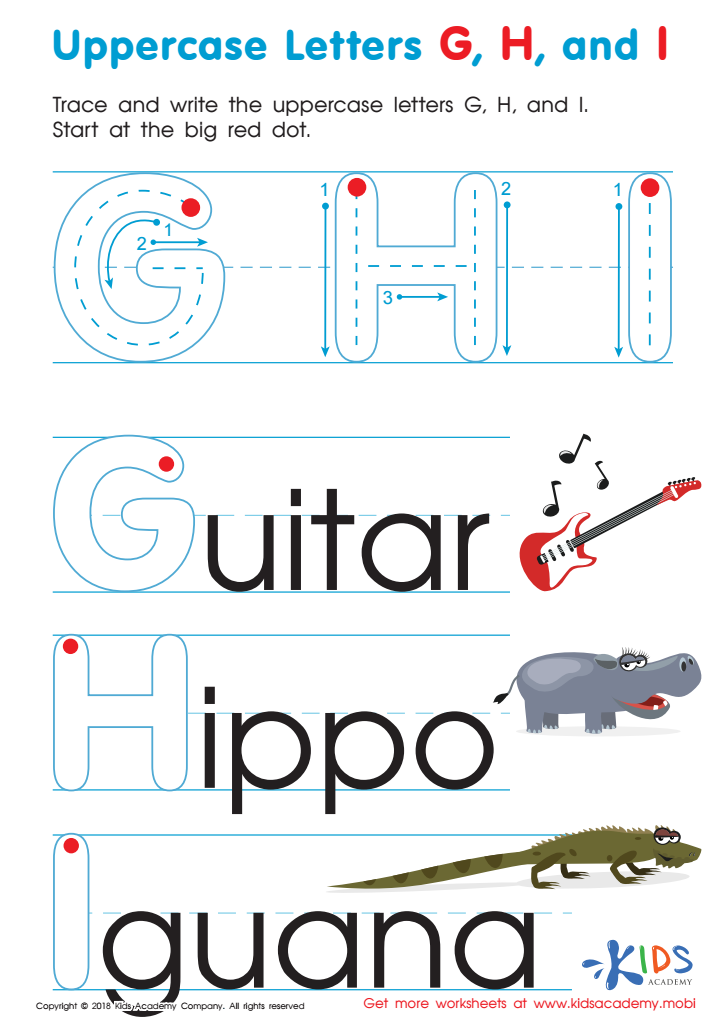
Uppercase Letters G, H, and I Worksheet

Letter G Tracing Page
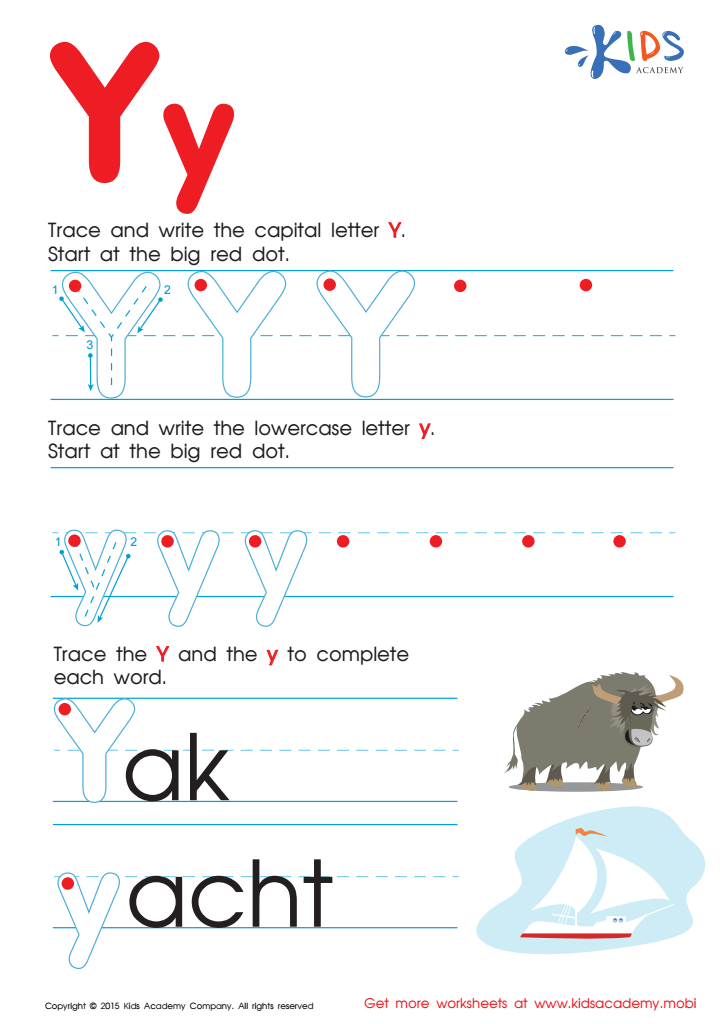
Letter Y Tracing Page
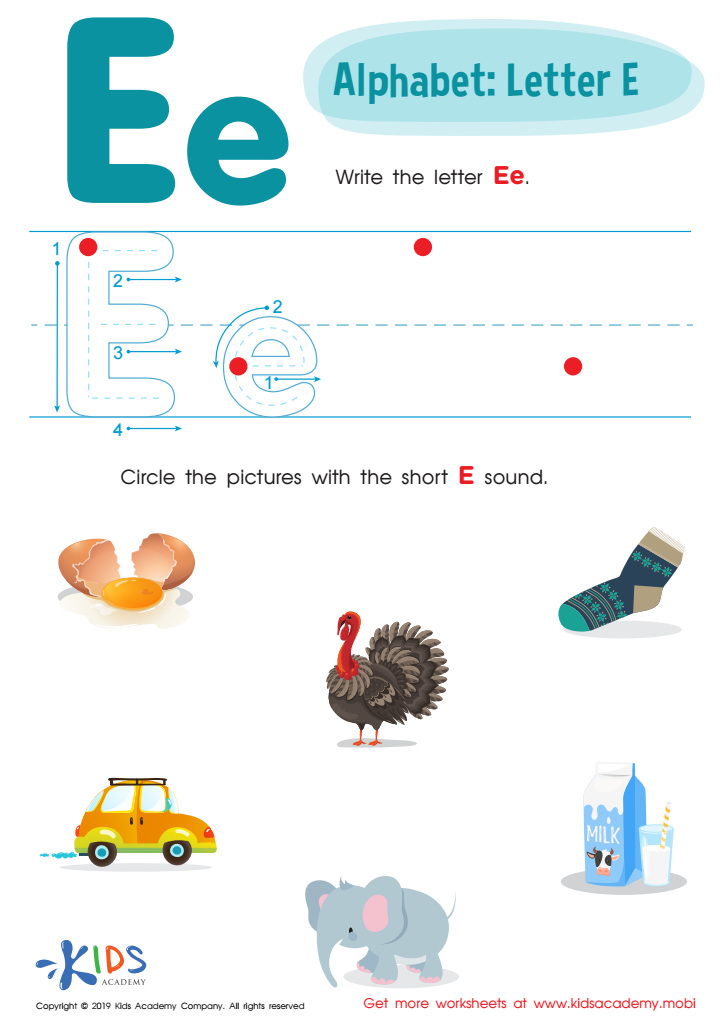
Letter E Tracing Worksheet
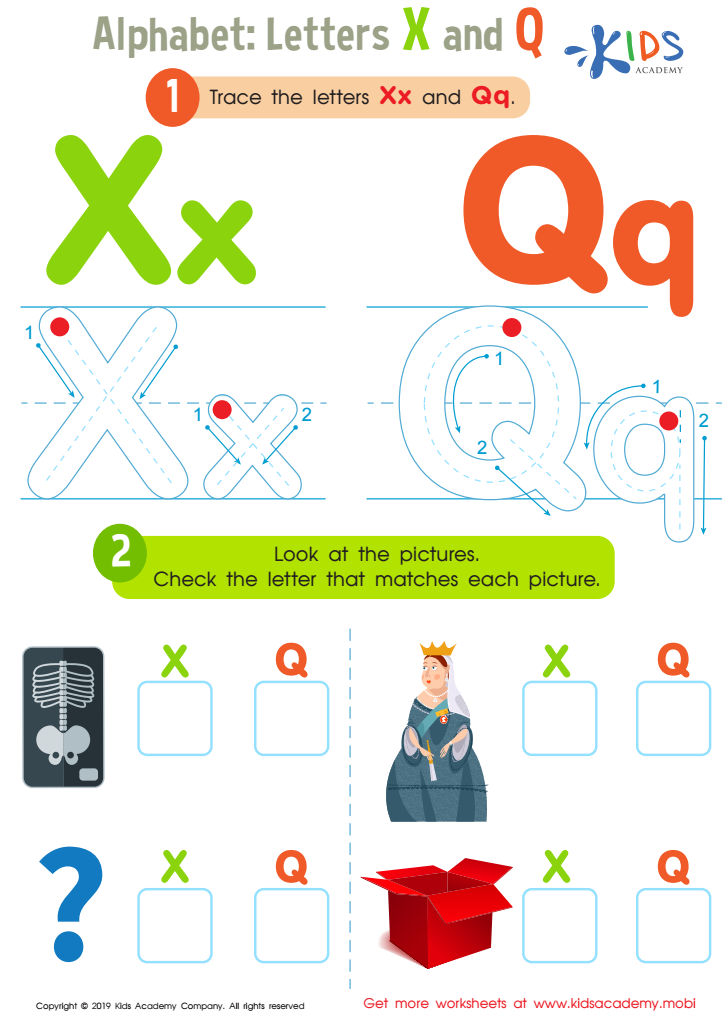
Letters X and Q Tracing Worksheet
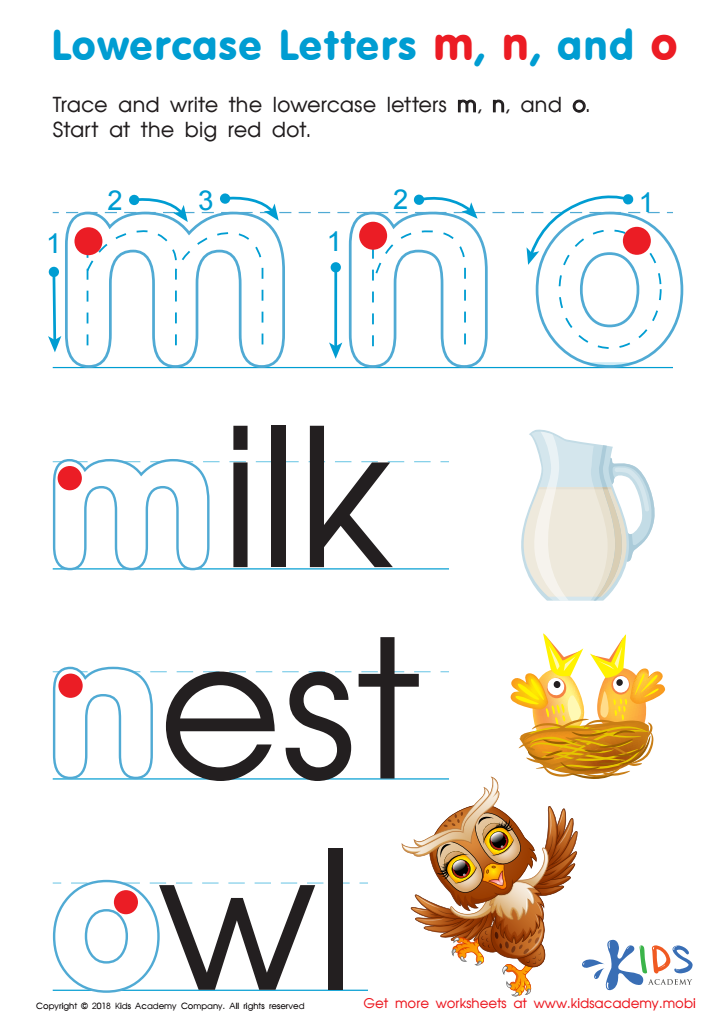
Lowercase Letters m n o Worksheet
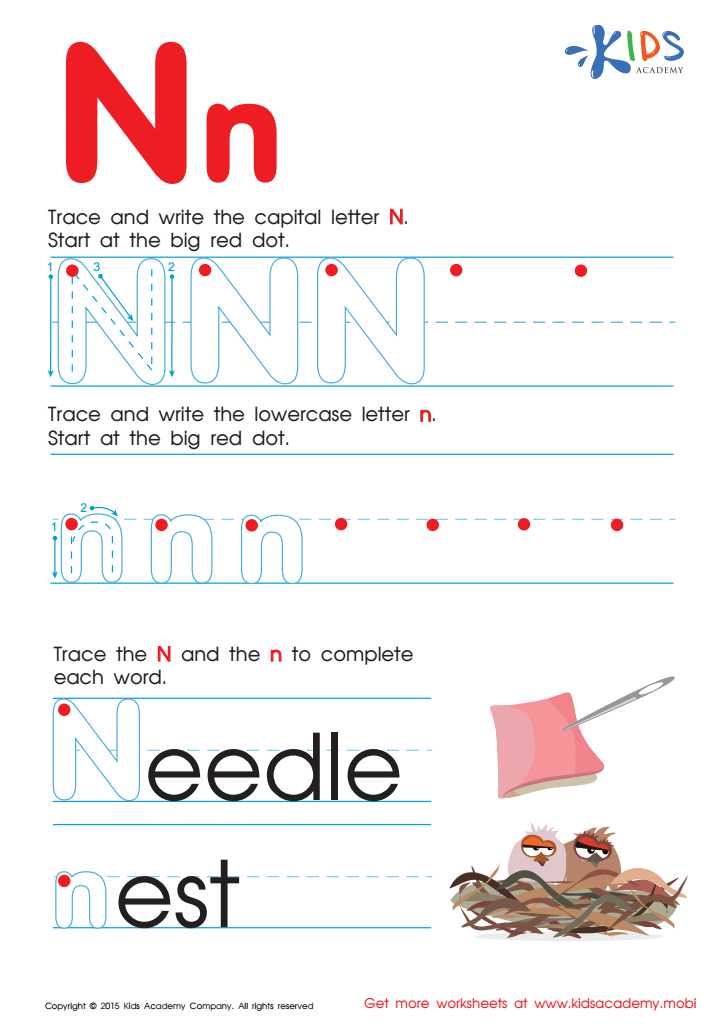
Letter N Tracing Page
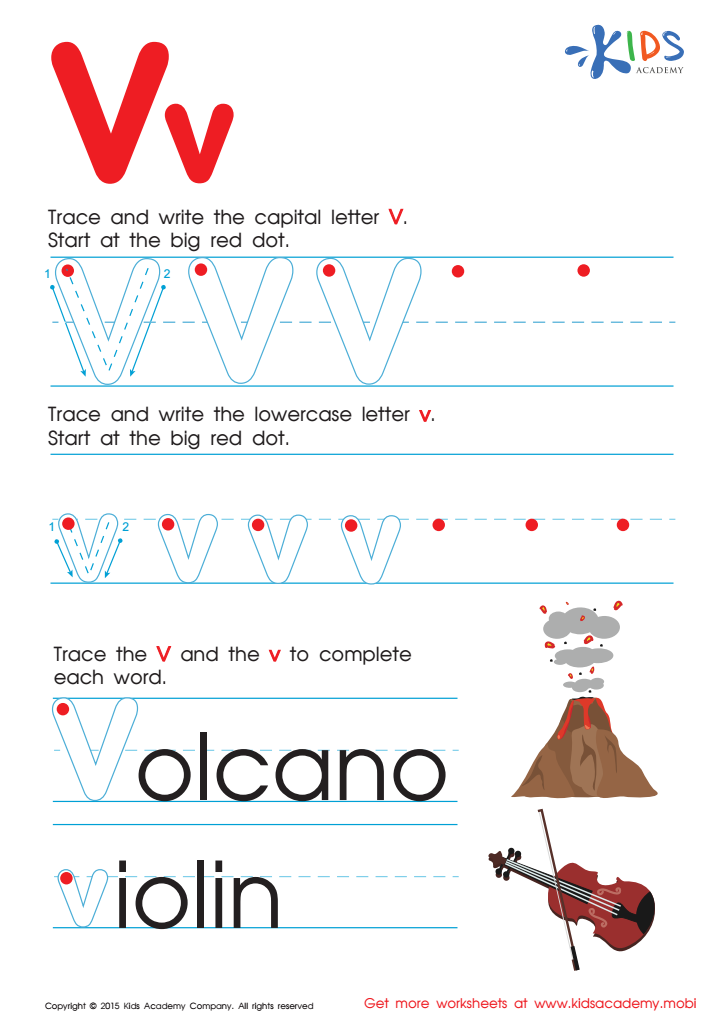
Letter V Tracing Page
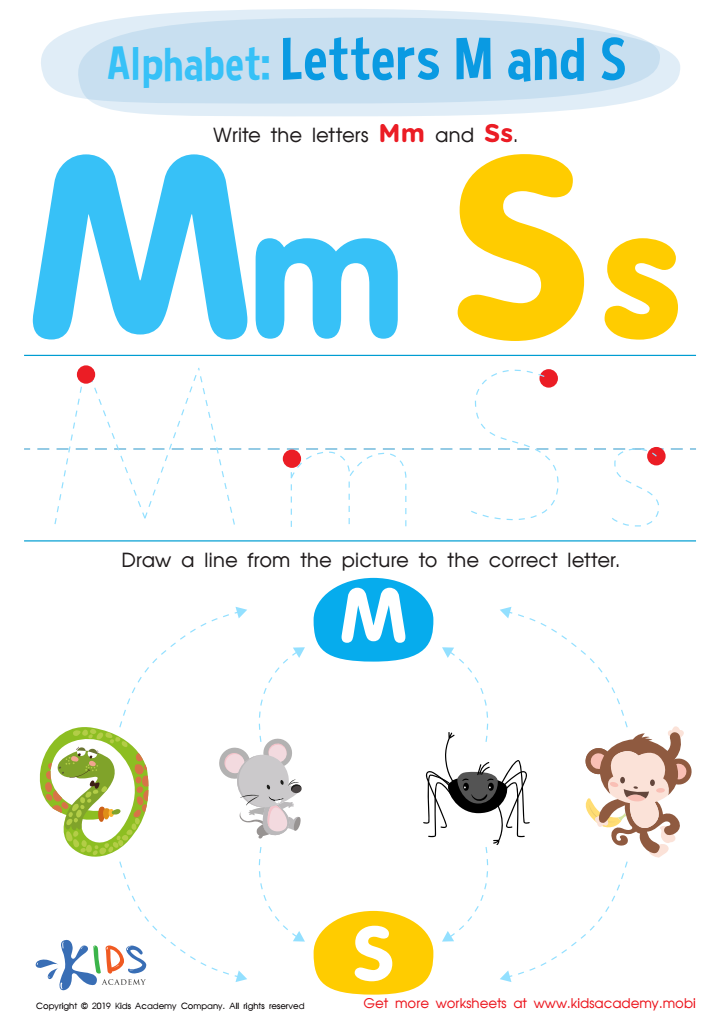
Letters M and S Tracing Worksheet
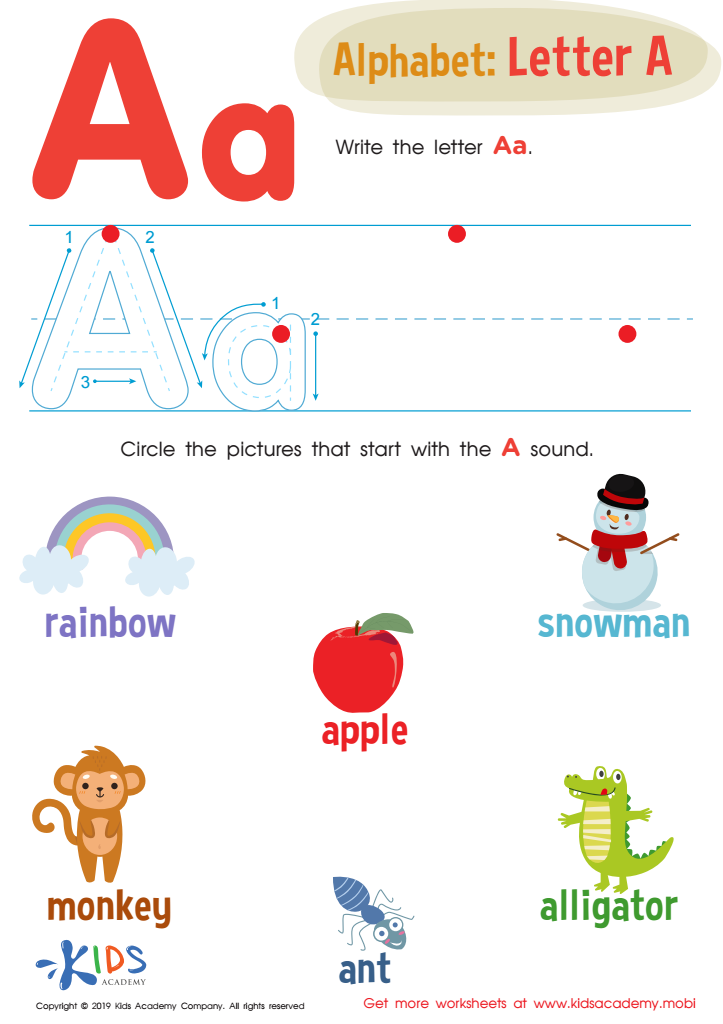
Letter A Tracing Worksheet
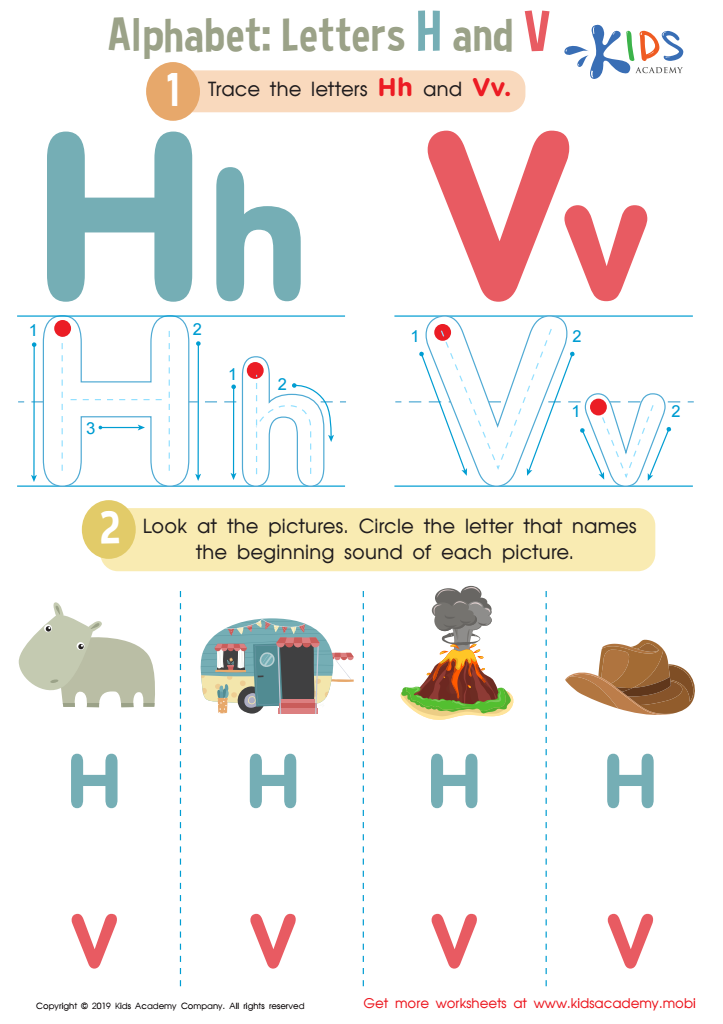
Letters H and V Tracing Worksheet
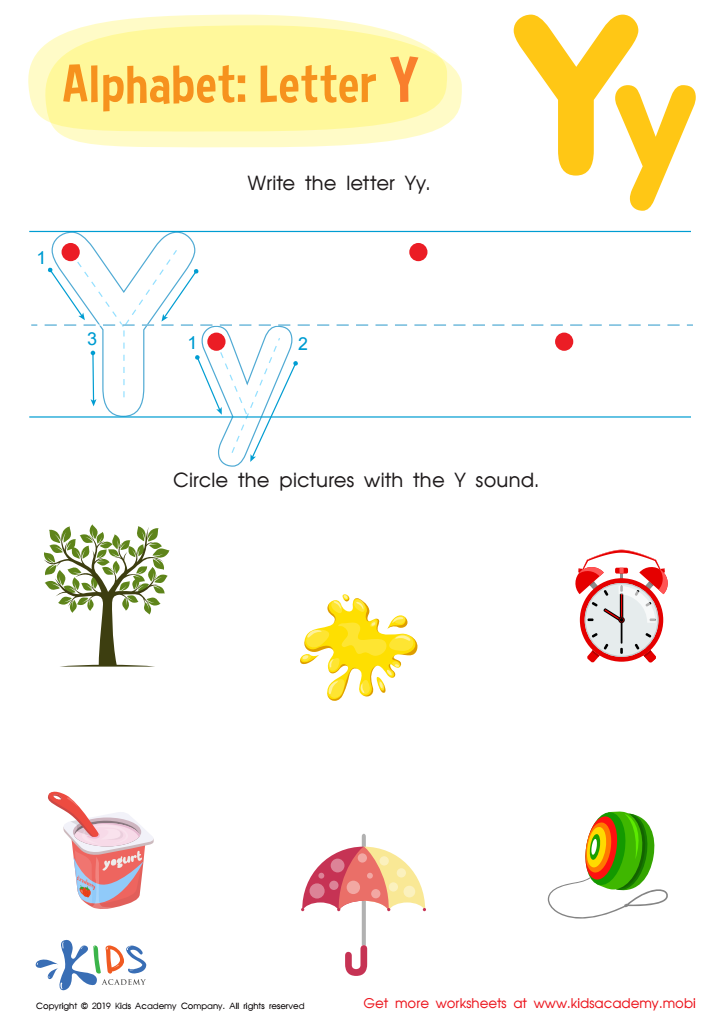
Letter Y Tracing Worksheet
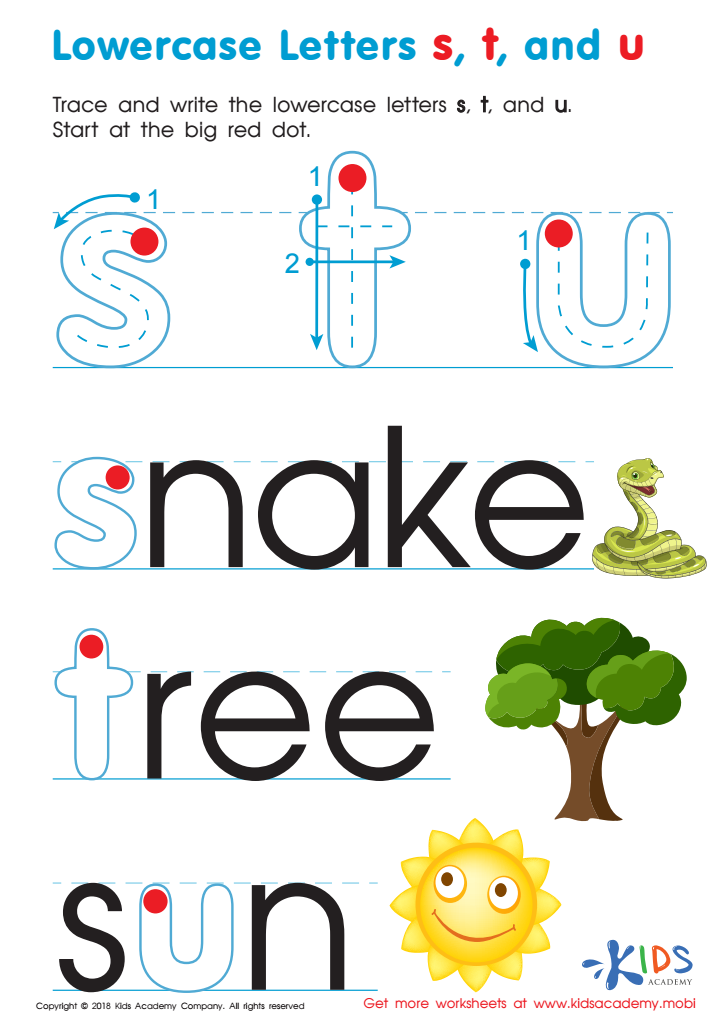
Lowercase Letters s t u Worksheet







Handwriting practice, particularly through tracing letters, holds significant importance for children aged 4-5. At this developmental stage, kids are honing their fine motor skills, which are critical for various daily tasks and future academic success. Tracing letters provides them with an engaging way to improve hand-eye coordination, dexterity, and muscle memory in their fingers and hands.
Additionally, tracing letters helps young children develop foundational literacy skills. Recognizing and forming letters are crucial steps toward reading and writing fluency. By practicing tracings, children start to familiarize themselves with the alphabet’s shape, which aids in their ability to recognize letters in books, signs, and other written material. This recognition is a key precursor to developing strong reading skills.
For teachers and parents, this practice provides a structured yet enjoyable learning activity that can be easily integrated into daily routines. It fosters independence and concentration in young learners, encouraging them to complete tasks and persevere through challenges. Moreover, consistent handwriting practice cultivates a sense of achievement and builds confidence as children witness their own progress.
Ultimately, dedicating time to handwriting practice through tracing letters equips children with skills that serve as building blocks for all future learning endeavors, thus making it a crucial focus for both parents and educators.








